CCTV Installation for Business in Singapore Guide
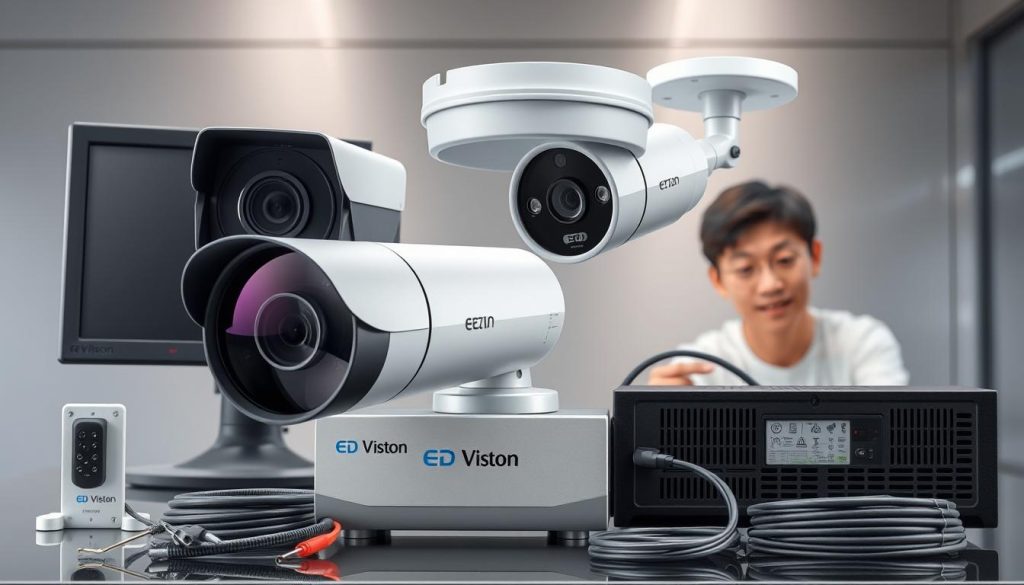
In today’s world, CCTV installation for business is key to protecting assets and people in Singapore. This guide offers deep insights into setting up a business surveillance system. It covers everything from legal needs to picking the right gear. Businesses can see big benefits from a good CCTV system. With the need for solid surveillance growing, it’s important to use professional services. These services must follow local laws and the Personal Data Protection Act (PDPA). If you’re looking to upgrade or start fresh, this guide has got you covered. It will help you understand CCTV systems in a business setting. This promotes safety and security for your place. Key Takeaways Understanding the role of CCTV in protecting business assets and personnel. Complying with the Personal Data Protection Act (PDPA) is essential. Choosing the appropriate equipment is critical for effective surveillance. Professional installation services can meet legal and functional needs. Clear notification practices improve transparency about CCTV use. Regular CCTV system maintenance is key for best performance. Think about getting expert help for full CCTV installation support. Understanding the Importance of CCTV for Businesses For about 40 years, businesses have used CCTV systems to boost security. A good security camera setup for commercial properties deters crime and helps monitor incidents in real-time. Studies show that CCTV can cut crime rates by up to 51% in parking areas. With more retail theft, CCTV becomes key for loss prevention. These systems save money and make customers feel safer. This can lead to happier customers and more loyalty, which is great for retail and hospitality. Today’s CCTV systems have high-definition video for clear footage, which is key for investigations. They also let business owners watch footage from anywhere, helping them respond quickly to incidents. This constant monitoring keeps workplaces safe and follows safety rules, preventing accidents and keeping employees safe. Insurance companies see CCTV as a way to lower risks. They might give up to a 20% discount on premiums for businesses with CCTV. This not only saves on insurance but also on hiring security guards, as cameras are cheaper. In short, businesses with a solid CCTV plan keep their places safe. They also create a secure work environment that boosts productivity and trust. The Personal Data Protection Act (PDPA) and Its Implications The Personal Data Protection Act (PDPA) is key in managing CCTV use in Singapore. It deals with how personal data is handled by companies. It started on July 2, 2014, and covers private groups. It sets rules to protect privacy and respect individual rights. Overview of the PDPA The PDPA looks after all personal data, both digital and non-digital. It gives people the right to see and change their data. Companies with CCTV must not ask for too much personal info. They also need to tell people when CCTV is on, unless it’s for secret security reasons. Key Obligations When Using CCTV Companies have to follow some important rules when using CCTV: They must have a good reason for using CCTV. They need to get clear consent from people for data collection. They must tell people about their data rights. They should give access to CCTV footage if asked, unless it’s risky. They should handle requests to stop using data carefully, telling people what might happen. Companies can charge a fee for data access. The PDPA says when they can’t give access, like if it’s a safety risk. Choosing the Right CCTV System for Your Business Choosing the right CCTV system is a big deal for businesses in Singapore. It helps protect assets, employees, and customers. Knowing about different cameras and what to look for helps business owners make smart choices. Types of CCTV Cameras There are many types of CCTV cameras out there. Each has its own special features and uses: Dome Cameras: Great for indoor use, these cameras are small and not noticeable. They’re often used in stores and can see a lot. Bullet Cameras: These cameras can see far and are good for outside use. They can handle weather well, thanks to an IP66 or higher rating. PTZ (Pan-Tilt-Zoom) Cameras: These cameras are flexible. You can move them and zoom in or out from a distance. They’re good for watching over big areas with just one camera. Factors to Consider in Selection When picking a CCTV system, think about a few key things. They help make sure your system works well and does its job: Factor Description Resolution 1080p or 4K resolutions are best for clear pictures. They help you see who’s who in the footage. Durability Look for an IP67 rating or higher for outdoor use. It means the camera can handle the weather. Scalability The system should grow with your business. It should be able to handle more cameras or areas as needed. Night Vision Features like infrared are key for seeing in the dark. They let you keep an eye on things even when it’s dark. Remote Access Being able to watch live footage on your phone or tablet is super handy. It lets you check in anytime, anywhere. Power Supply A steady power source is important. It keeps the cameras recording without interruption, even outside. CCTV Installation for Business: Steps to Follow Setting up a professional CCTV system needs careful planning. Businesses should first figure out their security needs. This includes spotting weak spots and deciding how many cameras are needed. After figuring out what’s needed, the next step is planning camera placement. The best spots are entrances, exits, and busy areas. This makes the installation process smoother. Next, you need to set up cables or use wireless options. A good wiring system is key for clear recordings. These recordings can keep data for up to 30 days. After cables are in place, you set up the DVR or NVR system. Here, you choose the recording quality and settings. This ensures the system works well for your business. The last step is testing the system. This checks if everything works right and gives
CCTV Installation for Business in Singapore Guide Read More »