ED VISTON

solar security camera 4g

4G Solar Security Camera Solutions for Singapore

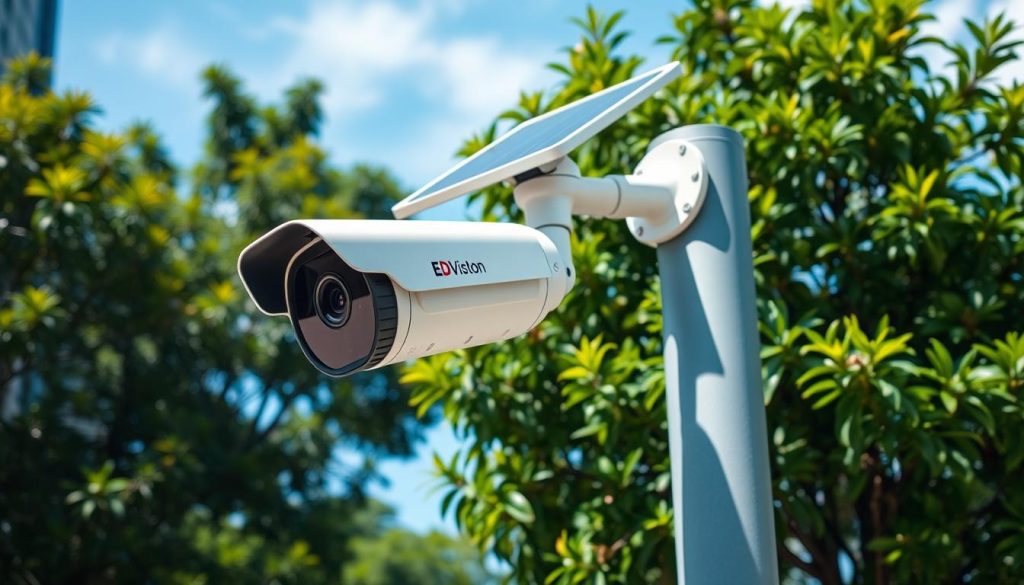
In Singapore’s fast-paced urban landscape, 4G solar security cameras are key for safety and security. They use solar tech and 4G to let homeowners and businesses watch their places well and greenly. As more people want to use renewable energy, they look for options that are good for the planet and keep them safe. The solar powered 4G security camera is a top pick for those who care about the environment. It’s energy-smart and cuts down on carbon emissions. It offers high-definition video, strong motion detection, and easy remote watching. For more info or to upgrade your security, call ED Viston at +65 8313 4578. Key Takeaways Solar technology can cut energy costs by up to 75%. Solar powered 4G security cameras ensure operation independent of electrical sources. Some models allow operation for up to seven days without sunlight. High-definition options provide video quality that captures every detail. Motion detection capabilities enhance security by quickly identifying possible threats. Weatherproof ratings keep the cameras working in different outdoor conditions. Long-term savings are achievable through reduced energy bills. Introduction to 4G Solar CCTV Cameras 4G solar CCTV cameras have changed how we watch over places. They use the sun’s power, which is great when there’s no electricity. In Singapore, the sun shines for about 2,500 hours a year, making solar power a good choice for watching over areas. These cameras work on their own, which is good for the planet and for watching over places. They’re useful for homes, businesses, and places far away. You can put them anywhere, even where it’s hard to get to, without worrying about power. Cameras like the Dahua Imou Cruiser and Reolink Go have cool features. They can show clear pictures in the dark and during the day. They also have sensors that help them not to miss important things and avoid false alarms. These cameras send live video, which is key for keeping places safe. As more people want to watch over places in a green way, 4G solar CCTV cameras are becoming more popular in 2023. Understanding the Technology Behind Solar CCTV Solar powered 4G security cameras are a big step forward in home security. They use the sun’s energy to keep an eye on your place. This means they work even when there’s no electricity around. These cameras have a special SIM card. It lets them send video and alerts over the internet. This is great for places like farms or construction sites where WiFi isn’t always available. Outdoor 4G cameras are more than just connected. They have batteries that last over a week. This means you can keep watching without stopping. Setting them up is easy, too, because they don’t need complicated wiring. This tech is not just about security. It’s also good for the planet. Solar 4G cameras are energy smart. They meet today’s security needs, like being easy to get to and working when the power goes out. Feature Solar Powered 4G Security Camera Traditional Wired Security Camera Power Source Solar energy Wired electricity Installation Quick and easy Time-consuming, requires wiring Connectivity 4G LTE WiFi or wired Battery Life Typically over a week N/A Operational in Remote Areas Yes No The Importance of Solar Energy in Singapore Solar energy is key to Singapore’s green living goals. The country gets over 2,500 hours of sun yearly. This makes it ideal for using solar power, like for security cameras. Using solar cameras is good for the planet and saves money. It’s a smart way to use renewable energy. The need for more video surveillance has grown. This is true, mainly at construction sites where rules must be followed. Solar CCTV systems are becoming more popular because they don’t need traditional power. These systems save money and help the environment. They are also faster and cheaper to install than old systems. This means less money spent on labor. Solar tech makes security better by working even when there’s no power. The cameras can handle Singapore’s weather well. They are weatherproof and capture a lot of sunlight, thanks to their 21% efficiency. Top brands offer solar cameras that take clear pictures and watch continuously. For more info on solar security systems, check out this resource. Feature Details Warranty 25 years for solar panels; 3 years for surveillance systems Battery Life Lasts up to 3 months on a full charge Image Quality Up to 13MP with 4K time-lapse recording Operating Temperature -10°C to 55°C with 10% to 90% humidity handling Setup Time Minutes, with minimal wiring needed What is a Solar Powered Security Camera? A solar powered security camera works without needing electricity. It uses solar panels to turn sunlight into power. This lets users watch their surroundings through mobile apps, even without wired connections. These cameras are reliable, thanks to their big batteries. For example, the Reolink Go has 1080p HD and night vision. This makes solar panel 4g security cameras a great choice for many. These cameras use very little power, about 2 watts on average. Some can last up to 165 days on a single charge. They also have features like motion detection to cut down on false alarms. These cameras are perfect for places where electricity is expensive. For instance, running power to a remote cabin could cost $5000. But, a solar powered security camera can save a lot of money while keeping you safe. Feature Details Power Source Solar energy and rechargeable batteries Network Connectivity 3G/4G LTE networks Video Resolution 1080p HD or higher Motion Detection Built-in PIR sensor Batter Life Up to 165 days in sleep mode Storage Options Local SD card (up to 1TB) Weather Resistance IP67 rating The solar powered security camera market is growing fast. These cameras are practical and innovative. They’re a good choice for those who care about safety and saving money. Benefits of Using a Solar Powered 4G Security Camera Solar powered 4G security cameras have many benefits. They use solar panels to turn sunlight into energy. This cuts down on electricity

4G Solar Security Camera Solutions for Singapore Read More »

CCTV service installation and maintenance in Singapore

CCTV Service Explained: What’s Included?

Ever thought about how a simple CCTV installation turns into a full security solution? In busy places like Singapore, strong security is key. This article looks into CCTV services, covering key parts like installation, maintenance, monitoring, and upgrades. Knowing what a CCTV service offers helps you protect your space better. Key Takeaways CCTV services include installation, maintenance, monitoring, troubleshooting, and upgrades for top security. IP and analog cameras are the main types used in CCTV systems. Wired systems with Power over Ethernet (PoE) are best for big areas. Knowing the difference between DVRs and NVRs is important for picking the right recording system. Regular upkeep and fixing are key for CCTV systems to last and work well. For the latest CCTV info and deals, call ED Viston at +65 8313 4578. What is CCTV? CCTV, or closed-circuit television, is a key part of today’s safety and security. It’s a video system that sends signals to a few monitors. This tech is different from public TV, as it watches private areas. It started in 1942 with German scientists for rocket monitoring. Over time, CCTV has changed a lot. Now, it’s a must-have in security solutions. Definition and Origin of CCTV The CCTV history began in the military, like during atomic bomb tests. Later, it was used for business and home security. Now, CCTV helps stop crimes and helps solve them. This change shows how important CCTV is for keeping us safe. CCTV’s Role in Modern Security In modern security solutions, CCTV is very important. It has features like motion detection to save space and watch for trouble. You can also watch live footage on phones or computers. Companies with CCTV can save a lot on security costs. Sometimes, they save over 60% a year. This shows how CCTV meets many security needs. For custom CCTV services and the newest solutions, call ED Viston today at +65 8313 4578. CCTV Applications CCTV technology has many uses across different fields. It boosts security and gives important insights. It’s used in crime management, disaster response, and medical studies. These uses show how CCTV systems help keep us safe and give us peace of mind. Crime Management and Surveillance CCTV is key in fighting crime. It stops criminals and helps police find evidence. It watches over public areas, businesses, and homes, making them safer. Places with CCTV often have less crime. This proves how well it works in keeping communities safe. Disaster Management and Emergency Services CCTV is vital in disaster situations. It lets emergency teams watch what’s happening in real time. This helps them make fast decisions, saving lives and managing resources better. It’s used to watch over natural disasters. This helps teams respond quickly when every second matters. Medical Monitoring and Research In healthcare, CCTV helps keep an eye on patients. It lets doctors see if patients need help right away. It also helps in labs by showing what’s happening in experiments. CCTV systems offer big benefits to many industries. To learn more about CCTV solutions for your needs, call ED Viston at +65 8313 4578. We’ll tell you about our offers. How Does CCTV Work? CCTV systems are key in keeping places safe and secure. They work by using important parts and steps to record and check footage. Basic Components of a CCTV System A CCTV system has main parts that work together. About 60-70% have cameras and recorders. Analog cameras are used in about 40% of systems. Digital Video Recorders (DVRs) are used in 70% of setups. Wired systems work well up to 300 meters. Wireless cameras can reach about 20 meters but can be blocked by walls. Recording and Analyzing Footage Recording and checking footage uses advanced tech. Hard disks are used in nearly 90% of systems. Modern systems use high-definition monitors for clear video. Digital systems with IP cameras are popular for their clear images and extra features. These tools help in analyzing footage, making security better. For the latest CCTV solutions, call ED Viston at +65 8313 4578. They offer great deals tailored to your needs. Types of CCTV Systems It’s important to know the different types of CCTV systems to pick the best one. Each type has its own benefits and fits different security needs. You’ll find analog, digital, and network/IP cameras, each with its own strengths and weaknesses. This section will help you understand the difference between analog and digital systems. It will also explain how network/IP cameras work. This information will help you make a smart choice. Analog vs. Digital Systems Analog CCTV is known for being affordable and easy to set up. But, it doesn’t offer the best image quality. On the other hand, digital CCTV systems provide clearer images and more features. Digital systems also let you access footage from anywhere using smartphones. They can send data over the internet, making them more advanced than analog systems. Network/IP Camera Systems Network/IP cameras changed the game by letting you watch live feeds from anywhere. They use the internet, so you don’t need a lot of cables. This makes them great for both inside and outside use. These cameras have high-definition quality, which is key for clear images. Their flexibility and effectiveness make them a top choice for modern security needs. Type of CCTV Resolution Use Case Features Analog CCTV Lower Resolution Small Businesses Cost-effective, easy installation Digital CCTV High Resolution High-risk Areas Remote access, advanced features Network/IP Cameras Very High Resolution Varied Environments Wireless connectivity, flexible installation Choosing the right CCTV system depends on your security needs and budget. Each type has its own benefits for different situations. For expert advice, contact ED Viston today at +65 8313 4578. Key CCTV Tech Terms Knowing key CCTV technology terms is essential for anyone in surveillance. Understanding video encoders and image sensors helps you see how systems work. This knowledge helps you choose the right equipment for your needs. Video Encoders Video encoders are key in CCTV tech. They turn analog video into digital, making

CCTV Service Explained: What’s Included? Read More »

types of maintenance of CCTV

Types of Maintenance for CCTV Systems – Singapore Guide

When was the last time you thought about your CCTV system’s maintenance? Many think installing a camera is enough. But, without regular care, your system can fail like having no cameras. In Singapore’s changing security scene, knowing about CCTV maintenance is key for everyone. This guide will show you how to keep your CCTV systems working well. It’s all about safety and security. Check out this Singapore CCTV guide for maintenance tips. These tips will make your equipment last longer and keep you safe. For more on CCTV solutions and deals, call ED Viston at +65 8313 4578. Key Takeaways Regular maintenance is vital to the effectiveness of CCTV systems. Maintenance can be customized to meet specific surveillance needs. Certified technicians conduct thorough on-site inspections and repairs. Identifying issues early reduces downtime and enhances equipment lifespan. Emergency maintenance services address critical issues to uphold security. Customized maintenance plans ensure optimal system functionality. The Importance of Regular CCTV Maintenance Keeping a CCTV system in good shape is key to its success. Regular maintenance boosts the system’s efficiency. Without it, systems can fail, risking safety and surveillance. Regular checks catch problems early, like camera lens issues or wiring faults. Spotting these issues quickly stops system failures. Regular care also makes CCTV systems last longer and work better. Having a maintenance plan helps find and fix problems early. This saves money on repairs or new parts. It also keeps systems running smoothly and meets legal CCTV system standards. Investing in a well-maintained CCTV system saves money over time. It makes surveillance more reliable and cuts down on false alarms. This avoids fines and keeps operations running smoothly. Call ED Viston today at +65 8313 4578 to improve your CCTV system and find the latest solutions. What are the types of maintenance of CCTV? It’s important to know about CCTV maintenance types to keep security systems working well. Each type has its own role in making sure CCTV systems are reliable and effective. Regular upkeep helps avoid problems and makes systems last longer. Preventive Maintenance Preventive maintenance is about regular servicing to stop problems before they start. It includes cleaning camera lenses, checking sensors, and looking for wiring damage. This approach helps avoid system failures and keeps systems in top shape. Corrective Maintenance Corrective maintenance fixes problems that have already happened. It’s about finding and fixing issues to get the system working again. Quick action is key to keeping security strong and surveillance uninterrupted. Routine Inspections Routine inspections keep CCTV systems running smoothly. They check video quality, recording settings, and system calibration. Regular checks help spot problems early and keep everything working right. Regular maintenance boosts equipment life and meets security standards. For more on CCTV solutions and maintenance, call ED Viston at +65 8313 4578. CCTV Maintenance Best Practices Keeping a CCTV system running well requires following certain best practices. Regular upkeep is key to extending equipment life and avoiding sudden breakdowns. By using smart strategies, you can keep your system running smoothly and reduce downtime. Scheduling Maintenance Checks Businesses should regularly schedule maintenance for their CCTV systems. Having a set schedule for these checks helps you stay on top of things. This way, you can catch problems early and keep your system reliable. Using automated reminders for maintenance can make managing this easier. Documenting Maintenance Activities It’s important to keep a detailed record of all maintenance work. This record gives you a clear picture of your system’s health over time. It helps you spot any recurring issues and ensures all work meets industry standards. Keeping Contact with Professionals Working with professional CCTV services is vital for handling complex problems. Having a good relationship with experts means you can get help quickly when you need it. This partnership helps keep your system running smoothly and ensures any fixes or updates are done right. To get the best out of your CCTV system, adopt these maintenance best practices. For more information on the latest CCTV solutions and offers, call ED Viston today at +65 8313 4578. CCTV System Upkeep Techniques To keep your CCTV system running well, regular upkeep is key. It makes sure your system works right when you need it most. Here are some important upkeep tips. Cleaning Cameras Regularly Keeping your cameras clean is essential for clear footage. A clean lens inside and out reduces distortion from dirt and dust. Clean your cameras every three months. Also, make sure the camera housing is free from debris. Reviewing Recording Settings Check your recording settings often to capture important footage. Make sure cameras are in the right spots and resolutions are high enough. Weekly checks help catch all important events, giving you full security coverage. Testing Sensors for Efficiency Testing sensors is vital for good surveillance. Regular checks of motion and entry sensors ensure they work right. This boosts your chances of catching evidence during incidents, making it a key part of upkeep. Need help with CCTV maintenance? Contact ED Viston at +65 8313 4578. They offer the latest solutions and services tailored to your needs. CCTV Equipment Servicing Tips Keeping your CCTV equipment in top shape is key for reliable surveillance. Regular checks and updates boost system performance and security. Here are some tips to keep your CCTV systems running smoothly. Checking Connections and Cables Checking connections and cables is a must for CCTV maintenance. Make sure all connections are tight and corrosion-free. Look for any damage or wear on cables. Bad connections or cables can cause system failures. This can weaken your security setup. Updating Software and Firmware Updating your CCTV system’s software and firmware is critical. It adds new security patches and features. This keeps your system running efficiently. By regularly maintaining your CCTV, you extend its life. This saves you time and money. For more on CCTV solutions and offers, call ED Viston at +65 8313 4578. CCTV Surveillance Maintenance Methods Keeping CCTV systems in top shape is key. Two main ways to do this are using maintenance

Types of Maintenance for CCTV Systems – Singapore Guide Read More »

retail CCTV security systems for shops in Singapore

Retail CCTV Security Systems for Singapore Shops

Retail CCTV security systems are key for protecting shops in Singapore. Theft can cause big financial losses. Stores worldwide lose about $46 billion each year to theft and damage. In Singapore, nearly 1 million CCTV cameras show a focus on safety. Advanced store surveillance cameras watch over employees and customers. This makes the store safer. Modern retail security cameras have high-definition and night vision. AI analytics make surveillance better. Studies show stores with CCTV systems can cut theft by up to 50%. Retail management in Singapore is using these technologies more. They help fight risks, keep employees safe, and create a secure place for customers. For the latest in CCTV solutions and special offers, call ED Viston today at +65 8313 4578. Key Takeaways Retail CCTV security systems play a key role in protecting shops against theft. About 78% of retail stores in Singapore use some kind of surveillance technology. Modern security cameras improve monitoring with HD, night vision, and AI analytics. CCTV systems can greatly reduce in-store theft, helping stores stay financially stable. For advanced CCTV solutions, contact ED Viston. Introduction to Retail CCTV Technology The Internet of Things (IoT) has changed retail CCTV systems a lot. Now, businesses of all sizes have effective security solutions. These systems are easy to set up and let you watch over many places at once. You can choose between wired or wireless options, depending on what you need. Commercial security solutions are becoming more popular. They help keep retail places safe by making it clear there’s surveillance. This can stop theft and damage, making it safer for everyone. About half of would-be thieves decide not to target places with CCTV. Today’s CCTV systems offer many features, like clear images and remote access. You can pick from different camera types for both inside and outside use. The cost to install these systems varies, but they’re affordable for most businesses. Benefits of Retail CCTV Security Systems Retail CCTV security systems offer many advantages. They boost store safety and efficiency. They help prevent theft and keep employees safe. This makes them key for stopping loss in retail. Enhances Security and Deterrence Visible CCTV cameras make stores safer by scaring off criminals. Studies show a 30% to 50% drop in theft where CCTV is used. About 80% of business owners say CCTV makes their stores safer. High-definition CCTV helps catch thieves better. It makes evidence clearer, helping in court cases. Reduces Theft and Shrinkage CCTV is key in fighting shoplifting and shrinkage. It cuts shoplifting by 40% and employee theft by up to 50%. This means less money lost, which is good for business. Worldwide, retail theft costs over $1 trillion each year. CCTV helps lower these costs. Improves Employee Safety CCTV also makes employees feel safer. This can make them 20% more productive. It also protects businesses from false lawsuits by providing clear video proof. Benefit Impact Enhanced Security 30%-50% reduction in theft incidents Theft and Shrinkage Reduction 40% decrease in shoplifting Employee Safety 20% increase in employee productivity Legal Protection Objective evidence for legal disputes In summary, retail CCTV systems are very beneficial. They protect against theft and make work safer and more efficient. They are essential for preventing shop theft today. Understanding the Retail Theft Landscape in Singapore Retail theft is a big problem in Singapore, making up about 1.5% of all retail sales. This shows the need for strong security measures to protect businesses. With nearly one million cameras, Singapore is serious about keeping its streets safe. Studies show that cameras can cut shoplifting by up to 30%. This is a big win for stores, as over 80% say CCTV has helped a lot. It’s key to watch high-risk spots like entrances and cash registers closely. Stores with smart cameras solve theft cases 20% quicker. Cameras in private areas can lower internal theft by 40%. Regular checks on these systems can make them work better by 25%. Seeing cameras makes 70% of shoppers feel safer. This makes them more likely to come back. With theft and vandalism going up, using modern cameras and security is key to keeping stores safe. Security Measure Effectiveness Impact on Theft Reduction Retail Security Cameras High 30% reduction in shoplifting Intelligent Video Analytics Very High 20% faster resolution rate Annual Maintenance Checks Moderate 25% improvement in operational effectiveness Visible CCTV Presence High 70% of customers feel safer Types of CCTV Cameras for Retail Security Choosing the right CCTV camera is key to keeping retail spaces safe. There are many types, each with its own benefits. Knowing about these can help stores improve their security. HD Cameras for High-Quality Surveillance HD cameras offer clear images, important for spotting trouble and solving crimes. These retail security cameras can record in 1080p or 4K. This makes them perfect for places like banks and casinos. They help gather solid evidence during investigations. Night Vision Cameras for 24/7 Monitoring Night vision cameras use infrared to watch over places all day and night. They’re great for stopping theft at night when stores are more open. These store surveillance cameras can take clear pictures even in dark places. Wireless vs. Wired CCTV Options Deciding between wireless and wired CCTV systems affects setup and upkeep. Wired systems use cables for better reliability and security. They’re good for big stores with complex layouts. Wireless systems send data over Wi-Fi, making them easy for small stores. Knowing the pros of each helps make the best choice for store security. Choosing the Right Retail CCTV Security Systems Choosing the right retail CCTV security system is a detailed process. It involves looking at several factors. The layout of your store is key in deciding where to place cameras. Important spots include entrances, exits, and cash registers. Brands like Axis, Samsung, and Honeywell are top choices. They offer high-quality systems and longer warranties. This makes them better than unbranded options, which often have shorter warranties. The type of camera matters a lot. PTZ cameras can move and zoom, giving

Retail CCTV Security Systems for Singapore Shops Read More »

retail CCTV security systems

Retail CCTV Security Systems in Singapore

In today’s fast-paced retail world in Singapore, CCTV security systems are a must for businesses. They help protect assets and keep customers safe. These systems watch and record everything, keeping thieves and fraudsters away. With new tech, cameras now offer clear video, remote viewing, and easy setup. They keep stores safe and make a secure place for everyone. For more on the best cameras for stores, check out this resource. Key Takeaways Retail CCTV security systems enhance safety and deter theft. High-definition and night vision capabilities improve surveillance accuracy. Installation services include a two-year warranty. Remote access lets you watch in real-time on mobile devices. Advanced tech, like face and motion detection, boosts security. There are many camera types for different store needs. The Importance of Retail CCTV Security Systems Retail CCTV security systems are key to keeping stores safe. With theft and vandalism on the rise, good surveillance is essential. Visible cameras scare off thieves, making stores safer for everyone. Enhancing Safety and Security in Retail Environments Good surveillance makes shopping safer. Stores with CCTV see a big drop in theft, over 50%. This means less damage and financial loss from crime. Impact on Retail Crime Prevention Security cameras help prevent crime in the long run. They also help solve disputes and accidents with clear evidence. Quick action by managers stops more crimes from happening. Benefit Impact Deterrence of Theft Over 50% decrease in theft attempts Resolution of Claims 30% higher success rate in legal disputes Insurance Premium Savings 10% to 20% reduction after installation Monitoring Across Locations Reduction in management costs by up to 25% Store Revenue Increase Average sales increase of 20% through behavior analysis Types of Retail Surveillance Systems Available Retail businesses know how important surveillance systems are. They help keep stores safe and run smoothly. Retailers often choose between wireless and wired CCTV systems. Each has its own benefits for monitoring a store. Wireless vs. Wired CCTV Solutions Wireless CCTV solutions are great for flexibility and easy setup. They’re perfect for small stores without a lot of wiring. You can move cameras easily without dealing with wires. On the other hand, wired systems are reliable for bigger stores. They ensure steady connection and performance. It’s important to think about ease of installation, reliability, and growth when choosing. HD and Night Vision Cameras for 24/7 Monitoring HD cameras with night vision are key for all-day surveillance. They capture clear images day and night. This is vital for keeping stores safe, even when it’s dark. Features like infrared and low-light tech improve visibility in dark spots. This makes monitoring more effective, even in the shadows. Feature Wireless CCTV Solutions Wired CCTV Systems Installation Ease Easy, quick installation Requires cabling, may be complex Flexibility High flexibility in camera placement Limited by cable lengths Reliability Potential signal interference More reliable connection Adaptability Can easily upgrade systems Requires more effort to upgrade Choosing the right mix of wireless and wired systems, along with HD cameras, boosts security. This approach not only keeps stores safe but also helps in case of incidents. Retail CCTV Security Systems Features In retail, security is key. CCTV systems have features that help keep places safe and stop theft. High-definition cameras and remote monitoring are must-haves for clear views and easy access. High Definition Resolution for Clear Image Quality High-definition cameras in retail give sharp images. They help spot people, read faces, and see license plates. This clear view is vital for legal proof and cutting down theft. Stores with good surveillance can see a 50% drop in stolen goods. This is thanks to the latest tech. Remote Access and Mobile Monitoring Remote monitoring lets owners watch their stores from anywhere. Modern systems also offer mobile access. This gives peace of mind and quick action when needed. This is great for stores with many locations. About 65% of managers use these tools to watch over different places. Feature Benefits High Definition Resolution Clarity for effective identification and legal purposes Remote Monitoring Ability to supervise premises in real-time Motion Detection Enhanced surveillance with fewer false alarms Flexible Installation (Wireless Options) Ease of setup, even for small businesses Centralized Monitoring Streamlined security oversight for multi-site retailers Benefits of Installing Retail Security Cameras Installing retail security cameras offers many benefits. They help keep stores safe and efficient. One key advantage is that they deter crime and theft. Seeing these cameras makes criminals think twice, making shopping safer. These cameras also allow for real-time surveillance. This means security can respond quickly to any issues. This is a big plus for keeping stores safe. Deterrent Against Crime and Theft Retail security cameras are great at stopping theft. Many stores see a big drop in shoplifting, up to 80%. This not only saves money but also makes shopping better for everyone. Knowing they’re being watched often stops criminals. This makes stores less likely to be targeted. Real-time Surveillance for Immediate Response These cameras let security watch in real-time. They can see and respond to anything suspicious right away. This is super helpful for stopping thieves fast. Studies show that 75% of crime investigations use CCTV footage. This shows how important these cameras are. Having these cameras also makes employees feel safer. They’re 36% more likely to feel secure. This improves work life and can even save money by reducing the need for more security staff. Benefit Impact Reduction in Shoplifting Up to 80% decrease Decrease in Employee Theft 45% reduction Improved Employee Safety 36% feeling of safety Evidence for Criminal Inquiries 75% of cases utilize footage Cost Savings 30-50% reduction in security expenses Increased Public Trust 60% of businesses report improvement Commercial CCTV Installation in Singapore In Singapore, businesses have many options for commercial CCTV installation. Retailers use surveillance systems to fight theft and keep customers safe. This has made professional installation services more popular, but some try DIY to save money. The choice affects how well the systems work. Professional vs. DIY Installation Options Many retailers choose professional installation over

Retail CCTV Security Systems in Singapore Read More »

CCTV system lifespan in Singapore

Lifespan of a CCTV System Explained | Singapore

Ever thought about what affects a CCTV system’s lifespan? Many think it’s fixed, but it’s actually influenced by many factors. Knowing these can help you protect your investment. The lifespan of a CCTV system depends on several things. On average, CCTV cameras last 3 to 5 years. Experts suggest upgrading every 3 years to keep image quality high. This helps in solving crimes. In Singapore, where theft is on the rise, knowing about CCTV system lifespan is key. Regular upkeep and keeping up with tech advancements are important. For the best systems, check out Wenhong’s IP CCTV solutions. To get the most out of your CCTV system, contact ED Viston today at +65 8313 4578. They can give you the latest on maximizing your investment. Key Takeaways The average lifespan of CCTV cameras ranges from 3 to 5 years. Regular upgrades can significantly enhance performance and image quality. Maintenance practices and equipment quality play vital roles in longevity. Understanding your system’s components is key for optimal function. Rising theft statistics show the need for good surveillance. Understanding CCTV System Lifespan The life of a CCTV system shows its durability and how well it works. A top-notch CCTV camera usually lasts about 4 to 7 years. This time can change based on the materials, where it’s set up, and how much it’s used. Knowing these points helps us understand CCTV system longevity better. It also helps us make smart choices about setting up or updating systems. Putting in a CCTV system right is key to its lasting power. Getting a pro to install it helps place cameras better and work longer. Also, keeping the system in check is important. Regular checks for damage and cleaning the lenses can stop image quality from getting worse. Upgrading CCTV systems can cost differently, depending on the type, how many, and installation costs. Knowing this helps plan and invest in security better. Taking care of your system can make it last longer, keeping your place safe and secure. For the best advice on CCTV solutions, call ED Viston today at +65 8313 4578. They have the latest options for your needs. What is the lifespan of a CCTV system? The lifespan of a CCTV system depends on its quality and how it’s used. On average, it lasts between 3 to 5 years. High-quality systems can last up to 7 years. The quality of the equipment is a big factor in how long it lasts. Professional-grade security cameras can last over 7 years. They are made to last longer. Consumer-grade cameras, on the other hand, last about 2 to 3 years. They often fail sooner because they are made cheaper. Outdoor cameras usually work well for 4 to 5 years. They need to be well-made and sealed well. Cameras with infrared can last 5 to 6 years, while others can last up to 10 years. Keeping them clean and checking the connections helps them last longer. Technology has improved, making CCTV systems last longer. This includes better batteries for wireless cameras and more protection. It’s important to think about the long-term cost of a CCTV system, not just the initial price. For advice on making the most of your CCTV system, call ED Viston today at +65 8313 4578. They have the latest offers and solutions. Factors Affecting CCTV System Longevity The life of a CCTV system depends on several key factors. Knowing these can help users choose the right surveillance gear. The main factors are the quality of the equipment, the environment it’s in, and how it’s used. Quality of Equipment The materials and tech in CCTV systems greatly impact their life span. High-quality gear from brands like HikVision and Samsung lasts longer and works better. Digital and IP-based systems often last longer than older analog ones. Choosing top-notch cameras means better performance and a longer life. Some professional cameras can last up to 25 years. Keeping software up to date also helps them last longer. Environmental Conditions Outdoor cameras face tough weather, which can shorten their life. Rain, snow, and extreme temperatures can harm them. This makes the environment a big factor in how long a CCTV system lasts. Indoor cameras have it easier and last longer. Keeping outdoor cameras in good shape through regular checks can help them last longer too. Usage Patterns How often and how a CCTV system is used affects its life. Cameras in busy areas or used a lot may wear out faster. This can help decide where to place cameras and when to upgrade. Regular care, like cleaning lenses and checking image quality, also helps extend a CCTV system’s life. It’s important to understand these factors to protect assets and loved ones well. For durable, vandal-proof CCTV options, check out Wenhong. For the latest in CCTV solutions and deals, call ED Viston at +65 8313 4578. Average Lifespan of CCTV Cameras The lifespan of CCTV cameras varies a lot. This depends on the camera’s quality, how it’s installed, and the environment it’s in. Knowing these factors helps users get the most out of their systems. Standard Durability Expectations Most CCTV cameras last between three to five years. But, high-quality cameras from brands like Avigilon can last up to ten years with good care. Outdoor cameras with an IP rating of IP65 or higher can handle different weather better. Regular CCTV system maintenance, like cleaning the lens and updating software, is key. It helps these cameras last longer. When to Upgrade Your System It’s important to check your security cameras often for upgrades. Newer models usually have better features and last longer. If your cameras aren’t working well or don’t meet your needs anymore, it’s time to get new ones. Staying updated with the latest technology ensures your surveillance is top-notch. Contact ED Viston today at +65 8313 4578 to find out about the newest CCTV solutions. They also have special offers to keep your system up-to-date. The Role of CCTV System Maintenance Keeping your CCTV system in

Lifespan of a CCTV System Explained | Singapore Read More »

outdoor security camera with solar panel

Solar-Powered Outdoor Security Camera | Best in SG

In Singapore, solar-powered outdoor security cameras are changing how we watch over our homes and businesses. These smart devices use the sun’s energy, making them a green choice. Singapore’s sunny weather means they work well, without needing regular power. More people are choosing solar cameras because they’re good for the planet. They come with the latest tech and save energy. Adding a solar camera to your security setup helps the environment. It also keeps your place safe. Key Takeaways Solar-powered cameras can operate up to 7 days without sunlight. These cameras require only 5-8 hours of sunlight for full charging. Switching to solar technology can save up to 30% on costs. Solar cameras have a lifespan of 3-5 years before battery replacement is needed. Operating in Singapore’s climate offers optimal conditions for solar technology. Introduction to Solar-Powered Security Cameras Solar-powered security cameras are gaining popularity in Singapore. This is due to growing safety concerns and new technology. Over 70% of homes worry about theft, making good surveillance key. An outdoor security camera with a built-in solar panel is a smart choice. It offers reliable monitoring without high electricity costs. Adapting to Singapore’s Climate Singapore’s tropical climate is perfect for solar-powered outdoor security cameras. The area gets over 2,500 hours of sunlight a year. This makes solar cameras very effective. Models with high-efficiency solar panels can work on their own, even on cloudy days. A solar camera can last up to seven days without direct sunlight. This is thanks to strong battery systems. The Rise of Green Technologies The world is moving towards green technologies, making solar-powered security systems more popular. Using a weatherproof outdoor security camera with solar panel is a green choice. It’s a better option than traditional surveillance methods. These cameras support eco-friendly living and offer reliable monitoring. They need little wiring, making installation easy and cost-effective. Features like high-definition video and infrared night vision ensure they work well in all conditions. Benefits of Using Solar-Powered Security Cameras Solar-powered security cameras offer many benefits. They use sunlight, cutting down on fossil fuel use. This makes them a great choice for those who want to help the environment. Eco-Friendly Surveillance Solutions Solar cameras turn sunlight into electricity. This means they don’t need to be plugged in. The Department of Energy says they work well even at night. They have special parts that help them use energy wisely. This makes them last longer and is why many people choose them. Cost-Effective Security Options Switching to solar can save money on energy bills. The upfront cost is high, but it pays off in the long run. Plus, setting them up is easier and cheaper than traditional systems. The Arlo Solar Panel Charger is a good example. It costs $59.99 and is a budget-friendly option for quality surveillance. Feature Solar-Powered Camera Traditional Camera Power Source Solar Energy Electricity Installation No Wiring Needed Complex Wiring Required Flexibility High (Remote Locations) Low (Requires Power Access) Environmental Impact Lower Carbon Footprint Higher Carbon Footprint Long-Term Savings Yes No Key Features to Look for in Outdoor Solar Cameras Choosing the right outdoor solar camera means knowing what matters most. These cameras have special perks over regular ones. Key features like battery life, charging speed, and video quality are key to good security. Battery Life and Charging Capabilities Battery life is super important for a wireless outdoor camera with solar panel. Top models can last over three months on one charge, given enough sunlight. Lithium-ion batteries are best because they keep their charge well. Look for cameras that charge up in six to eight hours of sunlight. They should work for at least eight hours a day. This keeps them going even when it’s cloudy. Video Quality and Resolution Video quality is a big deal for a security camera. Most outdoor cameras have resolutions from 720p to 4K, with 1080p being common. High-definition means clearer images, making it easier to see what’s happening. Features like night vision and motion detection make these cameras even better. They’re great for many places. Why Choose an Outdoor Security Camera with Solar Panel Choosing an outdoor security camera with a solar panel has many benefits. It saves money and helps the environment. This combo of renewable energy makes it easy to watch over your place while being green. Reduced Electricity Costs Using a solar panel with your camera cuts down on electricity bills. Solar energy means you don’t need to use the grid as much. This can lead to big savings on your energy costs. A 75W solar panel is perfect for these cameras. They use between 4 to 15 Watts. On sunny days, solar panels can make 250 to 350 Watts. This is enough to power several cameras at once. Environmental Impact of Solar Cameras Solar cameras are good for the planet, which is important today. They use solar energy instead of electricity from the grid. This cuts down on harmful emissions and supports global efforts to be more sustainable. Keeping your solar panels in good shape is key. It makes sure they work well and help the environment. As more people want to live sustainably, solar-powered cameras are a great choice. Camera Model Power Consumption (Watts) Required Watt-Hours (Wh) for 8 Hours Battery Life with Jackery 1000 Pro (hours) TP-Link 5.4 43.2 157.7 Google Nest Cam IQ 13 104 ~85.2 Vivint Outdoor Camera 7 56 ~120 Ring Floodlight Cam 15 120 ~85.2 Best Outdoor Solar-Powered Security Cameras Many outdoor solar-powered security cameras are known for their reliability and performance. They help improve home security. We will look at some top models from well-known brands, focusing on their key features and specs. Top Picks for Reliability and Performance The market has several reliable outdoor solar security cameras. Here are some of the best: Lorex Solar Camera: It has a SecureScore™ of 9.2. It offers up to 4K resolution and is highly rated for its performance. It also gets high marks for customer service and value. Ring Solar Camera: With

Solar-Powered Outdoor Security Camera | Best in SG Read More »

solar panel with battery for security camera

Solar Panel with Battery for Security Camera Guide

Home security is more important than ever. Using solar energy for cameras is a smart move. This guide will show how solar panels with batteries boost security and help the environment. By choosing solar-powered cameras, you use clean energy and keep your home safe. We’ll cover the benefits, key parts, power needs, and how to install them. This will help you set up a solar security system easily. If you want the latest in solar security, call ED Viston at +65 8313 4578. Key Takeaways A solar panel with battery is key for security cameras to work well. Solar systems can cut energy costs by up to 75%. They can run for up to seven days without sunlight. Right installation means better energy use and camera performance. Regular care makes solar battery cameras last about 10 years. Introduction to Solar-Powered Security Cameras Solar-powered security cameras are a new innovation in outdoor surveillance. They use sunlight to make electricity, working in places hard to reach with regular power. They’re great for homes, farms, and outdoor events in Singapore. The S1-WIFI solar camera by UCOCARE is special. It has a 15000mAh battery that lasts up to seven days without sunlight. It works well even when it’s cloudy. Its AI person detection is 99% accurate, making it very secure. Solar cameras have solar panels from 6 to 8 Watts. Bigger ones have panels up to 20 to 60 Watts. This power lets them record continuously and work better. They also offer high-definition images, often at 4 MP resolution. But, solar cameras have some downsides. They might not work as well in cloudy weather or shaded spots. Studies show they can last up to 300 days on one charge. This makes them good for many places. The solar technology market is growing fast. It’s expected to reach $314.79 billion by 2030. This shows a big move towards green energy. For those looking for a solar-powered camera system, knowing the pros and cons is key. This helps make smart choices about security, energy, and the environment. Benefits of Using a Solar Panel with Battery for Security Cameras Using a solar panel with a battery for security cameras has many benefits. It’s perfect for outdoor surveillance systems. These setups work well without the need for the traditional power grid. This is great for places like farms and construction sites where power is not always available. This eco-friendly security technology helps the environment by using less fossil fuel. Solar-powered cameras cut down on greenhouse gas emissions and work efficiently. They keep monitoring all day, every day, even on cloudy days. Setting up solar panels is easy, making it simpler than wired systems. Placing them facing south gets the most sunlight, improving their efficiency all year. They also share extra charge, keeping batteries full without wasting energy. Models like the Arlo Go 2 LTE/Wi-Fi Security Camera work with cell networks, even without Wi-Fi. They’re affordable, with solar chargers for Arlo cameras starting at $59.99. You can also add more cameras easily, making your security system better. Benefit Description Eco-Friendly Uses solar energy, cutting down on greenhouse gas emissions. Cost Efficiency Can save money on energy bills compared to traditional systems. Easy Installation Doesn’t need complex wiring, saving on setup costs. Continuous Operation Batteries keep a charge for 24/7 surveillance, no matter the weather. Mobile Setup Wireless units can be moved to improve coverage as needed. These benefits make for a strong, efficient, and green security system. They need less maintenance than wired systems and protect against weather-related outages. Solar-powered security systems are a smart choice for any setting. Components Required for Setting Up a Solar Camera System A reliable solar battery camera setup needs key components. These parts work together to ensure efficient operation and power management. Each component is vital for harnessing solar energy and keeping surveillance capabilities. Solar Panel: A 75W solar panel is often recommended. It converts sunlight into electrical energy well. This size meets performance and storage needs. Battery: Choose a deep cycle battery with at least 24Ah capacity. This supports continuous functionality. It also keeps energy reserves during nighttime or cloudy conditions. Solar Charge Controller: A 10A/12V charge controller manages power flow. It’s key in protecting the battery from overcharging. Security Camera: Pick high-quality cameras like the Reolink RLC-410W. It has a power consumption of about 6W. This ensures it works well with solar panel systems. Cabling: Use 14 AWG cables for efficient energy transport. They can handle a distance of about 10 feet. Connectors and Enclosure: Crimp connectors and a weatherproof battery enclosure ensure safe connections. They also protect components from environmental damage. Putting these components together creates a dependable system. It works independently, without needing local power grids. This setup allows for surveillance in remote locations. Power Requirements for Your Solar Security Camera Knowing the power requirements for a solar panel with battery for security camera is key. Solar security cameras need between 4 to 15 Watts to work. For example, the TP-Link camera uses about 5.4 Watts. This means they need enough power for at least 8 hours of use. A good battery should hold ten times the solar panel’s maximum output. This helps avoid overcharging and makes the battery last longer. Batteries for solar cameras charge in 6 to 8 hours. A top-notch battery can power your camera for a week to over three months. This depends on how much you use it. Choosing the right battery is critical for your system’s power needs. Here’s a table to show how different cameras use energy: Camera Model Power Consumption (Watts) Daily Energy Requirement (Wh) Operational Run Time (Hours) Average Security Camera 10 80 85.2 TP-Link Camera 5.4 43.2 157.7 Google Nest Cam IQ 13 104 65.5 Vivint Outdoor 7 56 56.8 Ring Floodlight Cam 15 120 56.8 It’s important for solar security systems to work with Wi-Fi or 4G. Choosing a solar panel with battery for security cameras saves money in the long run. Understanding power requirements helps create

Solar Panel with Battery for Security Camera Guide Read More »

CCTV camera lifespan in Singapore

Lifespan of a CCTV Camera in Singapore Explained

With theft-related offenses in Singapore rising by over 25% in the first half of 2023, how much do you know about the lifespan of a CCTV camera? As businesses try to protect their places, knowing about the CCTV camera lifespan is key. It’s not just for making smart choices but also for keeping CCTV camera reliability high. In this article, we’ll explore what affects these important tools’ long life. We’ll help property managers and business owners make smart choices to safeguard their assets. Key Takeaways The effectiveness of CCTV systems depends on their upkeep and how long they last. Keeping them well-maintained can make them last longer. New tech and the environment also affect how long a CCTV camera lasts. Knowing the different types of cameras helps in making better choices. Following the law and keeping CCTV systems in check is very important. For expert advice on CCTV solutions and deals, call ED Viston today at +65 8313 4578. Understanding CCTV Camera Lifespan The lifespan of a CCTV camera depends on several factors. These include how well it works and its cost-effectiveness. Cameras from top brands like Avigilon can last up to 15 years. But, most CCTV cameras work well for 5 to 10 years. When maintenance costs get too high, it’s time to think about upgrading. This is when the camera’s economic lifespan ends. CCTV camera durability is key to their lifespan. Cameras with high IP ratings, like IP65, can handle harsh weather. The materials and how they’re built also affect how long they last. Regular maintenance, like cleaning lenses and checking connections, helps extend their life. This keeps them working well for a long time. Technical advancements mean we often need to upgrade CCTV systems. New cameras offer better video quality and durability. They also come with cool features like motion detection and remote access. Getting professional installation is important. It ensures the camera works right and keeps warranties valid. Need help choosing the right CCTV solutions? Call ED Viston at +65 8313 4578. Learn about the latest offers and get expert advice just for you. What is the lifespan of a CCTV camera? The lifespan of a CCTV camera depends on its type and how it’s used. Professional cameras, like those from Axis Communications, can last over ten years. On the other hand, consumer-grade cameras usually last between two to three years. Knowing how long a CCTV camera lasts helps businesses choose the right security. Functional Lifetime of CCTV Cameras Professional security cameras can work for more than seven years if installed right. Outdoor cameras, made for tough conditions, might last four to six years. Over time, environmental factors can reduce their performance, affecting image quality. These changes depend on CCTV camera lifespan factors like the environment and how well they’re maintained. Economic Lifespan Factors for CCTV Systems The cost of keeping CCTV systems running includes maintenance, new tech, and staying ahead of threats. Some cameras, like Uniview’s, have a very low failure rate and work well in cold weather. But, as tech gets better, older systems might need to be updated, which can be expensive. To pick the best system for your needs, check out the latest CCTV options. For advice and solutions, call ED Viston at +65 8313 4578. Camera Type Average Lifespan Failure Rate Special Features Professional CCTV 10+ years Less than 1% High durability and advanced features Consumer-grade CCTV 2-3 years Varies Basic functionality Outdoor Surveillance 4-6 years Below 5% Weather-resistant, often with night vision Infrared Cameras 5-6 years Varies Enhanced night surveillance capabilities CCTV Camera Durability and Longevity When picking a CCTV system, durability and longevity are key. There are many types of CCTV cameras, each for different needs. Knowing the differences helps you pick the right one for you. Common Types of CCTV Cameras Dome, bullet, and PTZ cameras are the most common. Dome cameras are great for indoors and can last over 10 years with care. Bullet cameras handle outdoor weather well, making them durable. PTZ cameras offer flexible angles but may wear out faster due to their parts. The life of these cameras depends on how they’re used and where they are. Material and Build Quality Considerations Material quality is key for CCTV camera longevity. Outdoor cameras need weatherproof housings to protect against rain, heat, and bugs. Regular checks and cleaning also help them last longer. New tech has made cameras more durable. IP cameras, for example, are built to last longer than older models. This means they can handle tough environments better. Solar-powered CCTV cameras are also a good choice for those who care about the environment. They can last from five to fifteen years, depending on the quality and upkeep. These systems work well even in low, giving users peace of mind. Looking for reliable surveillance? Contact ED Viston at +65 8313 4578 to learn about the latest CCTV options and deals. CCTV Camera Lifespan Factors The life of CCTV cameras depends on many factors. Things like the environment, how they are used, and new tech all play a part. Knowing these can help your surveillance system last longer. Environmental Conditions Impacting Lifespan Outdoor CCTV cameras deal with tough weather like rain and sun. This can shorten their life. But, good quality cameras can last up to 10 years. Using weather-proof models and installing them right can help. User Behavior and Maintenance Routines Keeping your CCTV cameras clean is key to their long life. Regular cleaning stops dust from harming them. Following a maintenance plan helps them work better and last longer. Technological Advancements and Their Role Staying updated with new tech is important for your system. New features like better night vision and cloud storage make cameras last longer. Upgrading every 4 to 5 years keeps your system running smoothly. Want to know more about CCTV system care and the latest deals? Call ED Viston at +65 8313 4578. They’ll tell you about the newest CCTV solutions and offers. Importance of CCTV Camera Maintenance Regular

Lifespan of a CCTV Camera in Singapore Explained Read More »

Is CCTV camera repairable?

Is CCTV Camera Repairable? | Quick Repair Tips

Ever thought about fixing a broken CCTV camera or just getting a new one? Knowing how CCTV cameras work is key to deciding if they can be fixed. We’ll look at common problems, quick fixes, and how to keep your cameras running well. With the rise of IP cameras, knowing when to fix or replace them is more important than ever. Key Takeaways Checking if your CCTV camera can be fixed can save you money. Modern IP cameras offer better quality and are now the norm. Issues like bad power supplies can often be fixed quickly. Keeping your cameras clean and well-maintained can make them last longer. If you’re unsure, a professional CCTV tech can help decide if it’s worth fixing or replacing. For more info on CCTV cameras and repairs, reach out to ED Viston today at +65 8313 4578. Discover the latest solutions and deals for your security needs. Understanding CCTV Camera Functionality CCTV cameras are key in today’s security systems. They work by using lenses, sensors, and recording systems. These parts together capture and save video. Each camera type, like analog, digital, or IP, has special features. The Mi Home Security Camera is a great example. It connects to WiFi at two frequencies, meeting different needs. It uses a secure encryption to stay connected. For the best results, it suggests using a class 10 MicroSD card for storing video in MP4@1080P format. This camera makes it easy to watch live feeds. Up to five devices can watch at the same time with one Mi account. It has a wide view of 130 degrees, perfect for catching faces from 5-6 meters (16-20 feet) away. It also has motion detection, but needs internet to start. It’s important to know about possible connection problems with CCTV cameras. Status lights can show if there’s a WiFi issue. Troubleshooting might be needed for updates or internet problems. This shows why it’s key to understand how CCTV cameras work. For more info on CCTV solutions and deals, call ED Viston at +65 8313 4578. Common Issues Experienced with CCTV Cameras CCTV cameras are key to security in many fields. Yet, they face common CCTV issues that can reduce their usefulness. It’s important to fix these problems fast to keep surveillance reliable. Power or connection problems are common. Issues like bad power supply and faulty wires can cause CCTV camera malfunctions. Also, wireless cameras might stop working if WiFi signals are lost, which can mess up surveillance. Old firmware is another big problem that can lead to video loss. Keeping cameras updated is essential for them to work right. Brands like Swann have faced issues like video loss due to power cuts, cable problems, and hardware failures, affecting their performance. Glare from shiny surfaces can also make footage blurry, worse at night. Cameras pointed too high can make this problem worse. Getting help from professional installers can help avoid glare and improve video quality. Knowing about these common CCTV issues helps keep monitoring and security up to date. For the latest CCTV solutions and deals, call ED Viston today at +65 8313 4578. Is CCTV Camera Repairable? Figuring out if a CCTV camera can be fixed is key. Knowing when to repair can save time and money. Issues like no image, constant disconnections, or bad video quality are common. Spotting these problems early helps keep your surveillance system running smoothly. Signs Your CCTV Might Need Repair Spotting repair signs early is vital for your CCTV’s performance. Look out for these signs: No Video Feed: A black screen means big problems. Frequent Disconnects: Losing connection often points to wiring or hardware issues. Distorted Footage: Blurry or glitchy video means lens or sensor problems. Error Messages: Any DVR alerts mean it’s time to troubleshoot. Power Issues: Unstable power can mess with camera function. Typical Repairs and Solutions After spotting repair signs, you might need to fix your CCTV. Here are common fixes: Replacing Faulty Wires: Bad cables can ruin video quality. Firmware Upgrades: Keeping software up-to-date boosts performance and security. Camera Lens Repair or Replacement: Fixing or swapping the lens improves image quality. Power Supply Replacement: New power supplies ensure your camera works right. Regular checks can make your CCTV last longer and work better. Need help with your CCTV? Call ED Viston at +65 8313 4578. They offer the latest CCTV solutions and deals. CCTV Troubleshooting: Quick Fixes to Try First Before you call a pro, many CCTV problems can be fixed easily. Spotting simple issues can save you time and money. Here are some key steps: Check power connections: Make sure the power source works and all connections are tight. Inspect cables: Look for any damage on cables linking the camera to the DVR or monitor. Damaged cables can cause video loss. Adjust camera lens angles: If cameras are not set right, they might not capture anything. A quick adjustment can fix this. Examine the DVR settings: Sometimes, DVR settings can change by accident, affecting video quality. Restart the system: A simple reboot can fix minor issues that affect camera performance. These quick fixes are the first steps in CCTV troubleshooting. Fixing these issues quickly can often solve problems without needing big repairs. If these fixes don’t work, it’s time to call a pro for a detailed check. For expert help, contact ED Viston today at +65 8313 4578. They offer the latest CCTV solutions and deals. Regular Maintenance Tips for CCTV Cameras Regular CCTV maintenance is key to a working surveillance system. Simple tasks can make your cameras last longer and work better. Cleaning lenses and updating software are essential. They prevent bad images and security risks, keeping your system safe. Importance of Cleaning Camera Lenses Cleaning your CCTV camera lenses is a must for clear views. Dust and dirt can blur images and reduce monitoring power. Use a soft cloth and lens cleaner to keep your lenses clear. Regular cleaning ensures you capture important moments clearly. Keeping Software and Firmware Updated

Is CCTV Camera Repairable? | Quick Repair Tips Read More »