
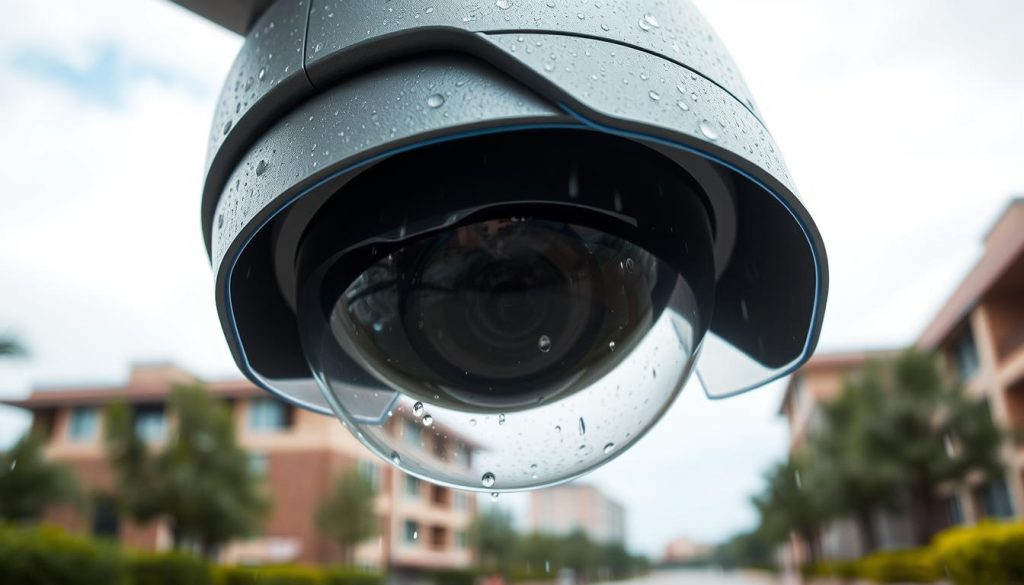
Many property owners in Singapore ask this critical question. The answer carries serious weight for your safety.
Singapore’s tropical climate brings heavy downpours and persistent high humidity. This environment creates constant threats to outdoor monitoring equipment.
Water ingress often leads to expensive, difficult repairs. It can cause complete system failure when moisture reaches internal circuits.
Proactive safeguarding represents a smarter investment than reactive fixes. Protecting your surveillance investment ensures clear footage when you need it most.
This guide addresses local climate challenges and installation standards. We cover everything from understanding threats to maintenance schedules for lasting security.
Key Takeaways
- Singapore’s wet weather and humidity pose real risks to outdoor security devices.
- Water entering equipment typically causes costly failures and difficult repairs.
- Blurry footage and poor visibility directly compromise property safety.
- Preventative measures are more cost-effective than fixing broken systems.
- Proper installation and regular maintenance are essential for longevity.
- Choosing weather-resistant models provides the first line of defense.
- A comprehensive protection plan covers physical housing and electronic components.
Understanding How Rain and Humidity Threaten Your CCTV System
Persistent moisture represents one of the greatest threats to outdoor surveillance. The combination of liquid water and airborne humidity creates multiple pathways for system failure. Understanding these mechanisms helps property owners implement effective countermeasures.
The Science of Water Damage to Electronics
Electronic components fail when moisture breaches protective seals. This infiltration triggers electrochemical reactions on circuit boards. Metal contacts and solder joints begin to corrode rapidly.
Short circuits occur when water bridges electrical pathways. These connections cause immediate or intermittent failures. The problem often starts small before escalating to complete shutdown.
Saltwater presents an extreme danger. It accelerates corrosion approximately five times faster than freshwater. Coastal installations face this heightened risk constantly.
Common entry points for moisture include cable connections and housing seams. Internal condensation forms during temperature shifts. Even minor flooding can overwhelm drainage systems in outdoor units.
Why Singapore’s Tropical Climate Poses a Unique Challenge
Singapore’s environment creates perfect conditions for equipment degradation. Average rainfall exceeds 2,400 millimeters annually. Relative humidity frequently surpasses 90% throughout the year.
The urban heat island effect intensifies these problems. Concrete and asphalt absorb heat during daylight hours. Monitoring gear experiences extreme temperature fluctuations as a result.
Thermal shock occurs when hot surfaces cool rapidly during storms. This stress can crack protective coatings and compromise seals. The cycle repeats with every major weather event.
Coastal areas like East Coast Park face additional hazards. Salt spray carries corrosive particles directly onto external surfaces. These particles accelerate deterioration of metal components and connections.
Constant warmth and moisture foster mold growth inside housings. This biological contamination clouds lenses and degrades image quality. Fogging becomes persistent without proper ventilation and sealing.
These combined factors make specialized protection essential. Standard equipment often fails under such demanding conditions. A comprehensive approach addresses both liquid and atmospheric moisture threats.
Can Rain Damage CCTV Camera? The Direct Answer
A direct hit from heavy downpours can permanently disable video monitoring units. The answer to whether moisture harms your security setup is an unequivocal yes. Water infiltration leads to immediate electrical failures and gradual component destruction.
When liquid reaches internal circuits, it creates sudden short circuits. This causes instant power loss or erratic behavior in your surveillance systems. The event often happens without warning during a severe storm.
A slower, more insidious process follows initial exposure. Corrosion begins on metal contacts and solder joints. This degradation steadily eats away at the electronic pathways over weeks or months.
Physical harm to lenses and housings also occurs. Impact from driving precipitation can crack external casings. Once the protective barrier is compromised, the internal components face direct assault.
Repairs after water ingress prove notoriously difficult and costly. Technicians must completely disassemble the unit to assess the extent of the harm. Even successful fixes may not restore the original image clarity or reliability.
Moisture-related failures often result in permanent data loss and compromised security coverage during critical moments.
Long-term effects transform a minor leak into complete system breakdown. Progressive component failure leads to blurry footage and poor visibility. Eventually, power loss renders the entire installation useless.
This reality underscores the urgency of implementing protective solutions. Understanding these mechanisms prepares you for the safeguards detailed next. Proper defense prevents these costly and dangerous failures from ever occurring.
Common Types of Moisture Damage in Surveillance Cameras
Moisture infiltration manifests in several distinct ways, each posing unique threats to surveillance equipment reliability. Recognizing these patterns helps diagnose problems and implement targeted solutions. Property owners benefit from understanding the differences between sudden, catastrophic events and gradual, insidious deterioration.
Immediate Immersion Damage from Flooding
Flash floods or accidental submersion create sudden, catastrophic failure. This overwhelms even robust protective seals on outdoor units. Water pressure forces liquid through microscopic gaps in housing.
Complete submersion saturates every internal component within seconds. Electrical circuits short out immediately upon contact with moisture. The result is often permanent, irreversible harm to sensitive electronics.
Singapore’s occasional intense storms can create localized flooding. Installations in low-lying areas face particular risk from rising water levels. Once liquid penetrates the main enclosure, repair costs escalate dramatically.
Immersed units typically require complete replacement rather than repair. Internal circuit boards corrode rapidly when exposed to standing water. Data recovery becomes impossible after such events compromise storage media.
Insidious Condensation and Internal Fogging
Condensation represents a silent, persistent threat in tropical climates. Warm, humid air enters through ventilation gaps or imperfect seals. This moisture condenses on cooler internal surfaces like lenses and circuit boards.
The science involves temperature differentials between external and internal environments. Nighttime cooling or air conditioning creates perfect conditions for fog formation. Water droplets accumulate on the interior lens surface, severely degrading image quality.
Foggy footage triggers false motion detection alerts during security monitoring. Critical details become blurred and unrecognizable in recorded video. This compromises the entire purpose of having surveillance systems installed.
Condensation damage occurs inside seemingly sealed protective housings. Property owners often discover the problem only after reviewing poor-quality recordings. Regular visual inspections help identify early signs of internal moisture buildup.
Long-Term Corrosion and Component Failure
Corrosion attacks metal components through electrochemical reactions over time. Screws, mounting brackets, and terminal blocks deteriorate gradually. This slow process weakens structural integrity and electrical conductivity.
Coastal installations face accelerated corrosion from salt-laden air. Industrial areas with atmospheric pollutants experience similar rapid deterioration. Rust compromises mounting stability, potentially causing units to fall.
Electrical connections degrade as corrosion forms on contact points. Signal quality diminishes, leading to intermittent functionality or complete failure. Power supply issues often trace back to corroded wiring terminals.
Differentiating between damage types aids troubleshooting efforts. Foggy lenses indicate condensation problems rather than flooding issues. Structural weakness points toward corrosion affecting mounting hardware.
Each damage category requires specific prevention strategies. Understanding these mechanisms informs better purchasing decisions and maintenance practices. Targeted protection addresses the unique vulnerabilities of each moisture threat.
Visible Signs Your CCTV Camera Has Water Damage
Decoding IP Ratings: Your Guide to Weatherproof Standards
The Ingress Protection code serves as your primary guide to evaluating a security device’s resilience against environmental threats. This universal rating system tells you exactly how well electronic enclosures withstand dust and liquid intrusion. Understanding these codes empowers you to select surveillance equipment that matches Singapore’s demanding climate.
Every outdoor unit should display its IP rating prominently. This two-digit code follows the letters “IP” on product specifications. The numbers provide clear, standardized information about protective capabilities.
What IP66, IP67, and IP68 Really Mean for Outdoor Use
The first digit indicates protection against solid objects like dust. A rating of “6” represents complete dust resistance. This means no harmful dust particles can enter the enclosure under test conditions.
The second digit matters most for moisture defense. It specifies protection levels against various water exposures. Ratings progress from basic splashes to complete submersion.
IP66 equipment withstands powerful water jets from any direction. This corresponds to heavy monsoon downpours and wind-driven precipitation. Models like the Axis Q1659 with this rating handle rainfall exceeding 100mm per hour.
IP67 devices survive temporary immersion in water up to one meter deep. This protects against accidental submersion during flash floods. The protection lasts for approximately thirty minutes under test conditions.
IP68 units endure continuous immersion beyond one meter. Manufacturers specify exact depth and duration limits. This highest rating suits installations in flood-prone zones or coastal areas.
Some ratings include additional letters like “K.” This indicates resistance to high-pressure cleaning with steam or hot water. Such specifications benefit commercial installations requiring regular maintenance.
Choosing the Right IP Rating for Singapore’s Rain and Humidity
Singapore’s weather demands careful consideration of protection levels. A minimum of IP66 represents the essential starting point for general outdoor installations. This ensures defense against our intense tropical downpours and persistent humidity.
Consider upgrading to IP67 if your location experiences occasional flooding. Ground-floor properties and low-lying areas benefit from this additional safeguard. Temporary water accumulation won’t compromise your surveillance capabilities.
High-rise HDB flats face unique challenges with wind-driven precipitation. Horizontal rain during storms can mimic powerful water jet conditions. IP67-rated equipment provides extra assurance for these exposed positions.
Coastal installations require special attention beyond basic IP ratings. Salt spray accelerates corrosion on metal components and electrical connections. Look for IP68-rated devices combined with corrosion-resistant construction.
Additional standards like NEMA 4X or MIL-STD-810G indicate enhanced durability. These certifications test equipment under extreme environmental conditions. They provide further confidence for long-term reliability in challenging locations.
Selecting the appropriate IP rating represents a critical investment in long-term surveillance reliability and performance.
Your specific environment determines the ideal protection level. Analyze your property’s exposure to elements before making a purchase decision. This proactive approach prevents future equipment failures and ensures continuous monitoring capability.
Essential Features of a Truly Waterproof CCTV Camera
True weatherproofing involves multiple layers of defense working together in harmony. An IP rating provides the foundation, but superior performance requires specific engineering features. These elements ensure your surveillance investment withstands Singapore’s demanding climate year after year.
Robust Housing Materials and Sealed Gaskets
The outer shell forms your first physical barrier against the elements. Manufacturers typically use polycarbonate or aluminum alloys for their durability. Each material offers distinct advantages for different installation scenarios.
Polycarbonate housings provide excellent impact resistance and UV stability. They won’t degrade under Singapore’s intense sunlight. Metal enclosures offer superior heat dissipation and structural strength for high-risk locations.
The sealing system proves equally critical to housing integrity. High-quality silicone or rubber gaskets create airtight barriers at all seams. These components must maintain flexibility across extreme temperature ranges to prevent cracking.
Some premium models feature TÜV SÜD certified housings tested through 100+ thermal cycles. This certification validates performance under repeated expansion and contraction. It’s particularly valuable given Singapore’s frequent temperature fluctuations.
Anti-Fog Technology and Condensation Management
Internal moisture control represents a crucial challenge in humid environments. Advanced units employ either active or passive systems to maintain clear visibility. The right approach depends on your specific installation conditions and budget.
Active anti-fog systems use tiny heating elements around the lens assembly. These heaters maintain a consistent temperature slightly above ambient levels. This prevents water vapor from condensing on critical optical surfaces.
Passive methods include built-in silica gel cartridges or breathable membranes. These materials absorb moisture from the internal air space. Some advanced housings utilize phase change materials that absorb 300% more moisture than traditional gels.
For comprehensive condensation management, consider professional solutions that address both internal and external moisture. Proper implementation ensures your footage remains clear during Singapore’s most humid periods.
Corrosion-Resistant Components for Coastal Areas
Installations near water bodies demand specialized protection against salt and moisture. Standard hardware deteriorates rapidly in these aggressive environments. Marine-grade components provide essential longevity for coastal surveillance.
Stainless steel screws, brackets, and cable glands resist saltwater corrosion effectively. Look for 316-grade stainless steel specifically designed for marine applications. These materials maintain structural integrity despite constant exposure to salty air.
Conformal coatings on circuit boards offer additional electronic protection. These thin polymer layers shield sensitive components from atmospheric moisture and contaminants. They’re particularly valuable for units installed in industrial or coastal zones.
Brands like Hikvision’s AcuSense series and Dahua’s humidity-tested models incorporate these corrosion-resistant features. Their designs undergo rigorous testing in simulated coastal conditions. This validation provides confidence for long-term reliability.
“Superior weatherproofing combines material science with intelligent moisture management. It’s the difference between surviving a season and thriving for years.”
When evaluating surveillance equipment, create a checklist of these essential features. Consider your specific environmental challenges and match them with appropriate technological solutions. This proactive approach delivers reliable performance regardless of weather conditions.
Strategic Camera Placement to Minimize Rain Exposure
Where you install your monitoring devices plays a critical role in their ability to withstand Singapore’s weather challenges. Intelligent positioning offers powerful protection without additional equipment costs. This approach leverages your property’s existing architecture to create natural shields.
Proper placement significantly extends the lifespan of your surveillance investment. It minimizes direct exposure to the elements while maintaining optimal viewing angles. Every property has unique features that can be utilized for this purpose.
Utilizing Eaves, Canopies, and Architectural Overhangs
Building structures provide excellent first-line defense against precipitation. Eaves extending at least 60 centimeters from walls create substantial sheltered zones. Research shows this simple strategy reduces direct water exposure by approximately 80%.
Soffits and porch ceilings work similarly for landed properties and HDB corridors. These overhangs deflect falling droplets away from sensitive equipment housings. The protection remains effective even during wind-driven storms common in Singapore.
Commercial buildings often feature extended facades or entrance canopies. These architectural elements offer ideal mounting locations for perimeter surveillance. Positioning units beneath them ensures continuous operation during heavy downpours.
Always verify the overhang provides complete coverage for your specific device. Consider the angle of precipitation during intense weather events. Adjust the mounting position accordingly for maximum shielding benefit.
Optimal Mounting Angles to Shed Water Droplets
Gravity becomes your ally when you position surveillance units correctly. A downward tilt between 30 and 45 degrees allows moisture to slide off surfaces naturally. This angle prevents pooling on dome-style housings.
Water accumulation on curved surfaces causes streaking across the lens. These streaks obscure critical details in recorded footage. Proper angling ensures droplets flow away from optical components.
Adjustable mounting brackets facilitate precise positioning for different scenarios. They enable fine-tuning after initial setup based on actual performance. Regular checks confirm the angle remains effective over time.
This technique proves particularly valuable for units monitoring driveways or entry points. The slight downward orientation maintains clear sightlines while shedding precipitation. Your setup maintains reliable performance during adverse weather conditions.
Avoiding Splash Zones and Poor Drainage Areas
Ground-level hazards often cause more harm than direct rainfall. Splash-back from hard surfaces during intense storms creates constant moisture bombardment. These micro-droplets penetrate seals over time through persistent exposure.
Never mount devices directly above gutters or drainage pipes. Leaking or overflowing water creates continuous dripping on housing surfaces. This concentrated moisture exposure overwhelms even robust protective systems.
Identify areas where runoff accumulates after heavy precipitation. Low-lying spots and slope bottoms become temporary ponds during Singapore’s downpours. Positioning equipment away from these zones prevents accidental submersion.
Bollard-mounted installations offer solutions for flood-prone locations. These raised placements avoid splash-back while maintaining necessary coverage. A minimum height of three meters provides protection from both moisture and potential vandalism.
Evaluate your property’s drainage patterns during typical rainfall. Observe where water flows and collects across different surfaces. This knowledge informs optimal positioning decisions for long-term reliability.
Professional Installation vs. DIY: Ensuring Weatherproof Integrity
“test
Essential Protective Accessories for Maximum Defense
Affordable add-ons provide crucial extra defense for electronic monitoring equipment in tropical environments. These components upgrade existing installations or offer additional insurance for new systems. They address specific vulnerabilities that basic units might possess.
Singapore’s climate demands layered protection strategies. Supplementary gear fills gaps in your primary weatherproofing approach. Each accessory targets a different potential entry point for moisture.
Selecting the Right Waterproof Junction Box or Enclosure
Electrical connections represent critical weak points in any outdoor setup. A proper junction box shields these vulnerable areas from environmental threats. It houses splices, transformers, and power supplies securely.
Look for enclosures with NEMA 4X or IP68 ratings. These certifications guarantee resistance to powerful water jets and temporary immersion. The right waterproof enclosure matches your specific installation requirements.
Material choice impacts longevity significantly. UV-stable plastics withstand Singapore’s intense sunlight without degrading. Metal options offer superior physical protection in high-risk locations.
Key features to prioritize include:
- Built-in cable glands that create tight seals around wires
- Internal mounting plates for organized component arrangement
- Transparent covers for visual inspection without opening
- Dedicated compartments for silica gel packets to control humidity
Proper sizing ensures all connections fit comfortably inside. Overcrowding compromises the seal’s effectiveness. Allow space for future maintenance or upgrades.
The Role of Silica Gel Desiccants and Anti-Fog Sprays
Internal humidity control prevents fogging and condensation buildup. Silica gel absorbs moisture from the air inside protective housings. These small packets are essential for tropical installations.
Place desiccants strategically within the unit’s interior space. Avoid direct contact with electrical components. The inside camera environment stays drier with proper placement.
Color-changing packets indicate saturation clearly. Blue-to-pink transitions signal when replacement becomes necessary. This visual cue prevents guesswork during maintenance checks.
Industrial-grade desiccants outperform standard options dramatically. They last approximately six times longer in Singapore’s high-humidity conditions. This extended lifespan reduces maintenance frequency.
Anti-fog sprays create hydrophobic nano-coatings on lens surfaces. These treatments cause water droplets to bead up and roll off. Visibility improves during and after precipitation events.
Reapplication schedules vary by product quality. Most effective coatings require renewal every six months. Regular treatment ensures consistent performance through bad weather periods.
“Moisture management accessories provide inexpensive insurance against costly failures. They’re the difference between clear footage and compromised visibility.”
Adding External Rain Covers and Shields
Physical barriers deflect precipitation away from critical components. Simple hoods mount above lenses to prevent direct water impact. They’re particularly valuable for units without architectural protection.
These shields fit snugly over the front housing of monitoring devices. Their angled design channels droplets sideways and downward. This keeps the viewing area clear during storms.
Materials range from durable plastics to corrosion-resistant metals. Choose based on your location’s specific exposure levels. Coastal installations benefit from stainless steel options.
Proper installation ensures maximum effectiveness. The cover should extend beyond the lens by several centimeters. This creates adequate overlap to block wind-driven moisture.
Combining multiple accessories creates comprehensive protection. A junction box secures connections, desiccants control internal humidity, and external shields deflect precipitation. This layered approach addresses all potential moisture threats.
Regular inspection maintains accessory performance over time. Check seals, replace saturated gel packets, and renew anti-fog coatings. These simple steps preserve your surveillance investment through Singapore’s challenging climate.
Advanced Cable Management to Prevent Water Ingress
I’margin>I’ll analyze.
Here is a section 11>
[С11u- We’re analyzing: [С11>
[С11
# Analyze and other directives
[Сtg4>The Флекс-2>
An
-1
[Сontent>
[Ст-
-9d
‘ to keep
Configuring Your System for Singapore’s Rainy Seasons
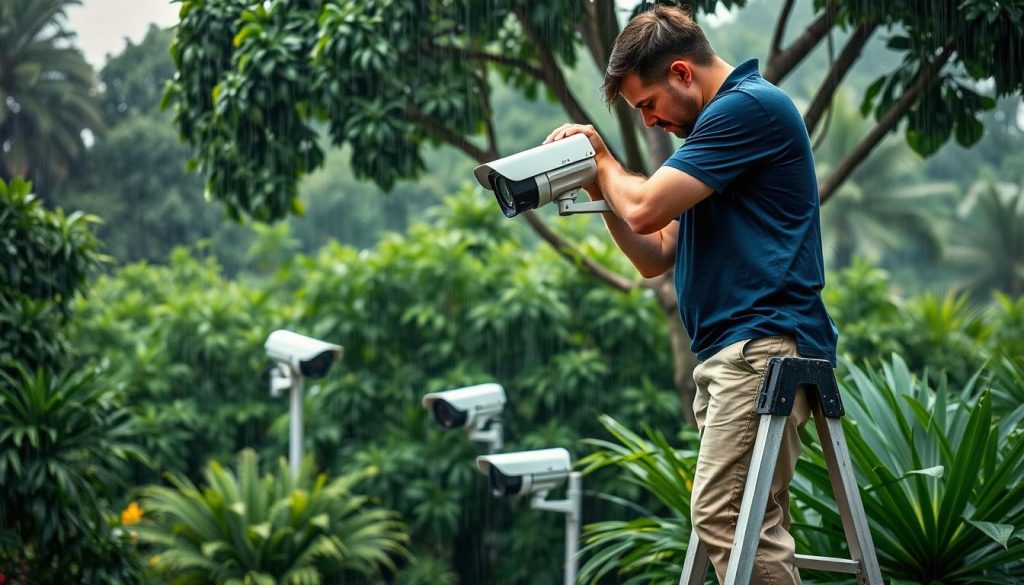
Beyond physical protection, your monitoring system’s software requires careful tuning for reliable performance in wet conditions. Intelligent configuration prevents false alarms while maintaining security effectiveness. This approach ensures your setup remains useful during intense monsoon periods.
Adjusting Motion Detection Sensitivity to Avoid False Alarms
Motion detection settings often need modification for tropical climates. Reducing sensitivity by approximately 30% during storms prevents false triggers from falling droplets. This adjustment maintains surveillance coverage while minimizing unnecessary notifications.
Advanced systems feature AI-powered algorithms that distinguish precipitation from genuine threats. Brands like Hikvision AcuSense analyze movement patterns to filter out weather interference. These intelligent solutions learn to recognize common false triggers over time.
Manual adjustment remains effective for basic security cameras. Access your device’s settings through its mobile app or web interface. Look for motion sensitivity sliders or percentage controls.
Create different profiles for various weather conditions. Some modern system configurations allow scheduled sensitivity changes. These automatically activate when forecasts predict heavy precipitation.
Implementing Smart Activity Zones to Filter Rain Events
Activity zones represent powerful tools for managing weather-related alerts. These digital boundaries tell your equipment where to ignore movement. Common problem areas include roads, trees, and reflective surfaces.
Setting perimeter-only monitoring focuses attention on critical access points. This approach eliminates approximately 80% of precipitation-triggered notifications. Your security setup becomes more efficient during bad weather.
Most modern surveillance platforms support zone configuration through intuitive interfaces. Draw exclusion areas over sections prone to false triggers. The technology will disregard motion within these designated spaces.
Smart integration takes this concept further by connecting to weather APIs. High-end setups automatically adjust zones based on real-time rainfall data. This automation ensures optimal performance without manual intervention.
Proper configuration prevents notification fatigue while ensuring genuine alerts receive immediate attention.
Regular review maintains zone effectiveness as environmental conditions change. Seasonal foliage growth or new construction might require boundary adjustments. Periodic checks keep your cctv equipment working well year-round.
These software strategies complement physical weatherproofing measures. Together they create comprehensive protection against Singapore’s challenging climate. Your investment delivers consistent image quality and reliable performance.
A Proactive Maintenance Schedule for Tropical Climates
Consistent upkeep forms the backbone of reliable surveillance in Singapore’s challenging climate. A structured routine prevents minor issues from becoming major failures during intense weather. Research shows weekly checks reduce monsoon-related breakdowns by fifty-eight percent.
This schedule balances thoroughness with practicality. It ensures your monitoring investment delivers maximum value over time. Following these guidelines helps equipment last longer and work better throughout the year.
Weekly and Monthly Visual Inspection Checklists
Quick visual assessments catch problems before they escalate. These brief checks require only a few minutes per unit. They focus on obvious signs of wear or environmental impact.
Your weekly checklist should include these critical items:
- Housing integrity: Look for new cracks, dents, or discoloration on external surfaces.
- Lens clarity: Verify the viewing area remains free from obstructions and condensation.
- Drainage ports: Ensure small openings at housing bottoms stay clear of debris.
- Mounting stability: Check brackets and screws for any loosening or corrosion signs.
Monthly inspections add a few more detailed observations. Examine cable connections for moisture accumulation or insect nests. Look for spider webs or plant growth near the unit.
Verify the field of view remains unobstructed by new foliage. These simple steps maintain optimal performance with minimal effort.
Quarterly Seal, Gasket, and Desiccant Replacement
Every three months, perform more hands-on maintenance tasks. This involves opening protective housings to inspect internal components. Always power down equipment before beginning this process.
First, examine all sealing gaskets for cracks or hardening. UV-resistant silicone versions degrade after approximately eighteen months. Replace them before the second monsoon season arrives.
Next, check and replace silica gel packets inside the housing. These desiccants absorb internal moisture to prevent fogging. Color-changing versions indicate when saturation occurs.
Apply dielectric grease to O-rings during reassembly. This lubricant maintains seal flexibility in humid conditions. It creates an additional barrier against water ingress.
Finally, perform a simple pressure test on reassembled units. Spray water from a distance to verify no leaks develop. Document any findings for future reference.
Pre-Monsoon Season System Health Check
Before Singapore’s heaviest rainfall periods, conduct a comprehensive evaluation. This thorough inspection resembles servicing a vehicle before a long journey. It ensures everything functions optimally when needed most.
Your pre-monsoon checklist should cover these essential areas:
- All protective seals: Verify integrity at every connection point and housing seam.
- Power supplies: Test backup systems like UPS units for proper operation.
- Recording verification: Confirm footage saves correctly to storage media.
- Network connectivity: Ensure remote viewing capabilities remain functional.
- Weatherproof accessories: Check external shields and covers for secure attachment.
Test each surveillance unit individually during daylight hours. Verify night vision capabilities after sunset. Address any issues immediately rather than delaying repairs.
Regular maintenance represents the most cost-effective strategy for preserving surveillance system integrity in tropical environments.
Document all inspection findings and completed actions. This record helps identify recurring issues or patterns. It also provides valuable information for future upgrades or replacements.
Share the schedule with all responsible personnel. Consistent implementation prevents oversight and ensures continuous protection. Your property remains securely monitored regardless of weather conditions.
Step-by-Step Guide to Cleaning a Water-Affected Camera
Discovering moisture inside your surveillance unit requires immediate, careful action to prevent permanent harm. This emergency procedure helps salvage your investment when liquid exposure occurs. Follow these steps methodically to maximize recovery chances.
Safety First: Powering Down and Disconnecting
Electrical safety is your absolute priority when handling wet electronics. Immediately shut off power at the circuit breaker or unplug the Power over Ethernet source. Never touch a unit that shows signs of moisture while it remains energized.
Disconnect all cables from the affected device carefully. This includes network, power, and any auxiliary connections. Wear rubber gloves for additional protection during this process.
Move the compromised gear to a dry, stable work surface. Avoid shaking or tilting it excessively, as this might spread liquid to new areas. Document the initial condition with photos for insurance or repair reference.
Drying Techniques and When to Seek Professional Repair
Begin by wiping the exterior with a soft, lint-free cloth. Gently clean the lens and housing surfaces. Remove any visible droplets or residue from external components.
For suspected internal moisture, use a controlled drying approach. Place the unit in a sealed container with several silica gel packets. These desiccant packs absorb ambient humidity effectively.
Leave the security cameras in this environment for 24-48 hours. The silica gel helps prevent further corrosion by removing residual dampness. Check color-changing indicators to monitor saturation levels.
Common mistakes to avoid include:
- Using hair dryers or heat guns (can warp plastics)
- Placing units in rice (ineffective and introduces dust)
- Reassembling before complete drying
- Applying power prematurely for testing
For confident individuals, 70% isopropyl alcohol wipes can clean circuit boards. Apply gently to visible corrosion spots. This technique requires steady hands and proper ventilation.
When immersion occurs or corrosion appears on internal boards, professional repair becomes essential. Persistent electrical faults after drying also signal the need for expert intervention.
DIY recovery suits surface moisture and light condensation situations. Professional service addresses complex internal water damage and component replacement. Knowing this distinction preserves your surveillance investment.
After successful drying, reassemble the housing with fresh seals. Perform a thorough functionality test before returning the equipment to service. Regular maintenance checks help prevent future incidents.
The High Cost of Ignoring Water Damage Risks
Singapore’s climate demands upfront investment to avoid much larger costs later. Many property owners discover this truth only after their security system fails during critical moments. The financial impact extends far beyond simple equipment replacement.
Neglecting proper protection creates a cascade of expenses. Each compromised component affects others in your monitoring network. What begins as minor fogging can end with complete infrastructure failure.
From Blurry Footage to Complete System Failure
The deterioration process follows a predictable, costly path. Initial moisture ingress causes lens fogging and blurred images. This compromised visibility makes your surveillance systems less effective immediately.
Progressive corrosion attacks internal electronics over weeks or months. Intermittent operation becomes more frequent. The unit may reboot unexpectedly or lose network connectivity.
Liquid often travels through connected cables. This spreads the problem to your recording equipment. A single compromised outdoor unit can disable your entire cctv system.
Complete failure represents the final stage. The device stops transmitting video entirely. By this point, repair costs often exceed replacement value. Critical security gaps remain until fixes are completed.
Financial Implications of Repairs vs. Preventative Investment
Understanding total cost of ownership changes perspective dramatically. Quality security cameras with proper ratings cost more initially. They save money over their extended lifespan in tropical conditions.
Consider these comparative expenses:
- Emergency service calls: Technicians charge premium rates for urgent repairs during storms.
- Component replacement: Individual parts like circuit boards cost nearly as much as new units.
- Infrastructure damage: Moisture can ruin wall conduits and electrical wiring behind devices.
- Security breaches: Failed monitoring during incidents carries its own substantial costs.
Case studies reveal stark contrasts. Unprotected cctv cameras in coastal areas fail within eighteen months. Properly installed units continue working well for five years or more.
“The most expensive surveillance system is the one you must replace repeatedly. Quality protection represents true long-term value.”
Insurance considerations add another layer. Providers may deny claims if installations didn’t meet weatherproofing standards. Documented compliance with IP ratings strengthens your position during assessments.
Professional weatherproofing assessments identify vulnerabilities early. These services cost significantly less than major repairs later. The assessment itself becomes part of your protective solutions.
Your surveillance investment should last longer through Singapore’s challenging environment. Calculating total ownership costs over five years reveals the smartest approach. Preventative measures protect both your property and your budget.
Investing in Reliability: Building a Weather-Resilient Surveillance System
A truly resilient monitoring setup emerges from combining quality hardware with intelligent installation practices. This holistic approach transforms vulnerability into dependable protection.
Start with security cameras featuring high IP ratings from trusted brands. Pair them with professional installation for critical coverage areas. Regular maintenance completes this three-part foundation.
Your security system will then perform consistently through Singapore’s wettest months. Clear footage and reliable alerts become the standard, not the exception. This reliability directly supports property safety and resident peace of mind.
View these efforts as a long-term investment in surveillance integrity. Properly implemented solutions ensure monitoring equipment works well for years. They last longer and work better than unprotected alternatives.
Building robust surveillance systems is entirely achievable with informed planning. Your property remains securely watched, regardless of weather challenges ahead.