
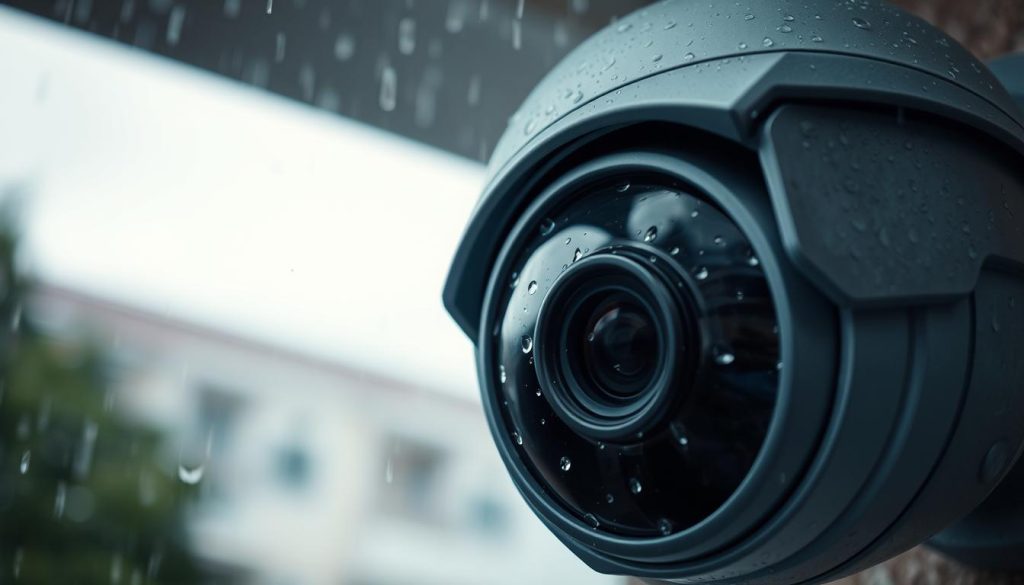
The answer is a definitive yes. In Singapore’s tropical climate, moisture is a relentless threat to your property’s security.
With over 2,340mm of annual rainfall and 167 wet days, the environment poses unique challenges. This constant exposure can severely disrupt footage quality and shorten the lifespan of your equipment.
The financial stakes are high. Across Southeast Asia, nearly 30% of all surveillance system repairs stem from weather-related failures. This makes proactive protection a crucial cost-saving measure.
Harm from moisture manifests in various ways. Immediate short circuits can knock a device offline. Slow, insidious corrosion can silently degrade internal components over time. Each type of failure compromises your security.
This guide serves as your comprehensive resource. We outline 16 proven strategies to shield your setup from relentless rain and humidity. Investing in these safeguards is far less expensive than reactive repairs or a total system replacement.
Key Takeaways
- Water and moisture are a significant threat to surveillance equipment, especially in tropical climates like Singapore.
- Singapore’s high annual rainfall and many wet days create a harsh environment for outdoor security cameras.
- Weather-related issues account for a large portion (nearly 30%) of surveillance system repairs in the region.
- Damage can be immediate (like short circuits) or gradual (like corrosion), both compromising security.
- Proactive protection of your surveillance system is more cost-effective than paying for repairs or replacements later.
- Proper installation and choosing equipment with appropriate weather ratings are critical first steps.
- Regular maintenance checks are essential to catch early signs of moisture intrusion and prevent major failures.
Understanding the Threat: Singapore’s Climate and Your CCTV System
For property owners, the biggest threat to a surveillance system often isn’t a person—it’s the weather. The local environment delivers a constant, corrosive challenge that generic outdoor gear simply can’t withstand long-term.
This relentless exposure demands specific strategies. Understanding the unique climate here is the first step toward building a truly resilient security setup.
High Rainfall and Humidity: A Perfect Storm for Damage
Singapore’s weather combines intense tropical downpours with persistently high humidity. This duo creates a perfect storm for electronic failure.
Research indicates a staggering 78% of outdoor surveillance failures in the region stem from moisture-related issues. Humidity doesn’t just wet surfaces; it triggers chemical reactions inside devices.
These reactions slowly degrade sensitive components like circuit boards and capacitors. The damage is often gradual and invisible until a critical failure occurs.
Heavy, wind-driven rain during monsoon seasons compounds the problems. It forces water into places gentle drizzle cannot reach. This constant assault tests the limits of even rugged equipment.
Why Surveillance Systems Are Particularly Vulnerable Here
Standard off-the-shelf units are rarely designed for constant tropical moisture. They may handle a brief shower but fail under prolonged, heavy exposure.
A key vulnerability is microscopic gaps in housing seals. Over time, high humidity and temperature cycles cause these seals to weaken. Fine, wind-blown rain during the Northeast and Southwest monsoons exploits these tiny openings.
Once inside, moisture leads to internal fogging on lenses and corroded connections. Technicians at Changi Airport have documented such lens fogging incidents, which severely disrupt footage clarity during critical periods.
This environment makes specialized protection essential. Relying on a basic “outdoor” rating is insufficient for reliable, year-round operation in places like Singapore.
Your surveillance investment requires defenses built for this specific climatic battle. The following sections detail how to implement those vital safeguards.
Can Water Really Destroy a CCTV Camera?
Scientific evidence and field failures confirm that liquid ingress is a primary cause of security system breakdowns. The process is both physical and electrochemical, leading to definitive damage.
Intrusion often begins unseen. During prolonged storms, capillary action draws moisture through microscopic gaps in cable conduits. This slow seepage bypasses external seals.
Material choice critically impacts vulnerability. A 2022 Nanyang Technological University study analyzed housing absorption rates. It found certain plastic composites retain dampness longer than treated metals, accelerating internal problems.
Once inside, the immediate threat is a short circuit. Conducting liquid creates unintended paths for electricity. This can fry delicate circuitry in an instant, causing total equipment failure.
The long-term menace is corrosion. It attacks metal contacts and circuit boards silently. Oxidation weakens connections gradually, degrading performance long after the housing appears dry.
Real incidents underscore this threat. At Jurong Industrial Estate, a flood submerged several security cameras. Units rated only for light rain suffered catastrophic failure. Their protection was utterly overwhelmed.
This highlights a key limit. An IP rating denotes resistance under test conditions. Intense rainfall, like Singapore’s 100mm/hr downpours, can exceed those parameters. Standard weatherproofing may falter.
So, the answer is unequivocal. Water can and does ruin surveillance devices. Yet, this destruction is a process, not an instant event. With proper knowledge and countermeasures, you can interrupt it effectively.
The Science of Water Damage: How Moisture Compromises Your Camera
Moisture compromises electronic functionality through two core physical processes: sudden electrical discharge and slow chemical decay. Each mechanism attacks different parts of your surveillance gear.
Recognizing these scientific principles is the foundation for effective protection. It transforms maintenance from a guessing game into a targeted defense strategy.
Short Circuits and Electrical Failure
Liquid is a conductor. When it intrudes into a sealed unit, it creates new, unintended pathways for electricity. This diversion overloads delicate circuits instantly.
The resulting power surge typically fries critical components. This damage is immediate and often permanent. Recovery from such an event is usually impossible.
Circuit boards suffer the most from this type of water damage. Specific elements, like electrolytic capacitors, are exceptionally vulnerable. A single droplet in the wrong place can cause complete system failure.
These cause short circuits that render the device useless. It’s a swift and definitive end to the unit’s operational life.
Internal Corrosion: The Silent Killer of Components
While short circuits are dramatic, corrosion is a stealthier threat. It involves electrochemical reactions that slowly eat away at metal parts.
High humidity alone fuels these reactions. It causes chemical changes that degrade solder joints and component coatings over months or years.
Environmental factors accelerate the process. For instance, saltwater spray near coastal areas corrodes internal parts about 40% faster than freshwater. This is a critical consideration for many installations.
A common but overlooked issue is galvanic corrosion. It occurs when two different metals, like aluminum and steel, are used together in mounts or brackets.
In humid air, they create a tiny electrical current between them. This reaction actively eats away at the metal, weakening the physical structure supporting your security cameras.
The failure timeline starts with surface oxidation. It then progresses to microfractures in wiring insulation. Finally, it leads to complete circuit board failure.
Because this corrosion happens inside the housing, external inspections often miss it. This hidden progression makes preventive sealing and scheduled internal checks non-negotiable for long-term performance.
Common Types of Water Damage to Watch For
A flood, morning fog, and years of sun and rain each pose unique threats to the integrity of your security system.
Recognizing these distinct forms of assault allows you to implement precise countermeasures. Each type follows a different path to compromise your gear.
Immersion Damage from Flooding
Total submersion represents the most catastrophic form of water damage. Flash floods or storm surges can completely engulf outdoor units.
This overwhelms even robust seals. Once liquid penetrates the core electronics, recovery is rarely possible.
Findings from the Land Transport Authority highlight the severity. Their data shows 63% of flood-submerged devices require complete replacement.
Low-lying and coastal districts face heightened risk. Areas like East Coast or Kallang are particularly vulnerable to drainage overflow during intense storms.
For security cameras in these zones, elevation and flood-proof housing are not optional. They are essential for survival.
Condensation and Internal Fogging
This is a stealthier, more insidious problem. It occurs when warm, humid air trapped inside a housing meets a cooler surface, like the lens.
Tiny water droplets form, creating a blurry film. This fogging severely disrupts footage clarity.
Local temperature variations dictate the risk. Cooler microclimates, like Bukit Timah, experience distinct condensation patterns compared to warmer Marina Bay.
The internal “sweating” effect causes cumulative harm. It slowly degrades infrared sensor sensitivity and special lens coatings.
Your night vision performance can deteriorate over months without any visible external damage. Regular checks for internal moisture are crucial.
Surface Erosion and Seal Degradation
Relentless exposure to heavy rain and intense UV radiation takes a toll on external materials. Rubber gaskets dry out and crack.
Plastic housing can become brittle. These changes seem superficial at first.
This surface erosion is often the critical first step. It creates microscopic entry points for moisture.
Once the primary seal is compromised, the path is open for more severe ingress. Condensation or even immersion problems can follow.
Inspecting seals and exterior surfaces should be a routine part of your surveillance maintenance. Catching corrosion early prevents total system failure.
How Water Directly Impacts Surveillance Image Quality and Performance
When moisture invades a surveillance unit, the first casualty is almost always image quality. This moves the threat from internal component failure to a direct, observable drop in system effectiveness.
Your security feed becomes unreliable. Blurry footage or failed night vision are not minor glitches. They are critical failures that undermine the entire purpose of your setup.
Lens Fogging and Blurry Footage
Internal condensation creates a hazy film directly on the lens. This scatters incoming light, destroying image clarity.
The result is a consistently blurry or foggy picture. Fine details like faces or license plates become impossible to distinguish.
Singapore’s climate makes this a severe performance issue. During rapid temperature changes, studies show condensation can reduce image quality by up to 74%.
Practical examples are common. In the early morning hours, when outdoor temperatures drop to the dew point, cameras can become virtually useless. The lens is completely obscured from the inside.
https://www.youtube.com/watch?v=2NSrnr5n4nc
This type of water damage directly prevents identification. Facial recognition software fails. Automated license plate reading becomes inaccurate. Your surveillance investment loses its core function.
IR Cut Filter Failure and Poor Night Vision
Moisture also attacks a crucial component: the infrared cut filter. This small mechanical part switches the camera between day and night vision modes.
When dampness reaches it, the filter can stick or malfunction. This causes a cascade of visible performance problems.
During the day, you might see strange color casts—a persistent pink or purple tint. At night, the infrared LEDs reflect off internal droplets.
This creates “star-shaped flares” or bright spots in the footage. In severe cases, night vision fails to activate entirely, leaving you blind in low light.
These symptoms are often the first noticeable signs of internal moisture. They serve as an early warning for homeowners that a seal has been compromised.
“The smart films react within seconds to environmental changes,” explains a Bosch engineer, highlighting the advanced technology needed to combat this in humid regions.
Addressing these image quality issues is urgent. They signal that exposure to the elements is already affecting your cctv cameras. Proactive measures are needed to restore clear vision and reliable security.
Your First Line of Defense: Understanding IP Ratings for Tropical Climates
In the battle against Singapore’s relentless weather, your surveillance system’s first and most crucial specification is its IP rating. This code is your primary shield against the elements.
It quantifies a device’s resilience. Choosing the right level is foundational for long-term security and performance.
Decoding the IP Code: What IP66, IP67, and IP68 Really Mean
IP stands for Ingress Protection. It’s a two-digit international standard.
The first number rates defense against solids like dust. The second digit defines liquid protection.
Higher numbers indicate greater resilience. For outdoor security cameras, the second digit is critical.
IP65 guards against low-pressure water jets. Think of a typical garden hose. This is often insufficient for local monsoon winds.
IP66 equipment handles powerful water jets. It’s designed for heavy, wind-driven rain. This rating is a sensible minimum for general outdoor use here.
IP67 units survive temporary immersion. They can withstand being under one meter of water for up to 30 minutes. This is vital for areas prone to flash flooding.
IP68 devices are built for prolonged submersion. They are sealed for continuous immersion under specified pressure. This is the gold standard for coastal installations or extreme locations.
Recommended IP Ratings for Singapore’s Weather
Given the climate, a minimum of IP66 is advisable for any outdoor installation. This baseline defends against the powerful jets common during storms.
For high-risk zones, invest in higher ratings. Consider IP67 for low-lying areas or IP68 for coastal properties.
Real-world data supports this. Installations on Orchard Road show IP68 cameras last three times longer than IP65 models. The investment in superior protection pays off.
“An IP rating is a laboratory benchmark. Real-world longevity depends on installation quality, seal aging, and constant UV exposure,” notes a leading security systems engineer.
Remember, the rating is a starting point. Factors like housing material and proper mounting affect real-world performance. A high IP code is necessary, but not the only factor.
Always treat this specification as non-negotiable. It is the essential first step in selecting equipment built for this environment. For comprehensive waterproofing strategies, explore additional protective measures.
Choosing and Using Waterproof Camera Housing Effectively
The material and design of a protective housing directly determine how well your equipment resists environmental assault. This external shell serves as a vital secondary barrier.
It is essential for units with lower built-in IP ratings. Even robust gear benefits from the added defense in Singapore’s harsh climate.
Selecting the right enclosure involves two critical decisions. You must choose the best material and identify key protective features.
Material Comparison: Polycarbonate vs. Metal Housings
Two primary materials dominate the market: advanced polycarbonate plastics and metals like aluminum. Each offers distinct advantages for different installation sites.
Polycarbonate outperforms traditional plastics. Data from Singapore’s Building and Construction Authority (BCA) shows these housings maintain structural integrity for over five years.
In contrast, common ABS plastic typically lasts only three years under similar exposure. Hard-shell polycarbonate provides a 40% better UV resistance than ABS.
This superior resistance slows the degradation caused by constant sunlight. It helps prevent the brittleness and cracking that compromise seals.
Aluminum housings excel in impact resistance. They offer robust physical protection against accidental strikes or debris.
However, this metal is prone to salt corrosion in coastal areas. Properties near the East Coast or Sentosa should weigh this risk carefully.
Polycarbonate generally offers better overall corrosion resistance. It does not react with salty, humid air in the same way.
Your choice should balance durability needs with environmental factors. For most general outdoor applications here, polycarbonate provides a reliable, long-lasting solution.
Features of a High-Quality Protective Enclosure
A top-tier enclosure does more than just block rain. It actively manages the internal microclimate to prevent fogging and overheating.
Look for these essential features in any housing you consider:
- Double-Layered Silicone Gaskets: These create a superior seal against moisture ingress compared to single gaskets.
- Hydrophobic Lens Coatings: This special treatment causes water to bead and roll off the external lens surface.
- Self-Draining Bases: Small channels or weep holes allow any condensed moisture to escape, preventing pooling.
- Built-in Anti-Fog Measures: These can include silica gel pockets or breathable membranes that regulate humidity.
Advanced options offer even greater protection. Pressurized nitrogen-filled lenses virtually eliminate the chance of internal fogging.
Thermally activated vents open to release heat buildup on hot days and close during rain. This feature is invaluable for maintaining optimal performance.
“A proper housing is a climate management system for your camera. It’s not just a box; it’s a controlled environment,” notes a senior systems integrator specializing in tropical installations.
Compatibility is the final, crucial step. Always select a housing designed for your specific make and model.
A generic enclosure may leave gaps or cause fitting issues. These small compromises can completely negate the seal’s effectiveness.
Investing in a high-quality, compatible housing extends the life of your security cameras. It is a straightforward upgrade that delivers significant peace of mind.
Optimal Camera Placement and Installation to Deflect Rain
Strategic placement acts as a physical barrier, turning your property’s architecture into a weather shield. This approach is highly effective and low-cost.
It uses existing structures to minimize direct contact with the elements. Proper positioning is the simplest foundational step for long-term reliability.
Strategic Mounting Under Eaves and Overhangs
Your building’s design offers natural defenses. Mounting surveillance gear under eaves, overhangs, or soffits provides excellent protection.
Data from HDB block designs shows these features reduce direct water exposure by a remarkable 70%. This significantly lowers the risk of water damage.
Assess potential mount points carefully. The cover must be deep enough to shield against wind-driven rain common during local storms.
A good rule is to ensure the unit is set back by at least 30 centimeters from the edge. This guards against angled precipitation.
Other architectural features like awnings or deep balconies also work well. The goal is to use overhead structures as a primary umbrella for your security cameras.
Angling Techniques to Minimize Direct Water Exposure
How you tilt the housing is equally important. Angling encourages runoff and prevents pooling on the lens or casing.
The Building and Construction Authority (BCA) recommends a minimum 15° downward tilt as a standard. This basic angle helps avoid water damage.
Optimal positioning varies with building height. Wind tunnel simulations provide nuanced advice for different places.
For lower floors, use steeper angles between 20° and 25°. This combats splash-up effects from the ground during heavy rain.
Higher floors can use shallower tilts of 10° to 15°. This better deflects horizontal rain driven by strong winds.
Always balance protection with your field of view. A slight adjustment can maintain full surveillance coverage while maximizing weatherproofing.
For high-rise condos or heritage buildings, consider recessed mounting. This discreet method installs the unit slightly into a wall or fascia.
It offers superior shielding from the weather. This technique is both effective and aesthetically pleasing.
Smart installation is your most fundamental defense. It is a proactive measure that costs nothing extra but delivers immense value.
A Proactive Maintenance Routine for All-Weather Reliability
The longevity of your outdoor security system hinges not just on installation, but on disciplined, ongoing maintenance. In Singapore’s climate, this care is not optional—it’s a critical component of ownership.
A structured routine prevents costly failures. Research confirms that brief, 15-minute monthly inspections prevent 89% of weather-related failures. This simple habit safeguards your investment.
This section provides a clear, actionable plan. It’s designed for homeowners and facility managers seeking all-weather reliability for their surveillance gear.
Monthly Visual Inspection Checklist
Consistent regular checks are your first line of defense. A basic toolkit, costing under S$30, makes the process efficient.
Essential items include a digital moisture meter, silicone grease for re-sealing, and UV-resistant tape. These tools help you spot issues before they escalate.
Follow this straightforward checklist every month:
- Lens Clarity Test: Use a clean microfiber cloth to wipe the exterior lens. Check for persistent internal fogging that cleaning doesn’t remove.
- Housing Seal Integrity: Inspect rubber gaskets with a flashlight. Look for cracks, brittleness, or gaps where the seal meets the housing.
- Mount and Bracket Inspection: Search for new corrosion spots or white, powdery residue on metal mounts. This indicates active oxidation.
- Connection Point Check: Examine cable entry points and conduit ends. Ensure they are tight and sealed against moisture ingress.
For a deeper analysis, consider a thermal imaging scan. This can reveal hidden condensation inside the housing that visual checks miss.
Setting a calendar reminder ensures you never skip this vital step. These regular checks are a small time investment with massive returns for your security.
Post-Monsoon Deep-Clean Procedures
After periods of extreme weather, a more thorough procedure is essential. The intense rain of the monsoon seasons tests every seal and joint.
Schedule this deep-clean within one week after the heavy storms subside. This timely action addresses any problems caused by the deluge.
Your post-monsoon routine should include these steps:
- Document Any Fogging: Record which units showed internal lens fogging during or after the storms. This log helps identify weak points.
- Check and Replace Desiccants: Open housing units that contain silica gel packs. If the beads have changed color (from orange to green, for example), replace them immediately.
- Test All Functions: Verify night vision, motion detection, and pan-tilt-zoom functions. Performance glitches after a storm are early signs water damage.
- Re-apply Protective Sealants: Use silicone grease on cable connectors and gaskets to renew their protection.
Record-keeping is crucial, especially for commercial properties. Maintain detailed logs of all inspections and actions for at least 24 months.
These logs support warranty claims and demonstrate due diligence for compliance. They turn maintenance from a chore into a valuable asset record.
“Preventive maintenance costs up to five times less than emergency repairs. It’s the most intelligent financial decision a system owner can make,” states a facility management report from a major local university.
Adopting this proactive routine dramatically extends the lifespan of your cctv systems. It ensures your security cameras deliver clear, reliable footage through every season.
Empower yourself with this scheduled care. Your vigilance is the ultimate shield against environmental damage.
Essential Moisture Control Accessories and Add-ons
Superior moisture management transforms a basic waterproof housing into a climate-controlled environment for sensitive electronics.
These affordable add-ons actively combat humidity inside your security gear. They go beyond passive sealing to provide a robust defense.
Using Silica Gel Desiccants Strategically
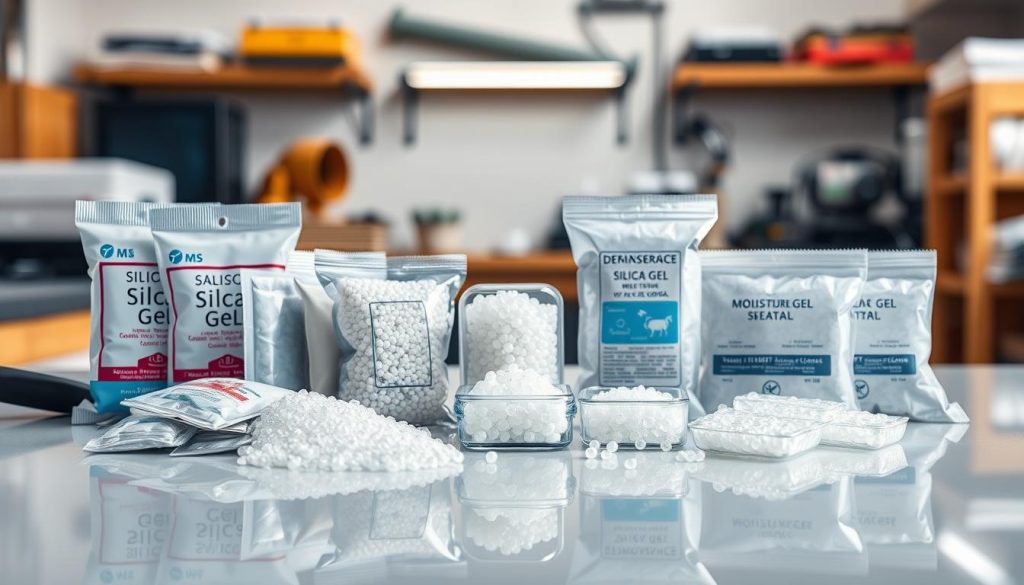
Silica gel packets are hygroscopic. They absorb ambient moisture inside an enclosure, preventing condensation from forming.
Strategic placement maximizes their effectiveness. Key points include behind the lens assembly and along cable entry points.
Color-changing varieties offer a significant advantage. Tropical climate tests show they last 38% longer than standard white packets.
The visual indicator simplifies maintenance. Blue or orange beads turn green when saturated, signaling the need for replacement.
Establish a routine replacement schedule for optimal protection. In coastal areas, swap packets quarterly. Urban installations may require biannual changes.
Some desiccant types are reactivable. You can dry them in a standard oven at a low temperature to restore their moisture-absorbing power.
Anti-Fog Treatments and Heater Blowers
Chemical solutions provide a frontline defense. Nanotechnology hydrophobic sprays create an invisible, water-repellent coating on external lenses.
Droplets bead up and roll away instead of clinging. This maintains clear visibility during rain and high humidity.
Electrochromic lenses represent advanced technology. They automatically adjust their properties to minimize internal fogging based on environmental conditions.
Active electronic solutions offer powerful climate control. Integrated heater blowers or heating tapes maintain optimal lens surface temperature.
These elements typically consume 5 to 15 watts per unit. They prevent the temperature differential that causes condensation inside the housing.
Built-in heaters are often more energy-efficient. Add-on blower units provide flexibility for retrofitting existing equipment.
Both methods significantly enhance imaging performance. They ensure your surveillance footage remains crisp during rapid weather changes.
“In high-humidity microclimates, these accessories are force multipliers. They turn a good installation into a resilient, long-term solution,” notes a systems engineer specializing in tropical applications.
Incorporating these tools is a smart way to safeguard your investment. They work in harmony with waterproof housings and proper placement.
Regular checks of these add-ons should be part of your maintenance routine. This proactive approach ensures continuous protection and reliable performance for your security cameras.
Recognizing the Early Warning Signs of Water Intrusion
Your security system sends distress signals long before a total failure occurs. Learning to interpret these clues turns you into a detective for your own setup.
Spotting subtle symptoms early is the most effective way to prevent catastrophic damage. This proactive approach saves money and maintains reliable security.
Visual Cues: Corrosion and Fogging
Physical evidence often appears first. Regular, directed inspection is essential to catch it.
Look for white or greenish powdery deposits on metal brackets and cable connectors. This corrosion indicates active oxidation from moisture.
Shockingly, over 62% of users overlook early-stage corrosion. Conscious checking around mounts is non-negotiable.
Inside the housing, watch for persistent droplets or a milky haze on the lens. This internal fogging is a definitive sign of water damage.
Examine external rubber seals and gaskets. Degraded, cracked, or shrunken seals are major red flags. They create entry points for intrusion.
Use a bright flashlight during inspections. It helps reveal faint corrosion and tiny seal defects you might otherwise miss.
Performance Cues: Glitches and Image Deterioration
Operational anomalies are powerful indicators. They often signal internal moisture before physical signs appear.
Footage quality degradation follows predictable patterns. Be alert for intermittent horizontal lines or a circular haze formation.
Discoloration at the image corners is another common clue. These artifacts point directly to problems inside the unit.
Functional red flags are equally telling. Delayed infrared activation at dusk suggests performance issues.
Intermittent audio static or unexplained disconnects can also occur. Erratic pan, tilt, or zoom functions are further symptoms.
These glitches often correlate with humidity cycles. They typically worsen during or after heavy rain or at night.
To spot gradual decline, compare current footage with a baseline recording. Keep a sample from when your system was new or freshly maintained.
For a professional edge, use a thermal camera during checks. It can spot abnormal heat patterns at connections, revealing hidden exposure points.
This technique identifies equipment stress before visual cues manifest.
“The most cost-effective repair happens at the symptom stage. Once internal components are fully compromised, recovery is rarely possible,” advises a veteran surveillance technician.
Empower yourself with this knowledge. Taking corrective action early—like cleaning contacts, re-sealing housings, or replacing a gasket—can save your security cameras.
Recognizing these signs of water damage is your best defense. It ensures your surveillance investment remains vigilant through every storm.
Emergency Response: What to Do If Your Camera Gets Flooded
A flooded surveillance unit triggers a race against time. Your immediate response dictates the outcome for your electronic investment.
This crisis protocol provides a clear, step-by-step action plan. Follow it to maximize the chance of saving your gear after heavy immersion.
Immediate First Steps to Minimize Damage
Safety is the absolute priority. The Singapore Civil Defence Force (SCDF) guidelines are clear: cut power at the main breaker within 15 minutes of submersion.
This prevents electrocution risk and stops further electrical damage. Never touch a wet unit while it’s powered on.
After securing the area, act swiftly. Data shows immediate intervention within 24 hours preserves 73% of flood-exposed electronics.
Follow these steps in order:
- Document the Scene: Take timestamped photos showing water levels. This evidence is crucial for insurance claims.
- Remove the Unit: Use insulated tools to lift the camera from standing water. Avoid bare hands if power isn’t confirmed off.
- Disconnect Cables: Unplug all connections gently. Separate components to prevent cross-contamination.
- Dry the Exterior: Wipe the housing with a clean, absorbent cloth. Do not shake or blow air into ports.
Place the equipment in a dry, ventilated area. Keep it away from direct heat sources like hairdryers or sunlight, which can warp plastics.
When to Attempt Repair vs. Seek Professional Replacement
Not all submerged devices are lost. A simple decision framework guides your next move.
Replacement is almost always necessary in two scenarios. First, if the unit was submerged in saltwater. Second, if it was powered on when wet.
Salt accelerates corrosion exponentially. A powered-on circuit with liquid ingress causes instant, catastrophic failure.
For freshwater exposure and a quick power-off, a careful repair attempt may work. This DIY process has strict limits.
Only proceed if you see no visible corrosion. You will need isopropyl alcohol, silica gel, and precision tools.
The attempt involves disassembly, cleaning each component with alcohol, and drying with desiccants for 48 hours. Reassembly must be exact.
“For any complex system or where corrosion is already visible, seeking a professional technician is the best course. DIY efforts often cause more harm,” advises a veteran surveillance repair specialist.
Even if a unit seems to recover, its long-term reliability is compromised. Internal moisture leaves microscopic residues.
Plan for its eventual replacement. Proactive care after a flood includes monitoring performance closely for new problems.
This emergency plan turns panic into procedure. Swift, informed action can salvage your security apparatus and restore protection.
Selecting the Right Waterproof CCTV Camera Model for Your Needs
Your selection process for outdoor security gear must prioritize resilience over flashy features. Moving from general principles to specific product choices is the final step in building a climate-ready surveillance setup.
This decision directly impacts long-term reliability and cost. Investing in a model engineered for local conditions from the start prevents frequent replacements.
It ensures your monitoring remains uninterrupted through intense tropical storms. The right choice provides peace of mind for many monsoon seasons.
Key Features to Prioritize for Longevity
Certain attributes are non-negotiable for durability in Singapore’s environment. These features form the foundation of a reliable security apparatus.
First, a high IP rating is essential. A minimum of IP66 defends against powerful wind-driven rain.
For high-risk zones like low-lying or coastal areas, IP67 or IP68 ratings are advisable. These ratings indicate superior resistance to temporary or prolonged submersion.
Second, robust housing material matters greatly. Polycarbonate or corrosion-treated metal alloys offer the best defense.
Third, quality internal seals prevent microscopic moisture ingress. Double-layered silicone gaskets are a mark of a well-built device.
Additional longevity features significantly enhance performance. Hydrophobic lens coatings cause water to bead and roll away.
Wide operating temperature ranges ensure functionality during both heatwaves and cooler nights. Built-in heaters or ventilation systems actively manage internal humidity.
These elements combat lens fogging and component damage. They transform a basic waterproof shell into an intelligent climate-controlled enclosure.
Do not overlook dust and weather resistance. A complete protection package addresses all environmental factors.
Your equipment must handle constant exposure to sun, salt, and humidity. Prioritizing these attributes safeguards your entire surveillance investment.
Trusted Brands and Models for Wet Environments
Several manufacturers have earned reputations for producing durable outdoor security cameras. Their models are tested in harsh conditions similar to Singapore’s climate.
Reputable brands include Hikvision, Reolink, Axis, and i-PRO. Each offers devices with the robust features previously outlined.
For all-around robustness, the Hikvision DS-2CD2385FWD-I is a strong contender. It combines high resolution with a rugged design built for challenging weather.
The Reolink Argus series provides excellent wireless flexibility. These units come with integrated weatherproof housing, simplifying installation.
For coastal properties, seek models rated IP68 with special anti-corrosion coatings. This marine-grade specification is crucial near saltwater.
Differentiate your choice based on the specific application. A budget-friendly model may suffice for a fully covered porch.
A Sentosa Cove waterfront villa demands a top-tier, marine-rated camera. Matching the system to the environment is key.
“Investing in a slightly more expensive but better-protected model upfront avoids the cost and hassle of multiple replacements. It’s a decision that pays for itself in reliability,” advises a technical manager from a major Singapore distributor.
Always purchase from authorized Singapore distributors. This ensures valid local warranties and accessible technical support.
Genuine parts and firmware updates are also guaranteed. This support network is invaluable for maintaining long-term performance.
Your choice in cctv cameras sets the stage for years of service. Selecting a model designed for this climate is the ultimate proactive measure.
It secures your property against the elements and potential intruders. Make durability your primary criterion when evaluating cctv camera options.
Professional Installation vs. DIY: Ensuring Lasting Protection
The debate between professional setup and do-it-yourself installation hinges on expertise, cost, and long-term reliability. Your choice directly shapes how well your surveillance investment resists Singapore’s relentless climate.
This decision should match your budget, skill level, and risk tolerance. A critical front-door unit demands different care than a secondary garden monitor.
Both paths have valid applications. Understanding the advanced methods pros use—and the smart hacks available to homeowners—empowers you to make the best call.
Critical Weatherproofing Techniques Only Pros May Use
Certified technicians employ specialized methods that dramatically boost resilience. Industry data shows professional installation can reduce moisture ingress by a staggering 81%.
This statistic makes a compelling case for complex or critical setups. The techniques behind this number involve precision and specialized materials.
Marine-grade, double-walled conduits are a prime example. These rugged tubes shield cables from constant humidity and salt spray near coastal areas.
Stainless steel cable glands create an ultra-tight seal at entry points. They withstand corrosion far better than standard plastic fittings.
Heat-shrink tubing with internal adhesive forms a waterproof barrier over spliced wires. When heated, it seals completely, blocking any path for dampness.
Epoxy-filled connectors provide another layer of defense. The resin hardens around terminals, preventing oxidation and short circuits.
Perhaps the most advanced method is pressurized nitrogen purging. Technicians fill a housing with inert gas to displace all moisture-laden air.
This process virtually eliminates the risk of internal fogging. It’s a gold-standard technique for high-value commercial systems.
“These methods require calibrated tools and certified training. The margin for error is tiny, but the payoff in longevity is enormous,” explains a lead engineer from a major security firm.
These pro-only features deliver peace of mind. They are ideal for installations where failure is not an option.
Effective DIY Protective Measures for Homeowners
Competent homeowners can implement several robust protective measures. These projects enhance durability without a large service call fee.
Fabricating a rain shield from clear polycarbonate sheet is highly effective. This simple canopy deflects heavy downpours from the lens and body.
Applying a conformal coating to circuit boards adds a protective layer. This thin, non-conductive film shields electronics from humidity and minor spills.
Using high-quality silicone sealant around cable entries is a fundamental step. Ensure the area is clean and dry for the best adhesive bond.
Several budget-friendly hacks cost under S$50. They offer substantial returns for minimal investment.
- PVC Pipe Elbow Housing: A large-diameter elbow can serve as a temporary, weather-resistant shield. Drill holes for cables and mount it securely.
- Desiccant Packets in Junction Boxes: Place silica gel packs inside any external electrical box. They absorb ambient moisture proactively.
- Car Wax Hydrophobic Coating: A thin layer of quality car wax on the external lens causes water to bead and roll off quickly.
Safety is paramount for any DIYer. Always use a stable ladder and have a spotter when working at height.
Wear appropriate personal protective equipment. Double-check that power is completely disconnected before handling any wires.
These measures are excellent for secondary units or as supplemental protection. They help you avoid water damage to your security cameras.
For a comprehensive guide on protecting CCTV cameras from moisture, explore our detailed resource here.
A hybrid approach often delivers the best outcome. Consider professional installation for primary, critical cameras.
Use DIY enhancements and routine maintenance for other units in your setup. This balances cost with core reliability.
Regardless of who performs the work, the principles remain. Proper placement, meticulous sealing, and regular checks are non-negotiable.
Your vigilance is the ultimate way to ensure lasting security. By choosing the right strategy for each camera, you build a resilient surveillance network ready for any storm.
Securing Your Surveillance Investment Against the Elements
Protecting your surveillance setup from Singapore’s relentless weather is a smart financial decision. Investing in proper safeguards costs far less than frequent repairs or replacements.
This protection is not an optional accessory. It is an integral part of any reliable security system for this climate.
Start with high-IP-rated equipment. Enhance it with robust housing and strategic placement. Maintain it through scheduled care and moisture control.
Know how to respond in an emergency. This multi-layered defense strategy delivers years of clear footage and dependable performance.
Assess your current setup against these recommendations. Take the first step toward resilience today.
While the elements pose a constant threat, informed and vigilant owners have all the tools necessary for prevention. Your security investment remains secure.