Protect Your Privacy: Block Your Neighbor’s Camera
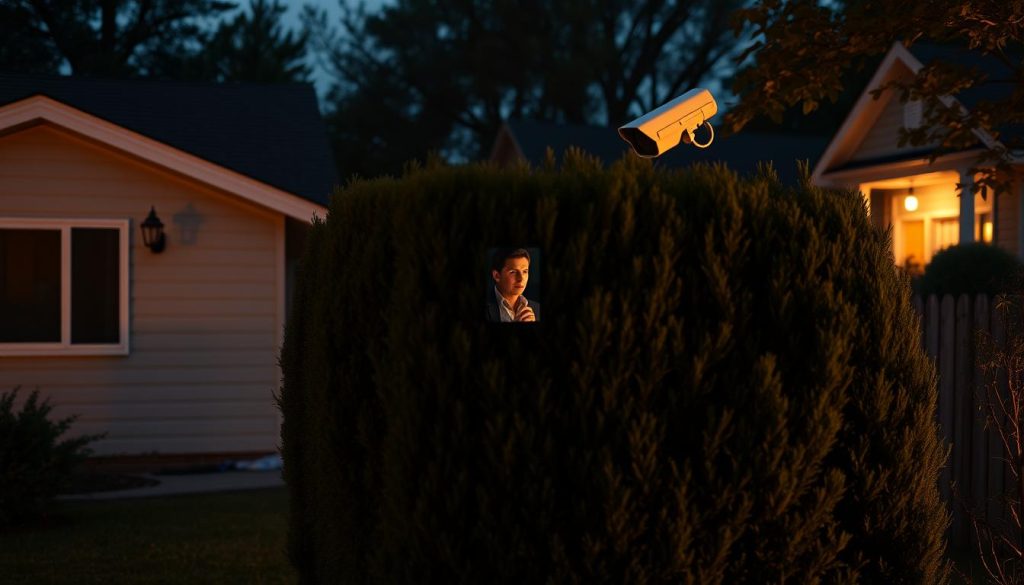
Residential security cameras are more common than ever. Many people install them for safety and peace of mind. However, there is a thin line between legitimate security and unwanted intrusion. If a nearby device points toward your living space, it’s natural to feel your privacy is compromised. You might wonder about solutions to this modern dilemma. This guide provides a clear path forward. We focus on effective, lawful, and practical steps you can take. The goal is to help you reclaim your personal space without conflict. It is crucial to understand that destructive actions are illegal. Tampering with equipment, using jammers, or hacking signals can lead to serious legal trouble. We will not recommend any method that breaks the law. Instead, we will cover how to assess the situation, understand your rights, and explore communication strategies. You will learn about various physical and natural barriers that are both effective and permissible. For a detailed look at legal methods to address surveillance concerns, our comprehensive resource is available. The aim is to achieve a respectful outcome. You can protect your property and peace while maintaining good relations with your neighbor. All suggestions align with Singapore’s legal framework. Key Takeaways Residential surveillance is common, but it can cross into privacy invasion. Seeking to address a camera pointed at your home is a legitimate concern. This guide focuses exclusively on legal and effective solutions. Destructive or interfering actions are illegal and carry severe penalties. Strategies include assessment, communication, and practical barriers. The ultimate goal is restored privacy with maintained neighborly relations. All advice is tailored to operate within Singapore’s legal system. Understanding Your Rights: Security Cameras and Privacy Laws in Singapore In Singapore, the legality of outdoor surveillance hinges on where a camera is pointed and what it captures. Knowing your rights under local privacy laws provides a solid foundation for any action. This knowledge helps you distinguish between legitimate security and unacceptable intrusion. It also protects you from legal missteps. The General Rule: Public vs. Private Spaces Singaporean law generally permits recording in public areas. This includes spaces like common corridors, public walkways, and the street. A neighbor security camera capturing a sliver of your driveway or front yard may be permissible. The key is the reasonable expectation of privacy. You have this expectation inside your home. Private spaces include bedrooms, bathrooms, and enclosed backyards. Bedrooms and bathrooms Enclosed backyards and pool areas Other interior rooms not visible from a public way Recording these zones without consent is problematic. The legal framework seeks to balance property rights with personal privacy. When a Camera Crosses the Line into Invasion of Privacy Not all security cameras are benign. Specific actions can transform a device into an invasive tool. Zooming directly into windows is a clear red flag. So is a motorized lens that pans to track movement in a private yard. Audio recording without consent adds another layer of intrusion. Singapore’s privacy laws take a dim view of such practices. Intent is often inferred from the device’s placement and behavior. A camera fixed solely on your patio suggests a purpose beyond general security. Systematic monitoring of your family’s daily life creates a strong case for violation. This includes recording children at play in a secluded garden. Legal Risks of Improperly Blocking a Camera Taking matters into your own hands can backfire. Illegal actions carry severe penalties under Singapore’s strict laws. Vandalism charges apply if you damage the equipment. Trespassing occurs if you enter a neighbor‘s property without permission. Cutting wires or painting the lens constitutes property damage. Using a laser to disable a sensor may lead to additional charges. Attempting to hack the camera feed enters the realm of cybercrime. These actions are not solutions. Contrast this with your legal right to erect barriers on your own land. Installing a fence or privacy screen is a lawful way to block neighbor security oversight. Documentation is your strongest ally. Keep a log with dates, times, and photos of the camera‘s view. Note any suspicious panning or zooming. This evidence is vital for a calm discussion or a formal complaint. It shows the neighbors and authorities the specific nature of your concern. A well-documented case is far more compelling than a vague feeling of being watched. How to Tell If Your Neighbor’s Security Camera Is Watching You A systematic assessment can clarify if a nearby camera infringes on your personal space. Moving beyond assumption requires factual observation. This process helps you understand the true scope of any surveillance. Observing Camera Position and Angle Start by analyzing the device’s field of view. Stand in different parts of your yard and look back toward the camera. Identify exactly which areas of your property are captured. Check from inside your home as well. Look out of windows and doors to see the lens alignment. A device fixed solely on your patio or balcony suggests a targeted focus. Consistent pointing at private zones is a strong indication. Note if the line of sight covers spaces like a secluded garden or pool area. This visual check forms the basis of your concerns. Looking for Visual and Audio Indicators Active security cameras often have indicator lights. In low-light conditions, look for tiny blinking LEDs. Common colors are red, green, or purple for night vision. These lights help distinguish real units from dummy models. A dummy camera typically lacks this functionality. It is a crucial step in your assessment. Watch for physical movement. PTZ (Pan, Tilt, Zoom) cameras can rotate to follow activity. If you see the lens adjusting to track movement on your property, it is a clear sign. Listen carefully as well. A low humming or buzzing sound may accompany mechanical adjustment. This audio cue, while less common, confirms an operational device. Documenting Your Privacy Concerns Thorough documentation turns observations into evidence. Take date-stamped photos from various angles. Capture images that clearly show the camera‘s line of sight into your private areas. Record a short video if the device exhibits
Protect Your Privacy: Block Your Neighbor’s Camera Read More »