ED VISTON

Blog

cctv maintenance

CCTV Maintenance: Everything You Need to Know

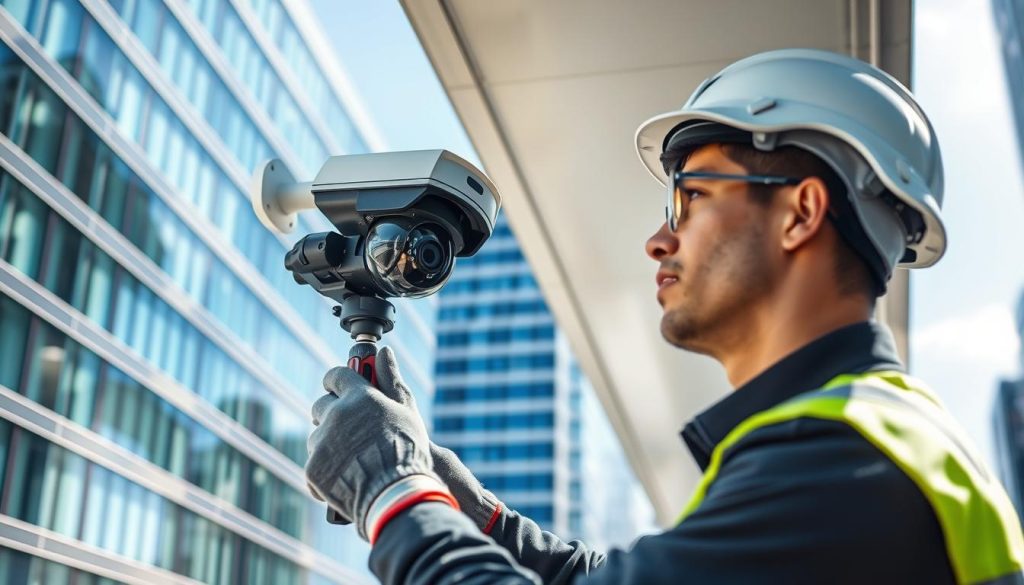
Your surveillance setup is only as strong as its weakest link. In a high-security environment like Singapore, where humidity and constant use are common, proactive care for your security systems is non-negotiable. This essential process involves scheduled inspections, thorough cleaning, software updates, and timely repairs. It keeps every camera, recorder, and cable functioning at peak performance. Neglecting this service leads to serious problems. You might face blurred video footage, unexpected system failures, or complete downtime. These issues create security gaps and often result in much higher repair costs later. Conversely, a consistent upkeep schedule delivers major benefits. It enhances surveillance reliability, extends your equipment’s lifespan, and ensures compliance with local data protection rules. Statistics show regular care can reduce failure rates by up to 30%. This guide provides actionable insights for property owners and facility managers. We’ll explore maintenance types, critical components, checklists, scheduling, and how to choose a provider in Singapore. Integrating a well-maintained CCTV system with other measures, like access control, creates a powerful, layered defense. Let’s ensure your surveillance investment is protected. Key Takeaways Proactive upkeep is critical for security system reliability, especially in Singapore’s climate. Routine maintenance includes physical checks, cleaning, software updates, and component repairs. Skipping service can cause poor video quality, system failures, and increased security risks. Regular care extends equipment life and can prevent up to 30% of potential failures. Proper maintenance helps ensure compliance with Singapore’s data and monitoring regulations. A maintained system integrates better with other security layers for comprehensive protection. Planning scheduled service avoids costly emergency repairs and operational downtime. What is CCTV Maintenance? Understanding the Basics A robust security posture depends on more than just installing cameras. It demands a regimen of dedicated care. This ongoing process ensures your monitoring network operates without fail. Defining CCTV Maintenance and Its Scope Think of this process as the scheduled health check for your entire surveillance operation. It is the planned servicing of all video security components to guarantee peak performance. The scope is comprehensive, covering every physical and digital element. This holistic approach prevents small issues from becoming major failures. Key areas under constant review include: Camera lenses and housings for clarity and integrity. Wiring, cables, and power supplies for stable connections. Recording devices and data storage systems for video integrity. Network infrastructure and software for secure access. Regular checks and cleaning form the backbone of this proactive care. They adapt your equipment to local environmental challenges. Why Regular Upkeep is Non-Negotiable for Security Consistent service is the bedrock of security systems reliability. Without it, your property’s protection has clear weaknesses. Blind spots from dirty lenses or failed cameras create opportunities for unauthorized access. High-quality footage is crucial for identifying details and providing legal evidence. In Singapore, humidity can quickly fog camera lenses and corrode connections. Proactive care directly counters these environmental threats. Industry standards and local regulations often mandate functional surveillance. Proper upkeep ensures compliance and avoids potential penalties. Contrast a well-maintained cctv system with a neglected one. The latter risks complete downtime, security breaches, and irreversible data loss. Proactive maintenance reduces the total cost of ownership. It prevents expensive emergency repairs and extends equipment lifespan. Firmware and software updates are a critical part of the process. They patch vulnerabilities and add new features to your cctv systems. Understanding these fundamentals prepares you for deeper dives into specific maintenance types and schedules. The following sections will provide actionable guidance. The Critical Importance of CCTV Maintenance in Singapore For security infrastructure in Singapore, consistent upkeep is not a luxury but a fundamental operational requirement. The city-state’s unique environment and strict legal landscape make a proactive approach essential. This dedicated care directly impacts how well your monitoring network performs every single day. It safeguards your investment and ensures continuous operational security. Enhancing Surveillance Reliability in Humid Climates Singapore’s tropical weather is a constant test for electronic equipment. High humidity and frequent rain create persistent challenges. Moisture in the air can quickly lead to lens fogging on camera lenses. This obscures the view and ruins video clarity. Over time, dampness promotes mold growth and corrosion on internal components and external cables. This degradation silently damages system integrity. Dust and salt particles accelerate wear. They can scratch delicate glass and clog moving parts in PTZ units. Regular cleaning and environmental sealing are your first line of defense. A simple schedule prevents these common issues. Technicians use specialized solutions to clean housings without residue. They also apply weatherproofing seals to keep moisture out. A practical tip is using silica gel packets inside camera housings. These small packets absorb excess moisture and significantly extend equipment life. These actions ensure your surveillance delivers clear, usable footage year-round. Reliability in this climate is earned through proactive care. Reducing Equipment Failures and Unplanned Downtime Sudden system failure creates a dangerous security gap. Research indicates a disciplined service schedule can lower malfunction risks by up to 30%. This statistic highlights the power of preventive action. Scheduled checks identify weak points before they break. Contrast the costs for a moment. A planned maintenance visit is a predictable, affordable expense. An emergency repair after a crash is costly and urgent. You pay premium rates and suffer from lost protection in the meantime. Downtime means zero recording during a critical event. It can lead to irreversible data loss and liability. For businesses, this interruption threatens operational continuity. Retail stores, industrial sites, and residential complexes all depend on constant monitoring. A well-maintained cctv system supports seamless business security. It deters crime effectively and provides evidence if needed. Viewing this care as an investment pays off. It maximizes your security systems lifespan and minimizes surprise costs. Compliance with Local Security Regulations Operating in Singapore brings specific legal responsibilities. The Personal Data Protection Act (PDPA) governs how surveillance data is handled. The law requires that collected information be accurate and secure. A faulty cctv camera producing blurry or missing footage fails this standard. Proper maintenance ensures your system records properly and stores video correctly. It

CCTV Maintenance: Everything You Need to Know Read More »
CCTV camera protection

Safeguard Your CCTV: Identifying Potential Damage Sources

Your surveillance system is a cornerstone of safety for any home or business in Singapore. These security cameras provide vital monitoring and peace of mind. However, they face constant threats that can compromise their function. Knowing the risks is the first step toward strong protection. Threats range from harsh weather and vandalism to cyber attacks and aging technology. Water ingress and power surges are also common culprits. Proactive measures and regular maintenance are essential. They prevent failures and extend the life of your system. This guide explores the common sources of damage to your equipment. We will provide actionable solutions to boost your security resilience. Staying updated with technology and best practices safeguards your investment. For expert advice on improving your surveillance, contact ED Viston at +65 8313 4578. Key Takeaways Identifying threats to your surveillance equipment is crucial for maintaining reliable security. Common damage sources include environmental factors, physical tampering, and technical failures. Implementing proactive protection strategies is key to preventing costly system issues. Regular maintenance checks are vital for early problem detection and long-term performance. Keeping your system’s technology and software updated reduces security risks. Understanding these threats allows you to extend the lifespan of your security cameras. A resilient surveillance setup requires a combination of physical and digital safeguards. Introduction to CCTV Camera Hazards As surveillance networks expand, so does the landscape of potential threats targeting them. The growing reliance on these systems for security demands a deep awareness of the hazards they face. Ignoring these risks creates safety gaps. It can leave property and people vulnerable. A proactive understanding is your first line of defense. Why Understanding Damage Sources is Crucial Knowing what threatens your equipment enables proactive prevention. This approach drastically cuts system downtime. It also safeguards your financial investment in surveillance infrastructure. Regular checks are non-negotiable. Simple actions like watching indicator lights on your camera or DVR can reveal early issues. Replacing batteries every few years prevents unexpected failure. Technical setups need verification too. Power over Ethernet (PoE) streamlines installation but may require switch restarts. An incorrect IP address can instantly disrupt your live view. The Scope of CCTV Security Risks Threats to your security camera are broad and interconnected. They span physical, environmental, technical, and cyber domains. Physical tampering and vandalism are obvious dangers. Environmental factors like harsh weather slowly degrade housing and video quality. Heavy rain or extreme heat can blur crucial details. Technical failures often stem from overlooked maintenance. Damaged cables compromise the signal. Network connection problems halt data flow. Cyber attacks target the network itself. Hackers seek access to live feeds and stored data. This digital risk endangers everyone in the monitored area. This comprehensive scope shows why a single point of failure is unlikely. A resilient surveillance system is built on understanding all these cameras hazards. It ensures reliable performance over time. What Can Damage a CCTV Camera? Common Culprits To build a truly resilient monitoring network, one must first understand the diverse enemies it encounters. These threats are typically grouped into three main categories. Each category presents unique challenges that can compromise your security feed and system integrity. Recognizing them is the essential first step toward effective protection. Physical Damage from Impacts and Vandalism Deliberate strikes are a stark reality for security cameras in accessible spots. Locations like building corners or low fences are prime targets for vandals. A direct hit can shatter the lens or crack the housing. This immediately blocks the view and exposes internal components. Tampering, such as spraying paint or adjusting the angle, is another common tactic. It renders the camera useless without destroying it outright. Outdoor units are especially at risk. Robust housing and strategic placement are key to protect cameras from these blunt-force attacks. Environmental Factors: Weather and Climate Singapore’s tropical climate is a constant test for outdoor equipment. Persistent humidity invites moisture into any unsealed housing. This leads to internal corrosion on circuit boards and connectors. Over time, this decay causes flickering video or complete failure. Extreme heat can warp plastics and overheat sensitive electronics. Conversely, heavy monsoon rains test waterproof seals to their limit. A breached seal during a storm can cause a short circuit. This is a serious power damage event that can fry the camera and pose a fire hazard. Technical and Operational Failures Not all damage comes from outside. Internal glitches and user error are major culprits. Outdated firmware can crash, freezing the system. Configuration mistakes are common. An incorrect setting might force a camera into night mode during the day, producing black-and-white footage. Misuse often leads to strange video quality issues. Psychedelic color distortion usually points to incorrect infrared or light settings. Hardware wears out. Failing power supplies, old cables, and a full DVR storage drive all cause operational failure. These technical issues highlight why regular maintenance and correct setup are non-negotiable for any surveillance system. Vandalism: A Persistent Threat to Surveillance In urban landscapes like Singapore, surveillance equipment faces a constant, deliberate enemy: vandalism. This intentional act targets highly visible security cameras in public and commercial areas. It aims to disrupt the monitoring system and create blind spots. Understanding this threat is crucial for maintaining reliable security. A compromised camera does more than just stop recording. It undermines the entire surveillance network’s effectiveness. Types of Vandalism Affecting CCTV Cameras Direct physical attacks are the most obvious form. Vandals may strike the housing with objects or attempt to dismantle the unit. This can shatter the lens and destroy internal electronics in an instant. View manipulation is another common tactic. Spraying paint over the lens or covering it with a bag completely blocks the video feed. These acts render the camera useless without causing permanent damage to the hardware. Technical interference represents a more sophisticated threat. This includes cutting cables to destroy the data connection or jamming wireless signals. In some cases, cyber attacks target the network to corrupt stored footage or hijack the live view. The consequences are severe. An inoperative camera creates a critical

Safeguard Your CCTV: Identifying Potential Damage Sources Read More »

CCTV camera installation responsibility

Who is Responsible for CCTV Camera Installation?

Singapore’s landscape is now monitored by over half a million surveillance cameras. This number keeps growing every year. With such pervasive monitoring, a critical question emerges. Understanding the legal ownership and operational duties for these systems is no longer optional. For individuals and organizations, compliance with local laws is essential. It helps avoid significant legal problems and builds trust. Key regulations, like the Personal Data Protection Act (PDPA), define clear obligations. System owners must navigate these rules carefully. Responsibilities differ greatly between a residential homeowner and a commercial business operator. Each setting has unique challenges. This article provides a comprehensive guide. It explores how to balance security benefits with privacy concerns in Singapore’s environment. Key Takeaways Singapore has a vast network of over 500,000 surveillance cameras. Legal ownership of a monitoring system carries specific duties under Singapore law. The Personal Data Protection Act (PDPA) is a key regulation governing data collection. Homeowners and business operators face different sets of obligations. Proactive management and community engagement are crucial for ethical usage. Balancing security benefits with individual privacy is a central challenge. This guide provides a roadmap for compliant and responsible surveillance practices. The Pervasive Role of CCTV in Singapore’s Security Landscape Visual monitoring systems have become ubiquitous fixtures in Singapore, from shopping malls to residential corridors. This widespread adoption creates a complex web of electronic observation. Understanding its scale and intent is crucial for any discussion on security and privacy. Understanding the Scale of Surveillance Over half a million cameras operate across the island. This number reflects a deep integration into daily life. Adoption rates are exceptionally high in commercial spaces. For instance, 93% of retail shops utilize these systems. Rising public safety concerns drive this trend. Technological improvements also play a major role. Modern devices feature high-resolution imaging and reliable night vision. Advanced motion detection further enhances their effectiveness. Community security projects encourage installation in shared residential areas. This collective effort expands the network. Primary Objectives: Deterrence, Prevention, and Evidence The core goals of surveillance are clear and focused. They guide placement and usage in both public and private property. First, visible cameras act as a powerful deterrent. Potential offenders often avoid monitored locations. Second, real-time monitoring allows for immediate response. Security personnel can prevent incidents as they unfold. Third, recorded footage serves as crucial evidence. It aids law enforcement investigations after an event. Strategic placement maximizes these objectives. Installers focus on high-traffic zones, entry points, and vulnerable spots. This approach supports broader national security strategies. It aligns with a collective commitment to public safety. Community-led initiatives in housing estates contribute significantly. Residents collaborate to monitor shared corridors and common areas. For businesses, these systems protect assets and ensure operational compliance. They also help manage customer and employee data responsibly. Effective practices require balancing observation with respect for individual privacy. This balance is central to Singapore’s regulations. The immense scale of surveillance serves a fundamental purpose. It is rooted in crime prevention and community well-being. This context sets the stage for understanding the legal and ethical rules that govern system management. The Legal Framework Governing CCTV Use in Singapore The legal landscape for visual monitoring is built upon two primary pillars. One is a national law protecting individual privacy. The other consists of local rules governing physical installation on shared property. Understanding this dual framework is essential for any system owner. It ensures your security measures are both effective and lawful. The Personal Data Protection Act (PDPA): Core Privacy Rules The Personal Data Protection Act (PDPA) is the cornerstone of privacy regulation. It treats recorded footage containing identifiable individuals as personal data. This means its collection, use, and disclosure are strictly governed. System owners have specific obligations under this protection act. A key requirement is notification. Clear signage must inform people they are entering a monitored area. This signage often serves to obtain implied consent. The PDPA also mandates purpose limitation. You can only collect data for a legitimate security reason. Using footage for other purposes is not allowed. Furthermore, the act requires reasonable data retention periods. Storing recordings indefinitely violates data protection rules. A defined retention policy is a must for compliance. Town Council and Local Installation Regulations Beyond national laws, local Town Council regulations add another layer. These rules control the installation of cameras in shared public spaces. If your device points at a common corridor, lift lobby, or void deck, approval is typically required. This process protects community privacy and safety. Guidelines often specify placement to avoid capturing the interiors of neighboring homes or flats. Proper angling is not just good etiquette; it’s a legal necessity. Non-compliance carries real consequences. The PDPA can impose financial penalties for privacy breaches. A Town Council can issue orders to remove or modify non-compliant equipment. Therefore, consulting both authorities before installation is a critical step. It is the foundation of responsible and lawful system management. Defining CCTV Ownership and Its Legal Implications Legal responsibility for a video surveillance setup is not automatically assigned to the person who bought it. True ownership under the law involves control and operational duty. Clarifying this point is essential. It determines which set of rules and obligations you must follow. What Legally Constitutes System Ownership? Ownership is defined by who controls the installation, daily operation, and long-term maintenance. It rests with the entity making decisions about the system. This could be a homeowner, a business operator, or a property management firm. Simply purchasing the cameras does not make one the legal owner if another party runs them. The implications are significant. The recognized owner bears full responsibility for compliance with the PDPA, local Town Council regulations, and general privacy laws. Control over the system’s function defines legal ownership, not merely possession of the hardware. Key Differences Between Residential and Commercial Ownership The duties of an owner change dramatically between private homes and commercial spaces. Recognizing this distinction helps you avoid legal trouble. For Residential Owners: You generally have more flexibility for placement on your own

Who is Responsible for CCTV Camera Installation? Read More »

common cctv camera problems

What Are the Most Common CCTV Camera Problems?

A reliable surveillance system is a cornerstone of safety for homes and businesses across Singapore. When these electronic guardians work perfectly, they offer peace of mind and a powerful deterrent. However, a malfunctioning unit creates a dangerous blind spot. This turns your first line of defense into a significant security liability. This guide provides a comprehensive, practical resource tailored for Singapore. We account for local factors like humidity and dense urban networks that can affect performance. Our goal is to empower you to identify, diagnose, and resolve frequent surveillance failures. You will learn to tackle issues with video quality, network loss, and power connections. Do not let technical jargon intimidate you. Many system issues can be understood and fixed with logical, step-by-step troubleshooting. Key Takeaways Fully functional CCTV systems are critical for effective security in Singapore. A single faulty camera can create a major vulnerability in your surveillance coverage. This guide is designed for Singapore’s unique environmental and infrastructural conditions. Learn to systematically identify the root causes of frequent surveillance problems. Gain practical knowledge for DIY fixes or for working with professional technicians. Proactive maintenance can prevent many common issues before they start. Introduction: The Critical Role of CCTV in Singaporean Security With close to a million units in operation, CCTV technology forms the backbone of modern security across the island nation. This dense network of surveillance devices is pivotal for public safety and crime prevention. These systems serve a dual purpose. They act as a powerful deterrent against unlawful activity while providing crucial footage for law enforcement investigations. Societal expectation has evolved. Residents and business owners now rely on this electronic monitoring for peace of mind in both public and private areas. Legal compliance is non-negotiable. Homeowners in HDB flats and condominiums must obtain necessary permits for installation. Businesses face penalties for non-adherence to regulations. A properly functioning system boosts operational efficiency. Managers can monitor properties and personnel remotely, saving valuable time. There are clear economic advantages. Effective surveillance can reduce instances of harassment in commercial settings. Insurers may offer lower premiums due to decreased risk, protecting valuable assets. The stakes for security are incredibly high. This creates a strong rationale for maintaining camera health and promptly addressing any malfunction. Singapore’s unique environment adds complexity. Dense urban infrastructure and persistent humidity challenge system durability. Proactive care is essential for reliable performance. Key roles of surveillance in Singapore include: Providing a continuous, visible security presence. Enabling real-time monitoring and historical review of events. Supporting legal cases with clear, admissible recording evidence. Enhancing overall community and business safety standards. Understanding the Most Common CCTV Camera Problems Identifying the root cause of a surveillance failure begins with understanding the primary categories into which most issues fall. These frequent problems can be grouped into three main areas: power and physical links, visual output quality, and advanced feature malfunctions. Recognizing these categories helps you quickly narrow down the culprit. This knowledge is the first step toward an effective fix. Power and Connection Issues A staggering majority of malfunctions stem from power and connection faults. These are the fundamental lifelines of any surveillance unit. An unstable or absent power supply is the single biggest point of failure. It can cause units to not turn on, reboot randomly, or shut down entirely. Physical cables and connections are equally critical. Damaged, loose, or corroded wiring leads to intermittent signal loss, degraded video, or complete feed dropout. In Singapore’s humid climate, connector corrosion is a prevalent risk. Image and Video Quality Degradation When your camera is on but the footage is poor, image quality is the likely suspect. This manifests as blurry, foggy, or distorted visuals. A dirty lens is a frequent culprit, as are incorrect camera settings like focus or exposure. Physical obstructions, like spider webs or growing foliage, also degrade performance. Color distortion or a washed-out look often points to faulty white balance or excessive light interference. Understanding these visual cues is key to restoring clear surveillance. Functional Failures: Motion Detection and Night Vision Advanced features like motion detection and night vision have their own unique failure modes. When they fail, your system’s intelligence is compromised. Motion detection may miss events or trigger constant false alarms. This is usually due to improper sensitivity settings or a blocked field of view. Night vision problems result in grainy, completely black, or strangely washed-out footage. Causes range from faulty infrared LEDs to a stuck IR cut filter. In urban Singapore, light pollution from nearby sources can also overwhelm a camera’s night mode. Proactive checks and preventative maintenance can mitigate many of these prevalent failures before they create a security gap. Key Signs Your CCTV Camera Is Malfunctioning Effective troubleshooting starts with accurately interpreting the signals your equipment sends. This section acts as your diagnostic checklist. Learn to recognize the visual and operational symptoms that indicate a unit is not performing correctly. Treat these signs as early warnings, not minor glitches. No Video Output or Black Screen A completely black screen or a “no signal” message is a critical failure. It represents a total surveillance blind spot and demands immediate attention. This alarming sign is often tied to a complete power loss or a severe break in the connections. Check if other devices on the same system are working. If only one camera is dark, the fault is likely local. If the entire system is down, the issue may be central, like a failed recorder or main power supply. Inconsistent, Choppy, or Frozen Footage Inconsistent video is more than just annoying. Choppy, frozen, or lagging streams can cause you to miss critical events entirely. This symptom typically points to network strain or an underpowered recording device. Insufficient bandwidth, a congested local network, or a struggling NVR are common culprits. It indicates underlying stress on your broader recording system. Persistent choppiness requires investigation to prevent a complete failure. Distorted Colors and Poor Image Clarity When the video is present but looks wrong, image quality is the culprit. Specific visual artifacts

What Are the Most Common CCTV Camera Problems? Read More »

modern cctv surveillance system

When to Replace Your CCTV Camera: A Guide

Effective property protection relies on a modern surveillance setup. A clear, reliable video feed is your first line of defense. Outdated equipment can create dangerous blind spots. Security technology evolves rapidly. New features offer better clarity and smarter alerts. At the same time, potential threats adapt and change. This makes periodic assessment of your equipment a necessity. A proactive view of your system’s lifecycle prevents security gaps. It ensures continuous, reliable monitoring. Waiting for a complete failure is a risky strategy. This guide provides a clear framework for decision-making. It is an essential resource for property owners and security managers in Singapore. Knowing the right time to refresh your setup balances performance, age, and new features. Delaying the upgrade of a failing system compromises safety. It often leads to higher long-term repair costs. You might also miss opportunities for enhanced surveillance capabilities available today. Key Takeaways Modern surveillance is critical for effective property security. Technological evolution and changing threats require regular system assessment. A proactive approach prevents monitoring gaps and ensures reliability. Understanding the right time for an upgrade balances performance signs and new features. This guide offers a decision-making framework for Singapore-based property managers. Delaying necessary replacements can compromise security and increase long-term costs. Staying current unlocks advanced surveillance capabilities. Why Your CCTV System’s Health is Critical for Security A dependable video monitoring system serves two primary functions: preventing crime and providing crucial evidence. Its operational condition directly determines how well it performs these vital roles. A visible, well-maintained surveillance setup acts as a powerful deterrent. Potential intruders are less likely to target a property under clear watch. Should an incident occur, the recorded footage becomes indispensable evidence for law enforcement and legal proceedings. System health encompasses more than just a working camera. It means continuous, reliable recording without gaps. It includes the ability to access live feeds remotely for real-time monitoring and timely response. There is a direct link between equipment performance and effective threat detection. Blurry images, frozen feeds, or offline cameras create dangerous blind spots. These failures can lead to missed incidents and unreliable, false alarms. This reliability is especially critical in Singapore. With reported theft rates affecting over a quarter of properties, a robust surveillance system is a fundamental component of asset protection. It is a necessary layer in a comprehensive defense strategy. At its core, a healthy cctv system ensures: Uninterrupted surveillance coverage, day and night. High-quality video footage that can identify individuals and actions clearly. Stable remote access for monitoring from any location. Accurate alerts that inform you of real threats. Modern technology allows these systems to integrate with alarms and access controls. This creates a cohesive security network that is more effective than isolated components. The whole becomes greater than the sum of its parts. The integrity of your video evidence hinges on system health. Grainy or corrupted footage is often useless in court. Clear, timestamped video can be the definitive factor in resolving a case. Maintaining your security infrastructure is an ongoing responsibility. It protects your financial investment in the equipment. More importantly, it safeguards the people and assets on your property. Proactively evaluating your current setup against evolving needs is a key part of this duty. Key Signs Your CCTV Camera is Failing and Needs Replacement A security camera that no longer performs its core functions becomes a liability rather than an asset. Recognizing the failure signals of your surveillance equipment is the first step toward maintaining robust security. Several unmistakable signs can alert you that a unit is underperforming. These indicators point to deeper problems within the hardware or setup. Addressing them promptly prevents critical security gaps. This breakdown turns vague concerns into specific, actionable observations. Consistently Poor or Degraded Image Quality Persistent blurriness is a primary red flag. If you struggle to make out facial details or license plates, the camera is not serving its purpose. This poor image quality renders footage useless for identification. Symptoms include constant pixelation, strange color distortion, and grainy images in low light. These issues often stem from aging sensors or failing internal lenses. The result is compromised monitoring and evidential value. Frequent Technical Glitches and System Instability Random reboots and lost network connections are serious warnings. A system that freezes or drops video feeds creates dangerous monitoring blackouts. Failed recordings mean incidents happen without a trace. These glitches often point to internal component failure or software conflicts. Constant troubleshooting wastes time and resources. System instability directly compromises your property’s continuous watch. Visible Physical Damage or Corrosion Cracks in the housing or a foggy lens are clear visual signs. Water ingress can short-circuit electronics, leading to sudden failure. Vandalism damage, if not repaired, will degrade performance. In Singapore’s humid climate, corrosion on connectors and mounts accelerates wear. This physical degradation leads to erratic behavior and, eventually, a complete breakdown. A damaged cctv camera cannot be relied upon. Inadequate Coverage and Existing Blind Spots Architectural changes or new obstructions can create unseen areas. An outdated camera’s field of view may no longer cover key entry points. These blind spots undermine your entire security coverage. If your property has grown, older cctv cameras might leave new sections unprotected. This insufficiency is a major security flaw. Regular audits of sightlines are essential to find these gaps. Each of these signs links to a practical consequence. The inability to recognize faces or provide continuous monitoring are serious problems. Conducting a visual and functional audit of your current setup is a powerful proactive step. Understanding the Typical Lifespan of a CCTV Camera A clear benchmark for equipment longevity allows property managers to budget and schedule upgrades without guesswork. Knowing the expected service period for your surveillance hardware is foundational to proactive security. The industry provides a general guideline. An average cctv system offers reliable performance for three to five years. Higher-end models, built with superior components, can often last seven to ten years with proper maintenance. This lifespan is not a strict expiration date. It is a

When to Replace Your CCTV Camera: A Guide Read More »

offline security camera setup

Can CCTV Run Without Internet? A Guide

Many people believe a constant internet connection is mandatory for security cameras to function. This is a common misconception. Your surveillance system can operate perfectly well on its own. These independent cameras provide reliable protection for home and business. They offer peace of mind in remote locations or during a wifi outage. Your security remains intact regardless of network status. Brands like Aura Smart design cameras for this purpose. Their floodlight, indoor, solar-powered, and video doorbell models all work without an online link. Motion detection and video recording continue seamlessly. This guide will show you how. We explain the technical mechanisms behind offline operation. You’ll get a practical setup guide for your property. We also cover the trade-offs to consider for a robust security solution. Key Takeaways Surveillance cameras do not require an internet connection to record footage. Local storage solutions, like microSD cards or NVRs, are the backbone of offline systems. Core functions like motion detection and night vision operate independently. This setup is ideal for remote cabins, construction sites, or areas with poor wifi. Offline systems provide a reliable security backup during network failures. Setting up an internet-free camera system is a straightforward process. You can still connect your surveillance system to a mobile for alerts and playback without a live internet link. Can CCTV Run Without Internet? The Direct Answer Contrary to popular belief, a constant web link is not a prerequisite for video monitoring. The direct answer is a definitive yes. Your security cameras work independently to protect your property. Core functions like motion detection and video recording happen locally. These cameras without internet rely on internal sensors and storage. Your security remains active even during a network outage. Brands like Aura Smart design products for this purpose. Their floodlight, indoor, solar, and doorbell models all work without internet. Each device handles footage and alerts on its own. “A reliable surveillance system functions on local power and memory. It doesn’t need an external data connection to fulfill its primary role.” Local storage is key. Many devices use microSD cards or built-in memory. This method saves video directly, without wifi or an internet connection. Motion sensors are embedded in the hardware. They trigger recording without internet access. You get continuous monitoring even wifi is unavailable. You can view feeds directly. Connect a camera to a monitor via cable. Or use a local app on your phone within the same network. Power options ensure operation anywhere. Wired, battery, or solar setups keep cameras running. This is ideal for remote sites or areas with poor infrastructure. While online links enable remote viewing, their absence doesn’t disable the system. The primary goal of security is still achieved. You use security tools that are truly self-sufficient. How Offline CCTV Systems Work: Core Mechanisms Several fundamental mechanisms combine to create a self-sufficient video monitoring setup. These components allow security cameras to perform their primary duties independently. They do not rely on an external internet connection for basic operation. Each part of the system handles a specific task locally. From saving video to detecting activity, everything happens on-site. This design ensures continuous security under any network conditions. Local Storage: SD Cards and Built-in Memory Local storage is the heart of an autonomous surveillance system. It saves all footage directly on the device or a removable memory card. This process happens completely without wifi. Many modern cameras come with a slot for a microSD card. High-capacity cards can store weeks of recorded video. Some models also have built-in memory for immediate use. Brands like Aura Smart ensure all their cameras support this feature. Recording continues as long as the device has power. You format the storage once, and it manages footage automatically. Independent Motion Detection and Recording The ability to sense movement is built into the hardware. Passive infrared (PIR) sensors are common in cameras without online needs. These sensors detect heat signatures from people or animals. When motion is sensed, the camera instantly starts recording. This trigger works 24/7, regardless of network status. It provides reliable security even during an internet outage. Aura Smart cameras use this technology effectively. Their motion detection is precise and helps conserve storage space. Only relevant events get saved to the memory card. Direct Viewing via Monitors or Local Networks You can watch the live feed without any web link. A direct cable connection is one simple method. Plug a wired camera into a monitor using an HDMI or BNC cable. Another method uses a local network. Your phone or computer connects directly to the camera within the same area. A dedicated app then streams the video feed for monitoring. This setup gives you access to live views and playback. It all operates on a closed, private connection. Your security footage never needs to leave the property. Power Solutions: Wired, Battery, and Solar Reliable power is essential for any camera to work without interruption. Wired camera models plug into a standard electrical outlet. They offer continuous operation for critical locations. Battery-powered units provide ultimate placement flexibility. They are perfect for spots where running cables is difficult. Aura Smart’s Wireless Video Doorbells are a prime example. Solar panels create a sustainable, off-grid power source. The Aura Smart Solar Panel Camera harnesses sunlight to recharge. This solution is ideal for remote outdoor areas with no independent power access. Step-by-Step Guide to Setting Up Your Offline CCTV Setting up a surveillance system that operates independently from the web is a straightforward process. This guide walks you through each critical stage. You will achieve a robust security setup for your home or business. From picking the right hardware to viewing your footage, we cover it all. The goal is a fully functional system that records reliably. You gain peace of mind even wifi is down. 1. Choosing the Right Camera for Local Recording Your first decision is selecting cameras designed for autonomy. Look for models with built-in storage options or a memory card slot. This feature is essential for cameras without

Can CCTV Run Without Internet? A Guide Read More »

professional CCTV service inspection

CCTV Service: Features and Benefits

A reliable surveillance system is a cornerstone of modern security for homes and businesses across Singapore. Like any critical technology, it requires professional care to perform at its best. A comprehensive maintenance visit involves much more than a simple check. Engineers conduct a thorough inspection of all key components. This includes testing camera image quality, verifying recording functions, and ensuring power and connections are secure. Software updates and system optimization are also standard parts of a professional CCTV maintenance routine. The goal is to prevent failures before they happen, safeguarding your property and peace of mind. Regular servicing delivers tangible benefits, from enhanced reliability to long-term cost savings. It protects your investment and ensures your security coverage remains uninterrupted. Key Takeaways A professional service includes a full inspection of cameras, recording equipment, and all connections. Routine maintenance prevents unexpected system failures and expensive emergency repairs. Technicians provide a detailed report with findings and recommendations for your system. Combining simple user checks with scheduled professional inspections offers the best protection. Proactive care extends the operational life of your entire security setup. Recognizing warning signs, like blurry footage, is key to addressing issues early. Selecting a qualified provider in Singapore is crucial for dependable surveillance performance. What Does a Professional CCTV Service Include? A Detailed Breakdown Behind the scenes of a dependable surveillance operation lies a meticulous series of checks and optimizations performed by skilled technicians. This structured process ensures every part of your security infrastructure operates at peak efficiency. A thorough service visit leaves no component unchecked. It transforms routine upkeep into a powerful shield for your property. Comprehensive Camera Inspection and Cleaning Every cctv camera receives individual attention. Technicians start by cleaning lenses and housings to restore clear image quality. They test focus, field of view, and infrared night vision. This guarantees optimal performance in both day and night conditions. Mounting brackets and environmental seals are examined for integrity. Proper positioning is verified to eliminate blind spots. Recording System and Hardware Diagnostics The heart of the cctv system, the DVR or NVR, undergoes rigorous diagnostics. Technicians confirm it is recording correctly and has adequate storage. All cables and connections are inspected for wear, corrosion, or loose fittings. These are common failure points that can cripple a surveillance system. Power supplies and backup batteries are tested. Stable power delivery is critical, especially during an outage. Software, Firmware, and System Optimization Updating software and firmware patches security vulnerabilities. It also improves functionality and ensures compatibility. System performance is fine-tuned on-site. This includes calibrating camera settings for current lighting and adjusting motion detection sensitivity. Storage space is managed efficiently. Remote viewing capabilities and alert accuracy are verified through a full functional test. The Post-Service Report and Recommendations Every service concludes with a detailed report. This document lists all findings and actions taken during the visit. It provides clear, actionable recommendations for future improvements. This report is a valuable record for planning upgrades or addressing potential security gaps. Regular maintenance based on these insights extends the lifespan of your equipment. It ensures your investment continues to deliver reliable protection. Why Regular CCTV Maintenance is Non-Negotiable for Security The true value of a security investment is measured by its reliability during a critical moment. Treating your surveillance setup as a static installation invites risk. Consistent, professional upkeep is the discipline that keeps your protection active and effective. Studies show that scheduled regular maintenance can cut equipment failures by up to 30%. It transforms your setup from a passive recorder into a resilient shield. This proactive approach is fundamental for any property in Singapore. Preventing System Failures When You Need Them Most Security incidents are unpredictable. A cctv system that fails during a break-in offers zero protection. Proactive maintenance addresses minor issues like loose connections or firmware bugs before they cause total downtime. Reactive repairs after a failure are costly and leave you vulnerable. Scheduled inspections ensure every camera and recorder functions perfectly. This vigilance guarantees your surveillance system is always ready. Ensuring Legal Compliance and Evidentiary Quality In Singapore, surveillance must comply with regulations like the Personal Data Protection Act (PDPA). Blurry or missing footage may not meet legal standards. Regular inspections verify that recordings are clear, correctly timestamped, and stored properly. For evidence to be admissible, video must be sharp and uninterrupted. Technicians check image quality and recording integrity during each service visit. This ensures your security system supports both protection and compliance. Extending the Lifespan of Your Security Investment A professional maintenance plan protects your financial outlay. Well-maintained cctv cameras and hardware can see their operational lifespan extended by 50%. This delays the need for a full, costly system replacement. Consistent care optimizes system performance and prevents wear. It safeguards your investment, ensuring it delivers value for years. The result is long-term cost savings and sustained peace mind for business owners and residents. Ultimately, viewing upkeep as a non-negotiable operational cost is far cheaper than the consequences of a breached security perimeter. A reliable cctv setup, kept in peak condition, is your best defense. Understanding Your System: Types of CCTV and Their Service Needs From traditional analog setups to advanced network-based units, each surveillance category demands tailored attention. A one-size-fits-all approach to upkeep can leave critical components neglected. Knowing your hardware is the first step to effective care. This knowledge ensures your maintenance plan addresses the unique vulnerabilities of your specific security equipment. Analog vs. IP-Based Network Systems The fundamental split in surveillance technology is between analog and IP (Internet Protocol). Analog systems send video signals via coaxial cables to a Digital Video Recorder (DVR). IP-based cctv systems transmit data digitally over a network. This key difference dictates their core maintenance requirements. Analog systems require vigilant checks on physical infrastructure. Technicians focus on cable condition and connector integrity to prevent image degradation. DVR functionality and storage health are also critical inspection points. The goal is to preserve video quality and recording reliability. IP cctv cameras and systems offer higher resolution but introduce

CCTV Service: Features and Benefits Read More »

cctv maintenance checklist

Types of CCTV Maintenance: A Comprehensive Guide

Your security system is only as reliable as its upkeep. A well-maintained CCTV system acts as a vigilant guardian, providing clear surveillance and peace of mind. Neglecting this crucial task leads to vulnerabilities. Research shows regular maintenance can cut equipment failures by 30%. Alarmingly, 87% of security breaches are preventable with proper care. Effective upkeep is not one task but a strategy. It combines physical inspections, software updates, and performance reviews. Different plans offer varying coverage to match specific needs. In Singapore’s humid climate, specialized care is essential. Local providers like Wen Hong Engineering offer tailored solutions and 24/7 emergency support to ensure your system never sleeps. Key Takeaways Proactive maintenance prevents up to 30% of CCTV equipment failures. Most security breaches (87%) are avoidable with proper system upkeep. Maintenance includes physical cleaning, software updates, and connection checks. Different service plans exist for basic, comprehensive, or predictive coverage. Regular checks defend against cyberattacks on outdated system software. A structured maintenance regime is vital for legal compliance and asset protection. Localized solutions account for environmental factors like Singapore’s climate. Why CCTV Maintenance is Non-Negotiable for Security Security isn’t about having cameras; it’s about having cameras that work when you need them most. A single offline unit or a corrupted recording can create a dangerous blind spot. This turns a vital security asset into a liability. Neglecting regular upkeep invites two major threats. First, you face steep financial losses from preventable incidents. Second, you risk legal penalties for non-compliance. In Singapore’s dense urban environment, these risks are magnified. Proper maintenance is the only guarantee your system will perform under pressure. It transforms your surveillance network from a passive installation into an active shield. The High Cost of System Failure in Singapore When a CCTV camera fails, the immediate costs are just the beginning. Emergency service calls and urgent part repairs are far more expensive than scheduled checks. The real expense comes from what the failure allows. Property crimes remain a significant concern here. A malfunctioning system cannot deter theft or vandalism, leading to direct asset loss. Business disruption adds another layer. Lost footage from a recording failure can stall investigations for days. This downtime affects operations and customer trust. A non-functional surveillance system doesn’t just fail to capture evidence; it effectively signals that an asset is unprotected. Proactive maintenance identifies common issues like lens fogging or power supply faults early. This prevents the major failures that lead to these severe costs. Legal and Compliance Reasons for Upkeep In Singapore, operating a CCTV system carries legal responsibilities. The Personal Data Protection Act (PDPA) governs how data from surveillance is handled. The law mandates that collected footage be secured and accessible. A technical failure that loses critical video evidence violates this principle. It can void insurance claims and weaken legal positions. Regular inspections ensure your equipment meets these standards. They verify storage integrity and camera functionality. This documented due diligence is crucial for compliance. Courts and insurers rely on continuous, unbroken video data. A gap in coverage due to poor maintenance can be seen as negligence. This exposes a business to fines and liability. Ultimately, consistent CCTV maintenance is the bedrock of lawful and effective security. It protects both physical assets and your legal standing. What Are the Types of Maintenance of CCTV? A robust surveillance strategy relies on a blend of maintenance philosophies, each serving a unique purpose. You can think of them as the essential tools for keeping your security investment sharp and reliable. These methodologies work together to ensure your cameras capture every critical moment. The right mix depends on your system’s age, complexity, and your tolerance for risk. Preventive Maintenance: Stopping Problems Before They Start This is the cornerstone of reliable surveillance. Preventive maintenance involves scheduled, routine care designed to stop faults before they happen. Think of it like servicing your car. Regular tasks keep everything running smoothly. This approach is highly cost-effective, avoiding expensive emergency calls. Key activities include visual inspections of each cctv camera for physical damage or obstructions. Cleaning lenses every six months prevents blurry video caused by dust and grime. Technicians also verify power supply stability and check all cable connections. Crucially, applying software updates patches security vulnerabilities and boosts performance. This proactive regimen directly tackles common issues like lens fogging or connection corrosion. It builds a strong first line of defense for your entire cctv system. Corrective Maintenance: Fixing Issues After They Occur Despite best efforts, components can fail. Corrective maintenance is the reactive process of diagnosing and fixing problems after they are identified. This method springs into action when a camera goes offline or footage quality drops. It addresses the issues that preventive measures could not stop. The process starts with troubleshooting to find the root cause. Is it a faulty power adapter, a damaged cable, or a corrupted hard drive in the storage unit? Repairs often involve replacing these failed components. Sometimes, a system reset or reconfiguration solves software glitches. The goal is to restore full security coverage as quickly as possible. While corrective action is necessary, a strategy overly reliant on it is more costly and leaves gaps in protection. Predictive Maintenance: Using Data for Proactive Care The most advanced approach leverages technology to look into the future. Predictive maintenance uses analytics to forecast failures before they occur. Modern IP-based cctv systems generate a wealth of performance data. Specialized monitoring platforms analyze this information for subtle trends. They might detect a gradual increase in a camera’s operating temperature. Or they could note a steady decline in available storage space. These trends signal a component is nearing its end of life. This intelligence allows you to schedule part replacements during convenient downtime. You avoid the surprise of a total system crash during a critical period. For complex, multi-camera installations, this data-driven method offers the ultimate in proactive care. It transforms maintenance from a calendar-based chore into a precise, intelligence-led service. The most effective security plans don’t choose just one type. They integrate

Types of CCTV Maintenance: A Comprehensive Guide Read More »

CCTV camera lifespan guide

Uncovering the Lifespan of CCTV Cameras: An Ultimate Guide

Your security in Singapore depends on reliable equipment. Knowing how long your surveillance gear will perform is crucial for homes and businesses. This guide delivers clear answers. We explore the central question: What is the lifespan of a CCTV camera? The answer isn’t a single number. It’s a range shaped by technology, environment, and care. Modern security cameras are built for durability. Yet, their operational life hinges on many factors. This ultimate resource breaks down everything you need to know. You’ll gain actionable insights to extend your system’s service years. Learn to spot failure signs early and make cost-effective upgrades. A robust surveillance setup is a long-term investment in peace of mind. Key Takeaways A camera’s operational life is variable, not a fixed number of years. High-quality equipment and professional installation help your system last longer. Regular maintenance and software updates are critical for peak performance. Singapore’s tropical weather can impact outdoor camera durability. Technological advances mean newer CCTV systems often offer better longevity. Proactive system checks can prevent unexpected security gaps. Understanding total cost of ownership leads to smarter security solutions. Introduction: Why Your CCTV Camera’s Lifespan Matters Understanding how long your surveillance gear lasts directly impacts your financial planning and physical safety. A failing system creates dangerous security gaps. Assets and people become vulnerable during critical moments when cameras stop working. “Theft cases in Singapore, including shoplifting and theft in homes and offices, jumped by over 25% in the first half of 2023.” This statistic highlights the non-negotiable need for reliable, long-lasting surveillance. The global physical security market reaching $83 billion by 2024 shows massive investment in protection. Financially, knowing your equipment’s service life aids smart budgeting. You can plan for maintenance, upgrades, and calculate total cost of ownership. Unexpected replacement costs strain resources. A proactive approach to your system’s longevity saves money over time. Compliance is another critical factor. Malfunctioning security cameras may fail legal requirements. Regulations like Singapore’s PDPA mandate proper recording and data retention. A broken system could breach these rules, creating legal risks. Proactive lifespan management is therefore a cornerstone of responsible security planning. It’s not just an afterthought. This approach ensures your setup meets today’s security needs. It also prepares you for future challenges explored in this guide. What is the Lifespan of a CCTV Camera? Defining the Average Range The functional duration of surveillance technology varies widely based on several core factors. Industry data provides clear benchmarks to set realistic expectations for your investment. On average, modern security cameras operate effectively for three to five years. This 3-5 year window serves as a common baseline for mid-range equipment. It represents the typical service life under standard conditions without exceptional stress or care. The 3-5 Year Standard Expectation This timeframe is the most frequently cited for average-quality systems. Many consumer and small business setups fall into this category. Components like image sensors and internal electronics gradually degrade. Daily operational cycles and environmental exposure take a toll. Entry-level devices often last longer when installed indoors with moderate use. However, basic models face limitations in durability and heat management. “A well-maintained system can last five to ten years, but the 3-5 year mark is where many users first consider upgrades or replacements.” This range is a practical starting point for planning. It helps budget for potential maintenance or future capital expenditure. High-End Systems: Pushing Towards 7-10 Years Investment in premium quality yields significant returns in operational longevity. Professional-grade equipment from leading brands is engineered for extended service. Superior weatherproofing, robust internal components, and better power management contribute to this. Brands like Axis, Hikvision, and Avigilon design their products for demanding commercial use. Such systems can reliably deliver high performance for seven to ten years or more. They represent the upper tier of the cctv system market. The gap between consumer and professional gear is stark. Consumer-grade cameras last about two to three years in many cases. In contrast, some industrial surveillance units remain functional for over a decade. This highlights how build quality directly defines service life. It’s crucial to understand technological obsolescence. A camera might physically work but its resolution or features become outdated. This often drives replacement before the hardware actually fails. Planning for both physical and functional lifespan is smart security management. These averages are guides, not guarantees. The subsequent sections detail the specific factors that shorten or extend these timeframes for your cctv setup. Key Factors That Dictate Your CCTV System’s Longevity Beyond a simple expiry date, a camera’s functional life is a dynamic equation shaped by quality, environment, and duty cycle. Pinpointing these elements lets you actively influence your security investment’s service years. Optimizing them is the proven path to maximizing performance and value. Build Quality and Manufacturer Reputation Superior durability starts with the components inside the housing. Reputable brands like Hikvision and Samsung use higher-grade image sensors and robust internal electronics. These parts manage heat better and resist degradation. Exterior build quality is equally vital, especially for outdoor equipment. Look for strong IP ratings, such as IP65 or higher. This certification confirms protection against dust and water jets. “Investing in professional-grade hardware from the start is the most effective longevity strategy. It builds a foundation that can withstand other stressors.” This initial choice directly answers how long your cctv system will last longer. Premium systems often justify their cost through extended, trouble-free operation. Environmental and Installation Conditions Even the best camera can fail quickly if placed wrong. Singapore’s relentless heat and humidity are a constant weather assault on electronics. Proper installation mitigates this. It involves secure mounting away from direct sunlight and rain splash. Good cable management and correct power supply are non-negotiable. Loose connections or voltage spikes dramatically shorten equipment life. Professional installers assess site-specific risks. They ensure your surveillance setup is positioned for both optimal view and longevity. Usage Patterns and Operational Load How you use your system dictates its wear rate. A unit monitoring a 24/7 retail entrance faces more strain than one watching a

Uncovering the Lifespan of CCTV Cameras: An Ultimate Guide Read More »

Ring solar panel security camera setup

Ring Solar Panel Security Camera: In-Depth Review

Keeping your property safe is a top priority for homeowners. In Singapore’s urban environment, having reliable surveillance brings valuable peace of mind. This review examines a popular sun-powered monitoring system designed for local conditions. Statistics show a powerful deterrent effect. Homes with surveillance devices are 300% less likely to experience a burglary. This makes a strong case for investing in quality protection. The device we’re evaluating stands out for its eco-friendly approach. It harnesses renewable energy, eliminating worries about power cords or battery changes. This is ideal for Singapore’s sunny climate. Our analysis will cover everything Singaporean residents need to know. We’ll look at setup, video quality, smart alerts, and overall value. You’ll get a clear picture of how this system performs in real-world use. We’ll also consider design and how it blends with outdoor spaces. The goal is to help you decide if this is the right comprehensive solution for your home. Key Takeaways This sun-powered device offers continuous monitoring without relying on your home’s electrical system. High-definition 1080p video ensures clear footage of your property’s surroundings. Instant notifications alert you to activity in real time, keeping you informed. The sustainable design is particularly well-suited to Singapore’s consistent sunlight. Our review provides a detailed look at performance, installation, and value for local homeowners. Effective surveillance can significantly reduce the risk of property crimes. The system’s aesthetics allow it to complement most outdoor environments while providing protection. Introduction to Solar-Powered Home Security A quiet revolution is transforming how we monitor our living spaces, moving away from grid dependency. This shift brings sustainable technology to the forefront of residential safety. Homeowners now have access to innovative solutions that work independently. These systems harness abundant natural resources for continuous operation. They represent a significant advancement in protection tech. The approach combines reliability with environmental responsibility. The Rise of Eco-Friendly Surveillance Global demand for sustainable monitoring is growing rapidly. Consumers want devices that reduce their carbon footprint. This trend aligns with broader environmental awareness movements. The fundamental technology converts sunlight into electrical energy. Photovoltaic cells capture and transform this renewable power. The process enables consistent operation without traditional wiring. Environmental benefits are clear and measurable. Reduced reliance on fossil fuels helps combat climate change. Economic advantages also drive adoption across markets. Lower utility bills provide immediate financial relief. One study shows potential savings reaching 75% on energy costs. This makes sustainable options increasingly attractive for budget-conscious households. Why Solar Cameras Make Sense for Singaporean Homes Singapore’s tropical climate offers ideal conditions for this technology. Year-round sunlight provides consistent charging capability. The environment supports efficient photovoltaic performance. Local concerns about residential safety create strong demand. Over 70% of residents express worry about home protection. This drives interest in reliable, modern solutions. Off-grid operation delivers practical installation flexibility. Properties without convenient power outlets can still benefit. The setup works well in various architectural configurations. Energy independence ensures functionality during disruptions. Power outages or grid failures don’t interrupt monitoring. This reliability provides valuable peace of mind. The combination of environmental and practical advantages is compelling. Sustainable systems address both ecological values and safety needs. They represent a smart choice for forward-thinking homeowners. Meet the Contender: Ring Spotlight Cam Pro Solar Homeowners seeking a premium, wire-free outdoor protection system will find the Spotlight Cam Pro Solar bundle particularly compelling. Priced at $249.99, this kit delivers a complete high-end monitoring solution. It combines professional surveillance capabilities with sustainable energy harvesting. The package represents a significant step forward in residential safety technology. It’s designed for those who want reliable performance without constant maintenance. This model sits at the top of Ring’s outdoor device lineup. What’s in the Box? Opening the package reveals a well-organized collection of components. Each item serves a specific purpose in the installation and operation process. You get everything needed for immediate setup. The complete contents include: Spotlight Cam Pro (Battery): The main recording unit with advanced detection features. Solar Panel (2nd Generation): A dedicated energy harvesting accessory for continuous power. Camera Mount: Adjustable bracket for optimal positioning on walls or eaves. Quick Release Battery Pack: Removable power cell for alternative charging methods. Installation Accessories and Screws: All necessary hardware for secure mounting. USB Charging Cable: For traditional power replenishment when needed. The second-generation photovoltaic component shows noticeable improvements. It’s more efficient than previous versions at converting sunlight. This ensures better performance in various lighting conditions. The main monitoring device itself feels solid and well-constructed. Its compact design houses sophisticated technology for clear video capture. Weather-resistant materials promise durability in outdoor environments. Model Variants and Power Options Consumers have multiple purchasing choices to match their specific needs. The solar bundle provides the most complete self-sufficient solution. However, other configurations offer different benefits. Available versions include: Solar Bundle: Includes both the Pro device and the energy panel (reviewed here). Battery-Only Version: Requires periodic manual recharging of the power cell. Plug-In Model: Connects directly to an outdoor electrical outlet. Hardwired Option: Professional installation with permanent electrical connection. Existing Ring users enjoy particular flexibility. They can purchase the standalone Solar Panel USB-C accessory for $59.99. This upgrades compatible battery-powered devices to solar operation. Within the Ring ecosystem, this Pro model distinguishes itself from others. The Spotlight Cam Plus Solar offers similar sun-powered functionality at a lower price point. However, the Pro version includes enhanced features like 3D Motion Detection. These specifications position this equipment as a “pro” tier offering. It’s designed for homeowners wanting a permanently powered outdoor solution. The integration potential with other smart home devices is substantial. This monitoring system connects seamlessly with various Ring products and platforms. It sets the stage for creating a comprehensive residential safety network. The target audience values both high performance and maintenance-free operation. Unpacking the Ring Solar Panel Security Camera Features Beyond the basic concept of recording footage, today’s advanced monitoring devices offer a suite of sophisticated tools for comprehensive oversight. This equipment combines several cutting-edge technologies to create a robust defense system for any property. Each function works in

Ring Solar Panel Security Camera: In-Depth Review Read More »