ED VISTON

Blog

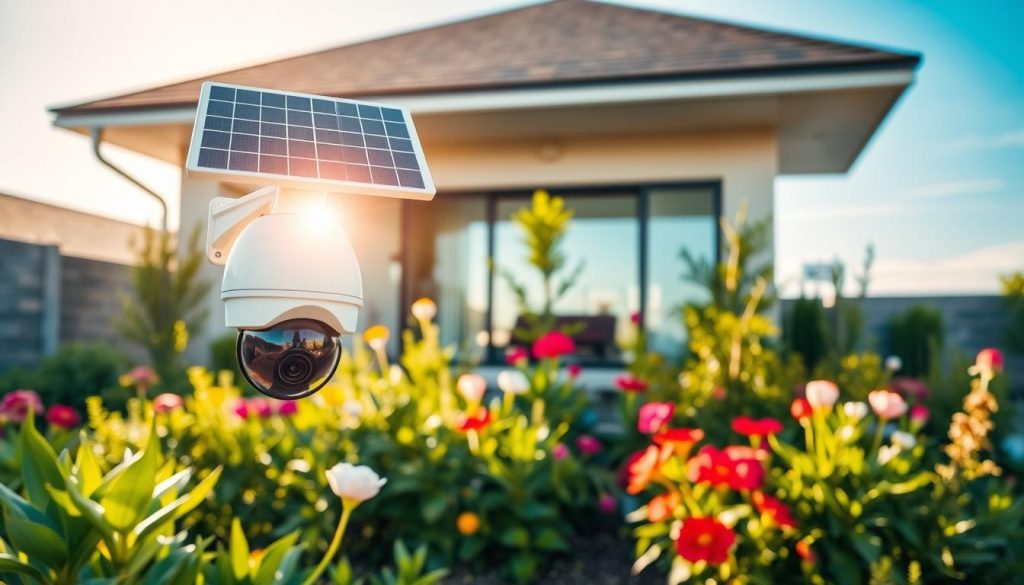
solar-powered home surveillance system

Best Outdoor Solar Wireless Security Cameras: A Buyer’s Guide

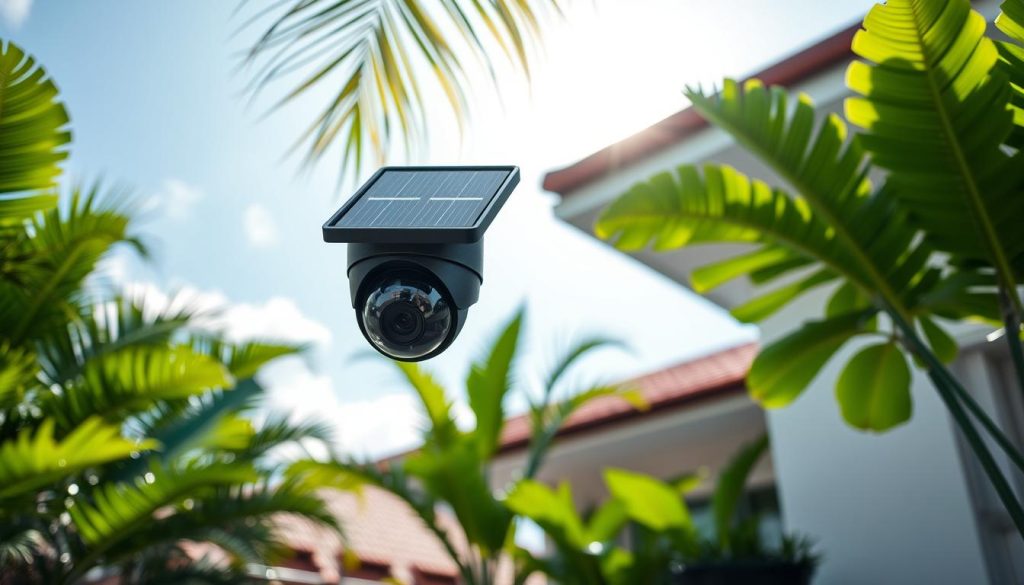
Welcome to your complete resource for choosing top-performing surveillance devices for your property. This 2024 guide focuses specifically on the Singapore market, where homeowners seek reliable protection solutions. Modern monitoring systems now harness clean energy from the sun. They break free from dependence on traditional electrical outlets. This represents a significant advancement in how we protect our homes. Our team evaluated more than 250 different models. We identified the most efficient options available today. These devices combine cutting-edge technology with sustainable power sources. You can expect reliable performance with very little upkeep. The abundant sunlight in Singapore ensures consistent operation year-round. This makes them perfectly suited to our local climate. This comprehensive review covers everything from core advantages to specific product recommendations. We’ll explore essential features like night vision, motion detection, and video storage options. You’ll also get practical installation guidance. Our goal is simple: to help you make an informed decision. Enhance your property’s safety with a solution that’s both cost-effective and environmentally friendly. These systems integrate seamlessly with smart home ecosystems for voice control and automation. Key Takeaways This guide focuses on the best surveillance options for Singapore homeowners in 2024. Modern devices use sustainable power, eliminating reliance on traditional electricity. Extensive research of over 250 models informs our recommendations. Key benefits include energy savings, flexible placement, and uninterrupted operation. Singapore’s climate with plentiful sunlight ensures optimal performance. The guide covers advantages, features, product picks, and setup advice. These systems work with smart home platforms for enhanced control. The Lion City’s climate offers more than just tropical beauty—it provides the perfect conditions for sustainable surveillance solutions. Singapore’s location near the equator guarantees reliable energy for modern protection systems. This natural advantage makes self-powered devices particularly effective here. Why Solar Power is a Perfect Fit for Singaporean Homes Several factors combine to create an ideal environment for energy-independent monitoring in Singapore. The country’s commitment to green technology aligns with practical homeowner needs. These systems represent both a smart upgrade and a contribution to national sustainability goals. Over 10,000 installations across Southeast Asia demonstrate the viability of this approach. Each unit helps offset carbon emissions equivalent to planting 12 trees annually. This makes them an environmentally responsible choice for conscious residents. Abundant Sunlight for Consistent Charging Singapore’s geographical position ensures high annual sunlight exposure. The intense tropical sun provides more than enough energy for daily operation. This consistent charging means your protection never falters. The UV index frequently reaches 12, maximizing photovoltaic panel output. Even during monsoon seasons, sufficient light penetrates for reliable power generation. This natural reliability translates to uninterrupted monitoring year-round. Practical examples show how local homes benefit from this consistency. Properties maintain full surveillance capability during extended rainy periods. The system’s design accounts for Singapore’s unique weather patterns. Government Incentives and Eco-Conscious Initiatives Singapore actively promotes renewable energy adoption through various programs. Homeowners may qualify for rebates when choosing eco-friendly options. These incentives make advanced protection more accessible. “Our national sustainability goals directly support homeowners adopting green technology solutions.” The government’s Green Plan 2030 encourages such innovations. Choosing self-powered monitoring aligns with these broader environmental objectives. It’s a practical way to participate in Singapore’s green transformation. Financial benefits extend beyond initial rebates. Reduced installation costs—approximately 40% compared to wired alternatives—make these systems economically attractive. Long-term energy savings provide ongoing value. Overcoming Grid Limitations and Outages Traditional wired systems depend entirely on stable electrical supply. Singapore’s infrastructure is excellent, but disruptions can still occur. Energy-independent devices operate continuously regardless of grid status. This autonomy provides crucial advantages during maintenance or unexpected outages. Your property remains protected when conventional systems might fail. That peace of mind is invaluable for homeowners. Flexible placement options further enhance reliability. You can position units where they’re most effective without worrying about power outlets. This eliminates limitations imposed by existing electrical infrastructure. The combination of natural advantages and supportive policies creates a compelling case. Singaporean homes gain robust protection while supporting environmental stewardship. These monitoring solutions represent the future of residential safety. Core Advantages of an Outdoor Solar Wireless Security Camera Homeowners today seek monitoring options that deliver both reliability and convenience. Modern self-powered systems provide distinct benefits that address practical needs. These advantages make them a smart choice for property protection. Significant Reduction in Energy Costs One of the most compelling benefits is financial savings. These units can cut electricity consumption by up to 75% compared to wired alternatives. For a typical household with four units, this translates to annual savings of approximately S$420. The photovoltaic cells convert abundant local sunlight into free operational power. This eliminates ongoing electricity expenses for your home security setup. The savings begin immediately after installation and continue year after year. Heat-resistant components are specifically engineered for our climate. They reliably endure average temperatures of 35°C without performance degradation. This durability ensures consistent operation through Singapore’s hottest months. Wire-Free, Flexible Installation Anywhere Traditional wired setups require extensive electrical work. Self-powered systems eliminate this complexity entirely. You gain complete freedom to position units where they’re most effective. Magnetic mounts and gutter-friendly designs enable remarkably quick setups. A typical installation takes about 30 minutes per unit. This contrasts sharply with wired alternatives that often require 4+ hours of professional work. You can place these devices on fences, garden sheds, or perimeter walls. There’s no need to locate them near existing power outlets. This flexibility optimizes coverage for your entire property. Tamper alerts provide an additional layer of protection. If someone attempts to move or interfere with your unit, you receive an immediate notification. This feature enhances the overall security of your systems. Uninterrupted Protection During Power Disruptions Grid dependence represents a vulnerability in traditional setups. Even Singapore’s excellent infrastructure experiences occasional maintenance or outages. Energy-independent operation eliminates this concern completely. Dual-power configurations ensure exceptional reliability. These setups achieve 98.7% operational uptime during electrical disruptions. Integrated battery backups can provide up to seven days of continuous operation. This autonomy delivers peace of mind that wired systems cannot match. Your property

Best Outdoor Solar Wireless Security Cameras: A Buyer’s Guide Read More »
wireless outdoor security cameras with solar panels

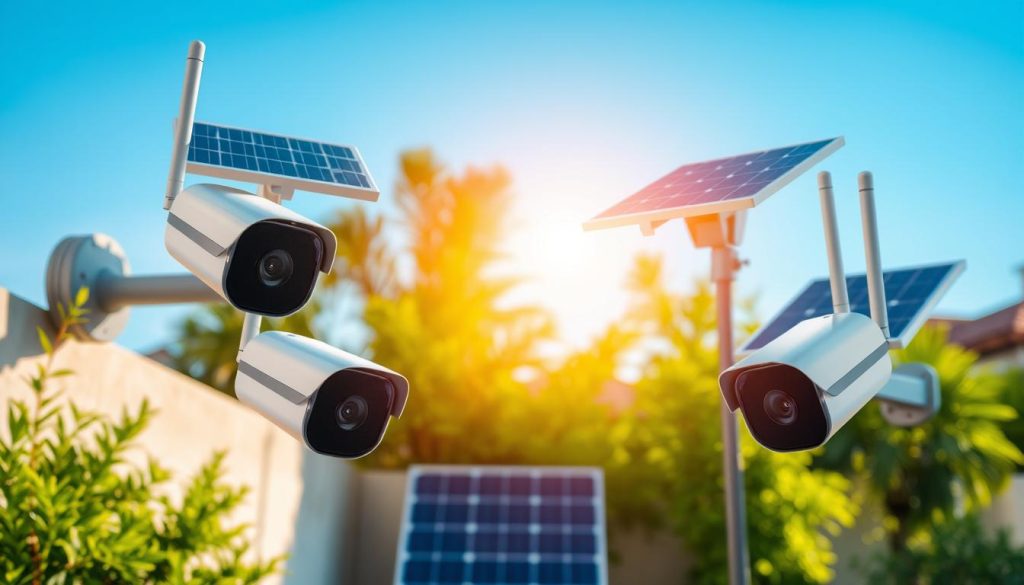
Top Rated Wireless Outdoor Security Cameras with Solar Panels

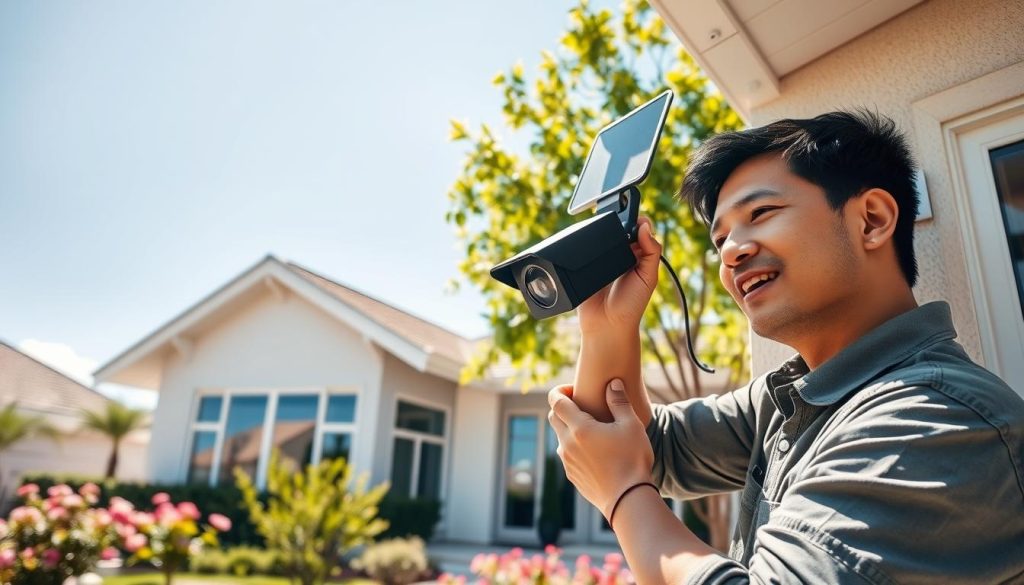
Singapore’s abundant sunshine creates a perfect environment for sustainable home protection. More homeowners are turning to solar-powered surveillance systems. These innovative devices offer reliable monitoring without grid dependence. Market trends show rapid adoption of this technology. Projections indicate 25% of new home protection systems will use solar technology by next year. This growth responds to real concerns about package theft and unauthorized property access. These eco-friendly solutions eliminate electricity costs. They also reduce maintenance needs significantly. The technology supports continuous operation with about 5.5 hours of daily sunshine in Singapore. Prices range from budget-friendly options at around SGD $59.99 to premium systems nearing SGD $799.99. High user satisfaction rates are reported by Singapore homeowners. These systems align with the country’s Smart Nation Initiative. This comprehensive guide provides detailed reviews of top models. You’ll find feature comparisons and practical installation advice tailored for Singaporean homes. We help you choose the best sustainable protection for your property. Key Takeaways Singapore’s climate is ideal for solar-powered surveillance technology with abundant daily sunshine. Market adoption is growing rapidly, with projections of 25% of new systems using solar by next year. Common security concerns like package theft are driving demand for reliable monitoring solutions. Solar-powered devices eliminate electricity costs and require less maintenance than traditional systems. Price ranges in Singapore span from SGD $59.99 for budget options to SGD $799.99 for premium systems. These solutions support Singapore’s Smart Nation Initiative by reducing grid dependence. Homeowners report high satisfaction with solar-powered protection systems for continuous home safety. Why Solar-Powered Security is Ideal for Singaporean Homes With its position just north of the equator, Singapore enjoys year-round sunlight ideal for photovoltaic applications. This natural advantage makes sustainable protection technology particularly effective here. Homeowners gain reliable monitoring without worrying about power cables or electricity bills. The island receives approximately 2,500 hours of annual sunlight. Each day provides about 5.5 peak sun hours. This consistent energy source powers modern protection systems efficiently. Photovoltaic cells convert sunlight into operational energy. Modern technology maintains functionality even during brief overcast periods. Advanced storage solutions ensure continuous operation. Harnessing Singapore’s Abundant Sunlight Singapore’s tropical climate creates perfect conditions for solar-dependent technology. The geographical position near the equator delivers consistent daily sunshine. This renewable resource transforms into dependable power for monitoring devices. A quality solar panel captures this abundant energy effectively. It charges internal batteries during daylight hours. The stored power then runs the system through the night. Even during extended cloudy weather, backup reserves provide peace of mind. Modern battery storage ensures up to seven days of operation without direct sunlight. This reliability addresses concerns about monsoon season performance. Residents appreciate the consistent operation. They know their property remains protected regardless of weather conditions. The technology adapts well to Singapore’s climate patterns. Addressing Local Security Concerns with Sustainable Tech Property protection remains a priority for Singapore residents. Common issues include package theft and unauthorized access. Solar-powered monitoring offers effective solutions for these concerns. Homeowners across Singapore report positive experiences. Many note reduced anxiety about property violations. The constant vigilance provided by these systems enhances overall safety. These solutions align with national sustainability goals. They lower carbon footprints while maintaining vigilant protection. This combination supports Singapore’s green initiatives effectively. Installation flexibility stands out as a major advantage. Properties without convenient power access benefit greatly. The elimination of complex wiring simplifies setup significantly. Long-term cost efficiency becomes apparent quickly. Homeowners save on electricity expenses from day one. The initial investment pays off through ongoing operational savings. Psychological benefits include uninterrupted surveillance assurance. Knowing renewable energy sources provide consistent operation brings peace of mind. There’s no dependence on external power requirements or grid stability. Modern features enhance these sustainable systems. Motion detection triggers instant alerts. High-quality video recording captures clear evidence when needed. Singapore’s environment and community needs create ideal conditions for this technology. Sustainable protection meets both practical and environmental objectives. Homeowners gain effective monitoring while supporting greener living. The Top Benefits of Wireless Outdoor Security Cameras with Solar Panels The shift toward renewable energy in home protection delivers tangible benefits that extend far beyond simple power savings. Homeowners gain operational advantages that make these systems particularly valuable in Singapore’s context. These practical perks translate directly to improved property monitoring and peace of mind. Significant Reduction in Energy Costs and Carbon Footprint Solar-powered surveillance dramatically cuts electricity expenses. Singapore homeowners report up to 40% lower energy costs compared to traditional wired systems. This immediate savings begins from the day of installation. Advanced lithium-ion batteries optimize energy usage efficiently. They consume merely 10% power during nighttime operation while recharging completely each day. This intelligent power management extends operational duration. The environmental impact represents another major advantage. These systems reduce greenhouse gas emissions by approximately 60%. This reduction supports Singapore’s sustainability goals and green initiatives effectively. Financial return on investment becomes apparent quickly. Many users recover their initial costs within just a few years of operation. Eliminated electricity bills accelerate this payback period substantially. The combination of cost savings and environmental responsibility makes solar-powered protection a compelling choice for forward-thinking homeowners. Elimination of Complex Wiring and Minimal Maintenance Installation becomes remarkably straightforward without extensive wiring requirements. Approximately 80% of users successfully complete DIY setup without professional assistance. This simplicity reduces both installation time and expense. Maintenance demands drop to minimal levels. Annual costs average around $15 compared to $75 for traditional systems. Photovoltaic panels need only occasional cleaning to maintain efficiency. Lithium-ion batteries provide exceptional durability in tropical climates. They withstand Singapore’s humidity and temperature variations effectively. This resilience ensures consistent performance year-round. Scalability offers another practical advantage. Homeowners can expand their security coverage without substantial additional infrastructure costs. Adding more units requires minimal new investment. Premium brands demonstrate confidence through extended warranties. Many offer protection up to five years for their products. This long-term commitment reflects the durability built into these systems. Enhanced Reliability During Power Outages Backup batteries maintain uninterrupted operation during electricity disruptions. They ensure constant monitoring when grid power fails. This reliability

Top Rated Wireless Outdoor Security Cameras with Solar Panels Read More »

dummy solar security camera

Buy Fake Solar Security Cameras Online Singapore

Looking for a smart way to protect your home without breaking the bank? Dummy surveillance devices that look real offer an excellent option. These non-functional units provide a powerful visual deterrent to potential intruders. For homeowners in Singapore, finding effective protection is increasingly important. A simulated monitoring unit can boost your home’s safety significantly. It creates the appearance of a complete surveillance network. The best part? You avoid the high cost and complex setup of real systems. This approach delivers peace of mind through smart psychology rather than expensive technology. Purchasing these items online in Singapore is remarkably convenient. Trusted local retailers and major e-commerce platforms offer various models. You can compare options and prices from the comfort of your home. Many units are sun-powered, aligning with Singapore’s green initiatives. This photovoltaic feature means no wires and minimal maintenance. It’s a sustainable choice that works continuously. This guide will walk you through everything you need to know. We’ll cover features, benefits, optimal placement, and legal considerations. Our goal is to help you make an informed decision to enhance your property’s deterrence. Key Takeaways Dummy surveillance devices provide a cost-effective visual deterrent for your property. These non-functional units mimic real monitoring systems without complex installation. Purchasing online in Singapore offers convenience through local retailers and e-commerce platforms. Sun-powered models support sustainability with wire-free, low-maintenance operation. Proper placement is crucial for maximizing the psychological impact on potential intruders. Understanding local regulations ensures you use these protection tools appropriately. An informed purchase decision can significantly enhance your home’s safety appearance. Why Home Security is a Top Priority in Singapore In Singapore’s urban landscape, safeguarding your residence has become more crucial than ever. The city-state’s unique blend of high-density housing and landed properties creates specific challenges for property protection. Residents seek effective ways to maintain safety without excessive complexity or cost. Research reveals a powerful psychological effect of visible monitoring devices. A key study shows that 60% of burglars avoid properties with obvious cameras. This statistic forms the core rationale for using simulated units as deterrents. The mere presence of these devices creates significant hesitation. Potential wrongdoers typically seek easy targets with minimal risk. A visible unit suggests recording and potential identification. The Rising Need for Visible Deterrents Singapore’s living arrangements present distinct considerations. HDB estates feature shared corridors and multiple access points. Landed homes often have gardens, gates, and various entryways. Each type of property requires thoughtful monitoring strategies. Common areas in apartment blocks need attention. Private entrances in houses demand visible protection measures. Urban safety concerns continue to grow among residents. People want proactive solutions for their families and belongings. This desire drives interest in affordable, effective options. A visible deterrent represents more than just a product. It’s a strategic element of modern residential safety planning. The approach leverages psychology over complex technology. Singapore’s Landscape of Surveillance and Safety The nation ranks among the world’s most monitored cities. Public spaces feature extensive camera networks for community safety. This environment shapes expectations for private property protection. Potential intruders recognize this culture of observation. They know the likelihood of being recorded in many areas. This awareness influences their target selection process. Rising theft rates have increased demand for practical solutions. Homeowners seek balance between effectiveness and affordability. They want reliable home security that fits their budget. This context makes simulated monitoring particularly relevant. Units that mimic real systems tap into existing perceptions. They create the appearance of comprehensive coverage without the full investment. The approach aligns with Singapore’s practical, efficient mindset. It addresses crime rates concerns through smart visual strategy. Residents gain peace of mind through calculated presentation rather than complex infrastructure. What Are Fake Solar Security Cameras? A simulated monitoring device powered by the sun represents a smart fusion of psychology and sustainable design. These units are crafted to appear identical to operational surveillance equipment but serve a different purpose. They provide a visual deterrent without recording or transmitting any footage. At their core, these devices contain several key components. A realistic housing mimics popular bullet or dome styles used in actual systems. A small photovoltaic panel, typically 3W or 5V, captures sunlight to charge an internal battery. This rechargeable power source, often a NiMH cell, keeps indicator lights active. LED lights blink or glow to simulate recording status. The entire package creates the convincing appearance of a live monitoring unit. Popular models like the GreenWorld OC42A or EVERSECU demonstrate this approach. Their design focuses entirely on visual authenticity. From a distance, they look like fully functional equipment protecting a property. The Psychology Behind the Dummy Camera The effectiveness of these units relies on a powerful psychological principle. It’s called the Panopticon effect—the mere perception of being watched alters behavior. This concept explains why visible deterrents work so well. Most criminal activity is opportunistic. Potential wrongdoers seek targets with minimal risk. A device that appears to be recording creates significant hesitation. The individual wonders if their actions are being captured. They consider the possibility of later identification. This mental calculation often leads them to choose another location entirely. Research supports this approach. Studies show opportunistic intruders typically avoid properties with obvious surveillance. The visual presence alone can scare intruders away before any incident occurs. This psychological leverage makes non-functional units remarkably effective. They tap into natural human caution about observation. The mind fills in the blanks, assuming full monitoring capability. How Solar Power Enhances the Illusion Photovoltaic technology plays a crucial role beyond environmental benefits. It eliminates the need for visible wires or frequent battery changes. This wire-free appearance suggests permanent, professional installation. A temporary decoy might have dangling cables or obvious power sources. A sun-powered unit looks integrated into the property’s infrastructure. It appears as a committed investment in protection, not a temporary measure. The solar panel itself adds to the realism. Many actual surveillance systems now incorporate renewable energy. Seeing the panel reinforces the impression of advanced, modern equipment. Specific features enhance this authenticity further. Motion-activated blinking red LEDs create

Buy Fake Solar Security Cameras Online Singapore Read More »

Professional Construction Video Monitoring Services Singapore

Singapore’s building industry faces unique challenges. Every project needs strong protection and careful oversight. Our professional services meet these specific needs. We provide complete security and operational management for work areas of all sizes. This goes far beyond basic camera setups. Our approach delivers real-time protection and project oversight capabilities. Specialized systems integrate advanced technology with expert knowledge. They create a robust security solution tailored for local conditions. We understand Singapore’s regulatory environment and industry specifics. Clients gain theft prevention, safety compliance, and remote project management. This represents a major advancement over traditional measures. Our service offers peace of mind from initial assessment to ongoing support. Key Takeaways Professional oversight services address Singapore’s unique building project challenges Complete security solutions go beyond basic camera setups Systems integrate advanced technology with local expertise Services provide theft prevention and safety compliance Remote project management capabilities protect investments Solutions are tailored to Singapore’s regulatory environment Comprehensive support offers peace of mind for project timelines The Unique Security Challenges of Singapore Construction Sites Urban development zones in Singapore operate under intense scrutiny and face multifaceted threats. The city-state’s dense population centers and high property values create a perfect storm of risk factors. Every work area becomes a temporary fortress that must be defended. These environments are constantly evolving. Layouts change weekly as projects advance through different phases. This dynamic nature makes traditional protection methods inadequate. High-Value Assets in Open, Dynamic Environments Work zones function as open-air warehouses filled with expensive resources. Copper wiring, lumber, appliances, and heavy machinery sit exposed to potential threats. Their temporary nature makes them attractive targets for theft and vandalism. The financial stakes are enormous. A single incident can derail timelines and blow budgets. Materials disappear overnight, causing costly delays and replacement headaches. Singapore’s urban landscape compounds these issues. Sites border public areas, making access control difficult. The constant flow of people and vehicles creates numerous vulnerability points. Managing Personnel, Vehicle, and Equipment Complexity Multiple contractors and subcontractors work on overlapping schedules. Each group has different access needs and clearance levels. Tracking who should be where and when becomes a logistical nightmare. Vehicle management presents another layer of difficulty. Delivery trucks, cranes, and excavators move in and out constantly. Unauthorized entries can slip through during busy periods. Equipment accountability suffers in this chaotic environment. Tools walk away, and machinery gets misused. Without proper oversight, productivity drops and costs rise. Regulatory and Safety Compliance Pressures Singapore’s Workplace Safety and Health (WSH) requirements set strict standards. Project managers must document safety protocols and incident responses. Failure to comply brings serious penalties and project suspensions. Monitoring worker behavior is essential for compliance. Teams must follow proper procedures when operating machinery or handling materials. Any deviation creates liability issues for the entire project. The regulatory landscape demands thorough documentation. Authorities require evidence of safety measures and incident reports. Proper record-keeping protects against legal complications. Professional surveillance solutions address these Singapore-specific challenges comprehensively. They provide the oversight needed for complex urban work zones. Advanced systems deliver the protection and compliance assurance that modern projects demand. What is Professional Construction Video Monitoring? At its core, professional construction video monitoring represents a specialized security ecosystem built for the demanding realities of building projects. It is a comprehensive surveillance system designed specifically for dynamic work environments. This approach differs fundamentally from standard security setups. Standard systems use generic equipment. Professional solutions employ rugged, purpose-built cameras and specialized installation methods. The integrated approach combines high-quality imaging devices with advanced analytics. Remote access and professional oversight services complete the package. This creates a cohesive tool for total site management. These systems serve a powerful dual purpose. They provide robust physical protection against theft and vandalism. Simultaneously, they offer valuable operational oversight for project management teams. Professional installation considers unique site specifics. Teams account for temporary power sources and ever-changing layouts. They also prepare equipment for harsh weather and dusty conditions common in work zones. Remote oversight capabilities are a game-changer. Site managers and security personnel can watch multiple locations from centralized offices. This allows for real-time response to any incident, anywhere. Modern systems incorporate artificial intelligence and smart detection algorithms. This technology differentiates between normal worker activity and genuine security threats. It dramatically reduces false alarms while ensuring real issues get immediate attention. The evidence collection function creates verifiable records for multiple needs. Insurance claims, liability disputes, and regulatory compliance all require solid documentation. A professional system automatically stores and organizes this critical information. Scalability ensures the solution grows with your project. Systems can adapt as work progresses through different phases. Initial perimeter coverage can expand to include interior spaces as structures take shape. As highlighted by providers like Hikvision, diverse and easy-to-deploy systems guarantee effective safety and protection. They facilitate efficient vehicle management and radically boost productivity on sites. Professional construction video monitoring is ultimately an investment in both security and operational efficiency. It transforms a basic camera setup into a strategic management asset for any development project. Core Benefits of a Dedicated Site Monitoring System A purpose-built observation system delivers multifaceted advantages that extend far beyond basic theft prevention. It creates a comprehensive framework for protecting assets, ensuring safety, and optimizing operations. This integrated approach transforms how building projects are managed in Singapore’s competitive environment. Specialized surveillance infrastructure serves as both shield and strategic tool. It addresses immediate security concerns while providing long-term operational insights. The result is a smarter, more efficient approach to project oversight. 24/7 Theft and Vandalism Deterrence & Evidence Collection Visible surveillance cameras act as powerful psychological barriers. Their presence alone discourages criminal activity and unauthorized entry. Potential intruders think twice when they know their actions are being recorded. Continuous operation ensures protection during all vulnerable periods. This includes nights, weekends, and public holidays when locations are unattended. The system never sleeps, providing constant vigilance. High-quality recording creates indisputable evidence for multiple purposes: Police reports with clear visual documentation of incidents Insurance claims supported by timestamped footage Legal proceedings with objective records of

Professional Construction Video Monitoring Services Singapore Read More »

solar security camera installation

Best Solar Security Cameras for Home: Top Picks

Protecting your property has evolved with modern technology. Sun-powered protection devices offer a smart, sustainable approach to monitoring. They work independently from your electrical grid. In Singapore, these systems are gaining significant traction. Rising utility expenses and growing environmental awareness drive this trend. Homeowners seek efficient solutions that align with green values. The benefit is twofold. You get reliable surveillance for your residence while reducing your carbon footprint. It’s a practical step toward more sustainable living. Singapore’s climate is perfectly suited for photovoltaic technology. Consistent sunshine throughout the year provides ample renewable energy. This makes such units exceptionally effective here. This guide compares top-rated models from leading brands. We examine Reolink, Eufy, Ring, and Arlo products in detail. Our goal is to help you choose the right system based on your specific needs and budget. Key Takeaways Sun-powered monitoring systems provide reliable protection without wiring. These devices help lower electricity bills and environmental impact. Singapore’s sunny climate is ideal for renewable energy solutions. Leading brands offer various models with different features and price points. Key factors include battery life, video quality, and smart connectivity. A proper installation maximizes solar charging efficiency. Choosing the right unit depends on your property’s layout and security needs. The Rise of Sustainable Home Security in Singapore A quiet revolution is underway in residential protection, merging environmental responsibility with personal safety. More households are choosing technologies that align with both green values and practical needs. This shift reflects broader societal changes toward eco-conscious living. Why Solar Power is a Perfect Fit for the Local Climate Singapore’s tropical environment offers an ideal setting for photovoltaic technology. The nation enjoys over 2,500 hours of bright sun every year. This consistent daylight provides ample renewable energy for various applications. Such abundant resources make sun-powered devices exceptionally reliable here. They can operate independently from the main electrical grid. This independence is crucial for locations where wiring is difficult or expensive. The local government actively promotes green initiatives, aiming to increase renewable capacity significantly by 2030. Adopting these monitoring systems supports national sustainability targets. Homeowners contribute to environmental goals while securing their property. Photovoltaic panels work efficiently even on partly cloudy days in this region. Their performance remains strong throughout different seasons. This reliability ensures continuous operation for protection equipment. Addressing Growing Home Security Concerns Recent surveys show that over 70% of residents worry about theft and safety. This concern drives demand for dependable surveillance solutions. People want systems that work consistently without interruption. Sun-powered units address this need effectively. They maintain operation during power outages, which can occur during storms. This provides continuous monitoring when it’s needed most. These devices offer peace of mind through their autonomous nature. You can place them in remote areas of your garden or perimeter. Their wire-free design eliminates complex installation challenges. This approach represents more than just a technological gadget. It’s a practical response to dual priorities: environmental stewardship and personal protection. Modern households can achieve both objectives with a single, smart investment. Key Benefits of Choosing a Solar-Powered Security Camera The decision to adopt sun-powered monitoring brings multiple practical rewards beyond basic protection. These photovoltaic units deliver advantages in three key areas: financial savings, reliability, and installation flexibility. Each benefit contributes to a smarter approach for your property. Significant Reduction in Energy Costs and Carbon Footprint Photovoltaic surveillance technology slashes electricity consumption dramatically. Studies show these devices can cut energy costs by up to 75% compared to traditional wired models. This creates immediate savings on your monthly bills. The environmental impact is equally impressive. A single unit reduces carbon emissions by hundreds of kilograms annually. This aligns perfectly with Singapore’s sustainability goals. Over several years, the operational savings become substantial. Wired systems incur ongoing electricity expenses that add up. Sun-charged alternatives eliminate this recurring cost entirely. Uninterrupted Security During Power Outages Blackouts pose no threat to these autonomous monitoring systems. Their integrated battery reserves ensure continuous operation when the grid fails. This provides peace of mind during storms or electrical maintenance. Advanced models can function for up to seven days without direct sunlight. The photovoltaic panel efficiently harvests energy even on cloudy days. Your surveillance remains active through various weather conditions. This reliability is crucial for comprehensive property protection. You never face gaps in monitoring due to power issues. The system maintains vigilance exactly when it’s needed most. Flexible, Wire-Free Installation Anywhere on Your Property Installation becomes a simple DIY project, often completed in under an hour. You avoid professional fees that typically accompany wired setups. The process requires basic tools and minimal technical knowledge. This approach prevents structural damage from extensive drilling. There are no unsightly cables running across walls or through gardens. Your property’s aesthetics remain intact while gaining advanced monitoring. Placement flexibility is perhaps the greatest advantage. You position units in optimal surveillance spots without outlet constraints. Remote corners, garden sheds, and perimeter fences all become viable locations. This adaptability extends to future changes. You can easily relocate devices as your needs evolve. The system grows with your property without complicated rewiring projects. How Solar-Powered Wireless Security Cameras Work At its core, a wireless photovoltaic monitoring system operates through a clever energy conversion process. This technology transforms abundant natural light into reliable electrical power for continuous surveillance. The entire setup functions autonomously, requiring minimal intervention from homeowners. These devices represent a smart fusion of renewable energy harvesting and digital protection. They eliminate dependency on traditional electrical grids while maintaining vigilant watch over your property. Understanding this process helps appreciate their reliability in Singapore’s climate. The Role of the Solar Panel and Battery System The technological workflow begins with sunlight striking the photovoltaic panel. Specialized cells within this panel convert photons into direct current electricity. This energy then travels through a charge controller, which regulates the flow. The controller protects the battery from overcharging during peak daylight hours. It ensures optimal charging rates regardless of intensity variations. Managed energy then gets stored in high-capacity rechargeable batteries. These batteries serve as

Best Solar Security Cameras for Home: Top Picks Read More »

CCTV camera protection from water damage

Can Water Destroy CCTV Camera? Prevention Tips

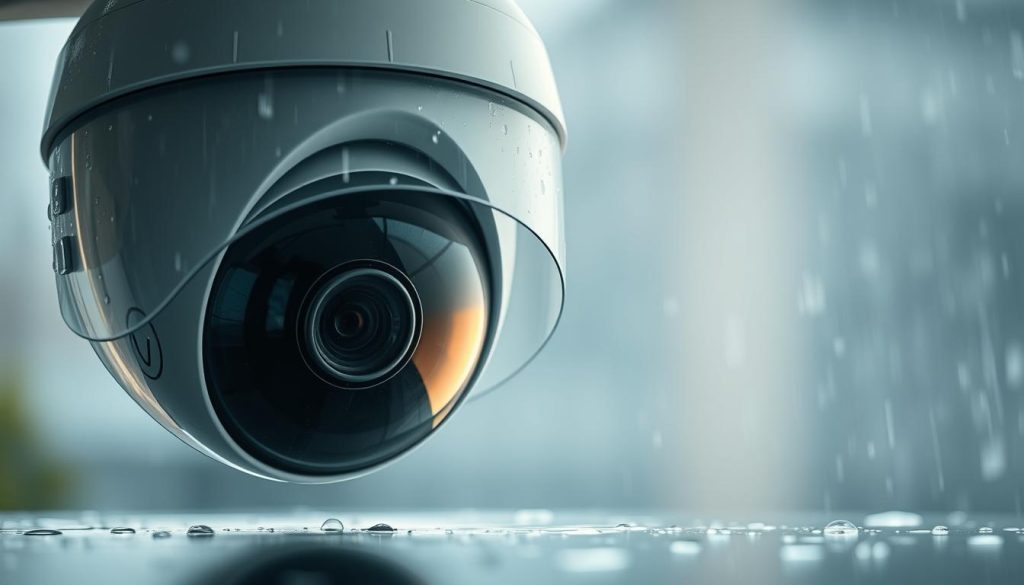
Surveillance equipment faces constant threats from the environment. In Singapore’s tropical climate, this challenge becomes particularly acute. The region experiences intense downpours throughout the year. With over 2,340mm of annual rainfall and 167 wet days, moisture is a persistent concern. This exposure directly threatens security system integrity. Nearly 30% of surveillance repairs in Southeast Asia stem from weather-related failures. This guide provides essential preventive strategies. It addresses how environmental factors compromise performance. You will learn practical solutions to safeguard your investment. Ignoring these risks leads to serious issues. Condensation clouds the lens, ruining image quality. Corrosion attacks internal components, causing power failures. Proactive protection prevents these expensive problems. Key Takeaways Singapore’s heavy rainfall creates a high-risk environment for surveillance equipment. Weather-related issues account for nearly one-third of all system repairs in the region. Moisture leads to lens condensation, significantly reducing footage clarity. Internal corrosion from humidity can cause complete system failure. Proactive measures are essential for maintaining security system reliability. Understanding IP ratings and proper housing selection is crucial for protection. Regular maintenance routines prevent small issues from becoming major problems. Understanding the Threat: Water and Your Surveillance System Singapore’s climate presents a dual assault on surveillance infrastructure through humidity and torrential rain. Each factor attacks security devices in distinct ways. Recognizing these mechanisms is the first step toward effective protection. The Invisible Enemy: Humidity and Condensation Ambient moisture poses a stealthy risk to electronic equipment. Singapore’s average humidity remains high year-round. This creates perfect conditions for internal fogging within sealed units. Condensation occurs when warm, moist air contacts cooler surfaces. Temperature changes between day and night trigger this process. The result is moisture droplets forming on critical internal components. Local data reveals the severity of this issue. Approximately 78% of outdoor surveillance failures in the region stem from moisture-related problems. This gradual damage often goes unnoticed until performance suffers significantly. Fogged lenses completely obscure video footage. Internal circuit boards face accelerated deterioration from constant dampness. Proper housing and environmental controls are essential defenses against this pervasive threat. Direct Assault: Heavy Rainfall and Flooding Torrential downpours deliver a more visible form of attack. Singapore experiences rainfall intensities reaching 100mm per hour during storms. This volume can overwhelm standard weatherproofing on many devices. Driving rain tests every seal and gasket on outdoor units. Persistent exposure weakens protective barriers over time. Eventually, moisture penetrates the housing and reaches sensitive electronics. Flooding introduces even greater hazards. Immersion leads to immediate short circuits and power failures. Saltwater, common in coastal areas, corrodes metallic components about 40% faster than freshwater. This corrosive action silently destroys connections and circuitry. Cable conduits may draw in moisture through capillary action. Regular inspection becomes crucial after any major weather event. Understanding these two threat profiles allows for targeted preventive strategies. Each requires specific solutions for maintaining surveillance system integrity in tropical environments. Can Water Destroy CCTV Cameras? The Definitive Answer Evidence from technical studies and real-world incidents confirms liquid intrusion as a primary cause of security system failure. Once moisture breaches the housing, restoration becomes exceptionally difficult. Repair costs often exceed replacement expenses for compromised units. Internal components face immediate threats from this exposure. Short circuits disrupt electrical pathways, cutting power to critical functions. Metallic parts begin corroding, silently deteriorating connections over time. Visual clarity suffers dramatically with moisture ingress. Blurry images and poor visibility render footage useless for identification purposes. Lens fogging creates permanent obstructions that cleaning cannot resolve. A 2022 Nanyang Technological University study examined housing material performance. Researchers found absorption rates vary significantly between different protective casings. Prolonged exposure beyond 100mm per hour rainfall causes most barriers to falter. The Jurong Industrial Estate flood incident demonstrated this vulnerability starkly. Unprotected monitoring systems faced complete destruction within twelve hours. Approximately 60% of these security installations required total replacement. Gradual degradation differs from sudden catastrophic failure. Humidity promotes slow corrosion on circuit boards and connectors. Torrential downpours deliver immediate, overwhelming liquid intrusion. Both scenarios lead to identical outcomes: compromised surveillance and financial loss. Proactive measures represent the only reliable defense against these environmental forces. Understanding the mechanisms of destruction informs effective prevention strategies. How Water Infiltration Compromises Camera Function The journey from minor moisture exposure to complete surveillance failure follows predictable technical pathways. Each breach initiates specific failure modes that target different internal components. Understanding these mechanisms reveals why protective measures are non-negotiable. Short Circuits and Electrical Failure Liquid creates conductive bridges across circuit board pathways. This diverts electrical current from its intended route. Immediate power disruption or component burnout often results. Electrolytic capacitors are particularly vulnerable to this phenomenon. Their internal chemistry reacts violently with ambient humidity. This reaction can cause swelling, leakage, or catastrophic failure. The problem extends beyond simple power loss. Erratic voltage regulation creates unstable operation. Image sensors and processors receive inconsistent power, degrading footage reliability. Lens Fogging and Image Degradation Temperature differences trigger condensation inside sealed units. Warm, moist air meets cooler internal surfaces. Tiny droplets form directly on optical elements. This scattering effect dramatically reduces visual clarity. Night vision capabilities suffer most from this internal haze. Infrared light reflects off condensation particles, creating bright halos. Persistent fogging leads to permanent image quality issues. Cleaning external surfaces cannot resolve internal moisture problems. The surveillance feed becomes progressively less useful for identification purposes. Corrosion: The Silent Killer of Components Electrochemical reactions begin almost immediately after exposure. Surface oxidation appears on metal connectors within one week. This gradual process often escapes casual inspection. Wiring insulation develops microfractures by the third month. These tiny cracks allow further moisture penetration into core systems. Circuit board corrosion disrupts power regulation within one year. Mixed-metal installations face additional hazards. Galvanic corrosion accelerates when dissimilar metals contact each other in humid conditions. Mounting brackets and connection points deteriorate rapidly. This insidious damage progresses unseen until critical failure occurs. Regular maintenance checks must specifically target these vulnerable points. Proactive protection prevents the slow collapse of entire surveillance networks. Decoding IP Ratings: Your First Line of Defense Ingress Protection codes serve

Can Water Destroy CCTV Camera? Prevention Tips Read More »

cctv troubleshooting guide

Is CCTV Camera Repairable? A Step-by-Step Guide

Your security system stops working. The screen goes dark or shows fuzzy video. This situation creates real worry for homeowners and business owners across Singapore. A functioning surveillance setup provides peace of mind and acts as a crucial deterrent. The good news is many surveillance issues are fixable. Common problems often have straightforward solutions. This guide addresses your immediate concern with clear, actionable steps. We created this comprehensive resource to help you. It walks you from basic checks to knowing when to call a professional. You will learn about troubleshooting techniques, repair service options, and cost considerations. The goal is to restore your protection quickly. Choosing repair over replacement makes financial sense. It also supports sustainability by reducing electronic waste. Regular maintenance can prevent many failures before they happen. Understanding your options empowers you to make smart decisions for your property’s safety. Key Takeaways Many common surveillance system failures have practical fixes you can try first. Simple checks on power sources and video connections often solve the problem. Software or firmware updates can restore functionality to modern security units. Professional repair services in Singapore handle complex internal damage. Understanding repair costs versus replacement helps with budgeting. Proactive maintenance extends the life of your entire security setup. For a detailed exploration, visit our guide on CCTV repair solutions. The Critical Role of CCTV in Modern Security Electronic monitoring has transformed from luxury to necessity in contemporary urban security planning. These systems provide more than just recorded footage. They create active layers of protection for properties throughout Singapore. Understanding this value justifies maintaining your equipment. When a component fails, restoring it protects your investment. The benefits extend far beyond simple recording. Deterring Crime and Providing Evidence Visible security installations serve as powerful deterrents. Studies consistently show reduced criminal activity in monitored areas. Potential offenders often avoid locations where their actions might be recorded. In Singapore, both residential estates and commercial districts benefit from this effect. The psychological impact of being watched changes behavior. This prevention aspect represents the first line of defense. When incidents do occur, recorded footage becomes crucial evidence. Law enforcement agencies rely on clear video for investigations. Insurance companies frequently require visual proof for claims processing. High-quality surveillance footage provides unbiased, timestamped accounts that verbal reports cannot match. This evidentiary value makes system functionality paramount. A single gap in coverage could miss critical moments. Maintaining all components ensures continuous, reliable operation. Peace of Mind for Homes and Businesses The psychological benefit of security cannot be overstated. Knowing your property is monitored reduces anxiety significantly. Modern solutions enable remote checking from anywhere with internet access. Business owners managing multiple sites find particular value. They can verify operations and security simultaneously. Homeowners traveling frequently appreciate constant access to their property. Real-time monitoring capabilities transform how people interact with their spaces. Alerts notify you of movement or unusual activity immediately. This constant connection creates a virtual presence even when physically absent. Remote access via smartphones and computers has revolutionized property management. You can check on deliveries, monitor family members, or supervise staff from any location. This flexibility supports both safety and convenience. The Evolution of Surveillance Technology Older analog systems offered basic recording capabilities. Today’s IP-based solutions provide dramatically improved functionality. The advancement has been particularly rapid in recent years. Modern equipment delivers crystal-clear 4K resolution images. Infrared night vision captures details in complete darkness. Smart analytics powered by artificial intelligence add sophisticated features. These include precise motion detection zones and facial recognition capabilities. Some systems can distinguish between humans, vehicles, and animals. This intelligence reduces false alarms and focuses attention on genuine threats. In the Singapore market, brands like Hikvision and WISENET lead with innovative features. Cloud-based Network Video Recorders (NVRs) offer secure, accessible storage. Users no longer need physical servers on their premises. As technology advances, maintaining these sophisticated setups requires specialized knowledge. The investment in proper care delivers substantial returns in protection quality. Keeping your system current ensures it meets evolving security challenges. Is CCTV Camera Repairable? The Direct Answer The viability of fixing a faulty security device hinges on several specific conditions. In most cases, the answer is a qualified yes. A professional can often restore functionality, but the decision depends on a quick cost-benefit analysis. You must weigh the price of professional work against buying new equipment. Understanding the core factors involved guides you to the smartest choice for your security and budget. Key Factors That Determine Repairability Three primary elements decide if a fix is practical. First, identify whether the fault is in the hardware or software. Software glitches are frequently resolved with updates or resets, while physical damage needs component-level work. Second, check the availability of spare parts. Common brands like Hikvision have better parts support in Singapore. Older or obscure models may have components that are discontinued or hard to source. Finally, your unit’s warranty status is crucial. Active manufacturer coverage often means low-cost or free repairs through authorized service centers. An expired warranty shifts all costs to you. Manufacturer support and local access to authorized technicians are perhaps the biggest influences on a successful, affordable fix. Simple vs. Complex Damage: What Can Be Fixed? Security system issues fall into two broad categories. Simple problems are often user-serviceable. These include a dirty lens causing blurry footage, a loose cable connection, or a minor software hiccup. Addressing these yourself might only cost the price of a cleaning kit or your time. Professional help for such minor fixes typically ranges from S$40 to S$150 in Singapore. Complex damage always requires a skilled technician. Internal failures like a broken image sensor, waterlogged circuit boards, or damaged motorized zoom mechanisms fall here. These major repairs can cost several hundred dollars. The technician must diagnose the fault, source the correct part, and perform precise soldering or assembly work. The Age and Model of Your Camera Matters Your device’s generation and original quality directly impact the repair equation. A high-end 4K unit that is five years old might still

Is CCTV Camera Repairable? A Step-by-Step Guide Read More »

facial recognition surveillance system

Can CCTV Identify a Person? Here’s How

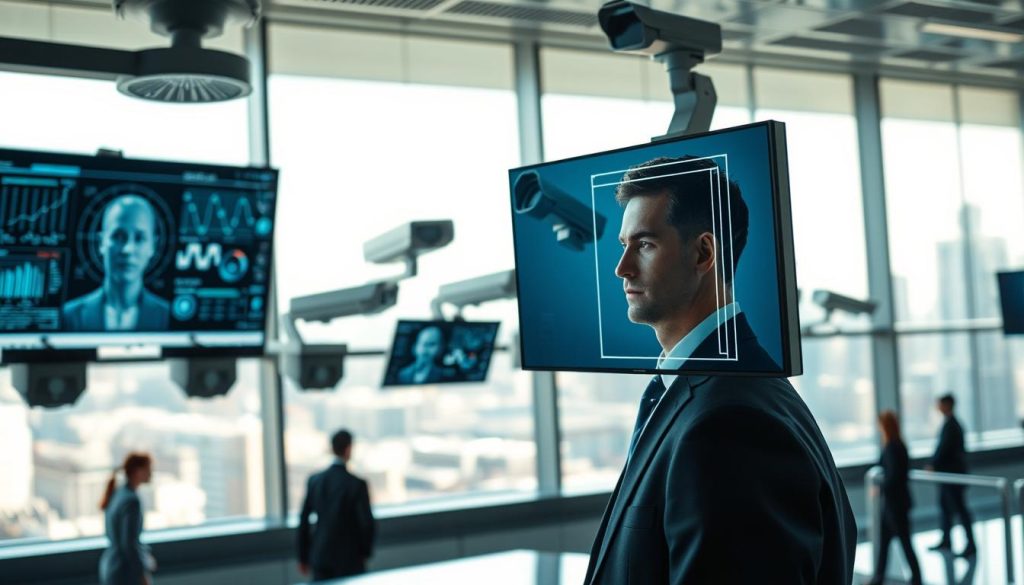
Modern security systems do much more than simply record events. Today’s surveillance technology can actively analyze footage to recognize individuals. This capability transforms passive monitoring into an intelligent safety tool. The key to this advancement is facial recognition technology. When integrated with camera networks, it compares live video against databases of facial features. This enables real-time identification of people entering secured areas. Surveillance has evolved from basic recording to sophisticated analysis. In places like Singapore, where safety is paramount, these solutions offer enhanced protection. Businesses and public spaces now rely on intelligent systems for accurate monitoring. This article explores how facial recognition works with security cameras. We’ll examine its practical applications and important considerations. Understanding both the power and limits of this technology is crucial for effective implementation. Key Takeaways Modern surveillance systems can analyze footage, not just record it. Facial recognition technology enables cameras to identify individuals. Security has evolved from passive recording to active analysis. These solutions provide enhanced safety for businesses and public areas. Understanding how the technology works is key to proper implementation. Both capabilities and limitations must be considered for effective use. Real-time identification transforms basic monitoring into intelligent security. Understanding the Core Question: Can CCTV Identify a Person? Traditional security footage captures events, but determining who is involved requires additional analysis. The answer lies in the specific technology integrated with the surveillance equipment. Standard recording devices document activity for later review. True identification demands specialized tools that analyze visual data. From Simple Recording to Intelligent Identification Conventional surveillance acts as a passive witness to events. These setups record continuous video streams for forensic examination after incidents occur. This approach has clear limitations for proactive security. Staff must manually review hours of footage to find relevant moments. Intelligent identification represents a fundamental shift. Advanced systems actively analyze live feeds or archived video. They can pinpoint specific individuals in real-time or during investigations. This transforms security from reactive documentation to active monitoring. The Crucial Role of Facial Recognition Technology Facial recognition serves as the cornerstone for modern identification. This biometric technology analyzes the unique characteristics of human faces. It measures key facial features like the distance between eyes or nose shape. Sophisticated algorithms convert these measurements into mathematical data. This technology upgrades standard video cameras into powerful security tools. Systems can now verify identities, track individuals, and trigger alerts. The process creates a digital template often called a faceprint. This template allows for quick comparison against watchlists or authorized personnel databases. Not all surveillance systems possess this capability. Implementing facial recognition requires specific hardware and specialized software integration. Modern solutions combine high-resolution imaging with machine learning. This enables reliable performance across various lighting conditions and angles. Facial Recognition vs. Face Detection: Knowing the Difference Two related but fundamentally different capabilities exist within modern video surveillance: detection versus recognition. Understanding this distinction clarifies what surveillance technology can truly accomplish. Many people use these terms interchangeably. This creates confusion about system capabilities and expectations. What a Standard Security Camera Captures Most modern imaging devices include basic face detection. Your smartphone likely has this function when you take photos. This technology simply identifies the presence of a human face within the frame. It distinguishes facial patterns from other objects like cars or trees. The system draws a box around the detected face. This represents the first step in visual analysis. Face detection answers one basic question: “Is there a human face present?” It provides no information about whose face it might be. The function works without any database of known individuals. The Added Intelligence of an AI Face Recognition Camera Facial recognition adds a critical layer of intelligence. After detection, specialized software analyzes the specific geometry of that face. It maps unique facial features like eye distance, nose shape, and jawline contours. Sophisticated algorithms convert these measurements into a mathematical template. This digital faceprint enables comparison against databases. Systems can match the captured image with records of authorized personnel or watchlists. Think of it like a bouncer at an exclusive venue. Face detection merely notices someone approaching the door. Facial recognition technology checks their identification against the guest list. This recognition capability enables powerful security applications: Automated access control for secure areas Real-time alerts when specific individuals appear Forensic searching through archived video footage Enhanced safety monitoring in public spaces Implementing this technology requires specific hardware and advanced software. Not all surveillance systems include true recognition capabilities. The difference transforms passive recording into proactive security. Businesses gain actionable insights rather than just video evidence. How Facial Recognition Technology Works: A Four-Phase Process Behind the scenes of a modern security camera’s identification capability lies a sophisticated four-phase sequence. This process transforms raw video into verifiable data. It is the engine that powers intelligent surveillance solutions. Understanding these steps demystifies the technology. It shows how geometry and mathematics enable reliable recognition. Phase 1: Face Detection and Capture The journey begins when a camera captures a live feed. Specialized software scans this video stream in real-time. Its first job is to find human faces within the frame. Sophisticated algorithms search for patterns that match a face. They look for shapes like ovals, skin tone textures, and the basic arrangement of eyes, nose, and mouth. When a potential match is found, the system isolates it from the background clutter. This step answers a simple question: “Is a face present?” No identity is known at this point. It is merely the initial location of a subject for further analysis. Phase 2: Face Analysis and Feature Mapping Once a face is detected, the system performs a detailed scan. It maps the unique geometry of the facial landscape. This is where facial recognition truly begins. The technology measures key nodal points or features. It calculates the distance between the eyes and the depth of eye sockets. The shape of cheekbones and the contour of the lips, chin, and jawline are all quantified. Advanced systems use machine learning to understand these spatial relationships. This creates a

Can CCTV Identify a Person? Here’s How Read More »

Singapore CCTV regulations and security cameras

Do I need a CCTV Licence? Singapore CCTV Regulations Explained

Many residents and business owners in Singapore use surveillance systems for protection. Understanding the legal landscape is crucial for proper implementation. This guide clarifies the requirements for video monitoring in the city-state. No specific government permit exists for most private installations. However, several important rules and guidelines govern their use. Compliance ensures your security measures are both effective and lawful. Different frameworks apply based on your property type. Businesses must follow the Personal Data Protection Act (PDPA). Homeowners in HDB flats or private estates face separate regulations from housing authorities. Ignoring these regulations can lead to serious consequences. Potential issues include financial penalties and legal disputes with neighbors. Always consult a professional for advice tailored to your specific situation. Key Takeaways Singapore does not require a specific government licence for most CCTV installations. Different rules apply for residential properties versus commercial establishments. The Personal Data Protection Act (PDPA) is the key law for business surveillance. HDB and Town Council guidelines regulate camera use in public housing estates. Non-compliance can result in fines and legal complications. Proper placement and notification are essential for lawful operation. Professional consultation is recommended for compliant security system setup. Understanding Singapore’s CCTV Regulatory Landscape Singapore’s approach to video surveillance balances a strong public demand for safety with strict individual privacy protections. This creates a framework built from several key pieces of legislation, not a single, universal law. You must navigate different rules based on where you live or operate. The intent behind these regulations differs for private homes and commercial spaces. The Balance Between Security and Privacy Over 900,000 cameras operate across the island. This dense network highlights the high value placed on public and private security. However, this need for safety is carefully weighed against every individual’s right to privacy. The regulations aim to prevent surveillance from becoming intrusive or causing disputes. For homeowners, laws often focus on neighborly harmony and property enjoyment. For businesses, the focus shifts to data protection and the rights of employees and customers. Key Governing Bodies and Regulations Several authorities oversee this space. Knowing which one applies to you is the first step toward compliance. Personal Data Protection Commission (PDPC): This body enforces the Personal Data Protection Act (PDPA). It sets guidelines for organizations using cameras, especially concerning notification and data handling. Housing & Development Board (HDB) and Town Councils: They manage rules for installations in and around public housing estates. Unauthorized mounting of devices on common property is illegal without their permission. Private Security Industry Act: This act regulates companies and individuals who install security systems professionally. Community Disputes Resolution Act (CDRA): A key law for residential conflicts. It defines a “neighbour” as someone within the same building or 100 meters, which is relevant for privacy complaints. Installing cameras in public areas or on the exterior of HDB flats without official approval is prohibited. This illustrates the strict boundaries set by authorities. This multi-layered framework means your obligations depend entirely on your situation. Whether you reside in an HDB flat, a landed property, or run a business determines which regulations you must follow. Do I Need a CCTV Licence? The Direct Answer The question of whether a formal permit is required for surveillance equipment depends primarily on what the cameras monitor. The answer breaks down into two clear scenarios based on camera placement. Licensing for Public Area Surveillance Capturing footage of public spaces typically triggers licensing requirements. This applies when your security cameras monitor areas beyond your private property boundaries. Common examples include sidewalks, public roads, shared corridors, and communal facilities. Both businesses and homeowners must follow these rules if their surveillance extends outward. Authorities like the Singapore Police Force or Urban Redevelopment Authority often mandate permits for such monitoring. The purpose is to balance security needs with public privacy rights. Exceptions for Private, Non-Commercial Use Most homeowners enjoy exemption from a central licence for purely internal monitoring. Cameras placed entirely within private boundaries generally don’t require this specific authorization. Examples include devices inside living rooms, private gardens, or at your own gate within a landed property compound. Monitoring domestic helpers or children inside the home falls under this private use category. However, a crucial distinction exists between a “licence” and other “approvals.” While you may not need a formal licence, other permissions could still be necessary. Internal monitoring of private spaces usually doesn’t require a CCTV licence. External cameras pointing solely at your property are often exempt from licensing. Public space surveillance almost always needs official permits or licences. Property-specific approvals from housing authorities may still apply regardless of licensing status. Always consider your camera’s field of view and purpose. Surveillance directed inward for personal security differs fundamentally from monitoring public thoroughfares. The following sections detail when various approvals are needed, even if a formal licence isn’t required for your specific situation. CCTV Installation Laws for HDB Flats and Apartments Public housing estates have specific frameworks governing security camera usage that differ from private properties. Residents must understand these distinct rules to ensure their surveillance measures remain lawful. Most Singaporeans reside in Housing & Development Board units or similar apartments. Their guidelines focus on balancing personal security with community harmony. Recent Changes: No HDB Approval for Corridor-Facing Cameras A significant policy shift occurred in May 2023. HDB flat owners no longer require prior approval for cameras facing common corridors from within their units. This liberalization facilitates home security for residents. However, positioning remains crucial to avoid privacy disputes. Devices should not point directly at neighboring doors or windows. Recording another unit’s private spaces could violate the Community Disputes Resolution Act. Rules for Cameras in Common Property Areas Common property includes corridor walls, lift lobbies, and other shared spaces. Installing any fixture in these areas requires explicit permission. Mounting cctv cameras on external building surfaces is strictly regulated. DIY installation on common property is illegal without proper authorization. Town Councils manage these shared spaces in public housing estates. Their rules must be followed to avoid substantial penalties. The

Do I need a CCTV Licence? Singapore CCTV Regulations Explained Read More »

CCTV retention period guide

Understanding CCTV Retention: How long is CCTV kept for?

If you manage a security system, a common question arises. The duration for keeping surveillance footage is not a single, universal number. In Singapore, the answer varies greatly between a home setup and a commercial property. This guide provides a clear, authoritative look at video retention periods. We cover the legal framework, best practices, and the factors that influence your policy. Getting this right is crucial for both safety and privacy. Retention is guided by purpose and law, not chance. Practical issues like storage capacity also play a big role. A core tension exists between security needs and privacy duties. You must keep recordings long enough for any investigation. Yet, you should not hold them longer than needed. Singapore’s Personal Data Protection Act (PDPA) is the central law here. Whether you’re a homeowner or a business manager, you’ll find actionable advice here. Learn to set and follow your own retention rules. The value is clear: avoid legal penalties, optimize security, and manage costs well. Key Takeaways Retention periods for surveillance footage differ for homes and businesses. There is no fixed rule; purpose, law, and storage limits are key factors. A balance must be struck between security investigations and personal privacy. Singapore’s Personal Data Protection Act (PDPA) governs this area. Setting a clear policy helps with legal compliance and cost management. The right retention time enhances security effectiveness. Why CCTV Retention Policies Matter for Security and Privacy A defined policy for video retention addresses both safety objectives and privacy concerns effectively. It creates a framework where surveillance serves its purpose without overstepping boundaries. This balance is essential for any organization using monitoring systems. From a security perspective, recorded footage provides vital evidence after incidents occur. Investigators need clear video to identify individuals and reconstruct events. A sufficient retention period ensures this evidence remains available when required. The presence of cameras, combined with a known retention policy, acts as a powerful deterrent. Potential offenders are less likely to commit theft or vandalism when they know their actions are being recorded and saved. This preventive effect enhances safety in offices, shops, and residential areas. In Singapore, where property crimes remain a concern, surveillance systems play a crucial role. They help protect assets and provide documentation for law enforcement. The value of this technology in crime prevention and resolution is well recognized. However, privacy rights must be respected alongside security needs. Indefinite storage of video containing personal data violates reasonable expectations of privacy. Individuals have the right to know how their information is handled. A clear, communicated policy builds public trust. People are more accepting of surveillance when they understand its purpose and limits. They need to know how their data will be used and protected. The Personal Data Protection Act (PDPA) introduces the principle of data minimization. Organizations should not retain footage “just in case” without a legitimate purpose. Recordings must serve defined objectives within specific timeframes. This approach ensures security systems enhance protection without becoming a liability. Proper data management respects individual rights while maintaining operational effectiveness. It represents responsible security practice in today’s digital environment. Ultimately, a well-designed retention policy serves as the cornerstone of effective surveillance management. It aligns technological capabilities with ethical standards and legal requirements. The result is a security framework that protects both people and property appropriately. The Legal Framework: PDPA and CCTV Surveillance in Singapore Singapore’s approach to surveillance data management is firmly anchored in specific legal statutes. Two primary sources establish the rules for video monitoring systems. These are the Personal Data Protection Act and guidelines from the Media Development Authority. Together, they create a balanced framework for security operations. This structure protects individual privacy while allowing effective monitoring. Understanding both is essential for any organization using cameras. Understanding the Personal Data Protection Act (PDPA) The PDPA treats recorded video as personal data when people are identifiable. This classification brings significant responsibilities for businesses. The act outlines several core obligations for handling such information. First is the purpose limitation principle. Organizations must collect footage only for stated, legitimate reasons. These purposes should be clear and communicated to individuals. Notification is another critical requirement. Businesses must inform people when surveillance occurs. This is typically done through prominently displayed signs at entry points. The storage limitation principle directly affects retention policies. Data should not be kept longer than necessary for its original purpose. This prevents indefinite hoarding of personal information. Individuals have rights under this legislation. They can request access to footage containing their personal data. Organizations must respond to these requests appropriately. This might involve providing a redacted copy of the recording. Proper procedures for handling such requests are crucial. They demonstrate respect for personal privacy rights. Key Guidelines from the Media Development Authority (MDA) The MDA provides practical guidance for video surveillance systems. Its advisory documents offer detailed operational advice. These guidelines stress compliance with PDPA principles. A common standard emerges for commercial establishments. Businesses should maintain footage for at least thirty days. This ensures availability for incident review and investigation. This thirty-day period serves as a practical baseline. It allows sufficient time for most security incidents to be identified. Organizations can then retrieve relevant recordings as needed. Specific sectors often face stricter requirements. Financial institutions may need longer retention for audit purposes. Construction sites might follow Ministry of Manpower rules for safety. Each industry should check its specific regulatory obligations. Some authorities mandate particular retention durations. These sector-specific rules override general guidelines. Clear signage remains a fundamental requirement under MDA advice. Notices should be visible and understandable. They should state the purpose of surveillance clearly. Organizations must maintain records of their data collection practices. Documentation helps demonstrate compliance during audits. It also clarifies internal procedures for staff. Non-compliance carries serious consequences. Financial penalties can be substantial under the PDPA. Reputational damage may also affect business operations. These regulations form a necessary framework for modern security. They balance effective protection with privacy rights. Proper understanding turns legal requirements into operational advantages. How Long Is

Understanding CCTV Retention: How long is CCTV kept for? Read More »