ED VISTON

Blog

troubleshooting security camera problems

Troubleshooting: Why CCTV camera suddenly stopped working?

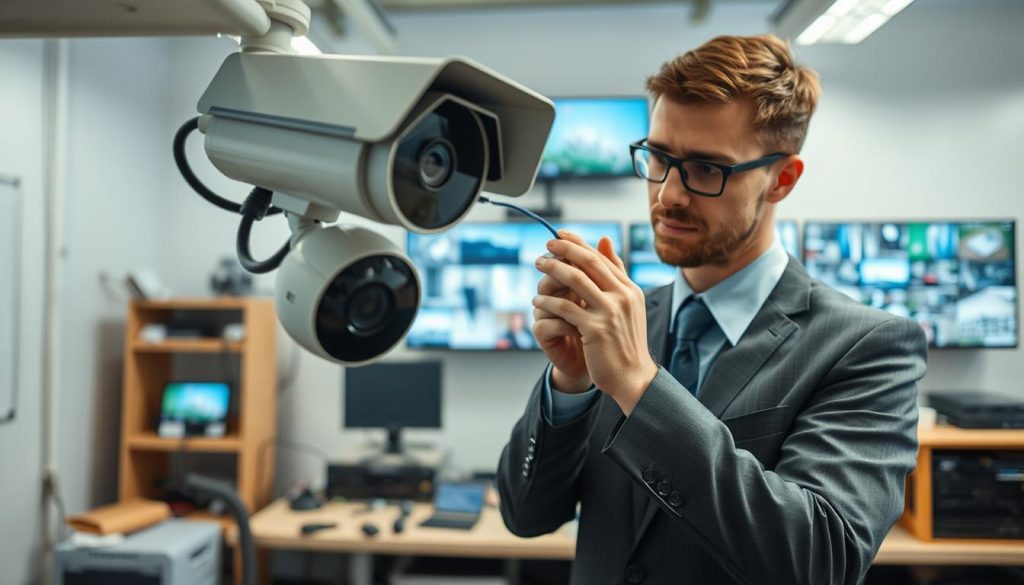
Your surveillance system is a critical line of defense for your home or business in Singapore. When it fails without warning, your security is compromised. This moment creates immediate stress and vulnerability. Security equipment going offline halts video capture and recording. You lose access to important footage. This guide addresses these urgent problems head-on. We provide a clear, systematic approach to diagnose and fix your security system. From quick checks to deeper technical issues, this guide offers practical steps. You’ll learn how to restore protection quickly and effectively. Key Takeaways Immediate power checks are the most common first step for restoration. Network and signal connection loss frequently causes surveillance blackouts. Physical inspection can reveal weather damage or hardware failures. Configuration errors and outdated firmware create preventable issues. Knowing when to seek professional technical support saves time and equipment. Regular maintenance prevents most unexpected surveillance failures. Documenting your system setup speeds up the troubleshooting process. Understanding Common CCTV Camera Failures Various technical glitches can disrupt the operation of visual security equipment, each presenting distinct clues for diagnosis. Recognizing these patterns helps you identify what’s wrong with your monitoring setup. Identifying Frequent Symptoms and Issues A complete black screen is one of the most alarming signs. Your monitor shows nothing but darkness where a live feed should be. Intermittent flickering or a total loss of recording are equally serious. Poor video quality degrades surveillance effectiveness. Blurry, pixelated, or distorted footage makes identification difficult. Singapore’s frequent rain and changing light conditions often worsen these visual problems. Connectivity failures make devices disappear from your network. You cannot access the feed remotely through your NVR or mobile app. This cuts off your ability to monitor the property in real time. Night vision malfunctions create critical blind spots after sunset. The infrared LEDs might not activate, leaving the area in complete darkness. This is a major vulnerability during nighttime hours. Other common troubles include interference from electronics and misaligned units. Loose connections or damaged cables frequently cause signal loss. Internal hardware or outdated firmware can also be the culprit. The Impact on Home and Business Security in Singapore For homeowners, a non-functional security camera breaches personal safety. High-density housing estates become more vulnerable without proper monitoring. The risk of trespassing or vandalism increases significantly during downtime. Businesses face even greater consequences from equipment failure. Retail stores may experience inventory loss without recorded evidence. Offices could compromise employee safety and security protocols. Investigating incidents becomes impossible without crucial footage. This affects insurance claims and legal standing. A gap in your surveillance record can have serious financial implications. Regular maintenance prevents most of these unexpected failures. Simple checks of connections and settings go a long way. Knowing the common symptoms helps you restore protection quickly. First Response: Initial Checks and Immediate Actions Before assuming the worst, several straightforward steps can identify and fix basic operational failures. This initial phase focuses on quick wins that restore visual monitoring without technical expertise. Always start with the simplest solutions first. Many apparent failures stem from minor glitches. A methodical approach saves time and frustration. Quick Visual Inspection of Camera Status Lights Most modern security equipment features status LEDs. These small lights provide immediate diagnostic information. Learning to read them is your first troubleshooting tool. A solid green light typically indicates normal operation. The unit has power and network connectivity. Everything should be functioning correctly. Blinking patterns convey different messages. Slow blinking often means the device is booting up. Rapid flashing may signal data transmission or network activity. No light at all suggests a power supply problem. The unit isn’t receiving electricity. This directs your investigation toward check power sources and connections. Amber or red lights usually indicate warnings. These colors can mean network loss, failed login attempts, or hardware issues. Consult your device manual for specific codes. The Universal Fix: Rebooting Your CCTV System Restarting equipment clears temporary software errors. It’s the most effective first response for frozen images or missed recordings. This process refreshes all components. Follow this proper sequence for complete systems: Power down your modem and router first Turn off the NVR or DVR recording unit Disconnect individual surveillance units from their power sources Wait 30-60 seconds for complete discharge Restart devices in reverse order The waiting period is crucial. It allows capacitors to fully discharge. This clears cached data that might cause malfunctions. For a single security camera, simply unplug its camera power adapter. Wait half a minute before reconnecting. Check if the feed returns in your monitoring application. Make sure you observe the proper sequence with multiple devices. Starting with network equipment ensures clean reconnections. This prevents IP address conflicts during reboot. While highly effective, rebooting addresses symptoms, not root causes. Persistent problems require deeper investigation. Document any changes after the restart. Regular maintenance includes occasional planned reboots. This keeps performance optimal and prevents unexpected downtime. Schedule these during low-activity periods. Investigating Power Supply Issues When visual monitoring equipment goes dark, the power supply should be your primary suspect. Insufficient or unstable electricity ranks among the top causes for unexpected surveillance failures. A methodical investigation here can often restore operation quickly. Begin with a thorough physical examination of your setup. Look for obvious signs of trouble before testing components. This systematic approach saves time and identifies the root cause. Checking Power Cords and Connections Start by inspecting every cable in your security setup. Physical damage often interrupts the flow of electricity to your devices. Frayed wires, cuts, or crushed sections need immediate replacement. Make sure all plugs fit snugly into their sockets. Loose connections create intermittent problems that are hard to diagnose. Gently tug on each connector to test its security. For PoE (Power over Ethernet) systems, verify both ends of the network cable. The Ethernet plug should click firmly into the switch and the camera. Check the PoE injector or switch for proper indicator lights. Use high-quality, outdoor-rated cables for exterior installations. These resist moisture and temperature changes better. Proper cable management prevents long-term

Troubleshooting: Why CCTV camera suddenly stopped working? Read More »
security cameras for home and property

The Ultimate Buyer’s Guide: How many CCTV cameras should I have?

Choosing the right number of security cameras is a common challenge for property owners in Singapore. The goal is to protect your home or business effectively. You want to feel safe and secure without spending too much. There is no single correct number that works for everyone. Your perfect setup depends on your property’s unique layout and your specific security needs. A small apartment has different requirements than a large warehouse. This guide will help you find the right balance. We will walk you through the key factors that determine proper coverage. You will learn how to plan a surveillance system that fits your space and budget. For a general idea, a typical house might need between two and six units. A commercial property often requires a much larger system. The right planning prevents blind spots and gives you true peace of mind. By the end of this article, you will know how to assess your property. You can create a tailored security plan. For personalized advice, you can also speak with an expert like Wen Hong at +65 60135960 for current deals. Key Takeaways The right number of cameras is not a one-size-fits-all answer. Your property’s size, layout, and specific risks determine your needs. Effective planning prevents security gaps and avoids unnecessary cost. Residential properties often start with 2 to 6 units for basic coverage. Commercial sites may need a more extensive system for complete surveillance. A balanced approach considers both full coverage and your budget. Expert consultation can provide a custom solution for your situation. Why CCTV Cameras Are Essential for Modern Security The evolution of security needs has made visual monitoring systems indispensable for contemporary safety. These devices do more than just record events. They create a proactive shield around your property. Research reveals a compelling statistic. Visible security cameras can cut burglary risks by up to 31%. This fact alone highlights their power as a deterrent. A comprehensive surveillance setup addresses multiple layers of protection. Deterring Crime and Providing Evidence The presence of a CCTV system acts as a powerful psychological barrier. Potential intruders often seek easy targets. When they spot monitoring devices, they typically move on to less protected areas. This preventive function is invaluable for both homes and businesses across Singapore. For instance, shops in HDB neighborhoods use visible units to discourage shoplifting. The mere sight of a dome or bullet camera changes behavior. When incidents do occur, recorded footage becomes crucial evidence. High-quality video helps police identify suspects quickly. It also supports insurance claims with undeniable proof of events. Modern systems capture clear details, even at night. This capability is vital for resolving disputes or investigating accidents. The evidential value extends beyond criminal acts to include safety monitoring. Gaining Peace of Mind in Your Home or Business Remote access technology transforms how we protect our spaces. You can check on your home security from anywhere using a smartphone. This constant connectivity alleviates worry when you’re away. Families gain tremendous peace of mind while on vacation. They can verify that their residence remains secure. Business owners monitor operations after hours with equal ease. For commercial settings, the benefits multiply. You can oversee staff performance and customer service interactions. The same system helps ensure employee safety during late shifts. In Singapore’s context, this means checking on your shophouse from the office. Or viewing your condo’s entrance while traveling abroad. This operational awareness is a game-changer for modern living. Proper installation of these systems creates a seamless security network. It connects physical protection with digital oversight. The result is a smarter, more responsive approach to safety. First Step: Assessing Your Property’s Unique Security Needs Mapping your unique security landscape is the critical first step toward a tailored solution. A generic approach often leaves dangerous gaps. Your security needs are as individual as your property itself. This phase involves a detailed audit. You examine the physical space and potential risks. The goal is to create a blueprint for effective surveillance. Evaluating Your Property Layout and Size Begin with a simple sketch of your property. Note the size, shape, and all structural features. This map is your planning foundation. For homes, mark every potential access point. This includes: All exterior doors (front, back, side) Ground-floor windows The garage and its entry door Gates or openings in perimeter fences Inside, consider key rooms and hallways. Think about where family members gather or where valuables are kept. The layout dictates sightlines and potential blind spots. Commercial properties require a more complex map. Outline large outdoor areas, parking lots, and loading docks. Indicate primary customer entrances and staff-only entry points. A detailed property map transforms a vague idea into a clear, actionable security plan. It visually answers the question of coverage. Identifying High-Risk and Vulnerable Areas Not all areas carry equal risk. Focus on zones that are attractive to intruders or prone to accidents. These are your priority monitoring locations. Common residential vulnerabilities include secluded back entrances, dark pathways, and windows hidden by landscaping. A side gate or a basement window can be a weak point. For a business, high-traffic cash registers, stockrooms, and secluded storage areas are critical. Also assess dimly lit alleyways or perimeter fences that are easy to climb. Ask yourself: “Where would an intruder try to enter unseen?” and “Where are my most valuable assets located?” The answers highlight your true security needs. Understanding Residential vs. Commercial Priorities The core priorities differ between a home and a business. This shapes the entire surveillance strategy. Residential security focuses on personal safety and privacy. The goal is to protect loved ones and personal belongings. Coverage often concentrates on entry points and common living spaces. Commercial security must balance asset protection with operational oversight and public safety. It safeguards inventory, deters theft, and can monitor employee and customer interactions. A retail shop in an HDB hub, for example, needs to watch both the sales floor and the back office. This initial assessment is non-negotiable. It forms the solid foundation

The Ultimate Buyer’s Guide: How many CCTV cameras should I have? Read More »

cctv camera working check

How do I know if my CCTV is working? Easy Checks

A functioning surveillance system forms the backbone of modern property protection. Regular verification ensures your cameras actively monitor and record when needed most. This peace of mind is essential for both home and business security in Singapore’s urban environment. Without it, you risk security lapses during critical moments. Our guide provides straightforward, actionable methods to check your system’s status. We cover everything from basic visual inspections to advanced software diagnostics. Both physical and digital checks are necessary for complete confidence. This comprehensive approach helps prevent unexpected failures. Following these steps ensures your security investment remains operational. Your property stays protected around the clock. Key Takeaways Regular CCTV verification prevents security gaps during critical events. Both visual inspections and software checks provide complete system confidence. Functioning surveillance offers essential peace of mind for property owners. Simple, step-by-step methods make verification accessible to everyone. Proactive monitoring ensures cameras record when needed most. A comprehensive check includes physical hardware and digital system status. Maintaining operational security cameras is non-negotiable for modern protection. Why Regularly Checking Your CCTV is Non-Negotiable for Security Regular validation of monitoring equipment forms a critical layer in comprehensive property defense systems. In Singapore’s dense urban landscape, this practice becomes especially vital. A single malfunctioning unit can compromise your entire security setup. Non-operational cameras create dangerous blind spots. Intruders often target these vulnerabilities first. Your entire investment in protection becomes worthless without functional surveillance. These visual monitoring tools provide crucial evidence when incidents occur. Insurance claims and legal proceedings frequently require clear footage. Regular verification ensures your recording capability remains intact during critical moments. Singapore’s high-rise living presents unique challenges. Narrow corridors and shared spaces demand constant visual oversight. A reliable CCTV system addresses these specific environmental needs effectively. Studies consistently show that visible, operational surveillance equipment reduces criminal activity by up to 50% in monitored areas. Security Research Journal This statistical deterrent effect only works when devices function properly. Criminals quickly identify fake or broken cameras. Maintaining operational status preserves this psychological barrier against unlawful entry. Peace of mind comes from knowing your surveillance operates correctly around the clock. Families and business owners sleep better with this assurance. The alternative involves constant worry about potential security gaps. Technological failures happen without warning. Power surges, software glitches, and connection drops can disable CCTV components instantly. Scheduled checks catch these issues before they create vulnerabilities. The financial consequences of a breach often exceed prevention costs. Property damage, stolen goods, and increased insurance premiums add up quickly. Emotional distress from invasion of privacy carries its own heavy toll. Modern surveillance represents more than just hardware installation. It requires ongoing commitment to maintenance and verification. This proactive approach transforms equipment into genuine protection. Singapore’s urban environment needs this constant vigilance. Your CCTV system serves as both witness and deterrent when maintained properly. Regular validation ensures it fulfills both roles effectively every time. Understanding Your CCTV System: The First Step to Verification Before running diagnostics, you must identify the specific type of monitoring system installed. This knowledge guides all subsequent checks and troubleshooting steps. Different architectures require unique verification approaches. Modern security setups vary widely in design and capability. Recognizing your equipment is the first step toward reliable oversight. Common CCTV Camera Types: Wired, Wireless, IP, and PTZ Wired cameras maintain a physical connection to the recorder via cables. This setup offers superior stability, especially in Singapore’s dense urban areas. Wireless models transmit footage over your Wi-Fi network instead. They provide easier installation but depend on strong signal strength. Your choice affects how you verify the connection later. Analog systems represent older technology with basic video quality. Modern IP cameras deliver crisp digital footage and remote access via apps. This digital upgrade brings advanced features like smart alerts. Fixed cameras monitor a single, unchanging field of view. PTZ (Pan-Tilt-Zoom) units can rotate and zoom to track movement. This flexibility makes them ideal for covering large areas. Dome cameras are discreet and perfect for indoor ceilings. Bullet cameras have a long, visible design suited for outdoor mounting. PTZ cameras offer remote control to pan, tilt, and zoom as needed. “The right camera type for each location maximizes coverage and deters potential intruders effectively.” Security Installation Handbook Key Components: Cameras, NVRs, and Power Supplies Every CCTV system relies on three core elements working together. The cameras capture visual data from their installed positions. They are the eyes of your security system. The Network Video Recorder (NVR) is the brain of the operation. It receives, processes, and stores all video footage from connected cameras. Without a functioning NVR, even perfect camera feeds cannot be saved. A reliable power supply is the unsung hero of any setup. It delivers consistent electricity to every component in the chain. Interruptions here can disable the entire surveillance system instantly. Understanding this interplay helps pinpoint failures quickly. Is the issue with the camera, the recorder, or the power source? This foundational knowledge transforms random guessing into targeted diagnosis. Your CCTV cameras might be working perfectly. But if the NVR has a faulty hard drive, no footage gets recorded. Similarly, a loose power cable can silently disable a critical camera. Take time to locate each component in your specific setup. Note the model types and connection methods. This map of your CCTV system becomes your verification blueprint. How do I know if my CCTV is working? Start with Visual Indicators Visual cues offer the most immediate way to confirm your security cameras are active. These physical signs require no app login or technical knowledge to interpret. Mastering this visual language provides instant confidence in your system’s operational state. Decoding LED Light Colors and Blinking Patterns Small LED lights on your camera housing are primary status indicators. A steady green light typically signals normal operation and a solid connection. A blinking green or blue light often means the device is booting up or processing data. It can also indicate network activity or recording in progress. Red lights usually demand attention. A solid red

How do I know if my CCTV is working? Easy Checks Read More »

cctv camera night vision

How do I know if my CCTV is on or off at night? Easy Check

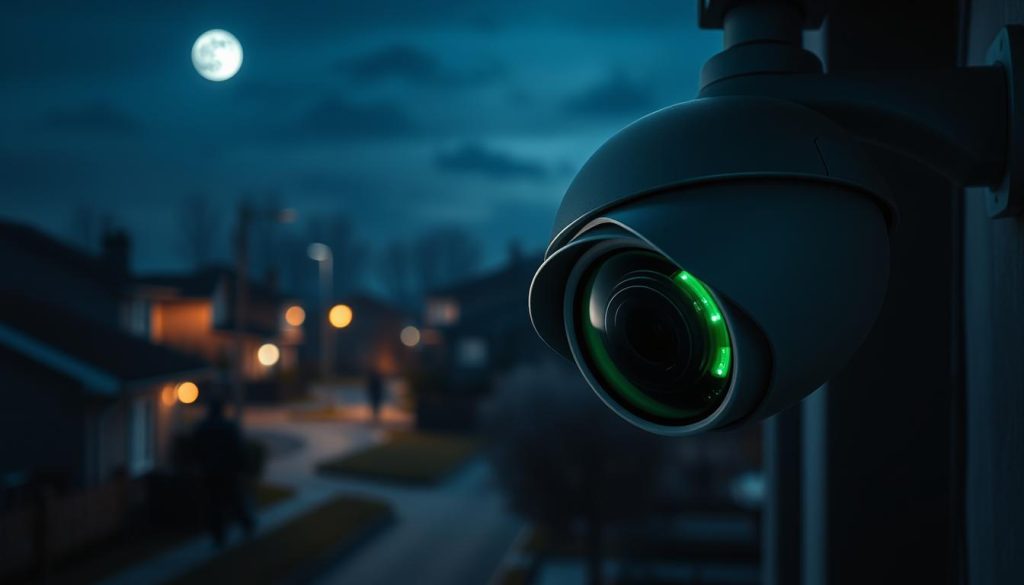
For property owners in Singapore, reliable security doesn’t end when the sun goes down. The quiet hours of the night are when a robust surveillance setup proves its true value. Many people experience a nagging doubt after dark. They wonder if their security investment is truly active and recording. This uncertainty can completely undermine the peace of mind a modern system is meant to provide. A camera recording in stunning 4K UHD is useless if it isn’t actually functioning. Fortunately, confirming your camera’s operational state doesn’t require advanced technical knowledge. This guide breaks down the process into clear, actionable steps. We will explore simple visual inspections, software logins, and clever smartphone tricks. These methods work for most modern security setups. Our goal is to empower you with knowledge. You will be able to take control of your property’s safety with complete confidence. Key Takeaways Nighttime is a critical period for security, making camera verification essential. Modern systems offer clear night vision, but only if they are powered on. Verification methods are designed to be accessible for all users. Visual indicators, like LED lights, provide immediate status clues. Accessing your camera’s dedicated app is a reliable way to check its feed. Physical tests can also help determine if a unit is active. Understanding your specific camera model’s features is key to accurate verification. Why Nighttime CCTV Monitoring is Non-Negotiable for Security Effective property protection demands round-the-clock vigilance, with particular emphasis on nocturnal hours. The cover of darkness fundamentally alters the security landscape. It creates conditions where threats can operate with reduced visibility. This makes functional surveillance systems absolutely essential after sunset. They serve as both watchful eyes and powerful deterrents. Without them, properties become significantly more vulnerable. The Increased Risk Profile After Dark Statistical data consistently shows elevated criminal activity during nighttime. Reduced natural light and fewer witnesses provide cover for illicit actions. Unauthorized access, vandalism, and theft attempts increase dramatically. This period represents a critical window for security breaches. Modern security strategies must account for this heightened risk. The concept of target hardening becomes particularly relevant here. Visible, operational cameras act as a powerful psychological barrier. They signal to potential intruders that the property is monitored. This deterrent effect is especially valuable when visibility is low. A comprehensive security approach cannot ignore these nighttime vulnerabilities. The absence of surveillance during these hours creates dangerous gaps. These gaps can be exploited by those seeking unauthorized entry. Legal and Safety Implications in Singapore Singapore maintains strict security protocols and regulations. Organizations like the SCDF outline specific requirements for property protection. Compliant surveillance practices are not optional—they’re mandatory. Security audits often verify that cameras are operational at all times. This includes nighttime hours when risks are highest. A non-functional system may fail to meet these regulatory standards. Businesses face additional legal considerations. Insurance policies frequently require evidence of proper security measures. A camera that isn’t recording during an incident can invalidate claims. Forensic investigations rely heavily on surveillance footage. Gaps in recording create evidential voids. These voids can hinder investigations and legal proceedings. In dense urban environments like Singapore, shared responsibility matters. Proper monitoring contributes to broader community safety. It helps authorities maintain public order and security. Nighttime monitoring represents a fundamental component of responsible property management. It’s not merely an added feature but a core requirement. Ensuring cameras function after dark protects both assets and legal standing. Modern surveillance technology has evolved to pierce through darkness, giving cameras the ability to see what human eyes cannot. This capability transforms complete blackness into a monitored scene. Understanding these technologies helps you verify your system’s true performance after sunset. Understanding How Your CCTV Sees in the Dark Several core technologies enable clear monitoring when light levels drop. Each approach has distinct advantages for different environments. Knowing which one your system uses clarifies what to expect from your nighttime footage. Infrared (IR) Illumination: The Key to Night Vision Most modern security cameras rely on infrared technology for dark conditions. IR LEDs surrounding the lens emit invisible light waves. These waves illuminate the area like an unseen floodlight. The camera’s sensor detects this reflected infrared light. It then creates a detailed, black-and-white image. A faint red glow from the LED array often indicates active night vision mode. Smart IR technology represents a significant advancement. It automatically adjusts LED intensity based on object distance. This prevents overexposed “hot spots” on close subjects. Standard IR systems lack this adjustment capability. They can wash out details on nearby objects. The even illumination from smart IR provides more usable surveillance footage. Thermal Imaging vs. Low-Light Enhancement Thermal cameras take a completely different approach. They detect heat signatures rather than reflected light. This makes them effective in fog, smoke, or complete darkness. These devices visualize temperature differences in their field of view. Warm objects appear bright against cooler backgrounds. The output uses color palettes to represent heat intensity. Low-light enhancement technology amplifies minimal existing ambient light. It uses advanced sensors and image processing. This can sometimes maintain color information in very dim conditions. Thermal imaging excels at long-range detection through obscurants. Low-light enhancement works best with some ambient light present. Thermal systems generally carry higher costs than IR-based alternatives. Camera Specifications That Affect Night Performance Technical specifications directly determine nighttime video quality. The IR range indicates maximum effective illumination distance. A 30-meter rating means clear vision up to that distance. Sensor size and type critically impact light sensitivity. Larger sensors, like 1/2.8″ CMOS, capture more light particles. This results in cleaner images with less grain in darkness. The lens aperture controls how much light reaches the sensor. A lower f-number (e.g., f/1.2) means better low-light performance. The Lux rating indicates the minimum light needed for an image. Lower Lux values signify better performance in near-darkness. A rating of 0.001 Lux means the camera needs almost no light to function. Advanced systems like Hikvision’s ColorVu use supplemental white light. Reolink’s ColorX technology employs advanced sensors and algorithms. Both can deliver full-color

How do I know if my CCTV is on or off at night? Easy Check Read More »

mobile CCTV monitoring on smartphone

How can I watch my CCTV on my phone? Simple Steps

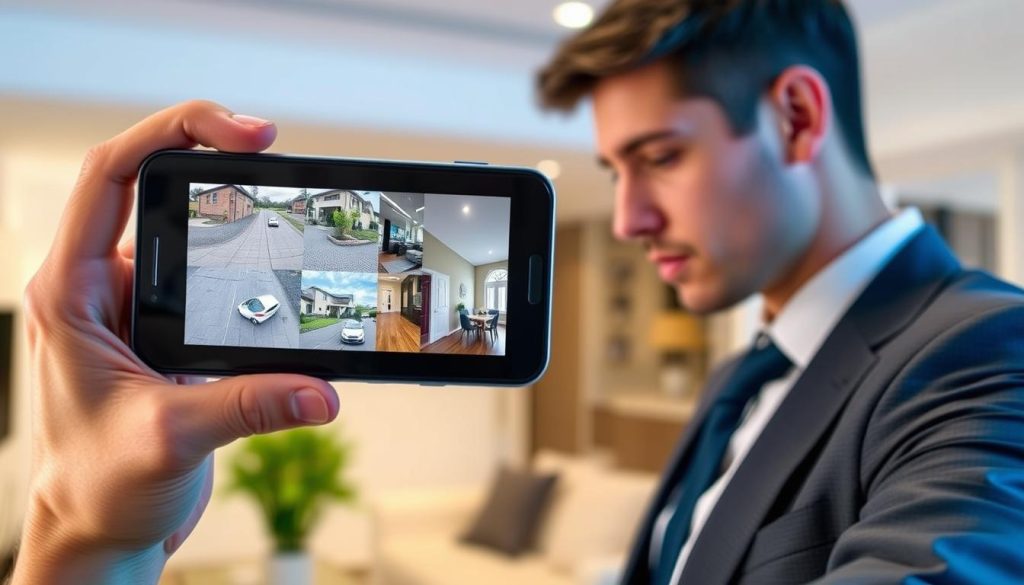
Remote security monitoring has changed how we protect our homes and businesses. Modern surveillance technology lets you view your property from anywhere with just a smartphone. This capability transforms traditional security systems into powerful, mobile tools. Connecting your security cameras to a mobile device offers significant advantages. You gain instant awareness of activities at your location through real-time monitoring. This immediate access provides peace of mind whether you’re at work or traveling. Most contemporary CCTV systems support remote viewing through dedicated mobile applications. Manufacturers design these apps for easy setup, making the process straightforward for all users. Devices with excellent displays, like the HONOR Magic V2, enhance the viewing experience. The technology relies on either wifi or mobile data connections for flexibility. Many systems now incorporate cloud storage, allowing you to access recordings from any location. This mobile access to your security footage represents a fundamental shift in property protection. Key Takeaways Modern CCTV technology enables remote property monitoring from your smartphone. Mobile access provides real-time awareness of activities at your home or business. Manufacturer apps make camera setup simple, even for non-technical users. Both wifi and mobile data connections offer flexible viewing options. Cloud storage allows access to recordings from virtually anywhere. High-quality smartphone displays enhance the surveillance viewing experience. Mobile monitoring transforms traditional security into a smart, accessible system. The Power of Mobile Surveillance: Why Connect Your CCTV to Your Phone Modern surveillance technology empowers property owners with unprecedented control through smartphone connectivity. This integration transforms traditional security into an interactive, responsive system. The benefits extend far beyond simple remote viewing. Linking your security cameras to a mobile device creates a dynamic protection layer. You gain immediate awareness and response capabilities. This approach adapts perfectly to today’s mobile lifestyles in Singapore and beyond. Real-Time Monitoring for Instant Awareness Live video feeds delivered directly to your handheld device change everything. You see events as they unfold on your property. This immediate visual information enables quick decision-making. Real-time monitoring turns passive recording into active security management. When something unusual occurs, you can assess the situation instantly. This capability is particularly valuable for business owners and homeowners alike. The technology helps take action fast against potential threats. You might notice a delivery person at your door or an unauthorized visitor. High-resolution smartphone displays, like those on the HONOR Magic V2, show clear details for accurate identification. Remote Access From Anywhere, Anytime Geographical limitations disappear with proper mobile access configuration. Check on your home while at work or your business while traveling. All you need is an internet connection through wifi or mobile data. This convenience makes controlling your system remarkably easy. No physical presence is required to monitor your property. Peace of mind during travel or extended absences becomes a standard feature. Cloud storage integration enhances this flexibility further. Recorded footage remains accessible without needing physical devices. Your security data stays protected and available from any location. Smart Alerts and Notifications for Proactive Security Advanced motion detection technology powers modern alert systems. Your phone receives instant push notifications when activity is detected. This proactive approach keeps you informed without constant screen watching. These intelligent alerts filter out routine movements from genuine concerns. You might receive notifications for people approaching but not for passing cars. Customization options allow tailoring to your specific security needs. User-friendly applications make managing these features simple for everyone. The technology helps you react quickly to unexpected events. This creates a comprehensive security solution that works around the clock. The combination of these benefits represents a significant upgrade for any security setup. Connecting CCTV systems to smartphones delivers protection that matches modern life’s demands. Understanding these advantages helps appreciate why this integration is becoming standard practice. Getting Started: What You Need Before You Connect A successful mobile connection requires gathering a few essential items first. This preparation avoids common setup issues and ensures a smooth process. Confirm your security cameras support mobile features. Most modern IP cameras include this capability, but older analog systems might need extra hardware. Start by verifying your smartphone’s operating system. You need the correct mobile app for your device’s OS, whether it’s Android or iOS. Applications are built specifically for each platform. Using the official app from your camera’s maker often works best. For Apple users in Singapore, the iDVR-PRO Viewer app is a good example. A strong and consistent WiFi connection is essential. A stable network ensures uninterrupted access to your live feed. Bandwidth matters for clear video streams. Multiple camera feeds require a robust internet plan for reliable viewing. How Can I Watch My CCTV on My Phone? The Two Primary Methods Viewing your property remotely involves choosing between two fundamental technological approaches. These methods determine how your security cameras transmit footage to your handheld device. Understanding both options helps you select the best solution for your needs. Almost all modern surveillance equipment supports at least one connection type. Statistics show approximately 94% of contemporary CCTV cameras include built-in WiFi capability. This widespread adoption makes wireless connectivity the default choice for most users. The first and most popular method utilizes your existing wireless network. About 65% of users prefer WiFi connections for their reliability and efficiency. This approach leverages your home or business internet to stream video to your smartphone. WiFi-based monitoring offers several practical advantages. It typically provides more stable bandwidth without consuming cellular data plans. This makes it ideal for most residential and commercial applications across Singapore. When wireless networks are unavailable, mobile data serves as an excellent alternative. This second method provides true anywhere access, functioning independently of local infrastructure. Some specialized cameras connect directly to cellular networks for complete flexibility. The choice between these approaches depends on your specific situation. WiFi suits cost-effective home security with existing internet service. Mobile data better serves remote locations like construction sites, vacation properties, or vehicles. Both connection types require compatible equipment. WiFi-capable devices are nearly universal in modern systems. Cellular-ready cameras represent more specialized hardware for particular use cases.

How can I watch my CCTV on my phone? Simple Steps Read More »

DVR and NVR security systems comparison

DVR vs NVR: What is the difference between DVR and NVR?

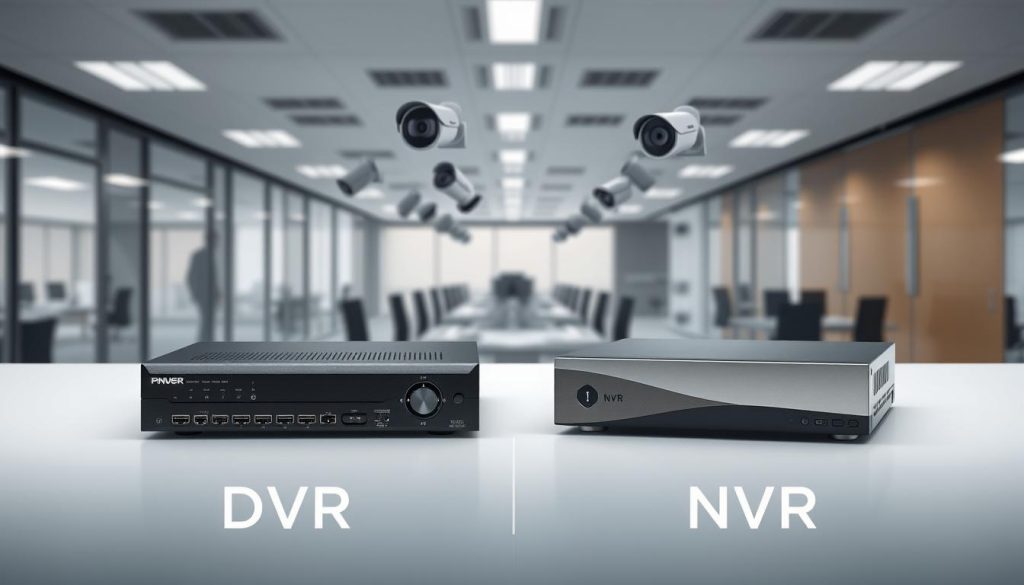
Selecting the right surveillance setup is a common challenge for Singapore homeowners and businesses. You face a critical decision between two main types of security recorders. Both dvr and nvr systems capture and store video footage to protect your property. Their core technologies, however, create significant practical differences. Understanding these distinctions is essential for a smart investment in modern surveillance technology. This knowledge directly impacts your property’s protection and value. We will break down each system component by component. Our analysis covers cameras, cabling requirements, and advanced features available today. The goal is to give you clear, actionable information for your Singapore property. Recent advancements have narrowed some performance gaps. Yet, fundamental distinctions in compatibility and installation remain crucial. Your choice affects initial cost, long-term flexibility, image quality, and expansion potential. This decision ultimately balances your budget, existing infrastructure, and future security needs. Let’s explore what sets these recorder systems apart to find your perfect match. Key Takeaways Both DVR and NVR systems record video for security, but they use different technologies. The core differences involve the types of cameras each system supports and how they connect. Your choice impacts installation complexity, initial cost, and long-term system flexibility. Modern features are available for both, but compatibility with existing equipment varies. Understanding these distinctions is key to selecting the right surveillance solution for your needs. The decision should balance your current budget with future expansion plans. Proper system selection enhances property protection and provides better value over time. Understanding Surveillance Recorders: DVR and NVR Defined Modern property protection in Singapore relies on understanding two fundamental recording technologies. These devices form the backbone of any comprehensive security setup. Each handles video footage through distinct methods. Knowing how they function helps you make informed decisions. Your choice affects installation, performance, and future expansion. What is a DVR (Digital Video Recorder)? A digital video recorder represents traditional analog surveillance technology. This system has been securing properties for decades. It forms the cornerstone of conventional CCTV installations. DVR systems consist of three main components. First are analog CCTV cameras that capture visual information. Second, coaxial BNC cables transmit signals. Third, the DVR recorder unit processes and stores everything. Here’s how the signal flows in this setup. Analog cameras send raw, unprocessed video signals. These travel through coaxial cables to the central recorder. The DVR system then digitizes and compresses this data. All processing happens at the recorder unit itself. This approach defines traditional security architecture. It’s a proven method for reliable video recording. What is an NVR (Network Video Recorder)? A network video recorder serves as the modern standard for digital surveillance. This technology leverages Internet Protocol for smarter operation. It represents the evolution beyond analog limitations. NVR systems feature more advanced components. IP cameras replace their analog counterparts. Network infrastructure, like Ethernet cables or WiFi, handles connectivity. The NVR recorder manages storage and access. Operation differs fundamentally from older systems. IP cameras contain built-in processors. They encode video into digital format right at the source. This processed data then streams over the network. This “processing at the edge” architecture enables significant advantages. Wireless capabilities become practical. Advanced camera features integrate seamlessly. The recorder focuses on storage rather than processing. These definitions establish why signal paths matter. Analog versus digital approaches impact every aspect of your security solution. Image quality, installation complexity, and scalability all depend on this core distinction. Understanding these foundations prepares you for detailed comparison. Next, we’ll explore how these differences manifest in practical applications. What is the Difference Between DVR and NVR? The Core Distinction At the heart of the DVR versus NVR debate lies a critical technical divergence: where footage gets processed. This single distinction shapes every component of your security setup. It determines compatible cameras, required cabling, and overall system architecture. DVR systems employ centralized processing. Analog cameras capture raw visual signals. These travel via coaxial cable to the main recorder unit. The DVR houses specialized hardware called an Analog-to-Digital encoder. This chipset converts incoming analog signals into storable digital video format. All processing occurs at this central point. NVR systems utilize decentralized, edge-based processing. Each IP camera contains its own processing chip. It encodes video into digital format right at the source. Processed data packets then stream over a network. The NVR primarily manages storage and access. This distributed approach defines modern network video architecture. This core difference dictates camera compatibility. DVR setups require analog CCTV cameras. These devices are simple sensors without processing capability. NVR configurations need Internet Protocol cameras. Each unit functions as an intelligent network node. This enables advanced features like onboard analytics. Cabling infrastructure follows directly from this distinction. DVR systems need coaxial BNC cables for each camera. These carry raw analog signals from sensor to recorder. NVR systems use Ethernet cables or WiFi connections. These transport digital data packets across your local network. Power-over-Ethernet simplifies installation further. System design implications are significant. DVR installations demand direct cable runs from each camera to the recorder. This creates physical constraints during setup. NVR configurations only require cameras on the same network. Placement flexibility increases substantially. Wireless options become practical for challenging locations. Both pathways achieve the same goal: recorded video footage for property security. Their technological approaches, however, remain fundamentally different. Understanding this architectural split is essential. This knowledge forms the foundation for evaluating image quality, installation complexity, and feature sets. Singapore property owners can apply this concept when assessing their surveillance needs. The processing location influences long-term flexibility and expansion potential. Camera Comparison: Analog CCTV vs. IP Cameras Your surveillance system’s eyes and ears come in two distinct technological forms with different capabilities. The cameras you select determine more than just image quality. They define your entire system’s potential for growth and intelligence. This choice between analog and digital vision creates lasting impacts. It affects everything from initial investment to future feature upgrades. Understanding each camera type helps Singapore property owners make informed security decisions. DVR Camera Type: Analog CCTV DVR systems operate

DVR vs NVR: What is the difference between DVR and NVR? Read More »

CCTV security system installation planning

CCTV Buyer’s Guide: What to consider before installing CCTV?

Effective monitoring solutions provide crucial protection for properties across Singapore. A well-planned surveillance setup enhances safety for both residential and commercial spaces. Proper planning prevents serious legal trouble. In Singapore, setting up cameras without permission may lead to fines reaching $10,000 or even imprisonment. Thoughtful preparation ensures your investment works effectively. It transforms a simple camera setup into a comprehensive security solution that meets your specific needs. This guide walks you through essential planning steps. You’ll learn how to assess your property, understand local regulations, and choose the right equipment for today’s security challenges. Key Takeaways Installing surveillance equipment without proper authorization in Singapore carries severe penalties including substantial fines. Thorough planning ensures both legal compliance and maximum effectiveness of your security investment. Professional monitoring systems offer benefits beyond crime prevention, including evidence collection and peace of mind. A proper security assessment identifies vulnerable areas and potential blind spots on your property. Singapore has specific regulations under the PDPA that govern camera usage and data protection. Strategic placement of cameras and appropriate technical specifications are crucial for optimal coverage. Integration with existing security measures and ongoing maintenance should be part of your planning process. Understanding the Value of a Professional CCTV System Investing in a quality cctv system yields a multi-layered return on security. It transforms a simple camera setup into a proactive tool for asset protection and operational awareness. These systems create a visible layer of vigilance. Their presence alone communicates that a property is watched and recorded. More Than Just Crime Deterrence A professional setup acts as a powerful visual deterrent. Studies consistently show properties with visible cctv cameras experience fewer incidents. This preventative effect is a primary benefit. It stops trouble before it starts, safeguarding your place and people. For commercial operations, the scope of protection is broad. Assets include personnel, buildings, inventory, and equipment. Modern systems also enhance overall safety. They can monitor hazardous zones to help prevent accidents. This function provides evidence for liability disputes. It reduces legal exposure for business owners. Providing Evidence and Peace of Mind When an incident occurs, high-quality footage is invaluable. It provides clear evidence for law enforcement investigations. This visual record can be crucial for solving cases quickly. It is often admissible in official proceedings. The psychological benefit is significant. Property owners, employees, and residents gain peace of mind. They feel more secure knowing their premises are under professional monitoring. This sense of security is a key value point. In Singapore’s dense urban context, this surveillance is integral. It addresses unique challenges of shared living and working spaces. Properly implemented, a cctv system is a long-term investment. It can potentially lower insurance costs while elevating property safety standards. Defining Your Needs: What to Consider Before Installing CCTV? Before selecting equipment, a comprehensive evaluation of your property’s vulnerabilities is essential. This foundational step ensures your surveillance solution addresses specific risks rather than applying generic coverage. Every building presents distinct challenges based on its layout and function. Residential homes, commercial shops, and industrial facilities each demand tailored approaches to monitoring. Start with a Clear Security Purpose Define what you aim to achieve with your monitoring setup. Are you preventing theft, monitoring deliveries, or ensuring employee safety? Clear objectives guide every subsequent decision. They determine camera types, features, and placement strategies that match your actual security requirements. Property type dramatically influences these goals. A warehouse needs different coverage than a retail store or private residence. Conducting a Site Vulnerability Assessment Walk your property with a critical eye. Note all potential weak spots where unauthorized access could occur. Examine the physical layout for natural surveillance opportunities. Also identify spots that provide cover for unwanted activities. Lighting conditions change throughout the day. Assess how darkness or glare might affect camera performance in different areas. Document patterns of movement. High-traffic zones and valuable asset locations require focused attention in your plan. Identifying Critical Entry, Exit, and Blind Spots Systematically map all entry exit points. This includes doors, windows, gates, and any other openings. Controlling movement in and out is fundamental. These points form the first layer of your defensive perimeter. Blind spots demand special attention. These are zones not visible from normal vantage points. Common blind spots include corners, alcoves, and spaces behind large objects. They can provide cover for security breaches if left unmonitored. Your cctv systems should eliminate these vulnerabilities. Proper placement of cameras creates overlapping fields of view. Thorough documentation of your needs comes before equipment shopping. This blueprint informs which cameras and features you actually require. A well-planned approach to installing cctv maximizes your investment. It transforms random camera placement into a cohesive security network. Navigating Legal Compliance in Singapore Singapore’s legal framework for surveillance prioritizes both security and individual privacy rights. Operating a cctv system means you become a data controller with specific obligations. Ignoring these rules can lead to serious penalties. A compliant setup protects you legally while respecting the rights of others. The Personal Data Protection Act (PDPA) and You The Personal Data Protection Act (PDPA) is the cornerstone of surveillance law. It governs how organizations collect, use, and disclose personal data, which includes identifiable images from cameras. Under this act, you must have a legitimate purpose for recording. You also need to inform people about the surveillance through clear notification. Businesses must appoint a Data Protection Officer. This person ensures cctv practices follow the data protection rules and handles any public inquiries. Individuals have rights to access footage of themselves. They can also request corrections to any inaccurate personal data your system has recorded. Signage, Notification, and Privacy Rights Clear signage is not just a good idea—it’s the law. Signs must be visible at all entry points under surveillance. Effective signs state monitoring is active. They should list a contact person and the purpose of the surveillance. This notification serves as a form of consent. By entering the area, individuals acknowledge they may be recorded. You must also have a policy for stored footage. In Singapore,

CCTV Buyer’s Guide: What to consider before installing CCTV? Read More »

professional cctv maintenance report

How to Write CCTV Maintenance Report? A Comprehensive Guide

Your surveillance system is a critical layer of protection. Its reliability depends on more than just installation. Consistent care and clear records are what keep it strong. This guide provides a clear blueprint for professional documentation. We focus on the process of creating effective records for your security equipment. Good documentation turns routine checks into powerful tools for system health. Proactive records help you spot small issues early. This prevents bigger problems and costly downtime. You also build a valuable history of your equipment’s performance. In places like Singapore, detailed records are often key for meeting compliance standards. They prove due diligence and provide audit trails. This guide will walk you through each step, from pre-check data to final recommendations. Key Takeaways Effective documentation is essential for reliable surveillance system operation and longevity. Proactive reporting helps identify technical problems before they cause system failure. Accurate maintenance records are crucial for meeting legal and compliance requirements. A well-structured report includes clear findings, actions taken, and future recommendations. Using a standardized template improves efficiency and ensures no critical information is missed. Tracking repair history enables predictive maintenance and better budget planning. Good reporting elevates overall security management through masterful documentation. The Critical Role of CCTV Maintenance Reports in Security Beyond simple checklists, comprehensive service records serve as the operational backbone of reliable surveillance. These documents bridge the gap between physical upkeep and strategic security management. They transform routine inspections into actionable intelligence. This process ensures your protective measures remain effective over time. Proactive Problem-Solving and System Longevity Detailed logs do more than track completed work. They create a preventive shield against equipment failure. Minor issues like lens smudges or loose connections get documented early. This early detection stops small problems from becoming major outages. Consistent video quality depends on this proactive approach. Studies show regular care can extend equipment lifespan by up to 40%. This represents significant long-term savings. Replacement costs decrease when components last longer. Service history reveals patterns in component performance. Technicians can spot which parts need attention before they fail. Data-driven decisions about upgrades become possible. As one security manager noted, “Our maintenance records predicted three camera failures last quarter. We replaced them during scheduled downtime, with zero impact on coverage.” Meeting Legal and Compliance Standards in Singapore In Singapore, regulatory frameworks mandate properly maintained surveillance systems. Businesses operating in public spaces must demonstrate due diligence. A well-documented log provides this proof during audits. These records move beyond best practice to become legal necessities. They protect organizations from liability claims. Objective evidence of upkeep can be critical in legal proceedings. Insurance scenarios often require verification of security measures. Maintenance documentation provides this verification convincingly. It shows consistent commitment to operational standards. The role is dual: optimizing technical performance while fulfilling obligations. This makes comprehensive records indispensable for responsible management. They ensure both physical security and regulatory compliance. Understanding Your CCTV System: Key Components Accurate fault identification starts with a clear map of your installation’s physical and digital components. Knowing each part’s function transforms vague descriptions into precise technical notes. This knowledge is essential for creating useful service records. Different hardware serves different purposes in a surveillance setup. Your documentation should reflect this specificity. Let’s break down the core elements. Camera Types: Dome, Bullet, PTZ, and Infrared Dome cameras offer a discreet profile for indoor spaces like retail shops or offices. Their enclosed design protects the lens from tampering. This makes them a common choice for general indoor monitoring. Bullet cameras feature a long, cylindrical shape suited for outdoor use. They are built to withstand weather and provide targeted, long-range views. Perfect for monitoring building perimeters or parking lots. PTZ units provide active coverage of large areas like warehouses or car parks. Operators can pan, tilt, and zoom remotely. Regular checks must verify these mechanical functions work smoothly. Infrared cameras use built-in illuminators for night vision. They capture clear footage in low-light or total darkness. Inspections should always test the IR LEDs for proper operation. Recording Equipment: DVRs vs. NVRs The recorder is the brain of your surveillance system. Two main types exist: Digital Video Recorders and Network Video Recorders. DVRs connect to analog cameras using coaxial cables. They are common in older installations. Video quality is often limited to standard definition. NVRs work with modern IP cameras over a network. They support high-resolution video and easier remote access. This setup is standard for new projects in Singapore. Knowing your recorder type guides your troubleshooting. It tells you which cables and camera protocols to check. Your service notes must specify this core hardware. Supporting Infrastructure: Cabling and Power Wires and power supplies are frequent failure points. They are easy to overlook during a visual check. Coaxial cables serve older DVR setups. Ethernet cables power modern IP-based systems. Connectors can corrode in Singapore’s humid climate. Power issues often cause unexplained camera dropouts. Centralized power supplies or individual adapters can fail. Your documentation should note the power source for each device. A precise log separates a simple cable fault from a failed camera unit. This saves time and money on repairs. Always inspect the entire chain from lens to recorder. How to Write CCTV Maintenance Report: A Step-by-Step Blueprint A methodical blueprint turns field notes into a powerful tool. This method ensures no critical detail is missed. Systematic documentation begins with a simple question: what was the state of your equipment when you started? Gathering background information is your first official move. This step includes reviewing past logs. You should also check the current setup. This review helps identify any recurring faults. A detailed equipment list is your first reference point. Serial numbers and firmware versions are essential. This information helps technicians understand the exact configuration. A clear record of the initial state is crucial. All future checks compare results to this starting point. This approach highlights the need for thorough initial documentation. Moving from observation to documentation is a critical step. It builds a reliable history for your security assets.

How to Write CCTV Maintenance Report? A Comprehensive Guide Read More »

CCTV inspection guide

How do you inspect CCTV? A Comprehensive Guide

Your surveillance equipment forms the backbone of property protection. Regular evaluation ensures these eyes never blink. A proactive maintenance routine is essential, not optional. This definitive resource provides a complete framework for assessing your setup. We cover visual checks, performance tests, and common troubleshooting. The goal is preventing security gaps before they occur. For Singaporean property owners and managers, this process carries added weight. It ensures compliance with local regulations and maximizes your security investment. A well-maintained system deters crime and provides reliable evidence. Move beyond reactive fixes to scheduled, preventative care. This approach extends hardware lifespan and maintains operational integrity. Let’s explore the steps to guarantee your surveillance remains vigilant. Key Takeaways Regular surveillance system checks are critical for maintaining security integrity. A systematic evaluation framework helps prevent blind spots and failures. Proactive maintenance extends the lifespan of your security investment. Proper inspection ensures compliance with Singapore’s regulatory standards. Visual assessments and performance tests form the core of any review. This guide is tailored for property owners and security managers in Singapore. Mastering this process transforms reactive fixes into scheduled prevention. Why Regular CCTV Inspection is Non-Negotiable for Security The effectiveness of monitoring technology hinges on systematic review protocols. For Singaporean properties, this practice transitions from recommended to essential. With nearly one million cameras operational nationwide, each unit represents a critical point in the security network. A single malfunction creates a direct vulnerability. Regular evaluation acts as the cornerstone for both public safety and private asset protection. This process ensures your investment delivers consistent, reliable performance. The Role of Inspections in Crime Prevention and Deterrence Visible, well-maintained cameras send a powerful message to potential intruders. They signal an active, attentive security posture. Criminals typically seek easier targets, avoiding properties with obvious, functional surveillance. Systematic checks guarantee cameras remain correctly positioned. They capture clear, usable footage vital for identification. This evidentiary quality is crucial for law enforcement investigations following incidents. Proactive reviews prevent the slow degradation of coverage. They ensure lenses stay clean and angles remain optimal. This vigilance stops small issues from evolving into major security gaps. Consequences of Neglect: From Blind Spots to Legal Liability Ignoring routine checks invites multiple risks. Misaligned cameras or obstructed lenses create blind spots. These areas become exploitable vulnerabilities for criminal activity. In Singapore, legal compliance carries significant weight. Non-compliant systems may infringe on the Personal Data Protection Act (PDPA). They might also fail to meet the “Guidelines for Required Security Measures.” Such failures can result in substantial penalties for property owners. Functional footage often serves as key evidence. System failure during a critical moment can completely hinder an investigation. Regular maintenance directly connects to long-term system reliability. It prevents costly emergency repairs and extends hardware lifespan. Scheduled care is always more economical than reactive replacement. Ultimately, consistent inspection protects your assets, ensures legal adherence, and maintains operational integrity. It transforms security from a static installation into a dynamic, responsive shield. Understanding What You’re Inspecting: CCTV System Components Modern security technology comprises distinct elements that each serve a critical purpose. Knowing these parts transforms a generic check into a targeted evaluation. This knowledge helps identify exactly what needs verification during routine maintenance. A typical setup includes external devices that capture footage and internal units that process it. Each component’s condition directly impacts overall system reliability. Understanding their functions makes the inspection process logical and thorough. Cameras, Housings, and Lenses: The Eyes of Your System The camera unit is the primary sensor in any surveillance network. Different types serve specific roles in property protection. Dome cameras offer discreet, vandal-resistant monitoring for indoor spaces. Bullet cameras provide long-range visibility, ideal for outdoor perimeter watch. PTZ (Pan-Tilt-Zoom) cameras allow remote control to track movement across large areas. Each camera’s protective housing is vital for durability. The IP (Ingress Protection) rating indicates weatherproofing capability. A higher rating means better resistance to dust and water ingress. Image quality depends heavily on the lens and sensor. Key specifications to verify include: Resolution: Modern standards are 1080p (Full HD) or 4K for exceptional detail. Lens Type: Fixed lenses have one viewing angle, while varifocal lenses offer adjustable zoom. Field of View: This determines how much area a single camera can cover effectively. Physical checks on these components might be needed monthly. Look for lens clarity, housing integrity, and correct positioning. Recorders, Storage, and Power Supplies: The Heart and Lifeline Capture devices are useless without backend systems to handle the video data. The recorder is the central processing unit of the entire operation. DVR (Digital Video Recorder) systems work with traditional analog cameras. NVR (Network Video Recorder) systems are designed for modern IP cameras and network streams. Both devices manage encoding, recording, and playback functions. Footage storage is another critical element. Most setups use internal Hard Disk Drives (HDDs) with capacities measured in terabytes. Some modern solutions also utilize cloud-based storage for backup and remote access. Consistent power delivery is the lifeline of every camera. Inspect adapters, Power over Ethernet (PoE) injectors, and cable connections. A Uninterruptible Power Supply (UPS) protects against outages that could disable the surveillance network. All components are interlinked. A single faulty power adapter can disable a camera. Insufficient storage space can halt all recording, making the entire cctv system ineffective. Internal component reviews, like checking storage capacity, can follow a quarterly schedule. This layered approach to maintenance ensures comprehensive coverage. Pre-Inspection Preparation: Gathering Your Tools and Access The difference between a productive maintenance session and a wasted afternoon lies in preparation. Organized groundwork transforms a chaotic equipment check into a streamlined process. Having everything ready before you begin saves significant time and ensures thorough coverage. This phase involves collecting both physical implements and digital access credentials. Modern surveillance technology benefits from specialized diagnostic tools. Proper preparation separates quick, effective reviews from frustrating, incomplete ones. Essential Physical Tools for a Thorough Check A well-stocked toolkit addresses common physical issues during surveillance system evaluations. Each item serves a specific purpose in maintaining hardware integrity. Access equipment: A

How do you inspect CCTV? A Comprehensive Guide Read More »

CCTV backup power solutions

How long can CCTV record without electricity? Explained

In Singapore’s urban landscape, maintaining continuous surveillance is essential for both homes and businesses. Power disruptions, though infrequent, can create security vulnerabilities when monitoring systems fail. This guide addresses a critical question for property owners. Modern surveillance technology has evolved significantly. Today’s advanced security setups include various continuity features. Understanding these options helps ensure protection persists through any electrical interruption. Different factors influence operational duration during mains power loss. System configuration, component choices, and planning all play roles. This comprehensive article explores all aspects of maintaining watchful eyes when grid supply stops. We’ll examine the various solutions available in the market. From battery backups to integrated power systems, multiple approaches exist. Each offers distinct advantages for different property types and security needs. By the end, readers will possess clear knowledge to make informed decisions. Whether upgrading existing equipment or installing new systems, understanding these fundamentals proves valuable. Proper preparation transforms potential security gaps into managed situations. Key Takeaways Continuous surveillance matters during electrical interruptions in Singapore. Modern security technology includes various continuity features. Multiple factors determine how long surveillance systems operate without mains power. Different backup solutions exist for various property types and security requirements. Understanding these options helps maintain protection during power disruptions. Proper preparation transforms potential security vulnerabilities into managed situations. This guide provides comprehensive knowledge for making informed security decisions. Understanding the Critical Role of CCTV in Singapore Security A marked increase in property-related incidents has sharply refocused attention on robust surveillance solutions. In 2023, Singapore experienced a 25% jump in theft cases. This trend underscores the growing necessity for dependable monitoring across all property types. Modern security is not just about locks and alarms. It involves a proactive, visible layer of electronic protection. Effective systems provide constant vigilance, a function that becomes most critical when standard utilities fail. The Surge in Theft and the Need for Reliable Surveillance Recent crime statistics highlight a pressing vulnerability. Theft and vandalism can impact homes, shops, and businesses alike. This reality makes uninterrupted camera operation a top priority for safety planning. Visible security cameras act as a powerful psychological deterrent. Potential offenders are less likely to target areas under watch. This preventive effect is a primary benefit of installing these systems. However, a camera that stops working during a blackout creates a security gap. Consistent operation is what maintains the deterrent effect. This is why the resilience of the entire setup matters so much. More Than Deterrence: Evidence Collection and Insurance Benefits The value of surveillance extends far beyond prevention. When an incident occurs, recorded footage becomes invaluable. It serves multiple crucial functions for resolution and recovery. Providing concrete evidence for police investigations. Identifying individuals involved in suspicious activities. Documenting events exactly as they happened for legal proceedings. Helping to resolve disputes by offering an unbiased record. This evidential role makes footage a key asset. It can mean the difference between a solved case and a mystery. For businesses, it can protect against false liability claims. Furthermore, installing a comprehensive security system can lead to direct financial benefits. Many insurance providers recognize the risk reduction that cameras offer. They often reward property owners with more favorable terms. Properties with verified, operational surveillance systems present a lower risk profile. We frequently adjust premiums to reflect this enhanced protection. – Typical insurer assessment This potential for lower premiums adds a practical economic incentive. It transforms security cameras from a cost into a strategic investment. The combination of crime reduction, evidence provision, and financial savings solidifies their essential role in Singapore’s community safety framework. Types of CCTV Cameras and Systems Common in Singapore Property owners in Singapore can choose from several distinct camera designs for their monitoring needs. Each type serves specific purposes and environments. Understanding these differences helps create an effective security strategy. The right equipment selection impacts both performance and resilience. Different models have varying power requirements and installation considerations. This knowledge is crucial for planning reliable surveillance. Dome Cameras: Discreet Indoor Monitoring Dome cameras feature a compact, hemispherical design that blends into ceilings. Their unobtrusive appearance makes them ideal for indoor spaces. Businesses and homes value this discreet monitoring approach. These units provide excellent wide-angle coverage of rooms and corridors. Many models offer high-resolution video capture. This ensures clear identification of individuals and activities. Installation is typically straightforward on interior surfaces. The protective dome casing minimizes tampering risks. It also helps conceal the camera’s viewing direction. Common applications for dome cameras include: Retail stores and shopping malls Hotel lobbies and corridors Office reception areas Residential living rooms and entryways Their design prioritizes subtle observation over obvious deterrence. This makes them perfect for environments where visible security might feel intrusive. Bullet Cameras: Focused Outdoor Surveillance Bullet cameras feature a cylindrical, weather-resistant housing. Their design withstands Singapore’s tropical climate conditions. Rain, humidity, and heat pose minimal problems for these robust units. These security cameras excel at monitoring specific outdoor areas. Their shape allows for longer-range, focused viewing. Gate entrances, parking lots, and perimeter fences benefit from this targeted approach. Most bullet models include infrared night vision capabilities. This ensures continuous operation after dark. The visible presence also acts as a strong crime deterrent. The directional nature of bullet cameras makes them perfect for monitoring entry points and boundaries where precise coverage is essential. Installation requires mounting on walls or eaves. Proper positioning maximizes their field of view. Regular maintenance ensures lenses remain clear of debris. IP Cameras: Network-Enabled Remote Access and Power over Ethernet (PoE) Internet Protocol cameras represent the modern standard for digital surveillance. They transmit video data over computer networks. This enables remote viewing from smartphones, tablets, or computers. A significant advantage is Power over Ethernet technology. PoE delivers both data connectivity and electrical power through a single cable. This simplifies installation and reduces wiring complexity. Approximately 65% of IP CCTV cameras utilize PoE connections. The remaining 35% typically use WiFi for wireless operation. This flexibility accommodates different building layouts and preferences. In residential settings, wireless connectivity proves particularly

How long can CCTV record without electricity? Explained Read More »