How often should CCTV be serviced? Maintenance Tips
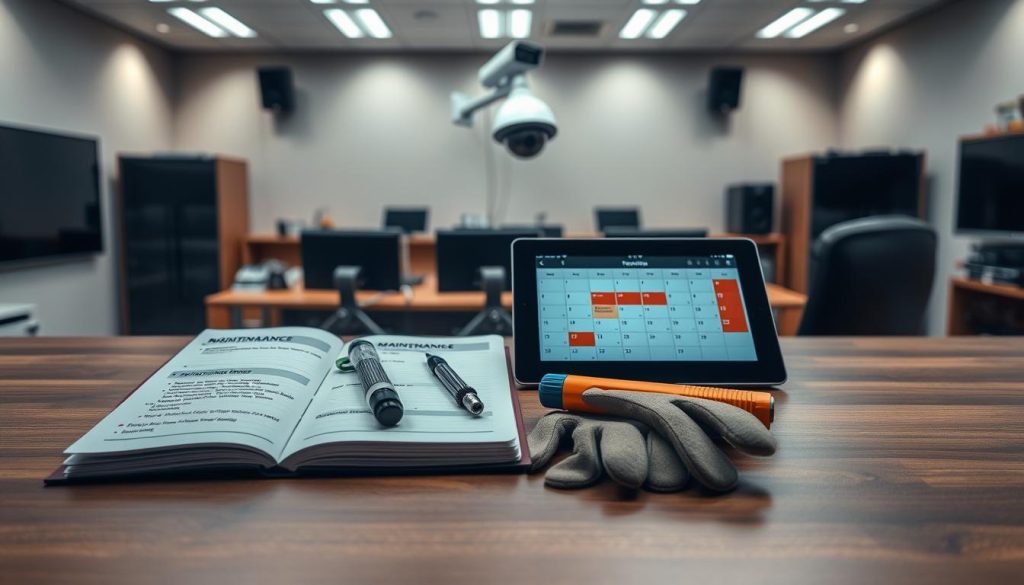
Your surveillance system is a critical layer of protection for any property in Singapore. Like any complex electronic equipment, it requires consistent care to function at its best. Without a proper maintenance plan, your security cameras can fail when you need them most. Statistics reveal a clear connection between upkeep and reliability. Regular maintenance can reduce equipment failures by nearly one-third. Shockingly, over 80% of system malfunctions stem from inadequate routine checks. This isn’t about following a rigid calendar. The ideal service frequency depends on several factors unique to your setup. Environmental conditions, camera placement, and system age all play a role in determining the right schedule. Neglecting this responsibility carries real risks. A compromised surveillance system leaves assets and people vulnerable. It can also create legal complications if footage is needed for investigations but is unavailable due to technical failure. This guide provides practical advice for property owners and managers. We’ll explore what proactive upkeep involves and how to establish a routine that works for your specific security needs in Singapore’s climate. Key Takeaways Proactive maintenance prevents up to 30% of equipment failures in surveillance systems. Most CCTV malfunctions result from insufficient routine checks and cleaning. Service frequency is not universal; it depends on environmental factors and usage. A well-maintained system extends its operational lifespan and avoids costly emergency repairs. Regular upkeep ensures your security investment remains reliable and legally compliant. Developing a maintenance plan is essential for protecting both property and people. The Critical Role of Regular CCTV Maintenance A disciplined maintenance routine transforms security cameras from passive devices into active deterrents. This proactive approach addresses potential problems before they compromise your entire setup. Think of it as health check-ups for your property’s eyes. Without consistent care, even the most advanced equipment becomes unreliable. The consequences extend beyond mere inconvenience to genuine risk. Ensuring Uninterrupted Security and Surveillance A single offline camera creates a dangerous blind spot. Criminals actively look for these vulnerabilities in any surveillance setup. Your system’s effectiveness depends entirely on every component working correctly. Regular checks guarantee several critical functions: Proper camera alignment to cover intended areas Clear focus for identifiable footage Continuous recording when incidents occur Immediate detection of tampering or obstruction As one security expert noted: “A camera that isn’t maintained is worse than no camera at all. It creates a false sense of security while providing zero evidential value.” This reality makes routine inspections non-negotiable for serious protection. Protecting Your Investment and Avoiding Costly Repairs Scheduled upkeep represents a predictable, manageable expense. Emergency repairs or full system replacements carry staggering price tags. The financial math strongly favors prevention. Consider these compelling comparisons: Neglected CCTV cameras typically last 2-3 years before major failures Well-maintained systems regularly operate effectively for 5-7 years or longer Routine servicing costs are fixed and budget-friendly Unexpected breakdowns require immediate, expensive solutions Early detection of issues like corrosion or connection damage prevents cascading system failures. This proactive care extends equipment life dramatically. You protect both your initial purchase and avoid disruptive capital expenditures later. Complying with Legal and Insurance Requirements in Singapore Singapore’s regulatory environment places specific demands on surveillance systems. Various industries must maintain footage integrity for compliance purposes. Insurance providers increasingly require proof of proper system maintenance. Key considerations include: Data retention periods for investigative purposes Footage clarity standards for legal evidence System reliability documentation for insurance claims Maintenance logs demonstrating due diligence Proper records show you’ve taken reasonable steps to keep your security operational. This documentation can be crucial during disputes or claims investigations. Maintaining your system isn’t just about technology—it’s about fulfilling your duty of care. How Often Should CCTV Be Serviced? Determining the right service frequency for your security cameras depends on multiple factors. There is no universal timetable that fits every installation. Your specific environment, usage patterns, and equipment type all influence the ideal schedule. A structured approach combines routine visual inspections with periodic professional attention. This layered strategy catches minor issues before they escalate. It ensures continuous protection for your property and assets. Standard Recommended Service Intervals Industry experts suggest a tiered maintenance framework. This approach balances thoroughness with practicality. Different intervals address various aspects of system care. Most security professionals recommend this basic schedule: Monthly Visual Checks: Quick inspections of camera angles, lens clarity, and housing condition. Look for obvious problems like spider webs or physical damage. Quarterly Comprehensive Inspections: More detailed reviews of connections, storage health, and software status. Verify recording continuity and playback quality. Annual Deep Cleaning and Diagnostics: Professional servicing that includes internal component checks, firmware updates, and thorough cleaning. This framework provides consistent upkeep without overwhelming resources. It helps maintain optimal performance throughout the year. High-Traffic vs. Low-Traffic Area Schedules Camera placement dramatically affects maintenance needs. Devices in demanding environments require more frequent attention. Compare these two common scenarios. High-Traffic Locations like retail entrances or loading docks need rigorous care. Constant movement, dust, and potential tampering create additional wear. Monthly professional checks are often advisable here. One facility manager noted: “Our front entrance cameras need cleaning every three weeks. The foot traffic creates a film on the lenses that affects image quality. Regular maintenance keeps them crystal clear.” Low-Traffic Areas such as warehouse corners or storage rooms have lighter demands. Quarterly inspections usually suffice for these cameras. They experience less environmental stress and physical contact. This differential approach optimizes both security and budget. It directs resources where they’re most needed. The Baseline: Annual Professional Servicing Regardless of location or usage, every cctv system needs yearly expert attention. This comprehensive service forms the foundation of responsible cctv maintenance. Certified technicians perform tasks beyond typical user capability. A thorough annual visit should include: Internal component inspection for corrosion or wear Precision lens cleaning with proper tools Electrical connection testing and tightening Full diagnostic review of system health Verification of backup systems and fail-safes In Singapore’s humid climate, this yearly check becomes even more critical. Moisture accelerates equipment degradation. Professional inspections identify climate-related issues early. Think of annual servicing
How often should CCTV be serviced? Maintenance Tips Read More »