ED VISTON

Blog

outdoor camera lifespan

How long do outdoor cameras last? Expert Tips

Investing in property protection means thinking about durability. You want security solutions that stand the test of time. For homeowners and business owners in Singapore, understanding the expected service life of your surveillance systems is crucial. The typical operational period for these devices spans a wide range. Most units function well for 4 to 10 years. This variation isn’t random. It depends heavily on build quality, installation location, and ongoing maintenance. Premium brands often engineer their products for greater longevity. They use materials that better resist Singapore’s humid and hot climate. Cheaper alternatives might save money upfront but often have a shorter functional lifespan. This guide provides expert, actionable advice. We’ll show you how to get the most from your investment. Proper care and smart installation are not just suggestions. They are essential practices for reaching that upper range of 10 years or more. Whether you’re planning a new purchase or maintaining an existing setup, this resource is for you. Our goal is to help ensure your property remains protected, season after season. Key Takeaways The functional period for most exterior surveillance units ranges from 4 to 10 years. Build quality from the manufacturer is a primary factor influencing this timeframe. Strategic placement and regular upkeep are vital for maximizing service life. Singapore’s specific weather conditions demand equipment built for humidity and heat. Proactive maintenance is a required practice, not an optional one, for optimal performance. Understanding this longevity helps in planning and budgeting for your property’s security. Understanding the Lifespan of Outdoor Security Cameras Service life for property monitoring systems depends on an interconnected set of critical elements. It’s not a single expiration date stamped on the box. Instead, think of it as a range influenced by three main pillars. These pillars are build quality, environmental exposure, and consistent maintenance. Each one plays a vital role in determining how many years your security cameras will operate effectively. Ignoring any of them can shorten the functional period significantly. The first pillar is the inherent durability engineered by the manufacturer. High-grade components and robust construction create a stronger foundation. This sets the baseline for how long the equipment can potentially function. Better materials, like metal housings, resist wear better than plastic. Superior cctv systems from reputable brands are built to this standard. They invest in weatherproofing and component quality from the start. The installation environment acts as the second, relentless pillar. Exterior units face constant challenges that indoor devices avoid. Sunlight, rain, heat, and humidity work together to degrade materials over time. In Singapore, high humidity and intense UV exposure are particularly tough. These conditions can accelerate wear on seals, lenses, and electronic parts. Proper placement helps mitigate some of this stress. The third pillar is regular upkeep, which is completely within your control. Maintenance is your primary tool for fighting environmental damage. A simple cleaning schedule and software updates make a huge difference. This proactive care combats the natural wear from the elements. It helps your surveillance equipment reach its maximum potential life. Without it, even the best-built camera will fail sooner. Different technologies also have varying inherent longevity. Traditional analog camera models often last 5 to 10 years. Their simpler design has fewer sensitive electronic components to fail. Modern IP cameras, with advanced features, typically have a shorter 3 to 5 year expectancy. Their complex processors and sensors are more vulnerable to environmental stress. This is a key factor in your purchasing decision. Understanding these factors gives you power. You can choose equipment wisely and implement care routines that work. This knowledge transforms lifespan from a mystery into a manageable variable. The following sections will explore each pillar in detail. We’ll provide a complete blueprint for maximizing your system’s service years. You’ll learn specific actions to protect your security investment. How Long Do Outdoor Cameras Last? The Average Lifespan The durability of monitoring technology varies widely, creating a broad range for its expected years of operation. This spectrum, typically from four to ten years, depends on several key factors. Your choice of technology and equipment grade is the primary driver behind where your system falls within this band. Concrete numbers help set proper expectations for your security investment. Most standard outdoor cameras provide reliable service for four to six years. This is generally less than their indoor counterparts due to constant environmental exposure. General Lifespan Expectations: From 4 to 10 Years Why such a broad timeframe? The 4-to-10-year average exists because not all units are created equal. Placement, brand reputation, and basic maintenance cause this spread. Performance typically declines gradually as a camera nears its end of life. You might notice faded colors, increased image noise, or slower response times. Persistent fogging inside the lens is another common sign of aging seals. This decline signals that internal components are succumbing to wear. It marks the transition from peak performance to a need for replacement planning. Analog vs. IP Cameras: A Durability Comparison The core engineering of your surveillance gear significantly impacts its durability. Older analog cctv models and modern IP units are built on different principles. Analog devices use simpler circuitry with fewer heat-sensitive parts. This robust design often allows them to function for five to ten last years. Their longevity comes from this fundamental simplicity. Modern IP cameras pack dense electronics and processors into their housings. These advanced features generate more heat and are more vulnerable to environmental stress. Consequently, their average functional period is shorter, around three to five years. Camera Type Average Lifespan Key Construction Note Analog CCTV 5 – 10 years Simple, low-heat circuitry; robust against elements. IP Network Camera 3 – 5 years Complex electronics; more prone to heat degradation. Professional-Grade vs. Consumer-Grade Systems The divide between commercial and residential equipment is stark. Professional-grade systems are engineered for maximum durability in demanding conditions. They feature metal housings, superior weatherproofing, and rigorously tested components. This build quality supports a service life of seven to ten years. The initial cost is higher, but the longevity

How long do outdoor cameras last? Expert Tips Read More »
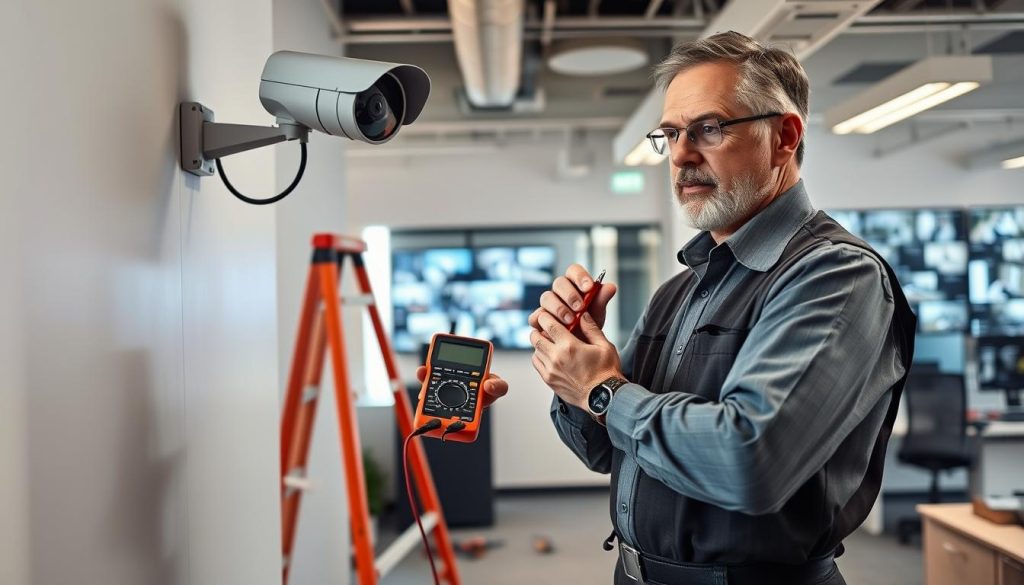
CCTV maintenance professional at work

What is CCTV Maintenance? Essential Tips and Tricks

Keeping your surveillance equipment working properly requires regular attention. This ongoing process involves scheduled inspections, cleaning, and software updates for your security cameras and recording devices. In Singapore’s tropical climate, high humidity and heat can damage electronic components. Regular care ensures your footage remains clear when you need it most. Proactive upkeep is far cheaper than emergency repairs after a failure. Without consistent care, lenses become dirty and images blurry. Systems may fail completely during critical moments. This leaves properties vulnerable and creates security gaps. Our guide provides practical steps to protect your investment. You’ll learn how to extend equipment life and maintain reliable protection. Following these practices brings peace of mind and ensures compliance with local standards. Key Takeaways Regular upkeep keeps surveillance systems reliable and effective. Singapore’s humid environment makes consistent care especially important. Proactive measures prevent costly breakdowns and security failures. Clean lenses and updated software ensure high-quality video footage. A maintained system provides better evidence and deters criminal activity. Scheduled checks extend the lifespan of your security equipment. Proper care ensures compliance with surveillance regulations and standards. Why Your CCTV System Demands Regular Attention Regular oversight transforms your video monitoring from a passive installation into an active defense layer. Without disciplined care, even the most advanced setup becomes vulnerable. This ongoing commitment ensures your security measures actually work when needed most. The High Cost of Neglect: Security Breaches and Failures Research reveals alarming connections between poor upkeep and security failures. Studies indicate that 87% of breaches could be prevented with regular checks. Neglecting this essential care significantly boosts the chance of total system failure. Consider a camera failing during a break-in due to corrupted storage. A power issue might leave critical areas unmonitored. These real scenarios create dangerous security gaps that criminals exploit. In Singapore, where property crime remains a concern, such failures carry serious consequences. Your surveillance becomes useless if it cannot record crucial events. This vulnerability puts both assets and people at unnecessary risk. Boosting Reliability and Extending Equipment Lifespan Consistent care delivers measurable benefits for your security investment. Data shows proper upkeep can lower malfunction chances by up to 30%. This dramatic improvement directly protects your property and peace of mind. Cameras, recorders, and other components last significantly longer with scheduled attention. You avoid premature replacement costs that strain budgets. This approach safeguards your initial financial outlay over many years. Fewer breakdowns mean less emergency downtime. Your surveillance operates continuously without unexpected interruptions. This reliability is especially valuable for commercial properties requiring constant monitoring. Staying Compliant with Singapore’s Surveillance Standards Singapore’s Personal Data Protection Act (PDPA) governs how surveillance systems operate. Properly maintained equipment ensures you meet these legal requirements. Footage must be clear and reliably recorded to be admissible when needed. Regular checks help respect privacy boundaries defined by regulations. You avoid potential legal complications from improperly functioning cameras. This compliance is not optional for responsible property owners. Your maintenance routine should include verifying recording quality and storage integrity. These steps guarantee your system performs its fundamental security role without fail. They transform your setup from a simple installation into a trustworthy protective measure. What is CCTV Maintenance? A Complete Definition Proper surveillance system care encompasses far more than occasional lens wiping. It represents a structured program of actions designed to keep every component functioning optimally. This comprehensive approach ensures your protective measures remain effective over time. Effective upkeep involves scheduled checks, thorough cleaning, timely software updates, and necessary repairs. The goal is maintaining perfect operational condition for all security equipment. Regular attention helps spot potential problems before they escalate into expensive failures. Beyond Basic Cleaning: A Holistic System Approach Many people mistakenly believe upkeep only involves wiping camera lenses clean. In reality, it requires attention to the entire surveillance ecosystem. Each component plays a crucial role in overall performance and reliability. A complete program examines cameras, lenses, and protective housings. It also includes wiring, power supplies, and storage devices like DVRs or NVRs. Network infrastructure like switches and routers must function properly too. Practical tasks include verifying cable integrity against weather damage. Technicians check storage capacity to prevent footage loss from full drives. They ensure network connections remain stable for remote viewing access. This holistic method moves beyond superficial cleaning to address root causes. It prevents minor issues from cascading into major system failures. Your investment receives comprehensive protection through this complete approach. Preventative vs. Corrective: The Two Core Philosophies Security upkeep follows two distinct methodologies with different outcomes. Understanding these approaches helps you choose the right strategy for your property. Preventative care involves proactive, scheduled actions designed to stop problems before they start. This systematic method includes regular inspections and firmware updates. It focuses on identifying weak points during routine checks. Corrective action represents reactive fixes implemented after a failure occurs. Examples include replacing a dead camera or recovering data from a failed hard drive. This approach addresses problems only when they become apparent. Professional services strongly advocate for the preventative philosophy. Scheduled attention proves more systematic and causes less operational disruption. It ultimately costs less by avoiding emergency call-out fees and critical security gaps. Common preventative tasks include quarterly functional testing and annual calibration. Contrast these with corrective actions like urgent repairs after vandalism or storm damage. The former maintains continuous protection while the latter restores broken security. Quality maintenance plans structure their services around preventative principles. This maximizes system uptime and ensures reliable surveillance coverage. Your property remains protected through planned, predictable attention rather than panic responses to failures. The Core Pillars of an Effective Maintenance Routine The backbone of reliable security monitoring involves a disciplined approach to essential tasks. Moving from theory to practice, we outline the three fundamental activities that form the foundation of any robust upkeep plan. These pillars work together to ensure your surveillance operates at peak performance. Regular Physical Inspections and Functional Testing Hands-on checks are your first line of defense against physical degradation. A thorough inspection verifies camera mounts remain tight

What is CCTV Maintenance? Essential Tips and Tricks Read More »

CCTV camera damage prevention

What can damage a CCTV camera? Prevention Guide

Your surveillance system is a critical investment for property security in Singapore. These electronic eyes work tirelessly to monitor your premises and record important footage. However, various threats can compromise their performance and lifespan. Understanding these risks is essential for maintaining reliable security coverage. Singapore’s tropical climate presents unique challenges. Intense rain, high humidity, and heat can lead to water damage and corrosion over time. Physical threats like vandalism also pose serious risks. Spray paint, blocked lenses, or forceful impacts can render equipment useless in moments. Technical issues are another concern. Power surges from lightning storms or incorrect camera settings affect image quality and system reliability. In today’s connected world, network security matters too. Unsecured systems risk unauthorized access and compromised data. This guide explores the full spectrum of vulnerabilities. We’ll provide actionable solutions to protect your surveillance investment for the long term. Key Takeaways Surveillance systems face multiple threats in Singapore’s environment Climate factors like rain and humidity can cause corrosion and water damage Physical vandalism remains a common risk to security equipment Technical failures from power issues affect system performance Network security is crucial for preventing unauthorized access Protection requires a multi-layered approach to security Regular maintenance extends the lifespan of your surveillance investment Introduction: Protecting Your Security Investment in Singapore For Singaporean homeowners and business operators, visual monitoring systems provide essential peace of mind and documented evidence. These electronic sentinels watch over properties day and night. They capture crucial footage that protects assets and deters unwanted activity. However, installation alone does not guarantee lasting protection. A proactive approach is fundamental for maintaining surveillance integrity. Understanding potential compromises allows for stronger defensive strategies from the start. Singapore’s tropical climate presents distinct challenges for electronic equipment. High humidity permeates the air year-round. Frequent thunderstorms bring intense rain and powerful electrical surges. This environment can lead to moisture damage and corrosion inside sensitive components. Power fluctuations from storms pose another serious risk. Both factors threaten the reliability of your monitoring technology. Physical threats exist alongside environmental ones. Vandalism occurs in both public and private spaces across the city. Strategic placement and protective housings form the first line of defense against such acts. Overlooking technical maintenance and network security often leads to system failure at critical moments. Many users discover cybersecurity weaknesses only after a breach occurs. Regular firmware updates and secure passwords are non-negotiable for modern systems. Pre-emptive hardening of your setup prevents these common oversights. The longevity of your surveillance investment depends on three key factors: Correct installation following best practices Quality equipment selection suited to local conditions Consistent upkeep through scheduled maintenance Clear image quality and reliable video footage stem from this combination. When one element falters, overall performance suffers. This guide serves as a practical manual for the Singapore context. We translate common surveillance problems into actionable solutions. Our focus remains on real-world applications for local homes and businesses. By the conclusion, you will possess a complete blueprint for assessment and fortification. You’ll learn to evaluate your current security systems effectively. Practical steps for enhancement will become clear. Key technical concepts will be explained in simple terms: IP ratings measure weather resistance against dust and water IK ratings indicate impact protection levels Surge protectors and UPS units guard against power instability Network security protocols shield your data from unauthorized access Protecting your monitoring equipment is both manageable and critical. The task directly impacts the reliability of your entire security performance. With proper knowledge and tools, you can extend the operational life of your investment significantly. Your vigilance today ensures continuous protection tomorrow. Let’s explore how to build resilience into every aspect of your surveillance setup. What Can Damage a CCTV Camera? The Primary Threats A resilient security system begins with a clear map of potential threats. Your monitoring equipment faces challenges from multiple directions. We categorize these risks into four main areas. Understanding each one is the first step toward effective protection. Location plays a huge role in your risk profile. High-traffic zones invite more interference. Areas with a history of tampering need stronger defenses. Spots exposed to the elements or with unstable electrical supply are also high-risk. Let’s break down the primary threat vectors you need to know. Environmental and Weather-Related Damage Singapore’s tropical climate is a relentless test for electronics. Constant high humidity threatens internal components year-round. Torrential rain can lead to water ingress if seals fail. This moisture causes corrosion on circuit boards and connectors over time. Prolonged exposure to extreme heat is another silent killer. It can degrade sensitive parts and cause systems to overheat. The result is often distorted image quality or total failure. Outdoor units bear the full brunt of these conditions. Physical Damage and Vandalism Deliberate acts against surveillance hardware are a common concern. These attacks aim to blind your system instantly. Spray paint on the lens is a frequent tactic. A direct physical strike can shatter housings and internal parts. Tampering with cables is another simple but effective method. Any of these acts can cause immediate and total loss of video. Vandalism often targets the most visible cameras, making strategic placement a key deterrent. Outdoor installations in accessible locations are inherently more vulnerable. This makes physical protection a top priority. Technical and Power System Failures Your equipment relies on stable electricity to function. Singapore’s electrical grid can experience voltage fluctuations. Nearby lightning strikes induce powerful surges through lines. These spikes can fry sensitive camera electronics in a moment. Network video recorders (NVRs) are equally at risk. A single surge can wipe out your entire recording system. Such technical failures lead to unexpected system downtime. Critical moments may pass without any footage being captured. Cybersecurity Breaches Modern IP-based systems face digital threats. Weak passwords or unsecured networks are the main entry points. Hackers seek unauthorized access to live video feeds. They can also compromise stored footage on your network. This breach defeats the entire purpose of your surveillance investment. Privacy and security are both undermined. Network vulnerabilities are a

What can damage a CCTV camera? Prevention Guide Read More »

CCTV camera troubleshooting

What is the common problem of CCTV camera? Troubleshooting Guide

Surveillance systems form a critical layer of protection across Singapore. With camera coverage in over 90% of public areas, these eyes never blink. Yet even the most robust security setup can encounter frustrating glitches. This guide serves as your first line of defense. We address the frequent failures that can plague any monitoring setup. From flickering images to complete blackouts, we cover the spectrum. Singapore’s unique environment adds specific challenges. High humidity and intense tropical heat accelerate wear on equipment. Urban density creates complex network interference issues. You will find practical steps to diagnose and fix these malfunctions. Learn to optimize settings for local lighting and implement strong weatherproofing. Our goal is to restore your system’s reliability and your peace of mind. Key Takeaways Singapore’s security heavily relies on extensive surveillance networks. Environmental factors like humidity and heat cause specific equipment failures. Most issues fall into power, network, or image quality categories. Basic troubleshooting can resolve many common malfunctions. Professional help is needed for complex electrical or network problems. Regular maintenance prevents most frequent system breakdowns. Proper camera settings adaptation is crucial for Singapore’s conditions. The Critical Role of CCTV in Singapore’s Security Landscape Modern Singapore employs a vast array of monitoring devices that work tirelessly to protect citizens and property. This network forms the backbone of both public safety and private security across the island. Coverage extends to nearly 90% of public spaces, creating a comprehensive deterrent against criminal activity. This extensive surveillance presence has become increasingly vital as crime rates have risen by over 25% in recent years. For homeowners and businesses alike, maintaining fully functional monitoring equipment is no longer optional. System failures can create dangerous blind spots during critical moments. The effectiveness of these security systems depends on consistent performance. Regular maintenance and understanding local challenges ensure cameras remain reliable eyes on your property. Unique Environmental Challenges: Humidity, Heat, and Urban Density Singapore’s equatorial climate tests surveillance equipment like few other environments can. High humidity levels averaging 90% cause specific, recurring issues for outdoor installations. Moisture leads to lens condensation that blurs footage. More seriously, it accelerates corrosion on circuit boards and electrical connectors. Statistics show humidity causes 70% of all weather-related equipment failures here. Intense, year-round sunlight presents another major challenge. Approximately 40% of outdoor cameras experience image distortion from prolonged exposure. This “sun burnout” damages sensitive sensors and can cause infrared filters to fail within just one year. Urban density in HDB estates and commercial districts creates signal interference problems. Multiple Wi-Fi networks and electronic devices challenge wireless camera performance. Careful frequency selection and strategic placement become essential. Coastal installations face additional threats from salt spray during monsoon seasons. These areas report 30% more outages during heavy rainfall periods. Proper weatherproofing from the start prevents many of these issues. Balancing Surveillance Needs with HDB Corridor Regulations Installing monitoring equipment in HDB corridors requires careful planning. Residents must balance legitimate security concerns with strict privacy regulations. Cameras should only capture your own doorway and immediate vicinity. Angling devices to avoid recording neighbors’ activities is both respectful and legally necessary. This approach maintains good community relations while achieving effective coverage. Choosing the right hardware matters greatly in these shared spaces. Discreet, well-placed units that focus on specific areas work best. Professional installers understand how to maximize security without violating guidelines. Understanding these unique Singaporean challenges represents the first step toward reliable protection. Strategic placement, proper weatherproofing, and environmentally rated hardware form the foundation of any durable surveillance system. What is the Common Problem of CCTV Camera? A Top-Level Overview Most surveillance system breakdowns can be traced back to just a few recurring issues. Recognizing these patterns transforms frustrating glitches into solvable puzzles. Equipment malfunctions typically cluster into three primary areas. These categories provide a diagnostic roadmap for any monitoring setup. Power supply instability – the leading cause of failures Network connectivity hurdles – disrupting video feeds Image quality degradation – rendering footage useless Understanding this framework saves significant troubleshooting time. Symptoms often point directly to their underlying cause. Power irregularities affect a staggering 58% of malfunctioning surveillance equipment. These issues manifest as flickering displays, unexpected shutdowns, or complete blackouts. Inconsistent electricity flow damages sensitive components over time. Voltage spikes during Singapore’s frequent thunderstorms exacerbate this vulnerability. Network and IP configuration problems rank as the second most frequent headache. IP address conflicts alone cause 28% of all surveillance outages. Multiple devices competing for the same digital address create communication chaos. This is especially common in dense urban environments with numerous connected gadgets. Image quality issues frustrate users expecting clear evidence. Surprisingly, 80% of these problems stem from simple dirty lenses. Dust, spider webs, and water spots accumulate unnoticed. Regular cleaning maintains optical clarity for reliable monitoring. Effective troubleshooting begins by asking which category matches your symptoms. This systematic approach prevents wasted effort on irrelevant fixes. Singapore’s environment creates unique challenges for surveillance gear. The constant 90% humidity directly causes lens condensation and accelerated hardware corrosion. These environmental factors contribute to approximately 30% of system breakdowns locally. Moisture penetrates seemingly sealed housings during prolonged monsoon seasons. Other frequent malfunctions include devices not recording despite having power. Failed SD cards, ground loop interference causing humming, and poor night vision performance also plague many setups. Infrared illuminators degrade faster in tropical heat. Their reduced range leaves critical areas in darkness when needed most. This overview establishes a foundation for the detailed guides that follow. Each subsequent section dives deep into specific solutions for these common challenges. Your surveillance system’s reliability depends on recognizing these patterns early. Quick identification leads to faster restoration of your security coverage. Diagnosing and Solving Power Supply Failures Electrical irregularities stand as the primary adversary to reliable camera operation. Without stable current, your entire surveillance setup becomes vulnerable. This section guides you through identifying and fixing these critical power issues. Power supply failures account for over half of all monitoring malfunctions. They manifest in various disruptive ways that compromise security coverage. Understanding these symptoms is

What is the common problem of CCTV camera? Troubleshooting Guide Read More »

cctv camera installation and maintenance

When Should I Replace My CCTV Camera? Signs It’s Time

Effective property protection requires reliable security equipment. In Singapore’s dynamic environment, maintaining a vigilant watch over your premises is essential. Your surveillance system forms the first line of defense against potential threats. A proactive approach to equipment maintenance is far more cost-effective than reacting to a failure. Waiting for a complete system breakdown can create dangerous security gaps. Regular assessment helps you stay ahead of potential issues. Outdated technology may fail to capture usable footage when you need it most. Blurry images, poor night vision, and system glitches compromise your safety. These problems can leave you vulnerable during critical moments. This guide explores clear signs that indicate an upgrade is necessary. We will examine physical deterioration, performance issues, and technological obsolescence. You’ll learn how to conduct a practical needs assessment for your property. Key Takeaways Timely upgrades to your security equipment are crucial for maintaining protection. A proactive approach prevents security gaps and is more cost-effective than emergency replacements. Outdated systems often produce unreliable footage that may not serve as valid evidence. Technological advancements offer significant improvements in image quality and features. Regular assessment helps identify deterioration before complete system failure occurs. Modern systems provide better integration with other security and smart home devices. Delaying necessary replacements can lead to non-compliance with evolving security standards. The Critical Role of CCTV in Modern Singapore Security In Singapore’s urban landscape, surveillance systems form a critical layer of protection for both residences and commercial spaces. These security solutions are fundamental, not optional, for comprehensive property defense. Their visible presence alone creates a powerful psychological barrier against unlawful activity. Potential offenders often seek easier targets without obvious monitoring. Well-placed cameras significantly reduce this appeal. This deterrent effect is a primary benefit of maintaining functional security infrastructure. A startling statistic reveals a major flaw in many existing setups. Approximately 80% of CCTV footage submitted in court cases proves unhelpful. The main culprit is poor image quality that fails to capture identifiable details. Modern surveillance technology directly addresses this evidential gap. High-resolution recording and enhanced night vision capture crucial details like facial features and license plates. This clarity transforms video from mere recording into compelling legal evidence. Today’s advanced systems offer constant connectivity through remote monitoring. Property owners can view live feeds from smartphones or computers anywhere. This capability provides real-time awareness and immediate response potential. These security tools integrate seamlessly with broader networks and smart home automation. They create a layered defense strategy rather than operating in isolation. Integration enhances overall protection through coordinated alerts and responses. Reliable surveillance directly supports faster emergency response. Clear footage enables effective collaboration with law enforcement agencies. Officers can assess situations accurately before arriving, improving outcomes. For Singaporean homes and businesses, robust monitoring is an investment in safety and legal preparedness. It ensures that if an incident occurs, the evidence collected will be of genuine value. Understanding CCTV Camera Lifespan: What to Expect Security system longevity varies significantly based on technology type and usage environment. Establishing realistic expectations helps with maintenance planning and budget allocation. This knowledge prevents unexpected failures that compromise property safety. The average operational window for surveillance devices spans three to ten years. This broad range reflects different technologies and construction qualities. Cameras usually last within this spectrum, but specific factors determine exact duration. Average Lifespan Ranges for Different Camera Types Traditional analog systems demonstrate notable durability in many installations. These cameras often provide reliable service for five to ten years. Their simpler electronics contribute to this extended operational life. Modern IP-based cameras incorporate sophisticated internal components. Advanced processors and sensors enable superior functionality. This complexity means IP cameras usually last between three and five years. Build quality creates another important distinction. Residential-grade models serve adequately for typical home use. Commercial cameras are engineered for continuous operation and harsh conditions. Industrial-grade devices from brands like Avigilon represent the durability standard. These professional systems are built with premium materials. Commercial cameras frequently remain functional for five to ten years. Recording equipment follows a separate timeline from the cameras themselves. Network Video Recorders (NVRs) and Digital Video Recorders (DVRs) often operate effectively for extended periods. These units can function reliably for five to ten years, sometimes outlasting the cameras they support. Analog surveillance systems: 5-10 year typical service life IP-based network cameras: 3-5 year average operational window Commercial-grade equipment: 5-10 year durability expectation Recording hardware (NVR/DVR): Often lasts 5-10 years Remember these figures represent general guidelines rather than guarantees. Actual performance depends on installation quality, environmental conditions, and maintenance practices. The next section explores specific factors that shorten or extend equipment life. Understanding these timelines helps assess your current security setup. You can determine if devices operate within their expected window. This awareness supports proactive planning rather than reactive replacements. From installation practices to local climate, numerous factors dictate how long cameras remain effective. A surveillance device’s operational window depends on how these elements interact over time. Key Factors That Shorten or Extend Camera Life Environmental conditions rank as the primary threat to equipment durability. Singapore’s tropical climate presents unique challenges with constant high humidity and temperature fluctuations. Coastal areas add corrosive salt air to the mix. Dust accumulation also accelerates wear on moving parts and lenses. Proper installation and protective housing create the first defense. Outdoor units require an IP65 rating or higher to withstand harsh weather. Enclosures shield delicate electronics from direct environmental exposure. Usage patterns directly impact internal component stress. Cameras recording continuously experience more wear than motion-activated models. Pan-tilt-zoom mechanisms need extra care due to their mechanical complexity. Manufacturing quality establishes the durability foundation. Brands like Axis and Hikvision use premium materials in commercial-grade equipment. These components are designed to last longer under demanding conditions. Proactive cctv maintenance represents the key user-controlled factor. Regular checks help keep your system working in top shape. This routine attention ensures everything is working well and can last longer. Technological obsolescence sometimes forces upgrades before physical failure. Older systems may lack compatibility with modern networks. This advancement

When Should I Replace My CCTV Camera? Signs It’s Time Read More »

Can CCTV Run Without Internet? Explained

Many property owners in Singapore wonder about their surveillance options. They ask if modern security systems need constant online access. The answer is simpler than you might think. Traditional surveillance technology was designed to function independently. These systems capture and store footage locally. An internet connection adds useful features but isn’t essential for core recording. This knowledge is vital for Singapore’s diverse landscapes. Urban condominiums and remote rural properties both need reliable protection. A system that works offline offers flexibility for any location. You gain enhanced data privacy and immunity to network outages. Your surveillance remains active even during internet disruptions. This guide explains how these standalone systems operate effectively. Key Takeaways Basic surveillance systems can record and store footage without any internet connection. Internet access is an enhancement for features like remote viewing, not a core requirement. Offline systems provide superior data privacy and security for your property. They offer reliable operation in areas with poor or unstable network connectivity. Local storage on hard drives or SD cards ensures continuous recording. Setting up a standalone system involves connecting cameras directly to a recorder. Popular models in Singapore designed for offline use include 4G cellular security cameras. Why This Question Matters for Security in Singapore Recent trends in Singapore highlight a pressing need for surveillance solutions that remain operational under all conditions. A reliable monitoring setup is no longer a luxury but a fundamental component of property protection. Official data reveals a concerning rise in incidents like theft. Reports indicate an increase of over 25% in the first half of 2023 alone. This statistic underscores the critical role of consistent, uninterrupted surveillance. For business owners, particularly in retail, a visible security presence is a powerful deterrent. It helps prevent shoplifting and internal losses, safeguarding both inventory and profits. The assurance of 24/7 recording protects commercial assets effectively. Homeowners across Singapore share this concern. Those living in HDB flats, condominiums, and landed properties seek peace of mind. They require a security system that won’t fail during a network outage or in spots with poor WiFi coverage. The city-state’s geography adds another layer of complexity. Not all locations guarantee stable, high-speed internet. Essential sites that benefit from constant monitoring include: Remote industrial and construction zones Offshore facilities and warehouses Rural properties and large estates In these areas, an offline-capable setup is not just convenient—it’s essential. A functional surveillance system provides more than just recorded footage. It establishes a proactive security presence that can prevent incidents before they occur. The evidence gathered by CCTV cameras is invaluable. It aids Singaporean law enforcement in swift investigations and supports insurance claims after an event. This makes the reliability of the recording system a cornerstone of legal and financial protection. Understanding that security cameras can operate independently of an internet connection expands options. It allows residents and business leaders to design a surveillance solution tailored to their specific infrastructure. This knowledge empowers smarter investments in technology that offers true resilience. Can CCTV Run Without Internet? The Direct Answer When evaluating surveillance options, many Singaporean homeowners and business operators question what infrastructure is truly necessary. The straightforward answer is a definitive yes. Modern security systems are engineered to perform their primary duty independently. The core function of video surveillance—capturing and storing footage—happens locally. Cameras record directly to an on-site digital video recorder or memory card. This process requires no external network to operate effectively. Online access serves as an enhancement, not a requirement. It enables convenient features like checking a live feed from your smartphone. Remote alerts and cloud backup are valuable add-ons to the fundamental recording capability. A properly configured standalone system maintains operation during various disruptions. Your monitoring continues if a WiFi router fails or broadband service drops. It remains active in locations with poor or nonexistent web connectivity. A common misconception suggests all contemporary devices need constant web access. This stems from the popularity of app-controlled and cloud-based models. Traditional and purpose-built offline arrangements remain powerful and reliable for property protection. This capability proves crucial for maintaining security during network maintenance. It’s essential during ISP outages or in off-grid areas found throughout Southeast Asia. Your surveillance doesn’t pause when external connections falter. Subsequent sections will explore the specific technologies enabling this offline functionality. We’ll examine NVR/DVR systems, local storage solutions, and cellular-powered alternatives. These methods make independent operation not just possible but highly dependable. Understanding this fundamental point offers significant liberation. Property owners are no longer tethered to a single point of failure—their internet connection. You can design a resilient security strategy that works under virtually any condition. Understanding CCTV: More Than Just Internet Cameras Security technology often gets simplified to just being ‘online cameras,’ but this misses the fundamental design of traditional surveillance. Modern monitoring solutions have deep roots in standalone, self-contained architectures. Grasping this foundation reveals why constant web access is optional, not mandatory. Defining Closed-Circuit Television (CCTV) The name itself holds the key. Closed-Circuit Television means the video signal travels through a private, dedicated loop. This feed transmits to a specific set of monitors within a controlled environment. It does not broadcast publicly like television signals. The circuit remains “closed” to outside access by design. This inherent privacy forms the backbone of traditional security monitoring. The term ‘closed-circuit’ explicitly denotes a self-contained operation. Video data moves from capture to viewing without entering the public web. This architecture makes external network connectivity an added feature for convenience. Core Components of a Surveillance System Every functional monitoring arrangement relies on several essential parts working together. These elements create a complete local ecosystem for capturing, processing, and storing visual data. Capture Devices: The Cameras Different camera technologies serve various needs. Analog models connect to a Digital Video Recorder (DVR) using coaxial cables. Internet Protocol (IP) cameras link to a Network Video Recorder (NVR) via network cables or WiFi. High-definition over coax hybrids offer a middle ground. They provide superior image quality while using existing cabling infrastructure. Each type can operate effectively on a

Can CCTV Run Without Internet? Explained Read More »

CCTV maintenance professional at work

Types of Maintenance of CCTV: A Comprehensive Guide

Your surveillance setup is only as strong as its upkeep. In Singapore’s humid climate, cameras and recording equipment face constant environmental stress. A strategic maintenance plan transforms your cctv systems from passive hardware into an active security asset. This guide explores the core methodologies for sustaining your visual surveillance network. We detail three essential approaches: preventive, corrective, and predictive. Each serves a unique role in a complete reliability strategy. Proactive maintenance isn’t optional—it’s critical. Regular checks can prevent up to 30% of common cctv failures. This protects your investment and ensures your system captures clear evidence when needed most. Without scheduled upkeep, lenses fog, connections corrode, and storage fills unexpectedly. These issues create dangerous blind spots. A structured program extends equipment life and maintains image clarity, keeping your premises secure. We’ll break down each maintenance type with actionable steps. You’ll learn to implement a schedule that fits your operations. The goal is long-term cctv performance and peace of mind for your security team. Key Takeaways A proactive maintenance philosophy is essential for reliable security in Singapore’s challenging environment. Regular cctv maintenance can significantly reduce equipment failures, protecting your financial investment. Neglecting upkeep leads to security blind spots and expensive emergency repairs. Three primary types of strategies form a complete system care plan. Effective maintenance extends equipment lifespan and ensures optimal image quality. A proper schedule helps ensure compliance with local surveillance regulations. CCTV care should be viewed as a strategic operation, not just a reactive task. Why Regular CCTV Maintenance is Non-Negotiable for Security The effectiveness of your visual monitoring depends entirely on its ongoing condition. Treating upkeep as a discretionary expense creates dangerous vulnerabilities in your protection strategy. Consistent care transforms cameras from passive hardware into active guardians of your property. Proactive service is a critical operational cost, not a luxury. It directly supports the integrity of your entire security infrastructure. Neglecting this duty can lead to system failures when you need surveillance most. Protecting Your Investment and Ensuring Legal Compliance Regular maintenance safeguards your financial outlay in security technology. Studies show proactive care reduces equipment failures by approximately 30%. This prevents catastrophic breakdowns that demand expensive full replacements. The minor expense of scheduled service avoids major capital outlays for emergency fixes. It extends the operational life of your components significantly. This approach represents true cost efficiency for any security budget. Legal compliance forms another crucial pillar. Well-maintained systems ensure recorded footage remains admissible as court evidence. Blurry images or corrupted files from poor upkeep may be dismissed legally. Adhering to Singapore’s surveillance regulations requires functional equipment. Regular checks help avoid potential fines for non-compliance. They verify your system operates within legal boundaries at all times. As highlighted in our guide on CCTV maintenance needs, consistent upkeep is fundamental for both protection and compliance. It’s the backbone of a responsible security program. Mitigating Singapore’s Climate Challenges for Optimal Performance Singapore’s tropical environment presents unique hurdles for electronic systems. High humidity and constant heat accelerate wear on surveillance components. Without countermeasures, these factors degrade performance rapidly. Moisture leads to lens fogging, obscuring critical visual details. It causes corrosion in cable connectors and power terminals. This corrosion creates intermittent faults that are difficult to diagnose. Consistent maintenance directly fights these climate issues. Regular cleaning removes moisture buildup and contaminants. Seal checks on outdoor housings prevent water intrusion during heavy rains. Implement weatherproof enclosures for all external cameras. Schedule more frequent inspections throughout the rainy season. These actions preserve optimal image quality despite environmental stress. Premature hardware failure often results from unchecked environmental damage. Proactive preservation maintains system reliability during extreme weather. It ensures continuous operation when security threats may increase. Skipping routine care compromises your entire security apparatus. It creates vulnerabilities that could lead to breaches and financial loss. A commitment to regular maintenance is therefore non-negotiable for true protection. What Are the Types of Maintenance of CCTV? The Core Breakdown Effective preservation of your monitoring network requires knowledge of several fundamental approaches. Three core methodologies form the backbone of any reliable care strategy. Each serves a distinct purpose in ensuring continuous operation. Understanding these frameworks helps you build a robust maintenance program. They address different stages in the equipment lifecycle. A balanced combination delivers optimal security performance. Preventive maintenance represents the proactive approach. It involves scheduled inspections and routine cleaning tasks. The goal is to catch potential issues before they cause failures. This methodology focuses on component care and early problem detection. Regular checks identify wear on cameras and connections. It extends equipment lifespan significantly. Corrective maintenance operates as the reactive strategy. It springs into action after a fault or failure occurs. Technicians troubleshoot problems to restore full functionality. This approach addresses immediate breakdowns in your cctv setup. Repairs replace damaged components or fix configuration errors. It returns your surveillance capability to normal operation. Predictive maintenance utilizes advanced, data-driven techniques. It employs system analytics and continuous monitoring tools. The strategy forecasts when equipment might fail. This modern approach allows for precisely timed interventions. Sensors track performance metrics and environmental conditions. Analysis software identifies patterns indicating future problems. A robust maintenance plan often integrates elements from all three types. Simple setups might emphasize preventive and corrective actions. Complex cctv systems benefit greatly from predictive analytics. Each methodology carries different cost implications. Preventive care requires regular resource allocation. Corrective actions often involve higher emergency repair expenses. Predictive strategies demand initial technology investment. They optimize long-term resource use through accurate forecasting. The choice depends on your system‘s criticality and complexity. These approaches connect directly to real-world security outcomes. Preventive care extends equipment service life dramatically. Corrective action restores protection after unexpected failures. Predictive analysis optimizes overall surveillance operations. It minimizes downtime through intelligent scheduling. This framework supports continuous monitoring reliability. The following sections explore each methodology in greater detail. You’ll learn specific procedures for implementation. We’ll provide actionable steps for Singapore’s unique environment. Preventive Maintenance: The Proactive Approach to System Health Scheduled, systematic care represents the most intelligent investment you can make

Types of Maintenance of CCTV: A Comprehensive Guide Read More »

CCTV system installation and lifespan guide

Discover What is the Lifespan of a CCTV System? A Guide

Singapore faces growing security challenges. Theft incidents jumped over 25% in early 2023. This trend makes reliable surveillance more critical than ever. Planning your security requires understanding equipment durability. Knowing how long your cctv system functions protects your investment. It ensures continuous coverage for your property. Most surveillance setups have an average lifespan between three and five years. Quality and maintenance play huge roles. Professional cctv systems from brands like Axis often exceed seven years. Home models might only work for two to three years. Premium cctv cameras from Uniview can serve for a decade. With proper care, these cameras usually last much longer. Your choice directly impacts security effectiveness. Investing in latest cctv solutions tailored to your needs is wise. The right cctv solutions will last longer and provide better protection. A robust system last longer and offers peace of mind. Key Takeaways Security planning in Singapore demands knowledge of surveillance equipment durability. The typical lifespan cctv system ranges from three to five years for standard models. How long a cctv system last depends heavily on quality, brand, and maintenance. Professional-grade systems significantly outlast basic consumer models. The average lifespan cctv setup is not fixed but influenced by multiple factors. Understanding lifespan cctv helps maximize your security investment value. Choosing high-quality components ensures long cctv service life and reliable protection. The Critical Role of CCTV Systems in Modern Singaporean Security The evolution of security technology has transformed CCTV from passive recording devices to active prevention tools across Singapore. These surveillance networks now serve as powerful psychological deterrents. Their visible presence alone significantly lowers incident risks for both commercial and residential properties. Today’s cctv systems offer far more than basic video capture. Advanced features include facial recognition, license plate reading, and intelligent motion detection. Remote monitoring via smartphones allows real-time oversight from anywhere. This technological leap represents the latest cctv capabilities available. In Singapore’s context, these cctv solutions integrate seamlessly into comprehensive security postures. Shopping malls use them to monitor crowd flow and enhance safety. Housing estates deploy cameras to help keep common areas secure. Each application addresses specific security needs with tailored configurations. Neglecting proper maintenance creates serious consequences. Dust accumulation degrades image quality over time. System components can fail without warning, leading to expensive emergency repairs. Regular professional checks prevent these issues before they escalate. Annual inspections by certified technicians form a foundational best practice. Experts examine things like lens clarity, wiring integrity, and storage health. This proactive approach ensures your entire setup continues to work well. A well-maintained cctv system will naturally last longer and perform reliably. Functioning surveillance directly enables tangible security outcomes. Clear footage aids law enforcement investigations after incidents. Live monitoring allows rapid response to suspicious activities. This active protection improve security for assets, inventory, and people alike. Remember, a modern cctv system is dynamic infrastructure, not a set-and-forget device. Professional support ensures your investment delivers maximum value. For consultation on maintaining or upgrading your surveillance, call +65 60135960. Proper care makes your system last longer and provides enduring peace of mind. What is the Lifespan of a CCTV System? Security planning requires accurate knowledge about how many years your monitoring equipment will function properly. This lifespan cctv system knowledge helps you budget for replacements and avoid unexpected security gaps. Different technologies and brands offer varying service periods. Average Lifespan Ranges for Different System Types Surveillance technology falls into distinct categories with different durability profiles. Traditional analog models represent the older generation of equipment. These cctv cameras often demonstrate surprising resilience. Well-maintained analog systems can remain operational for five to ten years. Their simpler electronics contribute to this extended life cctv potential. However, they lack modern features like high-resolution video. Modern IP and digital cameras represent current surveillance standards. These devices usually last between three and five years under normal conditions. Their advanced processors and sensors enable superior functionality. New digital setups frequently last longer than outdated analog configurations. Professional-grade equipment from manufacturers like Uniview often reaches five to ten years. Consumer models typically have shorter operational periods. The average lifespan cctv installation depends heavily on its component quality. Commercial systems designed for continuous operation outperform basic home kits. Your specific cctv system last duration reflects these engineering choices. Outdoor cameras face additional environmental stresses that affect longevity. Proper housing and installation mitigate these challenges. Premium brands build components to withstand harsh conditions. Recognizing the Common Signs of an Aging CCTV System Monitoring equipment shows clear symptoms as it approaches the end of its effective service period. These indicators signal that your security coverage may become compromised. Early recognition allows for planned upgrades. Image degradation represents the most noticeable warning sign. Footage becomes progressively blurry or develops pixelated artifacts. This deterioration makes identification of people and objects difficult. Such visual decline directly undermines surveillance effectiveness. Critical details become impossible to discern during review. Your cctv system fails its primary purpose when image clarity vanishes. Operational instability manifests as frequent system crashes or recording failures. The equipment may reboot unexpectedly or lose connectivity. These glitches create dangerous gaps in your security monitoring. Physical wear becomes apparent on external components. Casing may show cracks, discoloration, or lens clouding. Environmental exposure accelerates this visible aging process. Singapore’s tropical climate particularly stresses cctv systems installed outdoors. Humidity and temperature fluctuations test housing integrity. Regular inspection helps detect early physical damage. Conducting a preliminary self-assessment involves checking these key areas. Review recent footage for clarity issues. Note any system errors or irregular behavior. Examine each camera for physical defects or environmental damage. Verify that all recording functions operate consistently. This proactive approach to keeping cctv functional maintains security integrity. Remember, these aging signs represent serious vulnerabilities, not mere inconveniences. A compromised surveillance setup provides false security confidence. Addressing deterioration promptly ensures continuous protection. Key Factors That Determine Your CCTV System’s Longevity Your surveillance setup’s service period depends on three critical pillars working together. Hardware quality, installation environment, and operational intensity form this foundation. Understanding these elements helps you

Discover What is the Lifespan of a CCTV System? A Guide Read More »

cctv system lifespan

What is the lifespan of a CCTV camera? Expert Insights

Property owners and security managers across Singapore want reliable protection. Recent reports of increasing thefts highlight this need. A common question arises about surveillance system durability. Most modern cctv system units typically serve well for 3 to 5 years. This is an average range. Many factors determine how long your cameras will actually last longer. Your investment in security deserves a strategic approach. Understanding what influences durability helps you plan better. This guide provides expert insights for maximizing your system’s service life. We will explore the key elements that affect long-term performance. You’ll learn maintenance practices to keep equipment in good shape. We also cover signs that indicate it’s time for an upgrade. Key Takeaways The typical operational range for most surveillance cameras is 3 to 5 years. Environmental conditions and usage patterns significantly impact how long a system functions. Proactive maintenance through regular checks can extend the useful life of your equipment. Technological advances mean newer cctv solutions often offer better reliability and image quality. Planning for eventual replacement ensures your security infrastructure never has gaps. Choosing quality components from the start is a crucial investment in long-term protection. Understanding the full lifecycle helps budget for future surveillance technology updates. Understanding the Critical Role of CCTV in Modern Security The transformation of surveillance technology has redefined how properties are protected across urban landscapes. Today’s cctv systems function as active security components rather than passive recording devices. These intelligent networks deter criminal activity before incidents occur. They provide real-time awareness and valuable evidence when needed. Deterring Crime and Enhancing Safety in Singapore Singapore’s security landscape demands vigilant protection. Reported thefts surged over 25% during 2023’s first half. This statistic highlights why maintaining operational surveillance remains crucial. Visible cctv cameras create psychological barriers against unlawful entry. Studies reveal approximately 80% of footage lacks courtroom utility. This emphasizes the need for high-quality equipment that captures usable evidence. Modern installations improve security outcomes significantly. They protect both residential complexes and commercial establishments across the island. The Evolution of Surveillance Technology and Remote Monitoring Surveillance has advanced from basic analog recording to intelligent digital networks. Contemporary solutions offers capabilities unimaginable a decade ago. Remote monitoring via smartphones and computers represents today’s standard expectation. Property managers access live feeds from anywhere with internet connectivity. Advanced functionalities now include AI-powered analytics. Features like facial recognition and motion detection automate threat identification. High-resolution 4K imaging captures minute details for investigation. Night vision technology ensures around-the-clock coverage regardless of lighting conditions. Understanding these advancements helps property owners learn latest security practices. Modern equipment provides better value money long term. Most cameras usually deliver reliable service within their expected average lifespan. Proper maintenance helps cameras last their full potential duration. Investing in quality components pays dividends in the long run. This includes considering things like weather resistance and software updates. However, all these critical security tools depend entirely on their operational health. Their effectiveness diminishes if components fail prematurely. What is the Average Lifespan of a CCTV Camera? Determining how long surveillance equipment remains operational directly impacts security planning and budget allocation. Industry data provides clear benchmarks, but actual performance varies significantly based on several factors. The choices you make during installation and maintenance ultimately determine where your equipment falls within established ranges. The Standard 3 to 5-Year Range for Most Systems For standard installations, the operational duration typically spans three to five years. This represents the average lifespan cctv professionals expect from mainstream equipment. Most cameras usually last within this window under normal conditions. Basic consumer-grade models often occupy the shorter end of this spectrum. Lower-cost alternatives frequently sacrifice component durability. They may begin showing wear after just two or three years of service. Commercial-grade equipment generally delivers more consistent performance. Proper installation and environment play crucial roles in achieving the full five-year potential. How High-Quality Systems Can Last 5 to 10 Years Professional surveillance solutions from established brands defy standard expectations. Systems from manufacturers like Axis, HikVision, and Uniview demonstrate exceptional longevity. These cctv system units feature superior engineering and robust materials. With appropriate care, they consistently operate reliably for five to ten years. Investing in quality hardware from the start helps your security infrastructure last longer. Professional-grade cctv cameras incorporate weather-resistant seals and industrial-grade electronics. Newer digital and IP-based technology also contributes to extended service life. Modern components experience less degradation than older analog counterparts. Regular maintenance addressing things like lens cleaning and firmware updates helps make cctv equipment perform optimally. This proactive approach maximizes return on your security investment. Understanding the full lifespan cctv potential allows for better financial planning. For detailed guidance on understanding the full lifecycle of your surveillance, consult with local experts. While an average exists, your specific equipment choices and maintenance regimen determine actual performance duration. Quality installation and consistent care are the true drivers of long-term reliability. Key Factors That Determine Your CCTV Camera’s Longevity A surveillance camera’s useful life isn’t predetermined but shaped by identifiable and manageable influences. Moving beyond average estimates requires examining what truly drives equipment durability. Three primary areas control how long your monitoring setup remains effective. These elements work together to determine actual performance duration. Build Quality and Manufacturer Reputation Component durability begins with engineering standards and material selection. Established brands invest heavily in research and robust construction techniques. Premium manufacturers use industrial-grade electronics and weather-resistant seals. Their products undergo rigorous testing before reaching the market. This upfront investment pays dividends through extended service periods. A quality cctv system from a reputable source will typically last longer than budget alternatives. When selecting equipment, consider the maker’s track record in your region. Brands with strong local support networks often provide better long-term value. Environmental Assaults: Weather, Temperature, and Humidity Singapore’s tropical climate presents unique challenges for electronic equipment. Persistent high humidity and intense heat accelerate component degradation. Outdoor cameras face additional threats from heavy rainfall and salt spray. These elements can corrode connections and damage internal circuits over time. Ingress Protection ratings indicate how well

What is the lifespan of a CCTV camera? Expert Insights Read More »

Expert CCTV repair assessment

Is CCTV Camera Repairable? Expert Repair Tips

A malfunctioning security unit can leave you feeling exposed. For homes and businesses across Singapore, a reliable surveillance system is a non-negotiable layer of protection. When a device stops working right, the immediate question is about fixing it. The choice between a professional fix and a full replacement is crucial. It impacts both your safety and your budget. Many common problems with these units are, in fact, fixable. The decision often hinges on a few key factors. The age of your equipment, the type of damage, and local access to parts and skilled technicians all play a role. This guide is designed to be your trusted resource. We provide clear, expert advice tailored for Singapore. You will learn how to diagnose issues, understand your options, and make a cost-effective choice to restore your peace of mind. Key Takeaways Many surveillance system failures can be successfully repaired by a skilled technician. The decision to fix or replace depends on the device’s age, damage type, and repair cost. A functional security system is critical for safety in both residential and commercial settings in Singapore. Local expertise and part availability are key factors for a successful repair service. Basic troubleshooting can resolve some common problems before calling a professional. Regular maintenance extends the lifespan of your entire surveillance setup. Getting a professional assessment is the best first step toward a reliable solution. Why Your CCTV System is a Critical Layer of Security Think of a fully operational surveillance network as the most watchful guardian your home or business can have. It is far more than just hardware on a wall. This technology represents a foundational component of any comprehensive safety plan for properties across Singapore. When every unit functions correctly, you create a powerful shield. This shield protects assets, deters unwanted activity, and provides crucial evidence. The Role of Surveillance in Modern Crime Deterrence The visible presence of monitoring devices acts as a strong psychological barrier. Potential intruders, vandals, and thieves often seek easy targets. A property with clear, well-maintained cameras signals that risks are high and the chance of being caught is greater. Studies consistently support this preventive power. Urban areas with robust visual monitoring networks frequently report measurable drops in local crime rates. Criminals are less likely to act when they know they are being watched and recorded. This deterrence effect makes your security system a proactive tool. It helps stop incidents before they occur, safeguarding your peace of mind and your investment. From Evidence Collection to Remote Monitoring: Key Benefits The advantages of modern CCTV systems extend well beyond simple deterrence. Their multifaceted features offer powerful solutions for response and verification. High-quality video footage serves as admissible evidence. This is vital for filing accurate police reports and supporting insurance claims after an incident. Clear visual proof can be the deciding factor in investigations and financial recoveries. Today’s surveillance systems also provide unparalleled convenience and control. With remote monitoring services, you can view live feeds from your smartphone or computer. Homeowners can check on their families and property from the office. Business managers can oversee operations from anywhere in the world. This real-time access offers immediate awareness and the ability to act fast if something seems wrong. These combined benefits highlight why maintaining every component is urgent. A malfunction is not a minor technical glitch. It is a direct vulnerability in your property’s protective layer that demands prompt attention. Understanding How Your CCTV Camera Works At its heart, every surveillance device operates on a simple yet elegant principle: converting light into information. This process involves several key components working together seamlessly. Knowing these basics helps you identify where problems might originate when your security camera malfunctions. Core Components: Lenses, Sensors, and Recorders The lens is the eye of your camera. It focuses light onto the image sensor inside the housing. Different lens types offer various fields of view, from wide-angle to telephoto. The sensor, typically a CCD or CMOS chip, acts as the digital retina. It converts incoming light into electrical signals. Popular brands in Singapore, like Hikvision and WISENET, use advanced sensors for clear imaging. The recorder is the brain of the operation. A Digital Video Recorder (DVR) processes signals from analog cameras. A Network Video Recorder (NVR) handles digital streams from IP cctv systems. Both store video footage on hard drives for playback. The Signal Path: From Light Capture to Video Storage Light first passes through the protective housing and lens. It then strikes the image sensor pixels. These pixels generate electrical charges proportional to light intensity. The sensor’s processor converts these analog charges into digital data. This raw data contains the video information from the scene. The signal then travels via cable or network to the recorder. In analog setups, coaxial cables carry the signal to a DVR. Modern IP cctv camera units send data over your network to an NVR. The recorder compresses, processes, and saves the footage. Finally, the system stores this data locally or in the cloud. You can then access live feeds or review recordings remotely. Understanding this path clarifies where transmission failures might occur. This foundational knowledge makes you an informed consumer. You can better describe issues to technicians in Singapore. You’ll also understand estimates for part replacements or solutions. Is CCTV Camera Repairable? The Factors That Decide The path to restoring your property’s security isn’t always a straight line between repair and replacement. A clear framework helps you evaluate your specific situation. Three core factors typically determine the best course of action for a faulty device. Assessing the Age and Technological Obsolescence of Your Unit Technology evolves rapidly. An older analog unit might still function, but fixing it could be a poor investment. Modern IP cameras offer significant upgrades. These include 4K resolution, superior night vision, and intelligent analytics. Repairing an outdated model might cost nearly as much as a new, feature-rich device. In many cases, replacement becomes the smarter upgrade. It future-proofs your surveillance system with better performance and reliability.

Is CCTV Camera Repairable? Expert Repair Tips Read More »