ED VISTON

Blog

CCTV training course in Singapore

CCTV Training in Singapore: How Much is a CCTV Course?

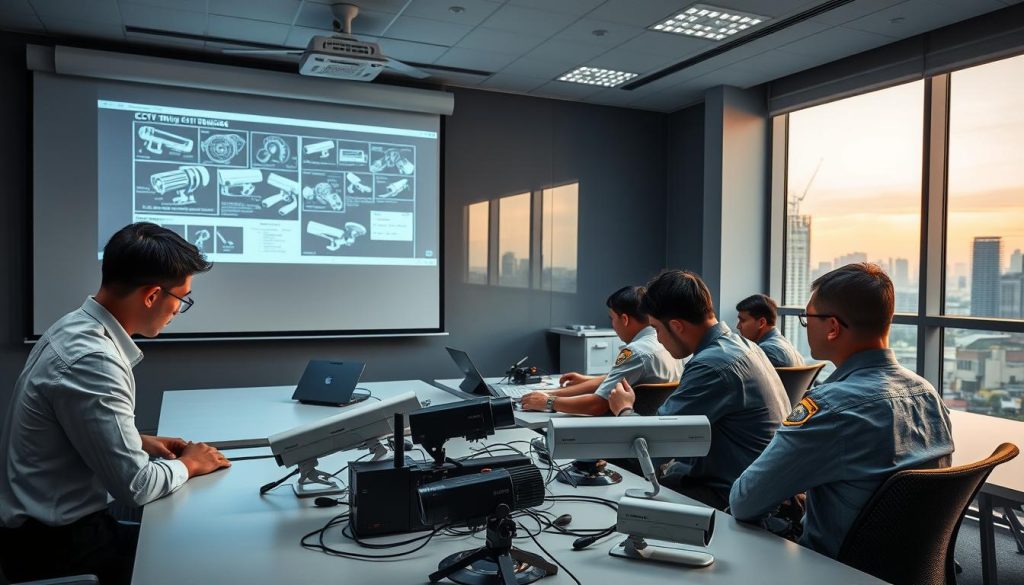
Singapore’s demand for security and surveillance expertise is rising. Businesses and individuals seek certified professionals to manage modern monitoring systems. Training programs help bridge this skills gap. Course fees vary based on duration, certification level, and training providers. Subsidies like SkillsFuture can reduce costs significantly. For example, NTUC LearningHub’s PCCTV program costs S$700, while Eversafe Academy’s CCISS is priced at S$272.50. This guide explores pricing factors and career benefits. Whether upgrading skills or entering the field, understanding expenses ensures informed decisions. Key Takeaways Singapore’s security sector drives demand for certified professionals. Training costs range between S$210 and S$763 with subsidies. Course duration and accreditation impact pricing. Providers like NTUC and Eversafe offer competitive programs. Subsidies such as SkillsFuture make training more affordable. Why Pursue CCTV Training in Singapore? Surveillance expertise has become a critical asset in Singapore’s security landscape. Organizations prioritize certified professionals to operate advanced monitoring systems efficiently. Proper training ensures compliance and operational excellence. Growing Demand for Security Professionals Singapore’s thriving retail, hospitality, and corporate sectors rely heavily on surveillance. The rise of smart technologies amplifies the need for skilled operators. Job portals list hundreds of openings for roles requiring monitoring system proficiency. “Certified technicians command 20% higher salaries than untrained peers,” notes a 2023 security industry report. Skills You Gain from a CCTV Course Reputable programs like NTUC’s PCCTV equip learners with: Equipment mastery: Configure analog/IP cameras and NVR/DVR systems. Maintenance protocols: Perform system checks and firmware updates. Legal compliance: Handle recordings under PDPA guidelines. Real-world simulations: Tackle retail theft scenarios during training. Graduates gain hands-on experience in installation and troubleshooting, making them job-ready. These skills open doors to roles in loss prevention, facility management, and tech support. How Much Is a CCTV Course in Singapore? Professional certification programs vary in cost based on several key factors. From intensive workshops to comprehensive modules, pricing reflects training depth and institutional standards. Comparing Course Fees Across Providers Leading institutes offer programs at different price points. Eversafe Academy’s 16-hour foundational program costs S$272.50, while NTUC LearningHub’s 40-hour PCCTV training reaches S$700. The course duration directly impacts fees, with advanced modules requiring nearly triple the classroom hours. NTUC enforces a 75% attendance requirements for subsidy eligibility, affecting overall affordability. Factors Influencing CCTV Course Costs Training quality depends on instructor expertise and resources. NTUC maintains a 1:20 trainer-to-learner ratio, whereas Eversafe operates at 1:25 to face larger groups. “SME grants can cover up to 70% of fees for eligible companies,” states a SkillsFuture Singapore advisory. Hands-on labs with IP cameras increase expenses compared to theory-based classrooms. Government support through SkillsFuture credits simplifies budget management for individual learners. Types of CCTV Courses Available Singapore’s security industry offers diverse training programs for surveillance professionals. Whether you’re starting out or upgrading skills, structured courses ensure competency in modern monitoring solutions. Basic CCTV Operation and Maintenance Introductory programs cover essential skills like camera setup and routine checks. Trainees learn to configure analog/IP cameras and troubleshoot common issues. Key components include: Equipment handling: Proper use of DVR/NVR systems. Legal compliance: Adhering to Singapore’s PDPA for data protection. Maintenance protocols: Firmware updates and system diagnostics. Advanced CCTV Installation and Troubleshooting For experienced technicians, advanced modules delve into complex system setups. Eversafe’s CCISS program, for example, includes network configuration and PoE switch integration. “Graduates of advanced courses qualify for project engineer roles earning S$3,800 monthly,” reports a 2023 industry survey. Hands-on training covers: Cat6 cabling certification for high-speed data transfer. Multi-camera synchronization for large-scale deployments. Site surveys using lux level measurements for optimal placement. These programs prepare learners for high-demand roles in security technology and infrastructure. What Does a CCTV Course Cover? Mastering surveillance systems requires structured learning with practical applications. Reputable programs balance theory and hands-on drills to prepare learners for real security challenges. Key Modules and Learning Outcomes Courses like NTUC’s PCCTV focus on core competencies. Trainees gain field-ready skills through modules such as: System configuration: IP camera setup and network integration. Legal frameworks: PDPA compliance for data handling. Fault diagnostics: Identifying IR cut filter failures. NTUC’s 1:20 trainer ratio ensures personalized access to equipment, including PoE switches and NVRs. Hands-On Training and Assessments Practical simulations replicate workplace scenarios. Learners tackle: Live installations in mall mockup environments. Emergency response drills for system breaches. “Trainees must pass a 50% written exam and demonstrate troubleshooting proficiency,” states NTUC’s training manual. Post-course support includes a 6-month hotline for real-world experience reinforcement. Course Duration and Scheduling Options Flexible learning options make security training accessible for working professionals in Singapore. Providers tailor programs to accommodate diverse schedules, from accelerated bootcamps to modular evening classes. Full-Time vs. Part-Time Programs Intensive full-time courses condense learning into 5-day workshops, ideal for career switchers. Part-time options spread modules over weeks, easing the time commitment for employed learners. Eversafe Academy’s Jalan Besar MRT location simplifies access for downtown professionals. “60% of learners prefer part-time formats to balance work and upskilling,” reports a 2023 SkillsFuture survey. Weekend and Evening Classes Weeknight sessions (7pm–10pm) and Saturday classes (9am–6pm) face high enrollment due to their convenience. Providers like NTUC include lunch for full-day attendees, while management policies allow two free make-up sessions for missed classes. Hybrid learning: Combine online theory with in-person labs. Attendance requirements: 75% minimum to qualify for certifications. Corporate partnerships: Some employers adjust shifts for staff pursuing commercial CCTV installation training. Funding and Subsidies for CCTV Courses Financial support options make surveillance training accessible for Singaporean learners. Government initiatives and corporate partnerships significantly reduce costs, enabling wider participation in the security industry. SkillsFuture Credit Eligibility Singaporeans can use SkillsFuture credits to offset up to S$500 for approved programs. NTUC LearningHub’s PCCTV course, for example, drops to S$273 nett for SMEs after grants. Absentee payroll reimbursements of S$4.50/hour further ease the burden for employers. “Over 70% of trainees utilize subsidies, accelerating workforce upskilling,” notes a SkillsFuture 2023 report. Corporate Sponsorship Opportunities Businesses benefit from tax deductions under the PIC scheme, claiming 400% on training expenses. Customized programs teach site-specific protocols, aligning with management needs. Partnerships with providers

CCTV Training in Singapore: How Much is a CCTV Course? Read More »
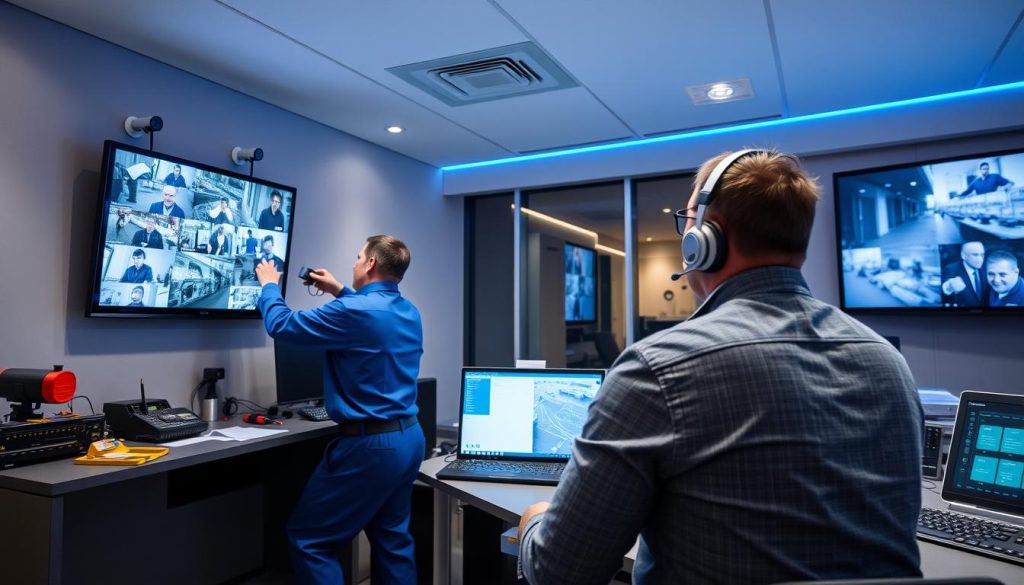
CCTV technician and operator roles

What is the difference between CCTV technician and CCTV operator?

Singapore relies heavily on surveillance systems for public safety and business security. With over 5.2 million cameras in the UK as a benchmark, the demand for skilled professionals in this field keeps growing. Many confuse the roles of a cctv technician and cctv operator, though their responsibilities differ significantly. Technicians focus on installing, maintaining, and repairing camera systems. Operators monitor live feeds, manage evidence, and alert authorities when needed. Both careers play vital roles in crime prevention and security infrastructure. This article clarifies the distinct duties, skills, and career paths for each position. Whether you’re exploring opportunities or upgrading your security setup, knowing these differences helps make informed decisions. Key Takeaways Singapore’s security depends on advanced surveillance systems. Technicians handle installation and technical maintenance. Operators monitor live feeds and manage incident reports. Both roles contribute to public and commercial safety. Career paths require different skill sets and training. Understanding CCTV Roles: Technician vs. Operator Modern security infrastructure in Singapore increasingly depends on advanced surveillance solutions. The Smart Nation initiative has accelerated camera deployments across HDB estates and business districts, creating demand for specialized professionals. This expansion makes understanding role distinctions critical for effective security management. Overview of CCTV Systems in Singapore Singapore’s surveillance networks combine permanent and temporary installations. Companies like Kingdom CCTV provide fixed systems for commercial buildings, while pop-up cameras monitor construction sites and events. The Marina Bay Sands complex exemplifies integration, with 3,000+ devices feeding into a centralized security hub. Legal frameworks ensure proper usage. The Ministry of Home Affairs (MHA) mandates PSIRA certification for personnel handling surveillance equipment. Operators require licenses similar to the UK’s SIA standards, while technicians need IP network configuration training from providers like Infotech USA. Why the Distinction Matters Role confusion can delay emergency responses. Technicians troubleshoot faulty cameras, whereas operators analyze live feeds for threats. During a 2023 incident at Raffles Place, proper role separation enabled swift system repairs and real-time suspect tracking. Career paths also differ. Technicians advance through technical certifications in CCTV systems, while operators progress to security management roles. Both contribute to public safety, but their skillsets address unique aspects of surveillance operations. CCTV Technician: Responsibilities and Skills Security systems across Singapore demand skilled professionals to maintain and optimize surveillance networks. Technicians ensure these systems function flawlessly, from shopping malls to high-rise apartments. Their role blends technical expertise with problem-solving to keep communities safe. Primary Duties of a CCTV Technician A cctv technician handles physical and digital aspects of surveillance systems. They conduct site surveys to determine optimal camera placement, considering angles and lighting. Installation involves configuring DVRs/NVRs and testing cables for signal integrity. Routine maintenance is critical. Technicians clean lenses, replace faulty components, and update firmware. In tropical climates, they address humidity-related issues in equipment rooms to prevent corrosion. Technical Skills and Knowledge Required Proficiency in networking is essential. Technicians assign IP addresses and set up LANs for enterprise systems. They troubleshoot connectivity issues using tools like multimeters and cable testers. Understanding camera types matters. IP cameras require different configurations than analog models. Technicians also calibrate night vision and motion sensors for accurate detection. Training and Qualifications for Technicians Formal training programs, like Infotech USA’s 10-year course, cover hands-on modules. Topics include DVR/NVR setup and advanced troubleshooting. Singapore’s ITE and polytechnics offer BCA-approved certifications. Salaries reflect expertise. In competitive markets, experienced cctv technicians earn $50K–$75K annually. Continuous learning ensures they stay updated with evolving surveillance technologies. CCTV Operator: Responsibilities and Skills Control rooms across the island rely on trained personnel to maintain 24/7 vigilance. These professionals form the first line of defense in security operations, interpreting live feeds with military precision. Their role blends sharp observation with rapid response protocols. Primary Duties of a CCTV Operator A cctv operator manages multiple screens simultaneously in high-pressure environments. Integrated resorts like Marina Bay Sands require tracking suspicious activity across hundreds of cameras. Operators document incidents using proper chain-of-custody procedures for court evidence. Real-time coordination with authorities is critical. During the 2023 Orchard Road incident, operators activated Police Coordination Protocol within 38 seconds. They also manage access to archived footage for investigations. Key Skills for Effective Monitoring Exceptional focus separates good operators from great ones. Twelve-hour shifts demand techniques to prevent eye fatigue, like the 20-20-20 rule (every 20 minutes, focus 20 feet away for 20 seconds). Communication skills prove vital when relaying threats to response teams. Kingdom CCTV’s training simulations test operators in crowd emergency scenarios. Multi-screen workstations require ergonomic awareness to maintain peak performance. Certifications and Licensing for Operators Singapore mandates WSQ Advanced Certificate in Security Operations for professional cctv operators. This mirrors the UK’s SIA Level 2 qualification, covering legal protocols and threat assessment. SPF auxiliary training enhances operational readiness. Modules include evidence handling and courtroom testimony procedures. Annual recertification ensures skills remain current with evolving surveillance technologies. Key Differences Between CCTV Technician and Operator Surveillance professionals in Singapore specialize in distinct yet complementary roles. While both positions maintain security systems, their daily functions require different skills and mindsets. Understanding these contrasts helps organizations build effective teams and guides individuals toward suitable career paths. Focus Areas: Technical vs. Observational A technician cctv operator dichotomy emerges in their primary responsibilities. Technicians excel in hardware diagnostics, solving connectivity issues with multimeters and cable testers. Operators master pattern recognition, identifying suspicious behavior across multiple live feeds simultaneously. Training reflects this difference. Technicians complete IP networking courses, while operators study behavioral analysis. Both roles require certification, but the skills tested vary significantly between technical troubleshooting and threat assessment exams. Work Environment and Daily Tasks Field technicians face physical demands like climbing ladders to adjust camera angles in Singapore’s humid environment. Control room operators manage ergonomic challenges from prolonged screen monitoring. These contrasting workspaces create different occupational health considerations. Salary structures also differ. Experienced technicians earn $50K–$75K fixing equipment, while senior operators command higher pay for managing crisis response protocols. Both roles offer shift allowances for night and weekend coverage. Career Pathways and Growth Opportunities Career progression splits into technical and

What is the difference between CCTV technician and CCTV operator? Read More »

CCTV cameras outside Singapore

Guide: Can I put CCTV outside my house Singapore?

Installing surveillance systems around residential properties is common, but Singapore has specific regulations. The answer depends on property type, privacy laws, and proper approvals. Homeowners must follow strict guidelines to avoid legal issues. Singapore’s Personal Data Protection Act (PDPA) governs how footage is collected and used. Recording public spaces or neighbors’ properties without consent may lead to penalties. Condominiums and HDB flats often require management approval before setup. Smart doorbells and peephole cameras offer alternatives with fewer restrictions. These devices focus only on entry points while respecting privacy boundaries. Understanding local laws ensures compliance and effective security measures. Key Takeaways Singapore regulates outdoor surveillance under PDPA and CDRA laws. Approval from property management may be required for installation. Recording public areas or neighboring homes violates privacy rules. Smart doorbells provide a less intrusive security option. Non-compliance can result in fines or legal action. Understanding Singapore’s CCTV Laws for Homeowners Singapore homeowners must navigate strict legal frameworks when considering surveillance systems. Two primary laws govern usage: the Personal Data Protection Act (PDPA) and the Community Disputes Resolution Act (CDRA). While PDPA focuses on organizations, its principles extend to residential recordings through CDRA provisions. Key Legal Frameworks: PDPA and CDRA The PDPA regulates how personal data protection applies to recordings, even at home. For instance, capturing public spaces or neighbors’ properties without consent violates PDPA requirements. The CDRA supplements this by defining privacy boundaries between residents. Under CDRA, a “neighbor” includes anyone within 100 meters. Actions like pointing cameras at balconies or shared corridors may constitute unreasonable interference. A 2023 case saw a condo resident fined $5,000 for leaking CCTV footage of common areas without approval. Penalties for Non-Compliance Violations trigger severe consequences. CDRA permits compensation claims up to $20,000 for privacy breaches. Town Councils may impose additional $5,000 fines for unauthorized installations. Proper placement and approvals are non-negotiable. Footage retention also differs. Residential users lack strict deadlines, but commercial entities must follow protection act guidelines. Always consult property management or legal experts to avoid missteps in community disputes resolution. Can I Put CCTV Outside My House Singapore? The Short Answer Singapore’s property types—HDBs, condos, and landed homes—each have unique surveillance guidelines. Permissions depend on location, ownership, and management policies. Below is a breakdown of what’s allowed and where approvals are needed. Property-Specific Rules Overview HDB Flats require Town Council approval for cameras outside hdb common areas like corridors. Temporary 6-month permits are common, but renewal is mandatory. Avoid pointing devices at neighbors’ doors or windows. Landed Properties grant owners full rights to install cctv within their compounds. However, the CDRA still prohibits filming beyond private boundaries. Angle lenses inward to prevent disputes. Condominiums follow MCST bylaws, which vary by development. Some allow cctv cameras outside balconies with board approval, while others ban them entirely. Approval timelines range from 2 weeks to 2 months. Permissions by Property Type HDB: Town Council approval needed for common areas. Landed: No restrictions within private premises. Condo: MCST approval required; coverage limits may apply. Always document approvals and respect privacy laws. Non-compliance risks fines up to $5,000 under CDRA. Installing CCTV in HDB Flats: What You Need to Know HDB residents must follow strict protocols for surveillance setups in shared spaces. The town council governs all installations in common areas like corridors. Unauthorized placements risk fines or forced removal. Common Property and Town Council Approval Approvals are mandatory for cameras outside HDB units. A 2023 Ang Mo Kio case showed penalties for filming neighbors’ doors without consent. The town council typically issues 6-month permits, renewable upon review. “Residents must submit floor plans and a police report if reporting harassment or theft incidents.” HDB Housing Guidelines How to Apply for Town Council Permission Follow these steps for compliance: Step 1: Email the request with unit details and camera specifications. Step 2: Attach a police report (if applicable) and corridor floor plans. Step 3: Await approval (1-2 weeks). Temporary permits expire in 6 months. Angle lenses to avoid capturing private spaces. Renewals require updated documentation. Non-compliance may trigger CDRA disputes. CCTV Rules for Condominiums and Private Apartments Condominium residents face unique challenges when setting up surveillance due to MCST regulations. Unlike landed properties, private apartments require approvals from the management corporation strata (MCST) before installation. These rules ensure privacy and security balance across shared spaces. MCST Bylaws and Approval Processes Each condo’s corporation strata title outlines specific camera policies. Most MCSTs mandate applications detailing camera angles, coverage areas, and retention periods. Luxury developments often require certified security service providers for installations. Common MCST requirements include: Application forms with technical specifications and floor plans Coverage limits prohibiting filming private balconies or windows Professional installation certificates for high-end properties Approval timelines vary. For example, Marina Bay condos average 3-week processing, while suburban complexes may take 6 weeks. Denied applications can be appealed through the MCST’s dispute resolution panel. “MCSTs prioritize resident privacy—cameras overlooking common gyms or pools need unanimous board approval.” Singapore Strata Living Guidelines Non-compliance risks fines up to $10,000 under MCST bylaws. Always document approvals and adjust camera angles to avoid neighbor disputes. Landed Property CCTV Installation: No Restrictions? Landed properties in Singapore offer more flexibility for surveillance setups compared to HDBs or condos. While no specific laws prohibit installations, the Community Disputes Resolution Act (CDRA) still applies. A 2022 case saw a homeowner fined $15,000 for pointing cctv cameras outside his boundary wall, capturing a neighbor’s pool area. Best Practices for Landed Homes Placement heights and distances matter. Install cameras at least 8 feet high, angled downward to focus on entry points. Avoid wide lenses that might inadvertently film outside business premises or adjacent homes. Lighting is another consideration. Use infrared or motion-activated lights to prevent light trespass, which could annoy neighbors. Bright, constant illumination may trigger CDRA complaints. For data storage, ensure footage with multi-property views is deleted within 30 days. The personal data of passersby must not be misused under PDPA guidelines. “Notify neighbors verbally or via letter before installation. Transparency prevents 80% of

Guide: Can I put CCTV outside my house Singapore? Read More »

CCTV cameras installation guidelines

CCTV Cameras: Is HDB Approval No Longer Needed?

Singapore homeowners now have more flexibility when installing surveillance systems. Recent policy changes simplify the process for indoor corridor-facing devices. Since May 2023, residents no longer require special permission for these setups. However, privacy protections remain strict. Cameras must avoid capturing neighbors’ doors or windows. Proper placement ensures security without compromising others’ rights. Violations may lead to penalties, so careful positioning matters. Common areas still follow different rules. Town Councils oversee installations in shared spaces like lobbies or stairwells. Unauthorized outdoor setups risk fines up to $5,000, making compliance essential. Key Takeaways Policy change removes permission requirements for indoor corridor cameras Angles must respect neighbors’ privacy boundaries Separate regulations apply to common area installations Outdoor setups without authorization carry significant fines Proper placement balances security and community considerations Understanding CCTV Camera Regulations in Singapore Surveillance tech adoption has skyrocketed in Singaporean households. A 33% spike in exterior device sales since 2021 reflects this trend. The pandemic accelerated demand, with residential installations rising 20–25% as safety concerns grew. The Rise of Surveillance Technology High-profile thefts, like a viral TikTok case with 594,000 views, showcase the evidentiary value of CCTV cameras installed at homes. Residents increasingly rely on these systems for security and dispute resolution. Key Governing Laws Singapore’s legal framework balances security with privacy: Personal Data Protection Act (PDPA): Primarily regulates businesses recording public spaces. Community Disputes Resolution Act (CDRA): Addresses neighbor conflicts over privacy breaches. Town Council bylaws: Mandate approval for cameras outside HDB common areas. For condominiums, the management corporation strata (MCST) sets additional rules. Ang Mo Kio Town Council, for example, enforces strict policies even for smart doorbells. Understanding these layers ensures compliance while maximizing security benefits. Is HDB Approval No Longer Needed for CCTV Cameras? Recent changes in surveillance policies have simplified home security setups for residents. Since May 2023, corridor-facing devices no longer need special permissions. This shift reflects growing demand for accessible security solutions. What the 2023 Policy Update Means The new rules apply to cctv cameras installed indoors facing corridors. Complaints dropped 40% after these changes, showing improved clarity. Homeowners must still avoid recording neighbors’ private spaces. Where Approval Remains Essential Certain areas still require formal consent: Common spaces: Town Councils oversee cameras outside hdb lobbies or stairwells. Temporary setups: Exterior devices need 6-month approvals backed by police reports. Landed vs. HDB: Private homes face fewer restrictions than apartments. “Misaligned angles triggering privacy disputes can lead to CDRA penalties up to $20,000.” Always verify placement with building management. Landed properties enjoy more freedom but must still respect PDPA guidelines. Installing CCTV Cameras Inside Your HDB Flat Strategic camera placement transforms home security without compromising community trust. The 2021 case of a window-mounted device identifying a plant thief demonstrates their value. Viral hornbill footage and a 27-second doorbell recording that aided police show how these systems serve multiple purposes. Optimal Positioning for Privacy Protection Downward 45-degree angles work best for corridor views, capturing activity while respecting boundaries. This technique proved effective in Teck Whye’s shoe theft case solved via peephole footage. Always position lenses to avoid recording neighbors’ windows or doorways to protect their enjoyment property rights. Written agreements with adjacent households prevent misunderstandings about boundary-facing devices. Many disputes arise from unintentional recording of private spaces rather than malicious intent. Preventing Neighborhood Conflicts Audio recording requires explicit consent under Singapore law, unlike visual monitoring. Establish 30-day deletion cycles for stored footage to address privacy concerns. The Community Disputes Resolution Tribunal often handles cases where community disputes stem from prolonged data retention. For DIY installation cctv cameras, test sightlines during daylight and nighttime. Temporary adhesive mounts allow adjustments before permanent setups. Consult your Town Council if unsure about specific placement rules for your block. “A well-placed camera stops criminals without making neighbors feel watched.” Smart placement balances security needs with communal harmony. Regular maintenance checks ensure devices haven’t shifted to capture unintended areas over time. Rules for Installing CCTV Cameras Outside HDB Flats Exterior surveillance setups in Singapore require careful adherence to community guidelines. Unlike indoor installations, devices facing common corridors or public walkways involve shared spaces under town council jurisdiction. Mandatory Approval for Common Areas All cameras outside private units need formal consent from local authorities. Ang Mo Kio Town Council processes 70-90 such requests monthly, typically within 10 business days. Their standard workflow involves: First, residents must file a police report documenting security incidents. Next, they submit approval requests via email with supporting documents. Most town council branches respond within 14 days, though Jurong processes applications faster than Chua Chu Kang. Understanding Temporary Installation Limits The six-month permit rule applies to all outside hdb surveillance devices. I-Secure Solution reports only 10% of their installations qualify for these temporary approvals. Expired permits may lead to: Immediate removal orders from building managers Potential fines under municipal bylaws Forced dismantling at owner’s expense “Unauthorized fixtures risk $5,000 penalties and permanent installation bans,” warns a SafeTrolley security consultant. Professional security service provider teams can navigate these regulations efficiently. They help position cameras outside to avoid capturing private balconies or neighboring windows while meeting safety objectives. Always verify current policies with your local office, as regulations evolve. What passes in Bukit Batok might differ from Pasir Ris due to varying estate layouts and resident feedback. Step-by-Step Guide to Getting Town Council Approval Securing town council approval for outdoor surveillance requires proper documentation and patience. Residents must demonstrate legitimate security needs while respecting community guidelines. The process typically completes within two weeks when applications include all required materials. Filing a Police Report for Incident Justification Start by documenting security incidents with an official police report. Most councils require case numbers and incident dates within the past six months. Common valid reasons include: Repeated vandalism or property damage Package thefts with witness statements Suspicious loitering documented by neighbors Submit copies of your NRIC and floor plans showing proposed camera locations. Include technical specifications like viewing angles to prove the device won’t invade privacy. Applications missing these details face a 5%

CCTV Cameras: Is HDB Approval No Longer Needed? Read More »

CCTV cameras for HDB flats

Is it illegal to install CCTV outside HDB flat? A Guide

Many Singapore residents seek security solutions for their homes, especially with rising concerns over parcel theft. CCTV cameras offer peace of mind, but rules apply for HDB properties. HDB permits outward-facing devices if placed within the gate or external front door. Corridor-facing units require town council approval, a process taking 1-2 weeks with six-month validity. Smart doorbells with recording features are gaining popularity as legal alternatives. Recent cases, like Ms. G’s stolen laptop mat, highlight how surveillance footage aids investigations. Balancing security needs with neighbor privacy remains crucial for compliance. Key Takeaways HDB allows outdoor cameras with specific placement rules. Approval is needed for corridor-facing devices. Smart doorbells serve as compliant alternatives. Footage has proven effective in theft cases. Respect privacy to avoid disputes. Is It Illegal to Install CCTV Outside HDB Flat? Understanding the Rules Singapore’s public housing authorities enforce strict guidelines for residential security devices. Compliance ensures both safety and neighborly harmony, with distinct rules for private and shared spaces. HDB and Town Council Regulations The HDB permits devices within private property boundaries, such as gates or doors. For common corridors, written approval from the town council is mandatory—a process taking 1–2 weeks. Ang Mo Kio Town Council, for instance, requires permits even for smart doorbells in shared areas. Placement restrictions prevent intrusive surveillance. Cameras must avoid direct views of neighbors’ windows or doors. Violations may trigger complaints under the Protection from Harassment Act. Penalties for Non-Compliance Unauthorized installations risk fines up to $5,000, as reported by The Straits Times. Non-compliant setups face forced removal, with repair costs billed to the homeowner. In 2022, 140 complaints were filed—a drop from previous years, reflecting stricter enforcement. Proactive approval avoids legal headaches. Homeowners should consult their town council for area-specific regulations before installing CCTV. Recent Changes to CCTV Laws in Singapore Recent updates to surveillance laws are reshaping how residents protect their homes. The May 2023 policy shift removed mandatory approval requirements for devices mounted inside flats. This change reflects growing demand for accessible security solutions. Simplified Approval Process Before 2023, homeowners needed written consent for any corridor-facing devices. The new rules eliminated this step for indoor installations, cutting wait times from 14 days to immediate setup. Town councils still regulate external placements facing common areas. Market data shows a 33% surge in camera sales since 2021. SafeTrolley reports 70-90 monthly inquiries from residents seeking compliant setups. Retailers now highlight “HDB-approved” models to guide buyers. Impact on Homeowners The streamlined process comes with important limitations: Only one device permitted per household in corridor areas Permits remain valid for six months (renewable) Cameras must not capture neighbors’ private spaces Security experts recommend checking with local town councils before mounting devices. While indoor setups gained flexibility, outdoor installations still require approval. Proper placement avoids privacy complaints while maintaining effective monitoring. Types of CCTV Cameras Suitable for HDB Flats Modern security solutions blend technology with HDB compliance needs. Residents can choose between wired and wireless systems, each offering unique benefits. Smart doorbells also provide legal alternatives for doorstep monitoring. Wired vs. Wireless Cameras Wired systems transmit data 30% faster, ideal for real-time alerts. They require drilling but deliver uninterrupted power and reliability. Brands like Arlo Pro 4 suit permanent setups with weatherproof designs. Wireless devices use adhesive mounts, perfect for renters. A 256GB SD card stores 21 days of footage, and batteries last 2–6 months. However, they depend on Wi-Fi stability—a concern in dense HDB blocks. Smart Doorbells as an Alternative Xiaomi and Ring doorbells fit existing HDB slots without modifications. These devices combine video recording with intercom functions. Eufy’s dual-camera model even replaces traditional peepholes. Magnetic mounts offer renter-friendly installation. “Smart doorbells reduce corridor disputes by focusing only on your doorstep,” notes a First Solutions security expert. Their compact size avoids town council approval in most cases. Key Features to Look for in a Home CCTV System Effective home monitoring depends on selecting cameras with advanced capabilities. Prioritizing these features ensures reliable security and compliance with local regulations. Night Vision and Wide-Angle Coverage Cameras with night vision below 0.1 lux capture clear footage in low light. A 170° wide-angle lens eliminates blind spots, crucial for corridor or doorstep coverage. Higher resolutions like 4K demand more storage but provide sharper details. For evidence validity, timestamps must be embedded in recordings. Storage Options: Local vs. Cloud Local storage via 256GB microSD cards avoids monthly fees, while cloud subscriptions ($4.99–$14.99) offer remote access. PDPA-compliant encryption safeguards data in both systems. “Always enable two-factor authentication for cloud accounts. Weak passwords expose footage to breaches.” – Cybersecurity Specialist, First Solutions Wi-Fi extenders may be needed for stable connectivity in HDB blocks. Balance cost, convenience, and security when choosing storage. Step-by-Step Guide to Legally Installing CCTV Homeowners must follow specific steps for compliant camera installations. From paperwork to positioning, each detail ensures adherence to HDB rules while maximizing security. Obtaining Town Council Approval Begin by gathering required documents: floor plans, camera specifications, and neighbor consent forms. Ang Mo Kio Town Council provides templates for streamlined applications. The process typically takes 3–4 weeks: Week 1: Submit forms with a $20–$50 fee (varies by district). Week 2–3: Council reviews device placement and coverage maps. Week 4: Receive permit with six-month validity. “Professional installers like I-Secure Solutions pre-check setups against local regulations, reducing rejection risks.” – HDB Compliance Officer Choosing the Right Placement Mount cameras at least 1.5m high to deter vandalism. Use 15°–45° brackets to focus on your doorstep, not neighboring units. Ideal coverage avoids corridors and windows. For shared areas: Angle devices downward to monitor only your flat entrance. Test views using a smartphone app before finalizing mounts. Renew permits biannually to maintain compliance. Companies like SafeTrolley offer free audits to verify placements. Properly install cctv cameras once to avoid costly adjustments later. Privacy and Ethical Considerations Balancing home security with community harmony requires careful consideration of privacy laws. While surveillance systems deter crime, they must respect legal boundaries and neighbor relationships. Singapore’s regulations provide clear frameworks for

Is it illegal to install CCTV outside HDB flat? A Guide Read More »

historical cctv footage recovery

Can I get CCTV footage from 10 months ago? Steps to Retrieve

Accessing older surveillance recordings depends on several factors. Storage capacity, system settings, and legal regulations play crucial roles in determining availability. In Singapore, businesses and homeowners often need historical data for investigations or compliance purposes. Most security systems automatically overwrite older files to save space. Advanced solutions like cloud backups or external drives may extend retention periods. Professionals use specialized tools for data recovery when recordings are partially deleted. Singapore’s Personal Data Protection Act (PDPA) governs how long organizations can store visual data. Immediate action improves success rates when attempting to retrieve overwritten content. Technical experts can assess specific systems to determine recovery possibilities. Key Takeaways Storage systems determine how long recordings remain accessible Professional recovery services may retrieve partially deleted files Singapore’s PDPA regulates surveillance data retention Cloud backups often provide longer storage periods Quick action increases recovery success rates Understanding CCTV Footage Storage Systems Modern security setups use diverse technologies to archive visual data. The method of storage directly impacts how long recordings remain available and their quality upon retrieval. Digital versus analog storage mechanisms Traditional analog DVR systems record directly to internal hard drives, typically storing about 250GB daily. These setups compress video using older codecs that consume more space than modern IP cameras. Digital IP systems stream data to network storage devices, offering better compression. Enterprise solutions handling 40 cameras can generate 420TB annually, especially with 2MP cameras recording at 24fps. Industry-standard retention periods Storage duration varies by system type and purpose: Residential systems: Typically 30 days Commercial installations: 30-90 days in Singapore Financial institutions: 6+ months for compliance Cloud providers like Amazon S3 Glacier offer 99.999999999% data durability for extended archiving. Local storage often uses automatic overwriting cycles when space runs low. Capacity constraints and data management Hard drive-based systems delete oldest files first when reaching capacity. RAID configurations in NAS solutions provide redundancy but reduce available space. Enterprise environments often implement tiered storage – keeping recent footage on fast drives while archiving older recordings to cost-effective cloud storage. This balances accessibility with retention needs. Why CCTV Footage Gets Deleted or Lost Storage limitations and hardware vulnerabilities often lead to missing surveillance data. Multiple factors contribute to this disappearance, from automated processes to physical threats. Understanding these causes helps in assessing recovery possibilities. Automatic deletion cycles in surveillance systems Most security systems use circular buffering to manage storage space efficiently. When storage fills up, the system automatically overwrites the oldest files first. This process causes over 75% of all cctv data loss in commercial installations. Advanced configurations allow adjusting retention periods, but default settings typically prioritize recent recordings. Networked systems may distribute storage across multiple drives, yet still follow similar overwrite patterns. Common hardware failures causing data loss Physical device components frequently fail under continuous operation. Hard disk drive platters and read/write heads account for 15% of all recording losses. SD cards in standalone cameras fail 3x faster than enterprise storage solutions. Malware infections pose growing threats to networked security systems. Ransomware attacks can encrypt entire archives, while corrupted firmware may render recordings unreadable. Environmental factors damaging storage media Singapore’s tropical climate accelerates storage damage through humidity and heat. Moisture causes 22% of permanent data loss in security systems. Temperature fluctuations beyond 35°C significantly reduce hard drive lifespans. Physical disasters like floods or fires destroy storage media completely. Proper environmental controls and regular maintenance help mitigate these risks for critical surveillance archives. Assessing Your Chances of Retrieving 10-Month-Old Footage Several critical factors influence whether security recordings remain accessible after extended periods. The storage medium, system configuration, and legal retention policies create varying recovery scenarios. Understanding these elements helps determine realistic expectations for accessing older surveillance data. How storage duration affects recovery likelihood Residential systems typically overwrite recordings every 30 days, while commercial setups may retain cctv footage for 3-6 months. Cloud-based solutions often provide the longest archival periods through tiered storage models. Recovery probability drops significantly after these periods: HDD storage: 40% chance after 6 months NVR systems: 55% chance at 8 months Cloud archives: 85% chance at 10 months Critical factors determining footage survivability Forensic recovery techniques can sometimes retrieve partially overwritten files. Specialized tools like EaseUS achieve 99.7% success rates when sectors aren’t fully rewritten. Key survivability indicators include: Storage medium wear level Number of overwrite cycles Presence of backup copies Singapore’s PDPA compliance status When retrieval becomes statistically improbable Professional services like Ever Higher Pte Ltd report 95% success rates for recent deletions. However, after 10+ months, standard HDDs reach the “point of no return” where forensic processes can’t reconstruct data. Singaporean law requires certain businesses to preserve evidence longer than residential users. Financial institutions often maintain archives exceeding standard retention periods for compliance purposes. Identifying Your Specific CCTV System Type Surveillance system identification forms the foundation for retrieving archived recordings. The hardware and software configuration directly impacts how long videos remain accessible and what recovery methods will work. Singaporean installations range from basic home setups to enterprise-grade solutions with hybrid architectures. Distinguishing between DVR, NVR, and cloud systems Traditional DVR systems connect to analog cameras via coaxial cables, storing footage locally on internal hard drives. These often have physical control panels with distinctive RCA video outputs. Modern NVR solutions work with IP cameras, offering better resolution and network accessibility. Look for Ethernet ports and web interface capabilities as identifying features. Cloud-based security camera systems require stable internet, with each 1080p camera needing about 5Mbps upload bandwidth. Over 60% of Singapore preschools use these for remote monitoring capabilities. Locating system specifications and settings Most cctv systems store configuration details in the administrator menu. Access this through: Direct monitor connections for DVRs Web interfaces (typically port 80 or 8080) Mobile apps for cloud-connected systems Common Singaporean brands like Dahua and Hikvision have distinct menu structures. System logs often track automatic deletion cycles, helping determine when specific recordings were purged. Determining your system’s maximum retention period Storage duration settings vary by cctv system type and purpose. Residential units typically default to 30 days,

Can I get CCTV footage from 10 months ago? Steps to Retrieve Read More »

security camera footage storage

Ultimate Guide: What happens to old security camera footage?

Ever wondered where recorded surveillance videos go after a certain period? Businesses and homeowners rely on these recordings for safety and legal purposes. However, storage limitations and retention policies determine how long they remain accessible. In Singapore, most commercial systems keep recordings for 30 to 90 days before automatic deletion. Over 75% of deletions occur due to storage overwriting. Without proper management, crucial evidence can vanish within months. This guide explores how footage moves from creation to disposal. Learn why storage solutions matter and how cloud technology helps preserve important recordings longer. Key Takeaways Most footage gets deleted automatically due to storage limits Singapore businesses typically retain recordings for 30-90 days Cloud storage extends accessibility of archived videos Improper disposal can lead to legal consequences Residential and commercial systems handle retention differently Understanding Security Camera Storage Systems Modern surveillance relies on sophisticated methods to capture and archive visual data. Whether for homes or businesses, these systems balance quality, capacity, and accessibility to meet diverse needs. Analog cameras convert signals into VHS tapes or DVRs, while digital IP cameras save files directly to storage systems like hard drives. Singapore’s 2023 data shows 68% of installations now use IP cameras for sharper resolution and remote access. Frame rates and compression shape how devices store footage. A standard 24 fps setting ensures smooth playback, but higher rates demand more space. Formats like H.265 cut file sizes by 50% without losing clarity. Enterprise setups often deploy RAID configurations for redundancy, protecting against drive failures. Temperature-controlled server rooms and encryption protocols safeguard data integrity in these security systems. Modern NVRs include battery backups to prevent corruption during outages. These features ensure recordings remain intact until manually purged or automatically overwritten. Standard Retention Periods for Security Footage From living rooms to bank vaults, retention rules vary dramatically. Organizations implement different policies based on risk factors, legal requirements, and storage capabilities. These retention periods determine how long recordings remain accessible before deletion or overwriting. Typical Home Security Camera Retention Residential systems usually keep footage for 7 to 14 days. Most homeowners use default settings that automatically overwrite older files when storage fills up. Some systems allow customization for longer retention if needed. Basic motion-activated cameras might store less due to limited capacity. However, cloud-connected models often offer extended archives through subscription plans. This flexibility helps balance privacy concerns with security needs. Commercial and Business Retention Standards Retail stores and offices typically maintain recordings for 30 to 90 days. This window covers most incident reporting timelines while managing storage costs. Payment areas follow stricter PCI-DSS rules requiring minimum 90-day retention for fraud investigations. Singapore’s financial institutions adhere to MAS guidelines mandating six months retention for transaction zone footage. These business requirements ensure compliance while protecting customer interests. High-Security Environment Requirements Sensitive locations enforce year-long or permanent retention. Airports preserve footage for 12+ months under aviation security protocols. Government facilities often maintain archives beyond standard retention periods for national security purposes. Hospitals face unique challenges balancing patient privacy with safety monitoring. Their systems typically implement tiered storage, keeping critical areas longer than general spaces. As storage solutions evolve, more organizations can extend retention without excessive costs. Key Factors Affecting How Long Footage Is Kept Several technical elements directly influence how long surveillance recordings remain available. System administrators must balance quality needs with practical storage capacity limitations. These factors determine whether footage lasts days or months before deletion. Singapore’s tropical climate adds unique challenges, as high humidity can shorten hardware lifespan. Regular firmware updates from manufacturers help optimize performance in these conditions. Smart systems now use environmental sensors to adjust settings automatically. Storage capacity limitations Hard drive space remains the primary constraint for retention periods. A 4K camera consumes four times more storage than 1080p models at equal runtime. Calculations show: 1080p at 15fps: ~1TB/month 4K at 30fps: ~4TB/month Enterprise solutions use bitrate adjustments to optimize space. Lowering framerates from 30fps to 15fps can halve storage needs without sacrificing critical detail. Camera resolution and quality settings Higher resolution captures clearer images but dramatically impacts storage. Modern compression formats like H.265 help, but quality settings remain crucial. Many systems now offer: Variable bitrate for different times of day AI-powered region-of-interest encoding Multi-sensor correlation to reduce redundant footage Motion detection vs continuous recording Motion-activated systems reduce storage needs by 60% compared to constant recording. Advanced algorithms now achieve 98% accuracy in distinguishing relevant movement from false triggers. Hybrid modes combine both approaches: Continuous for high-risk areas Motion-only for perimeter zones Smart triggers for specific event types These configurations help businesses comply with Singapore’s data protection laws while maintaining adequate surveillance coverage. The Lifecycle of Security Camera Recordings Every surveillance recording follows a structured journey from creation to disposal. Modern systems implement data lifecycle management frameworks to handle this process efficiently. In Singapore, 82% of installations use automated workflows to maintain compliance with PDPA regulations. From active storage to archival Initially, new recordings reside in primary storage with quick access capabilities. Critical footage may receive write-protection to prevent accidental overwriting during investigations. Enterprise solutions often synchronize with disaster recovery sites for redundancy. After the active phase, about 5% of footage transitions to archival storage management systems. These preserve metadata and maintain digital chain-of-custody documentation. Cryptographic techniques ensure sensitive content remains secure during this transition. Automatic overwrite processes explained Most devices employ FIFO (First-In-First-Out) algorithms when space runs low. This circular buffer approach automatically replaces the older footage with current recordings. Advanced systems can bypass this for flagged events requiring extended retention. Retention policies enforce these rules without manual intervention. Some configurations allow tiered overwriting – keeping high-priority areas longer than general surveillance zones. This balances storage efficiency with evidentiary needs. When and why footage gets deleted Final deletion occurs after meeting all legal and operational requirements. In Singapore, PDPA-compliant workflows include cryptographic shredding of sensitive data. The entire process from capture to removal typically spans 30-90 days for most business applications. Proper disposal prevents unauthorized access while freeing space for new recordings.

Ultimate Guide: What happens to old security camera footage? Read More »

CCTV footage recovery in Singapore

Can you retrieve old CCTV footage? A Guide for Singapore

Security cameras play a crucial role in Singapore’s safety landscape. Many businesses and homeowners rely on recorded video for evidence and monitoring. However, footage loss is common—75% of cases happen due to automatic overwriting. Retention periods vary across industries. Residential systems typically store recordings for 7–14 days, while banks keep them for six months or longer. Time is critical when attempting data recovery, as delays reduce success rates. Singapore’s Personal Data Protection Act (PDPA) sets strict guidelines for handling surveillance recordings. Professional recovery services, like those from Wen Hong (+65 60135960), ensure compliance while retrieving lost files. Cloud storage adoption is rising, but local backup solutions remain popular. Key Takeaways Most footage loss occurs due to automatic overwriting. Residential systems store recordings for 1–2 weeks. Banks and financial institutions retain videos longer. Act quickly—delays lower recovery success rates. PDPA compliance is mandatory for handling recordings. Understanding CCTV Footage Storage Systems The backbone of any surveillance setup lies in its storage architecture. Whether analog or digital, how recordings are saved impacts accessibility and longevity. In Singapore, businesses and homeowners rely on robust solutions to preserve critical evidence. How Cameras Store Video Data Analog systems use DVRs (Digital Video Recorders) with coaxial cables, while IP cameras connect to NVRs (Network Video Recorders) via Ethernet. Storage capacity varies: a 2MP camera consumes ~10.5TB yearly, and 40-camera setups need 420TB. RAID 10 configurations, supporting up to 320TB, are popular for redundancy. Western Digital Purple HDDs dominate Singapore’s market due to their durability for continuous recording. Common Storage Devices in Singapore Local setups often combine HDDs and cloud backups. Single HDDs store ~250GB daily, but enterprises increasingly adopt NAS (Network Attached Storage) for scalability. Cloud adoption grows, though latency concerns keep hybrid solutions prevalent. Environmental factors like humidity affect device lifespan. Regular maintenance—such as firmware updates—extends performance. For cost efficiency, HDDs remain favored over SSDs for bulk footage storage. Why CCTV Footage Gets Deleted or Lost Surveillance recordings often disappear due to technical and human factors. In Singapore’s high-humidity environment, these risks multiply, making data loss prevention crucial for both businesses and homeowners. Proactive measures can significantly reduce incidents when implemented correctly. Automatic Overwriting Processes Most modern systems use FIFO (First-In-First-Out) algorithms to manage storage capacity. When space runs low, the oldest files get erased automatically. Changi Airport’s 90-day retention policy showcases how critical installations adjust these settings for security needs. SD cards and DVRs typically overwrite old footage without warning. Residential setups often lose evidence this way since default cycles last just 7-14 days. Enterprise solutions mitigate risk through tiered storage architectures. Manual Deletion and Human Error Accidental erasures account for nearly 10% of important footage losses in Singaporean SMEs. Common mistakes include improper shutdowns during maintenance or misconfigured access controls. A 2023 CSA report noted that 23% of local cybersecurity incidents involved unauthorized deletions. Proper staff training reduces errors significantly. Implementing audit logs for all deletion actions helps track and prevent mishaps. Many organizations now require dual authentication before removing any recordings. Hardware Failures and Technical Issues Backblaze’s 2023 data shows HDDs in CCTV systems fail at 4.92% annually. Singapore’s tropical climate accelerates corrosion, with 38% more humidity-related failures than global averages. Western Digital Purple drives remain popular for their enhanced moisture resistance. Power surges from thunderstorms damage 1 in 7 systems yearly according to Singapore Power. Using UPS backups and surge protectors extends equipment lifespan. Regular diagnostic checks catch problems before they cause irreversible data loss. Can You Retrieve Old CCTV Footage in Singapore? Singapore’s reliance on surveillance systems makes understanding retention policies essential. Whether recordings are recoverable depends on storage methods, legal requirements, and timely action. Proactive measures improve success rates significantly. Typical Retention Periods for Different Systems Residential setups usually keep footage for 30 days, while commercial systems retain recordings for 30–90 days. Banks and hospitals often exceed six months due to compliance rules. Cloud-based solutions extend accessibility further, with some providers storing data indefinitely. Singapore Police Force (SPF) guidelines mandate minimum retention periods for evidentiary purposes. Violent crime investigations may require archives spanning years. Azure and AWS outperform local hosts in scalability but face latency issues during data recovery. Factors Affecting Footage Availability Technical limitations like codec compatibility can prevent playback of archived files. The Evidence Act Section 116 outlines admissibility standards, requiring unaltered metadata for court use. Regular integrity checks ensure recordings remain untampered. Cost influences retention decisions—expanding storage device capacity by 50% may double expenses. Legal holds override automatic deletion, preserving files during disputes. A 2023 survey showed 68% of Singaporean firms prioritize compliance over storage costs. To proceed, identify your system type—analog, digital, or IP-based—as covered next. Identifying Your CCTV System Type Modern surveillance relies on distinct system types, each with unique storage and performance traits. Recognizing your setup—analog, digital, or IP-based—ensures efficient troubleshooting and optimal footage stored management. This is critical for compliance with Singapore’s IMDA standards and scalable security needs. Analog vs. Digital vs. IP-Based Systems Analog CCTV systems use coaxial cables and DVRs, offering cost-effective solutions for small-scale setups. Digital variants upgrade clarity with HD-TVI technology, while IP-based security cameras transmit data via Ethernet, enabling remote access. Bandwidth demands vary: a 4K IP camera requires 50% more storage capacity than 1080p models. Hybrid configurations blend analog and IP technologies, ideal for retrofitting older installations. PoE (Power over Ethernet) simplifies wiring but requires compatible switches. Heat dissipation is critical—rack-mounted NVRs in Singapore’s humid climate often need active cooling. DVR vs. NVR Storage Solutions DVRs process video locally, while NVRs handle encoded streams from IP cameras. NVRs support higher resolutions and scalable storage devices, but DVRs remain popular for analog compatibility. For enterprises, NAS-integrated NVRs allow centralized management across multiple sites. Voltage requirements differ: analog systems typically use 12V DC, whereas PoE cameras operate on 48V. Always verify IMDA certifications for compliance. Regular firmware updates extend hardware lifespan and maintain data integrity. How CCTV Systems Manage Data Retention Singaporean businesses prioritize intelligent retention strategies for compliance and security. Properly configured systems balance storage capacity

Can you retrieve old CCTV footage? A Guide for Singapore Read More »

CCTV cameras in Singapore

What are the rules for CCTV in Singapore? Explained

Singapore has clear guidelines on surveillance camera usage to protect both security and privacy. Whether setting up cctv cameras at home or a business, understanding local laws helps avoid legal issues. Recent updates make compliance easier for residents while maintaining strict commercial standards. The Personal Data Protection Act (PDPA) and Community Disputes Resolution Act (CDRA) shape how recordings are handled. These laws ensure surveillance balances safety with individual rights. Violations can lead to fines, making proper installation cctv cameras crucial. This guide breaks down residential vs. commercial requirements, common mistakes, and practical tips. From DIY setups to professional solutions, we cover what you need to stay compliant while enhancing security. Key Takeaways Singapore regulates surveillance through PDPA and CDRA. Residential and commercial CCTV rules differ significantly. Improper camera placement may violate privacy laws. Non-compliance risks fines or legal disputes. Professional installation reduces compliance errors. Understanding Singapore’s CCTV Regulations Singapore’s surveillance laws strike a balance between security needs and personal privacy. Two key frameworks govern usage: the Personal Data Protection Act (PDPA) for businesses and the Community Disputes Resolution Act (CDRA) for homes. These ensure recordings respect individual rights while deterring crime. Key Governing Laws: PDPA and CDRA The PDPA regulates commercial setups, requiring signage and data protection. For example, retail stores must notify customers before recording. Meanwhile, the CDRA resolves residential conflicts, like cameras pointing at a neighbor’s window. “Under CDRA, a ‘neighbor’ includes anyone within 100 meters affected by surveillance.” Recent Changes to HDB Approval Requirements Since May 2023, HDB flat owners no longer need approval for corridor-facing CCTV cameras. This policy shift simplifies security upgrades but maintains rules against filming common areas without permission. Unauthorized installations risk $5,000 fines. Temporary setups, like those for festivals, have a 6-month limit. Police reports are mandatory if cameras address specific threats. Ang Mo Kio Town Council’s smart doorbell policy shows how tech evolves alongside regulations. PDPA: Covers businesses, mandates data security. CDRA: Protects residential privacy, defines neighbor rights. HDB updates: No approval install for corridors post-2023. Installing CCTV in HDB Flats: What’s Allowed Recent policy changes have simplified install cctv in HDB flats while maintaining privacy safeguards. Residents can now enhance security without excessive paperwork, but must follow specific guidelines to avoid infringing on neighbors’ rights. Corridor-Facing Camera Rules Since May 2023 HDB residents no longer need approval for corridor-facing cameras, provided they adhere to angular restrictions. Cameras must point downward, capturing only the immediate area outside hdb flat doors without filming neighboring units. In a 2023 Teck Whye case, footage from a compliant setup helped resolve a shoe theft incident. The camera’s 45-degree tilt avoided recording adjacent windows, demonstrating proper placement. Restrictions on Angles and Neighbor Privacy HDB mandates cameras must not capture: Neighbors’ windows or doors Common corridors beyond a 2-meter radius Elevator lobbies or stairwells Ms. Lee’s flower pot theft resolution highlighted the importance of these rules—her camera’s narrow focus provided evidence without violating privacy laws. Smart Doorbells vs. Traditional CCTV Smart doorbells face fewer restrictions when installed on private doors. Unlike traditional systems, they don’t require approval if positioned cameras within the door frame and lack pan-tilt features. “HDB’s killer litter guidelines allow doorbell cameras to monitor immediate entryways but prohibit upward angles.” For maintenance, HDB recommends weatherproof models like the Ring Video Doorbell or Eufy Security for long-term reliability. Approval Process for External CCTV Placements Navigating surveillance camera approvals in Singapore requires understanding local council protocols. Filming common areas like HDB corridors or lift lobbies often triggers additional steps. Proper documentation ensures compliance and avoids disputes. When Town Council Permission Is Required Ang Mo Kio Town Council mandates written consent for devices covering shared spaces. Submit forms for approval install via council portals, including: Camera placement diagrams Proof of residence Neighbor acknowledgment letters (if applicable) In 2022, an MCST fined a condo owner $5,000 for unauthorized footage disclosure. This highlights the importance of formal approvals. Temporary Installation Protocols Surveillance for events or security threats has a 6-month limit. Temporary setups need a valid police report and expire automatically. Renewals require reapplying with updated justifications. “Unapproved cameras in common areas face immediate removal orders under CDRA Section 8.” Weatherproof models like Hikvision or Dahua meet Singapore’s humidity standards. Professional installers certified by the Police Licensing Office reduce compliance risks. Private Property CCTV Guidelines Property owners in Singapore enjoy different surveillance freedoms based on housing types. Landed homes typically face fewer restrictions than condominiums, where Management Corporation Strata Title (MCST) rules apply. Always verify local bylaws before mounting devices. Landed Homes vs. Condominium MCST Rules Landed property owners may install cameras installed anywhere within their boundaries, including facades and gates. However, setbacks from neighboring fences are often required—typically 1.5 meters to avoid filming adjacent homes. Condo residents need MCST approval for outside home placements. A 2022 Marine Parade dispute saw a resident fined for unauthorized balcony cameras. The tribunal ruled filming common corridors violated shared space privacy. “MCSTs can demand removal of non-compliant devices within 48 hours under Building Maintenance Act Section 29.” Boundary and Facade Considerations Key installation limits include: Conservation areas: No drilling into historic facades Pool zones: Must avoid filming changing cubicles Infrared: Restricted near bedrooms for privacy Gated communities often add extra protocols. For example, Sentosa Cove requires stealth-colored housings to maintain aesthetic standards. Professional installers like SecurePlus know these nuances. Prohibited Surveillance Areas Certain spaces in Singapore are strictly off-limits for surveillance due to privacy protections. The PDPA and CDRA define these zones to prevent intrusions into personal lives. Violations can lead to fines or even criminal charges. Private Spaces: Changing Rooms and Helper Quarters Changing rooms and bathrooms are absolute no-go zones. Recording here constitutes an “outrage of modesty” under Penal Code Section 509. Employers must also respect domestic workers’ privacy—helper quarters require written consent for any cameras installed. “A 2022 Boon Lay case saw a homeowner fined $8,000 for hidden bathroom cameras, despite claiming security concerns.” Legal safeguards include: Window films: One-way tints block inward views while allowing outward monitoring.

What are the rules for CCTV in Singapore? Explained Read More »

CCTV footage Singapore guidelines

Understanding Who can view CCTV footage Singapore? Guidelines

Singapore has one of the highest surveillance adoption rates globally, with over 500,000 cameras installed across the island. Retailers lead this trend, where 93% use monitoring systems for theft prevention. However, recent policy changes in May 2023 have reshaped rules for public housing residents. Balancing security benefits with personal data protection remains a priority. The Personal Data Protection Act (PDPA) and HDB regulations define who may request recordings. Most system owners retain data for at least three weeks, aiding dispute resolution. Law enforcement agencies have special access privileges, especially in harassment cases. Meanwhile, neighbors must follow strict protocols when reviewing shared corridor feeds. Businesses face different compliance requirements than residential users. Key Takeaways Singapore’s surveillance network includes half a million active cameras PDPA governs access while prioritizing individual privacy rights HDB corridor camera policies were updated in May 2023 Minimum 21-day retention period is standard practice Commercial and residential systems follow separate rules Singapore’s Legal Framework for CCTV Access Recent legislative updates have redefined boundaries for recording in shared residential spaces. The government balances security objectives with individual privacy through two key instruments. These rules affect both commercial operators and private residents differently. The Personal Data Protection Act Requirements Recordings showing identifiable individuals qualify as personal data under PDPA regulations. Businesses must display clear notices at all monitored entry points. Audio capture requires additional warnings due to higher privacy implications. The data protection act mandates specific retention and access protocols. Organizations must limit storage to necessary periods, typically 21-30 days. Unauthorized disclosure risks penalties under the protection act provisions. HDB-Specific Surveillance Regulations Since May 2023, Housing Board residents no longer need approval for corridor cameras. However, strict placement rules prevent intrusion into neighbors’ private areas: Lenses must avoid capturing doorways or windows of adjacent units Facade installations remain prohibited without special permission Harassment cases require police reports before camera installation Approved devices get automatic six-month operational limits. Smart doorbells face fewer restrictions but must comply with PDPA. Private condominiums often enforce stricter rules through management committees. The Personal Data Protection Commission provides workplace monitoring guidelines. Violations may lead to fines reaching SGD 1 million for severe breaches. These measures ensure responsible cctv usage across all sectors. Authorized Parties Who Can View CCTV Footage Multiple entities have legally defined permissions to review monitoring system data under specific conditions. Singapore’s framework balances security needs with individual privacy through tiered access levels. These protocols vary significantly between private residents, businesses, and government agencies. System Owners and Administrators Property owners maintaining security systems retain primary rights to access cctv footage from their premises. However, they must implement measures protecting third-party privacy when reviewing recordings. The Personal Data Protection Act requires redacting unrelated individuals before sharing clips with external parties. Common scenarios where owners may examine recordings include: Investigating security incidents or property damage Resolving disputes involving visitors or delivery personnel Providing evidence for insurance claims Unauthorized employee access carries penalties up to SGD 10,000 under PDPA provisions. A 2023 High Court ruling established that misuse of monitoring systems constitutes both civil and criminal liability. Law Enforcement Access Protocols Singapore Police Force officers follow distinct procedures to see cctv footage during investigations. Standard operations require either a court order or written consent from system owners. Exceptions exist for emergencies involving imminent threats to life or property. Valid police requests typically include: Case investigation reference numbers Specific timeframes and camera locations Signed authorization from supervising officers Businesses must maintain encrypted access logs documenting all law enforcement requests. These records help ensure accountability while protecting sensitive operational details. For workplace monitoring, companies must notify employees about camera placements and data usage policies. The Tripartite Guidelines mandate visible signage in monitored areas and prohibit covert recording in private spaces like restrooms. Residential CCTV Viewing Rights Recent policy shifts have transformed how residents manage security in shared housing spaces. Homeowners now enjoy streamlined installation processes while maintaining strict privacy protections for neighboring units. Homeowner Privileges and Limitations Since May 2023, Housing Board residents no longer require approval for corridor cameras. The updated rules emphasize responsible placement to protect community safety without compromising personal boundaries. Key installation requirements include: Lenses must face common areas only, avoiding adjacent doorways or windows Maximum six-month operational period for security-related devices Smart doorbell cameras exempt from formal approval but must follow data protection rules For harassment cases, residents must file police reports before installing surveillance equipment. Violations of placement rules may result in fines up to SGD 5,000 under PDPA provisions. Neighbor Dispute Resolution Procedures Conflicts between neighbors regarding camera placement typically follow structured mediation processes. Town Councils serve as first responders for residential surveillance disputes. The Community Dispute Resolution Framework (CDRF) provides formal channels when informal negotiations fail. A 2023 case saw successful mediation when a resident adjusted camera angles to address privacy concerns while maintaining property security. Best practices for harmonious installations: Discuss plans with adjacent homes before installation Use wide-angle lenses to minimize blind spots without intrusive coverage Consider motion-activated recording to reduce unnecessary data collection Commercial CCTV Access Rules Businesses in Singapore must follow strict surveillance regulations to protect employee and customer privacy. The Personal Data Protection Act (PDPA) outlines clear guidelines for workplace monitoring, ensuring consent and transparency. Employee Monitoring Guidelines Companies must notify staff about camera placements and data usage policies. Covert recording is prohibited in private spaces like restrooms or changing rooms. A 2022 case saw a firm fined SGD 75,000 for unauthorized bathroom surveillance. Required measures include: Written consent for non-common areas Visible signage with contact details of the Data Protection Officer (DPO) Annual staff training on protection protocols Customer Data Protection Measures Retailers must mask unrelated individuals in recordings before sharing footage. Systems storing customer data require: 256-bit encryption for stored footage 90-day access logs for audits Automatic deletion after 30 days unless needed for investigations Insurance providers often require proof of compliant systems for liability coverage. The DPO oversees compliance, ensuring alignment with PDPA standards. Requesting CCTV Footage: Step-by-Step Process Individuals and organizations

Understanding Who can view CCTV footage Singapore? Guidelines Read More »