
ED VISTON

Blog

solar IP solutions in Singapore

Solar IP Solutions in Singapore: Innovate & Save

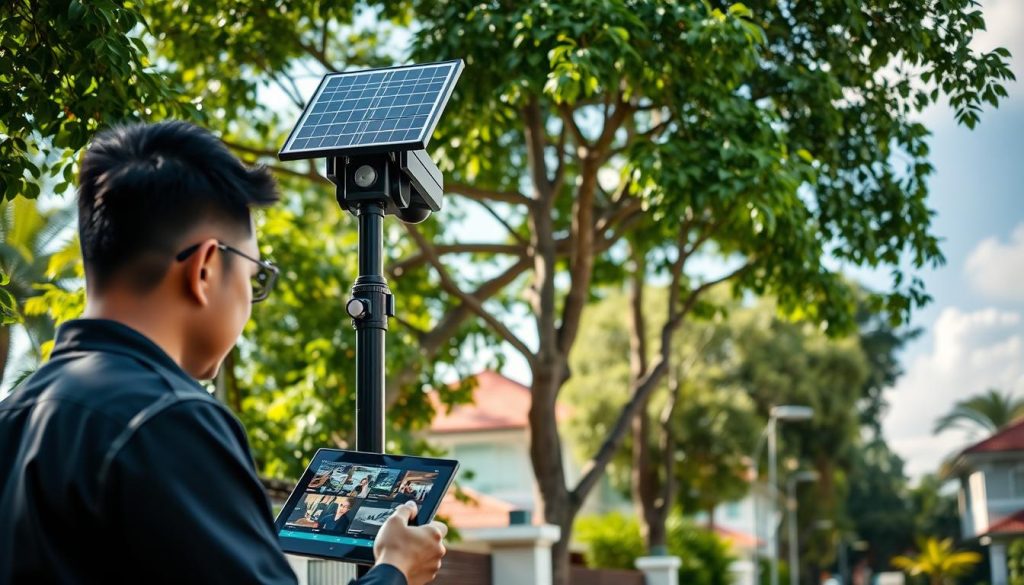
Solar IP solutions are leading the way in Singapore’s drive for sustainability. The country enjoys over 2,500 hours of sunlight yearly. This makes it perfect for using solar energy for security and saving energy. By using solar technology, businesses and homes can cut down on their energy costs. This move also supports Singapore’s goal to use more renewable energy. Solar-powered CCTV systems and smart energy management are just the start of a greener, more cost-effective future. Key Takeaways Solar IP solutions utilize Singapore’s abundant sunlight for security and energy savings. Over 2,500 sunlight hours annually enhance the viability of solar technology. These solutions help achieve national renewable energy targets. Solar-powered systems contribute to energy efficiency and reduced costs. Innovative applications include smart CCTV and energy management tools. Understanding Solar Energy in Singapore Singapore’s climate is perfect for solar energy, helping the country generate more power. It gets about 2,400 to 2,500 hours of sunlight every year. This makes it great for using solar energy in homes and businesses. Average Sunlight Hours and Their Impact The steady sunlight in Singapore makes solar tech work better. Solar panels do well in this warm weather. They power things like security cameras and heaters all year. This means we use less of the old energy sources. It’s a big win for the environment. Renewable Energy Goals Set by the Government The Singapore government wants to be more green. They have big plans for using more solar energy. This will help the country make more power and keep up with its growing needs. What are Solar IP Solutions? Solar IP solutions are a big step forward in using renewable energy and new tech. They use sunlight to power Internet Protocol (IP) devices. This is great for security cameras that run on solar power. Photovoltaic panels turn sunlight into electricity. This makes solar IP tech a green choice compared to old energy sources. Definition and Technology Overview Solar IP solutions create a smart network that links solar energy to IP devices. This lets people set up security systems in places without usual power. It saves money on energy and helps the planet. Application Areas for Solar IP in Singapore Solar IP solutions are useful in many ways in Singapore. They are used for: Urban surveillance systems for better public safety. Watching over construction sites to check rules and safety. Securing remote areas where usual power is hard to get. These uses show how solar IP tech is key in updating security and using green energy in Singapore. Benefits of Solar IP for Residential Users Homeowners are seeing the perks of solar IP solutions. These systems boost security and cut down on energy costs. They use solar power, making home security more affordable and green. Cost Savings and Reduced Energy Bills Residential solar IP systems save a lot of money. They cut down on expensive wiring costs. This leads to big energy savings over time. Some solar IP cameras work without the grid. This means lower monthly bills. It’s a smart choice that keeps saving money as energy prices change. Eco-Friendly Living and Carbon Footprint Reduction Choosing solar IP tech helps homeowners live greener. It cuts down on carbon emissions by using less grid power. Solar energy keeps systems running, even on cloudy days, without harming the planet. For those wanting to reduce their carbon footprint, solar IP is a big step. It’s a way to live more sustainably. Looking into solar-powered systems is a big step toward a greener lifestyle. For more info on their benefits, check out this resource. Solar IP Solutions for Businesses in Singapore Businesses in Singapore are turning to solar IP solutions for better security. Solar-powered CCTV systems offer independent surveillance, not needing the electric grid. This is key for businesses needing constant watch and protection. Enhanced Security with Solar-Powered CCTV Solar-powered CCTV systems bring many benefits for better security. They work well in high-risk areas, ensuring constant watch. Key features include: Real-time monitoring and alerts to catch suspicious activities fast. Data storage for easy access to footage. Lower installation costs because they don’t need much electricity. This boosts business security, letting entrepreneurs focus on their work while keeping their places safe all day. Operational Efficiency and Sustainability Adding solar-powered CCTV boosts security and efficiency. It cuts down on energy costs and helps the environment. The benefits are: Lower electricity bills mean more profit. Less harm to the environment with less carbon emissions. Flexibility in where you can install them, even in hard-to-reach spots. This mix of better security and efficiency helps businesses succeed in a changing world. It shows they care about the planet. Key Features of Solar IP Systems Solar IP systems are changing how we use energy, making it easier and more controlled. They are great for homes and businesses in Singapore. They work well with smart home tech and automation, letting users manage their energy and security easily. Integration with Smart Technology Modern solar IP systems are known for their easy integration with smart home technology. They connect to smart devices, letting users control energy and check security on their phones. This makes things more efficient and improves the user experience. Features like real-time alerts and remote access give users peace of mind. They are perfect for both homeowners and businesses. Remote Monitoring and Management Remote monitoring and management are key features of solar IP systems. Users can watch live feeds from their solar cameras and get alerts for any odd activity. This automation lets users act fast on any security issues, even when they’re not there. The solar IP integration with mobile apps helps users stay ahead of security and energy needs. Solar IP Solutions in Construction Sites The construction industry is changing fast, thanks to new tech. Solar IP solutions are key in making sites safer and following rules. They mix green energy with top-notch surveillance, keeping sites running smoothly and workers safe. Compliance with Safety Regulations In Singapore, following safety rules is very important

Solar IP Solutions in Singapore: Innovate & Save Read More »
CCTV camera repair in Singapore

Can a CCTV camera be repaired?

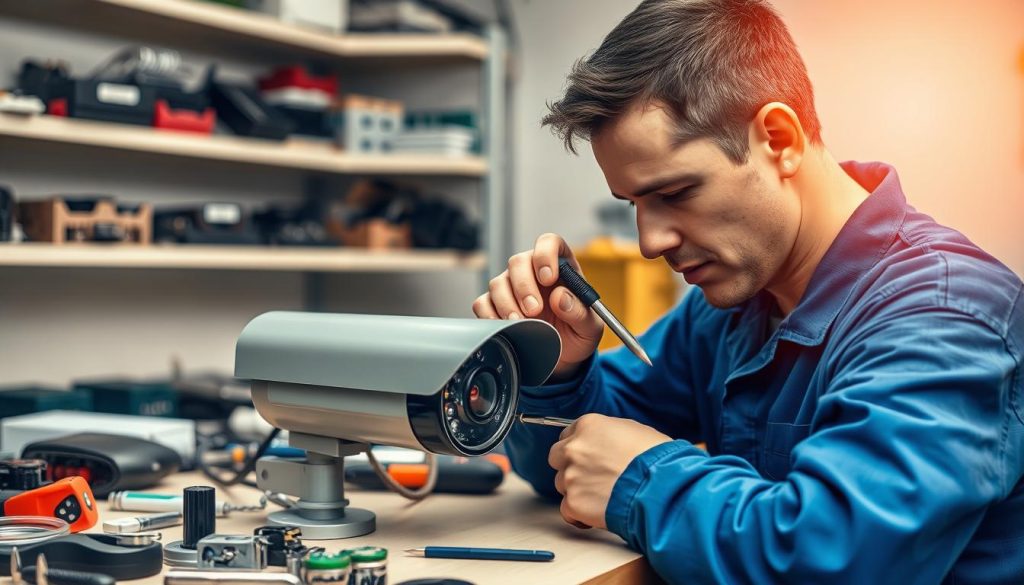
When your security system stops working, you might wonder if you can fix a CCTV camera. The answer depends on the problem. Simple issues like power or wiring problems can usually be fixed. But in Singapore, it’s important to think about the cost of fixing it versus buying a new one. Basic CCTV camera repair costs are between SGD 50 to SGD 150. More complex repairs can cost up to SGD 300. Choosing to repair your CCTV can make your security system last longer. This is a good option for both homeowners and businesses. Key Takeaways Understanding the nature of CCTV camera issues is key for repairs. Repair costs in Singapore range from SGD 50 to SGD 300. Compare repair costs to buying a new unit for a smart choice. Common problems, like power supply faults, are often fixable. Repairing your CCTV can make your security system last longer. Understanding CCTV Systems CCTV systems are key in today’s surveillance, more so in cities like Singapore. They include cameras, recorders, and monitors. These parts let users watch live feeds and save them for later. There are many types of CCTV cameras for various needs: IP Cameras: These use the internet for better quality and remote access. They’re great for advanced setups. Analog Cameras: Reliable and decent in performance, but they might not have all the latest features. Smart Cameras: With advanced analytics, they offer deeper insights into surveillance data. This boosts security a lot. Knowing what different CCTV cameras can do helps a lot in security. With the right systems, people and businesses in Singapore can be safer and more efficient in monitoring. Importance of CCTV Cameras in Singapore CCTV cameras are key to boosting security in Singapore. They help prevent crimes by making places less inviting to intruders. High-quality CCTV cameras Singapore from trusted brands help stop theft and vandalism. They also give property owners a clear view of their surroundings in real-time. Good security surveillance systems work best when installed and maintained well. There are many types of cameras, like dome and bullet ones, to meet different security needs. They help cover all areas effectively. Being able to monitor places remotely is a big plus. It lets users watch over their properties from anywhere, anytime. This feature gives people and businesses peace of mind, helping them protect their assets well. Signs That Indicate Your CCTV Camera Needs Repair Spotting important CCTV repair signs can make your surveillance system work better. Catching problems early helps avoid bigger issues later. It also keeps your security at its best. Blurred Images: If pictures are fuzzy, it’s hard to watch what’s happening. This could mean you might miss important events. Loss of Video Feed: If you can’t see part or all of the video, it creates blind spots. This weakens your security. Flickering Displays: If screens flicker, it means there’s a technical problem. This can stop you from watching things continuously. Inconsistent Recordings: If recordings don’t work right, they’re not helpful when you need them most. Fixing CCTV problems early saves time and money. It makes sure your system works well without any hitches. Common Issues Faced by CCTV Cameras CCTV cameras are key to security systems but face many challenges. Knowing about CCTV common issues helps users spot problems early. A common issue is camera malfunction, often seen as no video output. This can be due to bad power sources or connection issues. Connectivity problems, like WiFi drops, are also common. These can cause video signal loss and affect recording. This is a big problem for those who count on surveillance for safety. Firmware glitches can also cause trouble. These bugs might lead to shaky footage or even system failures. Knowing these issues helps users keep their CCTV systems running smoothly. Can a CCTV Camera Be Repaired? Figuring out if a CCTV camera can be fixed depends on several things. It’s about its working state and what’s wrong with it. Small problems might be fixed by you, but big ones might need a pro. Knowing what’s wrong is key. Is it a power issue or a bad connection? Simple fixes can be done at home. But, if it’s something more, you might need a pro. For really tough problems, like needing new parts or software updates, get help from professional CCTV services. They know what they’re doing and can fix it right. Regular checks can also help find and fix small problems before they get big. To learn more about fixing CCTV systems, check out this resource. Assessing Repair Feasibility First, you need to check the camera well. Find out if it’s a wiring problem or something inside. Knowing this helps you decide if you can fix it yourself or if you need a pro. Professional vs. DIY Repairs Deciding between fixing it yourself or getting a pro depends on the problem. Simple fixes like fixing cables or swapping out power supplies are easy. But, for harder issues, like broken parts or complex settings, it’s best to get a pro. This way, you avoid making things worse. A pro will fix it right and safely. CCTV Repair Services in Singapore Singapore has many reliable CCTV repair services for homes and businesses. Companies like Prowler and Huntaway are known for quick service and good maintenance. Regular maintenance keeps CCTV systems working well and meets local rules. Prowler is praised for its customer service, with unlimited onsite support and fast repairs. This is key for businesses that need surveillance for security. Huntaway, on the other hand, offers custom solutions for different camera systems. They make sure each client gets the right care for their setup. Using professional technicians is key when dealing with CCTV problems. They can quickly find and fix issues, saving time and money. Regular maintenance also makes your equipment last longer and work better. Steps to Troubleshoot CCTV Camera Problems When you’re facing CCTV issues, start with the basics. Many problems come from power or cable issues. By doing simple

Can a CCTV camera be repaired? Read More »

solar hikvision camera

Solar Hikvision Camera Guide for Singapore Homes

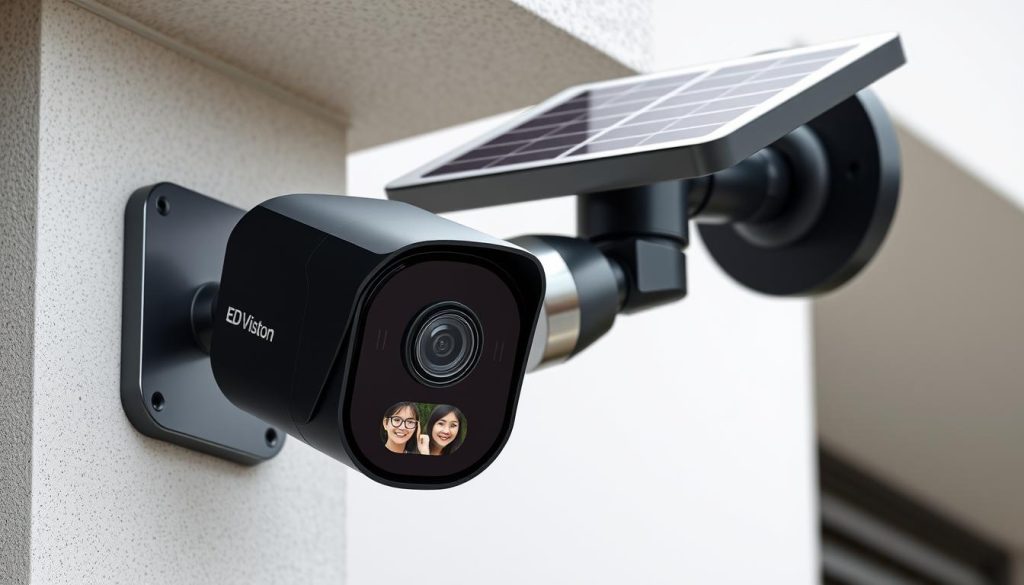
Homeowners in Singapore are looking for safe and green security solutions. The solar Hikvision camera is a top pick, blending new tech with green surveillance. With lots of sunlight, these systems boost home safety and cut down on energy use. This guide explores the solar Hikvision camera’s features, perks, and uses. It aims to help Singaporeans choose the best home security options. Key Takeaways Solar Hikvision cameras offer a sustainable and eco-friendly surveillance option. Designed to thrive in Singapore’s climate, these cameras enhance home security. They utilize solar energy, reducing electricity consumption and costs. Flexible installation locations make them ideal for various home setups. Integration of advanced technology ensures reliability in monitoring. Introduction to Solar-Powered Security Solutions Solar-powered security solutions are changing how we monitor our homes. They combine green living with the latest tech. In places like Singapore, where the sun shines bright, these systems are a smart choice. They help homeowners stay safe while being kind to the planet. Solar Hikvision cameras work without needing electricity from the grid. This means you save money and have more freedom in where you put them. With more people in Singapore wanting green tech, solar cameras are a great fit. They meet both environmental and security needs. Key Features of Solar Hikvision Cameras Solar Hikvision cameras are at the forefront of high-tech surveillance. They use advanced tech and sustainable energy. Knowing their key features helps users see how they provide reliable security. Extended Battery Life One key feature is their long battery life. They can run for up to seven days without sunlight. This means they keep watching even when it’s cloudy. They perform well without needing to be recharged often. This makes them a great addition to any security system. Rugged Design for Outdoor Use These cameras are built tough for outdoor use. They have an IP67 rating, which means they’re dust and water proof. This is important in Singapore’s hot and humid weather. They can handle very cold or hot temperatures. This ensures they work well no matter the weather. Smart Power Management and Energy Efficiency Solar Hikvision cameras have smart power management. This system helps them use energy wisely. It makes sure they work well even when it’s not sunny. This design is good for the planet and saves money on energy. It’s a win-win for eco-friendly surveillance. For more details on solar Hikvision cameras, check out the specifications here. Advantages of Using Solar Security Cameras Solar security cameras are great for keeping places safe and helping the environment. More people want to use green solutions. So, it’s key to know why these systems are good. Eco-Friendly Surveillance Solutions Choosing solar cameras shows you care about the planet. They use the sun’s power, not fossil fuels. This helps lower carbon emissions and supports eco-friendly security. Flexibility in Installation Locations Solar cameras can be placed almost anywhere. They don’t need electricity like regular cameras do. This makes them perfect for farms and construction sites. It means you can watch over your property from any spot. Cost-Effectiveness of Solar-Powered Security Measures At first, solar cameras might seem expensive. But, they save money in the long run. You’ll pay less for electricity and installation. This makes them a smart choice for your wallet and the planet. How Solar Hikvision Camera Systems Work Solar panel technology in Hikvision camera systems changes how we use solar security cameras. These systems use sunlight to make electricity, cutting down on traditional power needs. This makes installation easier and supports eco-friendly practices. Solar Panel Functionality The solar panels in these cameras are key. They turn sunlight into electricity, powering the camera. This keeps the system running, even in places far from power lines. Battery Storage and Charging Mechanism A smart battery system is at the core. It stores energy from the solar panels, keeping the system powered. Even on cloudy days, the system can recharge, ensuring constant surveillance. Solar panels and smart batteries work together, keeping cameras running well in different weather. Applications of Solar-Powered Cameras in Singapore Solar-powered cameras are key for many solar camera applications in Singapore. They are vital in areas where regular surveillance is hard. These systems are surveillance solutions Singapore trusts, showing their use in many settings. Security for Remote Locations In places far from power, like isolated sites or rural areas, solar cameras are a must. They work on their own, keeping places safe from theft. This means constant watch without needing a power source. Monitoring Agricultural Land Farmers benefit a lot from solar security cameras for their land. They watch over animals and spot intruders easily. This makes farm work simpler and keeps assets safe, all without needing lots of wiring. Event and Festival Security Solar cameras are also great for cultural events and festivals. They’re easy to set up and work well for remote monitoring big crowds. This makes events safer, without the hassle of dealing with lots of electrical connections. Best Hikvision Solar Camera Models for Singapore Homes Hikvision offers a wide range of solar cameras for home security. These cameras use the latest technology and are easy to use. They are perfect for homes all over Singapore. Choosing the right solar camera is key. Look for high-resolution video and advanced features like AI movement detection. This helps keep your home safe and secure. High-resolution imaging for detailed video capture. Effective AI movement detection for proactive monitoring. Durable design to withstand Singapore’s weather conditions. Using solar cameras means you don’t need to worry about power outages. They use solar energy, saving you money on bills. Plus, they’re good for the environment. Installation Guide for Your Hikvision Solar Camera Setting up a solar camera needs careful planning. The first step is to pick the right spot for your Hikvision camera. This spot should get lots of sun and cover important areas well. Choosing the Right Location Look for places that get a lot of sunlight. This is key for charging the solar panel. A good spot also

Solar Hikvision Camera Guide for Singapore Homes Read More »

CCTV camera problems

What is the common problem of CCTV camera?

CCTV cameras are key to security in homes and businesses in Singapore. Yet, they face their own set of problems. Knowing about these issues is vital for good surveillance. Problems like not recording footage, video malfunctions, and connection issues can weaken security. Spotting these common problems early helps in fixing them. This ensures your CCTV system works well and keeps you safe. Key Takeaways CCTV cameras are vital for security in homes and businesses. Understanding common CCTV camera problems is essential for effective surveillance. Failure to record footage is a frequent issue faced by many users. Video feed malfunctions can severely impact security operations. Network connectivity issues can disrupt surveillance functionality. Timely identification of issues can prevent more severe security lapses. Understanding CCTV Camera Importance in Singapore In Singapore, the CCTV importance Singapore is huge. These systems watch over about 90% of public areas. They help keep people safe by stopping crimes and giving clues when they happen. As theft and security worries grow, more places are using CCTV cameras. You can find dome, bullet, and PTZ cameras for different needs. They use advanced tech for clear pictures, helping to spot faces and actions better. It’s key to keep these systems working well. Regular checks and updates are needed. This shows how important CCTVs are for keeping Singapore safe. What is the common problem of CCTV camera? CCTV cameras are key in security systems but face many issues. These problems can make them less effective. Users often run into common CCTV camera problems that affect surveillance. Some common issues include: Failure to record footage due to loose or damaged connections. Distorted video quality, often resulting from environmental factors or hardware malfunctions. Inability to connect to Wi-Fi, which can be linked to router settings or interference from physical barriers. Environmental conditions like lighting also play a big role. Poor lighting can cause CCTV malfunctions, leading to bad image quality or no night vision. Knowing these common problems helps users fix issues and keep their systems working well. Common CCTV Camera Malfunctions CCTV systems are key for security, but they can face many issues. Knowing these problems helps keep them working well. Common problems include: Failure to record footage: Loose connections or not enough power can cause this. It leads to missing surveillance. Distorted video display: Wrong lens settings often mess up image quality. This can make surveillance less effective. Connectivity issues: Trouble accessing feeds over Wi-Fi can be a big problem. It makes remote monitoring hard. Poor image quality: Not enough light usually makes images unclear. This affects what the cameras can capture. Night vision issues: Many things can mess with how well cameras see in the dark. This makes nighttime surveillance tough. Dealing with these issues requires good troubleshooting. Checking these common problems can improve security and give peace of mind. For more info, check out this resource. Failure to Record Footage One of the biggest problems with CCTV systems is when they don’t record footage. Knowing why this happens is key to fixing it. It’s important to find out what’s causing the issue to make sure your system works right. Common Causes of Recording Failures Loose or disconnected cables may disrupt the power supply to the camera. Faulty settings in the recording software could lead to skipped recording sessions. Insufficient storage space in the system can prevent new footage from being saved. Fixing these problems quickly can help avoid future recording failures. Regular checks can stop these issues before they get worse. This ensures your CCTV system works as it should. Solutions to Ensure Consistent Footage To avoid CCTV recording problems, try these solutions: Regularly inspect and secure all cables to prevent disconnections. Review and update your recording software settings often to make sure they are set correctly. Monitor storage levels and upgrade storage solutions as necessary to prevent data loss. By taking these steps, you can make your CCTV system more reliable. This reduces the chance of recording failures. Video Feed Problems: No Signal or Distorted Footage Video feed problems can really hurt the reliability of CCTV systems. They can cause big gaps in surveillance. It’s key to spot and fix these issues fast. Types of Signal Issues No signal: Cameras don’t send any video. Distorted footage: This shows up as flickering, ghosting, or wrong colors. Intermittent video loss: The video stream cuts off sometimes, disrupting monitoring. Common Causes of Distortion Many things can cause a distorted video feed. Nearby devices can cause electrical interference, making the signal noisy. Faulty cables or connectors can also mess up the signal. Plus, bad weather can make these problems worse. Finding out what’s causing these issues fast can make your CCTV system work better. This ensures you get reliable surveillance. Network Connectivity Issues in CCTV Systems Network connectivity is key for CCTV systems to work well. Issues like Wi-Fi problems and IP address conflicts can affect performance. It’s important to understand these problems to keep surveillance strong. Impact of Wi-Fi on CCTV Performance The Wi-Fi impact on CCTV is clear, affecting signal strength and video quality. Weak signals or bad router spots can cause connection issues. Not enough bandwidth can make video look bad, with pixelation or lag. To improve, try these steps: Put the router in the middle of the cameras. Use range extenders to strengthen signals in weak spots. Check bandwidth often to make sure it’s enough for all cameras. Resolving IP Address Conflicts IP address conflicts can really mess up CCTV systems. They happen when two devices use the same IP address. To fix this, check your network setup often. Here’s what to do: Give each camera a static IP address to avoid conflicts. Choose a good router that handles DHCP well to manage IP addresses. Keep an eye on your network to catch and fix conflicts fast. Image Quality Problems CCTV image clarity issues can come from many factors. This leads to blurry or distorted images. To fix these problems, it’s key to know the common

What is the common problem of CCTV camera? Read More »

CCTV malfunction and troubleshooting

Why CCTV camera suddenly stopped working?

CCTV cameras are key to security in homes and businesses in Singapore. But, they can suddenly stop working, causing big security risks. This problem, known as CCTV video loss, can leave places open to threats. Knowing why these issues happen is important. Problems like power issues, network problems, and software bugs can cause them. Spotting these quickly helps fix the issue fast and keeps security strong. Key Takeaways Common reasons for CCTV malfunction include power supply problems and connectivity issues. Assessing the health of the power supply can prevent CCTV video loss. Regularly updating firmware is vital for maintaining camera functionality. Conducting physical inspections of cameras can help identify wear and tear. Understanding camera settings is key for solving problems. Seeking professional help may be needed for ongoing issues. Common Reasons for CCTV Camera Malfunction CCTV cameras can stop working for many reasons. One big cause is a power problem. This can happen if cables are loose or damaged. Another issue is network problems. These can block video from showing up. Users might see a black screen or no video at all. Old firmware is another problem. It might not work with new updates. Knowing these issues helps users fix problems fast. This can save time and avoid needing a professional. Power Supply Issues CCTV power supply problems often cause surveillance systems to malfunction. If the power supply is not enough or is unstable, cameras might stop working or lose video feed at times. To fix these issues, start by checking the power connections, which can get loose over time. Worn-out cables or faulty power supplies can also cause problems. Regular maintenance is key to avoid these issues. Check all connections and replace any worn-out parts to prevent sudden failures. Adding Uninterruptible Power Supplies (UPS) to your system can also help. UPS systems provide backup power during outages. This ensures your surveillance system keeps working even when the main power goes out. Why CCTV Camera Suddenly Stopped Working? Figuring out why a CCTV camera stopped working involves looking at a few key areas. Users must do a detailed check to find out what went wrong. This helps fix problems in video surveillance systems. Checking Power Connections Physical connections are very important for camera work. Cables can get loose or damaged over time. This can cut off power to the CCTV system. For wired setups, checking power cables and connectors is key. A simple fix like reconnection or replacement can solve power issues. Assessing Battery Health in Wireless Cameras For wireless cameras, battery health is a big deal. Users should check batteries often to make sure they’re charged and working right. A weak battery can cause video loss, making Wi-Fi signals weak too. Regular checks can really help keep surveillance systems running smoothly. Network Connectivity Problems Network connectivity is key for CCTV systems, like those with IP cameras. Fixing CCTV network issues quickly makes your surveillance system more reliable. It’s important to check both wired and wireless connections for smooth performance. Testing Wired and Wireless Connections Doing CCTV connectivity tests is vital to check your network’s health. For wired connections, make sure cables are tight and not damaged. Loose cables can cause video quality issues. For wireless connections, check if the camera is close enough to the Wi-Fi. Weak signals can affect how well it works. Pinging the Camera’s IP Address Pinging the camera’s IP address helps find network problems. A ping test shows if the camera is connected. If it fails, look for issues like IP address conflicts or router settings problems. Cable and Wiring Issues CCTV wiring problems often cause camera malfunctions. Issues like cable damage and wrong installation can hurt video quality or stop service. Regular checks are key to spotting problems early. When checking cables, look for signs of wear, fraying, or corrosion. This helps catch issues before they get worse. It’s vital to install cables right during troubleshooting. Too many bends or twists can damage cables over time. Using high-quality cables and avoiding bad extensions helps keep your system running well. By taking these steps, you can avoid future problems. This ensures your surveillance gear works as it should. Firmware and Software Updates Keeping CCTV systems up to date is key for top performance and security. Regular updates stop software issues in CCTV that could harm video quality and connection. Manufacturers often release updates to fix bugs and improve security. Importance of Firmware Upgrades Old firmware can cause problems like video loss and system failures. It’s important to check for updates often. This ensures your cameras work well and stay safe. For systems with many cameras, follow the maker’s update plan. This helps avoid big problems during updates. Physical Inspection of Components A thorough CCTV component inspection is key to keeping your surveillance system working well. Users should check all parts, like cameras, cables, and connectors. This careful check can find many hidden problems that might cause issues. When checking CCTV hardware, look for loose or damaged connectors. These problems can stop data flow, leading to system failures. Fixing these issues quickly is important to prevent bigger problems. Also, watch for signs of wear and tear. Check cables for fraying and connectors for corrosion. Keeping all parts in good shape is essential for your CCTV system’s reliability. Regular checks help find problems early and make your system last longer. Camera Settings and Configuration Troubles Setting up a CCTV system needs careful settings to work well. Problems often come from wrong settings like frame rates or resolutions. Finding and fixing these issues is key to making the system work right. Restoring Default Settings At times, going back to the factory settings is the best fix. This action can solve ongoing problems from wrong settings. Restoring factory settings resets the camera and removes bad settings, giving a clean start. If first changes don’t work, this step might be needed to fix the issue. Users should look up more help on fixing settings and problems from trusted sources

Why CCTV camera suddenly stopped working? Read More »

Hikvision solar cameras for eco-friendly security

Hikvision Solar Solutions in Singapore | Eco-Friendly Security

Hikvision solar solutions bring a new way to secure places in Singapore’s busy cities. They use solar energy, so you don’t need old power sources. This makes them great for many places. As we all try to be more green, Hikvision’s solar cameras help keep us safe and protect the planet. They cut down on using fossil fuels. This article will explore how Hikvision’s solar solutions improve security and help the environment in Singapore. Key Takeaways Hikvision solar solutions offer sustainable and efficient security options. Solar-powered cameras are ideal for urban deployments in Singapore. These solutions help reduce dependence on traditional fossil fuels. Hikvision technology enhances both safety and environmental goals. Flexible installation options make them suitable for various locations. Introduction to Hikvision Solar Solutions Hikvision solar solutions are a new way to boost security with solar power. They use the sun’s energy to run surveillance cameras. This solves the problems of old wiring methods. In Singapore, where space is tight, these systems are a big help. They make it easy to set up cameras in hard-to-reach places or during construction. Hikvision cameras are easy to use and don’t need a lot of technical skill. They offer high-quality images, up to 8 MP resolution. This means you get clear pictures, even when the weather is bad. This makes Hikvision solar solutions a smart choice for keeping cities safe. The Importance of Solar Security in Singapore Solar security is key to keeping Singapore safe. The country gets a lot of sunlight, making solar power a smart choice for watching over the city. It’s good for the environment and helps keep everyone safe. Hikvision’s solar cameras don’t need regular power. They use the sun, which means less harm to the planet. This helps fight crime and supports Singapore’s green goals. Using solar tech is smart for cities facing security issues. It makes the city safer and helps the environment. Singapore is leading the way in using green tech for safety. Advantages of Using Hikvision Solar Cameras Hikvision solar cameras offer many benefits for security. They can work for up to seven days without sunlight, thanks to a 20 Ah lithium battery. This extended battery life means surveillance keeps going, even on cloudy days or in bad weather. These cameras are also very energy-efficient. They use about 2 watts per day, which saves money on energy costs. Plus, they’re built to last, with an IP67 rating for top weather resistance. This means they work well in tough weather, keeping your place safe. Setting up Hikvision solar cameras is easy and quick. You can do it yourself, often without needing a pro. This makes them great for all kinds of security needs, from temporary to long-term. Features of Hikvision Solar Technology Hikvision’s solar technology brings impressive features for today’s security needs. The cameras offer high-definition imaging at 1080p resolution. This means users can see detailed visuals. The cameras also have advanced imaging like color night vision. This feature ensures clear images even in dim light. Hikvision makes installation easy. The cameras are light, weighing only 14 kg. Their modular design makes setup simple for everyone. Managing batteries and solar panels is also easy, making maintenance a breeze. These cameras come with built-in storage and 4G connectivity. This setup meets various security needs in different places. It shows Hikvision’s solar cameras are both flexible and cutting-edge. Hikvision Solar Cameras Hikvision has a wide range of solar-powered security options. Among them, the Mobile Solar Security Towers are unique. They are lightweight and easy to move, perfect for quick setup at construction sites or events. These towers offer flexibility for temporary use while providing strong surveillance. On the other hand, Fixed Solar-Powered Cameras are great for areas without electricity. They are built to last and can handle tough weather. Their durability and advanced tech make them a solid choice for ongoing surveillance. Hikvision solar cameras meet different needs, from temporary to long-term use. They ensure that security is always available, no matter the situation. Applications of Hikvision Solar Solutions in Singapore Hikvision’s solar solutions are great for many uses in Singapore. They make surveillance better in different places. These technologies work well for watching over: Farmlands: Keeping farms safe from trespassers. Festivals: Securing big events where lots of people are. Highways: Protecting roads from theft and damage. These cameras are easy to move around. They’re perfect for setting up security fast at temporary sites. They work well in places without power, showing how important they are for safety everywhere. The mix of remote monitoring and solar power makes them key for any security plan. Environmental Benefits of Solar-Powered Security Choosing solar-powered security brings big environmental benefits. It helps meet global goals for sustainability. Solar cameras help cut down on carbon emissions, saving about 56.7 kg of CO2 each year. In places like Singapore, this is very important. The city aims to be more sustainable in its growth. Hikvision is a leader in eco-friendly security solutions. They make innovative products and follow green manufacturing practices. This choice helps reduce their carbon footprint. It sets a good example for using green technology in security. There are more benefits than just following rules. Solar security boosts efficiency and helps the planet. It makes energy use go down, which is good for everyone. How to Get Started with Hikvision Solar Solutions To start with Hikvision solar solutions, first, you need to figure out your security needs. It’s important to pick the right camera models for your site. You can get help with Hikvision consultation to find the best products and learn how to install them. After choosing the right cameras, plan how to set up the solar security systems. This ensures your goals are met and saves energy. Good installation is key for the solar cameras to work well over time. After setting up, keep in touch with Hikvision or authorized dealers for ongoing support. This helps with keeping your system running smoothly. It makes sure your security solution works

Hikvision Solar Solutions in Singapore | Eco-Friendly Security Read More »

green light camera meaning

What does a green light on a camera mean?

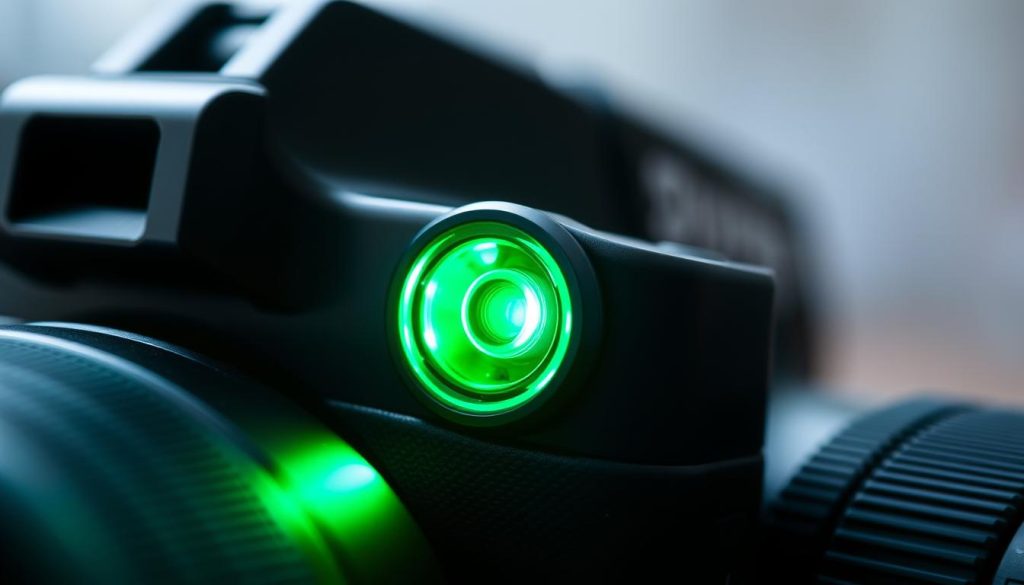
The green light on a camera is key to knowing if it’s working right and connected. We’ll look at what the green light means for different cameras. This helps you understand camera lights better. It’s important to know these signals to keep your camera running smoothly. Key Takeaways The green light indicates that the camera is powered on and connected. Understanding the function of camera indicator lights improves user experience. Different camera types may have varying meanings for the green light. Awareness of camera functionality signals enhances security awareness. Camera activity should always be monitored to ensure privacy. Understanding the Basics of Camera Indicators Camera indicators are key to how devices work. They help users know if the camera is ready or not. Each brand has its own light codes for different uses. Knowing these basics is important for using cameras well. When you start to understanding camera lights, look for the usual indicators. You might see: Power indicators that show if the camera is on or off. Connectivity lights that tell if the camera is linked to a network or device. Operational status lights that show if the camera is recording or in standby. Knowing these camera indicators helps users fix problems and set up cameras right. This ensures they work smoothly. What does a green light on a camera mean? A green light on a camera is very important. It tells you if the camera is working right. It can mean the camera is on or connected to the internet. Power and Connectivity Indicators A steady green light means the camera has power. It’s ready to use. If the camera needs the internet, a green light shows it’s connected. A blinking green light means the camera is sending or getting data. This is key for keeping an eye on things. Camera Activity Status Green lights tell you if your camera is active. A steady light means it’s working well. A blinking light means it’s busy with data. Understanding these lights helps keep your camera working right. It makes sure you can watch what’s happening. Common Camera Light Colors and Their Meanings Knowing the meanings of camera light colors helps users understand camera signals better. Each color has its own meaning, which is key for fixing problems. Red and orange lights usually show important camera status. Red and Orange Indicators Red and orange lights are important for showing the camera’s status. A steady red or orange light means the camera has power but isn’t online. This could be due to network problems or setup issues. Spotting these colors helps users figure out if they need to fix something. Significance of Blinking Lights Blinking lights mean different things in camera operations. A flashing light usually means the camera is restarting or working on something. On the other hand, a steady blink tells users the camera is doing something. Knowing what blinking lights mean can make using the camera better and ensure it works right. Interpreting Camera Status Lights on Different Devices Knowing what camera status lights mean can make using cameras easier. Each camera type has its own set of lights. These lights tell us about connection, power, and camera access. Let’s look at how these lights work for network, smartphone, and action cameras. Network Cameras Network cameras have special network camera indicators to show their status. A steady green light means they’re connected well. A blinking red light might show they’re sending data. These lights help users check if their cameras are working right in a network. Smartphone Cameras Smartphone camera lights, like the green one, tell us if an app is using the camera. When it’s green, it means an app is using the camera. Knowing this helps users keep their privacy and security in check. Action Cameras Action cameras have their own action camera signals to show different things. For example, a blinking light might mean they’re recording. Knowing these signals helps users capture their adventures without worrying about battery or recording status. How to Check Which Apps Access Your Camera In today’s world, keeping your privacy safe is key. It’s important to know which apps can see your camera. You can check this by looking at your device’s control center. This lets you see which apps have permission to use your camera, helping you keep your privacy safe. Using Your Device’s Control Center To see which apps can use your camera, start by opening your device’s control center. On most phones, you can do this by swiping up from the bottom of the screen. Look for any signs that show apps using your camera. By following these steps, you can: Quickly find out which apps have used your camera recently. Make sure only apps you trust can use your camera. Change settings to protect your privacy better. This way, you can keep an eye on how your device is used. It also shows how important it is to know when apps ask to use your camera. Privacy Features in Modern Cameras Technology has made camera privacy features very important. The Samsung green dot is a new alert that tells users when their camera or microphone is being used. This is part of recent Android updates to make app use clearer. Green Dot Notifications on Samsung Devices The Samsung green dot is a quick alert for users. It tells them if an app is using the camera or microphone. This helps people know if their privacy is being invaded, making them feel safer. Impact of Android Updates on Privacy Android updates, like those in Android 12 and later, focus on giving users more control over their data. They add features to help manage permissions better. These updates also give real-time alerts, helping users keep an eye on their apps and act if needed. Troubleshooting Common Camera Light Issues When camera lights stop working, it can be frustrating. To fix these problems, we need to find and solve the root cause. Simple steps can help get your

What does a green light on a camera mean? Read More »

solar cell CCTV solutions in Singapore

Solar Cell CCTV Solutions in Singapore – Secure Now

In today’s world, we need better security, more than ever. This is true in cities like Singapore. Solar cell CCTV systems are a great mix of green tech and advanced security. They use solar power, so you don’t need to worry about power cuts. These systems are perfect for both businesses and homes. They help Singapore stay green while keeping us safe. With energy costs going up, choosing solar for your security is smart. It’s good for the planet and your wallet. Key Takeaways Solar cell CCTV systems align with Singapore’s green initiatives. They provide sustained security without reliance on grid power. These solutions contribute to cost savings on energy bills. Solar-powered surveillance enhances safety and sustainability. Increased demand for energy-efficient security systems is on the rise. Introduction to Solar-Powered Surveillance Solutions Solar-powered surveillance is changing how we think about security in Singapore. These systems use the sun’s energy to power CCTV cameras. This means they don’t need electricity from the grid. The sunny weather in Singapore makes solar tech very effective. It allows for constant monitoring without any issues. Using solar-powered surveillance has many benefits. It works well for homes and businesses. It’s great because it uses renewable energy, making it reliable and eco-friendly. It also helps reduce carbon emissions. This makes it a win-win for security and the environment. Why Solar Cell CCTV is Ideal for Singapore Singapore’s location makes solar cell CCTV perfect for homes and businesses. The country gets over 2,500 hours of sunshine yearly. This means solar-powered cameras work well all the time. The Abundant Sunshine Advantage Solar cell CCTV cameras work great all year. They don’t need to stop working, even on cloudy days. This makes them reliable for keeping places safe. Using solar power is also good for the planet. It’s a green way to watch over areas. Cost Savings on Energy Bills Using solar cell CCTV saves a lot of money. It cuts down on the need for regular power. This means lower bills every month. Going solar is smart and helps the environment. It’s a way to save money and support green energy in Singapore. Understanding Solar Cell CCTV Technology Solar cell CCTV technology is a big step forward in surveillance. It uses sunlight to power cameras, making them sustainable and efficient. This method offers many benefits for different types of CCTV systems. Learning how solar cells work with these cameras can improve security. It shows the power of using solar technology in CCTV systems. How Solar Cells Power CCTV Cameras Solar cells are key in powering CCTV cameras. They turn sunlight into electricity, thanks to the photovoltaic effect. This means cameras can work all day, even when there’s no power. Batteries store the solar energy. This lets the systems keep running without needing regular power. Types of Solar Cell CCTV Cameras There are many CCTV types that use solar technology. Each one meets different surveillance needs: Fixed Cameras: These cameras stay in one place, great for watching specific areas. PTZ Cameras: With pan-tilt-zoom, you can move the camera to see more of your surroundings. Motion Detection Cameras: They turn on when they see movement, saving power and energy. Wireless Cameras: No need for wires, making them easy to set up and move around. Benefits of Using Solar Cell CCTV Solar cell CCTV systems bring many benefits beyond just security. They are key players in Singapore’s push for a greener future. These systems are leaders in sustainable security and care for the environment. Environmental Impact and Sustainability Solar cell CCTV systems help cut down on carbon emissions from old surveillance methods. They use the sun’s energy, reducing the need for fossil fuels. This move supports global efforts to be more eco-friendly. It makes cities cleaner and healthier. The environmental impact is positive, helping to improve our living spaces. Energy Independence and Low Operational Costs Solar cell CCTV offers energy independence benefits. They don’t need to be plugged into the grid, making them perfect for hard-to-reach spots. This saves money on energy costs. As energy prices change, using solar power is a smart choice. It brings financial benefits and peace of mind to property owners. https://www.youtube.com/watch?v=U-JrBrkv3Rk Solar Cell CCTV Installation Process Setting up a solar CCTV system needs careful planning. This ensures it works well and doesn’t cause trouble. Knowing the key steps helps make your property safer quickly and easily. Choosing the Right Location Finding the best spot for your solar CCTV is the first step. It should get lots of sunlight all day. This boosts how well the solar panels work. Make sure the area isn’t blocked by trees or buildings. These can stop sunlight and reduce the panels’ power. Quick and Easy Setup The setup for solar CCTV systems is simple. They usually come with easy-to-follow guides. You’ll need just a few basic tools to get started. By following the instructions, you can quickly protect your property. This ensures everything is set up right for it to work well. Key Features of Solar Cell CCTV Systems Solar cell CCTV systems have many features that boost security. They offer high-definition video and advanced night vision. These features are key to meeting the needs of those looking for top-notch security. High-Definition Video Quality Modern solar CCTV cameras have high-definition video. They range from 720p to over 4MP. This quality is essential for clear identification and capturing important details. Such high-definition technology makes security more effective. It lets property owners watch their areas with confidence. Night Vision Capabilities Solar cell CCTV systems have advanced night vision. They work well in low light, ensuring surveillance is always on. Infrared technology provides clear images even in complete darkness. These features offer round-the-clock security. They greatly improve overall protection. Popular Brands of Solar Cell CCTV in Singapore In Singapore, several brands lead the way in solar CCTV solutions. The market is filled with both well-known giants and new players. They all aim to offer the best in security technology. Knowing the top brands helps

Solar Cell CCTV Solutions in Singapore – Secure Now Read More »

solar CCTV WiFi camera for Singapore homes

Solar CCTV WiFi Camera Guide for Singapore Homes

Safety is a big concern for homeowners in Singapore. Solar CCTV WiFi cameras are becoming popular for their ability to improve surveillance while being eco-friendly. With over 70% of residents worried about security, this guide helps you understand how to use these cameras effectively. Discover the many advantages, how to install them, and how to keep them working well. This will help you feel more secure in your home. Key Takeaways Solar CCTV WiFi cameras offer eco-friendly and efficient surveillance solutions. Understanding the benefits can help enhance security in Singapore homes. Proper installation and maintenance are essential for optimal performance. Investing in reliable security cameras protects against theft and vandalism. Numerous models are available to meet specific needs and preferences. Introduction to Solar CCTV Technology Solar CCTV technology is a big step forward in surveillance. It uses solar power to run cameras. This means no need for electricity, which is great for sunny places like Singapore. The beauty of solar power is it’s clean and sustainable. It helps us use less fossil fuels. This makes it good for the planet. Understanding Solar Power in Surveillance Solar power makes surveillance cameras better and more secure. They work well in places far from power lines. This is because they use sunlight for energy. Using solar power has many benefits. It saves money on energy, lets you place cameras anywhere, and is better for the environment. It’s all about being green and smart. The Rise of Solar Technology in Modern Homes More homes are turning to solar technology. People want to save money and be eco-friendly. Solar devices help with that. In Singapore, the government supports solar energy. This makes homes smarter and greener. It’s all about living in a way that’s good for our planet. Benefits of Solar CCTV WiFi Cameras Solar CCTV WiFi cameras bring many benefits for today’s needs, mainly in Singapore. They use solar power, which saves energy and money. This makes them a smart choice for homeowners looking for security. Cost-Effectiveness and Energy Efficiency Using solar power in CCTV systems saves a lot of money. Homeowners see lower electricity bills because these cameras don’t use regular power. Setting them up is easy, taking just one day. This simplicity means less time and money spent on installation. It also means these cameras are energy-efficient for a long time. Eco-Friendly Surveillance Solutions More people want to protect the environment, making eco-friendly surveillance appealing. Solar CCTV WiFi cameras use renewable energy, cutting down on carbon emissions. They help homeowners in Singapore stay safe while being green. What Makes Solar CCTV WiFi Cameras Ideal for Singapore The Singapore climate is unique and requires special surveillance solutions. High temperatures and humidity can harm security systems. Solar CCTV WiFi cameras are designed to work well in these conditions, giving homeowners peace of mind. Adapting to Singapore’s Climate The Singapore climate is hot and humid all the time. Solar CCTV WiFi cameras have special features to handle this. They can work in temperatures from -10°C to 55°C and humidity up to 90%. This means they can keep watching without stopping often. They are built to last, making them reliable for homeowners. High Efficiency and Durability Requirements Solar CCTV WiFi cameras are known for their durable design. In Singapore, where the weather can be harsh, they need to be tough. Their solar panels catch enough sunlight to keep them running, even in the rain. This mix of efficiency and durability helps homeowners keep their properties safe all year. They are the right tool for the job. Key Features of Solar CCTV WiFi Cameras Solar CCTV WiFi cameras have key features that boost their security value. They offer high-resolution imaging and strong night vision. Plus, they are built to withstand weather, perfect for Singapore’s climate. High-Resolution Imaging and Night Vision Clear video is key for good surveillance. Solar CCTV cameras have at least 1080p resolution for sharp images. This makes it easier to spot faces and objects, improving security. They also have night vision. This lets cameras see clearly even when it’s dark. Being able to watch your place at all times makes them very secure. Weather Resistance and Durability Ratings Weatherproof design is vital for reliable use in different climates. Many solar CCTV cameras have IP66 or higher ratings. This means they’re protected against dust and water jets, working well in Singapore’s weather. This durability means they last long, giving homeowners confidence in their security system. It can handle weather challenges. How Solar CCTV WiFi Cameras Function Solar CCTV WiFi cameras work by using sunlight to power them. This makes them great for using solar power and for keeping places safe. They use smart tech to watch over areas without harming the environment. Solar Power Utilization and Battery Life These cameras use solar panels to turn sunlight into electricity. This helps them run for a long time without needing to be recharged. Some models can work for up to 300 days, even when it’s cloudy. This means they can watch over areas without stopping. It’s a big help for keeping things safe. Smart Technology for Enhanced Surveillance Smart tech makes these cameras better at watching over places. You can see what they see on your phone or computer. You’ll also get alerts right away. This lets you place cameras anywhere you need them. You don’t have to deal with messy wires. Installing Your Solar CCTV WiFi Camera Installing a solar CCTV WiFi camera right is key to its success. With the right installation tips, your battery will work better. Also, picking the right spot for your camera is important for sunlight. Following a clear step-by-step guide makes the setup easier. This guide will help you get the most out of your camera. Optimal Placement Tips for Maximum Sunlight For the best results, pick a spot that gets lots of sunlight all day. Aim for heights of 8 to 10 feet. This helps catch more sun and keeps the camera safe from tampering. Make sure the

Solar CCTV WiFi Camera Guide for Singapore Homes Read More »

Does red light mean recording

Does red light mean recording?

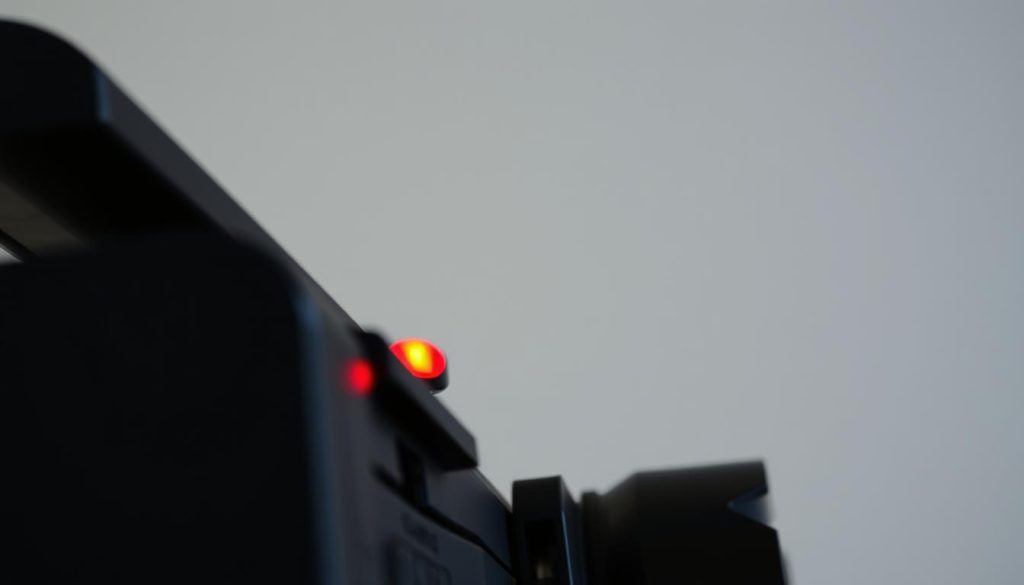
In today’s world, surveillance technology is everywhere. This raises a big question: does a red light mean you’re being recorded? Many devices have red lights, making us curious about their purpose. It’s important to know what these lights mean to protect our privacy. Devices like smartphones and red light cameras use these indicators. This article will help you understand the role of red lights in technology. It aims to make you more aware and secure in a world full of surveillance. Key Takeaways Red signals on devices often indicate recording activity, but the context varies. Awareness of red light indicators can enhance your understanding of privacy concerns. Red light cameras play a significant role in traffic monitoring and law enforcement. Different devices each have unique functions associated with their red light indicators. Proper interpretation of these signals can foster a sense of security among users. As technology evolves, so too does the importance of understanding these signals. Understanding Red Light Indicators Red light indicators are key in today’s tech world. They show important info about devices. These lights help users know if a gadget is working, charging, or recording. They do more than just work. They build trust in technology and make devices more open. The Importance of Red Light Indicators In many devices, red light indicators are essential. They let users check if a device is working right away. This makes users feel more confident in the tech they use. Seeing a red light means a device is active. It helps users understand what the device is doing. How They Improve Device Transparency Red light indicators make devices more transparent. They tell users what’s happening inside their devices. This is important today, when privacy matters a lot. Red lights show when devices might be recording or sending data. This builds trust in technology. With clear signs, users can use tech safely and wisely. Common Gadgets with Red Light Indicators Red light indicators are found in many everyday devices. They make using gadgets easier and show important info. Knowing what these lights mean helps us understand our devices better. Smartphones and Their Indicators In smartphones, red lights show the microphone is on. This is during calls or voice recordings. It lets users know their voice is being picked up, making them feel more confident. Security Cameras and Their Functions Security cameras use red lights to show they’re working. When they’re recording or watching, a red light turns on. This helps the cameras work better and keeps intruders away. Home Electronics and Remote Controls Home electronics often have red lights to show they’re on or ready. Remote controls light up red when you press a button. Knowing about these lights makes using home electronics easier and more efficient. Does Red Light Mean Recording? Many think a red light on devices means they’re recording. But, in most cases, the red light has another role. It’s about the device functionality. Knowing what the red light means can clear up these myths and help us understand the recording status of devices better. Common Misconceptions Surrounding Red Lights Users often believe a red light means a device is recording. This belief can lead to big misunderstandings. For example, security cameras might have a red light to show they’re working, but not recording. Some devices use a solid red light for power or connection. Blinking lights might show different things, like the camera is on or there’s a fake one to scare off thieves. It’s important to know these differences to avoid thinking red lights always mean recording. For more info on how red lights work, check out this website. Red Light Indicators on Security Cameras Knowing what the red light on security cameras means can help a lot. These lights show if the camera is working right. A steady red light means it’s on and ready to watch over your place. Functionality of Red Lights in Different Camera Models Every security camera is different, with its own lights and signals. Some cameras have a solid red light when they’re recording. This means they’re capturing video without stopping. Other cameras flash their red lights to show they’re recording. This makes it clear to users if they’re being watched. Knowing these differences helps users understand what the red light means. Interpreting the Status of Security Cameras It’s important to know what the red light on your camera means. A steady light usually means it’s working fine. But, if the light changes, it might mean something else. Understanding these changes helps fix any problems with your camera. This ensures your place is always being watched. Red Light on Smartphones: What Does It Indicate? Smartphones use red lights to show important functions. These indicators alert users to actions on their devices. Knowing what they mean helps users understand privacy and device use better. The Role of Red Lights During Calls and Recordings A red light on your phone means the microphone is on during calls or recordings. This microphone activity indicator tells users when they’re being recorded. It helps users feel in control and secure during conversations. Apple’s Privacy Features Apple uses red lights to show when the microphone is active. These privacy features aim to build trust and protect users. They ensure users know when they’re being recorded, showing Apple’s dedication to privacy and security. Traffic Management and Red Light Indicators Red light cameras play a key role in managing traffic. They enforce traffic laws and boost safety. By doing so, they encourage drivers to follow traffic signals. The Role of Red Light Cameras in Traffic Safety These cameras capture images or video of traffic offenses. This helps make driving safer. Studies show they reduce accidents and injuries at high-risk intersections. As more people know about these cameras, they drive better. This leads to safer roads for everyone. Technology Behind Traffic Camera Operations Advanced technology makes red light cameras work well in areas with many violations. Key parts include: Real-time monitoring of traffic signals. High-resolution image capture

Does red light mean recording? Read More »