ED VISTON

Blog

solar CCTV solutions

Solar CCTV Solutions in Singapore – Secure & Eco-Friendly

Singapore is moving towards sustainability, and solar CCTV solutions are leading the way. With over 2,500 hours of sunshine yearly, this tech is ideal for better surveillance. It works well in homes and businesses, supporting Singapore’s green efforts. Companies like Wen Hong and Hikvision are leading the charge. They offer top-notch, eco-friendly surveillance. This helps our planet while keeping us safe. Key Takeaways Solar CCTV solutions offer effective and sustainable security options. Singapore has a favorable climate for solar technology with plentiful sunshine. Leading companies are advancing eco-friendly security measures. These systems significantly contribute to Singapore’s environmental goals. Solar solutions reduce dependency on the traditional power grid. Introduction to Solar-Powered Security Solutions Solar-powered security solutions are changing how we watch over our homes and businesses. They use the sun’s energy, which is clean and free. This shows how solar power is becoming a smart choice for security needs. Benefits of Solar Energy in Surveillance Using solar-powered security solutions brings many benefits. Here are some: Reduction of electricity costs by up to 75% Decreased reliance on conventional electric grids Contribution to lower greenhouse gas emissions, promoting a cleaner environment Easy installation with minimal maintenance required Increased reliability in remote areas where power lines are absent These points show how solar power can boost security and help the planet. For more details, check out this guide on solar security. Why Singapore Is Ideal for Solar Technology Singapore is perfect for solar tech because of its sunny weather. It gets about 2,000 hours of sun a year. This means solar security systems work well all year. So, people can keep their places safe without spending more on energy. Solar tech is key in Singapore’s push for green security solutions. The Growing Demand for Eco-Friendly Solutions The move towards eco-friendly options is growing fast. In Singapore, people are more focused on sustainable living. They understand how their choices affect the environment, even in busy cities. Public Awareness of Sustainable Practices More people in Singapore are interested in living green. Thanks to education and community efforts, many are choosing eco-friendly ways. They look for easy-to-use renewable energy, like solar-powered systems. This growing interest leads to a demand for safe, green solutions. It’s a big step towards a better future. Government Support for Solar Initiatives The government is helping make eco-friendly living easier. They offer subsidies and incentives for solar use in homes and businesses. This support makes it simpler for people to choose solar power, like for security systems. These actions help use more renewable energy. They also help Singapore reach its sustainable goals. Solar CCTV Solutions: A Smart Choice for Security In today’s fast world, keeping places safe is key. Solar CCTV solutions offer a smart way to watch over homes and businesses. They use solar CCTV functionality to work without needing the power grid. How They Function Without the Power Grid Solar CCTV systems get power from sunlight through solar panels. This means they keep working even when it’s cloudy or dark. They can even run for up to seven days without sunlight, thanks to their batteries. Advantages Over Traditional CCTV Systems The advantages of solar CCTV systems are clear when compared to old systems. They cost less to install and need less upkeep. Plus, they keep working during power outages, making places safer and more secure. Key Features of Solar-Powered CCTV Systems Solar-powered CCTV systems have many features for today’s security needs. They use new tech for better surveillance and monitoring. This makes them more effective for security. High-Definition Video Quality One key solar CCTV feature is high-definition video. It can go up to 4K resolution. This means you can see faces and license plates clearly. High-definition video makes security better. It also gives you peace of mind, knowing every detail is recorded. Advanced Motion Detection Capabilities Solar-powered CCTV systems also have advanced motion detection. This tech spots real threats, not just pets or wind. It sends alerts in real-time. This helps you stay aware and respond quickly to any danger. Solar CCTV systems are smarter than old models for better security. Understanding the Technology Behind Solar CCTV Solar CCTV technology is a big step forward in surveillance. It uses photovoltaic systems to turn sunlight into electricity. These systems have key parts like high-efficiency solar panels, rechargeable batteries, and smart cameras. They are made to work well in Singapore’s humid weather. This makes them a good choice for many security needs. The use of surveillance innovation is clear in features like AI video analytics. They also have durable construction with high IP ratings. This means they can handle bad weather well. This technology boosts security and is good for the environment. It shows how surveillance can be both effective and eco-friendly. In the end, solar CCTV systems are a mix of caring for the planet and top-notch security. They set a new standard for surveillance solutions. Cost-Effectiveness and Energy Savings Choosing solar-powered CCTV systems saves money for homes and businesses in Singapore. They use less energy and keep things safe. Even though setting them up costs money, you save a lot on electricity bills later on. Long-Term Savings on Electricity Bills Solar CCTV systems can cut your electricity bills by up to 80%. This means you can spend that money on other important things. Using solar energy makes your property more sustainable and saves you money over time. Low Maintenance Costs and Setup The maintenance of solar systems is easy compared to old systems. They need only simple cleaning and battery checks. This makes them last longer and saves you money, proving solar CCTV systems are a smart choice. Real-World Applications and Success Stories Solar CCTV systems have changed the way we think about security in Singapore. They have shown great success in both homes and businesses. People are now seeing the value in using solar power for their security needs. Residential Installations in Singapore Many homes in Singapore are now using solar CCTV systems. These systems make homes safer and

Solar CCTV Solutions in Singapore – Secure & Eco-Friendly Read More »

Blink camera blinking red light troubleshooting

Why is my Blink camera blinking red and not connecting?

Dealing with a Blink camera that won’t connect can be really frustrating. It’s a key part of your home security. This article will help you figure out why it’s blinking red and how to fix it. By knowing the possible reasons, you can quickly solve any problems with your Blink camera. This will help keep your home safe and secure. Key Takeaways The blinking red light on a Blink camera typically indicates connectivity issues. Understanding your camera’s LED indicators is key for troubleshooting. Internet connection problems are a common reason for camera failures. Low battery or power issues can also cause a blinking red light. Setting up your camera correctly is vital for it to work right. Understanding Blink Camera LED Indicators The Blink Camera LED indicators are key to knowing if your camera works right. These camera status lights tell you a lot about how your camera is doing. A blinking green light means the camera is trying to connect to the internet. This connection is important for your camera to talk to your phone app smoothly. A solid red light might mean there’s a hardware problem or the camera is offline. This could need quick action to fix. If the red light keeps blinking, it might be about internet issues, a low battery, or motion alerts. Knowing what these Blink Camera LED indicators mean helps you solve problems fast. This keeps your camera working well. Common Causes for a Blinking Red Light A blinking red light on your Blink camera can mean several things. Knowing what causes it helps you fix the problem. A common issue is a weak Wi-Fi connection. If your camera can’t connect, it might blink red to show the problem. Low battery levels can also cause a red light. If your Blink camera’s batteries are low, it might blink red. Checking the battery often keeps your camera working well. Motion detection alerts can make the light blink red too. When the camera sees movement, it might blink red to let you know. Too many alerts can seem like a problem. Setting up your camera can also cause a red light. If you’re setting it up or reconnecting, it might blink red. Lastly, hardware issues can keep the light blinking. For quick fixes, check out troubleshooting steps to find the cause. Internet Connection Issues Having a stable internet connection is key for your Blink camera to work well. If your Wi-Fi is weak, you might see a red light blinking. To fix this, check your Wi-Fi connection carefully. Checking Your Wi-Fi Signal First, check your Wi-Fi signal strength. Use your phone or laptop to see how strong it is near your camera. A strong signal means less trouble and better performance. If it’s weak, try moving your router closer or removing things that block the signal. Restarting Your Router and Modem Simple steps can often solve Wi-Fi problems. Try restarting your router and modem. Unplug them for a few seconds, then plug them back in. This can fix temporary issues and improve your connection. For more help, visit this page. After trying these steps, watch your Blink camera. If the red light stops blinking, your connection should be better. Low Battery or Power Issues Low battery levels often cause Blink camera battery issues, shown by a blinking red light. It’s key to know the right battery type for your Blink camera. This includes models like the Blink Mini. Identifying Battery Types Different Blink camera models need specific batteries. For the best performance, use Lithium non-rechargeable AA batteries. Checking the battery specs regularly can stop low power problems that might stop your camera from working. Knowing these needs helps keep your Blink camera running smoothly. Replacing or Charging Batteries If you see a blinking red light, check the battery connections or replace the batteries if needed. For the Blink Mini, which often uses external power, watching battery levels is important. A simple battery swap or recharge can fix many issues, keeping your surveillance going. Motion Detection Alerts Blink cameras use motion detection to boost home security. They send Blink camera alerts when they see movement. A blinking red LED light means activity is detected. Users might get too many alerts if the sensitivity is too high. Or if there’s something blocking the camera’s view. This can lead to false alarms. To cut down on unwanted alerts, tweak the motion detection sensitivity in the app settings. Also, make sure the camera has a clear view. A stable internet connection helps ensure you get alerts on time. Knowing how your Blink camera works and its alert system can make your security better. Camera Setup Mode When setting up your Blink camera, a blinking red light means it’s in setup mode. To make sure it works right, you need to finish the setup through the Blink app. This lets the device switch from blinking red to a steady blue light, showing it’s connected. Completing the Setup Process To finish the installation, follow these steps: Open the Blink app and log in to your account. Follow the on-screen prompts to configure your camera settings. If the setup fails, consider resetting the camera using the reset button located on the device. After these steps, the camera will change from blinking red to green, then to blue. This means it’s fully set up and ready for use. A well-configured camera boosts your security and makes using it easier. Hardware Issues When your Blink camera shows a red blinking light, it might have a hardware problem. This could mean it’s not connecting right or not listening to commands. Finding and fixing these issues early can save you from needing big repairs. Identifying Hardware Malfunctions Here are some signs of hardware failure: Unresponsiveness to app commands. Dropped connections even with a strong Wi-Fi signal. Inconsistent video feed or alerts. First, try restarting the camera. If that doesn’t work, a factory reset might help. It can show if you need more repairs or if

Why is my Blink camera blinking red and not connecting? Read More »

flashing red light traffic signal

What does a flashing red light mean?

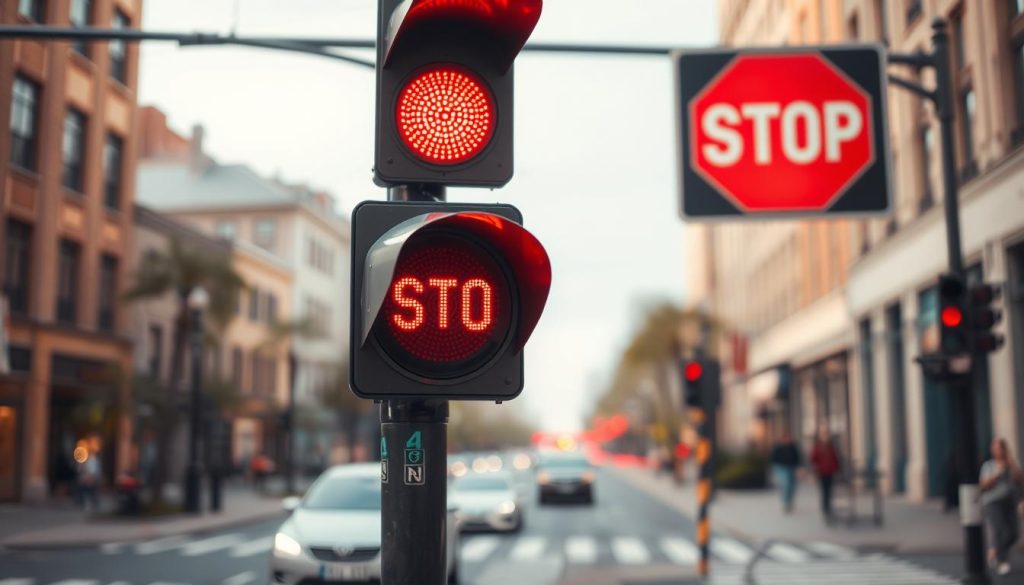
A flashing red light is a key traffic signal in Singapore. It tells drivers to stop completely, just like a stop sign. This rule is vital for keeping everyone safe on the roads. Not stopping at a flashing red light can cause accidents. It can also lead to serious legal problems. So, it’s important to know what a flashing red light means. It’s a critical traffic control that drivers must treat with care and respect. Key Takeaways A flashing red light indicates a mandatory stop for drivers. It functions similar to a stop sign at intersections. Understanding this signal is key for road safety. Failing to follow it can cause accidents and legal issues. Pedestrians rely on drivers’ obedience to this signal. Understanding Flashing Red Lights Flashing red lights are key to keeping roads safe. They tell drivers to stop, just like stop signs do. It’s important for drivers to understand these signals well. They help follow traffic regulations and keep traffic moving smoothly. Relation to Stop Signs A flashing red light means drivers must stop completely. This rule is vital for safe and orderly traffic flow. When you see a flash, remember to: Stop at the marked crosswalk or stop line. If there are no markings, stop before entering the intersection. Following these steps helps avoid accidents. It lets vehicles and pedestrians with the right-of-way pass safely. Key Interpretations for Drivers It’s critical for drivers to know what flashing red lights mean. They not only stop traffic but also warn of caution. By following the correct flashing red light interpretation, drivers help make roads safer. They also follow important traffic regulations. Significance of Flashing Red Lights at Intersections Flashing red lights are key warnings at intersections, playing a big role in keeping traffic safe. Drivers need to know the rules for these signals when they’re approaching. Knowing how to act right helps keep everyone safe and traffic moving smoothly. How to Approach a Flashing Red Light When you see a flashing red light, slow down and think carefully. Stop completely and look around. Check for other cars, people walking, and any dangers. Taking your time helps you make safer choices about when to go through the intersection. Yielding the Right-of-Way When many cars reach a flashing red light at the same time, knowing who goes first is important. Give the right-of-way to cars already in the intersection and those on your right. Staying alert to these rules helps keep everyone safe and encourages drivers to act responsibly. What does a flashing red light mean? Knowing what a flashing red light means is key for drivers. Traffic rules tell us how to act when we see this light. It’s important to follow these rules to keep everyone safe on the road. These rules help keep traffic flowing smoothly. They are part of what makes driving safe and orderly. They also guide how we behave at intersections. General Traffic Rules A flashing red light means you must stop completely. It’s like stopping at a stop sign. Before moving, make sure it’s safe to do so. Not stopping can cause problems and even danger. Remember, the main goal is to keep everyone safe while driving. Legal Obligations for Drivers In Singapore, drivers must follow the rules for flashing red lights. Breaking these rules can lead to fines. It’s every driver’s duty to know and follow these laws. By doing so, drivers help make the roads safer. This reduces the chance of accidents at intersections. Safety Measures When Stopping at a Flashing Red Light It’s important for all road users to follow safety measures at flashing red lights. This helps manage traffic and keeps drivers aware. It also helps prevent accidents and keeps traffic moving smoothly. Importance of Complete Stops Drivers must stop completely at flashing red lights. This rule is a law. It lets drivers check their surroundings safely. By stopping fully, drivers can see any dangers. This includes pedestrians or other cars. It makes the roads safer for everyone. Checking Surroundings and Situational Awareness After stopping, drivers need to be aware of their surroundings. They should look for any movement from other road users. This includes cyclists and pedestrians. Being aware helps drivers make smart choices. They should only move forward when it’s safe. These steps are key to road safety. Proper Actions to Take at a Flashing Red Light When you see a flashing red light, it’s key to know what to do. You need to watch out for others who might have the right to go first. This helps keep everyone safe and traffic moving smoothly. Yielding to Other Road Users Drivers must let pedestrians and cars already at the light go first. This rule helps keep everyone safe and follows the law. Always be ready to stop if needed to avoid accidents. Methods of Proceeding Safely Once it’s safe, follow these steps: Look for pedestrians or cyclists at the intersection. Check for other cars moving through the intersection. Move slowly and carefully back into traffic. These actions are vital for safety and following the rules at flashing red lights. Rules for Multiple Drivers at Flashing Red Lights When many drivers come to a flashing red light, knowing the right-of-way rules is key. These rules help keep traffic flowing smoothly and prevent accidents. They are important for everyone’s safety at intersections. Who Has the Right-of-Way? At a flashing red light, the car on the left must yield to the one on the right. This rule is very important when many cars arrive at the same time. It helps drivers avoid accidents and makes the road safer for everyone. Communication and Safety Tips Good communication is essential when many drivers are at a flashing red light. Using hand signals or lights can show what you plan to do. Being patient and alert is also important. Drivers should also watch out for pedestrians and cyclists. They might be crossing the intersection too. Always be aware of what others are doing

What does a flashing red light mean? Read More »

red light camera indicators

Does it mean someone is watching if the camera is red?

A red light on a security camera often sparks questions about surveillance. Many think it means someone is watching, which is common in places like Singapore. It’s important to know what these lights really mean for our safety and privacy. Exploring security systems shows us that a red light camera doesn’t always mean someone is watching. It might just mean the camera is recording. Let’s look closer at what these indicators mean for you. Key Takeaways A red light does not definitively mean someone is watching. Security camera indicators vary by model and placement. Understanding camera functionality enhances awareness of surveillance technology. Privacy concerns in Singapore make knowledge of these systems particular important. Red light cameras serve multiple purposes beyond monitoring. Clarifying misconceptions can improve public trust in security measures. Understanding Camera Indicators Camera status indicators are key to good surveillance system work. They tell us if cameras are working right and if they’re recording. Knowing these signals helps keep us safe and makes sure tech works right. Importance of Status Indicators Status indicators give us quick visual clues about camera status. Different colors and patterns mean different things: Red lights show recording is happening, warning people they’re being watched. Yellow or orange lights mean the camera is ready but not recording. Green lights mean everything is working fine. Knowing these signs helps us tell when cameras are watching and when they’re not. This boosts our security. Different Types of Camera Lights Surveillance systems use many kinds of lights to share more info: Static lights show if recording is on or off. Blinking lights mean there’s an alert or problem. Flashing lights might show data transfer or connection issues. Understanding these lights helps us watch our surveillance systems better. We can make security changes quickly if needed. How Red Lights Function in Camera Systems Red lights are key in many surveillance systems. They show that the camera is working and recording. This is important for both users and people passing by. Knowing about different cameras helps us see how these lights work. Each camera type has its own way of showing it’s recording. Types of Cameras and Their Indicators There are many kinds of surveillance cameras. Some, like old CCTV systems, don’t show any signals. But newer IP cameras have a clear red light when they’re recording. This means different things for different users. It’s good to know what the red light means for your camera. Red Light Cameras and Infrared Technology Infrared cameras use red light to see better in the dark. This tech lets them capture clear images even when it’s very dark. It’s a big help for keeping places safe. The red light on these cameras usually stays on when they’re recording. It tells users that the camera is working. Knowing about this helps us understand how these cameras keep us safe. The Role of Recording Indicators in Surveillance Recording indicators are key in surveillance ethics. They tell people when they are being watched. This openness makes people feel safer and more responsible. Seeing these indicators makes people act more lawfully. It’s because they know they’re being watched. These indicators also build trust in monitoring systems. People feel safer when they know surveillance is happening. But it must follow ethical rules. In Singapore, surveillance is common in public areas. Recording indicators help balance safety and privacy. They let people know when they’re being monitored. Does it mean someone is watching if the camera is red? Many people think a red light meaning on cameras means someone is watching. They believe a steady red light shows the camera is recording and being watched. This idea comes from not knowing how different cameras work. A red light often means the camera is on and working. It’s a sign for users and anyone else to know it’s active. But, it doesn’t always mean someone is watching live. Different cameras have different light signals, causing confusion. Understanding surveillance cameras involves knowing their technology. Some cameras light up red only when they’re recording. Others stay red all the time. It’s key to learn about your camera’s specific red light to know what it means. General Usage of Red Lights in Security Cameras Red lights in security cameras show if they are working. Many people think a red light means the camera is recording. This leads to confusion about if the camera is really watching. Common Misconceptions About Recording Indicators Many think a blinking red light means the camera is recording. But, these lights often show if the camera is on or connected. Some cameras don’t have a red light, making it hard to know if they’re working right. It’s important to know what each light means for good security monitoring. Variability Among Camera Models Camera models vary a lot, making it hard to understand red lights. Different cameras have unique features and lights. Some cameras don’t have lights at all. To know how your camera works, read the manual and check the specs. This way, you’ll understand your camera’s features better. Legal Considerations for Recording Indicators It’s important to know the laws about surveillance. In places like Singapore, rules cover video and audio recording. These laws help protect privacy while keeping everyone safe. There are rules about when to use surveillance signs. For example, some places need to show they’re recording. This makes things clear for everyone. Knowing the laws about recording sounds is also key. The rules can change based on where you are and what you’re recording. Companies need to follow these laws to stay out of trouble. Understanding these laws helps use surveillance tools right. It also protects people’s privacy. Benefits of Active Recording Indicators Active recording indicators are key to making surveillance systems better. They not only show that surveillance is happening but also bring many benefits. These benefits help make our environment safer. Transparency in Surveillance One big plus of surveillance indicators is the transparency in monitoring they offer. When people know they’re being recorded, it

Does it mean someone is watching if the camera is red? Read More »

CCTV camera blinking red light

Why is the red light blinking on my CCTV camera?

The blinking red light on your CCTV camera can often lead to uncertainty about its operational status. This CCTV camera blinking red light usually shows if the camera is working or recording. But, not all devices follow the same standards. The meaning of these surveillance camera indicators changes with different models and makers. It’s key for users to know what these lights mean. In this article, we explore the blinking red light’s significance. We aim to help you keep an eye on your CCTV recording status and boost your security. Key Takeaways Understanding the implications of a red light on your CCTV camera is key for good security. The blinking red light may show different statuses based on the camera model. Not all CCTV cameras use a red light to show recording; some show power status instead. Knowing the specific indicators of your maker can clear up any confusion. Regular checks and software tools can help confirm your camera’s recording status. Understanding the Blinking Red Light Indicator The blinking red light on surveillance cameras is key to knowing if they’re working. These lights tell us if the camera is on or recording. But, how they work can change a lot between different brands. Default Indications of the Light A blinking red light usually means the camera is working. It’s capturing video or streaming live. This helps users feel secure about their camera’s performance. Yet, the exact meaning can vary by model and brand. Variations by Camera Brand Different camera brands use lights in their own ways. Some might use blue for recording, while others stick with red. It’s vital to know these differences to understand your camera’s status. Always check your user manual to learn about your brand’s specific light signals. The Significance of a Red Light on Cameras The red light on cameras means different things, mainly about their status. Knowing what a red light on a camera means helps use them better. It lets users know if their security is working right away. Common Usage in Surveillance In many security systems, a red light means the camera is working. This is key for those who need to watch things live. The light’s steady or flashing tells users if their security is good or if there’s a problem. Indications of Power and Recording States The lights on cameras tell us if they’re recording or if there’s an issue. A steady red light means the camera is on. A flashing light might mean it’s recording or showing a warning. This helps users understand what their cameras are doing. CCTV Cameras: What Does a Blinking Red Light Mean? A blinking red light on CCTV cameras can mean different things. It’s not always clear if the camera is recording. This depends on the brand and model of the camera. To understand what a blinking red light means, check your camera’s manual. Older models might have unique signals that don’t match today’s cameras. For example, a fast blink might mean one thing, while a slow blink means another. Knowing how different brands use these lights is key. It helps you manage your security better. By paying attention to the blinking patterns, you can tell if your camera is working right or if it needs help. Does a Blinking Red Light Mean Recording? A blinking red light on CCTV cameras often makes people think it means recording. But, this isn’t always true. Different brands use their lights in different ways, leading to confusion about recording status. This confusion can make surveillance less effective. Misinterpretations Regarding Red Lights Many think a blinking red light means the cameras are recording. While this is common, some brands use it for other things. For example: Connectivity issues – A blinking light may indicate a problem with the network connection. Device alerts – Certain brands use blinking lights to signal low power or other system alerts. Environmental interruptions – Interference from external factors can cause unexpected behavior in CCTV camera signals. It’s important to check the camera’s user manual to understand its blinking light. Knowing what these lights mean can help avoid confusion and make surveillance more reliable. Common Misconceptions about Recording Indicators Many users face misconceptions about recording lights when using CCTV cameras. A big mistake is thinking a steady red light means the camera is recording. But, a steady light might just show the camera is working, while a blinking red light could mean it’s recording or there’s an issue. This confusion often arises from not knowing the difference between steady vs blinking indicators. The Difference Between Steady and Blinking Lights It’s important to understand the difference between steady and blinking lights. A steady red light usually means the camera is ready to go. But, a blinking light might show it’s recording or alerting you to something. Knowing your camera’s specific lights can help avoid these common misconceptions about recording lights. Consumer Confusions Across Brands Light signals can vary greatly between brands, adding to the confusion. What one brand’s steady red light means might not be the same for another. Doing thorough research on different brands is key to avoiding mistakes. For more on whether a red light means your camera is on, check here. Different Manufacturers, Different Signals Choosing CCTV cameras means knowing the signals each manufacturer uses. Each brand, like top CCTV makers, has its own way of showing light indicators. This can lead to confusion if you don’t know what each signal means. How Brand Indicators Vary For example, Reolink might use a blinking red light for recording. On the other hand, Blink might use blue lights for certain features. This shows why checking each brand’s manual is key. The same color can mean different things for different brands. Understanding Manufacturer Documentation It’s important to understand camera manuals well. Knowing how to read these manuals helps users get the most out of their systems. It lets them know what each light or signal means, so they can act quickly if needed. How to

Why is the red light blinking on my CCTV camera? Read More »

red light meaning in surveillance technology

Does red light on camera mean someone is watching?

The red light on surveillance cameras has sparked a lot of debate. Many think it means someone is watching, raising big privacy worries. This is true in cities like Singapore, where cameras are everywhere. Looking into surveillance tech, we find out what red lights really mean. They show us how cameras work and what they do. This clears up some big misunderstandings about camera signals. Key Takeaways The red light often indicates that a camera is operational, not necessarily that it is being monitored. Surveillance technology varies, influencing how red lights function in different systems. Understanding camera indicators can enhance your awareness of possible privacy concerns. In Singapore, red light cameras are key to keeping roads safe. Misconceptions about camera signals can cause unnecessary fear about being watched. Legal rules around surveillance cameras shape how we see and use them. Introduction to Red Light on Cameras Red light cameras are key in modern traffic control. They take pictures of cars that run red lights. This helps make roads safer in places like Singapore. The introduction to surveillance through these cameras has made people more likely to follow traffic rules. This has led to fewer accidents at intersections. It’s important to clear up any wrong ideas about red light cameras. Some people think the red light means they’re always being watched. This can make them feel uneasy about surveillance practices. But, these cameras are mainly used to make sure people follow traffic laws and stop reckless driving. The technology behind red light cameras keeps getting better. But their main goal is always to make roads safer. As we use more traffic enforcement technology, learning about it can help clear up any confusion. This will help everyone understand their purpose better. Understanding Surveillance Technology Surveillance technology has grown a lot, meeting different security needs. It includes old CCTV and new infrared IP cameras. These systems make places safer and help in monitoring both privately and publicly. CCTV uses analog signals and specific camera features for video to a central spot. On the other hand, infrared IP cameras send digital, high-quality images, even in the dark. This tech upgrade means you can watch live and access footage online. Knowing about surveillance systems helps people and groups choose the right security. By understanding camera features, they can meet their security needs while thinking about privacy. Does Red Light on Camera Mean Someone is Watching? Many people wonder about red light indicators on surveillance cameras. They often think a glowing red light means someone is watching. This belief leads to surveillance myths, where users think they’re being watched all the time. It’s important to know how different camera types work to clear up these myths. Common Beliefs About Red Lights Some think a camera with a red light means someone is watching live. But, red lights usually just show the camera is on. They don’t always mean it’s recording. This can make people worry more about their privacy than they need to. Variations in Camera Types There are many camera types and how they use red lights can vary. Some cameras flash a red light to show they’re recording. Others might use different signals. Knowing this helps people understand their surroundings better and feel more secure about privacy. How Red Light Cameras Work in Singapore In Singapore, red light cameras play a key role in keeping roads safe. They are placed at many intersections to check if drivers follow traffic rules. If a car goes through the stop line when the light is red, the camera takes a photo. This photo is proof of the violation. These cameras have made a big difference in reducing traffic offenses. The government’s efforts to make roads safer are clear. They aim to stop drivers from being reckless. The cameras work simply but well. They start recording when a car runs a red light. This helps enforce traffic laws quickly. The information gathered helps improve road safety plans. It also encourages drivers to be more careful. Red light cameras have been a big help in keeping Singapore’s roads safe. For more on how they work and their impact, click here. Red Light Indicator as a Recording Signal The red light on cameras is a key visual clue. It shows when the camera is recording. This is very true for infrared IP security cameras. They use infrared to see clearly even in the dark. Knowing these signals helps figure out if a camera is real or just a fake. Infrared IP Security Cameras Infrared IP security cameras work well in the dark thanks to infrared technology. When they’re on, their red lights stay steady. This means they’re recording. This is different from cheaper cameras that might not have this feature. Signal Differences in Real vs. Fake Cameras Telling real from fake cameras is important for safety. Real cameras usually have a steady red light. This shows they’re working. Fake cameras might blink their lights. This can make it seem like they’re watching, but they’re not. Knowing these differences helps keep your space safe. Impact of Red Light Cameras on Road Safety Red light cameras are key in making roads safer in places like Singapore. They act as a strong warning against breaking traffic rules. This leads to fewer drivers ignoring traffic lights, reducing dangerous driving. Studies have shown these cameras work well in keeping traffic in check. Places with red light cameras see fewer accidents and rule breaks. This makes the community safer and more law-abiding. Here are some key points about how red light cameras help: They cut down on accidents at intersections, including those that hurt people. Drivers become more aware of the dangers of running red lights. People trust the police more because they can see them enforcing traffic laws. These efforts are vital for improving road safety. They help save lives and encourage drivers to be more careful. Identifying Camera Indicators and Their Meanings It’s key to know what camera indicators mean. Many people use

Does red light on camera mean someone is watching? Read More »

solar camera PTZ systems

Solar Camera PTZ Systems in Singapore | Eco-Secure

In today’s world, technology and green living go hand in hand. Solar camera PTZ systems are at the forefront of surveillance in Singapore. They use solar power, making them a big step forward in PTZ systems. These systems offer top-notch video quality and are good for the planet. They’re perfect for homes and businesses. They cut down on energy costs and support Singapore’s green goals. With features like remote access and strong connectivity, solar camera PTZ systems are a smart choice. They provide reliable security and are great for our eco-friendly future. Key Takeaways Solar camera PTZ systems combine advanced surveillance technology with eco-friendly solar power. They provide significant cost savings on energy while reducing carbon emissions. These systems are ideal for various applications, from residential security to commercial monitoring. Features include high-definition video, remote monitoring, and robust connectivity. Solar-powered security aligns with Singapore’s green goals and enhances sustainable practices. Introduction to Solar-Powered Security Solutions In today’s world, solar-powered security solutions are becoming more popular, mainly in cities like Singapore. These systems use renewable energy to provide reliable and sustainable ways to watch over areas. They work on their own, without needing the usual electricity, which saves money and helps the environment. These solutions are built to last, handling different weather conditions well. They are strong and don’t need much upkeep. This makes them perfect for long-term eco-friendly surveillance, helping us be greener in our security efforts. Why Solar PTZ Security Cameras Are Gaining Popularity in Singapore In Singapore, the need for good surveillance is growing. Solar PTZ security cameras are becoming a top pick. They use solar power, making them cheaper and better for the environment than old systems. These cameras are great for city life. They need only 5 to 8 hours of sun to charge. This is perfect for Singapore’s sunny weather. They work well outdoors, like in nurseries and playgrounds. They come with cool features like night vision and motion detection. You can control them from afar, making it easy to see what’s happening. As surveillance tech gets better, these cameras are key to keeping Singapore safe. Benefits of Using Solar Technology in Security Systems Using solar technology in security systems brings many benefits, mainly in Singapore’s climate. A big plus is the huge energy savings. Solar cameras can cut down on costs by up to 80%. This is great for businesses looking to save money without sacrificing security. Solar cameras are easy to install, unlike traditional wired systems. They need little wiring, which can save up to 70% on installation costs. This means faster setup and lower labor costs, making them a good choice for many security needs. Solar cameras work well even when it’s not very sunny. They can last up to seven days on battery, working through cloudy days or at night. Their tough, weatherproof design also means they can handle Singapore’s changing weather. This ensures they keep working well for a long time with little upkeep. Solar Camera PTZ Features and Specifications Solar-powered PTZ cameras have many features that make them great for security. They can pan, tilt, and zoom, covering more area. They also offer high-definition video, capturing every detail for thorough surveillance. High-Definition Video Quality These cameras have high-definition video, up to 4MP. This quality is key for spotting threats and watching over properties. With clear images, users can rely on the footage for security checks and responses. Durability and Weather Resistance Solar PTZ cameras are built tough for outdoor use. They have a weatherproof design, rated IP66 or IP67. This means they can handle rain, dust, and extreme temperatures. They work well in any weather, giving users peace of mind. Remote Access and Connectivity These cameras also offer remote access. Users can watch their properties from anywhere with mobile apps. This makes it easy to keep an eye on things, no matter where you are. How Solar Technology Works in PTZ Cameras Solar technology is key in PTZ camera operation. It makes these systems eco-friendly and efficient. The system has solar panels with photovoltaic cells. These cells capture sunlight and turn it into electricity. This electricity powers the PTZ camera. It ensures the camera works well and smoothly. The use of solar technology makes security systems self-sufficient. It charges built-in batteries during the day. This means the camera works at night too, giving constant surveillance. In sunny places like Singapore, these systems work great. The climate helps the solar technology function better. Installing solar panels correctly is important. They should be at a 45-degree angle for best sunlight absorption. This ensures the camera gets power continuously. It also means the camera can watch areas without stopping, showing the value of solar technology in security. Advantages of Solar Powered Security Cameras Solar-powered security cameras have many benefits, mainly over wired systems. They are great for eco-friendly security. This is because they use renewable energy, cutting down on fossil fuel use. They also save money on energy costs. This means users can enjoy a good security system without spending a lot. Plus, they’re easy to install because they don’t need complex wiring. These cameras have cool features like motion detection and night vision. They’re built to last, so you don’t have to worry about fixing them often. This makes them a top choice for those who care about the environment and want to save money. Comparing Solar Camera PTZ to Traditional Options Looking at solar vs traditional cameras shows big benefits of solar systems. Solar cameras save a lot of energy. They also set up fast, saving time and money. Solar cameras work on their own, without needing the power grid. This makes them better for security, even when the power goes out. Traditional systems need constant power, which can fail. Solar cameras also have cool features like mobile access and smart motion detection. These aren’t always found in older cameras. This makes them easier to use and more reliable for watching over places. In short, solar cameras are more

Solar Camera PTZ Systems in Singapore | Eco-Secure Read More »

solar based CCTV camera

Solar Based CCTV Camera Systems in Singapore

Solar based CCTV camera systems are becoming more popular in Singapore. They use sunlight, which is plentiful in Singapore, to power them. This makes them a green choice for security. More people and businesses are choosing these eco-friendly CCTV systems. They help keep the city safe. This fits well with Singapore’s goal to be more sustainable. Key Takeaways Solar based CCTV camera systems use renewable energy for operation. They can significantly reduce energy costs and maintain security without grid dependency. These CCTV systems are well-suited for Singapore’s sunny climate. High-definition video quality and weather resistance are key features. Applications include construction sites, transportation security, and remote monitoring areas. Regular maintenance is essential for optimal performance. Choosing the right model involves comparing various brands and capabilities. Introduction to Solar Powered Security Solutions Solar powered security solutions are gaining popularity in Singapore. This is due to a growing focus on eco-friendly practices in security. These systems use solar energy, making them independent of the grid. This independence boosts their reliability and ensures they work well in different conditions. The rise of eco-friendly surveillance systems is part of a larger trend towards sustainable security. As cities face security and energy use challenges, solar systems address both issues. The global smart solar market is expected to hit $13.33 billion by 2027. This shows solar technology’s growing role in security solutions. Solar powered systems can work all the time, even when it’s not very sunny. This makes them a key part of modern security setups. By choosing sustainable security options, companies help the environment and protect their properties. Benefits of Solar Based CCTV Camera Systems Solar powered CCTV camera systems offer big advantages in Singapore. They boost security and save money, making them efficient. They need little upkeep and use the latest tech, meeting both home and business needs. Cost Efficiency and Savings Solar CCTV systems cut down on electricity bills a lot. They use the sun’s power to save up to 75% on energy. Plus, they don’t need expensive wiring, saving on installation costs. Over 10 years, people can save $1,500 to $2,000. This makes solar CCTV a smart financial choice. Reduced Dependency on the Grid Solar surveillance systems give users independence from the grid. They work on their own, not stopping during power outages. This means constant monitoring and more security. Even in remote places, you can have top-notch surveillance without traditional power. For more details, visit solar powered CCTV solutions. The Importance of Solar Energy for Surveillance in Singapore Solar energy is key for surveillance in Singapore, thanks to its sunny climate. With over 2,500 hours of sun each year, solar CCTV systems are a smart choice. They help achieve sustainable security and cut down on fossil fuel use. Utilizing Singapore’s Sunlight Solar energy is vital for security in Singapore. The constant sun makes solar cameras work well. They offer clear video, perfect for keeping an eye on things. In places far from power, solar energy is essential. It helps Singapore meet its climate goals. Solar security devices also save money, cutting energy costs by up to 75%. Learn more about solar power in security at this link. In Singapore’s hot and humid weather, solar systems hold up well. They have high IP ratings for tough conditions. The move to solar for surveillance shows Singapore’s commitment to a green future. Features of Solar Based CCTV Cameras Solar based CCTV cameras have many great features. They are perfect for security in Singapore. These systems work well in different conditions and last a long time. High-Definition Video Quality One amazing thing about solar CCTV cameras is their HD video quality. They can go up to 4K, giving very clear images. This makes it easier to see who’s there or if something strange is happening. Weather Resistance These cameras are tough and can handle Singapore’s weather. They have an IP67 rating, which means they’re protected from dust and water. So, they keep working well even when it’s bad outside. Long Battery Life and Energy Efficiency Solar CCTV systems have long-lasting batteries. They can work for up to seven days without sunlight. This means they’re reliable for watching over places far away. They also need less upkeep, so you can have security all the time. Applications of Solar Based CCTV Camera Systems in Singapore Solar based CCTV camera systems are used in many places in Singapore. They work well without needing electricity, which is great for places that need constant watch. These systems are good for keeping an eye on construction sites and roads, among other things. Construction Sites Construction sites are hard to keep safe because they are big and only there for a short time. Solar powered CCTV cameras help by watching over the area without needing lots of wires. They can cover a lot of ground, helping to stop theft and damage. Transportation Security Keeping roads and highways safe is important in cities. Solar powered CCTV cameras help by watching traffic and catching problems as they happen. They work well in all kinds of weather, helping to keep everyone safe. Remote Monitoring Areas Solar based CCTV cameras are also great for watching over places that are far away, like nature reserves or farms. They make sure these areas are safe from harm and help with watching wildlife. They are very useful for keeping places safe, even if they are hard to get to. How Solar Powered CCTV Cameras Work Solar powered CCTV cameras use solar technology for efficient surveillance. They have solar panels that turn sunlight into electricity. This electricity charges internal batteries, letting the cameras work on their own. Learning about CCTV operation principles shows how these systems work well. They capture video and send it over cellular networks like 3G, 4G, or 5G. This keeps the cameras connected all the time, without the need for wired internet. Using solar technology in surveillance is a big step forward in renewable energy surveillance. It solves the problem of relying on traditional power

Solar Based CCTV Camera Systems in Singapore Read More »

Shiwojia solar camera eco-friendly security solutions

Shiwojia Solar Camera: Eco-Friendly Security in SG

The Shiwojia solar camera is changing the game for eco-friendly security in Singapore. It uses solar power, making it a reliable choice without needing lots of electricity. For those wanting sustainable surveillance, the Shiwojia solar camera is perfect. It shows how green tech is becoming a big deal in security, cutting down on carbon while keeping us safe. Key Takeaways The Shiwojia solar camera promotes eco-friendly security approaches in Singapore. It utilizes solar power, reducing dependence on traditional power grids. Suitable for both residential and commercial spaces. A sustainable choice that contributes to environmental responsibility. Integrates modern technology with green initiatives for effective surveillance. Introduction to Solar Security Solutions In today’s world, solar security solutions are key for good outdoor surveillance. These systems are a green way to watch over properties. They’re perfect for places like Singapore, where saving energy is important. Solar cameras use the sun’s power. This means they can work in places without regular power. They’re great for outdoor use, covering homes and businesses well. Thanks to new tech, these cameras work well even when it’s bad outside. They’re good for the planet too, because they use less energy. This makes them a smart choice for boosting security without harming the environment. What Makes Solar Cameras Eco-Friendly? Solar cameras are eco-friendly because they use solar power. This clean energy source cuts down on electricity use. It can save up to 75% of energy for many models. These cameras help reduce our carbon footprint. This makes them good for the environment. They are a key part of our efforts to be more sustainable. Solar cameras can be set up in remote areas. They work well without the need for traditional power. This makes them a great choice for places without electricity. More people are choosing solar power as they learn about environmental issues. Solar cameras are important for reaching our sustainability goals. Benefits of Using the Shiwojia Solar Camera Shiwojia Solar Cameras offer more than just basic security. They use solar energy, making them eco-friendly. This means they don’t rely on traditional energy and save on electricity costs. Setting up these cameras is easy and quick. You don’t need to deal with complicated wiring. This makes them a top choice for those looking for affordable security solutions. These cameras have advanced features like high-definition video and smart motion detection. These features make security better and footage clearer. Plus, you can store footage in the cloud and access it anywhere, showing how efficient they are. In summary, Shiwojia Solar Cameras are a blend of sustainability, simplicity, and cutting-edge security. They meet the need for green and effective surveillance. Knowing these benefits helps users improve their security while staying eco-friendly. shiwojia solar camera: Features That Stand Out The Shiwojia Solar Camera offers top-notch features for surveillance. It has advanced technology for high-definition video and night vision. These features ensure your property is safe and secure. High-Definition Video Quality This solar camera captures HD video with 4 MP resolution. Its high-definition quality makes it easy to see details clearly. The Shiwojia features work well day and night, providing reliable performance. Night Vision Capabilities In low light, the Shiwojia Solar Camera shines with its night vision. It can see up to 150 meters in the dark. This feature makes sure your property is safe all the time. Flexible and Efficient Energy Use The Shiwojia Solar Camera is a top choice for modern security needs. It shines with its focus on efficient energy use. This camera works well using solar camera power, grabbing energy from sunlight. Even when sunlight is scarce, it keeps going thanks to its long-lasting batteries. These batteries give it power for a long time. This feature is key for flexible deployment in many places. You can put these cameras in cities or places with little sun. They work well for up to seven days without needing sunlight. This makes Shiwojia Solar Cameras a reliable choice for security. They are perfect for different environments. 4G LTE Connectivity for Real-Time Monitoring The Shiwojia Solar Camera brings 4G LTE connectivity to property security in Singapore. This feature lets users watch live camera feeds on their phones, tablets, or computers. It ensures property safety anytime, anywhere. Mobile alerts notify users instantly when motion is detected. This quick alert system helps users act fast against threats. With 4G LTE, users stay connected and in control. Stay Connected Anywhere in Singapore At home, work, or on the move, the Shiwojia Solar Camera keeps properties safe. Its 4G LTE and real-time monitoring make it a top choice for security. How Shiwojia Solar Cameras Operate The Shiwojia Solar Cameras use a new solar energy system for security. This system turns sunlight into electricity, so they work all the time. They collect energy during the day and use it at night. Solar Energy Mechanism Explained Shiwojia Solar Cameras start working when they see movement. They watch areas in real-time and fit well with smart systems. Users get alerts right away through 4G, making the cameras green and independent. Installation Process for Shiwojia Solar Cameras Setting up Shiwojia Solar Cameras for security needs careful planning. First, find the best spots for the cameras. These spots should get lots of sunlight to work well. The cameras should be high up to avoid tampering and see important areas clearly. These areas might be where people enter, drive, or need watching. Use sturdy mounts to keep cameras safe from the weather. After setting up, test everything. Make sure the cameras connect well and cover all needed areas. This careful step keeps your outdoor cameras working well to watch over your property. Customer Reviews and Experiences in Singapore Reviews of the Shiwojia Solar Camera show mostly positive feedback. It has an average rating of 3.8 out of 5 stars. Many users have shared their good user experiences with the product’s setup and how well it works. Some common points in the solar camera feedback are: Ease of installation Reliable performance in different

Shiwojia Solar Camera: Eco-Friendly Security in SG Read More »

Turn off CCTV camera

How do I turn off my CCTV camera?

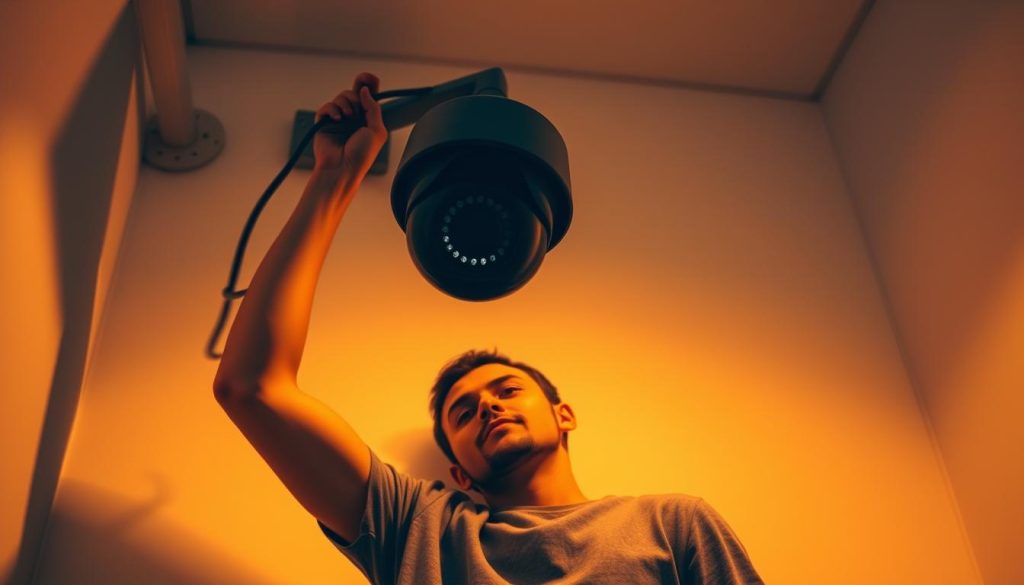
In today’s world, knowing how to turn off your CCTV camera is key for privacy and control. These devices are everywhere, in homes and businesses. It’s important to know how to disable them when needed. This guide will help you understand why managing your cameras is important. It will also tell you when you might need to turn off CCTV cameras for your peace of mind. Key Takeaways Understanding how to turn off your CCTV camera is essential for privacy. Disable surveillance when you need to ensure personal space. Being aware of your camera’s management options enhances security. Utilize appropriate methods to effectively disable your devices. Regularly evaluate when to turn off surveillance in your home. Understanding CCTV Camera Systems CCTV camera systems are key in today’s surveillance technology. They boost safety and security in homes and businesses. Users can watch and record live, keeping an eye on both inside and outside areas. Every CCTV camera system has cameras, recorders, and monitoring tools. There are many types of cameras. For example, wireless WiFi cameras are flexible, dome cameras cover big areas, and infrared cameras work in the dark. Knowing how these home security camera functions work is important for better security. To manage these systems well, it’s important to understand their roles. This helps users make smart choices about setting them up and keeping them running. As surveillance tech gets better, keeping up with new features can improve security even more. Benefits of CCTV Surveillance Cameras Installing CCTV cameras greatly improves home safety. One key surveillance benefit is that they scare off intruders. This makes homes less likely to be targeted by thieves. CCTV cameras also help keep an eye on family members. They ensure children and caregivers are safe. This gives homeowners peace of mind, knowing they can watch over their loved ones and property easily. Modern CCTV systems have cool features like remote access and alerts for motion. These allow homeowners to see live feeds and get alerts on their phones. This boosts security and keeps everyone connected, even when they’re not at home. Why Do You Need to Turn Off Surveillance Cameras? Knowing why turn off CCTV systems is key for those who care about privacy and saving energy. In today’s world, constant watching can feel too much. Turning off cameras when you’re alone helps you feel more in control and relaxed at home. Another good reason is to save energy. Many cameras use power even when they’re not recording. Turning them off when not needed helps your home use less power, making it greener. It’s also important to follow privacy laws. Laws in many places are strict about when you can use or turn off cameras. Knowing when to switch them off helps you stay within the law and respect privacy for everyone. When Should You Turn Off Home Surveillance Cameras? Knowing when to turn off CCTV cameras is key for a good balance between security and privacy. There are many times when turning off cameras makes your home feel more welcoming. For example, during private family moments or personal activities, it’s best to switch off the cameras. This lets family members relax without feeling watched. Also, when guests are over, it’s polite to disable the cameras. This shows respect for their privacy while they’re in your home. Before bed is another time to think about turning off cameras. Many people like to unwind without feeling monitored. Doing this helps everyone in the house feel more at ease. By recognizing and respecting these moments, you can create a cozy home atmosphere. At the same time, you can keep your home secure when it matters. Finding the right balance helps build trust in your home surveillance system, making your living space more harmonious. How do I turn off my CCTV camera? Turning off a CCTV camera is important for privacy or maintenance. Knowing how to disable your camera gives you control over your system. Here are some ways and camera types to consider when you need to turn them off. Methods to Disable Your Camera There are several ways to turn off your CCTV camera, depending on the model. Users often use these methods: Unplugging the Device: Disconnecting the power source stops the camera right away. This works for most models. Using the ON/OFF Switch: Many cameras have a switch for quick on and off changes. Accessing Management Software: Some systems let you disable cameras remotely through apps or desktop software. Types of CCTV Cameras Knowing about different cameras helps when disabling them. Here are a few: Dome Cameras: Used indoors, these cameras have a wide view and easy power controls. Bullet Cameras: With their unique shape, these cameras focus on specific areas and may have physical disconnects. C-Mount Cameras: These cameras are flexible with lens options and disabling methods vary by installation. It’s key to know how each camera works before disabling it. For more info, check out this resource. Simple Ways to Turn Off Home Surveillance Cameras Turning off home surveillance cameras is easy, depending on your model. Here are some effective ways to quickly shut down your CCTV or disable it manually. Each method has its own benefits and considerations, fitting different user needs. Unplugging Directly Unplugging your camera is a reliable way to power it down completely. This method stops any accidental recordings and ensures a full shutdown. Here are some key points to remember: Make sure you find the power source carefully. Directly pulling the plug can prevent wear on power switches. Be careful not to damage cords or sockets. Using the On/Off Switch If your CCTV camera has a built-in on/off switch, it’s a quick and easy option. This method allows for simple handling without needing to find the power outlet. Important points include: Switching off is often faster than unplugging the camera. Always check for a confirmation light to make sure it’s off. This method reduces wear on the hardware compared to frequent plugging and unplugging. Utilizing Management Software

How do I turn off my CCTV camera? Read More »