ED VISTON

Blog

annual maintenance service

What is annual maintenance service?

An annual maintenance service is a plan to keep equipment and systems in top shape. It’s key for businesses to keep their assets running well for a long time. With maintenance contracts, companies can avoid sudden equipment failures and extend their equipment’s life. These services include regular check-ups, inspections, and performance tests. They help keep everything running smoothly and efficiently. Key Takeaways An annual maintenance service ensures equipment longevity and functionality. Maintenance contracts help avoid unexpected breakdowns. Regular inspections are essential for optimal performance. This service agreement supports overall business efficiency. Annual maintenance contributes to asset value retention. Understanding Annual Maintenance Contracts (AMC) An Annual Maintenance Contract (AMC) is a formal service agreement between a service provider and a business. It offers ongoing support and quality maintenance for specific equipment. This makes it very important for businesses that need their assets to work all the time. Definition and Importance An AMC keeps equipment in top shape. By sticking to a regular maintenance plan, businesses can make their equipment more reliable. This helps avoid sudden breakdowns and keeps operations running smoothly. Typical Duration and Coverage of AMC AMCs usually last a year, with the option to renew. They cover: Routine inspections Preventive maintenance services Assistance with repairs Parts management and replacement This coverage is key for businesses wanting to boost performance and keep their equipment in good shape. What is annual maintenance service? Annual maintenance service is key to keeping equipment running well. It involves regular checks and upkeep. This helps prevent breakdowns, keeps performance high, and ensures safety. All these factors contribute to longer equipment life. Roles in Equipment Longevity Effective maintenance roles play a big part in keeping machines in good shape. Regular checks help in several ways: Early issue detection: Spotting small problems before they get big. Performance optimization: Keeping equipment at its top performance. Safety assurance: Making sure everything meets safety standards through inspections. By scheduling maintenance, you not only extend your equipment’s life. You also create a more efficient work environment. Common Industries Utilizing AMCs Many industries rely on annual maintenance contracts (AMCs) to keep their equipment in top shape. Some of these include: Manufacturing: Keeping machinery running is vital to avoid production stops. Healthcare: Medical gear needs strict maintenance for safety and reliability. IT services: Regular updates and checks are needed for systems to work well. Construction: Regular servicing is essential to avoid delays and ensure safety. Benefits of Annual Maintenance Services Annual maintenance services bring many benefits to businesses. One key advantage is cost predictability. Companies can plan their budgets better with known annual fees. This helps in avoiding unexpected expenses. Cost Predictability for Businesses Annual maintenance contracts offer a clear financial outlook. They provide defined costs, helping businesses plan for the future. This stability is vital for managing budgets and making other important investments. Minimized Downtime and Enhanced Reliability Annual maintenance services reduce downtime by focusing on proactive care. Regular checks and maintenance lower the chance of equipment failures. This leads to smoother operations and increased client trust. Components of a Complete Annual Maintenance Service Annual maintenance services cover many important practices. They help keep equipment running well and efficiently. These services include routine checks, preventive maintenance, emergency fixes, part swaps, and updates to software and systems. Each part is key to keeping assets in top shape. Routine Inspections and Preventive Maintenance Routine checks are the core of a good maintenance plan. They spot problems early, before they get big. Preventive maintenance tackles wear and tear head-on, keeping things running smoothly. Regular checks boost performance, safety, and extend the life of assets. Emergency Repairs and Parts Replacement Even with the best preventive care, things can go wrong. Emergency repairs quickly get things back on track. Replacing worn-out parts is also critical to keep things running smoothly. It’s all about keeping equipment and machinery in top shape. Software Updates and System Upgrades In today’s tech world, keeping software current is a must. Regular updates and upgrades keep systems running well and secure. They’re essential for maintaining machine efficiency and preventing problems. Annual Maintenance vs. One-Time Maintenance Services Choosing between annual maintenance and one-time services is key for managing equipment. Knowing the differences helps businesses make better maintenance plans. Key Differences Between AMCs and Ad-Hoc Services Annual maintenance contracts (AMCs) offer ongoing support. They include regular checks and preventive actions. On the other hand, one-time services fix specific problems but don’t offer ongoing support. This can lead to higher costs over time due to unexpected repairs. Businesses with AMCs get consistent care. Those with only one-time services might face unexpected problems. Cost Structure Comparisons Looking at the costs of AMC vs ad-hoc services shows some key points. AMCs have a fixed yearly fee, making budgeting easier. This fee covers regular maintenance and visits. One-time services might seem cheaper at first but can cost more in the long run. They often lead to emergency repairs and neglect of routine maintenance. Businesses using one-time services might spend more than those with annual maintenance. Scheduling Annual Maintenance Services Creating a good plan for annual maintenance is key to keeping equipment running well. A well-thought-out maintenance schedule boosts efficiency and meets the needs of your business. Effective scheduling helps use resources better and cuts down on downtime. Creating an Effective Maintenance Schedule To make a good maintenance schedule, you need to know what your equipment needs. You also need to follow industry rules and consider the seasons. By balancing regular maintenance with busy times, you can plan better: Find out when you’re busiest and plan maintenance then. Do routine checks to stop unexpected problems. Make sure maintenance fits with your yearly goals. Factors to Consider for Scheduling When making a maintenance schedule, think about these important things:> Type of Equipment: Know what each piece needs to keep it running right. Operational Impact: See how maintenance affects your main work to avoid losing time. Seasonal Variations: Know when you’re busiest to plan maintenance ahead of time. The Role of

What is annual maintenance service? Read More »
maintenance services support services IT maintenance IT support Singapore

What is maintenance and support services?

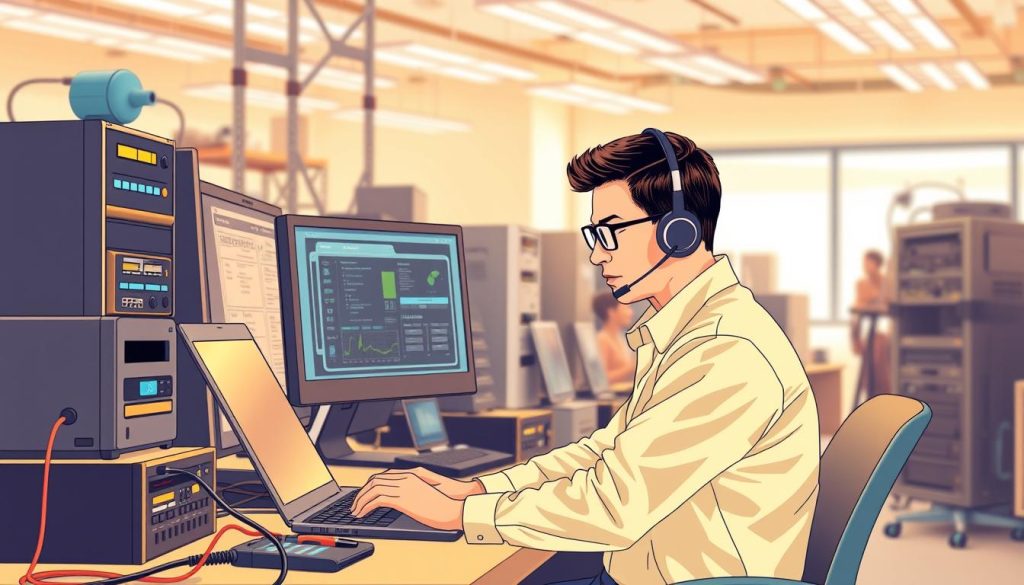
Maintenance and support services are key in today’s tech world, more so in competitive markets like Singapore. They keep IT systems and apps running smoothly. This ensures they work well without issues. By using good maintenance and strong IT support, companies can work better and keep their systems safe. It’s vital for businesses to know about these services to stay ahead and meet customer needs. Key Takeaways Maintenance and support services are essential for efficient IT operations. Strong IT support makes systems run better and more reliably. Good maintenance cuts downtime and boosts productivity. Knowing these services is key for staying competitive. Companies in Singapore gain a lot from structured IT maintenance. Understanding Maintenance and Support Services Maintenance and support services are key to keeping IT systems healthy and working well. IT maintenance aims to stop problems before they start and handle any that do occur. It includes regular updates, checking how systems perform, and fixing issues with both hardware and software. IT support services offer quick help when users face technical problems. This helps keep systems running smoothly and reduces downtime. By combining maintenance and support, companies can work more efficiently. This leads to better productivity and happier users. What is maintenance and support services? Understanding maintenance and support services is key for any business using technology. Both are important in IT service management. They help keep systems running smoothly and efficiently. Let’s explore what each service does. Definition of Maintenance Services Maintenance services are all about preventing problems in IT systems. They include updates, health checks, and making hardware work better. These steps help avoid system failures and keep systems reliable for a long time. Definition of Support Services Support services, on the other hand, fix problems as they happen. They quickly solve technical issues that stop business work. Both maintenance and support are vital for good IT management. Importance of Maintenance and Support Services for Businesses Maintenance and support services are key to business success. They boost operational efficiency and customer satisfaction. These services keep IT systems strong and reliable, letting businesses grow and innovate. Enhancing Operational Efficiency Maintenance and support services make operations smoother. They keep systems updated and running smoothly, cutting down on downtime. This leads to higher productivity and better team performance. By focusing on these services, businesses see a big boost in performance. It’s all about making workflows efficient and tasks easy to manage. Boosting Customer Satisfaction Customer happiness depends on reliable service delivery. Strong maintenance and support ensure IT systems work without a hitch. This builds trust and loyalty with clients. When problems do come up, fast support fixes them quickly. This keeps customer satisfaction high. IT services are vital for delivering top-notch service. For more on maintenance, check this link. Types of Maintenance and Support Services It’s key for companies to know about different maintenance services to boost their IT setup. Each support type is important for keeping systems running well and safely. Let’s look at the main types of maintenance and support services that businesses need today. Application Maintenance and Support Application maintenance and support focus on keeping software working well over time. Tasks like updates, performance tweaks, and fixing bugs are vital. These efforts help extend software life and make users happier by cutting down on downtime. Database Maintenance and Support Database support is vital for keeping data safe and running smoothly. It includes things like backups, recovery plans, and making data run faster. By handling these tasks well, companies can protect their important data and keep it ready for use. Network Maintenance and Support Network support is about keeping connections strong and secure in a company. It involves checking things out, fixing problems, and keeping systems up to date. A strong network protects against threats and makes systems work better. Differences Between Maintenance and Support Services It’s important for companies to know the difference between maintenance and support services. These differences come from the scope of services and the types of clients they serve. Knowing this helps businesses choose the right service for their needs. Scope of Services Maintenance services focus on preventing problems before they happen. They include regular checks and updates. This proactive approach helps keep operations running smoothly. Support services, on the other hand, deal with immediate issues as they come up. They are more about fixing problems quickly than preventing them. This shows how maintenance aims for long-term stability, while support focuses on quick solutions. Client Types Maintenance services usually work with clients who have long-term agreements. These clients get ongoing support and updates. This covers a wide range of needs. Support services, though, serve a wider range of clients. They help those with short-term or one-off needs. This shows support services are flexible and can meet different client needs. Benefits of Maintenance and Support Services Maintenance and support services bring big advantages to an organization. They help improve how a business works. Knowing the main benefits of IT maintenance is key for companies wanting to get better at what they do. Bug Fixing and Troubleshooting Fixing bugs quickly is a big benefit of IT maintenance. It makes sure apps work well, cutting down on downtime. Finding and fixing problems fast helps businesses stay productive. They can focus on their main tasks without being slowed down by tech issues. Performance Monitoring Watching how systems perform is very important. It helps spot problems early on. This way, businesses can keep their systems running well. This approach not only keeps things running smoothly. It also helps businesses stay competitive in the market. Challenges in Providing Maintenance and Support Services Keeping up with maintenance and support in IT is tough. One big issue is keeping up with new cybersecurity threats. Companies must always update their defenses to stay safe. There’s also a talent problem in IT. Many places have trouble finding skilled workers. This makes it hard to fix problems quickly. Technology changes fast, like with cloud computing. IT staff need to keep learning to handle

What is maintenance and support services? Read More »

CCTV maintenance

Do CCTV cameras need maintenance?

CCTV cameras are key to keeping places safe, like in Singapore where crime is a big worry. But, they only work well if they’re kept in good shape. The wet weather in Singapore can mess with how well they work, so keeping them in check is a must. Regular checks and upkeep don’t just make them last longer. They also stop problems like cameras breaking down or showing blurry images. By keeping up with maintenance, owners can avoid big issues like blind spots and lost data. This makes sure the CCTV systems work as they should. Key Takeaways CCTV maintenance is vital for optimal performance. Humidity in Singapore can affect camera functionality. Regular upkeep prevents costly repairs and security lapses. Proper maintenance enhances overall CCTV system reliability. Neglecting maintenance can lead to significant risks. Understanding the Importance of CCTV Camera Maintenance Keeping CCTV cameras in good shape is key to their performance. Regular checks help them work better for longer. This way, any problems can be caught early, keeping systems running smoothly. Enhancing Longevity and Performance Good maintenance helps CCTV cameras last longer and work better. By taking care of them, businesses can enjoy: Improved image quality thanks to clean lenses and proper alignment. Less chance of equipment failures with regular checks and quick fixes. More reliability from updates that make systems better. These steps not only make cameras last longer but also give business owners peace of mind about their security. Best Practices for Regular Upkeep To keep CCTV systems in top shape, follow these best practices: Do regular visual checks for damage signs. Keep camera lenses clean to avoid blockages. Make sure power connections are good for continuous use. Update software and firmware often for the latest improvements. Understanding the importance of these practices helps businesses protect their investments. It also makes their security systems work better. Key Reasons Why CCTV Cameras Need Maintenance Regular maintenance of CCTV cameras is key to better security and system performance. It prevents equipment failures, keeps images clear, and protects data. These are the main reasons why it’s so important. Preventing Equipment Failures Regular checks and services are vital to avoid CCTV system failures. In Singapore, ignoring maintenance can cause big problems. Systems that are well-kept fail up to 50% less than those that are not. Fixing small issues early can stop bigger problems later. This helps keep security strong. Maintaining Image Quality Keeping images clear is critical for good surveillance. Dirty or wrong lenses can make pictures blurry. This makes the system less effective. Regular cleaning and adjustments keep cameras sharp. This boosts security by ensuring clear images. Ensuring Data Integrity Protecting data is a big part of CCTV maintenance. Regular checks prevent storage problems and losing important footage. Keeping data safe and accessible is key for following local laws. This effort also makes recorded evidence more reliable. It builds trust in case of incidents. Do CCTV Cameras Need Maintenance? A Comprehensive Overview CCTV camera maintenance is key for top performance and long life. Regular checks stop damage and reduce risks of neglect. This is important for keeping your assets safe. Understanding the Risks of Neglect Ignoring CCTV system care can cause big problems. The risks include: Increased risk of security breaches Loss of important video evidence during incidents Higher repair costs due to equipment failures Regular maintenance is essential to avoid these serious issues. Frequency of Maintenance Checks Regular maintenance keeps your equipment working well. Experts say to check your systems every six months, more often in dusty or wet places. A regular schedule helps: Spot problems early Extend the life of your equipment Make your system more reliable Types of CCTV Maintenance CCTV maintenance is divided into three main types. Each type has its own role in keeping systems running well and lasting longer. Knowing about these types helps people make better choices for their security systems. Preventative Maintenance Preventative maintenance involves regular checks and scheduled services. It finds and fixes problems early, which means less unexpected downtime. This approach also saves money on repairs and makes equipment last longer. Regular cleaning and updates are key. They keep CCTV systems working well and efficiently. Corrective Maintenance Corrective services are needed when equipment breaks down, even with regular care. This type of maintenance can be expensive and cause longer outages. Knowing when to use corrective maintenance can help reduce repair costs. Waiting for a problem to happen can cause security gaps. It’s important to act quickly when issues arise. Predictive Maintenance Predictive maintenance uses advanced technology to predict when maintenance is needed. It looks at data to plan maintenance before equipment fails. This approach helps keep security operations running smoothly and improves system reliability. Using a mix of these maintenance types can make security systems stronger. A well-balanced approach improves performance and protects against future problems. For more details, check out recommended guidelines on effective CCTV management. CCTV Maintenance Best Practices Keeping CCTV systems in top shape is key for their long life and good performance. A well-planned maintenance routine boosts their efficiency. It also protects the money spent on these security tools. Creating a Standard Maintenance Checklist It’s vital to have a detailed maintenance checklist for CCTV systems. This checklist should cover all important tasks. Here are some key items to include: Inspection of camera lenses for clarity and obstructions Checking power supply connections Testing recording device functionality Verifying storage capacity and ensuring data is being archived Reviewing network connections for stability Creating such a checklist helps in regular checks and early problem solving. It makes maintenance smoother, keeping all parts working well without hitches. Importance of Professional Servicing Professional CCTV servicing brings many advantages. Experts bring skills and knowledge that go beyond simple checks. They use advanced methods not available to DIY enthusiasts. Professional services also offer: Expert troubleshooting techniques for complex problems Customized maintenance plans tailored to specific needs Compliance with local regulations to avoid penalties Choosing professional servicing ensures your systems are kept at the

Do CCTV cameras need maintenance? Read More »

CCTV maintenance costs in Singapore

How much is CCTV maintenance?

Knowing the cost of CCTV maintenance is key for those in charge of security systems in Singapore. The price can change a lot based on different factors. But, keeping your system in good shape is important for its long life and best performance. In this article, we’ll dive into the details of CCTV services and the costs of keeping security systems in Singapore running smoothly. We’ll cover everything from the first setup costs to the ongoing maintenance fees. Our goal is to give you the information you need to manage these expenses wisely. Key Takeaways CCTV maintenance is vital for the longevity and performance of security systems. Costs can vary based on the type and quality of cameras used. Regular inspections can help mitigate expensive repairs down the line. Understanding typical pricing can guide budget planning for maintenance. Choosing the right service provider can affect overall maintenance costs. Introduction to CCTV Maintenance in Singapore The role of CCTV maintenance in Singapore is vital. As cities grow, they rely more on surveillance systems for safety. Keeping these systems in top shape is key to preventing security issues. Home and business owners in Singapore see the value in maintaining their CCTV systems. This effort boosts the effectiveness of their security. It also gives them peace of mind, knowing their systems are always ready to work. Understanding CCTV Maintenance CCTV maintenance is key to keeping surveillance systems running smoothly. Regular checks spot problems early, preventing big issues. A well-kept system boosts security, making homes and businesses in Singapore safer. Looking after the hardware is vital. Cameras like IR Dome and PTZ need special care. Checking each camera’s physical state and ensuring all parts work is essential. If you ignore this, cameras might not work right or show poor video quality. Don’t forget about software updates. Keeping systems current protects against threats and boosts performance. In a world where security matters, updating software on time is critical for a system’s success. Importance of Regular CCTV Maintenance Keeping your CCTV surveillance system reliable is key for good security management. Regular maintenance helps spot small problems before they get big. This way, you avoid expensive repairs and keep your systems working well. Not doing regular checks can put your property at risk. Studies show about 30% of security breaches happen because of poor maintenance. By sticking to regular maintenance, you lower the chance of security issues. Also, following industry rules means keeping your equipment in good shape. Regular checks make sure you meet legal standards and improve your system’s performance. This creates a strong, dependable security system for businesses to rely on. How much is CCTV maintenance? CCTV maintenance costs vary a lot. It’s important to know what affects these costs. This helps facilities plan their budgets better and decide on the right level of service for their systems. Typical Pricing Ranges for Surveillance Systems In Singapore, CCTV system maintenance can cost between SGD 300 and SGD 1,500 a year. Basic services start at SGD 300 and can go up to SGD 600. These services include regular checks and upkeep. For more detailed services like thorough inspections and repairs, costs can reach SGD 1,500. When planning your security budget, keep these prices in mind. Maintenance Cost Breakdown Several factors influence CCTV maintenance costs. Regular checks, which can happen monthly, quarterly, or yearly, add to the expenses. The number of cameras also plays a big role, as more cameras mean more work and resources. Emergency call-outs can also increase costs. Facilities should budget for these unexpected fees. Knowing these factors helps in planning better for CCTV maintenance. Factors Influencing CCTV Maintenance Costs Several important elements contribute to the overall expenses associated with CCTV maintenance. Understanding these factors provides insight into budgeting for systems that offer reliable surveillance. Two primary elements to consider are the type and quality of cameras utilized, along with how often inspections are scheduled. Type and Quality of Cameras The variety and quality of the cameras in use play a significant role in determining maintenance costs. High-end camera types, such as those from HIKVision or Dahua, generally require more specialized upkeep. This is due to their advanced features and technology. These cameras often come equipped with enhanced durability and resolution. They demand an equally robust maintenance plan to ensure optimal functionality. Frequency of Inspections Inspection schedules are another critical factor affecting cost. CCTV systems installed in high-traffic areas will likely need more frequent checks. This is compared to those positioned in quieter locations. An increased frequency can elevate maintenance expenses. This is due to the additional labor and resources required to conduct thorough evaluations. Recognizing the specific needs based on the environment can help tailor an effective maintenance strategy. Typical Maintenance Costs in Singapore In Singapore, CCTV maintenance costs vary. They usually range from SGD 300 to SGD 1,500 a year. This depends on the service’s complexity and the number of cameras. For basic services, costs start at SGD 300. This includes basic checks and repairs to keep the system running smoothly. Comprehensive maintenance, which includes software updates and detailed inspections, can cost up to SGD 1,500. Many CCTV maintenance services offer annual subscriptions. This makes maintenance affordable and easy to manage. Regular service keeps your surveillance system working well and saves money in the long run by avoiding costly repairs. Components of CCTV Maintenance Services Effective CCTV maintenance includes several key steps. Regular checks keep the system working well. These checks spot damage or blockages early. Cleaning the hardware is also important. Dust and dirt can harm camera performance. Keeping it clean is essential. Updating software also ensures the system stays secure and has the latest features. Testing the recording function is vital. It confirms cameras are working right. Fixing any problems with parts ensures the system runs smoothly. These steps help the system last longer and protect properties better. For more details, check out this article on CCTV maintenance. Affordable CCTV Maintenance Options In Singapore, the need for cost-effective CCTV services

How much is CCTV maintenance? Read More »

CCTV maintenance report

How to write CCTV maintenance report?

Writing a detailed CCTV maintenance report is key to keeping surveillance systems running smoothly. It’s not just for security but also for following strict Singapore CCTV rules. By using set guidelines, you can keep track of all CCTV maintenance. This makes your security system more reliable. This method also helps meet legal requirements, protecting your security efforts. It’s all about keeping your surveillance system in top shape. Key Takeaways Effective documentation enhances surveillance system reliability. Adhering to CCTV reporting guidelines is critical for compliance. Regular upkeep is essential for the longevity of CCTV equipment. A well-crafted report supports legal compliance in Singapore. Structured reporting streamlines security management processes. Importance of CCTV Maintenance Reports CCTV maintenance reports are key to keeping surveillance systems running well. The importance of CCTV maintenance is huge. It keeps equipment working long and helps it perform better. These reports help spot problems early and fix them fast, keeping security systems up and running. Benefits of Regular Monitoring Regular checks, thanks to CCTV reports, bring many benefits. Some top benefits of CCTV reports are: They help find problems early, making systems more reliable. They make sure all cameras are working, boosting safety. They provide the records needed for audits and reviews, helping make smart choices. Legal Compliance in Singapore In Singapore, following the law with CCTV systems is very important for businesses. Maintenance reports are key to showing you follow the rules. Keeping detailed records helps you stay accountable and avoids legal trouble. Understanding CCTV System Components Knowing the parts of a CCTV system is key for good surveillance and security. Each part, like cameras and recorders, has its own role. This knowledge helps improve performance and ensure full monitoring. Key Parts of a CCTV System The main parts of a CCTV system are: Cameras – They capture the video, acting as the system’s eyes. Recorders – They save the footage for later review and analysis. Transmission Media – They help send video from cameras to recorders. Power Supply – It gives the energy needed for all parts to work. Monitors – They let you watch the surveillance footage live. Various Camera Types and Their Functions There are many types of CCTV cameras for different needs: Dome Cameras – Great for indoor use and have a hidden design. Bullet Cameras – Best for outdoor use, they can see far away. PTZ Cameras – They can move, tilt, and zoom, covering big areas well. Infrared Cameras – Perfect for seeing in the dark or low light. Understanding the different CCTV cameras and their uses helps choose the right ones for each security need. Why Regular Maintenance is Crucial Regular maintenance of CCTV systems is key to keeping surveillance setups effective. It helps businesses protect their assets and saves money in the long run. Extending Equipment Lifespan Regular checks extend the life of CCTV equipment. They catch small problems before they get big. This can make CCTV parts last up to 40% longer. Putting effort into maintenance means less downtime and better performance. It’s a smart way to keep your surveillance running smoothly. Cost-Effective Surveillance Solutions Maintaining CCTV systems wisely saves businesses money. It prevents expensive repairs and system failures. This way, you avoid security breaches and keep costs down. Regular maintenance is a smart investment. It protects your business’s physical and financial security. It’s a key part of keeping your surveillance system in top shape. How to Write CCTV Maintenance Report? Creating a detailed CCTV maintenance report needs focus and order. A good report covers all key parts of the inspection. Start by collecting all needed info to make the report useful and informative. Gathering Necessary Information To write a CCTV maintenance report well, start by collecting maintenance data from past records and current checks. Key points to note include: System status and performance metrics Maintenance history from past inspections Details of any specific tasks done during maintenance Using a Clear Structure Structured CCTV reports should have a clear layout for easy reading. Begin the report with a quick maintenance summary, then: Include detailed observations from the current maintenance cycle Report any issues found during the inspection Offer suggestions for future maintenance tasks Steps for Creating CCTV Maintenance Reports Creating effective CCTV maintenance reports is a detailed process. It ensures your surveillance systems work well. By following these steps, you’ll make your reports reliable and boost your security monitoring. Conducting Routine Checks Routine maintenance checks are key to good CCTV management. They make sure everything is working right. You should check: Camera clarity to verify clear surveillance footage. Cable integrity to prevent disruptions in the signal. Recording devices to confirm they are properly storing images. Doing these checks often is the first step to making CCTV reports that show the system’s real state. Documenting Findings Accurately Accurate documentation is essential for a good CCTV system. Every detail from the checks must be written down carefully. This includes: Identifying any issues discovered during inspections. Detailing actions taken to address these issues. Tracking the overall system condition over time. Keeping detailed records improves your reporting quality. It also helps you understand the system’s performance and maintenance needs better. CCTV Maintenance Report Template Creating a CCTV maintenance report template can make reporting much easier. A good template focuses on key parts for reports. This lets you include important info in an organized way. Basic Structure Elements Important parts of reports include titles, dates, and summaries of maintenance done. You should also include findings and repair recommendations. Each part should be clearly labeled for easy reading. This makes understanding the report better. It also helps follow industry standards. Simplifying the Reporting Process Using checklists in your CCTV report template can simplify things. They help list tasks in a clear, systematic way. This makes it easier for people to do their jobs well during maintenance. Checklists are very helpful. They reduce the chance of missing important steps. They also make sure all necessary info is documented. CCTV Report Formatting Tips Formatting CCTV

How to write CCTV maintenance report? Read More »

CCTV ownership in Singapore

Who is responsible for CCTV?

Singapore now has over 500,000 CCTV cameras, making it key to know who is in charge. This part explains who manages CCTV and the rules they must follow. It’s important for both those who own and use CCTV to know their legal duties. This knowledge helps them follow the law and protect privacy. We want to show how CCTV affects safety and raises important questions about its use. Key Takeaways In Singapore, the number of CCTV cameras has risen significantly, highlighting the importance of proper management. CCTV ownership involves specific legal responsibilities that must be understood by both individuals and organizations. CCTV regulations ensure a balance between security and privacy in the community. Compliance with local laws is key to avoid legal problems with surveillance. Knowing the ethics of CCTV use helps build trust and safety in the community. Understanding CCTV Systems in Singapore CCTV technology is key in Singapore’s security. It uses advanced features in various cameras to boost surveillance. High-resolution images and night vision help monitor different places, keeping everyone safe. Overview of CCTV Technology CCTV systems have different cameras like dome, bullet, and PTZ. Each has its own benefits. Dome cameras are good for sneaky surveillance, while bullet cameras work well for long distances. PTZ cameras let you zoom in on areas you want. Modern CCTV also has motion detection and remote access. These features make surveillance in Singapore better. The Importance of CCTV Cameras for Security CCTV cameras are vital in preventing crime. Studies show they lower crime rates, mainly in cities. They scare off criminals because they might get caught. In Singapore, people trust CCTV to keep them safe. So, CCTV is a must in homes and businesses for security. Legal Framework Surrounding CCTV in Singapore In Singapore, the use of CCTV cameras is governed by strict laws. These laws set rules for installing and using CCTV systems. Knowing these laws helps ensure everyone follows them and protects people’s privacy. Personal Data Protection Act (PDPA) The Personal Data Protection Act (PDPA) is key to Singapore’s CCTV laws. It outlines legal obligations for CCTV use, focusing on personal data collection, use, and sharing. It requires people to know when they’re being recorded, making surveillance clear. The Act also sets limits on how long CCTV footage can be kept. This helps prevent misuse of recorded data. Town Council Regulations Town Council bylaws are important for CCTV use in public areas. They require permission before installing cameras in shared spaces. Following these rules is critical, as breaking them can result in fines. Understanding Town Council bylaws helps property owners and businesses. It ensures their CCTV systems meet local laws. Who is responsible for CCTV? Knowing who is responsible for CCTV is key to following the law and ethical standards. It’s not just about setting up cameras. It also includes managing data and respecting privacy. Owners must be careful about how their surveillance affects the community. Ownership Responsibilities Owners must take their owner obligations seriously to avoid misuse of surveillance. This means keeping equipment in good shape, storing footage safely, and only letting certain people see it. It’s also important to check the systems often to make sure they work right. Owners should also have clear rules about who can see the footage and when. This helps keep things fair and secure. Ensure compliance with local laws and regulations. Protect stored data against unauthorized access. Regularly update surveillance technology to meet modern standards. Privacy Considerations for Owners Keeping data privacy in mind is vital for CCTV systems. Owners should know where their cameras point to avoid spying on neighbors or private moments. By focusing on surveillance ethics, owners can build trust in the community. It’s important to tell people about the CCTV use. This helps create a safe and respectful environment for everyone. Listening to the community can make surveillance better. Talking openly about CCTV helps keep everyone safe and secure. It shows that owners care about privacy and public safety. Types of CCTV Ownership: Residential vs. Commercial In Singapore, CCTV ownership rules differ a lot between homes and businesses. It’s key to know these rules to follow the law and have good surveillance. Residential Ownership Regulations Homeowners in Singapore can usually put cameras up without needing a permit. But, they must think about cameras in shared areas. Here, talking to local councils is important to avoid problems. This shows how important it is to respect shared spaces while keeping your home safe. Commercial Ownership Requirements Businesses face tougher rules with commercial CCTV laws. They must follow the Personal Data Protection Act (PDPA). This means telling people about cameras and getting their okay. Following these rules helps balance security with privacy. For businesses, having a clear surveillance policy is essential. It keeps them legal and safe. Managing CCTV Systems in Residential Areas Managing CCTV systems in homes needs community help. Getting residents involved builds trust and keeps privacy safe. It’s about working together, setting rules for watching, and solving problems together. Community Involvement in Surveillance Decisions When people share their thoughts, it makes surveillance better for everyone. Talking about cameras helps find blind spots and worries about privacy. Being open about where cameras are and why helps neighbors understand and work together. Creating a plan for cameras and how to use footage is key. It shows everyone is in this together, watching out for each other. Best Practices for Residential Installations Good surveillance in homes means watching well but respecting privacy. Cameras should point where they won’t see private things. Talking to neighbors about cameras helps them feel okay with it. Other good steps include: Creating a plan for where cameras go Setting rules for who can see footage Having meetings to talk about concerns and ideas It’s important to find a balance between safety and privacy. Getting input from the community helps make a system everyone can agree on. For more on this, check out who’s in charge of CCTV. CCTV Regulations for HDB Flats Recent updates

Who is responsible for CCTV? Read More »

CCTV maintenance types

What are the types of maintenance of CCTV?

CCTV maintenance is key to keeping your surveillance systems working well. In Singapore, where security matters a lot, knowing about CCTV maintenance is important. Regular checks not only stop problems but also make your system work better and last longer. Ignoring maintenance can cause big issues. It might make your system fail, which could put people and property at risk. This article will cover the different ways to keep your CCTV system in top shape. It will also share the best ways to manage your CCTV system. Key Takeaways Understanding types of CCTV maintenance is vital for security. Regular upkeep prevents system failures and extend equipment life. Enhanced performance directly results from proper surveillance system upkeep. Singapore CCTV care is essential for safety and security. Poor maintenance can result in costly breakdowns and vulnerabilities. The Importance of CCTV Maintenance It’s key to understand the role of CCTV maintenance for any business that uses surveillance. Regular care keeps systems running well. This ensures security is strong and dependable. Enhancing System Performance Regular upkeep boosts CCTV performance. It includes checking video quality, camera views, and recording. Keeping equipment in top shape means surveillance footage is clear and trustworthy. This is vital for watching and gathering evidence. Preventing Costly Repairs Ignoring CCTV maintenance can cause big repair bills later. Small problems can grow into big issues if not fixed early. Studies show regular maintenance can cut repair costs by up to 30%. By taking proactive steps, businesses save money and follow Singapore’s security rules. What are the types of maintenance of CCTV? It’s key to know the different CCTV maintenance types to keep systems running well. There are three main types: preventive, corrective, and predictive maintenance. Each plays a big role in making CCTV systems last longer and work better. Understanding Different Maintenance Types Preventive maintenance includes regular checks and tasks to stop problems before they start. This approach helps avoid downtime and makes equipment last longer. It involves checking cameras, lenses, and wiring to catch issues early. Corrective maintenance is for when something goes wrong. It involves fixing or replacing parts, which can be costly and disrupt operations. It’s a reactive approach that often happens when something breaks. Predictive maintenance uses data to predict when equipment might fail. It looks at how well equipment is working and plans maintenance based on that. This method helps save time and money by avoiding unnecessary repairs. Preventative Maintenance Keeping CCTV systems in top shape is key to their long life and performance. Regular checks can spot problems early, keeping everything running smoothly. In places like Singapore, where weather can affect gear, it’s even more important to act ahead of time. Regular Inspections Checking CCTV systems regularly is a must. These checks make sure all parts are working right. Doing this often helps catch issues before they get worse, so they can be fixed quickly. Cleaning and Calibration Cleaning cameras often makes pictures clearer. If not cleaned, lenses can get dirty, making images poor. Also, making sure cameras are set up right is critical. This combo of cleaning and adjusting helps in better monitoring and boosts system performance. Corrective Maintenance Corrective maintenance is key to keeping CCTV systems running well. It focuses on fixing problems after they happen. Finding and fixing issues quickly helps avoid long downtime and saves money. Issues like broken cameras or wiring problems can really hurt a system’s performance. They make it hard to keep an eye on things. Identifying Issues Finding problems fast is important for good maintenance. Watching the system closely helps catch issues early. This means repairs can start sooner. Some common problems that need quick fixes include: Camera lens obstructions Inconsistent video feed Cabling or connection failures Repairing Damage After spotting problems, fixing them is the next step. This might mean swapping out broken parts or tweaking settings. Doing this right keeps the system working well. This is key for keeping places like Singapore safe. It helps ensure security is always up to par. Predictive Maintenance Predictive maintenance is a proactive way to keep CCTV systems running well. It uses advanced data analysis to spot issues before they happen. This way, organizations can fix problems early and avoid bigger ones later. Data Analysis for Maintenance Data analysis is key to predictive maintenance. It looks at system performance over time to find when maintenance is needed. With the right software, this can be done in real-time, stopping problems before they start. This approach makes CCTV systems more reliable. It helps businesses manage their resources better and save money. In Singapore, this strategy is very appealing for keeping operations stable and cost-effective. CCTV Maintenance Checklist A detailed CCTV maintenance checklist helps systems work well and cuts down on downtime. It makes sure security is top-notch and the equipment lasts longer. It’s important to check a few key inspection components to keep everything running smoothly. Key Components to Inspect Camera lenses for dirt and clarity Power supplies to ensure no interruptions Wiring for any signs of wear and tear Storage capacity to accommodate recorded footage Network connections for stability and security Frequency of Maintenance Tasks How often you do these tasks is key to keeping your system healthy. You should check if everything is working every day. But, more detailed checks should happen at different times: Monthly cleaning of camera lenses Quarterly reviews of system health Annual assessments of equipment performance Common Issues Faced During CCTV Maintenance Keeping CCTV systems in top shape is key for security. Many CCTV maintenance issues can pop up, affecting how well they work. Knowing these problems helps keep your surveillance system running smoothly. Camera Lens Problems Camera lens troubles, like dirt or misalignment, are big issues. They can make images blurry, making it hard to see who’s in the video. Cleaning and adjusting the lens regularly is a must. Wiring and Connectivity Issues Wiring issues often come from damaged cables or bad connections. These problems can cut off the video feed, messing up live

What are the types of maintenance of CCTV? Read More »

mobile monitoring of CCTV

How can I watch my CCTV on my phone?

In today’s fast world, keeping your home or business safe is key. CCTV systems help a lot with this, letting you watch in real time. Now, thanks to new tech, watching your CCTV on your phone is easy. With a good security camera app, you can check your cameras anytime, anywhere. Just make sure you have a strong internet connection. This way, you can keep an eye on things and feel safer. Key Takeaways CCTV systems enable enhanced security for homes and businesses. Mobile monitoring allows users to access footage on-the-go. Smartphone access is made possible through dedicated security camera apps. A stable internet connection is essential for remote viewing. Mobile access enhances overall peace of mind regarding safety. Introduction to Mobile CCTV Monitoring Mobile CCTV monitoring has changed how we keep safe. It lets people and businesses watch live camera feeds on their phones. This makes it easy to check on places from anywhere. Mobile apps for CCTV systems make it simple to manage surveillance. Users get alerts for any odd activity. This helps them act fast against security risks. Mobile CCTV monitoring makes security better for homes and offices. Benefits of Watching CCTV on Your Phone Using your smartphone to watch CCTV systems has many benefits. You can see what’s happening in real-time, keeping you safe from security threats. It’s also great because you can check on your property from anywhere, whether you’re at work or traveling. Getting alerts for motion detection is a big plus. It lets you know right away if something strange is happening. Plus, the apps are easy to use, making it simple to set up and use every day. Smartphones also make it easy to see clear footage. This is because of their high-resolution displays. And, with cloud services, you can store more footage than ever before. This makes it easy to go back and look at what happened. How can I watch my CCTV on my phone? To watch your CCTV on your phone, start by checking if your system works with smartphones. This usually involves a few easy steps. First, make sure your camera system is connected to Wi-Fi. Without a good connection, watching CCTV on your phone is hard. Then, download the app your camera maker suggests. Most brands have apps made just for mobile use, making it easy to get started. Once the app is installed, set up your camera in the app. You might need to create an account or enter your Wi-Fi password. After that, link your camera to your phone. This lets you see live or recorded footage from anywhere. Choosing Compatible CCTV Cameras Choosing the right CCTV camera is key for good surveillance. Look for models with remote viewing functionality. This lets you watch live feeds on your smartphone. Many IP cameras today have this feature, making them a top pick for remote access. It’s important to research the camera’s specs and the mobile app it comes with. This ensures it works well with your device. Brands like Hikvision, Dahua, and Arlo offer reliable options for both iOS and Android users. Opting for these brands means you can easily check on your property from anywhere. Setting Up Your CCTV System for Mobile Access Setting up your CCTV system for mobile access needs careful steps. Start by connecting the DVR to a monitor. This lets you watch the setup process on the screen. Then, set up the device’s network settings. A static IP address keeps your system reachable on your network. If you choose Wi-Fi, pick a network that keeps a strong connection. After setting up the DVR, connect it to the router with a LAN cable. Then, switch to wireless for easy access without cables. This lets you watch your cameras on a mobile app, giving you freedom to check on your place from anywhere. Steps to Connect CCTV to Your Smartphone To connect your CCTV to your smartphone, follow a few simple steps. This ensures everything works well. It’s easy to get to your camera feeds anytime, anywhere. Downloading the Right Mobile App Start by downloading the right app for your CCTV camera. Look for it in the App Store or Google Play. The app you choose should let you stream live and adjust settings. Configuring Your CCTV Settings After downloading, set up your CCTV settings in the app. Make sure your camera is connected to the right Wi-Fi. This is key for a stable connection, so you can watch CCTV on your phone without issues. Pairing Your Camera with Your Phone Then, pair your camera with your phone. You’ll need a code, like a QR code or a model code. Follow the app’s instructions to finish pairing. Once done, you can watch your CCTV feeds on your smartphone. Troubleshooting Connection Issues When you try to watch your CCTV footage on your phone, you might face problems. A step-by-step approach can help find the main issue. Checking Network Connectivity First, make sure your camera and phone are connected to a good network. Poor Wi-Fi or mobile data can stop the CCTV feed from working. Use a network testing app to check the connection and fix it if needed. Updating Mobile App and Camera Firmware It’s important to keep your app and camera firmware up to date. An old app can cause problems, and so can outdated camera software. Check the app and the manufacturer’s website for updates to keep everything working smoothly. Security Concerns Regarding Mobile Access Using mobile devices to view CCTV footage is handy but comes with risks. Wireless systems are at risk of hacking because they need internet. It’s key to know these CCTV vulnerabilities when you set up mobile monitoring. To boost cyber security, pick cameras with strong encryption. This lowers the risk of unauthorized access. Also, place cameras wisely to avoid pointing them at places that could risk your safety. And, don’t use public Wi-Fi to access feeds, as it’s risky. For more tips on safe CCTV system

How can I watch my CCTV on my phone? Read More »

CCTV recording status indicators

How do I know if my CCTV is recording?

Knowing if your CCTV is recording is key to a good surveillance system. As security worries grow, it’s important to check if your cameras are working. We’ll look at signs, sounds, and technical ways to tell if your cameras are recording. By learning these signs, you’ll feel more sure about your security setup. Key Takeaways Understanding CCTV recording status is essential for effective surveillance. Visual and auditory indicators can help verify camera functionality. Regular checks enhance security and peace of mind. Familiarity with camera settings aids in confirming recording status. Technical methods can provide additional assurance of recording. Understanding CCTV Functionality CCTV systems are key to improving security by watching over areas. They capture video, which helps in monitoring sensitive spots. Some cameras can even record sound, making them more effective. To work well, CCTV systems need a steady power source. This keeps cameras ready to record at all times. Users can pick from different recording styles, like: Continuous recording: This captures everything without stopping. Motion detection: It only records when it sees movement, saving space and making it easier to find key moments. Understanding these features helps users get the most out of their systems. It leads to better security management by knowing how these parts work together. Typical Indicators of Recording Status Knowing if your CCTV system is recording is key for security and peace of mind. There are clear signs to check if your camera is working. These signs include different lighting patterns and camera behaviors that show if it’s recording. Looking for Blinking LED Lights Blinking LED lights are big CCTV recording indicators. The color and pattern can change based on the camera’s type. For example, a steady blue light might mean it’s recording. A red light could mean it’s ready to record or in standby. Knowing these signals helps users check their CCTV system quickly. Monitoring Camera Movement Camera movement is another way to see if it’s working. Cameras with pan-and-tilt features show camera movement signals. This means they’re powered and might be recording. When cameras move, it shows they’re working and ready to watch. This makes users feel more secure about their surveillance. Methods to Verify if Your CCTV is Recording To make sure your security system works right, you need to check if it’s recording. There are a few ways to see if your cameras are capturing video. You can use live view software or listen for sounds from the cameras. Checking Live View on Security Software Looking at the live view on your security software lets you see what your cameras are capturing in real time. This way, you can watch what’s happening and know your system is working. If you see the feed without any problems, it means your CCTV system is likely working well. Many security apps are easy to use. They help you manage your camera feeds and check if they’re recording. Listening for Operational Sounds CCTV cameras make operational sounds when they’re working, like motor noises or clicks when changing angles. These sounds can tell you if the camera is recording. Listening for these noises and watching the camera’s actions can help you trust your system more. How do I know if my CCTV is recording? To confirm if your CCTV is recording, you need to use different methods. Look for blinking LED lights, which often mean the system is working. Also, check the live view on your security software to see if cameras are active. Another way is to listen for sounds from the cameras. Some cameras make noise when they’re on, showing they’re working right. Knowing how your CCTV system works helps you solve any problems you might face. By using these methods, you can keep a close eye on your security. This makes sure your surveillance system is always ready to protect your space. Using Technical Devices to Check Recording Status Ensuring your CCTV system records correctly is key. Technical devices help verify this. You can use electronic bug detectors and check power indicator lights. Electronic Bug Detectors Electronic bug detectors are great for finding hidden cameras. They detect the signals from these cameras, showing if they’re working. Using bug detectors keeps your space safe from unwanted surveillance. Observing Power Indicators CCTV systems often have power indicator lights. A green light means everything is working right. But a red light could mean trouble or that it’s not recording. Spotting these lights helps avoid security problems. Camera Settings and Configurations Knowing the right CCTV camera settings is key for a good security system. It lets users adjust their surveillance to fit their needs. Important settings include choosing between continuous recording and motion detection, and adjusting sensitivity levels. Accessing the camera’s control panel or mobile app gives users important info. They can change recording modes and check stored footage settings. This helps users get the most out of their CCTV system. Knowing how to use these operational configurations makes a security system more reliable. Regularly checking and updating camera settings boosts surveillance effectiveness. For more tips, check out this useful guide on setting up CCTV systems for better security. Troubleshooting Non-Recording Cameras When CCTV cameras don’t record, a step-by-step approach can help find and fix the problem. Often, simple things can stop cameras from recording. Checking power connections and resetting the camera can solve many issues. Also, keeping the software updated is key for it to work well. Ensuring Power Connectivity First, check if your CCTV system’s power is connected right. Make sure all cables are plugged in well. For wireless cameras, check if they’re connected to the network. A small power issue can stop recording. Also, check if there were any power outages or problems. Restarting the Camera Try restarting the camera as a first step. This can fix small problems and get it working again. If restarting doesn’t work, you might need to look into hardware or software issues. Checking Firmware Updates Keeping your CCTV system’s firmware up to date is important. Old software

How do I know if my CCTV is recording? Read More »

CCTV cameras recording

Are CCTV cameras always recording?

CCTV cameras are key in today’s security for homes and businesses in Singapore and worldwide. It’s important to know if these systems record all the time. Many think CCTV cameras always record, but it’s not always true. This depends on the camera type and settings. This section will explore how CCTV cameras work. We’ll look at when they record, whether they’re on or off. Key Takeaways CCTV cameras are not always recording; functionality depends on settings and type. Surveillance systems can have varying recording modes. Power source significantly impacts recording capabilities. Understanding CCTV functionality aids in effective security planning. Operational context must be clarified for accurate surveillance use. Understanding CCTV Camera Functionality CCTV cameras are key to improving security by watching and recording all the time. Knowing how they work means understanding their parts, like the power supply for CCTV. This power keeps them running well, whether they’re plugged in or battery-powered. How CCTV Cameras Work CCTV cameras capture video and send it for recording and watching. New tech like infrared sensors helps them start recording only when there’s movement. This saves space and makes surveillance more efficient. Importance of Power Supply A steady power supply for CCTV is vital for good surveillance. Any power issues can cause missing footage, which is bad for security. To avoid this, using things like Uninterruptible Power Supplies (UPS) is smart. They keep cameras working even when the power goes out. Companies like Reolink show how important reliable power is for CCTV systems. Can CCTV Cameras Record When They Are Switched Off? CCTV cameras vary in power dependency, affecting their recording abilities. Wired systems need constant power to work. But, modern battery-operated CCTV offers flexibility in power use. Power Dependency of CCTV Cameras Traditional CCTV cameras need a steady power source. When turned off, they stop recording right away. Knowing this is key for anyone looking into surveillance systems. The Role of Rechargeable Batteries Some models with rechargeable batteries offer a different solution. For instance, the Reolink Argus series shows battery-operated CCTV can keep recording during power outages. This ensures some surveillance even when electricity is lost. What Happens When a CCTV Camera Is Turned Off? Knowing what happens when a CCTV camera is turned off is key for good surveillance. When a camera is off, it stops recording and monitoring right away. This makes the area open to unauthorized access or incidents. Instant Cessation of Recording When a CCTV camera is turned off, all recording stops. You can’t use recorded footage to solve security issues anymore. This sudden stop highlights the need for constant power for good monitoring. The Impact of Motion Detection Motion detection is a big part of CCTV systems. But when a camera is off, motion detection fails. This means the system can’t spot movement, leading to security risks. It shows how important a steady power source for cameras is. CCTV Camera Features That Affect Recording CCTV cameras work well because of their special features. Knowing about different types of CCTV cameras is key for any surveillance setup. Each camera has features like resolution, field of view, and weatherproof designs. These features make the cameras perform better. Types of Cameras and Their Capabilities Choosing the right CCTV camera is very important for security systems. There are several types: Dome Cameras: These are small and great for indoor use. Bullet Cameras: Long and visible, perfect for outdoors. PTZ Cameras: You can move these cameras remotely for better coverage. Wireless Cameras: Flexible and need internet for surveillance. Each type has its own special features. These features help meet different surveillance needs. Influence of Internet Connectivity on Recording For modern surveillance, a strong internet connection is key. Smart cameras use the internet to store video online. A good internet connection makes remote access better and ensures cameras work well. Good internet is important for CCTV cameras to record well. For more on CCTV cameras, check out recording when switched off. Identifying Active CCTV Cameras Figuring out if CCTV cameras are recording requires looking at different signs. Knowing how to spot these signs makes monitoring cameras easier and boosts security. Visual Indicators of Functionality Visual signs are key when checking CCTV cameras. Here are some common ones: Steady Green Light: Means the camera is working right. Flashing Red Light: Shows a problem or recording. Off Light: Means the camera isn’t working. Using Software to Check Status Using advanced surveillance software tools helps manage cameras better. These tools have features like: Real-time monitoring of camera activity. Access to recorded footage for review. Alerts for unusual activity. These tools help spot active CCTV cameras and give a full view of the system’s performance. Are CCTV Cameras Always Recording? CCTV cameras are key in security systems. They have different recording modes to improve surveillance. Knowing these modes helps users set up their systems to fit their security needs. The main recording modes are continuous, motion-activated, and event-triggered. Recording Modes Available Continuous recording captures video all the time. It’s great for watching busy areas. But, it uses a lot of storage space. Motion-activated recording saves space by starting to record only when it sees movement. It’s good for places where not much happens. Event-triggered recording is flexible. It lets users set cameras to record specific actions. This way, it saves space while keeping important footage. Each mode has its own benefits and can be chosen based on a location’s needs. Considerations for Surveillance Setup Setting up surveillance needs careful planning and smart execution. Where you place CCTV cameras is key to good coverage. Knowing your environment well helps find the best spots for watching over things, making your space safer. Placement of Cameras for Maximum Coverage When setting up CCTV cameras, keep these tips in mind for better monitoring: Look at the area’s layout to spot any blind spots. Think about how people move to know where to watch closely. Identify areas at risk that need extra attention. Make sure cameras can see well but also respect

Are CCTV cameras always recording? Read More »