ED VISTON

Blog

best outdoor CCTV

Which CCTV is best for home outdoor?

Choosing the right CCTV system for outdoor surveillance is key to keeping your home safe. In Singapore, where the weather can change quickly, picking the best outdoor CCTV is a must. You should look at weather resistance, image clarity, and smart tech features when picking outdoor security cameras. Making a smart choice will boost your Singapore home’s security. It also gives you peace of mind, knowing your property is safe. For more on how these systems work well, check out this informative resource. Key Takeaways Selecting the appropriate CCTV is vital for effective outdoor surveillance. Weather resistance is a key aspect for outdoor security cameras in Singapore. Image quality and clarity are important for surveillance effectiveness. Smart technology integration boosts home security systems. Making an informed choice is essential for homeowners’ peace of mind. Understanding Outdoor CCTV Cameras Outdoor CCTV cameras are built to withstand all kinds of weather. They are perfect for keeping an eye on homes and businesses. These cameras are made differently than indoor ones. They use stronger materials and new tech to work better outside. Understanding the range of functionalities of CCTV is key for those thinking about adding outdoor security. These cameras come with many features, including: Live streaming, so you can watch in real-time from anywhere. Recording, to capture lots of footage. Motion detection, to alert you to any intruders. Knowing these basics about outdoor CCTV cameras helps users choose the right security for their needs. Key Features to Consider for Outdoor CCTV Choosing the right CCTV cameras for outdoor use is key. Knowing the features of outdoor CCTV is essential. These features help boost security and ensure reliable surveillance. Image resolution is a top priority. Higher resolution means clearer images. These are important for spotting people or incidents. Look for cameras with at least 1080p resolution for good detail. Night vision is also critical. Outdoor areas can have different lighting levels. Infrared technology or low-light performance is needed to capture footage at night. Motion detection is another great feature. It alerts you when it sees movement. This saves time and effort by not needing constant checks. A wide field of view is important too. It means fewer blind spots. This lets you cover more area without needing more cameras. Also, consider cameras with two-way audio. This lets you talk through the camera, which can scare off intruders. Lastly, weatherproofing specifications are key for outdoor use. Make sure the camera is made for outdoors. It should handle temperature changes and protect against dust and moisture. Which CCTV is best for home outdoor? Choosing the right outdoor CCTV system is key. It’s important to focus on camera resolution and image quality. High-definition cameras give clear images, making security monitoring better. A camera with a resolution of 1080p or higher helps identify people and activities. This is true even in different weather conditions. Camera Resolution and Image Quality Camera resolution impacts how scenes look and overall image quality. Higher resolutions mean clearer and more detailed images. This is important for outdoor areas where lighting can change. Brands like Google Nest Cam offer top-notch image quality. This ensures that surveillance footage is reliable and useful. Night Vision Capabilities Night vision is also critical. Many security issues happen at night. There are two main types: infrared and color night vision. Infrared night vision works well in the dark, but it’s black and white. Color night vision captures full-color images, even in low light. Choosing a model with great night vision features is important for nighttime security. Top Outdoor CCTV Picks in Singapore Choosing the right outdoor CCTV system for your home in Singapore is key. You need to look at features, reliability, and how well it works. We’ve picked two top systems: SimpliSafe and ADT. Each offers special benefits to boost your home’s security. SimpliSafe: Best for Crime Prevention The SimpliSafe system is a top pick in the top outdoor CCTV Singapore market. It’s known for its Active Guard Outdoor Protection. This feature sends real-time alerts, helping to prevent crime. It’s also easy to set up and use. This makes it a favorite among homeowners who want to stay safe. ADT: Outdoor Security Camera with Professional Monitoring ADT offers top-notch monitoring services. Its cameras have advanced features like facial recognition and alerts for unusual activity. This keeps you updated on your home’s safety. ADT is known for its reliable support and strong reputation. It’s a trusted choice for outdoor security cameras. The Importance of Weatherproofing in Outdoor Cameras When picking an outdoor camera for your home, you need to think about how well it can handle the weather. Weatherproof cameras are key to keeping your security system working well, no matter the weather. In Singapore, where it rains a lot and is very humid, you need a camera with a high Ingress Protection (IP) rating. A rating of IP66 or higher means the camera can handle dust and water well. This makes your camera last longer outdoors. Things like changing temperatures, rain, and humidity can damage regular cameras fast. But weatherproof cameras are made to stand up to these issues. They help your camera last longer and work better, even in tough weather. Getting a camera with strong weatherproofing means you can relax. You know your camera will keep giving you clear pictures and good monitoring, no matter the weather. Smart Compatibility and Integration Outdoor security systems have evolved to include smart CCTV solutions. These systems work well with smart homes, adding to both security and convenience. Homeowners can watch their properties from anywhere using their smartphones. They also get alerts about any suspicious activity right away. Systems like Google Home and Amazon Alexa make controlling cameras easy. Users can start recording or check live feeds just by using their voice. This makes managing security simple and gives users peace of mind. Smart CCTV features create a powerful and easy-to-use security system. They offer better monitoring, instant alerts, and control through voice commands. For homeowners in Singapore,

Which CCTV is best for home outdoor? Read More »

CCTV camera for home security in Singapore

What type of CCTV camera is best for home?

In today’s world, having a reliable CCTV camera at home is more important than ever. This is true, even more so in a busy city like Singapore. With safety concerns on the rise, picking the right CCTV camera is key for homeowners. The right CCTV camera doesn’t just scare off intruders. It also gives you peace of mind. This article will guide you through the different types of CCTV cameras out there. It aims to help you make the best choice for your home’s security. Key Takeaways CCTV cameras are essential for boosting home security. Choosing the best CCTV for home helps deter intruders. Understanding your CCTV options is vital for effective protection. Safety concerns in Singapore highlight the need for reliable security systems. Different types of CCTV cameras cater to various security needs. Understanding CCTV Cameras and Their Importance CCTV cameras, or Closed-Circuit Television systems, are key to a safe home. They play a big role in keeping homes secure. These systems watch over your place and scare off intruders. The importance of CCTV is huge. They help keep homes safe by watching over them. This makes living there safer and more secure. One big plus of security cameras benefits is quick access to video. You can check footage to spot odd happenings or confirm events. Plus, you can watch live feeds on your phone, no matter where you are. Having a good home surveillance system makes you feel safer. It lowers your worry about threats. You can relax, knowing you’ve protected your home and family. Types of CCTV Cameras Available for Home Use Choosing the right security system for your home means knowing about different CCTV cameras. Each type offers unique home CCTV options and meets specific surveillance needs. This lets homeowners tailor their security to fit their needs. 1. Dome Cameras: These cameras are often mounted on ceilings. They look discreet and cover a wide area. Their design makes it hard for intruders to figure out where they’re pointing, boosting security. 2. Bullet Cameras: Known for their cylindrical shape, these cameras are usually used outdoors. They’re built tough and capture clear images from far away. Plus, they’re weatherproof, perfect for outdoor use. 3. PTZ Cameras: Pan/Tilt/Zoom cameras can move and zoom in on areas of interest. This makes them great for watching over big spaces, like outdoors. 4. Wireless Cameras: These cameras are easy to set up and use Wi-Fi. They’re popular for both inside and outside use. They offer flexibility and convenience, letting homeowners monitor their property easily. It’s important to decide between indoor and outdoor cameras. Each type has its own role. Knowing this helps homeowners pick the best option for their home’s security. What type of CCTV camera is best for home? Choosing the right CCTV for your home involves several key factors. You need to look at camera features, storage options, and how well they work with smart home systems. Understanding these points is key to picking the right CCTV for your needs. Factors to Consider When Choosing a CCTV Camera Before you buy, think about these important points: Resolution: Cameras with higher resolution give clearer pictures. Aim for at least 1080p. Storage options: Choose between cloud storage and local storage, each with its own advantages. Integration capabilities: Make sure the camera works well with your smart home devices. Ease of installation: Easy setups save time and make installation less stressful. Popular Brands and Their Offerings Many well-known security brands are popular for home surveillance. Each brand has different models with unique features: Ring: It’s known for its easy-to-use interface and great video quality. It often requires a subscription for extra features. Arlo: Offers flexible options with advanced features like night vision and two-way audio. Blink: It’s all about affordability without sacrificing important camera features. These top CCTV brands help you find the perfect match for your home, no matter your budget or needs. Indoor vs. Outdoor CCTV Cameras: Which One You Need? Choosing the right CCTV cameras is key to better home security. Knowing the difference between indoor and outdoor cameras helps you decide. Each type has special features for different security needs. Features of Indoor CCTV Cameras Indoor CCTV cameras watch over your home’s inside. They have features like: Two-way audio: You can talk through the camera in real time. Motion sensing: They start recording only when they see movement, saving space. Night vision: They work well in dark, so you can see everything at any time. These cameras are great for keeping an eye on kids, pets, or things you value inside. Features of Outdoor CCTV Cameras Outdoor CCTV cameras handle all kinds of weather. They have special features for outside security, like: Weather resistance: They can handle rain, snow, and hot weather. Extended field of vision: They have wide lenses to see more, covering more area. Enhanced night vision capabilities: They see in complete darkness, spotting intruders. These features make outdoor CCTV cameras a solid choice for keeping your property safe from outside threats. For a custom security plan, talk to expert installers. They can assess your space and suggest the best mix of indoor and outdoor cameras. Check out services from professional security camera installers to find the right fit for your home. Resolution and Video Quality: Why It Matters CCTV resolution is key to a surveillance system’s success. The video’s clarity and detail help in spotting people, vehicles, or other key elements. Choosing the right resolution is vital for your home’s security. Understanding HD, 2K, and 4K Cameras It’s important to know the differences between HD, 2K, and 4K cameras. Each type has its own video quality level, impacting your surveillance’s effectiveness. HD Cameras: Usually have a 1080p resolution. They’re good for basic surveillance and work well in well-lit areas. 2K Cameras: Offer more detail than HD, with a 1440p resolution. They’re great for areas where clear recognition is needed, like front doors or parking lots. 4K Cameras: Provide the best video quality, with a 2160p

What type of CCTV camera is best for home? Read More »

home security cameras

Which brand CCTV camera is best for home?

Home security cameras are becoming more important. Homeowners in Singapore are looking for ways to keep their homes safe. With many brands out there, picking the best one can be tough. This article will look at the top CCTV brands. We’ll explore their special features to help you choose wisely. It’s important to invest in a good security system. Your property’s safety is key in today’s world. If you’re thinking about buying CCTV cameras in Singapore, this guide will help. It will prepare you for the choices you’ll face. Key Takeaways Home security cameras are essential for protecting residences. Singapore has a growing market for reliable CCTV solutions. Choosing the right brand can enhance your security experience. Analyzing features and performance is vital for investment value. Understanding brand options helps in making informed decisions. Overview of CCTV Cameras for Home Security CCTV cameras are key to better home security. They act as a warning to burglars and help keep an eye on your property. Homeowners want CCTV cameras for more than just watching. They also want to keep their families and homes safe. There are many types of CCTV cameras, like wired and wireless ones. They fit different needs and styles. Many are also smart home compatible, making them easy to add to your system. Features like AI motion detection make them more effective at catching activity. Cloud storage is also a big plus. It keeps your video recordings safe and easy to get to. Getting the right CCTV cameras for your home makes it safer. It also gives you peace of mind. Key Features to Consider When Choosing a CCTV Camera Choosing the right CCTV camera is key to better home security. Different CCTV camera features make monitoring systems more effective. It’s important to know what to look for in a good setup. A detailed buying guide for CCTV will highlight essential camera specs for buyers. Resolution is a major factor. Cameras with 1080p or 4K resolution show clearer images. This helps spot faces and license plates better. The field of view is also important. A wider lens means you can see more, reducing blind spots. Night vision is a must for watching in the dark. Many cameras now have infrared for clear views at night. Two-way audio lets you talk through the camera. It can scare off intruders and talk to visitors from afar. Don’t forget about storage. You might prefer cloud storage or local solutions. Cloud storage keeps your footage safe off-site, while local storage is quicker. Easy installation and smart home integration are pluses. Look for apps that make it simple to watch live feeds and past recordings. Which brand CCTV camera is best for home? Choosing the right CCTV camera for your home is important. You need to look at quality, reliability, and technology. It’s key to compare brands to find the best for your security needs. Many top brands are out there, each with its own strengths. Brands like Arlo, Nest, and Ring are often praised for their designs and ease of use. They offer peace of mind and are known for good customer service. Reliability is a big factor in picking the best CCTV brands. People like systems that work well with smart home devices. Camera quality, night vision, and storage options are also important. Reading reviews can help you see what each brand does well and what they could improve on. Choosing the right CCTV camera is key for home security. Knowing about top brands and reading reviews can help you make a smart choice. This way, you can find a system that fits your needs perfectly. Top Picks for Home CCTV Cameras in 2025 As we get closer to 2025, picking the right CCTV camera for home security is key. The market has many options that offer peace of mind and advanced tech. Here are some top picks for 2025. 1. Arlo Pro 5: This model has top-notch video quality with 4K resolution and great night vision. It’s easy to install and has long battery life. Arlo’s smart alerts keep users updated on any odd activity. 2. Ring Stick Up Cam Elite: Perfect for DIY fans, this camera is versatile for indoor and outdoor use. It has two-way audio for easy talking. Ring remains a top brand in 2025. 3. Nest Cam IQ Outdoor: This camera is unique with smart facial recognition. It alerts users when familiar faces come home, telling people from objects. It’s a top pick for 2025 CCTV recommendations. These CCTV cameras are leaders in 2025 for their new features and easy use. Homeowners can confidently choose the best security for their homes. SimpliSafe: Best Burglar Deterrent SimpliSafe cameras are top-notch in the home security world. They are easy to install yourself and use advanced tech to keep your home safe. The SimpliSafe review highlights its high SecurityScore of 9.9/10, showing it’s great at stopping burglars. Key Features of SimpliSafe Cameras Here are some key features of SimpliSafe cameras: Intruder Intervention: This lets users talk to intruders through the camera. Two-way audio: Users can talk back to others, adding more security. Flexible monitoring plans: There are options for everyone, so you can find what works best for you. Pros and Cons of SimpliSafe SimpliSafe cameras are great at keeping burglars away, but they have some downsides: Pros: High SecurityScore builds trust with customers. Setting them up is easy and straightforward. Cons: Some features need a monitoring plan to use fully. They might not cover big areas well. ADT: Most Complete Security System with Cameras The ADT security system is a top choice for those wanting full camera security. It has a high SecurityScore of 9.8/10. This means users get high-quality surveillance from its indoor and outdoor cameras. These cameras offer 1080p HD video and two-way audio, making monitoring better. Comprehensive Monitoring with ADT ADT stands out for its professional installation with all packages. This ensures cameras are set up right to watch over your property. It also

Which brand CCTV camera is best for home? Read More »

CCTV installation without WiFi

Can I install CCTV without WiFi?

In today’s world, security is a top priority. Many people wonder if they can set up CCTV without WiFi, which is common in busy cities like Singapore. It’s important to know if you can get good surveillance without the internet. Fortunately, there are ways to have reliable surveillance without WiFi. This means you can feel safe and secure in your home or business. Key Takeaways CCTV installation can be accomplished without a WiFi connection. Security cameras without WiFi are available for effective surveillance. Various technologies support CCTV systems in urban environments. Understanding alternatives can enhance your security strategy. Real-time surveillance options exist even without internet access. Understanding CCTV Systems and WiFi Connectivity CCTV systems have changed how we watch over cities like Singapore. They let us see what’s happening and react fast to dangers. WiFi makes these systems better by letting us check in from anywhere. Today’s CCTV cameras use WiFi to send video online easily. This means we can watch live feeds from anywhere. But, not all systems need WiFi. Some work without it, for those who want something reliable offline. As tech keeps getting better, finding good security is key. Knowing how CCTV and WiFi work together helps us choose the right setup for our needs. Can I install CCTV without WiFi? Understanding CCTV systems helps us see how they work and the challenges of installing them without WiFi. The CCTV definition is about closed-circuit television, used for watching and securing areas. These systems record video, helping to keep places safe. Definition of CCTV and Its Functionality CCTV systems are key for constant watching. They help prevent crime, record evidence, and let owners watch their property. The surveillance functionality includes video recording, motion detection, night vision, and alerts for odd activities. Importance of WiFi in Traditional CCTV Systems Many CCTV systems use WiFi in CCTV for live access to footage on phones or computers. This lets users watch their property from anywhere, making the system better. But, systems that record directly can work well without WiFi. Alternative Options for CCTV Installation without WiFi Looking for CCTV options without WiFi? Digital Video Recorders (DVRs) and Network Video Recorders (NVRs) are great choices. They work without the internet, keeping your surveillance safe and uninterrupted. Using Digital Video Recorders (DVR) Digital Video Recorders are easy to use for CCTV footage. They record video on hard drives or other storage. This is perfect for places without network access. DVRs make it simple to manage and watch recorded video. They work offline, adding security and reducing online risks. Exploring Network Video Recorders (NVR) Network Video Recorders are another top pick for CCTV without WiFi. They can use a network or work on their own, recording and watching continuously. This setup keeps your surveillance strong and independent of the internet. Want to learn more about CCTV systems? Check out this guide on connecting CCTV without WiFi. Both DVRs and NVRs are solid choices for boosting security without WiFi. Types of Security Cameras that Operate Independently of WiFi In today’s world, many people look for ways to keep their homes safe without needing WiFi. There are several types of cameras that can do this. Cellular cameras and battery-powered ones are great because they don’t need a wireless network. Cellular Security Cameras: Arlo Go and Reolink Go Cellular cameras like the Arlo Go and Reolink Go are perfect for places without WiFi. They use cell networks to send video, so you can always watch what’s happening. The Arlo Go is known for being easy to set up and works well anywhere. The Reolink Go has a long battery life and records in high definition. This makes it great for keeping an eye on things. Battery-Powered Security Cameras and Their Advantages Battery-powered cameras have their own perks. They can be set up anywhere, without needing to find a power outlet. This is perfect for watching over remote spots, like construction sites. These cameras are also easy to put up and take care of. This makes them a favorite for those who want security without hassle. Benefits of Installing CCTV without WiFi Installing a CCTV system without WiFi has many benefits. It boosts security and protects data. The CCTV benefits of using cellular connections are clear. They add strong security measures to protect your property from threats. Enhanced Security with Cellular Connections Cellular CCTV systems send data through mobile networks. This creates a strong link to security services. It’s a big plus in hacking prevention because cellular networks are harder to get into than WiFi. These systems keep working even when there’s no power or WiFi. This means you can always watch what’s happening. Using cellular tech gives you peace of mind and top-notch video quality for better security. Reduced Risk of Hacking Cybersecurity is a big deal for surveillance systems. With cyber threats getting smarter, choosing not to use WiFi is wise. Cellular cameras are harder to hack than WiFi ones. This makes your footage safer and strengthens your surveillance setup. It means more enhanced security for your home or business. Challenges of Using CCTV Systems without WiFi Using CCTV systems without WiFi can be tricky. It’s important to understand the issues with cellular data. This knowledge helps in making the right choices. Cost Implications of Cellular Data Plans The challenges of CCTV include high cellular data costs. Monthly plans can be pricey, depending on data usage. High-resolution video streams can quickly increase costs. This can be a big financial problem for many. Other surveillance options might be cheaper and just as good. Limitations in Real-Time Monitoring and Remote Access Non-WiFi systems also have monitoring limitations. They can meet basic surveillance needs but lack real-time monitoring and remote access. Alerts and notifications might not work as well as on WiFi systems. This can lead to security gaps. It’s important to consider these issues before choosing a system. How to Set Up a CCTV System Without WiFi Setting up a CCTV system without WiFi is easy with

Can I install CCTV without WiFi? Read More »

CCTV installation cost in Singapore

How much does it cost to install one CCTV?

Thinking about installing a CCTV system? It’s important to know the costs. The price can change based on the camera type, setup complexity, and extra features like remote access. In Singapore, a basic setup starts at SGD 90 per camera. More advanced systems can cost over SGD 1,000. Professional installation prices vary from SGD 500 to SGD 2,000. This depends on how complex the installation is and how many cameras you need. If you’re looking into CCTV for security in Singapore, think about what you need and your budget. Knowing this will help you choose the right security camera pricing for you. Key Takeaways The cost for CCTV installation can vary widely based on several factors. Basic installations start at SGD 90 per camera in Singapore. Advanced systems may cost over SGD 1,000. Professional installation typically ranges from SGD 500 to SGD 2,000. Additional features can increase overall costs significantly. Understanding the Importance of CCTV Installation CCTV installation is key to boosting security for homes and businesses. It helps prevent crimes and keeps assets safe. Studies show that homes with CCTV systems see a big drop in crime rates. For example, some research found a 60% decrease in incidents with cameras. Having a strong surveillance system does more than just scare off criminals. It also helps solve crimes by capturing evidence. This makes families feel safer and gives peace of mind, whether watching over kids or the elderly. Getting a good CCTV system is more than just stopping theft. It gives full protection at all times. For more on costs and what to expect, check out security surveillance costs. These systems are a smart choice for keeping any place safe. Factors Influencing Security Camera Installation Costs Knowing what affects CCTV costs is key to smart choices. The type and number of cameras are big factors. Basic setups are cheaper, but advanced systems with more camera features cost more. The installation complexity also changes costs. Wired systems need more work, which raises costs. Wireless systems are easier to install and cost less. The location matters too; costs can change a lot based on where you are. For homes or businesses, knowing these factors affecting pricing helps plan your budget. This way, you can get a CCTV system that fits your security needs and budget. How much does it cost to install one CCTV? The cost of installing CCTV in Singapore changes a lot. It depends on the system type and how hard it is to set up. People often choose between simple and complex systems, each with its own price. Price Ranges for Basic and Advanced Systems Basic CCTV systems start at about SGD 90 per camera. The cost to install these can be between SGD 500 and SGD 1,500. On the other hand, advanced systems with features like night vision and remote monitoring can cost over SGD 1,000 per camera. This shows a big price gap, making it key to pick the right system for your needs. Cost Variation by Installation Complexity The complexity of the installation affects the total cost. A simple setup might cost around SGD 500. But, if it’s more complicated, with lots of wiring or extra features, the price can go over SGD 2,000. Knowing these differences helps people choose wisely based on their security needs. Professional Security Camera Installation Cost in Singapore The cost of professional installation CCTV Singapore varies a lot. This is because of different camera types and how hard it is to install them. Prices usually range from SGD 500 to SGD 1,500. Basic installations might start at SGD 500. But, more complex systems can cost over SGD 1,500. Looking at security camera services, the cost per camera is between SGD 125 to SGD 450. The final price depends on the camera type, its features, and where it’s installed. Types of Security Cameras and Their Costs Knowing the different types of security cameras helps you make smart choices. Each type has its own features and price. It’s important to compare them when looking at camera prices. Comparing Dome, Bullet, and Hidden Cameras Dome cameras are great for many places, both inside and outside. They cost between SGD 30 and SGD 399. Bullet cameras are tough and work well over long distances, priced from SGD 50 to SGD 450. Hidden cameras are perfect for sneaky surveillance. They cost between SGD 100 and SGD 600. Knowing the differences between dome, bullet, and hidden cameras is key to picking the right one for your needs. Determining Your Security Needs Choosing the right CCTV system for your property starts with understanding your security needs. A detailed security assessment helps pinpoint areas at high risk. These include: Main entrances Parking lots Vulnerable spots inside and outside Knowing which areas to focus on is key to a solid security plan. This helps you create a system that meets your specific needs. Every property faces different challenges that need to be addressed for effective surveillance. Working with experts can help refine your CCTV plans. They offer valuable advice to make your system more secure and efficient. Comparing Costs of Different Security Camera Systems When you’re looking to secure your property, knowing the cost differences between CCTV systems is key. Each system meets different needs and budgets. By comparing them, you can make choices that fit your specific needs. Basic vs. Advanced Systems Basic security cameras start at about SGD 90 each. They’re good for small areas or simple monitoring needs. They usually have standard resolution and limited remote access. On the other hand, advanced systems offer more. They include high-resolution cameras, cloud storage, and better motion detection. These can cost over SGD 2,000 for a full setup. Planning your security budget helps you choose wisely. The price difference between basic and advanced systems is clear. This helps you make a purchase that meets your security needs without overspending. Choosing the Best Security Camera Installation Company Finding a top-quality company for your CCTV installation is key for reliable security.

How much does it cost to install one CCTV? Read More »

CCTV installation cost in Singapore

How much does it cost to install a CCTV?

When you think about keeping your home or business safe in Singapore, knowing the cost of CCTV installation is key. The price to set up a Closed-Circuit Television (CCTV) system can change a lot. On average, it can cost between SGD 500 to SGD 1,500, depending on how many cameras you need and how complex the system is. For simple systems, you might start at SGD 90 per camera. But, if you want features like night vision or smart home integration, prices can go over SGD 1,000. It’s also important to think about the costs of keeping your system running over time. This helps you plan your budget for security needs. Key Takeaways CCTV installation costs in Singapore can significantly vary based on equipment and installation complexity. Basic CCTV systems start at approximately SGD 90 per camera. Professional CCTV installation typically ranges from SGD 500 to SGD 1,500. Advanced features like night vision influence higher pricing. Ongoing maintenance and operational costs should be included in long-term budgeting. Understanding the Importance of CCTV Installation CCTV systems are vital in today’s world. They boost security for homes and businesses. They help prevent crimes, giving everyone peace of mind. Studies reveal homes with CCTV have fewer crimes. Cameras act as a strong deterrent against theft and vandalism. This highlights CCTV’s role in improving community safety. In Singapore, schools use advanced CCTV systems for student safety. These systems are key to keeping students safe. Regular checks keep them working well, ensuring long-term security. Factors Influencing CCTV Installation Costs Knowing what affects CCTV installation costs is key. Many things can change the price, like how many cameras you need and what type they are. The Number of Cameras The cost goes up with more cameras. On average, each camera costs about USD 200. For a basic setup, you might spend SGD 300 for 2-4 cameras. But, a bigger system with 10-20 cameras can cost over SGD 3,000. Type of Camera Selected The camera type also plays a big role in the price. You can choose from dome, bullet, or hidden cameras. Each has different features like resolution and night vision. These camera types can change the total cost. It’s important to think about them when planning your project. Learning about these CCTV installation cost factors helps you make a smart choice. How much does it cost to install a CCTV? The cost of installing a CCTV system in Singapore can change a lot. A basic system might start at SGD 500. This price covers simple setups without complex features. For more advanced systems with many cameras and extra features, prices can go up to SGD 2,000. It’s important to think about these costs when planning your security setup. On average, each camera can cost between SGD 125 and SGD 450. This includes both the camera and the installation. Knowing these CCTV expenses Singapore helps you make smart choices for your security needs. Typical Price Range for CCTV Installation in Singapore In Singapore, CCTV installation prices vary a lot. Most standard setups cost between SGD 500 to SGD 1,500. The cheapest options start at SGD 500, making it affordable for many. But, as needs grow, so does the cost. For bigger places needing more cameras or advanced tech, prices go up. This is because setting up more complex systems costs more. Choosing the right spots for cameras can cut costs. It also makes your system more effective. Finding the best places to install cameras saves money and boosts security. Cost Factors: Wired vs. Wireless Cameras Choosing between wired and wireless CCTV systems affects your upfront and ongoing costs. It’s key to understand these differences to make a choice that fits your needs and budget. Installation Complexity Wired and wireless CCTV systems have different installation challenges. Wired systems need lots of cabling, which can raise labor costs. They might cost less per camera but require more installation expertise, costing between SGD 100 to SGD 800. Wireless systems, on the other hand, are easier to install, cutting down on labor costs. Yet, they can be pricier per camera, sometimes over SGD 300. It’s important to consider the installation complexity to manage your security setup budget effectively. Professional Installation Costs Explained Understanding the professional CCTV installation costs is key for those looking to boost their security. The cost of labor for CCTV systems can change a lot. This depends on how complex the setup is and where it’s located. Usually, the cost for installing one camera starts at SGD 100. For a basic setup with four cameras, you might pay between SGD 400 and SGD 800. This price can go up or down based on the details of your project. Installing cameras in tricky spots can cost more. This shows why it’s smart to talk to a trusted installation service. Getting pros to do the job means your CCTV system will work well. It also gives you peace of mind and good surveillance. Maintaining Your CCTV System Regular CCTV system maintenance is key to keeping your surveillance gear working well. By taking good care of it, you can make it last longer. This means better security for your place. Important steps include checking everything regularly, cleaning cameras well, and keeping software up to date. These actions help a lot. Getting each service visit to do these tasks costs about SGD 50. By doing this often, you avoid problems that could hurt your system’s performance. This way, you get the most out of your security investment and keep your system running smoothly. Types of Security Cameras and Their Prices When looking at types of security cameras, it’s key to think about their features and CCTV camera prices. There are many options, each suited for different needs. Dome cameras are great for indoor use, priced between SGD 30 and SGD 399. Bullet cameras are perfect for outdoor use. They’re tough and can handle the weather, costing between SGD 50 and SGD 450. They’re known for their ability to capture clear

How much does it cost to install a CCTV? Read More »

Dahua vs Hikvision security cameras comparison

Which is better Dahua or hikvision?

In Singapore, the debate between Dahua and Hikvision is huge. Hikvision leads with about 17% of the market. Dahua follows with around 5.5%. This article will dive deep into comparing these two brands. We’ll look at their features, how they work, and what they’re good for. Our goal is to find out which one is better for keeping your place safe. Key Takeaways Dahua and Hikvision are major players in the security camera market. Hikvision holds a larger market share compared to Dahua. Both brands offer unique features tailored to different customer needs. Security cameras comparison will focus on resolution, performance, and costs. Choosing the right brand depends on specific security requirements in Singapore. Introduction to Dahua and Hikvision Dahua Technology and Hikvision security cameras are big names in the surveillance world. They started in 2001 and have grown a lot. They make CCTV systems for many security needs. They are known for quality and new ideas. In places like Singapore, they are very popular. Homeowners and businesses there value their security a lot. Both companies have grown a lot. They offer simple cameras to complex monitoring systems. Dahua focuses on new tech, while Hikvision aims for good value. This overview helps understand their success. It highlights what makes them stand out in the market. Market Overview: Hikvision and Dahua The security market analysis shows a big competition between Hikvision and Dahua worldwide. Hikvision has the biggest market share and is strong in many areas. Dahua is also very strong and competes well with other brands like Uniview and Axis. In Singapore, the need for surveillance solutions has grown a lot. This is because people and businesses want to feel safe. To help with this, over 50,000 police cameras have been installed. These cameras are key in preventing crime and keeping everyone safe. As the security industry grows, knowing about Hikvision and Dahua’s market share is important. It helps us see how they meet customer needs, improve their products, and face challenges in the market. What is Hikvision Known For? Hikvision is a top name in the security world. It’s known for its wide range of products. These products are designed for all kinds of places, from small businesses to big ones. Hikvision’s products are known for being both useful and high-tech. They combine the best of both worlds. Product Variety and Innovation Hikvision offers many products, like easy-to-use IP cameras and advanced digital recorders. They also have top-notch surveillance systems. The company puts a lot of effort into making new and better products. About 8% of their money goes to research and development. This helps them come up with new features. Some of these include: Cloud support for remote access and management Multi-channel live view capabilities for enhanced monitoring Customizable search functions that simplify event retrieval These features make Hikvision a leading choice in the market. They focus on making monitoring easy and affordable. This way, they keep up with the latest security needs. What is Dahua Known For? Dahua Technology is a big name in security solutions. They focus on being affordable yet delivering top-notch performance. This makes them known for budget-friendly security. Dahua cameras have many features for both businesses and homes. They make sure everyone can have safety without breaking the bank. Key Features of Dahua Security Cameras Dahua cameras stand out for their amazing low-light performance. This means you get clear video even at night or in dark places. This is key for good surveillance. UltraSeries cameras are for those who need the best ProSeries cameras offer reliability at a good price LightSeries cameras are for simpler needs Dahua has cameras for all kinds of needs and budgets. They also have recorders for high-quality video. These are great for small to medium-sized setups. Dahua leads in surveillance technology while keeping costs down. Their mix of quality and price makes them stand out in the market. Comparing Hikvision and Dahua Modern Security Cameras When we compare security camera comparison between Hikvision and Dahua, we see both similarities and differences. Both brands offer high-quality cameras that are affordable and effective. It’s important to look at the features each offers to meet your specific needs. Hikvision has a wide range of cameras, from bullet to dome types. They focus on flexibility and new technology. Dahua, on the other hand, highlights advanced features like AI-assisted analytics. They are great for specific security needs. Both brands make it easy to install their cameras. Hikvision might have a slight advantage with plug-and-play setups. The choice between Hikvision and Dahua depends on your environment. Hikvision is good for retail and business, while Dahua is better for government facilities. To understand the differences, check out this guide. It compares image quality, connectivity, and customer support. This will help you decide which camera system is best for you. Hikvision vs Dahua: Which Offers Better Resolution? Choosing between Hikvision and Dahua depends on your needs for video quality and how well they work in different lights. It’s important to compare video resolutions to make a good choice. Both brands use advanced sensors, but they perform differently in low light. Low-Light Performance Comparison When looking at cameras in low light, consider their minimum illumination and infrared ranges. Dahua cameras often do better in dark places. If you need clear video at night or in dim areas, Dahua might be the better choice. Here are some key points to help you decide: Dahua cameras usually need less light to work well, making them clearer in dark places. Dahua’s infrared goes further, helping you see better in complete darkness. People say Dahua cameras keep colors and details sharp even in very little light, which is key for security. On the other hand, Hikvision might be better in daylight for resolution and speed. Think about what you need for your security to choose the right brand. Software and User Experience with Hikvision and Dahua The software that comes with security cameras is key to a good experience. How

Which is better Dahua or hikvision? Read More »

NVR vs DVR cost difference

Why is NVR more expensive than DVR?

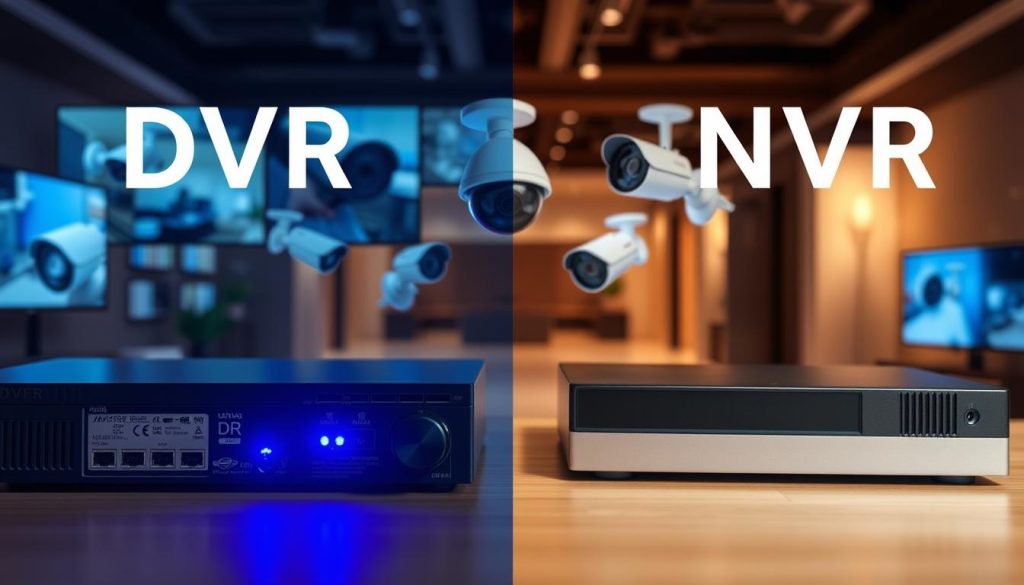
In the world of security systems, knowing the price gap between Network Video Recorders (NVR) and Digital Video Recorders (DVR) is key for people in Singapore. NVR systems usually cost more, and several reasons explain this. We will look into how new tech, better image quality, and setup needs impact prices. Understanding these differences is important for making smart choices about your surveillance tech. Key Takeaways NVR systems generally cost more than DVR systems due to advanced technology. Understanding the differences is essential for effective security investments. Factors such as image quality and installation complexity affect overall pricing. Consumers should evaluate their needs to choose the right system. The growing demand for sophisticated surveillance technology influences market prices. NVR vs DVR: A Brief Overview When it comes to video recording technology, knowing the difference between NVR and DVR systems is key. The NVR overview shows that Network Video Recorders work well with Internet Protocol (IP) cameras. They offer high-quality video and features like remote access and advanced analytics. This makes them great for growing systems and working with other smart devices. The DVR overview talks about Digital Video Recorders, which connect to analog cameras. These systems change analog footage to digital for storage. While DVRs are cheaper upfront, they don’t have the same features and flexibility as NVRs. In short, choosing between NVRs and DVRs depends on your surveillance needs and what technology you want. Both NVRs and DVRs are important for improving security through dedicated monitoring solutions. Understanding NVR Systems NVR systems, or Network Video Recorders, use IP cameras for top-notch video surveillance. They record in high definition, making sure every detail is clear. This is key for effective monitoring. NVR systems can handle complex tasks like facial and license plate recognition. These features boost security in many places, like businesses. They connect via Ethernet cables, making it easy to link with other networks. One big plus of NVRs is remote monitoring. Users can check their surveillance from anywhere. This is a big deal for businesses that need to keep an eye on their premises all the time. Getting started with NVR systems might cost more than DVR systems. But, the benefits and flexibility make it worth it. NVRs can grow with your security needs. For more on NVR and DVR differences, check out this resource. Understanding DVR Systems DVR systems use older analog technology to handle video from analog cameras. They often use coaxial cables for transmission, making them a traditional choice in video surveillance. While they are cost-effective, they face several challenges that can impact their long-term value. Video quality is a big issue. DVR systems usually have lower resolution than newer digital systems. This can make monitoring and investigation less effective. Scalability is also a problem. As security needs grow, it can be hard to expand these systems due to hardware limits and the complexity of adding new parts. Another challenge is the cost of ongoing maintenance. Users might need extra parts for features like audio recording, which can increase expenses. These issues show the main differences between DVR systems and more advanced video surveillance options. The latter often offer better performance and flexibility. Why is NVR more expensive than DVR? NVR systems cost more upfront than DVRs. This is mainly because NVRs use advanced technology. They have IP cameras, which capture clearer images than DVR’s analog cameras. NVRs also come with features like remote access and smart analytics. These allow users to watch their homes from anywhere. This adds value to the system, making it more expensive. The storage used in NVRs is another reason for the higher cost. NVRs use network-attached storage (NAS), which is pricier than DVR’s hard drives. This ensures the system can handle more data as surveillance needs grow. Technological Differences Between NVR and DVR Looking at NVR and DVR technology shows why pros often pick one. NVR systems use network connections to handle video data at the camera. This setup means better quality recordings and features like remote access and advanced analytics. DVR systems, on the other hand, process video internally. This leads to lower quality and fewer advanced features. The main difference in how these systems record video affects their use and performance. NVR systems offer better capabilities, like better integration with modern security systems. NVR technology makes it easy to scale and install flexibly. DVR technology needs more complex installations because of coaxial cables. NVR systems process data faster, making them more efficient, even in big setups. The way NVR and DVR systems handle data shows big differences in installation, upkeep, and infrastructure needs. Knowing these differences helps buyers make smart choices based on their needs and budget. Camera Compatibility and Its Impact on Cost NVR systems work with IP cameras, which are more advanced than analog cameras used with DVRs. The difference in NVR camera compatibility and DVR camera types is key when looking at costs. IP cameras usually cost more because they have more features and capabilities. Switching from DVR to NVR often means buying new cameras or extra gear. This change can raise installation costs a lot. The main cost increase comes from needing to update the whole system, including cameras and networking equipment. Businesses might also find extra costs for setting up and configuring the new camera systems. Knowing about compatibility is important for smart surveillance investment choices. Image and Audio Quality Comparison When we look at NVR and DVR systems, video quality differences stand out. NVR systems have better image clarity thanks to higher megapixel cameras. This means they can capture more details, making it easier to spot people and objects in videos. NVR audio quality is also a big plus. Many NVR systems can record sound right along with video. This makes it easier to understand what’s happening in any footage. On the other hand, DVR systems need extra wiring for sound, which can make setup harder and more expensive. DVR systems also can’t match the quality of NVR setups. Their

Why is NVR more expensive than DVR? Read More »

DVR and NVR surveillance systems comparison

What is the difference between DVR and NVR?

In today’s world, knowing the difference between DVR and NVR is key. Both Digital Video Recorders (DVR) and Network Video Recorders (NVR) are important for recording video. But they work in different ways. DVR systems change analog footage into digital formats. This makes them good for older camera tech. On the other hand, NVR systems handle only digital footage. This lets them use more advanced image processing. This difference is important in Singapore, where modern security systems are in high demand. Key Takeaways DVR systems convert analog signals into digital format. NVR systems work exclusively with digital footage. Understanding the systems helps tailor security needs. DVR is typically suited for older camera technologies. NVR provides advanced image processing features. Choosing the right system optimizes costs and maintenance. Understanding DVR Systems DVR systems, or digital video recorders, are key in security and surveillance. They capture video from analog cameras. Knowing how DVRs work can make your surveillance better. What is a DVR? A DVR is a device that records video from analog cameras. It changes the video into digital format for easy storage and access. DVRs are made for analog cameras, using coaxial cables for connections. How DVR Systems Work DVRs work by converting analog camera footage into digital. They use coaxial cables to connect to cameras. Each camera needs its own power source and video cable. This setup can make installation tricky. It limits how far and flexible the cables can be. Understanding NVR Systems NVR systems, or network video recorders, are a new way to watch over places. They are different from old DVRs because they work with IP cameras. Knowing about NVRs helps people and businesses pick the right security tools. What is an NVR? An NVR is a device that records and manages video from IP cameras. It captures and plays back video in high quality. This makes surveillance systems work better. NVRs can handle many high-definition streams from different places. They are now the top choice for modern surveillance. How NVR Systems Function NVR systems process video data right at the camera before sending it to the recorder. This improves video quality and cuts down on cabling needs. Footage can travel over the internet, making it easy to watch from anywhere. Using IP cameras with NVRs brings many benefits for watching over places. For more info, check out this comparison of DVR and NVR. What is the difference between DVR and NVR? DVR and NVR systems differ mainly in how they handle video, the cameras they support, and their setup needs. DVRs use coaxial cables and work with analog cameras. They need separate power for each camera, making setup more complicated. NVR systems, on the other hand, use Ethernet cables and IP cameras. These cameras process video data themselves. This makes installation easier because one cable can carry both power and data. Users get better video quality and more remote monitoring options. When comparing DVR and NVR, we also see differences in storage. DVRs store footage on local hard drives. NVRs offer cloud storage, giving users more flexibility. Knowing these differences helps people choose the right system for their needs. Components of DVR Systems Knowing the key parts of a DVR system is important for a good surveillance setup. Different parts work together to make a system that works well. We’ll look at three main parts: analog cameras, coaxial cables, and the AD encoder. Analog Cameras Analog cameras are a big part of DVR systems. They are easy on the wallet and simple to use. Even though they don’t have the best video quality, they are a good choice for basic needs. Coaxial Cables Coaxial cables are key for linking analog cameras to the DVR. They send video well but can’t power the cameras. So, you need a different power source. These cables can go up to 90 meters, but longer distances can hurt the video quality. AD Encoder Role The AD encoder is very important in a DVR system. It changes the analog signals from cameras into digital video. Each camera needs its own wire to the DVR, which can be tricky. But, the AD encoder makes sure the system works right, helping with surveillance. Components of NVR Systems Knowing the key parts of NVR systems is key for good surveillance. The main NVR system components are IP cameras and Ethernet cables. Both are important for how well the system works and how easy it is to set up. IP Cameras IP cameras are essential for NVR systems. They can handle and send video data on their own. This lets them send high-quality video straight to the NVR. They do more than just record video. Most can also capture audio and have smart analytics. This makes surveillance better. Ethernet Cables Ethernet cables connect IP cameras to the NVR. They make setting up the system much easier. With Power over Ethernet (PoE), they carry both data and power. This makes setting up NVR systems simpler. It lets them work well in many different places. Pros and Cons of DVR Systems DVR systems are a favorite among those looking for surveillance solutions. Knowing the DVR pros and cons helps you decide. Each point gives you insight into the benefits and drawbacks of DVR systems. Advantages of DVR DVR systems are affordable, which is a big plus. They fit well with older camera setups, saving you money. This makes them a smart choice for many users. Other benefits include: Wide availability of compatible analog cameras. Simple user interfaces for ease of operation. Good options for local storage and system management. Drawbacks of DVR Despite their benefits, DVR systems have some downsides. They use coaxial cables, which can be hard to install in tight spaces. Also, the video quality is often lower than what IP cameras offer. Other drawbacks include: Limited flexibility in camera placement compared to IP systems. Challenges in scaling up due to wiring limitations. For more information on DVR and NVR systems, check out this

What is the difference between DVR and NVR? Read More »

CCTV components overview

What are the 7 components of CCTV?

Security concerns are on the rise in many areas, making CCTV systems more important than ever. In Singapore, these systems are key to boosting safety by watching and recording what happens. They help prevent crime by being a visible presence. Knowing the main parts of CCTV systems is key to making them work better. The seven main parts are security cameras, monitoring stations, video recording systems, and accessories. There’s also storage solutions, power supply, and video management software. Each part helps create a strong security system that keeps users safe. Key Takeaways CCTV systems are integral to enhance security in various environments. There are seven main components that make up an effective CCTV system. Security cameras are critical in monitoring and recording activities. The technology plays a significant role in deterring crime. Understanding each component helps optimize surveillance efforts. Introduction to CCTV Technology CCTV technology is key in boosting security in many fields. As we all know, fighting crime is more important than ever. This is why CCTV systems are in high demand. They watch over activities and help prevent crimes. The Importance of CCTV in Security CCTV cameras make places safer, both public and private. They scare off criminals, making it less likely for bad things to happen. Plus, when crimes do occur, the footage is a big help for police and courts. Common Applications of CCTV Systems CCTV systems are used in many places, showing how they can keep us safe. Here are some examples: Retail places use them to stop theft and keep customers safe. Schools watch over campus life to protect students. In public areas like parks and streets, they help police keep things orderly. Industrial sites use cameras to guard important areas and check how things are running. Understanding the Role of CCTV in Surveillance CCTV systems are key to making cities safer, like Singapore. They help keep an eye on public spaces, making surveillance better. This means safer streets for everyone. How CCTV Enhances Security in Singapore CCTV has changed how Singapore keeps its streets safe. Cameras in busy spots like malls and transport hubs help the police watch over the city. This makes people feel safer and helps stop crimes before they start. Impact of CCTV on Crime Prevention Studies show CCTV helps lower crime rates. In Singapore, places with cameras see less crime. This is because cameras make it easier for police to act fast and scare off criminals. What are the 7 components of CCTV? Knowing about CCTV components is key to making a good surveillance system. These parts work together to give the best security. They are: Security Cameras – These are the most visible parts, recording video as it happens. Monitoring Stations – Here, people can watch and control the camera feeds. Video Recording Systems – These are needed to save the video for later use. Supporting Accessories – Tools like brackets and enclosures help the system work better and easier to install. Storage Solutions – Important for keeping video data safe and easy to find, often using hard drives or cloud storage. Power Supply – Makes sure all parts get the power they need to work right. Video Management Software – This is key for managing the CCTV parts, giving a single view of all surveillance data. Each surveillance system part is vital for a complete security solution. Knowing how they work helps make a system that fits your needs. Security Cameras: The Heart of CCTV Systems Security cameras are key to any CCTV system, giving us the visuals we need to watch and keep an eye on things. Choosing the right cameras is important for a good surveillance setup. It’s key to know the difference between analog and IP cameras. Types of Security Cameras: Analog vs. IP Analog cameras have been around for a long time. They’re simple and reliable. They’re easy to set up, which is great for many people. IP cameras, on the other hand, use internet technology. They offer better quality and can be set up in many ways. They also let you access them from anywhere and work with other smart devices. Camera Configurations: Bullet, Dome, and PTZ Choosing the right camera setup is important for good surveillance. There are different types of cameras for different needs: Bullet Cameras: These are easy to see and work well outside. They’re shaped for long-distance viewing. Dome Cameras: These are not as noticeable and work well inside and outside. They’re hard to tamper with, making them good for stores. PTZ Cameras: These cameras can move and zoom, covering big areas. They’re flexible for changing environments. It’s important to know the good and bad of different security cameras and setups. This helps make better choices for security. Monitoring Stations: Where Surveillance Takes Place Monitoring stations are key to any good CCTV system. They let operators watch many camera feeds at once. To make a good monitoring station, you need to think about layout, technology, and what the operators need. Setting Up Effective Monitoring Stations Here are some important things to consider when setting up monitoring stations: Comfortable Work Environment: Operators need ergonomic workstations to stay focused during long hours. Strategic Camera Placement: A good layout helps see everything clearly and avoids blind spots. Technology Integration: Using high-resolution screens and good software makes monitoring better. Remote Access Capabilities: Make sure operators can watch feeds from anywhere to be more flexible. Features of Modern Monitoring Stations Modern monitoring stations use new tech to make surveillance better. Some key features are: Advanced Software Applications: These help analyze and alert for any odd activity in real-time. Mobile Access: Operators can watch feeds on their phones, making them more responsive. Multi-Screen Setups: Having many screens lets operators watch lots of feeds at once, keeping them alert. Data Management Tools: Good storage solutions help keep and find recorded footage easily. Video Recording Systems: Capturing Footage The success of CCTV systems relies heavily on their video recording systems. These are key for processing

What are the 7 components of CCTV? Read More »