ED VISTON

Uncategorized

Local CCTV camera shop in Singapore

Find Camera CCTV Shop Near Me in Singapore

Finding a good “camera CCTV shop near me” in Singapore can be tough with so many choices. Installing a CCTV system is key for better home security and peace of mind. Local security camera suppliers now offer a wide range of products to meet different security needs. From wireless setups for remote live streaming to high-definition models from brands like TP-Link and Arlo, picking the right store is important. When looking for options, consider contacting ED Viston at +65 8313 4578. They can give you the latest on CCTV solutions and special deals. Key Takeaways Significant variety of CCTV systems available for different security requirements. Reputable brands like TP-Link, Arlo, and Eufy provide reliable options. Local suppliers ensure quick service and product availability. Remote monitoring capabilities offered by certain wireless systems. Importance of visible CCTV systems as a crime deterrent. ED Viston can provide guidance on the latest security solutions. Understanding the Importance of CCTV Systems CCTV systems are key to boosting security in homes and businesses in Singapore. With over a million cameras across the city, they act as a strong deterrent against crime. Properties with CCTV cameras see fewer burglary attempts than those without. Surveillance cameras offer more than just crime prevention. In shops, they make customers feel safer, which can increase visits and loyalty. High-end CCTV systems, like those from Hikvision and Dahua, have advanced features like facial recognition. These features make them more effective in areas at risk of theft or vandalism. Installing CCTV cameras in homes requires some steps. For example, HDB flat owners need town council approval. Despite the hurdles, CCTV systems are cost-effective. They offer long-term monitoring, making them a good choice for both homes and businesses. As security worries grow, so does the need for reliable CCTV solutions. Key Benefits of CCTV Systems Description Crime Deterrence Visible cameras discourage criminal activity, reducing burglary attempts by up to 50%. 24/7 Monitoring CCTV provides consistent surveillance, unlike human security that may vary. Evidence Collection Recorded footage can be vital in legal investigations, with many law enforcement agencies utilizing video evidence. Remote Access IP cameras allow for monitoring via smartphones, enabling real-time oversight. Insurance Benefits Installing CCTV may lower insurance premiums by mitigating theft risks. Defining Your Security Needs Understanding your security needs is key when thinking about CCTV systems. Start with a personal security assessment. Look at areas like entry points, backyards, and shared spaces. Knowing these spots helps you choose the right CCTV features. Think about the detail you need in your footage. High-resolution cameras can show up to 12 megapixels, great for clear images. Also, consider if you need remote access, alarm system integration, and night vision for all conditions. Knowing what you need helps pick the best surveillance for your place. With 92% of police using CCTV in investigations, the right tech is vital. It boosts security and makes spaces safer for everyone. Feature Importance Resolution Higher resolutions allow for clear identification of individuals. Remote Access Enables monitoring from anywhere, enhances response capabilities. Integration with Alarm Systems Increases overall security by adding layers of protection. Night Vision Crucial for clear footage in dark places. Price Balance your budget with quality and features. Benefits of Installing CCTV Cameras at Home Installing CCTV cameras at home brings many benefits that boost home security solutions. One big advantage is that they can stop crime. Studies show homes with cameras are 50% less likely to be burglarized. Also, 60% of intruders won’t enter if they see cameras. CCTV cameras also give homeowners peace of mind. They can watch live footage from anywhere using their phones or computers. This is very helpful when you’re away from home for a long time. Another key benefit is their help in solving crimes. About 80% of incidents caught on camera lead to police action. The footage helps confirm what happened and can help with insurance claims or disputes. Also, cameras can cover up to 1,000 square feet, making sure your property is well watched. Indoor cameras can even cut vandalism by 38%. This shows how well these systems protect your home. Benefit Statistic Reduction in burglary risk Up to 300% Decrease in likelihood of being targeted 50% Intruders deterred by visible cameras 60% Homeowners feeling safer after installation 75% Property crime rate reduction 25% Camera CCTV Shop Near Me: Where to Look Finding a good CCTV camera shop nearby is key for keeping your place safe. Using modern tools makes it easier to find the right security cameras. You can use technology and ask people you know to help. Using Online Maps and Directories Online maps and directories are great for finding CCTV shops quickly. Google Maps and Yelp show local businesses, including what others think. This helps you pick the best ones. Looking for “camera store in my area” on these sites shows top picks in Singapore. You can compare prices, products, and locations easily. This helps you make smart choices. Asking for Recommendations from Friends and Family Asking friends and family is another good way to find a CCTV shop. They can tell you about reliable shops. Their experiences can give you peace of mind. This way, you get to know about shops through people you trust. It makes you feel more confident in your choices. Method Description Pros Cons Online Maps Use platforms like Google Maps to locate retailers. Quick results, extensive reviews, and comparisons. May include outdated information on some listings. Friend & Family Recommendations Ask close contacts for their experiences with local shops. Trustworthy feedback and better assurance of service quality. Limited to personal networks, possibly fewer options. Factors to Consider When Choosing a CCTV Shop Choosing a CCTV shop means looking at key elements that affect the system’s reliability and function. Each element is vital for ensuring the CCTV system fits your security needs. A detailed evaluation of camera stores highlights the importance of these factors in protecting properties. Reputation and Customer Reviews Start by checking the shop’s reputation in the community.

Find Camera CCTV Shop Near Me in Singapore Read More »
CCTV camera mobile connectivity

Connect CCTV Camera to Phone Without WiFi Easily

Ever wondered how to link your CCTV camera to your phone without WiFi? In today’s fast world, like Singapore, CCTV camera mobile connectivity is key. People want to monitor their homes and businesses in real-time from their phones. Thanks to new tech, connecting your CCTV camera to your phone without WiFi is easy. Let’s look at how you can stay connected anywhere. Key Takeaways Five methods available for connecting cameras to phones without Wi-Fi. Options include direct cable connection, memory card reader, Bluetooth, camera’s Wi-Fi hotspot, and third-party apps. Examples of popular third-party apps: Camera Connect & Control, Wireless Mobile Utility, and SnapBridge. Real-time monitoring enables prompt responses to security breaches. Utilizing cloud services enhances data accessibility and security. Check device compatibility and ensure proper configuration for seamless connections. For personalized support, contact ED Viston at +65 8313 4578 for the latest CCTV solutions and offers. Introduction to CCTV Camera Connectivity Technology has changed how we watch over our places. Now, connecting your CCTV camera to your smartphone is simple. This lets you watch your property from anywhere, thanks to WiFi connectivity. Smartphones like the HONOR Magic V2 make watching CCTV footage better. You get clear images, which is key for spotting details. Plus, cloud storage keeps your data safe and easy to get to. But, sometimes connecting can be tough. Issues like network problems, app not working, and setup mistakes can get in the way. Knowing how to fix these can make watching feeds on your phone easier. For help or to learn more about CCTV solutions, call ED Viston at +65 8313 4578. Benefits of Connecting CCTV Cameras to Smartphones Connecting CCTV cameras to smartphones boosts security. It allows for real-time monitoring and quick responses to threats. Users can check their property from anywhere, even when they’re not there. Real-time monitoring lets users watch their premises all the time. This helps them react fast to security issues. Also, alerts for things like motion or intrusions keep users informed. Mobile apps make setting up and watching CCTV systems easy. This makes more people use security measures. Devices like the HONOR Magic V2 offer clear views, helping spot details in footage. Being able to watch footage anywhere adds to the peace of mind. Users can quickly respond to suspicious activities. This can stop crimes from happening. Cloud services add more to mobile connectivity. They offer remote storage and access to footage. So, even if local devices fail, cloud services keep security going. Choosing CCTV camera remote access is key for good surveillance. How can I connect my CCTV camera to my phone without WiFi? Connecting a CCTV camera to a smartphone without WiFi is possible. You can use mobile data or explore other connection methods. Both ways help you monitor your security system from afar. Understanding Mobile Data Connectivity Mobile data is a great option for surveillance in places without Wi-Fi. Cameras can use cellular networks for live footage and alerts. For example, 4G security cameras connect to your phone for real-time alerts. The Reolink Go Plus shows how 4G cameras work well in mobile settings. This includes farms or remote areas. Exploring Alternative Connection Methods There are other ways to connect CCTV cameras to phones. Ethernet cables or direct wired connections offer stable surveillance. Bluetooth is good for nearby connections, allowing access to live feeds. Many systems also store footage on SD cards for offline viewing. The Reolink RLK8-800B4 is an 8-channel NVR system for 24/7 monitoring without Wi-Fi. For more on security solutions, contact ED Viston at +65 8313 4578. Learn about the latest CCTV options and offers. Different Types of Non-WiFi CCTV Cameras In the world of surveillance, CCTV camera solutions without WiFi offer reliable monitoring. They are perfect for places where internet is not available. We’ll look at two main types: 4G cellular security cameras and SD card storage solutions. 4G Cellular Security Cameras 4G cellular security cameras use LTE networks for remote streaming. They’re great for places like farms or construction sites without WiFi. Though rare, these cameras are worth it for their advanced features. Devices like the Arlo Go and Reolink Go have data plans for 1 GB a month. This lets you stream video for about two hours. These cameras cost more than $200, showing their value and convenience. SD Card Storage Solutions CCTV cameras with SD card storage record footage locally. They save motion-activated recordings offline. This means you can get your footage later. Cameras like the Reolink E1 Pro can use micro SD cards up to 256GB. This is great for storing lots of footage. Even without mobile apps, offline storage is a useful option. Systems like Lorex DVR can hold a lot of footage. A 1 TB capacity can record up to 20 days from one camera. Exploring CCTV camera solutions without WiFi is key. Call ED Viston today at +65 8313 4578 for more info. They offer the latest CCTV solutions & deals for your security needs. Step-by-Step Guide to Connect Your CCTV Camera to Phone Connecting your CCTV camera to your smartphone boosts your security and makes it easier to access. Follow these steps for a smooth CCTV camera phone app setup. This way, you can easily watch your security camera on your mobile for real-time updates. Choose the Right Camera System: Look at video quality, coverage, and mobile app compatibility. Pick systems with apps for easy use. Install the Wireless CCTV Camera: Place your camera where it’s best, considering weather and light. This ensures it works well. Set Up Your Wi-Fi Network: A strong Wi-Fi is key for smooth video streaming. Make sure your Wi-Fi works well and has enough speed. Download the Appropriate Mobile App: The app you need depends on your camera brand. Search for it in your device’s app store. Connect the CCTV Camera to Your Mobile Phone: Open the app and follow the instructions. Keep your internet stable to avoid problems. Customize Notification Settings: If your camera can send notifications, set it

Connect CCTV Camera to Phone Without WiFi Easily Read More »

best CCTV camera for warehouse

Best CCTV Camera for Warehouse Security | Singapore

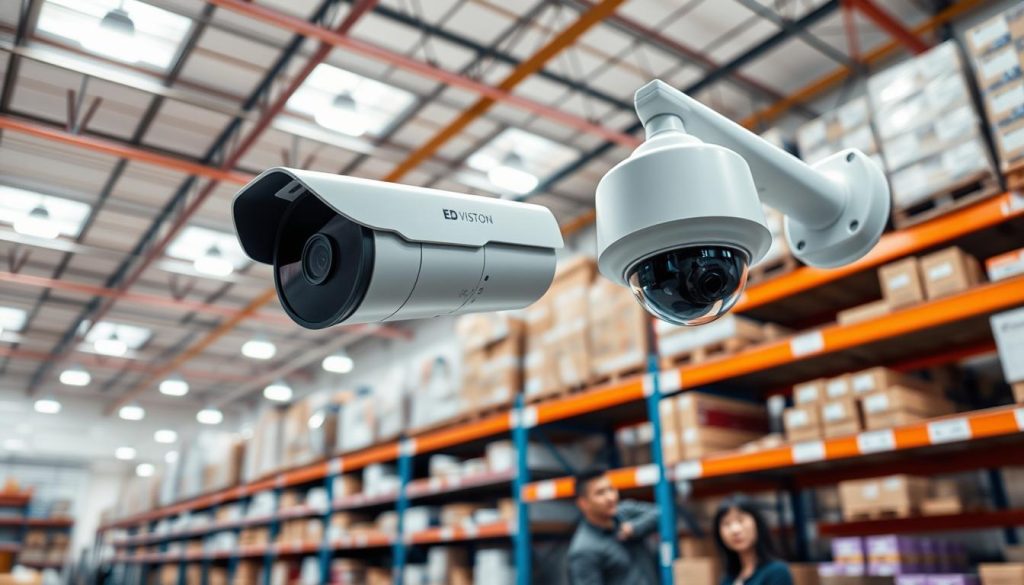
In today’s fast-paced world, having a strong warehouse security system is key. It helps protect valuable assets from theft, vandalism, and unauthorized access. A shocking fact shows that 70% of warehouses face these threats. Investing in top-notch surveillance, like the best CCTV camera for warehouses, is vital. In Singapore, businesses handle merchandise worth thousands to millions of dollars. They must choose the best surveillance systems available. CCTV systems can cut crime rates by up to 50% in warehouses. They are a must-have for security. Warehouses with full CCTV coverage see a 30% rise in employee safety awareness. Today’s warehouse security cameras offer features like high-definition recording and night vision. This ensures constant monitoring. Over 60% of warehouse thefts happen after hours, making 24/7 monitoring essential. This article will cover warehouse security in Singapore. We’ll look at different CCTV cameras for warehouses, their features, benefits, and how to install them. For more info on CCTV solutions and offers, contact ED Viston today at +65 8313 4578. Key Takeaways 70% of warehouses are targets for theft, stressing the need for good surveillance. CCTV systems can cut crime rates by up to 50% in warehouses. High-definition features help spot faces and license plates. Night vision is key for monitoring, as 60% of thefts happen at night. Mobile app integration boosts remote security management for warehouse managers. Wide-angle cameras cut blind spots by up to 90% for better surveillance. Weather-resistant cameras prevent failures due to outdoor conditions. Understanding the Importance of Warehouse Security Warehouse security is key for businesses with valuable goods. Theft and vandalism are on the rise, making strong security a must. Industrial warehouse CCTV systems scare off criminals, as they know they’re being watched. These systems keep an eye on everything, recording all activity for later review. Warehouse monitoring cameras help spot suspicious actions right away. Quick responses to threats make warehouses safer. CCTV cameras also help prevent accidents by watching over daily operations and spotting dangers early. When accidents do happen, CCTV footage is very helpful. It lets businesses understand what went wrong and how to avoid it in the future. Using CCTV systems data helps spot trends, guiding long-term plans. Insurance companies give lower rates to places with good security, like CCTV. These cameras also help improve how things run smoothly. They check if goods are packed and shipped right. Good warehouse surveillance uses different cameras and reliable storage for quick access. Strong connections and smart analytics help spot threats better. It’s also important to follow privacy laws, making sure everyone knows about the surveillance. More than 70% of warehouses in Singapore use CCTV now, thanks to more theft. Visible cameras can stop about 60% of thieves, showing their importance in security. For more on warehouse security, check out this link. Benefits of Using a CCTV Camera for Warehouse Using a warehouse CCTV system brings many benefits. It greatly improves security and makes operations more efficient. The biggest benefits of CCTV is that it deters theft. Studies show that warehouses with CCTV can see a 50% drop in theft. Visible cameras scare off would-be thieves. This makes warehouses less attractive to intruders. Real-time video surveillance lets teams respond quickly to any suspicious activity. This quick action can prevent threats. Also, recorded footage is key in solving incidents. It helps meet safety standards and improves how things run. Using CCTV can save a lot of money too. A study found that for every dollar spent on CCTV, businesses can save up to $4. This is due to less theft, better employee work, and lower insurance costs. Companies with CCTV see a 30% drop in accidents, thanks to watching over safety rules. More research shows CCTV’s value. About 70% of warehouse managers think CCTV stops employee wrongdoings. Over 80% of employees feel safer knowing they’re being watched. A good CCTV system boosts security and makes the workplace better and more productive. Features to Look for in Warehouse Surveillance Systems When picking a warehouse surveillance system, certain features boost security a lot. High-definition cameras, like 1080p or 4K, help spot people clearly. This is key for police work. Features of CCTV cameras for warehouses also include night vision. This keeps watch going, even when it’s dark. Being able to watch your warehouse from anywhere is big. Mobile apps let you see what’s happening live and get alerts fast. Also, cameras that see wide help cover more ground without missing spots. Studies show using many cameras can cut down blind spots by 90%, making places safer. For watching outside, you need cameras that can handle rain and snow. Night vision cameras with infrared can make things clearer by up to 40%. This is really helpful for places that work all the time. Plus, cameras that only record when they see movement save a lot of space and money. The table below shows important features to look at when choosing a warehouse surveillance system: Feature Benefits High-definition Resolution (1080p or 4K) Clear identification of individuals and activities Night Vision Capability Effective monitoring in low-light conditions Mobile App Connectivity Remote access and real-time notifications Wide-Angle View Coverage of large areas, reduces blind spots Waterproof Feature Durability in various weather conditions Motion Detection Efficiency in storage by recording only on motion Types of CCTV Cameras Available for Warehouses It’s important to know the different CCTV cameras for warehouses. Each type has its own role in keeping places safe. The main types for warehouses include: Dome Cameras: Great for both inside and outside, dome cameras make it hard to guess their direction. They cost between $200 to $800. Bullet Cameras: These cameras can see far and are tough against dust and weather. Prices are between $50 to $200. PTZ Cameras: These cameras can move and zoom, making them perfect for watching over big areas. They cost $800 to $2,000. C-Mount Cameras: Good for watching over long distances, they have changeable lenses for better use. Day/Night Cameras: Work well in both bright and dark places, keeping watch

Best CCTV Camera for Warehouse Security | Singapore Read More »

Dahua vs Hikvision security camera comparison

Dahua vs Hikvision: Best Security Camera?

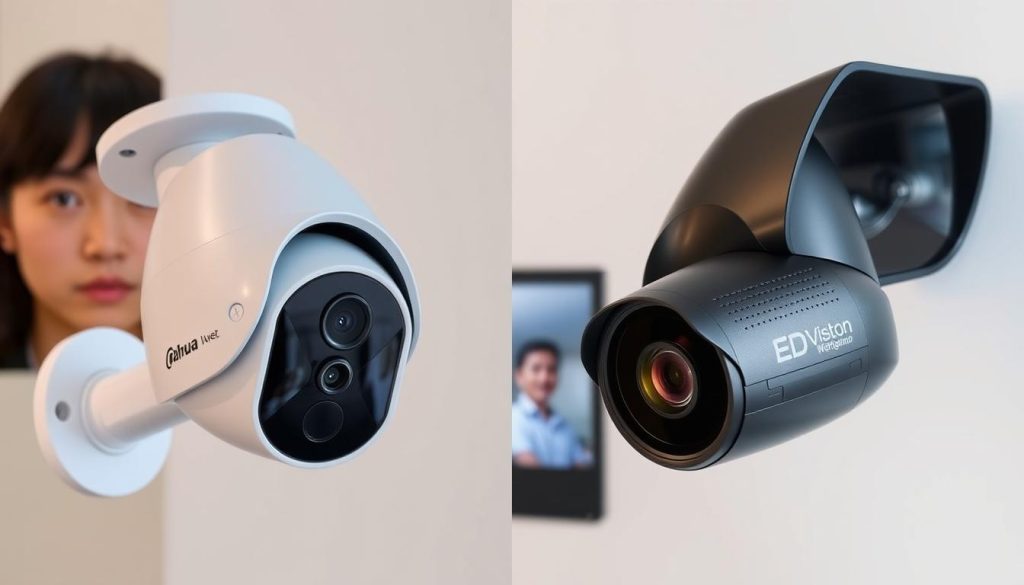
As we rely more on security solutions, a big question pops up. Can Dahua or Hikvision be the best for keeping us safe? We’ll look into a detailed comparison of these top brands. We’ll explore their market share, tech innovations, and what customers say. Dahua and Hikvision are big names in the security camera world. Hikvision is expected to have a 17% market share, while Dahua will have 5.5%. It’s key to know their strengths and weaknesses to make a smart choice. We’ll check out camera quality, activity detection, and support, to see which brand fits your needs best. For custom solutions, reach out to ED Viston today at +65 8313 4578. Discover the latest CCTV options! Key Takeaways Hikvision leads the market with a significant share, but Dahua offers competitive pricing. Both brands feature high-quality 4MP cameras with advanced low-light capabilities. Dahua provides a broader variety of lens options, making installations more flexible. Recognized for user-friendly technology, Hikvision invests heavily in research and development. Customer preference can vary: Dahua is often preferred for homes, while Hikvision is more popular for businesses. Introduction to Security Cameras Security cameras are key in video surveillance solutions, giving us peace of mind. They watch over our properties all the time. Both businesses and homeowners see how important they are for safety. There are many types of security cameras. You have IP cameras, analog cameras, and PTZ cameras. Each has its own role. The need for these systems is growing because of safety concerns everywhere. In Singapore, people are looking at the top CCTV brands for the best protection. Choosing a reliable camera system means your assets are safe. Leading brands offer this security. Many groups get customized surveillance solutions for their specific needs. Features like high-definition images and night vision are key. They make sure the system works well for what you need. Getting experts to install and maintain your system makes it better. Brands like Dahua and Hikvision are favorites for keeping properties safe. Want to know more about CCTV solutions and deals? Call ED Viston today at +65 8313 4578. Overview of Dahua and Hikvision Dahua and Hikvision are top names in the security camera world. They’ve been leaders in surveillance tech for over 20 years. Their work has led to big improvements in how we watch and record video. Hikvision is known for its wide range of IP cameras and top-notch video recorders. They’re the biggest name in security cameras globally. Their products offer high video quality, even in tough lighting conditions. They focus on big businesses, with cameras that work well in low light and can record fast. Dahua is a close third in market share but shines in low-light tech. Their cameras are good for homes and big businesses. They offer many camera types, all at good prices. This makes Dahua a great choice for smaller setups. Both brands keep pushing the tech limits, making their products better. They use the same camera sensor but differ in features and what they focus on. Knowing these differences helps people choose the best camera system for their needs. Want to check out the latest CCTV tech and deals? Contact ED Viston today at +65 8313 4578. They can tell you more. Global Market Presence of Dahua and Hikvision The battle between Dahua and Hikvision is a big deal in the security camera world. These top brands show how they stand in the market, what people like, and what they offer. Market Shares and Rankings Hikvision leads the world with a 17% market share. Dahua has about 5.5%. This shows Hikvision is way ahead. Both are big names in CCTV, with Hikvision being the top in 2021. Dahua came in third, showing it’s strong too. Brand Market Share Global Ranking (2021) Hikvision 17% 1st Dahua 5.5% 3rd Trends in Consumer Preferences People want smarter security now. They look for AI and cloud storage. Dahua and Hikvision have added cool features like facial recognition and motion detection. They also offer more outdoor cameras to meet new needs. Check out the latest CCTV options and deals. Call ED Viston at +65 8313 4578 to learn more. Which is better Dahua or Hikvision? The debate between Dahua and Hikvision shows clear differences in what they offer. Both brands can record in 4K, giving you sharp video. But Hikvision’s videos are often better because of higher bitrates. Dahua, on the other hand, shines in low light, making images clear even when it’s dark. Both brands are easy to set up and use, making them popular with different customers. Performance Comparison Dahua is known for its smart detection features like face and intrusion detection. This makes it a strong choice for security. Hikvision, on the other hand, offers more lens options for businesses, allowing for customization. Both brands let you access their systems remotely, making it easy to monitor from anywhere. Customer Feedback and Support People generally like both brands, but opinions vary. Hikvision users like the wide range of features. Dahua customers often praise its easy setup and quick updates. When it comes to customer support, Hikvision is seen as more thorough. But Dahua is also known for its good service, making it a favorite for many. For personalized support and the latest in CCTV solutions, call ED Viston at +65 8313 4578. Discover top-notch security today! Technical Features of Dahua and Hikvision Cameras Knowing the technical details of security cameras is key to picking the right ones. This comparison looks at Dahua and Hikvision, focusing on resolution and lens variety. Resolution and Bitrate Differences Resolution greatly affects video quality. Dahua and Hikvision both offer 4MP and 1080P, giving clear images. But, resolution differences show in bitrate. Hikvision cameras often have higher bitrates, making videos clearer and capturing more detail. This is important for those needing top-notch surveillance. Lens Variety and Options Lens variety shows how Dahua and Hikvision approach camera specs. Both brands perform well, but they offer different lens options. Hikvision has

Dahua vs Hikvision: Best Security Camera? Read More »

NVR vs DVR cost comparison

NVR vs DVR Cost Analysis: Why the Price Difference?

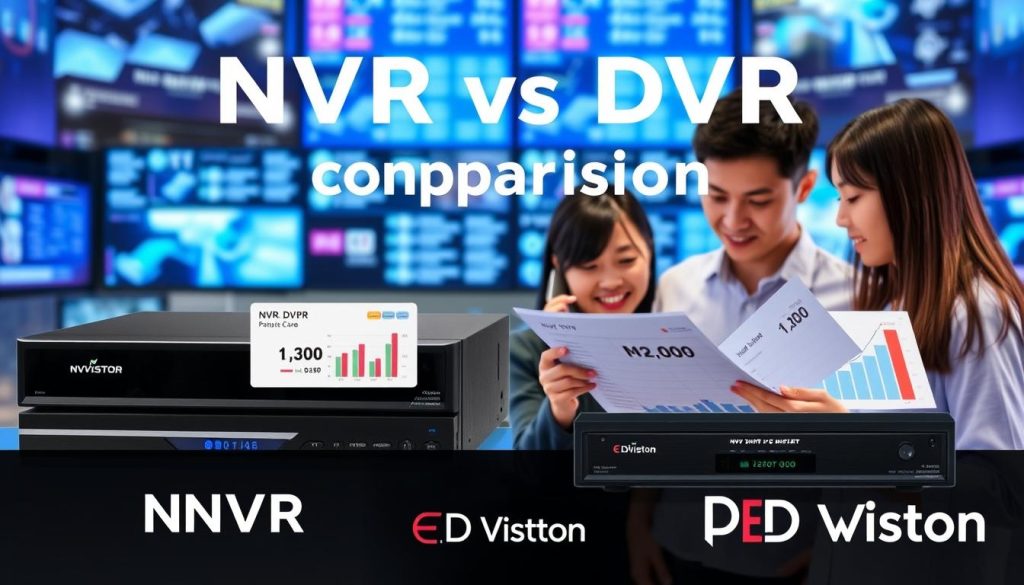
Why does NVR cost more than DVR? This question is key to understanding security systems. NVR and DVR systems differ in technology, quality, and value. We’ll explore why NVR is pricier, focusing on features, ease of installation, and scalability. This analysis helps you pick the best system and invest in your safety. Knowing these differences is essential for making a smart choice. If you want to learn more about CCTV solutions and offers, contact ED Viston today at +65 8313 4578. Key Takeaways NVR systems generally cost more upfront due to advanced features and capabilities. DVR systems offer a more budget-friendly option but with limited flexibility. NVR systems use Ethernet for simplified installation, while DVR relies on coax cables. Long-term savings can offset the initial cost of NVR systems due to their efficiency. NVR supports greater camera distances and advanced features, improving security. NVR and DVR: A Brief Overview NVRs and DVRs have different roles in surveillance systems. NVRs, like the NSN-608(4K)-8P, are great for network video recording. They use IP cameras for high-definition video, improving image quality and scalability. Understanding NVR and DVR pricing shows NVRs are more costly upfront. Yet, they offer flexibility and future-proofing benefits. This makes them a good choice for modern businesses. DVRs, such as the NSDV-208QK, work with analog cameras. They convert raw footage into digital formats. This makes them a cost-effective option for homes, fitting well with existing setups. The NVR vs DVR comparison shows DVRs are simpler for surveillance needs. But, they don’t have the advanced features of NVRs. Deciding between NVRs and DVRs depends on your needs. NVRs need a bigger initial investment for their advanced tech and high resolution. DVRs, on the other hand, use traditional wiring and are easier to install. Both options are valid, making it important to consider your needs before choosing. For personalized advice and the latest CCTV solutions, contact ED Viston at +65 8313 4578. Understanding NVR Systems NVR systems are a top-notch way to watch over areas, using IP cameras for clear images. They have cool features like license plate and facial recognition. This makes them more expensive but worth it. Unlike old systems that use cables, NVRs use Ethernet cables. This makes them easier to set up in tight spots. One big NVR technology benefit is their ability to show high-resolution video, up to 4K. This is great for businesses that need clear footage. Plus, you can watch camera feeds from anywhere, which is super handy for companies with many locations. Even though NVR systems cost more at first, they’re good value in the long run. You can easily add or remove cameras as needed. But, they do need strong computers and internet to work well. In short, NVR systems might cost more upfront, but they offer great security features. For more info on how NVR systems can boost your security, call ED Viston today at +65 8313 4578. They’ll tell you about the latest CCTV solutions and deals. Understanding DVR Systems DVR systems use older analog technology for video surveillance. This DVR technology overview shows how they work with analog cameras. They are cheaper at first than NVR systems. These systems use coaxial cables for video. These cables can go up to 500 meters. But, they don’t carry power like PoE cables do. So, each camera needs its own power source. In a DVR setup, cameras connect to the DVR recorder with coaxial BNC cables. An AD encoder is needed to process the video. This makes the system more complex than NVR systems. DVR systems have to connect each camera directly. This can lead to DVR limitations in signal quality. Image quality starts to drop after about 300 feet (90 meters). Having separate power supplies adds complexity and cost. DVR systems might seem cheap at first. But, they can be more expensive to maintain over time. Manual maintenance is often needed. This can lead to more costs. DVR systems also struggle with basic audio capabilities. This overview shows DVR systems’ appeal for their initial cost. But, they have many complications and limitations. For those looking to upgrade or install, contacting ED Viston at +65 8313 4578 can help. They offer the latest CCTV solutions and tailored security options. Why is NVR more expensive than DVR? NVR and DVR systems differ in price due to technology and camera compatibility. Knowing why NVR costs more helps when picking a security system. Technological Differences NVR systems use advanced tech for high-definition video streams. They don’t use hard drives like DVRs do. Instead, they use network-attached storage (NAS) or cloud solutions. This makes them more expensive to run. NVRs can handle up to 12MP resolution, which is higher than DVRs. They also have features like remote access and smart analytics. These features add to the cost but improve functionality. Camera Compatibility Camera compatibility also affects cost. NVRs need IP cameras, which are more advanced and pricey than analog cameras for DVRs. This makes NVRs more expensive overall. Users choosing NVRs will pay more for cameras and the tech needed for setup. This is a key reason for the price difference between DVR and NVR systems. Knowing these points helps users make better choices. For the latest in CCTV solutions and offers, contact ED Viston at +65 8313 4578 for help. Image and Audio Quality Comparison When we talk about surveillance systems, image and audio quality are key. NVR and DVR systems differ in how well they work. Knowing these differences helps us make better choices. NVR Advantages in Quality NVR systems lead in image quality, with resolutions from 4MP to 12MP or more. This means they capture even the smallest details clearly. DVR systems, on the other hand, top out at about 5MP, limiting their detail. NVR also often comes with better audio recording. This is because many NVR systems have built-in audio. This makes the surveillance experience better. So, when choosing, the NVR vs DVR audio quality is a big factor. DVR Limitations DVR

NVR vs DVR Cost Analysis: Why the Price Difference? Read More »

CCTV for residential properties

Home Security: Is it Worth Installing CCTV at Home?

In today’s world, security is a big concern. Many people wonder if installing CCTV at home is worth it. With crime rates rising, like in Singapore, homeowners are looking for ways to protect themselves. Over 770 million cameras worldwide help deter theft and invasions. As home security tech gets better, it’s key to understand why people choose CCTV. They want safety, lower insurance costs, and peace of mind. These reasons are more important than ever. Installing a CCTV system can cost between $500 to $2,500. Deciding to add it to your home security needs thought. You must think about the system’s purpose, where to place cameras, and upkeep. For advice and to see the latest CCTV options, call ED Viston at +65 8313 4578. Key Takeaways CCTV installation ranges from $500 to $2,500 on average. Installing CCTV can lower insurance premiums by mitigating risks associated with theft. Consider the purpose and location of cameras before installation. Regular maintenance is needed to ensure optimal performance of CCTV systems. Wireless systems offer flexibility, while wired systems provide reliability. Advanced features like night vision and motion detection enhance security monitoring. Respecting privacy laws is critical when placing cameras around your home. Understanding Home Security Needs Before installing CCTV cameras, it’s key to understand your home’s security needs. Homeowners should look at several factors that affect their security. The size of your home matters; bigger homes need more cameras to cover all entry points. Identify areas that might be risky, like dark entryways or spots where cameras can’t see. This helps decide where to place your cameras for the best coverage. Neighborhood safety also plays a part. Even in places like Singapore, with low crime rates, staying alert is important. Knowing about local crime trends helps you pick the right security system features, like CCTV cameras. Choosing the right cameras and monitoring systems depends on your specific needs. For example, outdoor cameras with motion sensors can scare off intruders. Indoor cameras are great for keeping an eye on kids or pets. This shows how security needs can vary from one family to another. It’s also vital to keep your security system in good shape. Regular maintenance keeps your equipment working well. Look into services that offer routine checks to ensure your system stays effective and lasts longer. For more info on CCTV solutions and deals, call ED Viston at +65 8313 4578. What is CCTV and How Does It Work? CCTV stands for Closed Circuit Television. It plays a key role in boosting security for homes and businesses. Its main goal is to watch over certain areas, giving real-time video and recording. This way, it keeps video footage private and only shares it with those who need to see it. To understand CCTV, we need to know its parts. A CCTV system has cameras, wires, storage, and monitors. Cameras, with high-definition and infrared, capture clear images, even in the dark. They come in different types, like thermal imaging and number plate recognition, for various needs. Today’s CCTV systems have many benefits. Wireless cameras are easy to set up because they don’t need lots of wiring. Some are even waterproof, perfect for outdoor use. They also keep working even when the power goes out. CCTV does more than just prevent crime. It helps watch traffic, check on employees, and track inventory. In 2020, over 60.5% of FBI reports were about property crimes. This shows how important good security is. Thinking about getting CCTV for your place? Call ED Viston at +65 8313 4578. They can tell you about the latest deals and custom solutions for your security needs. Benefits of Home CCTV Home CCTV systems offer many advantages to homeowners. They help keep homes safe from crime. These systems also make homes more valuable. Deterrence Against Crime Visible CCTV systems scare off criminals. Studies show homes with cameras are less likely to be broken into. Insurance companies even give discounts for homes with CCTV. Peace of Mind for Residents Home security cameras let homeowners watch their homes live. This gives them peace of mind. They can check on their kids or pets from anywhere. Record Keeping for Investigations CCTV footage is key in solving crimes. In Singapore, it helps solve cases more often. It also helps with insurance claims and disputes. Want to boost your home’s security? Contact ED Viston at +65 8313 4578. They offer the latest CCTV solutions with special deals. Is it Worth Installing CCTV at Home? Homeowners in Singapore must think carefully about installing CCTV systems. Evaluating security risks is key, as home invasions and theft happen. Knowing your area’s crime rates and your home’s weak spots helps tailor your security. Evaluating Security Risks in Singapore Crime in Singapore has changed, making many think about better security. CCTV systems are now a big part of security. They help in many ways, like: Scaring off criminals Helping police solve crimes Letting you watch your home from anywhere Keeping your property safe from theft and illegal activities Schools and shops also use CCTV to keep an eye on things and stop problems. This shows everyone is working to keep safe. Cost-Benefit Analysis of CCTV Installation The cost of home security cameras can be high, depending on what you choose. But, the long-term benefits are worth it. A CCTV system can: Lower your insurance costs Give you peace of mind Make your home more valuable Stop expensive thefts and damage There might be technical problems, but fixing them regularly helps. Knowing the costs now and later is key to a smart choice. If you want to improve your security, check out what Wenhong offers at this link. For more info on CCTV, call ED Viston at +65 8313 4578. They have the latest solutions and deals. Types of CCTV Systems for Residential Properties Choosing the right CCTV system is key for better home security and peace of mind. Homeowners have many options, each with special features for different needs. Knowing the differences between

Home Security: Is it Worth Installing CCTV at Home? Read More »

DIY CCTV installation guide for Singapore homes

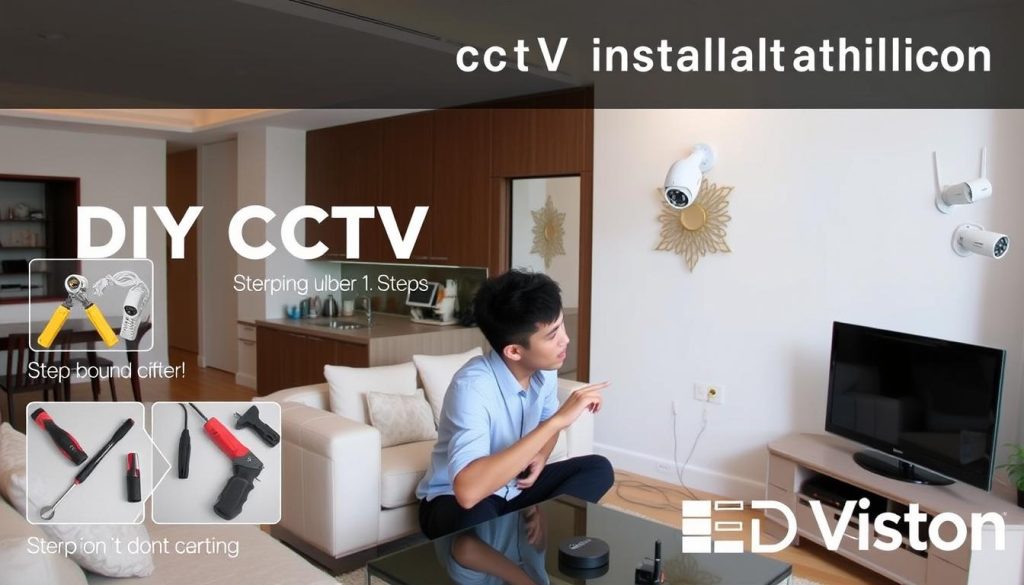
DIY CCTV Installation Guide for Singapore Homes

Have you thought about setting up a CCTV system yourself in Singapore? It could be a cost-effective way to boost your home’s security. A self-install system not only guards your property but also gives you control over your home’s surveillance. This guide will walk you through the DIY installation process. You’ll learn about legal aspects, the best camera spots, and the tools you need. It’s perfect for anyone, whether you’re tech-savvy or just want to improve your home’s security. Key Takeaways Over 500,000 CCTV installations in Singapore highlight the importance of home security. Common area monitoring with cameras inside HDB apartments is prohibited without prior permission. Homeowners can install interior cameras without seeking government authorization. Invasive camera placements could lead to complaints and removal by HDB. Any unauthorized outdoor installations on HDB property may incur fines up to $5,000. Legal repercussions could arise from violating privacy laws related to CCTV usage. Consider reaching out to ED Viston at +65 8313 4578 for more information on the latest CCTV solutions and offers. Understanding the Need for CCTV in Singapore Homes In recent times, the need for CCTV in homes has grown in Singapore. Crime rates have increased, making homeowners see the value in home security cameras. These systems help prevent threats and provide key evidence in disputes or crimes. Rules for CCTV are changing. Starting May 2023, HDB flat owners can install corridor-facing CCTV cameras without needing approval. But, neighbors must get the Singapore Police Force (SPF) and HDB’s okay to install cameras facing common corridors or other units. There are almost one million CCTV cameras in Singapore now. This shows a big move towards keeping homes safe. It’s key to follow the law while using these systems for protection. Homeowners can boost their safety with smart doorbells and viewers. These are seen as less invasive than regular CCTV cameras. Yet, putting cameras in helper’s rooms or toilets is against the law because of privacy issues. Being able to get CCTV footage from places shows the balance between security and privacy in Singapore. People can ask for footage if they follow the Personal Data Protection Act (PDPA). This keeps everyone’s safety and privacy in check. To learn more about CCTV solutions and offers, contact ED Viston today at +65 8313 4578. Benefits of DIY CCTV Installation Choosing DIY CCTV installation has many benefits. It’s great for those who want to save money and enjoy working with technology. One big plus is the cost savings. Professional setups can be very expensive, making DIY a smart choice for budgeting. Another key benefit is customization. Homeowners can design their surveillance system to fit their needs. This means they can pick the right cameras and where to place them for the best coverage. It helps them understand their home’s security better. DIY installation also means you can handle problems yourself. This freedom lets you fix issues without waiting for a technician. But, it’s important to know the laws about surveillance in Singapore to follow them. While DIY might need some tech skills, the feeling of accomplishment is worth it. You’ll learn a lot about your home’s security. Before starting, make sure you have all the tools and documents you need. If you’re looking into CCTV solutions, contact ED Viston today at +65 8313 4578. They can offer expert advice. Can I install CCTV myself? Many homeowners in Singapore ask, “can I install CCTV myself?” This DIY option can save money. But, it’s important to know your technical skills and confidence. Before starting, make sure you can handle the job. Looking at different options helps you find the best for your home. This ensures your security needs are met. Assessing Your Skills and Confidence Level Knowing your skills is the first step. If you’re good with technology and tools, you might do well. Start by learning about the installation and what tools you’ll need. Types of CCTV Systems for DIY Setup There are many CCTV systems for different levels of skill and preference. Here are two common ones: System Type Description Skill Level All-in-One Systems These systems have everything you need, like cameras, storage, and software. Beginner Modular Systems You need to put together parts like cameras, recorders, and storage. They’re very customizable. Intermediate to Advanced When choosing, think about your budget and what features you want. Systems with AI and IoT might cost more. DIY installation can save you up to $3,500 compared to hiring a pro. For more info on CCTV solutions and deals, call ED Viston at +65 8313 4578. Legal Considerations for CCTV Installation in Singapore It’s important for homeowners in Singapore to know the laws about CCTV. Following HDB rules and local laws helps avoid legal problems. It also makes homes safer and more private. Understanding HDB and Town Council Regulations HDB rules are key for CCTV in HDB flats. You don’t need HDB approval for cameras facing corridors. But, you must follow Town Council rules for outdoor cameras. This ensures they meet local standards. Privacy Rights and Consent in CCTV Usage Privacy is a big deal when using CCTV. Cameras can’t be in private areas like bathrooms. The Personal Data Protection Act (PDPA) says you need consent to record people. Being open and respecting privacy builds trust in the community. Before installing CCTV, do a careful check. It’s important to balance privacy with security. For more on CCTV, call ED Viston at +65 8313 4578. They can help make your home secure and legal. Choosing the Right CCTV Cameras for Your Home When picking the best CCTV system for your home in Singapore, it’s important to look at different camera types. Knowing the differences helps you make the right choice. Indoor vs. Outdoor Cameras It’s important to know the difference between indoor and outdoor cameras. Indoor cameras are for watching over your home’s inside. They are designed to look good in your home. Outdoor cameras, on the other hand, are made to handle the weather. They watch over your

DIY CCTV Installation Guide for Singapore Homes Read More »

remote solar security camera

Best Remote Solar Security Cameras in Singapore

Technology has changed how we watch over our homes and businesses. Solar-powered security cameras are a big step forward. They use sunlight, not electricity, and work all day and night. Brands like Hikvision, Reolink, and Arlo offer top-notch solar cameras for Singapore. These cameras are good for the planet and keep your place safe. They let you watch over your property while being kind to the environment. Key Takeaways Solar cameras can operate for up to seven days without sunlight. These cameras can provide 24/7 color video surveillance. Many models support up to 128GB of video storage on SD cards. Battery life can range from three to twelve months depending on the model. Cameras like the Lorex Solar Security Camera have received top ratings in quality assessments. Some cameras may include a 4G SIM card for enhanced data sharing capabilities. Average weight of solar security cameras is about 14 kg. Introduction to Solar Powered Security Cameras Solar powered security cameras have changed how we watch over our homes, thanks to places like Singapore’s sunny weather. These cameras use the sun’s energy, so they don’t need electricity. This makes them perfect for areas where it’s hard to get power. Good solar cameras can stand up to bad weather and let you watch them from your phone. This makes them easy to use and control. They can even keep working for days without sunlight, showing how reliable they are. To work best, these cameras need at least six hours of sunlight a day. The S1-WIFI Solar Security Camera is a great example. It has a 5W solar panel and a big battery to keep going even when there’s no power. Other cameras, like the Reolink Argus 3 Pro, offer high-quality video and long battery life, meeting many needs. Here are some top solar security cameras: Model Resolution Battery Life Price User Rating EufyCam 3 2160p Up to 12 months $549.99 4.3 Arlo Pro 3 Floodlight 1440p Up to 6 months $249.99 4.3 Ring Stick Up Cam Solar 1080p Up to 6 months $139.98 N/A Wyze Battery Cam Pro 1080p Up to 6 months $99.98 N/A Using solar power for security is green and saves money on electricity. Over 80% of security systems now use solar power. On Amazon.sg, solar cameras get an average of 4.4 out of 5 stars, showing they’re both popular and effective. Benefits of Using Solar Powered Security Cameras Solar powered security cameras have many benefits. They are great for the environment because they use eco-friendly surveillance. This means they don’t rely on fossil fuels, which helps reduce carbon emissions. These systems are also cost-efficient. They don’t need a lot of setup like traditional systems do. For example, the LVT Units can be set up in just minutes. They use solar panels and batteries to work all day and night, saving money on energy bills. Another plus is their long-lasting security. They work well even on cloudy days. This means they’re reliable all year round. Plus, they need less maintenance and cost less to install than other systems. You can also watch live footage on your phone, making it easier to keep an eye on things. Eco-Friendly Surveillance Solutions Solar-powered security cameras are a smart choice for green security. They use solar power, showing we care about the planet and safety. The solar market is booming, expected to grow from $182.53 billion in 2022 to $314.79 billion by 2030. This shows solar tech is becoming more popular, even in surveillance. Solar cameras in Singapore can work for up to 7 days without sunlight. This means they keep watching, rain or shine. They also have night vision, letting you see up to 25 meters in color and 15 meters in infrared. Buying solar security tech can save you money in the long run. It cuts down on costs from old power sources. Solar cameras cost between SGD 50 to SGD 600, fitting different budgets. These cameras have cool specs, like batteries up to 15,000 mAh and solar panels of 6 W. They’re also waterproof, rated at IP66. This makes them tough and reliable. In Singapore, people want green tech more and more. Solar security systems meet their needs while helping the planet. They show how tech can keep us safe without harming the environment. Cost-Effective Security Options Getting solar-powered security cameras is a smart money move for homes and businesses. They use the sun’s energy, cutting down on electricity bills. This means you save money over time, making them a great choice for long-term security. These cameras have cool features that make them even more valuable. For example, the Arlo Pro 4 has a wide 160-degree view. This lets you watch over more area without needing many cameras. The Wyze Battery Cam Pro also shines with its 2K video, giving you clear footage at a good price. Battery life is another big plus for these cameras. The Blink Outdoor 4 lasts up to two years on a single battery. This means you don’t have to replace batteries often, saving you money. The Google Nest Cam (Battery) also offers great video quality and a free 3-hour video history, all for a good price. Some cameras, like the Ring Spotlight Cam Solar, come with extra features. It has a motion-activated LED spotlight for better visibility at night. This adds to the security and value of the camera. Even though some solar cameras need extra panels for power, the long-term savings are worth it. They’re also built to last, with weather ratings like IP65 for the Wyze Battery Cam Pro. This makes them tough and reliable for outdoor use. Key Features to Look for in Outdoor Solar Cameras When looking at outdoor solar cameras, some key features are very important. These features help ensure the cameras work well. Buyers should check the following important specs: Battery Life: A good battery is key for night use. Quality solar cameras can last up to 7 days without sunlight. This is very important for places

Best Remote Solar Security Cameras in Singapore Read More »

solar farm security camera

Solar Farm Security Camera Solutions in Singapore

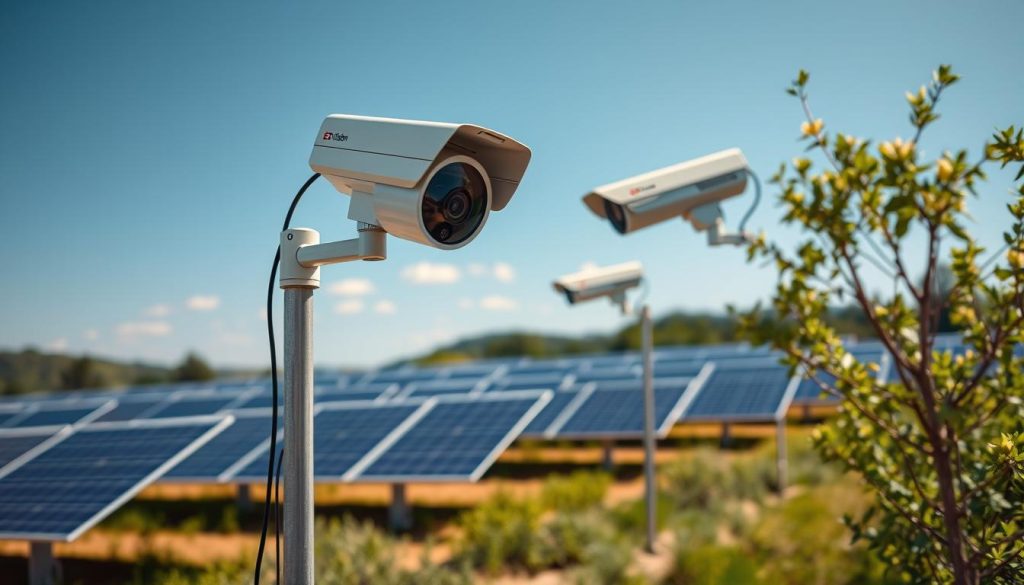
Singapore aims to hit 2 gigawatt-peak of solar power by 2030. This goal makes protecting solar energy assets more critical. Solar farm security cameras use solar energy surveillance technology to watch over these investments. These systems work well in Singapore’s sunny weather, with over 2,500 hours of sun a year. They use solar power for CCTV systems. This way, businesses get better security and help the environment by using less grid electricity. These innovations help keep solar farms safe with CCTV cameras. They also make surveillance more affordable and green. Key Takeaways Solar-powered CCTV systems eliminate the need for extensive wiring, reducing implementation costs. These systems remain operational during power outages due to internal battery support. Installation is rapid, typically taking less than a day, ideal for urgent security needs. Solar cameras are designed to operate off-grid, maximizing efficiency in sunny environments. Comprehensive surveillance solutions are available for both short-term rentals and long-term projects. Introduction to Solar Farm Security Solutions The need to protect solar facilities is growing as renewable energy demand increases. Advanced technology has changed how we secure things. Now, we have systems that can fight off theft and vandalism, keeping businesses safe. Solar-powered security systems are good for the planet and keep things safe. They use outdoor cameras to watch over places, even where power is hard to find. These systems are key in today’s world, helping to keep solar energy safe. New tech makes these systems better than ever. They can spot people using heat, even in bad weather. This is a big plus, as regular cameras can’t work well in fog or dark. Putting these systems in place needs a careful plan. It’s important to match the security with the farm’s specific risks. This helps keep solar farms safe and running smoothly. Want to learn more about keeping your solar farm safe? Check out this useful guide on solar security camera systems. Why Solar Farm Security Camera Solutions Are Essential in Singapore The growth of solar farms in Singapore highlights the need for strong security solutions. This is due to the increasing number of solar installations. The best solar farm surveillance equipment is key to prevent theft and damage, keeping solar energy investments safe. As solar energy plays a big role in Singapore’s green goals, camera monitoring is vital. These systems offer constant watch and quick alerts, helping to avoid risks. High-tech cameras ensure clear views, even when the weather is bad. In Singapore’s sunny weather, solar cameras work well. They can run for 7 days without sunlight, making them a dependable choice. These cameras charge fast, needing just 5-8 hours of sunlight to keep running. Switching to solar cameras also helps the environment. They reduce carbon emissions, supporting green energy efforts. Their effectiveness in Singapore’s climate shows their critical role in security. Security systems with solar tech improve safety and work well with advanced cameras for solar farms. They ensure solar farms operate smoothly across the area. Benefits of Solar-Powered Surveillance Systems Solar-powered surveillance systems offer many advantages for security, thanks to Singapore’s unique environment. They are easy and quick to set up, unlike traditional systems. This makes them perfect for places without power lines. These systems also make remote monitoring easy. This ensures strong security, even in tough locations. Cost Efficiency and Energy Independence Solar panel security solutions save a lot of money. They don’t rely on grid electricity, which cuts energy costs over time. The systems use solar panels to charge batteries, providing power 24/7. This leads to big savings on electricity bills. It also helps reduce the business’s carbon footprint by using renewable energy. Plus, the quick setup saves on installation costs. Reduction in Wiring Costs Solar-powered systems need little wiring. This cuts down on installation costs and reduces the risk of damage. Traditional systems require a lot of setup work, but solar units can be installed fast, sometimes in 20 minutes. This makes them great for industries that need flexible surveillance, like construction sites and events. The lower costs make these systems more cost-effective. Feature Solar-Powered Systems Traditional Systems Installation Time Minutes Weeks Power Source Solar energy (renewable) Grid electricity Maintenance Minimal High due to wiring Carbon Footprint Lower Higher Deployment Flexibility High Limited These benefits show how solar-powered systems offer effective security. They also improve operational efficiency and sustainability in many sectors. What Is a Solar Farm Security Camera? A solar farm security camera is a key tool for watching over solar farms. It runs on solar power, which means it works all the time. This is great for places where regular power is hard to get. These cameras can be set up anywhere outside in Singapore. They are perfect for keeping an eye on solar farms. Solar farms are at risk because they are often far away. This makes them easy targets for thieves. But, with a solar farm security camera, they can be watched over all the time. This is done without needing regular power. Companies like SentryPODS provide 24/7 monitoring for solar farms. They set up these systems fast and can move them easily. This means they can watch over big solar fields well. These cameras also use lights that turn on when they see movement. This helps keep the area safe, even when it’s dark. It makes sure the whole solar farm is covered. Having more cameras means less chance of problems like trespassing, theft, and damage. With more solar farms being built in Singapore, good security is more important than ever. Solar farm security cameras help protect valuable assets and make solar farms more profitable. Key Components of a Solar Surveillance System Understanding a solar surveillance system’s parts helps us see how they boost security for solar setups. Key parts include solar panels and battery storage, which power advanced security cameras. These systems work well because of sunlight energy and the latest CCTV camera tech. Solar Panels and Battery Storage Solar panels are the heart of solar surveillance tech. They turn sunlight into

Solar Farm Security Camera Solutions in Singapore Read More »

DVR vs NVR differences

DVR vs NVR: Key Differences Explained

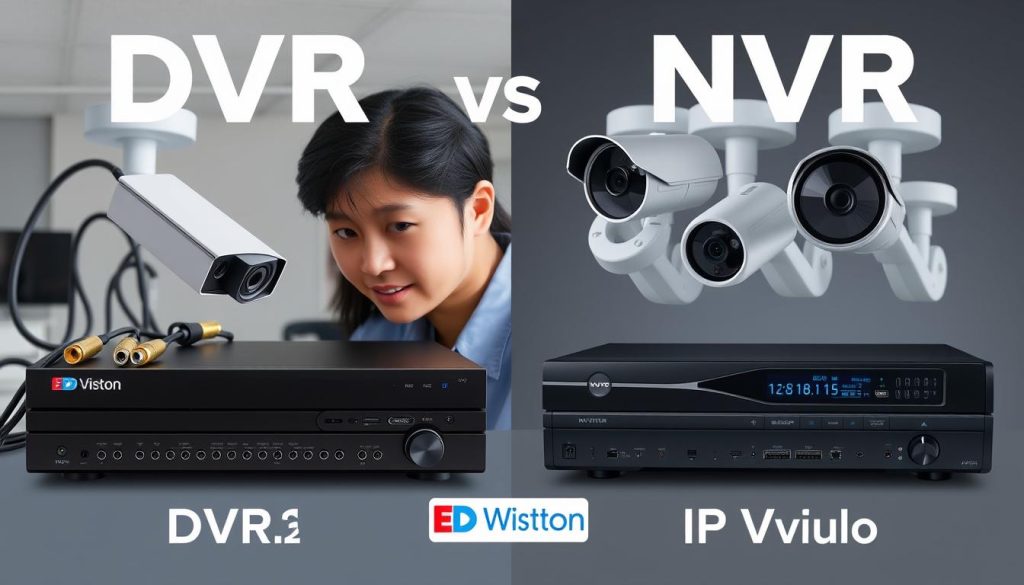
Ever wondered why some businesses choose DVR systems and others prefer NVR technology? Knowing the differences between these security options is key to picking the right one. We’ll dive into the main differences between DVR and NVR systems, focusing on their functionality, cost, and tech advancements. DVR systems use analog cameras, while NVR systems have IP cameras with smart video analytics. NVR systems offer high-resolution video storage and cloud integration, making them popular in Singapore. Yet, their installation, upkeep, and cost can be a puzzle. As you read on, you’ll learn about their hardware, data processing, video quality, and more. Looking for top-notch security solutions for your surveillance? Don’t wait to contact ED Viston today at +65 8313 4578. Discover the latest CCTV solutions and offers. Key Takeaways The main difference is in the cameras: DVR systems use analog cameras, and NVR systems use IP cameras. DVR systems are cheaper, but NVR systems offer better video quality and cloud storage. Setting up NVR systems is simpler, thanks to Power over Ethernet technology. NVR systems are easier to scale, allowing for adding new cameras as needed. NVR systems also offer better remote access, letting you manage footage from anywhere. Understanding DVR and NVR Systems DVR and NVR systems have different roles in security. A DVR, or Digital Video Recorder, works with analog cameras. These cameras send video through coaxial cables, leading to lower video quality. On the other hand, NVR, or Network Video Recorder, connects with digital cameras. It can handle video up to 4K, making it clearer and more detailed. This is key for good surveillance. Knowing about security systems explained helps in making the right choice. DVR systems are only for wired setups, making them less flexible. NVR systems, though, can be wired or wireless. This makes them easier to set up where needed. NVR systems also have advanced features like Power over Ethernet (PoE). This makes them better for modern security needs. More people are choosing NVR systems for better video quality. NVRs offer better image quality and can grow with your needs. They meet the changing security demands while being flexible for users. Choosing between DVR and NVR systems is important for better security. Customers can call ED Viston at +65 8313 4578 for more information on CCTV solutions in Singapore. What is the difference between DVR and NVR? It’s important to know how DVR and NVR systems work to choose the right one. They use different data processing techniques. This affects their performance and what they can do. Many people ask, “What is the difference between DVR and NVR?” when deciding. Data Processing Techniques DVR systems turn analog signals into digital footage at the recorder. This method has limits in video quality and features. On the other hand, NVR systems process data at the camera level. They offer better video quality and remote access. Many think, “DVR or NVR which is better?” The answer is often NVR for its advanced technology and better image quality. Connected Camera Types The type of cameras used is a big difference between DVR and NVR. DVR uses analog cameras, while NVR supports IP cameras. IP cameras in NVR systems can reach high resolutions like 5MP or 4K. NVR systems also use Ethernet cables for installation. This makes setting up easier and supports more cameras without signal loss. For those looking to improve their surveillance, knowing the differences between DVR and NVR is key. Contact ED Viston today at +65 8313 4578. Learn about the latest CCTV solutions and get advice for your security needs. Hardware Components of DVR Systems DVR systems are key in surveillance tech. They use special parts to watch and record. They work well with analog cameras, making it easy to add to existing systems. Knowing the parts of a DVR is key for setting it up right. Analog Camera Integration Adding analog cameras to DVRs is easy. These systems support the parts needed for smooth connections. This makes setting up and keeping things running simple. Many people like using analog cameras because they’re easy to use. Businesses looking for solid security can talk to ED Viston about using analog cameras in their DVRs. Coaxial Cabling Requirements Coaxial cables are the usual choice for DVR connections. They send video well but have some downsides. They can’t send audio without extra cables. Also, long cables can make the video quality drop. Knowing this helps plan better. For longer runs, Ethernet cables might be better, but they have their own limits. Feature DVR Systems Analog Cameras Integration Type Analog camera integration Directly compatible with DVR systems Audio Transmission Requires additional RCA connections No audio capabilities without additional setup Maximum Cable Length 500 meters for coaxial Signal degradation possible beyond this length Cost Generally lower than NVR systems Budget-friendly for small applications DVR systems are a good choice for those who want value and function. For the newest in CCTV tech and deals, call ED Viston at +65 8313 4578. Hardware Components of NVR Systems NVR systems explained use advanced hardware for top-notch video surveillance. They outperform traditional systems, thanks to IP cameras. These cameras bring better performance and functionality. IP Camera Advantages IP cameras have many benefits for today’s surveillance needs: Enhanced Resolution: IP cameras capture clearer images than analog cameras. This helps in identifying people better in security situations. Audio Transmission: IP cameras can send audio along with video. This is a big plus over DVR systems, where cameras can’t send audio. Cloud Storage: NVR systems can upload footage to cloud servers. This solves the storage problems of DVR systems. It also boosts data security. Intelligent Video Analytics: Advanced IP cameras can recognize faces and license plates. This offers new security options not available with DVR vs NVR hardware. Wiring and Connectivity Features Wiring and connectivity are key for NVR systems: Ethernet Capabilities: Ethernet cables make installation easier. They carry both power and data in one cable, simplifying wiring. Distance Independence: NVR networks don’t lose signal over

DVR vs NVR: Key Differences Explained Read More »