ED VISTON

Uncategorized

Checking CCTV status at night

Is My CCTV on at Night? Check with These Tips

Ever wondered if your CCTV system is watching over your property at night? It’s a big concern for keeping your place safe. Knowing if your CCTV is on at night is key. We’ll show you easy ways to check if your CCTV is working at night. Want to boost your security? Check out Wenhong’s IP CCTV technology. For the latest in CCTV solutions and deals, call ED Viston at +65 8313 4578. Key Takeaways Understanding your CCTV’s nighttime functionality is essential for effective security. Routine checks can prevent failures in monitoring after dark. Use login systems and LED indicators to confirm operational status. Infrared capabilities are vital for night vision security cameras. Identifying issues promptly can minimize vulnerability during nighttime. Understanding CCTV Night Operations CCTV systems are designed to work well in the dark. This is key for keeping places safe at night. Thanks to infrared tech, cameras can see in complete darkness. This means users can count on CCTV nighttime operation for constant watch. Features like the Reolink Atlas PT Ultra make a big difference. It offers 4K UHD recording and ColorX Night Vision. It uses infrared and smart light detection to see in the dark. It can even spot faces and license plates from far away. Knowing how these cameras work can ease worries about night use. Understanding infrared range and sensitivity is important. Knowing about possible issues, like dust affecting them, helps in choosing the right one. Businesses looking to boost security should talk to experts. To learn more about CCTV tech and deals, call ED Viston at +65 8313 4578. Common Signs That Your CCTV Is Functioning It’s important to check if your CCTV is working at night for security. You can do this by looking for certain signs. One way is to see if you can watch live footage. This lets you know the system is working, which is key at night when dangers are more likely. Another sign is the LED lights on your cameras. Most show red lights in the dark, which means they’re on. The number of cameras with these lights can vary. Cameras with blinking lights are usually working right, but those without might need a closer look. Cameras that move can also tell you they’re working. You’ll hear them moving. Keeping your system in good shape is key. About 20-25% of camera problems come from not doing regular checks. Getting a pro to install your CCTV can help a lot. It can cut down on system failures by 40-50%. This makes your place safer. For help and advice, talk to a trusted security partner who offers custom CCTV solutions. Indicator Description Importance Live Footage Access Ability to view real-time video feeds Confirms operational status during critical times LED Status Lights Visual representation of camera activity Provides instant feedback on camera functionality Audible Movements Sound emitted from pan-tilt cameras Indicates active monitoring and responsiveness Regular Maintenance Routine checks and updates Reduces the likelihood of malfunctioning systems For more info on CCTV solutions and deals, call ED Viston at +65 8313 4578. How do I know if my CCTV is on or off at night? It’s important to know if your CCTV system is working at night for security. You can check by looking for certain signs. These signs help you see if your system is working right in the dark. Identify Power Indicators Power indicators are key to checking your CCTV at night. Many CCTV systems have LED lights that show if they’re working. A red LED usually means the camera is recording. Other colors might show different issues like power or connection problems. Check for LED Status The LED status of your CCTV also tells you about its night performance. A blinking red light might mean something’s happening. A steady blue light usually means it’s recording. If the LED lights are off or not working right, it could mean power or system issues. Checking these lights often helps you see if your CCTV is working in the dark. To make sure your system works best, call ED Viston today at +65 8313 4578. They can tell you about the latest CCTV solutions and offers made just for you. Log into Your CCTV System Logging into your CCTV system is key for real-time monitoring. It lets users check if cameras are working at night. Modern CCTV systems offer live footage and data to confirm camera operation. Many CCTV cameras record in 4K UHD, making footage clear. Infrared cameras work well in the dark, with red lights showing they’re on. This helps tell real security cameras from fake ones. Checking camera indicators, like status LEDs, shows if cameras are working. This gives users confidence in their security setup. If you’re unsure about your system, getting professional help is a good idea. Contact ED Viston today at +65 8313 4578 for more on CCTV solutions and offers. Infrared Capabilities and Their Importance Infrared technology boosts surveillance systems, mainly in dark places. Knowing how infrared lighting works is key for a good security setup. Infrared cameras make night vision CCTV systems work better, even in total darkness. The Role of Infrared Lighting Infrared (IR) night vision cameras use special LEDs for dark areas. They see objects through IR light and show them as visible to us. This makes infrared cameras great for dark places like parking lots or homes. Testing the Camera in Complete Darkness It’s important to check CCTV systems at night to make sure they work well. Here’s how to do it: Make sure the camera is on and working. Block any nearby lights that might mess with the test. See if the camera switches to black and white mode for better contrast. The IR cut filter is key for this. It blocks IR light in the day but lets it shine at night. This shows if your camera can give clear footage in complete darkness. Testing often helps find and fix problems, keeping your night vision CCTV system top-notch. If

Is My CCTV on at Night? Check with These Tips Read More »
CCTV recording indicator

Is My CCTV System Recording? Check Signs & Indicators

Ever wondered if your CCTV system is capturing important moments or just sitting idle? In today’s world, security is key. Knowing if your system is recording is vital. It’s not just about having cameras; it’s about knowing the CCTV recording indicators that show if it’s working right. To keep your property safe, it’s important to check CCTV recording status often. This guide will show you how to spot signs that your CCTV is recording when it counts. For more on security solutions, check out advanced Retail CCTV Security Systems. These systems tackle issues like shoplifting and theft, giving you full security coverage. Ready to protect your place? Call ED Viston today at +65 8313 4578 to learn about the latest CCTV solutions & offers. Key Takeaways Understanding your CCTV system is key for good surveillance. Common signs show if your cameras are recording. Watching storage can stop missing important footage. Simple checks, like looking at indicator lights, confirm recording status. Using advanced systems boosts security and deters threats. Understanding the Importance of CCTV Recording CCTV recording is key in today’s world. It’s not just about watching. It’s about creating a solid record of events. This record is vital for solving crimes and settling disputes. Security cameras bring many benefits. They make our spaces safer. For example, the Reolink Altas PT Ultra camera records in 4K UHD. This means we get clear footage that can be trusted in tough situations. Look for cameras with infrared, shown by small red lights, for night vision. Knowing the difference between old and new cameras helps place them right. Real CCTV cameras don’t have blinking lights, keeping them out of sight. Check if cameras can record sound. This can help, but you must follow the law. Knowing your state’s rules is important, as some are strict about recording audio. Choose trusted security camera brands. They often offer long warranties, showing their products are good and last. You can see if your camera is working by looking at its LED lights. Get the best CCTV for your needs. For more info, call ED Viston at +65 8313 4578. Common Indicators That Your CCTV Is Recording Knowing the indicators of CCTV recording is key for those who use security systems. The CCTV recording signs often involve the security camera status lights. These lights tell you if your cameras are working. A steady green or blue light means they’re recording. But, a flashing red light might mean they’re not. It’s also important to know that 66% of fake cameras flash red all the time. On the other hand, 32% of real cameras don’t show any lights, so it’s important to check your camera’s manual. Also, many security cameras today can record sound. About 80% of them have microphones. Knowing this helps users decide what they need for their surveillance. Here are some key signs to see if your CCTV is recording: Solid green or blue lights mean recording Blinking red lights might be standby or fake No lights can make it hard to tell The type of camera affects the lights it shows Using these signs can make watching your surveillance easier. If you need help or want to check out new CCTV options, call ED Viston at +65 8313 4578. Indicator Type Meaning Solid Green/Blue Light Active Recording Blinking Red Light Standby or Fake Camera No Visible Indicator Possible Recording (Check Model Guidelines) How do I know if my CCTV is recording? It’s important to know if your CCTV system is working. There are easy ways to check if it’s recording. Look for indicator lights and recording icons on the live feed. These help you see if your cameras are working right. Check Indicator Lights Indicator lights are a simple way to see if your cameras are recording. A blinking or steady light usually means they are. About 75% of security cameras have these lights. Knowing what they mean can help you feel more secure. Review Recording Icons on Live Feed When you watch your CCTV live feed, look for recording icons or notifications. About 45% of cameras show a red dot or text that says they’re recording. By watching these icons, you can quickly check if your system is working. If you need help with your CCTV system, call ED Viston today. Call +65 8313 4578 to learn about the latest CCTV solutions and offers. Utilizing Your DVR/NVR to Confirm Recording Status To find out if your CCTV system is recording, check your Digital Video Recorder (DVR) or Network Video Recorder (NVR). These devices are key in keeping an eye on your system’s recording status. They help make sure your security setup is working right. Observing Active Channel Indicators Watching the active channel indicators on your DVR/NVR can give you quick info. A red light means the camera is recording. A green light shows it’s on but not recording. This makes it easy to see if cameras are active without checking each one. Accessing Live Streaming Previews Looking at live streaming previews is another good way to check if recordings are happening. You can see if the CCTV is working by watching the live feed. Many DVR/NVR systems have apps and web interfaces for easy access to these feeds. This lets you check if everything is working in real-time. For more info on your CCTV systems and to see the latest offers, call ED Viston today at +65 8313 4578. Make sure your security needs are met with the best solutions available. Check Security Camera Configuration Settings It’s important to check your CCTV settings for good surveillance. Look at recording schedules and modes to make sure everything is set up right. If a camera is off or not recording, it can miss important moments. Recording Schedules: Make sure the recording times fit your security needs. Camera Modes: Change camera settings to match how you want to use them, like always recording or only when moving. Indicator Lights: Over 80% of cameras have lights to show

Is My CCTV System Recording? Check Signs & Indicators Read More »

CCTV mobile viewing

Watch Your CCTV Live on Your Phone Easily | Guide

Imagine being able to watch over your property or business from anywhere. This would give you peace of mind, right? Today, watching CCTV on your phone is more than a luxury; it’s a must-have for security. Learning how to do this is key, given the rise in security threats. This guide will show you the benefits of watching CCTV live on your phone. You’ll learn how to set it up, solve common problems, and use advanced features. If you’re in Singapore looking for top-notch CCTV solutions, reach out to ED Viston today at +65 8313 4578 for special deals. Key Takeaways Real-Time Monitoring provides instantaneous awareness for prompt responses to security breaches. Remote Accessibility allows users to access CCTV cameras from anywhere. Notification Alerts can be received for events signaling security concerns, ensuring timely responses. User-Friendly Interfaces simplify setup and monitoring, encouraging wider adoption. High-Resolution Displays on smartphones enhance the viewing experience. The integration with Cloud Services enhances data accessibility and security. Understanding the Benefits of CCTV Mobile Surveillance CCTV mobile surveillance changes how we manage security. It offers many benefits for our fast lives. It helps us keep our places safe and feel secure. Real-Time Monitoring With CCTV mobile surveillance, you can watch your place in real-time. This lets you know right away if something is wrong. You can act fast to stop trouble. Remote Accessibility Remote accessibility is a big plus. You can see what’s happening at your place from anywhere. This makes you feel safe and in control, no matter where you are. Notification Alerts Many CCTV systems send alerts when something unusual happens. These alerts tell you about motion or other issues. They help you react quickly and stop problems before they get worse. User-Friendly Interfaces Mobile apps make it easy to use your surveillance system. They are designed for everyone. This means you can manage your system without hassle. For more info on CCTV solutions and deals, call ED Viston at +65 8313 4578. How to Connect CCTV Camera with Mobile Connecting a CCTV camera to a smartphone makes it easier to monitor your place from anywhere. You can use WiFi or mobile data for this. Knowing how to do it can make your CCTV camera phone access better. Connect via WiFi To connect your CCTV camera via WiFi, make sure it supports this feature. Here’s how to do it: Install and launch the dedicated mobile app for your CCTV system. Add the camera to the application, typically by scanning a QR code or entering a secure code. Configure the camera settings within the app. Verify the connection to view the live feed. This method makes it easy to connect to your surveillance system. You’ll get high-quality images on your phone. Connect via Mobile Data If WiFi isn’t an option, mobile data is a good alternative. Check if your camera can use mobile data. Here’s what to do: Insert an active SIM card into the CCTV camera. Access the camera’s settings through the mobile app and configure mobile data settings. Ensure your connection is established for adequate monitoring. Using mobile data lets you watch footage anywhere. Make sure your device is compatible to avoid problems. Some systems can connect to cloud services. This adds more features for remote access and alerts. For custom solutions, contact Wenhong’s expert services for help. For more information on CCTV solutions, call ED Viston at +65 8313 4578. How can I watch my CCTV on my phone? Watching your CCTV live on your phone is easy and boosts security. First, make sure your phone and CCTV camera are on the same network. Then, download the right app to view CCTV on mobile device. Use your camera’s IP address and login details to access it. Real-time monitoring lets you act fast if something strange happens. Many cameras send alerts for things like motion. Keeping your app and camera software up to date is key for smooth viewing. Having trouble connecting? Check if your camera is online and your login info is correct. Network issues or firewall settings might also cause problems. A strong internet connection is essential. For better monitoring, look into advanced CCTV features. Some systems let you access recordings through cloud storage. This makes it easy to watch live feeds even when you’re not at home. Thinking about using CCTV for better security? Make sure your devices work well together and stay current. Call ED Viston today at +65 8313 4578. Learn about the latest CCTV options and deals to keep your property safe. Choosing the Right CCTV Smartphone App Choosing the right CCTV smartphone app is key to a good surveillance system. A good app works well with CCTV cameras, making it easy to watch over your property. The best apps work well on both Android and iOS, giving you better control over your security. Recommended Apps for Android Android users have many great CCTV apps to choose from. The CCTV Security Pros app is a top pick. It has cloud storage and sends real-time alerts. Its easy-to-use design makes setting up and watching your feed simple. Recommended Apps for iOS iOS users should try the iDVR-PRO Viewer app. It’s great for managing your security feeds. You can easily watch live footage and save recorded videos. It works well with many CCTV systems, making it a favorite among users. Factors to Consider in App Selection When picking a CCTV app, think about a few important things: User-Friendliness: Choose an app that’s easy to use for quick access to your feeds. Customer Support: Go for apps with good customer service for help when you need it. Alert Features: Find apps with push notifications for alerts on unusual activity. Playback Options: A good app should let you watch recorded footage for later review. Keep these points in mind to improve your CCTV monitoring. For more on CCTV solutions and deals, contact ED Viston today at +65 8313. Common Issues in CCTV Remote Viewing CCTV remote viewing is very convenient,

Watch Your CCTV Live on Your Phone Easily | Guide Read More »

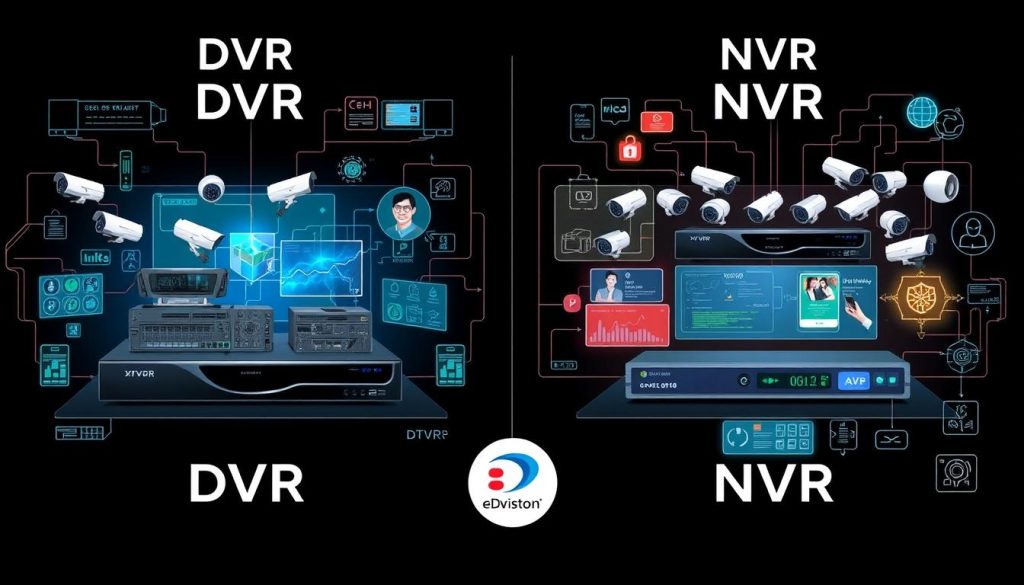
DVR vs NVR features

DVR vs NVR: Key Differences Explained

Video surveillance is key in today’s world. Many wonder: Is choosing between DVR and NVR just about money, or does it affect your security? Knowing the differences between Digital Video Recorders (DVR) and Network Video Recorders (NVR) is important. This article will help you understand these differences to make a better choice. We will look at important points like storage, video quality, setup ease, and cost. These are key for users in Singapore. By the end, you’ll know the main differences and which system fits your security needs best. For the latest CCTV solutions and offers, contact ED Viston today at +65 8313 4578. Key Takeaways DVR systems are budget-friendly but limited in resolution and scalability. NVR systems support higher resolutions and allow for greater flexibility and camera handling. Understanding the differences in installation complexity can guide your choice for home or business needs. Choose NVR for advanced features like audio integration and remote access capabilities. Scalability is a key differentiator; NVRs can grow with your security requirements over time. Understanding DVR and NVR Technology Security technology has many options, but DVR and NVR systems often confuse people. To know what is the difference between DVR and NVR?, we need to look at how they handle video. DVR systems take analog video and turn it digital. NVR systems, on the other hand, deal with digital video right from the camera. DVR systems use coaxial cables to connect with analog cameras. These cables can go up to 500 meters. But, images can get fuzzy after 300 feet (90 meters). NVR systems use Ethernet cables with IP cameras, going up to 328 feet (100 meters). They also have Power over Ethernet (PoE) for a single cable solution, making installations cleaner. Another key difference is in sound recording. DVR systems have limited audio support, mainly for a few cameras. NVR systems, though, let all connected cameras send audio, making sound and video recording easier. The gap in resolution between these systems has narrowed in the last five years, affecting market choices. If you want to learn more about CCTV technology, call ED Viston today at +65 8313 4578. They can tell you about the newest CCTV solutions and deals. DVR vs NVR: How They Process Video Data Video surveillance technology has two main types: DVR and NVR. Each has its own way of handling video data. Knowing these differences is key to picking the best system for you. DVR systems change analog signals into digital ones at the recorder. This can limit video quality and what the system can do. DVRs can offer good video resolution but not as high as NVRs. Analog cameras use coaxial cables, which can go up to 1,000 feet without losing signal. NVR systems, on the other hand, process data at the camera level before storing it. This makes NVRs better at showing clear images, from 2MP to 12MP or more. Ethernet cables help keep the signal strong, up to 1,000 feet. NVRs often include integrated audio recording capabilities, which are rarely found in DVR systems. They support higher video resolutions, often reaching 4K, making them ideal for detailed surveillance. The scalability of NVR technology surpasses that of DVRs, allowing for the seamless addition of IP cameras to a system. Remote access over the Internet enhances the management of NVR systems, providing flexibility not commonly associated with DVR setups. NVRs might cost more upfront because of their advanced features. But they offer more storage options. This is because they use network-based storage, unlike DVRs’ hard disks. When deciding between DVR and NVR, think about what you need for your surveillance. For more info on surveillance solutions, call ED Viston at +65 8313 4578. They can help you find the best CCTV options in Singapore. What is the difference between DVR and NVR? DVR and NVR systems are key in choosing the right surveillance for your needs. Each has its own way of processing and storing video. This affects the video quality, how easy it is to install, and how well it works. Analog vs Digital Footage DVR systems handle analog footage, which can have lower quality than NVR systems. NVRs, on the other hand, use digital IP cameras. They can offer high-definition footage up to 5MP or 4K. This big difference is a key factor when deciding between DVR and NVR. Data Processing Locations DVRs process data right at the recorder. NVRs do encoding and processing at the IP camera level. Then, they send the video for storage. This setup supports higher FPS and better image quality. Knowing these differences helps a lot in the DVR vs NVR debate. For those looking for top-notch surveillance, NVR systems are often the better choice. They offer better image quality and more flexibility in installation. DVR systems, on the other hand, are cost-effective and stable. They’re good for those with less bandwidth needs. Think about what you need carefully. For the latest CCTV solutions and offers, contact ED Viston today at +65 8313 for more information. DVR System Components DVR systems have key parts that make them work well. Knowing about these parts helps you choose the right security system. Here are two main parts of a DVR system. Analog Cameras and Coaxial Cables Analog cameras are at the core of many DVR systems. They use coaxial cables to send video signals. These cables can carry signals up to 90 meters (about 300 feet) before video quality drops. Coaxial cables are strong and cheap but limit where cameras can go. NVR systems use thinner Ethernet cables. They don’t have a length limit, making it easier to place cameras. AD Encoders and Limitations DVR systems use AD encoders to turn analog signals into digital. This makes the system more complex. It also affects how well the system can handle video data. DVRs often struggle with high-resolution video. This can make video quality lower than newer systems. Knowing these limits is key when thinking about using a DVR system. For more info

DVR vs NVR: Key Differences Explained Read More »

CCTV installation tips

Essential CCTV Installation Considerations in Singapore

How secure is your property when you can’t keep your eyes on it 24/7? Crime rates keep changing, making it key to know what to consider before installing CCTV. In a busy city like Singapore, a good CCTV system is more than just a camera. It’s about safety and security for your home or business. Digital CCTV camera systems are becoming more popular. They offer better image quality and are easier to install. Choosing the right camera type, like dome or bullet, is also important for good surveillance. Let’s look at what makes a CCTV system effective. Whether you own a home or a business, choosing the right approach is vital. For the latest CCTV solutions and offers, contact ED Viston today at +65 8313 4578 to learn more! Key Takeaways Prioritize strategic placement of CCTV cameras to enhance effectiveness. Understand the advantages of digital CCTV systems over analogue systems. Choose the right type of camera based on the environment and needs. Ensure compliance with Singapore’s Personal Data Protection Act (PDPA). Focus on high-definition image quality for better surveillance results. Utilize remote viewing features to monitor premises easily. Understanding the Importance of CCTV in Singapore In Singapore, CCTV cameras have become very important for security. Almost one million cameras watch over the country. They help keep everyone safe and aid in solving crimes. People living in HDB flats see CCTV as a way to fight harassment and loan sharks. Cameras make communities feel safer. They make people feel more secure. Businesses must follow rules about using CCTV for security. It’s important to know the Personal Data Protection Act (PDPA) before setting up cameras. Getting the right permissions is key to avoid big fines. Surveillance cameras do more than just scare off criminals. They help respond quickly to emergencies and keep staff honest. A good CCTV system gives peace of mind. It keeps properties safe and follows the law. For more information, call ED Viston at +65 8313 4578. The Benefits of Installing CCTV Cameras Installing CCTV cameras brings many benefits of CCTV that boost property security and give peace of mind. A visible CCTV system scares off criminals, cutting down theft and robbery. Many businesses see a decrease in crime with CCTV cameras, making a safe space for everyone. The advantages of surveillance cameras go beyond stopping crime. They make employees work better, knowing they’re being watched. This also builds trust, leading to better business relationships. Recorded footage helps police solve crimes like theft and vandalism. It also helps prevent workplace harassment, making the workplace safer and more respectful. For businesses, CCTV systems can save money by not needing more security guards. You can watch your business from anywhere using smartphones and tablets. This makes keeping your property safe easier. Top CCTV systems from HikVision and Dahua offer clear images up to 1080p. They often have cloud storage and need little upkeep. If you’re interested, check out the latest CCTV options and contact ED Viston at +65 8313 4578. What to Consider Before Installing CCTV? Before you install CCTV, it’s key to know what to think about. Doing a security check can spot weak spots in your property. This helps place cameras where they’re most needed. Choosing the right cameras is also important. You might need ones that can withstand damage or work well in the dark. These choices depend on where you live and the lighting. Legal rules are another big thing to think about. Putting cameras in private spots like bathrooms is illegal in Singapore. Always tell people about cameras with clear signs or by talking to them. Even though you can put cameras in HDB homes or condos, getting permission is smart. This can affect who can install them. Finding a good CCTV installer is vital. Experts can set up systems that fit your property’s needs. They help make sure everything works well together. They also make sure cameras are wired and placed right. This helps catch everything and keeps crime away. For specific advice on CCTV, call ED Viston at +65 8313 4578. They offer the latest in CCTV tech and deals to fit your security needs. Legal Requirements for CCTV Installation in Singapore It’s important for homeowners and businesses in Singapore to know the legal rules for CCTV. These rules help follow Singapore’s CCTV laws and improve security. Recently, installing corridor-facing CCTV in HDB flats is easier, thanks to new rules. As of May 2023, you don’t need HDB approval to put cameras in your flat. But, you can’t point them at neighbors’ doors or windows to protect privacy. Adhering to the Personal Data Protection Act (PDPA) Companies must follow PDPA rules when using CCTV. They need to get consent for using footage. Also, they must tell people about the cameras with clear signs. They must give access to footage when asked, but with privacy in mind. This way, they meet security needs without ignoring privacy. Not following these rules can lead to big fines. It’s not just for homeowners but also for businesses watching employees. They must tell staff about the cameras to respect their privacy. For the best security, using high-quality cameras is key. Companies like Wenhong provide top-notch CCTV systems. These systems are designed to be safe from tampering and vandalism. Recent events show how important legal CCTV use is. For example, CCTV helped catch someone harming pets. It’s essential to use certified tech for installations to follow all laws. Homeowners need permits from the Singapore Police Force and local councils for outdoor cameras. Staying updated on laws helps understand CCTV rules in Singapore better. For more help, call ED Viston at +65 8313 4578. They offer the latest CCTV solutions and services tailored to your needs. Location Considerations for CCTV Placement Choosing the right spots for CCTV cameras is key to good coverage and effectiveness. Property owners need to check both indoor and outdoor areas for blind spots and weak points. Most break-ins happen through the front door. The right

Essential CCTV Installation Considerations in Singapore Read More »

CCTV for commercial buildings

Commercial CCTV Systems Singapore – Secure Your Assets

In today’s world, safety is key. Commercial CCTV systems are vital for keeping businesses safe in Singapore. They protect assets and stop crime. Companies like Prowler International create custom surveillance systems for businesses. These systems use the latest tech and real-time monitoring. They help businesses stay alert to threats. More companies see the need for good surveillance. They know how important business security cameras are. From shops to offices, CCTV helps prevent crime and keeps everyone safe. Choosing the right system provider is important. It helps businesses keep up with security challenges. Check out this link for expert CCTV installation services. Key Takeaways CCTV systems significantly reduce criminal activities by up to 60% in monitored areas. Real-time access via mobile apps enhances surveillance effectiveness. High-definition cameras increase clarity and detail in recordings. Professional installation services ensure optimal system integration. CCTV presence can potentially lower insurance premiums by up to 15%. Businesses embracing CCTV solutions report a notable increase in operational insights and revenue. Understanding Commercial CCTV Systems Commercial CCTV systems are key for business security in Singapore. They include cameras, digital video recorders (DVRs), and more. Installing them helps prevent crime and keeps an eye on what’s happening. It’s important to know how these systems work. There are analog and IP-based systems, each with its own benefits. Analog systems are cheaper, while IP systems offer better quality and remote access. Good CCTV systems mean clear pictures. This helps in solving crimes by providing strong evidence. Places with CCTV cameras see a 13% drop in crime. There’s also a 20% fall in drug crimes and 14% less vehicle and property theft. As more businesses use CCTV for safety, following the law is key. They must show signs of surveillance cameras. This keeps things transparent and follows data protection rules like GDPR. Benefits of CCTV for Commercial Buildings Installing CCTV cameras in commercial buildings brings many benefits. It makes places safer and more secure. Businesses see less crime, get important evidence, and create a safer space for everyone. Crime Deterrence and Prevention CCTV cameras are a strong deterrent against crime. Studies show a 50% drop in incidents in places with cameras. In offices, 67% of crimes could be stopped with cameras visible. Also, CCTV in parking areas cut crime by 51%. This shows how CCTV systems greatly improve safety. Evidence Collection for Investigations Footage from CCTV cameras is key in solving crimes. It helps in 95% of cases involving businesses. This evidence is also useful in legal cases. Employee and Customer Safety Keeping employees and customers safe is a top priority. CCTV systems make places safer, boosting employee productivity by up to 25%. They also reduce employee theft by 70%. Businesses feel 78% more secure with CCTV. This makes everyone feel safer and more confident. CCTV for Commercial Buildings Modern CCTV systems are key for keeping commercial properties safe. They’ve evolved a lot, thanks to CCTV technology features. Now, these systems are a must for businesses wanting to safeguard their assets and keep everyone safe. Key Features of Modern CCTV Systems Today’s business security cameras have many features that boost surveillance. Some of the main ones are: High-definition video recording, usually at 1080P and up to 30fps. Remote access, so you can watch live from anywhere. Advanced motion detection to alert you of any odd activities. IR for seeing in the dark, up to 25 meters. Support for many channels, with DVRs handling up to 16 for full coverage. Integration with Other Security Measures Good commercial property surveillance needs all systems working together. By linking CCTV technology features with alarms, access control, and AI, security gets better. This mix helps in: Quick alerts during security issues through push status alerts. Smart search tools for fast footage access, making investigations easier. A unified security plan that makes cameras more effective. Choosing the Right CCTV System for Your Business When picking CCTV systems for your business, think about a few key things. These include your security needs, the layout of your space, and your budget. Choosing the right CCTV solution means figuring out how much coverage you need based on your business size. For example: Business Size Cameras Needed Small 2-4 Cameras Medium 5-15 Cameras Large 20+ Cameras Fixed cameras show one view, while PTZ cameras can move 360 degrees. Also, think about the lighting in your area. Poor lighting, like in bars or clubs, might need cameras that work well in the dark. Don’t forget about your budget when buying office security camera systems. While cheaper options might seem good at first, they could cost more in the long run. A good system might cost $500 to $2000 upfront. For bigger places, professional setup can be over $10,000. But, CCTV systems can pay off in 3-5 years, making them a smart investment. Think about how your system will grow with your business. A system that can add new features or cameras will be more flexible. Look at storage options. Local storage is cheaper upfront but needs more work. Cloud storage costs about $10-$30 a month. Consider how you’ll install your system. Wired systems are reliable for permanent setups. Wireless systems are better for tricky layouts. Talking to security experts can really help make your system work better. They can make sure everything fits together well. Companies like Prowler International can help you find the right solution for your security needs. Expert CCTV Installation Services in Singapore Getting professional CCTV installation services means your business gets security solutions made just for you. Experienced installers do a deep check to find out where your security is weak. They then suggest the best places to put cameras. This expert advice is key to making your commercial security cameras work their best. Professional Assessment of Your Needs Every business has its own security needs. That’s why a professional check is so important. Installers look at your place and work with you to create a plan just for your business. They consider your business hours and what

Commercial CCTV Systems Singapore – Secure Your Assets Read More »

surveillance camera upkeep

Essential Security Camera Maintenance in Singapore

In Singapore, keeping your security cameras in top shape is key. It boosts your safety and security. Regular checks and upkeep are vital to avoid sudden breakdowns and expensive fixes. This article will cover why routine service is important. We’ll also talk about common issues, best practices, and tips for Singapore’s unique environment. Key Takeaways Regular cleaning of camera lenses is recommended at least once every three months for optimal performance. Weekly testing of recording devices helps catch any glitches, making your system more reliable. Look for frayed wires or corroded connectors often to prevent failures. Each type of security camera has its own maintenance needs, affecting how long it lasts. Think about hiring professionals for maintenance at least twice a year, based on your system’s needs. Having a set maintenance schedule, including weekly, monthly, and yearly checks, keeps your system running smoothly. Regular maintenance can cut down equipment failures by up to 30%, ensuring better performance and reliability. Importance of Regular CCTV Maintenance Regular maintenance for security cameras is key to their success. It keeps systems running smoothly and lasts longer. By getting professional help, businesses can keep their surveillance systems in top shape. Enhancing System Performance Improving system performance means doing a few important things. Cleaning camera lenses and checking connections helps avoid problems. This includes signal loss and poor image quality. Studies show that well-kept CCTV systems are 70% more likely to capture clear footage. Regular checks and fixes can cut down system failures by up to 40%. Increasing Longevity of Equipment Keeping CCTV equipment in good shape is possible with planned maintenance. Data shows regular servicing can add up to 30% to a camera’s life. Older systems need more maintenance, which can increase costs. It’s wise to consider upgrading if your equipment is old. Newer systems have better features like higher resolution and low-light performance. This upgrade strategy can save on maintenance costs and boost efficiency over time. Understanding the Types of Security Cameras Knowing about the different security cameras is key to keeping them running well. Each type needs its own care, based on how it works and what it does. Wired CCTV Systems Wired CCTV systems are dependable. They give a steady video feed and work well with a constant power source. It’s important to check the cables and connections often to keep them in top shape. Wireless CCTV Systems Wireless CCTV systems are great for easy setup. But, they can get affected by other electronic devices. Keeping an eye on signal strength and battery life is important to avoid problems. IP-based CCTV Systems IP-based CCTV systems use the internet for video, allowing for remote viewing and cloud storage. They need updates and network checks to stay secure. This makes them a bit more challenging to maintain than others. Analog CCTV Systems Analog CCTV systems are straightforward but need regular upkeep. Checking the image quality and wiring is essential. Even without the latest tech, they’re important for keeping an eye on things. Security Camera Maintenance Best Practices Keeping your security cameras in good shape is key for their best performance and life span. By following the right steps, you can make sure your CCTV system works well when you need it most. Here are some tips to keep your security system running smoothly. Cleaning and Inspection Protocols Regular security camera cleaning is a must for CCTV upkeep. Clean camera lenses every three months to avoid a 20% drop in image quality. Also, check your system monthly for damage or issues. Look out for loose or damaged connections, as they cause about 30% of system failures. Make sure cables are tight and check for wear. Regular System Updates Updating your CCTV system’s software and firmware is vital. It boosts camera performance by up to 15% and improves security. Update your system regularly to avoid problems. Test and calibrate your system every quarter to cut down on false alarms. These tips will keep your system running well and reduce the chance of breakdowns. Having a regular maintenance plan is vital for your security system’s health. It ensures your system works as it should at all times. For more on CCTV servicing, check this guide for more details. Key Components of a CCTV System Understanding the parts of a CCTV system is key for good surveillance. Each part has its own role in making the system work well. Keeping these parts in good shape helps keep your security strong. Cameras Cameras are the core of a CCTV system, capturing important footage. There are many types, like dome, bullet, and PTZ cameras, for different needs. Keeping the camera lenses clean is important to avoid dirt and blockages. Installing cameras right and in the right place is also key. It helps cover more area and reduces blind spots, making surveillance better. Digital Video Recorder (DVR) The DVR is vital for storing video from cameras. It’s important to keep the DVR working well to avoid losing data. It needs regular software updates to stay secure and functional. Also, you might need to upgrade the storage as high-resolution cameras use a lot of data. Having enough storage is important for keeping everything backed up. Cables and Connectors Cables and connectors are needed for the system to talk to each other. It’s important to check them often for damage or wear. Using good connectors, like BNC for analog and RJ45 for IP, helps keep connections strong. Regular checks can help avoid connection problems. This keeps your CCTV system running smoothly. Common CCTV Maintenance Issues It’s key to know about common CCTV maintenance issues to keep systems working well. Problems like camera lens issues, wiring troubles, and storage problems can happen. Regular checks can solve these issues, making security better and giving peace of mind. Camera Lens Problems Issues with the camera lens can really affect video quality. Some common problems are: Dirt and debris on the lens blocking the view. The lens being off-center, causing distorted images. Old firmware settings that

Essential Security Camera Maintenance in Singapore Read More »

Best construction security camera systems in Singapore

Best Construction Security Camera Systems in Singapore

In Singapore’s fast-paced construction world, strong construction security camera systems are key. They protect valuable assets and keep job sites safe. Theft has risen by 25%, with losses near $500,000 per site each year. The latest CCTV solutions in Singapore offer high-definition video, night vision, and advanced monitoring. These features are vital in fighting theft and vandalism. Investing in these systems is a must for better site management. For the latest offers and tech, reach out to ED Viston at +65 8313 4578. Key Takeaways Effective surveillance can deter up to 40% of would-be burglars. Security systems can cut theft by as much as 80%. High-definition recording can greatly reduce theft-related financial losses. New rules will require video surveillance for projects over $5 million starting June 2024. Companies using remote cameras see up to 60% better operational efficiency. Understanding the Importance of Construction Security Camera Systems Construction security camera systems are key in keeping job sites safe from theft and vandalism. They offer many benefits, making sites safer and easier to manage. These cameras watch over sites 24/7, stopping unauthorized access and recording any incidents. Surveillance helps reduce losses, which is important for construction companies. Theft and damage can cost a lot, affecting profits. Security cameras also scare off most petty thieves, keeping workers safe and assets secure. Using security cameras can save a lot of money. Companies can cut security guard costs by up to 80% with CCTV monitoring. New tech like thermal imaging and audio systems make these systems even better, helping to keep sites safe. Keeping CCTV systems in good shape is key for site monitoring and security. Construction sites are 400% more likely to be stolen from than other places. But, with security cameras, theft can drop by 50% and vandalism by 70%. Key Benefits Estimated Impact Reduction in Theft Up to 50% Decreased Vandalism 70% reported decrease Improved Productivity 25% increase in accountability Enhanced Compliance 60% improved compliance with safety regulations Cost Savings on Security Up to 80% savings on guards As construction tech gets better, using advanced surveillance systems is more important. These systems protect against threats and make work safer and more efficient. They help projects succeed. Current Trends in Construction Site Surveillance Construction sites in Singapore are moving towards better security. This is because of high theft and vandalism rates. New trends in construction site surveillance include AI for alerts and live video feeds. High-definition CCTV is now a must for projects over $5 million. It helps follow safety rules. This tech lets security watch the site live and keep footage for thirty days. It helps prevent crime. Visible CCTV cameras also play a big role in reducing crime. They can cut crime by 65% on construction sites. Also, 78% of companies with security systems see less theft and vandalism. Drones are becoming more common for watching over sites from the air. This gives a full view of the site. It helps improve security and how fast they can respond. Using different security tools like biometric access and wireless sensors makes sites safer. Using these new security methods can save a lot of money. Sites can save up to 80% on security costs with real-time monitoring. Theft costs the construction industry $1 billion a year. So, using these new security tools is very important. Trend Description Impact on Security AI Analytics Utilization of AI for real-time alerts and monitoring Faster response to possible threats Live-Streaming Integration of live feeds for constant surveillance More visibility and control Drones Aerial views for full site monitoring Better detection of unauthorized activities Wireless Sensors Quick detection of security breaches Proactive steps against theft Biometric Access Controlled entry through fingerprint/retina scans Makes sure only allowed people get into sensitive areas Impact of Theft and Vandalism on Construction Projects Theft and vandalism at construction sites are big problems. They hurt project success and profits. Knowing the effects is key for everyone involved. Recent Statistics on Theft in Singapore Construction Sites Theft is a big worry in Singapore’s construction world. About 80% of construction firms have been hit by theft. Theft and vandalism can cost up to 25% of a project’s budget. Without good security, theft rates near 60%. But, using jobsite cameras can cut theft by up to 90%. Average Losses Due to Theft in the Industry The cost of theft on construction sites is huge. It’s estimated that theft and vandalism cost between $300 million and $1 billion a year. Without security, legal claims can go up by 20%. Good security is vital. Surveillance systems have cut vandalism by 70% over time. Statistical Data Value Percentage of firms experiencing theft 80% Increase in project costs due to theft 25% Theft incidence rate without security 60% Reduction in theft with jobsite cameras 90% Annual estimated losses $300 million to $1 billion Increase in legal claims without video evidence 20% Decrease in vandalism incidents over time 70% Key Features to Look for in Construction Security Camera Systems When picking out construction security camera systems, look for certain key features. These features help keep your site safe and monitored well. Knowing what to look for will help you choose the right one. High-Definition Video Quality High-definition video is a must for construction site surveillance. It helps spot unauthorized people and proves useful in theft cases. HD 1080p resolution is a good standard, giving clear images day and night. Night Vision Capabilities Night vision is key for security when it’s dark. Construction sites are riskier at night. Cameras with infrared tech can help stop crimes. AI Analytics for Enhanced Monitoring AI analytics boost incident detection by up to 40% over old systems. They send alerts for any unusual activity. This tech helps prevent theft early on. Regulatory Requirements for Video Surveillance in Singapore Starting June 1, 2024, construction projects in Singapore over $5 million must follow strict video surveillance rules. The Ministry of Manpower set this rule to improve workplace safety. It requires all sites to have a Video Surveillance

Best Construction Security Camera Systems in Singapore Read More »

CCTV installation for business surveillance systems

CCTV Installation for Business in Singapore Guide

In today’s world, CCTV installation for business is key to protecting assets and people in Singapore. This guide offers deep insights into setting up a business surveillance system. It covers everything from legal needs to picking the right gear. Businesses can see big benefits from a good CCTV system. With the need for solid surveillance growing, it’s important to use professional services. These services must follow local laws and the Personal Data Protection Act (PDPA). If you’re looking to upgrade or start fresh, this guide has got you covered. It will help you understand CCTV systems in a business setting. This promotes safety and security for your place. Key Takeaways Understanding the role of CCTV in protecting business assets and personnel. Complying with the Personal Data Protection Act (PDPA) is essential. Choosing the appropriate equipment is critical for effective surveillance. Professional installation services can meet legal and functional needs. Clear notification practices improve transparency about CCTV use. Regular CCTV system maintenance is key for best performance. Think about getting expert help for full CCTV installation support. Understanding the Importance of CCTV for Businesses For about 40 years, businesses have used CCTV systems to boost security. A good security camera setup for commercial properties deters crime and helps monitor incidents in real-time. Studies show that CCTV can cut crime rates by up to 51% in parking areas. With more retail theft, CCTV becomes key for loss prevention. These systems save money and make customers feel safer. This can lead to happier customers and more loyalty, which is great for retail and hospitality. Today’s CCTV systems have high-definition video for clear footage, which is key for investigations. They also let business owners watch footage from anywhere, helping them respond quickly to incidents. This constant monitoring keeps workplaces safe and follows safety rules, preventing accidents and keeping employees safe. Insurance companies see CCTV as a way to lower risks. They might give up to a 20% discount on premiums for businesses with CCTV. This not only saves on insurance but also on hiring security guards, as cameras are cheaper. In short, businesses with a solid CCTV plan keep their places safe. They also create a secure work environment that boosts productivity and trust. The Personal Data Protection Act (PDPA) and Its Implications The Personal Data Protection Act (PDPA) is key in managing CCTV use in Singapore. It deals with how personal data is handled by companies. It started on July 2, 2014, and covers private groups. It sets rules to protect privacy and respect individual rights. Overview of the PDPA The PDPA looks after all personal data, both digital and non-digital. It gives people the right to see and change their data. Companies with CCTV must not ask for too much personal info. They also need to tell people when CCTV is on, unless it’s for secret security reasons. Key Obligations When Using CCTV Companies have to follow some important rules when using CCTV: They must have a good reason for using CCTV. They need to get clear consent from people for data collection. They must tell people about their data rights. They should give access to CCTV footage if asked, unless it’s risky. They should handle requests to stop using data carefully, telling people what might happen. Companies can charge a fee for data access. The PDPA says when they can’t give access, like if it’s a safety risk. Choosing the Right CCTV System for Your Business Choosing the right CCTV system is a big deal for businesses in Singapore. It helps protect assets, employees, and customers. Knowing about different cameras and what to look for helps business owners make smart choices. Types of CCTV Cameras There are many types of CCTV cameras out there. Each has its own special features and uses: Dome Cameras: Great for indoor use, these cameras are small and not noticeable. They’re often used in stores and can see a lot. Bullet Cameras: These cameras can see far and are good for outside use. They can handle weather well, thanks to an IP66 or higher rating. PTZ (Pan-Tilt-Zoom) Cameras: These cameras are flexible. You can move them and zoom in or out from a distance. They’re good for watching over big areas with just one camera. Factors to Consider in Selection When picking a CCTV system, think about a few key things. They help make sure your system works well and does its job: Factor Description Resolution 1080p or 4K resolutions are best for clear pictures. They help you see who’s who in the footage. Durability Look for an IP67 rating or higher for outdoor use. It means the camera can handle the weather. Scalability The system should grow with your business. It should be able to handle more cameras or areas as needed. Night Vision Features like infrared are key for seeing in the dark. They let you keep an eye on things even when it’s dark. Remote Access Being able to watch live footage on your phone or tablet is super handy. It lets you check in anytime, anywhere. Power Supply A steady power source is important. It keeps the cameras recording without interruption, even outside. CCTV Installation for Business: Steps to Follow Setting up a professional CCTV system needs careful planning. Businesses should first figure out their security needs. This includes spotting weak spots and deciding how many cameras are needed. After figuring out what’s needed, the next step is planning camera placement. The best spots are entrances, exits, and busy areas. This makes the installation process smoother. Next, you need to set up cables or use wireless options. A good wiring system is key for clear recordings. These recordings can keep data for up to 30 days. After cables are in place, you set up the DVR or NVR system. Here, you choose the recording quality and settings. This ensures the system works well for your business. The last step is testing the system. This checks if everything works right and gives

CCTV Installation for Business in Singapore Guide Read More »

CCTV parts and components

7 Key Components of CCTV Systems Explained

Ever wondered what makes a security camera system effective? It’s all about understanding the 7 key components of CCTV. These components are vital for high-performance surveillance. In today’s world, choosing the right closed-circuit television components is key to your safety. Video surveillance is always getting better. Knowing the essential CCTV parts is important for strong security in Singapore. This guide will help you understand each component and its role in CCTV systems. Key Takeaways Understanding the 7 critical components of CCTV is essential for effective surveillance. Recognizing the differences between IP and analog cameras can impact your security setup. Camera configurations such as dome, bullet, and PTZ serve different surveillance needs. Video Recording Systems (DVR and NVR) are key for storing footage reliably. High-performance storage and data protection strategies are vital for maintaining video integrity. Power supply considerations play a significant role in the reliability of CCTV systems. Effective Video Management Software (VMS) enhances the management and oversight of your surveillance system. If you’re interested in learning more about the latest CCTV solutions and offers, contact ED Viston today at +65 8313 4578! Understanding CCTV Systems CCTV systems use a network of technologies to watch and record what happens in a certain area. They send video signals from cameras to recording devices. This lets users see things live and review them later. Looking into CCTV system essentials, we see how important video surveillance is. It’s used in homes, businesses, and public places. It helps prevent crime. Each CCTV system has its own special features. Analog systems are known for being reliable and affordable. On the other hand, IP-based systems offer better video quality and extra features like motion detection. To keep these systems working well, regular maintenance is key. This includes cleaning lenses, checking cables, and updating software. It’s important to do these tasks often. Before setting up a system, it’s important to do a site survey. This helps figure out the best places for cameras. It also makes sure signals are sent clearly without any problems. There are also many accessories and peripherals that can make CCTV systems better. Things like mounting brackets and IR illuminators help cover more area. Choosing the right monitor is also important. It should match the viewing distance and the quality of the image. If you want to boost your security with CCTV, call ED Viston today at +65 8313 4578. They can tell you about the latest options and advancements. What are the 7 components of CCTV? Learning about CCTV systems can boost your security and surveillance. Each surveillance system has key parts, each with its own role. Knowing these helps pick the right gear for your needs. Overview of CCTV Components A modern CCTV system has seven main parts: Cameras: Capture video, with options in analog and digital. Monitoring Stations: Show and control live feeds from cameras. Video Recording Systems: DVRs and NVRs keep recorded footage safe. Supporting Accessories: Include cables, connectors, and tools for setup. Storage Solutions: Keep video data for a long time. Power Supply: Keeps the system running smoothly. Video Management Software: Makes footage easy to find and review. These parts make up a full CCTV equipment list for top performance. For the best solutions, check out Wenhong’s IP CCTV offerings. They meet many needs. Importance of Each Component Each part is vital for a CCTV system’s success: Component Function Cameras Capture high-definition video, making recording and monitoring easy. Modern cameras have night vision. Monitoring Stations Let users see live feeds and recorded video, controlling multiple cameras. Video Recording Systems Save video data well, with DVR and NVR for different needs. Supporting Accessories Make sure everything connects and works, with cables and connectors. Storage Solutions Keep recorded video with enough space for long-term access. Power Supply Stabilizes voltage, protecting against power issues. Video Management Software Makes finding and using footage easy, improving user experience. These surveillance system components work together for full security. They help in many places, like offices, homes, and public areas. If you want to improve security with CCTV parts, knowing these parts is key. For the latest CCTV solutions and deals, call ED Viston at +65 8313 4578. The Role of Cameras in CCTV CCTV systems depend a lot on the cameras they use. Knowing the types of CCTV cameras is key. This includes IP cameras and analog security cameras. It helps choose the right surveillance for different places. Types of Cameras: IP vs. Analog In the CCTV world, you mainly see IP cameras and analog security cameras. Each has its own strengths for different security needs. Feature IP Cameras Analog Cameras Connection Wireless or Ethernet Coaxial Cables Image Quality Higher Resolution Lower Resolution Installation Flexible, often easier More labor-intensive Remote Access Available via Internet Limited to local access IP cameras give better resolution and remote access. On the other hand, analog security cameras are tough and good for old systems. Camera Configurations: Dome, Bullet, and PTZ The design of cameras is very important. There are a few main types: Dome Cameras: Small and great for inside. Bullet Cameras: Big and best for outside. PTZ Cameras: Can move and zoom for full view. Each type has its own use. Dome cameras work well inside, while bullet cameras are strong outside. PTZ cameras are for places needing to zoom in and out. Want to know more about CCTV? Call ED Viston at +65 8313 4578 today. They offer the latest solutions and can customize for you. Monitoring Stations and Their Significance Monitoring stations are key in CCTV systems. They are where operators watch and manage camera footage. The setup of these stations affects how well they work. They can be simple for one person or complex for big control rooms. The right setup means better visibility and easier access. Setting Up a Monitoring Station Planning is key for a CCTV system’s success. Operators must think about the area’s layout and how many cameras there are. A good station lets them watch many feeds at once.

7 Key Components of CCTV Systems Explained Read More »