ED VISTON

Uncategorized

sim card solar security camera

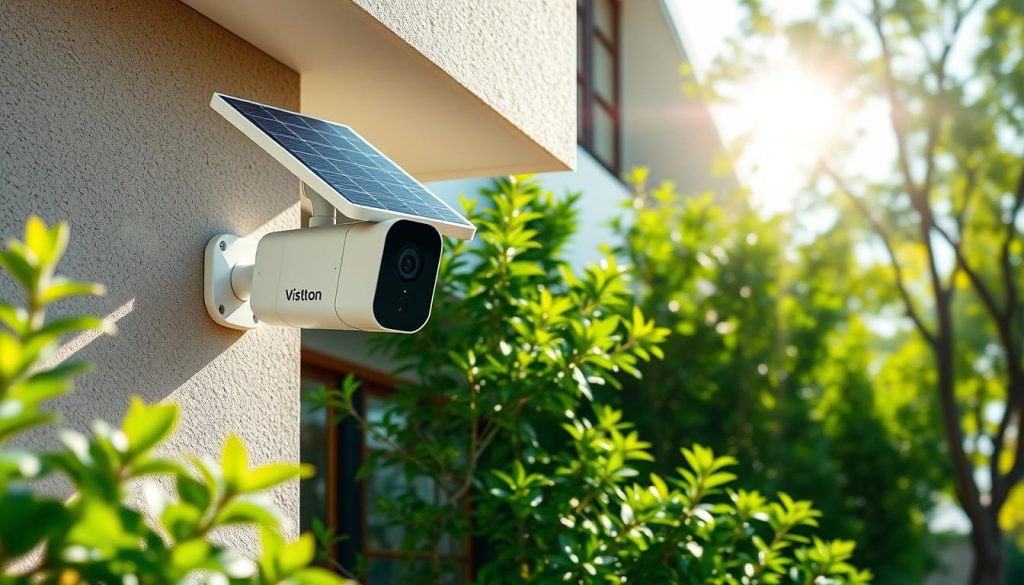
Sim Card Solar Security Camera: Secure Your Space

In today’s world, keeping our homes and properties safe is more important than ever. The rise in security concerns has made sim card solar security cameras a popular choice. These cameras use solar energy and cellular tech for a green and efficient way to watch over your space. By using the sun’s power, these cameras boost security and help the environment. This makes them a great option for both homes and businesses. With more than 80% of security systems now using solar power, it’s clear that green energy is the future of safety. Key Takeaways High user satisfaction with solar powered security cameras averages 4.4 out of 5 stars on Amazon.sg. Solar powered systems reduce monthly costs to approximately $10. Effective battery life can last up to 7 days without sunlight, ensuring continuous operation. Cameras with an IP65 rating are designed to withstand humidity and varying weather conditions. Remote monitoring capabilities with a SIM card allow functionality even in areas with poor Wi-Fi connectivity. Introduction to Solar Powered Security Cameras Solar powered security cameras are changing how we watch over our homes and businesses. They work without needing a power source, which is great in places like Singapore where power can be hard to find. With over 60% of thefts happening at home, keeping our places safe is key. Solar cameras use the sun’s energy to keep watching all day and night. These cameras come with SIM cards for live monitoring from anywhere. This is super helpful for people in far-off places who need quick alerts on their phones. The benefits of solar cameras are clear: they save money and help the planet by using less electricity. Plus, they’re easy to set up, making them perfect for homes and businesses alike. For example, the LS-MS1-4G has a special dual-lens setup for top-notch video quality. If you need to see more, the LS-4GS40-20X has a 5MP camera with a 20x zoom. These cameras are built to work well, even in the dark, giving you clear video all the time. Camera Model Resolution Zoom Capability Battery Capacity Run Time Without Sunlight LS-MS1-4G 4K/8MP No 15000mAh Up to 7 days LS-4GS40-20X 5MP 20x Optical Zoom 15000mAh Up to 7 days What is a Solar Powered Security Camera? A solar powered security camera uses the sun’s energy to work. It’s a green option compared to wired systems. These cameras have a SIM card for remote monitoring over cellular networks. This lets users check on their property from anywhere, making them very useful. These cameras have cool features like HD video, night vision, and motion detection. These features make watching over your place better and cut down on upkeep. Modern models also offer things like Automatic Number Plate Recognition (ANPR) and alerts through 4G LTE. The need for green solutions is growing, and solar tech in security cameras is on the rise. An overview of security cameras shows solar cameras are popular in cities like Singapore. They work well in tough weather and last a long time. Feature Solar Powered Security Camera Traditional Wired Security Camera Power Source Solar Energy Wired Electricity Installation Cost Lower Higher Maintenance Minimal More Frequent Mobility Flexible, Remote Monitoring Fixed Location Environmental Impact Low Carbon Footprint Higher Carbon Footprint In short, solar powered security cameras are becoming more popular. They show a move towards greener surveillance tech. These cameras are not just useful for security; they also help the environment. How Solar Powered Cameras Work Solar cameras turn sunlight into electric energy using solar panels. This reduces the need for traditional power and works well in many places. They have rechargeable batteries, so they keep working even when it’s cloudy or dark. These cameras can be set up far from power sources, up to 300 miles. This makes them great for places far from power, saving a lot of money. For example, setting up power for a remote cabin can cost $5,000. Solar power is much cheaper. The systems are simple and work well. Solar panels change sunlight into DC electricity. This electricity is then changed to AC to power the cameras. The batteries also keep them working for over 7 days without sunlight. Feature Details Camera Resolution 1080p Full HD (e.g., Reolink Go) Power Source Solar panels with rechargeable batteries Weather Resistance Weatherproof against snow, rain, and dust Live View & Notifications Real-time alerts and remote access Storage Method Local recording on SD card The cameras also have 4G modules for internet connection. This lets users watch live, get alerts, and record locally without wiring. The design saves battery life, turning off when not in use. Solar cameras are reliable and efficient for outdoor and remote use. Benefits of Using a Sim Card Solar Security Camera Using a sim card solar security camera offers many benefits. These devices boost security and support eco-friendly tech. They save money on setup and running costs over time. They use solar energy, which is good for the planet. This makes them a green choice for homes and businesses. Cost-Effectiveness and Reduced Energy Expenses Solar security cameras are cost-effective surveillance options. They cut down on costs for wiring and battery changes. About 25% of the cost of old security systems is for electricity and batteries. These solar cameras last about 25 years. This means they’re a smart long-term investment. Plus, they cost less to maintain than wired systems. Environmental Advantages of Solar Technology Solar tech is great for the environment. Solar CCTV cameras use clean energy, cutting down on carbon emissions. Using them can lower your carbon footprint by up to 3 tons a year. More people want eco-friendly products now, up 70% in recent years. Solar tech fits this trend well. Plus, wireless SIM tech makes setup 50% faster, without harming the planet. Feature Solar Security Cameras Traditional Security Cameras Installation Cost Lower due to no wiring Higher due to wiring requirements Operating Costs Reduced energy expenses Ongoing electricity and battery costs Environmental Impact Significant reduction in carbon emissions Dependence on non-renewable

Sim Card Solar Security Camera: Secure Your Space Read More »
hikvision solar solutions for Singapore security

Hikvision Solar Solutions for Singapore Security

In today’s world, Hikvision solar solutions are a big deal in Singapore’s security scene. With over 2,500 hours of sunshine a year, Singapore is perfect for using solar power. Solar powered Hikvision cameras are great for places where it’s hard to get to regular electricity. Hikvision is a top name in security tech. They’ve come up with hikvision solar solutions that keep watch all the time. They also save money in the long run because they don’t need the power grid. Using hikvision solar technology is smart and helps make security in Singapore better for the planet. Key Takeaways Singapore gets a lot of sunlight, making it great for solar power. Solar powered Hikvision cameras cut down on electricity bills a lot. Singapore’s rules say you need CCTV for safe building sites. Solar CCTV systems work well, even in bad weather. Features like motion sensors make solar cameras even safer. Hikvision offers up to 25 years warranty on solar panels. Hikvision products get lots of five-star reviews, showing their quality. Introduction to Hikvision Solar Solutions Hikvision is leading the way with innovative solar products for surveillance. These solutions are perfect for places where regular power is hard to get, like rural areas or temporary sites. Solar powered hikvision cameras bring better security without the usual power issues. Hikvision’s solar camera kits work for up to 7 days on one charge. They can show clear color images in the dark thanks to ColorVu technology. Plus, they’re easy to set up, so you don’t need a tech expert to install them. These solar systems use clean energy, cutting down on costs and carbon emissions. They’re great for outdoor parking, construction sites, and seasonal events where power is scarce. Hikvision offers more than just camera kits. They have mobile solar towers and wireless bridges too. These help keep areas with weak signals safe and secure. Hikvision’s solar products make surveillance easy and green. Benefits of Solar-Powered Surveillance Solar-powered surveillance systems are changing how we think about security, like in Singapore. They use hikvision solar surveillance to save energy and money. This green tech cuts down on electricity bills and helps the environment. These systems can work for up to seven days without sunlight. This means they keep watching even when it’s hard. They have special batteries that hold a lot of power, making them perfect for places without power. The cameras are light, weighing just 14 kg. They can be set up in many ways, like Varifocal and PTZ cameras. This makes them great for big places like parking lots and farms. They let security teams watch over large areas without needing power lines. These cameras offer remote security solutions and can see in color all day. They use Hikvision ColorVu tech to see well in the dark. They also handle bad weather thanks to their IP67 rating. Plus, they have big storage options, from 256 GB to 1 TB, to keep more video. These solar cameras are key to meeting green goals by cutting down on carbon and costs. They need little upkeep, unlike old systems. This green tech meets safety needs and helps the planet in our eco-aware world. Innovative Hikvision Solar Technology for Security Hikvision solar technology is a big step forward in security. It uses a solar panel system that works all the time, even in little sunlight. The built-in battery can keep going for up to seven days without sunlight, making sure you’re always watched. These solar cameras are built tough. They can handle rain, dust, and more thanks to their design. They’re easy to install because they come with 4G/Wi-Fi, saving time and money. These systems can be set up in many places, like farms, festivals, and highways. They’re flexible for different needs. You can also check on them from anywhere, making sure everything is running smoothly. There are different models, like the 4 MP ColorVu Solar-Powered Security System. They offer 24/7 color video. They work well over big areas, covering up to 500 meters in some cases. Hikvision’s solar solutions are reliable and efficient for outdoor watching. They work well in bad weather and don’t need old-fashioned wiring. This makes things easier for users and more efficient. Key Features of Hikvision Solar Cameras Hikvision solar cameras use advanced tech for strong security. They have an extended battery life that lasts up to 7 days without sunlight. This makes them great for many places. Their weather-resistant design is rated IP67, keeping out dust and water. They can handle extreme weather, including category 12 typhoons. They work well in temperatures from -20 °C to 60 °C. The Hikvision 4MP ColorVu H.265+ Outdoor Solar-powered 4G Security Camera stands out. It has: Compression technologies: H.265, H.264, and MJPEG Field of View (Horizontal): 95 degrees High-resolution imaging at 3840 × 2160 Two-way audio for real-time communication Night vision capabilities providing clear black and white images Built-in storage capacity of up to 256 GB This camera is perfect for outdoor use. It’s great for areas with limited infrastructure. It supports LTE-TDD, LTE-FDD, TD-SCDMA, and EVDO for easy connection. Applications of Hikvision Solar Solutions in Singapore Hikvision solar solutions are used in many areas in Singapore. They offer efficient and green security options. For example, they are great for remote construction sites where setting up security can be hard. A 4G solar-powered camera kit lets construction sites keep an eye on things without needing cables. Events and festivals need quick and easy security. Hikvision’s mobile solar security towers are perfect for this. They have network cameras and wireless bridges. This makes outdoor areas safe and helps manage crowds well. The farming world also benefits from these solar solutions. Big farms can use Hikvision solar cameras. This saves money and cuts down on carbon emissions while keeping an eye on crops and animals. These cameras are tough and work well in bad weather, making sure farms are always watched over. Public spaces also get a boost from Hikvision solar solutions. Parks and other

Hikvision Solar Solutions for Singapore Security Read More »

CCTV construction site security

CCTV Construction Site Security in Singapore

CCTV security is key for protecting construction sites in Singapore. Starting June 2024, Video Surveillance Systems (VSS) will be needed for sites worth $5 million or more. These systems help keep sites safe by spotting risks and solving incidents. As security needs grow, finding good monitoring systems is vital. They are a big part of managing risks on construction sites. Key Takeaways VSS will be mandatory for construction sites valued at $5 million or more beginning June 2024. Safety measures must be enhanced with effective CCTV construction site security systems. Video surveillance systems help in incident management and risk identification. Compliance with VSS regulations supports overall workplace safety. Proactive surveillance can mitigate unsafe workplace behaviors. The Importance of CCTV Construction Site Security CCTV is key in construction to fight theft and keep workers safe. Surveillance systems keep an eye on the site and stop crime. They protect the site and make it safer for everyone. Remote monitoring cuts down on security breaches. Companies save up to 80% by using CCTV over guards. A good CCTV system keeps criminals away, which is vital for risky sites. Thermal cameras are now used for health checks, thanks to COVID-19. Good video helps catch criminals fast. It also helps with insurance claims when sites are broken into. Keeping CCTV systems working is important. Broken cameras make sites more vulnerable. Sites with CCTV see less crime. So, all construction companies should get strong CCTV systems. Construction theft costs a lot each year. Good CCTV systems are a smart choice. They help keep sites safe and save money. Understanding Video Surveillance Systems (VSS) Video Surveillance Systems (VSS) are key in the construction world. They make worksites safer and more secure. Now, projects worth over $5 million must have VSS to follow new rules. These systems use cameras, monitors, and recorders to watch sites in real-time. They help spot risks and take action to fix them. As CCTV becomes a must for construction sites, it’s clear VSS offers many benefits. They let managers and safety teams keep an eye on workers. This ensures everyone follows safety rules. For risky tasks like working on scaffolding or using heavy machines, VSS is a lifesaver. It helps prevent accidents. Setting up VSS needs to follow strict rules, like when working high up. Keeping recordings for 30 days helps meet project standards. It’s important in areas like loading zones, tight spots, and busy roads. Features like night vision and thermal imaging make VSS even better. They help spot dangers, even when it’s dark. Plus, supervisors can watch from anywhere, acting fast if something goes wrong. Key Features of VSS Description Real-Time Monitoring Allows supervisors to swiftly identify hazards and improve compliance with protocols. High-Quality Footage Captures HD images at a rate of at least 12 frames per second, providing clear evidence for incident investigations. Storage Capacity Retains recordings for a minimum of 30 days and up to 180 days post-incident reporting. Durability Designed to endure environmental conditions, meeting weatherproof, dustproof, and temperature resistance standards. Advanced Analytics Utilizes AI and machine learning to analyze patterns in accidents and crowd density, optimizing site safety measures. Learning about VSS helps construction companies use new tech to keep sites safe. As rules get stricter, using VSS will make sites safer. It also makes work places better for everyone. Regulatory Requirements for Construction Sites Starting June 1, 2024, VSS compliance is key for construction sites in Singapore. This is for sites with a contract value over $5 million. It’s to make construction safer, as accidents and injuries have been too common. These rules say VSS must be in high-risk areas. This includes places where work is done high up, or where there’s lifting or vehicles moving. Video surveillance is needed to keep these areas safe, following Singapore construction laws. For VSS to work right, certain rules must be followed. Cameras need to record in HD 1080 and at least 12 frames per second. Also, footage must be kept for at least 30 days. After any big incidents, this time goes up to 180 days. These new rules are expected to make construction safer. They help watch for dangers in real-time, cutting down on risks. Following these rules also saves money by avoiding work stoppages, claims, and legal problems. Benefits of CCTV for Enhancing Safety Compliance CCTV systems on construction sites bring many CCTV benefits. They act as a strong warning against unsafe actions. They also help prove compliance during audits. Workers are more likely to follow safety rules when they know they’re being watched. Real-time monitoring is key. Sites with CCTV see fewer thefts and vandalisms. This is because cameras make it clear that someone is watching. It also helps teams work better together and solve problems faster. High-definition footage is better than eyewitness accounts in disputes. It also helps in emergencies by quickly spotting incidents. This leads to faster action and better safety plans. These systems also protect against false claims. They provide clear proof of what happened before accidents. This shows a company’s dedication to construction site security solutions. Reviewing CCTV footage helps spot safety issues. This lets management fix problems before they get worse. It’s very important in Singapore, where construction sites are very risky. Using AI with CCTV makes monitoring safety even better. It checks if workers are wearing the right gear. This improves safety and makes work more efficient, creating a cycle of getting better at safety. CCTV Construction Site Security: Essential Features Effective CCTV construction site security needs key features. These include high-definition video, real-time monitoring, and strong data retention policies. Together, they ensure full surveillance and quick incident response. High Definition Video Quality High-definition video is vital for surveillance. It must have at least 1080p resolution. This quality makes images clear, helping security spot incidents and unauthorized activities. With better detail, teams can act fast. This reduces theft and vandalism risks. In Singapore, these costs can reach $300 million to $1 billion a year. Real-Time Monitoring Capabilities Real-time

CCTV Construction Site Security in Singapore Read More »

solar panel surveillance cameras

Solar Panel Surveillance Cameras in Singapore

Solar panel surveillance cameras are becoming a top choice for boosting safety and security in Singapore. They run on solar energy, making them an eco-friendly option that fits well with Singapore’s green goals. With over 2,500 hours of sunshine each year, using solar powered security cameras is both smart and cost-effective. These cameras are perfect for places where it’s hard to get to regular electricity. For example, the UTICA® Terrfocus 12 WiFi Solar Surveillance Camera is priced at SGD $480. It’s a top pick in the market. These cameras are key for keeping homes and businesses safe, working well even when there’s no power. Key Takeaways Solar panel surveillance cameras enhance safety while promoting eco-friendliness. UTICA® offers reliable models like the Terrfocus 12 at an accessible price. Singapore’s abundant sunshine provides the perfect backdrop for this technology. Solar powered security cameras reduce installation costs by minimizing wiring needs. Advanced features like motion detection enhance security measures for users. These systems operate efficiently in extreme temperatures and varying humidity levels. Introduction to Solar-Powered Security Solutions In today’s world, using renewable energy is key to being sustainable. Solar-powered security solutions are a big step forward. They use sunlight, which is always available in Singapore, to work all day. These cameras don’t need a lot of wiring. This makes them safer and easier to set up. They can be placed anywhere, making them great for homes and businesses. Solar cameras can watch over a 360-degree area. They have long-lasting batteries that last for days. Their strong steel bodies can handle tough weather, making them perfect for outdoor use. Using solar cameras helps the environment by cutting down on fossil fuel use. They also save money over time. Traditional CCTV systems cost more because they need constant power. Modern solar cameras, like Arlo Pro 4 and Ring Stick Up Cam Solar, have cool features. They offer high-quality video and smart motion detection. They also have 4G connectivity, night vision, and alerts for tampering. Learning about solar cameras helps people and businesses choose better security. These systems are a smart choice for today’s security needs. Benefits of Solar Panel Surveillance Cameras Solar panel surveillance cameras are cost-effective and a great choice for security. They use solar energy, which cuts down on electricity bills. This means owners save money and don’t worry about the cost of powering their cameras. These cameras don’t need the power grid, making them perfect for remote spots. They work 24/7, giving users peace of mind no matter where they are. They also need little upkeep. Solar cameras are built to last, withstanding extreme weather. This is great for places like Singapore, where the weather can be tough. They work well with smart technology too. Features like motion detection and night vision make them more effective. Users get alerts when something moves, helping them act fast. Plus, they can store footage in the cloud, keeping it safe. Solar cameras are flexible and can change with security needs. They’re easy to move around, fitting into different settings. This makes them perfect for both city and country areas. Let’s look at the main benefits: Cost-effective and cuts down on energy costs. Works without the power grid, great for remote areas. Needs little upkeep and lasts long in hot climates. Alerts in real-time improve security. Flexible and easy to move around. Using solar cameras is becoming more popular for security. They help reduce carbon footprint while keeping places safe. This makes them a smart choice for today’s security needs. Why Choose Solar Surveillance Systems in Singapore Singapore’s sunny weather makes solar surveillance systems a smart choice for security. They work on their own, needing no constant charging. This is great for places where power is hard to find, like construction sites. The Ministry of Manpower sees safety as key in risky areas like construction. They require video surveillance systems to improve monitoring. Solar cameras help spot and fix safety issues fast, cutting down on accidents. Wireless solar cameras are easy to set up and move around. They handle Singapore’s tough weather well, staying safe in rain and heat. They even have a strong IP67 rating, keeping out dust and water. Key features of a solar security camera system include: 24/7 full-color video surveillance with up to 128GB storage capacity on SD cards. Many models, like the Reolink Argus 4 Pro, support a long battery life, functioning effectively even on cloudy days. Operational capability for up to seven days without sunlight highlights their reliability. Choosing a solar surveillance system meets Singapore’s security needs. It also helps with monitoring in many areas. Features of Solar Powered Surveillance Cameras Solar powered surveillance cameras come with advanced features. They have high-definition video for clear images. This is key for spotting faces and activities. They also have night vision. This lets them record in full color or black and white, even in the dark. Motion detection sensors alert users to any movement. These cameras use solar panels for power. They need 6-8W for motion detection and 20-60W for constant recording. They also have rechargeable lithium batteries. These batteries keep the cameras running for months without power. Many models can store more video on microSD cards. This lets users keep more footage as needed. Users can also watch live feeds and recorded videos from anywhere. These cameras are tough and waterproof. They work well even with little sunlight. They have batteries that save energy for later use. They also have AI for detecting people and vehicles. This makes them better at watching over places. They can spot unauthorized people and help keep sites safe. When someone tries to get in, the cameras turn on warning lights. They can also play pre-recorded messages to people nearby. This helps keep everyone safe. They also have systems to stop tampering. This keeps the cameras safe from theft and tampering. These features make solar powered cameras a must-have for security today. Types of Solar Security Camera Systems There are many types of solar security

Solar Panel Surveillance Cameras in Singapore Read More »

CCTV storage duration Singapore

CCTV Storage Duration in Singapore: Know the Limits

Ever thought about how long CCTV footage is kept in Singapore? It’s key for your privacy and safety. With almost a million cameras, knowing how long they store footage is vital. These systems boost security but also make us think about data rules and local laws. In Singapore, how long CCTV footage is kept can change. It depends on where the cameras are, like homes or businesses. Companies need to update their systems to handle all the data. Authorities also set rules, suggesting keeping recordings for up to 31 days. But, laws for homes are not always clear, so getting the right approvals is important. As we rely more on CCTV for safety, knowing its limits in Singapore is essential. It helps us follow rules and respect privacy. For top CCTV solutions, call ED Viston at +65 8313 4578. Find out about our latest deals! Key Takeaways Singapore has nearly one million CCTV cameras aiding in extensive surveillance. CCTV footage typically has a retention period of up to 31 days as recommended by authorities. Businesses must comply with local regulations, obtaining necessary permits for installation. Residential CCTV laws can be ambiguous, often requiring approval from relevant authorities. Upgrading systems may be necessary to manage the significant storage demands of recorded footage. Awareness of changing regulations is critical for effective CCTV installation and management. Understanding CCTV Surveillance in Singapore CCTV surveillance in Singapore is key to keeping everyone safe. It uses the latest tech to watch over homes, businesses, and public areas. These systems help stop crimes and help in emergencies. Recently, HDB flat owners can install CCTV cameras at their main doors without needing approval. This shows the government’s effort to boost security. They must keep footage for six months, balancing privacy and security. Companies must follow rules to share CCTV footage when asked. They must also protect personal data and charge fairly for it. It’s important to have clear signs showing where cameras are. Crime rates, like theft, have gone up by over 25% in the first half of 2023. To fight this, using better CCTV tech is essential. Cameras like dome, bullet, and PTZ offer wide coverage and zoom in on details. Getting CCTV right means doing a site survey, installing it well, and keeping it in good shape. Companies should plan their budgets for high-quality cameras. They should think about resolution, sensor tech, and how long the cameras last. Those interested should check out Wenhong’s IP CCTV solutions. They focus on customer support and new tech. For more info, call ED Viston at +65 8313 4578. Importance of CCTV for Security CCTV is key to boosting security. It acts as a strong deterrent against theft and vandalism. Knowing they’re being watched, criminals are less likely to act. Businesses benefit a lot from CCTV. It helps protect their property and assets. This is very important for them. CCTV does more than just prevent crimes. It makes people act responsibly. This is because they know they’re being watched. It helps keep workplaces safe and reduces misconduct. In case of a crime, CCTV footage is very helpful. It gives important evidence for investigations. This makes solving crimes easier and faster. Different industries keep CCTV footage for different times. Retail stores might keep it for 31 to 90 days. Banks often keep it for 90 days or more. Proper storage and retention are key to getting the most out of CCTV systems. Getting a good CCTV system is a smart move. It keeps property and people safe. It also makes communities feel more secure. For the best CCTV options, call ED Viston today at +65 8313 4578. How long is CCTV kept for? The duration of CCTV footage storage in Singapore depends on several things. These include how the CCTV is used, legal rules, and what each person or business needs. Knowing how long CCTV footage is kept helps everyone follow the law and stay safe. Different situations have their own rules for keeping data, which is key for good surveillance. Typical Retention Periods for Different Scenarios At home, people should pick a CCTV system that keeps video for at least two weeks. For businesses, the Media Development Authority says they must keep footage for 30 days. But, if something big happens, they might need to keep it longer than that. Here’s a quick guide on how long to keep CCTV footage: Usage Scenario CCTV Footage Retention Time Residential At least 14 days Small Businesses Two weeks Commercial Spaces Minimum 30 days Large Corporations 30-90 days Banking Industry At least 6 months Legal Regulations Governing CCTV Footage Retention The legal regulations for CCTV in Singapore stress the need for clear data storage rules. The police suggest keeping private CCTV footage for up to 31 days. Businesses also have to keep certain data for legal reasons, like for compliance or as evidence. Not following these rules can cause big problems. To find out more about CCTV solutions and deals, call ED Viston today at +65 8313 4578. Factors Influencing CCTV Storage Duration It’s important for businesses to know how long CCTV footage can be stored. Different things affect how long recordings can last. These include the type of recording device and the storage system’s capabilities. Type of Recording Device Used The type of recording device matters a lot. Older analog DVR systems have lower quality and can’t store as much as newer IP cameras. Analog tapes lose quality over time, about 10% every decade. IP cameras, on the other hand, offer better quality and can record in different ways. This can change how much storage you need and how long you can keep recordings. Storage Capacity and Compression Techniques How much storage you have affects how long you can keep footage. Systems with more storage can keep recordings for months. The number of cameras, their resolution, and the compression used all play a part. Compression makes files smaller, letting you store more. For example, recording only when there’s motion saves space.

CCTV Storage Duration in Singapore: Know the Limits Read More »

security camera mobile app issue

Troubleshooting Security Cameras on Your Phone

Ever found yourself frustrated, staring at your phone, wondering, “Why can’t I see my security cameras on my phone?”? You’re not alone. Many struggle to connect their security systems to phones, a key feature of modern tech. As tech advances, knowing how to fix security camera issues is vital. Connectivity problems often pop up, making it important to understand why and how to fix them. In this article, we’ll look at common reasons for these issues. We’ll cover everything from weak Wi-Fi signals to network congestion. You’ll learn how to fix these problems and enjoy your security camera feeds again. Feeling stuck? Don’t worry, contact ED Viston today at +65 8313 4578. They offer the latest CCTV solutions & offers just for you! Key Takeaways Many users face connectivity issues with their security cameras on smartphones. Understanding the common causes, such as poor Wi-Fi signal strength, is essential in troubleshooting. Apps like AlfredCamera allow sharing of camera feeds through a Trust Circle without sharing passwords. Network congestion can disrupt connections; the number of devices connected to the same network matters. Maintaining updated software and router firmware can prevent many access issues. Understanding the Basics of Security Camera Connectivity Security cameras, like IP models, can connect to smartphones for remote monitoring. They need a stable Wi-Fi or mobile data for smooth access. Good connectivity is key for clear surveillance without breaks. It’s important for the security cameras and phones to work well together. This makes using your home security system easy. Modern CCTV systems come with software that’s easy to use. These systems have apps for both Android and iOS. This ensures you can access your cameras easily. Sometimes, internet issues or device problems can cause problems. For those without internet, there are other options. You can use security camera DVRs, 3G/4G cameras, or systems with SD cards. These alternatives help you keep an eye on things without internet. But, technology isn’t perfect. A weak Wi-Fi signal can cause big problems. Walls or big furniture can block the signal. Other devices on the same frequency can also mess with it. Another issue is network congestion. Too many devices on the same Wi-Fi can slow things down. Managing your devices and adjusting router settings can help. Fixing problems with your setup is important. Make sure your apps are updated and your phone is compatible. Solving these common issues can make your security cameras work better with your phone. For more info on CCTV solutions and offers, call ED Viston at +65 8313 4578. The Benefits of Connecting CCTV Cameras to Your Smartphone Connecting CCTV cameras to smartphones offers many benefits. One key advantage is real-time monitoring. This lets users see their property live, helping them spot odd activities fast. It’s a big help in keeping places safe. Another big plus is remote accessibility. Users can check their security systems from anywhere. This makes it easy to handle security issues, no matter where they are. Smartphone-connected CCTV systems also send notification alerts for things like motion. These alerts keep users updated on what’s happening at home or work. It helps them act quickly if there’s a security issue. Mobile apps make setting up and using these systems easy. They have simple interfaces that help users get started. This makes it simple for anyone to use their surveillance systems well. Wireless CCTV cameras make setup easy, without the need for complicated wiring. They’re also great in places with poor mobile signal. Smartphones like HONOR Magic V2 let users see things clearly, making monitoring easier. Cloud services are another modern feature of CCTV tech. Many systems store footage in the cloud. This means users can access it from their phones, anytime, anywhere. It gives users peace of mind, knowing they can check recordings whenever they want. But, there are some downsides. Network problems can stop CCTV footage from streaming. It’s important to make sure apps and devices work well together. Also, using the right login details and keeping apps updated can help avoid issues. If you’re thinking about getting CCTV systems, talking to experts can help. They can show you what’s available and the latest tech. To learn more about CCTV solutions and get special deals, contact ED Viston today at +65 8313 4578. Common Issues that Prevent Access to Security Cameras Getting to your security cameras on smartphones can be tricky. A big security camera troubleshooting problem is a weak Wi-Fi signal. This often causes a remote viewing problem. Users often see camera connection error messages because of weak signals from walls or furniture. Another big issue is network congestion. In crowded areas, too many devices online can cause problems. Over 80% of CCTV issues are about power and connection. Users often need to check power and cables to fix these problems. To solve these problems, start with a detailed troubleshooting process. Check the camera’s power and cables for damage. Also, make sure the camera settings are correct. Sometimes, just restarting the camera fixes it. If not, you might need professional help. Knowing common issues helps keep your security system working well. It saves time and makes using your system better. For more info on CCTV solutions and deals, call ED Viston today at +65 8313 4578. Poor Wi-Fi Signal Strength Poor Wi-Fi signal strength can cause big problems for security cameras. Things like where you are and other devices can mess with your Wi-Fi. Finding out what’s causing the problem is key to fixing it. Signal Obstructions Affecting Connectivity Things like walls and furniture can block the signal from your router to your camera. Stuff like concrete and metal can block signals even more. If you’re having trouble, try moving your camera closer to the router. Try different spots to see if it helps. Using a Wi-Fi range extender can also help if your camera is far from the router. Making your Wi-Fi stronger is important for a good connection. Interference from Other Devices Other devices using the same frequency can make

Troubleshooting Security Cameras on Your Phone Read More »

CCTV camera troubleshooting issues

Reasons Your CCTV Camera Suddenly Stopped Working

Have you ever wondered why your CCTV cameras stop working without warning? It’s a stressful situation, affecting your security. What could be causing this, and how can you fix it? Understanding why your CCTV camera isn’t recording is key. Issues like bad power, network problems, or old software might be the cause. With over 1.54 million CCTV cameras in India, it’s important to know these common problems. Learning how to fix CCTV camera problems can save you from security issues. Whether at home or at work, being ready can help. For help with CCTV solutions, call ED Viston at +65 8313 4578 today. Key Takeaways CCTV camera malfunctions can stem from power and connection issues, affecting overall performance. Common problems include disconnected cables, power source discrepancies, and network downtimes. Regular updating of firmware is vital for optimal camera performance and security enhancements. Rebooting or factory resetting the camera can resolve persistent issues but should be approached cautiously. Implementing regular maintenance checks will significantly increase the longevity and reliability of your security system. Understanding CCTV Camera Functionality CCTV cameras work with lenses, image sensors, and digital storage. Each part is key to the camera’s success. Knowing these parts helps with keeping your CCTV system in top shape. Lenses: Capture light and focus it onto the image sensor. Image Sensors: Convert light into an electronic signal for video footage. Digital Storage Devices: Store recorded video for later retrieval. Good performance needs enough light and stable connections. If power is low, you might see black screens or flickering videos. Regular checks can help avoid these issues. Knowing your system well helps avoid problems. Make sure connections are tight and don’t skimp on quality. This knowledge makes fixing issues easier. A well-kept system also cuts down on lost video, a big worry for many. Need help with your security? Call ED Viston at +65 8313 4578. Learn about the newest CCTV tech and deals. The Importance of Regular CCTV Camera Maintenance Keeping CCTV cameras in good shape is key to their long-term use. Regular checks, updates, and cleaning boost security. This stops problems that could harm safety and monitoring on construction sites. Good upkeep means clear images and top performance. Why Regular Maintenance is Essential Regular checks prevent costly repairs and extend your CCTV system’s life. Experts say you should service them yearly. Cameras in tough spots might need more frequent checks. Watch over parts like power supplies and lenses as they wear out. Using professional services helps catch small problems before they get big. Tips for Effective CCTV Maintenance Follow these tips to keep your CCTV system running well: Check cameras weekly for any issues Clean lenses often to avoid fuzzy images Adjust camera angles to cover all areas Update firmware regularly for the latest features Swap out old or broken parts for better reliability By following these steps, you can improve your security monitoring. This reduces the chance of CCTV failures. For more on CCTV solutions, contact ED Viston at +65 8313 4578 today. Maintenance Task Frequency Benefits Inspection Weekly Early fault detection Cleaning Lenses Monthly Clear image quality Firmware Update Bi-annually Enhanced system functionality Professional Servicing Annually Reduced repair costs Common Reasons for CCTV Malfunction It’s important to know why CCTV cameras stop working. Most problems come from power issues, connection problems, and outdated software. Fixing these fast helps keep your security strong. Here are some common reasons CCTV cameras malfunction: Power Supply Failures: About 85% of CCTV problems are due to not enough power. Loose Cable Connections: Loose cables cause 60% of video loss. Making sure cables are tight helps a lot. Firmware and Software Errors: Old software can cause big problems. Keeping it updated is key. Wiring Faults: Around 25% of serious video loss is due to cable and wire issues. Network Stability: Weak WiFi or low bandwidth cause 35% of video loss, mainly in IP systems. Environmental Factors: Weather damage can also affect how well cameras work. Regular checks and maintenance can reduce these problems. For more help, call ED Viston at +65 8313 4578. They can tell you about the newest CCTV tech and deals. Issue Source Approximate Impact Power Supply Failures Statistics 85% Loose Cable Connections Surveys 60% Outdated Firmware Research High Wiring Faults Reports 25% Weak Network Connections Data Analysis 35% Power or Connection Problems Understanding what affects CCTV cameras is key to fixing them. Issues with power and connections often cause problems. By tackling these, you can figure out why CCTV cameras suddenly stopped working? Taking the right steps can keep your system running smoothly. Identifying Power Supply Issues Power problems are a common reason for CCTV camera failures. To spot these issues, users should: Check the power adapter and make sure it’s functioning correctly. Inspect the power cable for visible damage or loose connections. Ensure that the camera receives adequate voltage by testing it with a multimeter. Confirm that the power outlet is operational. If the camera doesn’t get enough power, it won’t work right. This can cause video loss or the system to shut down. Checking Connectivity and Cables It’s important to check if your CCTV cameras are connected well. Regular checks can quickly spot problems. Here’s what to do: Inspect all cables for wear and ensure they are securely connected. Verify the settings of the network configuration and check for IP address conflicts. Pinging the camera’s IP address can help ascertain connectivity. Restart the system to reset any temporary glitches. Using good cables and parts can help avoid connection problems. Brands like Reolink are known for their reliability and quality in security. Common Issues Recommended Solutions Camera not recording video Check power supply and settings. Unable to connect to WiFi Inspect network configuration and cables. Malfunctioning night vision Check infrared functionality; restart the camera. Video quality issues Inspect camera settings and connections. By focusing on power and connection issues, you can make your CCTV system more reliable. For more help, call ED Viston today at +65 8313 4578. Learn about

Reasons Your CCTV Camera Suddenly Stopped Working Read More »

security camera risks

Unplugging a Security Camera: What You Need to Know

Ever wondered what happens when you unplug a security camera? The effects might be more serious than you think. It’s important for homeowners and business owners to understand the risks of unplugging these devices. They help prevent crime and provide key evidence in incidents. If you disconnect a camera, you could lose recorded footage and live monitoring. This makes your place more vulnerable to crime. Knowing these risks is key to keeping you and your property safe. Key Takeaways Unplugging a wired security camera leads to immediate functionality loss. Battery-powered cameras can eventually fail if left unplugged for too long. Security systems relying solely on local storage may lose valuable footage during interruptions. Frequent unplugging can diminish the longevity of the camera system. Criminals may use power cuts or jamming devices to disable security cameras. For more insights into the latest CCTV solutions and offers, don’t hesitate to contact ED Viston today at +65 8313 4578. Understanding the Importance of Security Cameras Security cameras are key to keeping your home safe. They help stop criminals by just being there. This makes them think twice before breaking in. One big benefit of security systems is live monitoring. This lets you watch your home from anywhere. It also helps police solve crimes faster. Studies show homes with cameras have less crime. Burglars don’t like them. Plus, knowing you’re being watched makes you feel safer. There are many types of security cameras. Some, like the Reolink Argus 3 Pro, work even when the power goes out. This makes them very reliable. Having many cameras and alarms adds extra protection. If you want to make your home safer, call ED Viston today. They can help you find the best CCTV solutions and offer special deals. Camera Type Power Source Independent Operation Reolink Argus 3 Pro Battery Yes Reolink Go Plus Battery Yes Reolink Altas PT Ultra Battery Yes, up to 8 days on a charge Traditional Alarm System Phone line Yes VoIP/ Cellular Systems VoIP/Cellular No (power outage dependent) What Happens if You Unplug a Security Camera? Unplugging a security camera has big effects on surveillance. The biggest worry is the loss of footage. Different cameras act differently when unplugged, affecting their recording and data sending. Loss of Recorded Footage When you unplug a security camera, like Wi-Fi or PoE types, it stops recording. Many Wi-Fi cameras, powered by direct current, lose all function. This means they can’t record video. If a camera is unplugged during an event, any video from before might be lost. This creates a big gap in security footage. Even if footage on a microSD card or NVR is safe, unplugging stops new recording. Impact on Live Monitoring The live monitoring impact is also a big worry. Without a camera, homeowners can’t see what’s happening around their property. This makes them more vulnerable to threats. Security systems that send alerts when they’re offline don’t work when unplugged. This means no alerts for suspicious activity. Getting back to normal is easy, but the lack of monitoring is a big safety risk. To keep surveillance going smoothly, it’s key to know these risks. Homeowners should take steps to keep their systems safe. For more info on solutions and security cameras, call ED Viston at +65 8313 4578. Find out about the latest CCTV options and deals for your security needs. Security Camera Unplugged Consequences Not having a working security camera puts your home at big risk. An unplugged camera makes your place more open to burglars. They know they can get away with it because there’s no record. Vulnerability to Burglary Without a camera, your home is not watched over. Studies show homes with cameras are less likely to get broken into. Without this warning, your home becomes a tempting target for thieves. Potential for Tampering An unplugged camera is a sign of weak security and a target for tampering. Thieves might take it out to hide their tracks. This shows how important it is to have strong security and check your cameras’ power. To keep your home safe, talk to ED Viston about your security needs. Call them at +65 8313 4578 to find out about the best CCTV systems and deals to protect your home. Unplugging Security Camera Effects on Home Security Removing security cameras can harm your home’s safety. Homeowners rely on these devices to keep their homes safe and watch over them. If a camera is not working, it can lead to big home security risks that people might not even notice. When burglars see that cameras are off, they might think they can get away with more. This is because they believe they won’t be caught on camera. Video loss is a common issue with CCTV systems. Many things can cause this problem, such as: Failed power supply Network instability Wiring faults Hardware failures Camera software errors IP conflicts To fix these problems, you can take a few steps. For example, making sure the power is steady and checking the connections can help. Also, keeping the network stable is key for smooth operation. Keeping your security system in good shape is important. Here are some tips: Check power connections and adapters regularly Use top-quality cables and tools Update camera software often Keep an eye on your network settings If you ignore these steps, you might lose important data. This can weaken your home’s security. Taking action to avoid video loss keeps your system strong against new threats. Want to keep your home safe? Call ED Viston today at +65 8313 4578. Learn about the latest CCTV solutions and get special offers. The Security Camera Offline Impact on Surveillance When security cameras go offline, their impact is huge. They can’t detect crimes as quickly. This means homeowners and police take longer to respond. Surveillance systems are key to spotting suspicious activities, making them essential for safety. Delaying Crime Detection and Response Without working cameras, criminals might slip away unnoticed. Any problem with surveillance can slow down help.

Unplugging a Security Camera: What You Need to Know Read More »

CCTV camera quantity for security in Singapore

Ideal CCTV Camera Quantity for Your Space

Ever thought about how many CCTV cameras you need for security at home or work? It’s not as simple as it seems. The right number depends on your property and what you need. It’s about more than just putting cameras up; it’s about where and how they’re placed. In today’s world, security matters a lot. Knowing what you need and what affects the number of cameras can make you feel safer. Things like how big your place is, its layout, where people enter, and your budget all play a part. Remember, there’s no one answer for everyone. For advice that fits your space, call ED Viston at +65 8313 4578 and check out the latest in Singapore security. Key Takeaways The average home may need between 2-4 outdoor cameras and at least 1 indoor camera. For businesses, up to 64 cameras may be required depending on the property size. Focus on key entry points, like front doors and vulnerable areas. Budget considerations can affect the number of cameras you start with. Strategic placement is key to avoid blind spots and ensure full coverage. Special situations, like watching over young kids or elderly family, might mean more cameras. Adding smart tech features can make your system more effective. Understanding the Importance of CCTV Cameras CCTV cameras are key in today’s security surveillance systems. They boost safety and peace of mind. These cameras make areas safer by up to 60% by deterring crime. They not only scare off intruders but also make people feel secure. This is true for both homeowners and business owners. Real-time monitoring is a big plus of CCTV cameras. It lets users watch over their property and act fast if they see something odd. This quick action helps protect property and can lead to lower crime rates. When picking a CCTV system, think about its features. Look for good resolution and frame rate. A frame rate of 25 FPS makes videos smooth. Resolutions like 720p HD to 5 Megapixels help spot details clearly. To learn more about CCTV solutions and deals, call ED Viston at +65 8313 4578. Factors to Consider for CCTV Camera Quantity When planning a CCTV system, several factors to consider CCTV cameras play a key role. A thorough home security assessment starts with looking at the property layout for CCTV. You need to think about the area size, entry points, and vulnerable spots to monitor. For homeowners, 2 to 6 cameras usually cover their needs. Businesses, on the other hand, might need 16 to 64 cameras. This depends on the property size and security goals. Budget is also a big factor. Spending more on a quality recorder than on cameras is wise. A budget of about $450 can get you an 8-channel recorder and one camera without sacrificing quality. Choosing devices that can grow with your needs is smart. Outdoor security is another important thing to think about. Areas like parking lots and gardens might need their own cameras. These spots are often hit by vandals or thieves. Using both visible and hidden cameras can help deter crime and improve security. Getting a professional to assess your security needs can help. They can give you advice that fits your property and security needs. In short, considering all these factors helps ensure a secure and well-monitored space. Contact ED Viston today at +65 8313 4578. They offer the latest CCTV solutions and can tailor them to your needs. Determining Number of CCTV Cameras Needed It’s key to do a detailed security camera check to set up good property security. Start with a monitoring needs analysis to look at your property’s layout. This helps figure out how many CCTV cameras you need for full coverage. For a normal home, you might need two to four outdoor cameras and one indoor camera. Big places, like businesses, could need up to ten cameras. Some people might choose one wireless camera with a wide view, but most homes need two to six for the best watch. It’s important to focus on key spots like the front door, back door, windows, garage, and backyard. Each side of your property should have a camera to avoid blind spots. Also, rooms with valuable things, hallways, and busy areas need their own cameras. Having two or more indoor cameras helps watch more rooms. Businesses have different needs based on their size. They might need 16 to 64 cameras. It’s important to watch main and secondary entrances, parking lots, customer areas, and where employees work. Personal choices and how big your property is affect what you need. But, planning well helps use resources wisely. Also, think about your budget. Spending more on the recording system might let you add cameras later. If you want the best, look at high-end options like Arlo Essential, Arlo Pro 5, or brands like Avigilon and Axis. They offer top security tech. Want to improve your security? Call ED Viston today at +65 8313 4578. They’ll help you find the best CCTV solutions and deals for your needs. How Many CCTV Cameras Should I Have? Figuring out how many CCTV cameras you need depends on your property’s size and security needs. Most homes might require two to six cameras. But, bigger properties and businesses need more due to their size and purpose. Average Recommendations Based on Property Size For homes, a good setup includes: Two to four outdoor cameras. At least one indoor camera. More outdoor cameras for backdoors and side doors. One camera on each side to avoid blind spots. Larger homes or businesses might need up to ten cameras. This is for big outdoor areas and important entry points. A single wireless camera with a wide view can also be cost-effective. Specific Needs for Different Types of Properties Different properties have different security needs. For homes, think about: Indoor cameras in hallways, bedrooms with valuables, and living rooms with expensive items. Outdoor cameras in garages, backyards, and around windows, mainly for ground floors. Commercial properties often

Ideal CCTV Camera Quantity for Your Space Read More »

Is Your CCTV Operational

Is Your CCTV Operational? Check Its Status Now

In today’s world, security threats are on the rise. You might ask, is your CCTV really working? How can we be sure our surveillance systems are catching everything? It’s vital to check your CCTV system often. This is not just for protecting your property but also for your peace of mind. This article will show you how to see if your CCTV is working. We’ll also share important tips for keeping your security system in top shape. If you’re in Singapore and looking for the latest CCTV tech, contact ED Viston today at +65 8313 4578. They offer top-notch solutions and deals. Key Takeaways Understanding the LED indicators of your CCTV can help verify its operational status. Live streaming accessibility is a key feature to check for functionality. Regular system checks can detect possible issues before they get worse. Common CCTV problems can often be fixed with simple troubleshooting steps. Getting advice from CCTV experts can help with effective maintenance. It’s important to keep up with firmware and software updates for the best performance. Understanding CCTV Systems CCTV, or Closed-Circuit Television, is key in boosting security everywhere. It lets us watch and record areas in real-time. This is super helpful for catching incidents. Thanks to new tech, these systems are now easier to use for homes and businesses. What is CCTV? What is CCTV? It’s about sending video from cameras to specific screens. This setup lets us see and save what’s happening in certain spots. Today, CCTV has cool features like watching from afar and clear pictures, making it vital for keeping places safe. The Importance of CCTV in Modern Security The role of Importance of CCTV in keeping us safe is huge. It scares off bad guys by showing they’re being watched. CCTV helps us react fast to problems and helps cops solve crimes. Companies like Wenhong offer top-notch services with advanced tech and cloud storage for better security. Feature Benefit High-Resolution Imaging Clear and detailed footage for accurate surveillance. Remote Monitoring Allows for surveillance from anywhere at any time. Advanced Analytics Provides insights and alerts for enhanced security measures. Cloud Storage Options Ensures secure data storage and easy access to recordings. Exceptional Customer Support Makes troubleshooting and maintenance more manageable. For personalized advice and help, call ED Viston at +65 8313 4578. They’ll tell you about the newest CCTV tech and deals. Signs Your CCTV System is Functional Knowing if your CCTV system works involves looking for certain signs. You can check the Monitoring LED status and see if live streaming works. These steps help confirm your CCTV system is up and running. Monitoring LED Status One key sign CCTV is functional is the LED lights. A steady red light means the camera is on and recording. But, blinking lights might show a problem. It’s smart to check these lights often. This helps avoid security issues from broken devices. Using electronic bug detectors can also help make sure your CCTV is working right. Live Streaming Accessibility Being able to watch live streaming CCTV is another sign it’s working. Today’s systems let you watch from phones or computers. A clear feed means the cameras are working well. But, bad image quality or connection problems are a big issue. They show why keeping your system updated is so important. If you want to upgrade or keep your CCTV system running smoothly, call ED Viston at +65 8313 4578. They can tell you about the newest CCTV solutions and deals. How do I know if my CCTV is working? It’s important to know if your CCTV system is working right. Start by checking the CCTV power indicators on each camera. These indicators show if the camera has power. You can also use software to check the system fully. Checking for Power Indicators Look for the CCTV power indicators first. Most cameras have small lights near the lens. For infrared cameras, red lights mean they’re on, even in dark places. Not all cameras have blinking lights. Some might not have any lights at all. Using Software for System Checks Use the software that comes with your CCTV system for more checks. It lets you see live feeds, past recordings, and do detailed checks. About 80% of systems can be accessed from mobiles or computers. Checking this software often helps fix issues fast. Remember, fake bug detectors can trick you. Use real tools to get accurate results. If you have questions about your CCTV or want to upgrade, call ED Viston today. Call +65 8313 4578 to learn about new CCTV solutions and deals. CCTV Troubleshooting Tips Knowing about common CCTV camera issues can make your security better. Problems like power failures, connectivity issues, and recording problems can mess up your system. By spotting these issues and using simple fixes, you can save time and boost security. Common Issues with CCTV Cameras Many users face common CCTV camera issues that can stop surveillance. Here are some common problems: LED lights on but no video Not recording video Unable to connect to WiFi Works during the day but not at night Replay not functioning Unable to view remotely Night vision and infrared not working Constant blinking lights on DVR or NVR Video lacks color or is blurry Basic Troubleshooting Techniques Using basic troubleshooting techniques can fix many issues. Here are some good methods to try: Consult FAQs or the technical support manual Upgrade to the latest software and firmware Check camera settings Ensure secure connections and cables are intact Restart the camera system Revert the camera to factory default settings Seek assistance from the vendor’s technical support These steps can greatly cut down on downtime and improve security. For more on security systems, check out Wenhong’s CCTV services. They offer expert installation, repair, and maintenance for your needs. For questions about CCTV solutions and deals, call ED Viston at +65 8313 4578. CCTV Maintenance Best Practices Maintaining a CCTV system needs focus and care. Following CCTV maintenance best practices keeps your system working

Is Your CCTV Operational? Check Its Status Now Read More »