
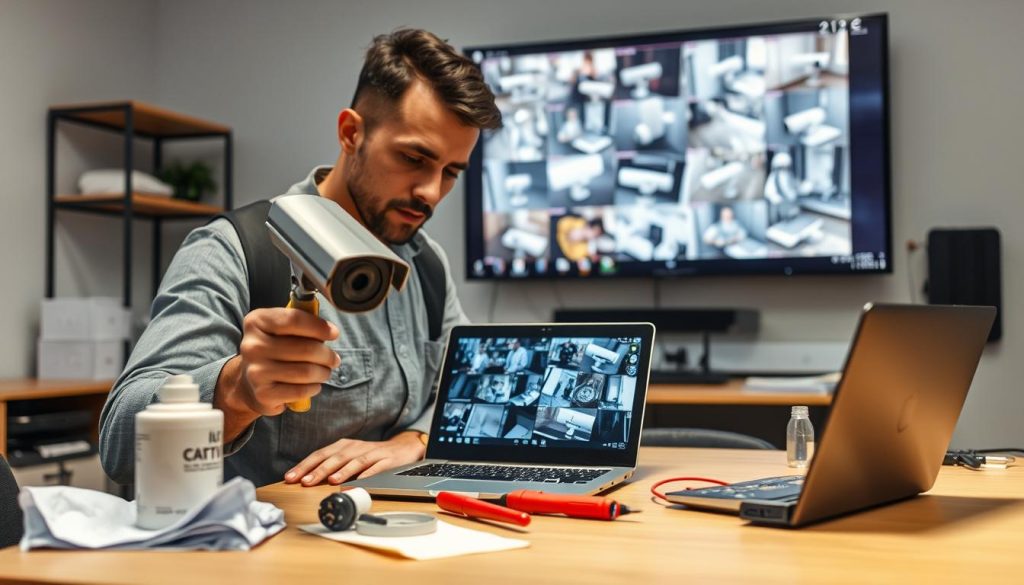
Absolutely yes. Any security investment demands proactive upkeep to remain reliable. Without regular care, your surveillance equipment becomes vulnerable.
Think of your security system as a vigilant guard. It requires attention to stay alert. Neglect can lead to system failure at critical moments.
This leaves your property exposed. Compromised video quality means missed details. Proactive maintenance prevents these security gaps.
Routine checks are not just about fixing problems. They optimize system performance for clear images. Proper care also extends the lifespan of all equipment.
In Singapore’s climate, this regular care is especially crucial. Humidity and dust can affect components quickly. Following a maintenance guide ensures your security investment pays off.
You save money by avoiding major repairs. More importantly, you gain peace of mind. Your surveillance coverage stays sharp and dependable.
Key Takeaways
- Proactive upkeep is non-negotiable for reliable security system operation.
- Neglecting routine checks can lead to system failure and compromised surveillance.
- Maintenance optimizes performance for clearer images and longer equipment life.
- Singapore’s humid, dusty environment makes regular care especially important.
- A proper maintenance schedule prevents costly repairs and enhances security.
- Following a comprehensive guide ensures your investment provides continuous protection.
- Regular servicing delivers peace of mind through dependable surveillance coverage.
Understanding the Critical Role of CCTV Maintenance
A camera left unchecked is a potential blind spot in your security perimeter. This section explains why consistent care is a foundational pillar of effective protection, not a secondary task.
Why Proactive Upkeep is Non-Negotiable for Security
Proactive care stops small problems from becoming big failures. A dusty lens or a loose cable seems minor. Left unfixed, it can escalate into a full system outage during a critical event.
This turns a security asset into a liability. Research supports this approach. Studies indicate regular upkeep can lower malfunction risks by up to 30%.
For a nation like Singapore, with over a million surveillance units in operation, this understanding is vital. Proactive servicing can prevent nearly a third of potential breakdowns.
It ensures your investment actively guards your property, every hour of every day.
The Direct Link Between Maintenance and System Reliability
System reliability is the bedrock of trust in your surveillance. A disciplined care routine builds this unwavering dependability.
Reliability means your feeds are always live and clear. It delivers consistent, high-quality video footage you can count on.
This is crucial for real-time monitoring and for gathering evidence. In a dense urban setting, this steadfast performance is paramount for safety.
Neglecting care directly compromises your security investment’s core purpose. It leaves assets vulnerable when they should be most secure.
A reliable system, maintained with care, provides the peace of mind that is the ultimate return on your security spend.
Do CCTV Cameras Need Maintenance? The Definitive Answer
Security technology, like any complex system, cannot function optimally without periodic attention. The answer to whether surveillance installations require ongoing care is an emphatic yes. This isn’t a matter of preference but a fundamental requirement for reliable protection.
Your surveillance setup represents a significant investment in safety. To safeguard that investment, consistent oversight is non-negotiable. Proper care ensures your equipment delivers on its promise of security every single day.
Debunking the “Set and Forget” Myth
Many property owners operate under a dangerous assumption. They believe once surveillance equipment is installed, it will work flawlessly forever. This “set and forget” mentality creates critical vulnerabilities.
Electronic systems are subject to wear and environmental stress. Connections loosen over time. Dust accumulates on sensitive components like lenses.
Industry data reveals a sobering truth. The majority of surveillance failures stem from two preventable issues. Poor electrical connections and a complete lack of regular upkeep account for most malfunctions.
In Singapore’s humid climate, this neglect accelerates component degradation. Moisture can corrode contacts. Heat affects recording device performance.
Treating your security installation as a static fixture guarantees eventual failure. Proactive servicing is the only way to maintain operational readiness.
How Neglect Directly Compromises Your Security Investment
Ignoring your surveillance setup’s needs has immediate, tangible consequences. The first casualty is usually video quality. Blurry or distorted footage becomes useless for identification purposes.
System downtime during critical events is another common result. When you most need to monitor your property, the feed may be offline. This creates dangerous blind spots in your security coverage.
Missed security incidents represent the ultimate failure. Without clear recording, providing evidence to authorities becomes impossible. The entire purpose of your investment is defeated.
Financially, neglect creates a false economy. Skipping low-cost, routine checks seems to save money initially. This almost always leads to disproportionately expensive repairs later.
Early equipment failure forces premature replacement. What could have been a simple lens cleaning becomes a full camera replacement. These costs quickly surpass years of scheduled servicing.
Recognize these early warning signs of neglected systems:
- Strange buzzing or humming noises from equipment
- Frequent, unexplained system restarts
- Consistently poor recording quality despite adjustments
- Visible dirt or spider webs on camera enclosures
- Flickering feeds or intermittent signal loss
These symptoms indicate your security is already compromised. Addressing them promptly can prevent complete system failure.
Regular upkeep protects both your financial investment and your property’s safety. It ensures your surveillance remains a vigilant guardian, not a decorative fixture. This disciplined approach delivers the peace of mind that justifies the original security expenditure.
What is the Expected Lifespan of a CCTV Camera?
The durability of your monitoring setup directly impacts its long-term value and effectiveness as a security solution. Setting realistic expectations helps you plan budgets and schedule essential care routines.
This timeframe isn’t a guaranteed promise. It represents a typical operational window under ideal conditions. Your specific results will vary based on several critical elements.
Average Lifespan Ranges: From 5 to 10 Years
Industry standards point to a general range of five to ten years for most surveillance equipment. Modern digital and IP-based units often reach the upper end of this spectrum.
Older analog technology typically falls toward the shorter side. The type of hardware you choose makes a significant difference from day one.
This is an expected service life, not an absolute guarantee. Reaching a full decade of operation depends heavily on external variables. Consistent care is what bridges the gap between potential and reality.
Key Factors That Determine How Long Your Cameras Last
Several elements work together to define your system’s operational longevity. Understanding these variables puts you in control of the outcome.
Environmental exposure ranks as a primary concern. Singapore’s climate presents unique challenges with intense heat, high humidity, and frequent rain.
Outdoor units face constant stress from these conditions. Indoor installations generally enjoy a more protected existence.
Initial hardware quality establishes the foundation. Premium components with better seals and materials resist degradation longer. They represent a smarter upfront investment.
Installation standards matter greatly. Proper mounting, weatherproofing, and cable management prevent early failures. A professional setup pays dividends for years.
The most controllable element is your care routine. Research reveals compelling data about proactive servicing.
Studies indicate 85% of surveillance units demonstrate noticeably better performance after thorough cleaning. This simple act extends functional life significantly.
Consider these vital elements that influence durability:
- Climate Stress: Heat, moisture, and salt air accelerate wear on all parts.
- Physical Protection: Proper housing shields sensitive electronics from the elements.
- Power Stability: Consistent, clean electricity prevents surge-related damage.
- Update Frequency: Regular software patches keep digital components running smoothly.
- Cleaning Schedule: Removing dirt, dust, and cobwebs from lenses maintains image clarity.
Outdoor installations demand more frequent attention than indoor ones. Their constant battle with weather justifies additional care checks.
For a detailed exploration of how these factors combine, review this resource on surveillance system longevity.
Regular upkeep stands as the single most powerful tool you possess. It maximizes your return on investment by pushing equipment toward its full potential lifespan. This disciplined approach ensures your property remains protected year after year.
How Often Should You Service Your CCTV System?
Knowing when to service your equipment is as critical as knowing why it’s necessary. A generic answer won’t suffice for the unique demands of your property.
This guide provides a framework to build your personalized upkeep plan. It translates essential care principles into a practical timeline.
Recommended Service Intervals for Different Environments
Start with a baseline schedule. For most setups, a bi-annual professional inspection is a smart minimum.
This means having a technician check your setup every six months. They will verify all critical hardware and software functions.
Pair this with a comprehensive annual audit. This deeper review assesses recording integrity, storage health, and overall system performance.
Don’t wait for professionals for everything. Conduct monthly visual checks yourself. Look for obvious obstructions on lenses or signs of physical damage.
Your specific environment dictates adjustments. A quiet indoor residential unit has far different needs than a bustling outdoor retail site.
For low-traffic indoor areas: Bi-annual professional visits and monthly self-inspections are often adequate. Focus on dust accumulation and software updates.
For high-traffic or outdoor commercial sites: Increase the frequency. Monthly professional checks might be justified for critical assets.
Outdoor units always demand more attention. Singapore’s weather necessitates quarterly checks for exposed equipment.
Factors That Influence Your Specific Maintenance Schedule
Your timeline is not fixed. Several variables should prompt you to adjust service frequency.
Environmental exposure is a primary driver. Coastal properties face salt air corrosion. Industrial sites deal with dust and pollution.
These harsh conditions accelerate wear. They may require cleaning and checks every three to four months.
Area activity and criticality also matter. A high-risk entry point or cash handling area is a priority. Its surveillance must be flawless.
Vandalism risk is another key factor. Frequent checks can deter tampering and catch issues early.
The system’s age and history play a role. Older installations often benefit from more frequent attention. Past performance issues indicate a need for closer monitoring.
Consider these elements when planning:
- Camera Type: PTZ (Pan-Tilt-Zoom) units with moving parts require more frequent lubrication and alignment checks than fixed units.
- Recording Load: Systems recording 24/7 experience more storage wear than those using motion-activated recording.
- Past Issues: Recurring problems with video quality or connections signal a need for a more aggressive schedule.
Tailoring your plan ensures resources are focused where they’re needed most. This proactive approach keeps your entire surveillance network in peak condition.
It guarantees clear footage is always available. You protect your property effectively without wasting time or money.
Recognizing the Signs Your CCTV System Needs Attention
Every piece of surveillance technology communicates its health status through both visible and operational cues. Learning to interpret these signals transforms you from a passive equipment owner into an active security manager.
Early detection prevents minor issues from escalating into major security gaps. This knowledge empowers you to take timely action.
Visual Red Flags: Physical Damage and Obstructions
Regular visual inspections reveal problems before they affect performance. Look for these physical warning signs during routine checks.
Cracks in the housing or dome expose sensitive electronics to Singapore’s humid air. This moisture leads to internal corrosion and circuit board failure.
Rust on mounts or casing indicates prolonged moisture exposure. It weakens structural integrity and can spread to internal components.
Frayed or exposed cables are serious hazards. They risk short circuits and signal loss. Animals or weather often cause this damage.
Dirt buildup on the lens is a common issue. It creates hazy, distorted footage that’s useless for identification. Regular cleaning maintains image clarity.
Spider webs and insect nests block the field of view. They also indicate the unit isn’t being monitored regularly.
Water accumulation inside housings suggests failed seals. This urgently needs professional attention to prevent permanent damage.
Spotting physical deterioration early allows for simple repairs. Waiting often leads to complete unit replacement.
Performance Warnings: From Blurry Footage to System Failures
Operational symptoms often point to deeper hardware or software issues. These warnings require immediate investigation.
Persistently blurry or pixelated images suggest lens problems or focus issues. It could also mean the sensor is failing.
Choppy, lagging live feeds indicate bandwidth or processing limitations. This often happens with outdated equipment or network congestion.
Unexpected system reboots signal power supply instability or overheating components. They create dangerous recording gaps.
Failure to record motion events defeats the entire purpose of surveillance. This usually stems from incorrect settings or sensor failure.
Error messages on your recorder demand attention. They often warn about storage problems or software conflicts.
Complete signal loss from a unit means broken connections or power failure. This creates a blind spot in your security coverage.
Connect these performance issues to their likely causes:
- Blurry video: Dirty lens, misalignment, or failing image sensor
- Intermittent feeds: Loose cables, network issues, or power fluctuations
- Recording failures: Full storage, corrupted software, or incorrect settings
- System alerts: Overheating, hardware conflicts, or firmware bugs
Noticing these signs early is the key to preventing cascading failures. A single unclear camera can compromise your entire security posture.
Take immediate action when you observe any warning. Simple cleaning might restore clarity. Other times, professional service is essential.
This diagnostic approach keeps your protection active and reliable. It ensures your investment continues guarding your property effectively.
The Tangible Benefits of Regular CCTV Maintenance
Investing time in systematic upkeep yields concrete returns that directly enhance your property’s protection and your financial bottom line. This disciplined approach transforms routine care from a chore into a strategic advantage.
You gain measurable improvements in operational effectiveness. These benefits compound over time to deliver outstanding value.
Enhanced Image Quality and Surveillance Coverage
Clear visual evidence forms the foundation of any effective security strategy. Routine care directly impacts what your surveillance equipment captures.
Dust, dirt, and environmental grime accumulate on lenses and sensors. This buildup gradually degrades video clarity. Regular cleaning restores optimal light transmission and sharpness.
Proper alignment ensures each unit covers its intended field of view. This eliminates blind spots in your monitoring network. You maintain complete visual oversight of all critical areas.
Consider these essential practices for superior footage:
- Lens maintenance: Gentle cleaning with appropriate materials prevents scratches and maintains optical clarity.
- Sensor care: Keeping imaging sensors free from debris ensures accurate color reproduction and detail.
- Housing inspection: Checking seals and enclosures prevents internal fogging and moisture damage.
- Angle verification: Confirming proper positioning guarantees intended coverage areas remain monitored.
High-resolution images enable positive identification of individuals and events. This quality is non-negotiable for evidence collection and real-time monitoring.
Preventing Costly Security Breaches and Equipment Failure
Proactive servicing acts as your first line of defense against system vulnerabilities. It identifies potential points of failure before they’re exploited.
Small issues like loose connections or software glitches can escalate rapidly. During a critical incident, these weaknesses become catastrophic. Scheduled inspections catch and resolve them during calm periods.
This preventative approach saves significant money over time. Emergency repairs typically cost three to five times more than planned servicing. Complete system replacements represent an even larger financial burden.
Beyond financial savings, consistent upkeep prevents security lapses. A functioning surveillance network deters criminal activity. It provides reliable evidence when incidents occur.
Industry analysis shows properties with maintained security systems experience 40% fewer security-related incidents than those with neglected setups.
Your vigilance in upkeep directly translates to reduced risk. It protects both physical assets and financial resources.
Maximizing Your Return on Investment Through Longevity
Your surveillance infrastructure represents a substantial capital expenditure. Extending its operational life maximizes the value extracted from that initial outlay.
Well-maintained components routinely surpass their expected service life. This delays expensive replacement cycles. You continue benefiting from your original investment for additional years.
This longevity delivers a superior return on investment. The math is compelling when you compare servicing costs against new equipment prices.
Key components that benefit most from consistent care include:
- Recording devices: Regular software updates and storage management prevent data corruption and hardware strain.
- Power supplies: Voltage checks and connection tightening prevent surge damage and unexpected shutdowns.
- Network infrastructure: Maintaining cables and switches ensures stable data transmission between all units.
- Environmental housings: Preserving weatherproofing protects sensitive electronics from Singapore’s humid climate.
Think of upkeep as a smart investment that protects a larger investment. The modest, planned expense of servicing safeguards your entire security infrastructure.
This strategic perspective transforms maintenance from a cost center into a value multiplier. Your property remains protected while your budget remains efficient.
Your Essential CCTV Maintenance Checklist
Now I’s
Common CCTV Maintenance Issues and How to Troubleshoot Them
Understanding how to diagnose and resolve frequent issues keeps your monitoring network running smoothly. This guide covers the most common problems property owners face.
You will learn practical first steps to restore your system performance. We’ll also show you when a problem requires expert help.
Solving Camera Lens Problems: Dirt, Fog, and Misalignment
Visual problems often start at the lens. Dirt, dust, or water spots are the usual suspects for blurry images.
For safe cleaning, use a soft, microfiber cloth. A gentle lens cleaning solution can remove stubborn grime. Never use abrasive materials that scratch the glass.
Internal fogging points to a broken seal. Moisture gets inside the housing in Singapore’s humid air. Check the rubber gaskets around the casing for cracks or gaps.
If fog is persistent, anti-fogging strips inside the housing can help. For a camera that’s looking the wrong way, gentle realignment is key.
Loosen the mounting bracket just enough to reposition the unit. Tighten it firmly back into place. Always verify the new view on your monitor.
A slightly misaligned unit creates a blind spot. Taking five minutes to correct it restores full surveillance coverage.
Fixing Wiring and Connectivity Issues for Stable Feeds
Intermittent or lost feeds usually mean a connection problem. Start by checking the physical cables and connections.
For traditional systems, ensure BNC connectors are tight and secure. For modern IP systems, check the Ethernet cable at both the camera and the switch.
Look along the cable run for any visible damage. Crimps, cuts, or chew marks from pests can break the signal. Exposed wires are a serious hazard and need immediate replacement.
If the physical wiring looks good, reboot your network equipment. Restarting the router or network switch often resolves an IP camera feed drop.
This clears any temporary glitches in data transmission. Your footage should return once the devices reboot.
Addressing Power Supply and Recording Failures
When a unit is completely dead, check the power first. Verify the power adapter is plugged in and the outlet is working. Test with another device if possible.
For PoE (Power over Ethernet) systems, test the injector or switch port. Try connecting a different, known-working device to the same port.
Recording failures are another critical issue. First, check your recorder’s available storage space. Full hard drives stop new recording automatically.
Review the recording settings. Make sure the schedule is correct and motion detection is active if used. A simple settings error can stop video capture.
If the unit powers on but isn’t recording, a software reboot of the recorder can help. This resets the processes that manage data writing.
These are common solutions for typical issues. For complex problems like replacing long buried cables or internal component failure, call a professional.
Quick troubleshooting minimizes downtime. It keeps your security system vigilant and your property protected.
Creating and Sticking to a Proactive Maintenance Schedule
To ensure your security investment pays off, you must move from theory to a practical, repeatable action plan. A well-defined schedule is the tool that makes consistent upkeep a habit, not an afterthought.
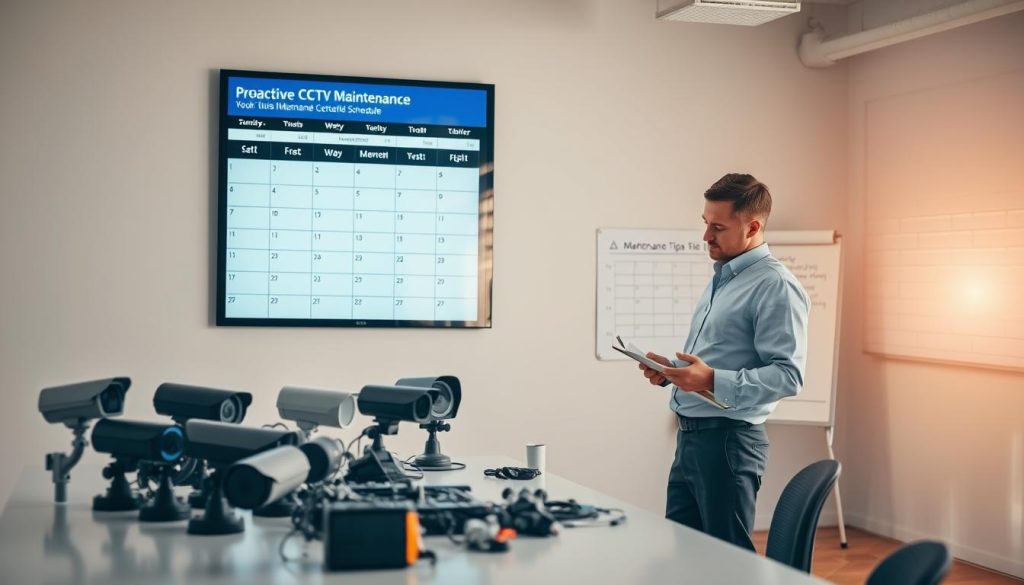
This transforms good intentions into reliable protection. Your property deserves this disciplined approach.
Building a Custom Schedule Based on Your System’s Needs
Your surveillance setup is unique. Its care plan should be too. Start by reviewing the factors that shape your requirements.
Consider the installation environment first. An outdoor unit facing the street needs more frequent attention than an indoor lobby camera. Singapore’s weather demands a vigilant plan for exposed equipment.
Next, assess the type of hardware. Fixed domes have different care needs than PTZ models with moving parts. Your schedule must account for these variations.
Create a simple calendar or spreadsheet. Assign specific tasks to specific weeks or months. This visual plan removes guesswork.
Here is a framework to build your personalized timeline:
- Daily/Weekly: Quick visual verification of live feeds for any obvious issues.
- Monthly: Self-inspection for lens obstructions, housing damage, and cable integrity.
- Quarterly: Professional service for outdoor units or high-traffic areas, including thorough cleaning and connection checks.
- Bi-Annually: Comprehensive professional audit for all components, including software updates and storage health reviews.
- Annually: Full system diagnostic and performance report.
Adjust these frequencies based on your specific risk assessment and past performance data.
Utilizing Logs and Reminders for Consistent Upkeep
Documentation is your ally. A maintenance log turns sporadic actions into a coherent history. This record is invaluable for tracking trends and planning budgets.
Your log should note each service date, the specific actions taken, and any parts replaced. Also, record persistent issues that need monitoring. This data helps predict future needs.
Set up digital reminders to ensure no interval is missed. Use phone calendars, project management tools, or dedicated facility software. Automated alerts are crucial for busy managers.
A simple log entry can prevent a major repair. Noting a slightly loose connection today avoids a complete signal loss tomorrow.
Finally, assign clear responsibility. Who executes the monthly visual check? Who contacts the professional service provider? Define these roles for accountability.
This could be a dedicated staff member, your security team, or a contracted expert. Clarity here ensures the plan is executed, not just written.
Consistency is the ultimate goal. A well-planned schedule with reminders and logs transforms proactive care from an idea into your property’s standard operating procedure. This discipline guarantees your surveillance remains a vigilant guardian.
When to Call the Professionals: CCTV Maintenance Services in Singapore
For certain critical tasks, the expertise of a certified technician is not just helpful—it’s essential. Knowing this boundary protects your investment and ensures complex work is done safely.
Routine visual inspections and basic cleaning are often manageable. When issues involve internal components, complex wiring, or system-wide configuration, a professional service is the wise choice.
What to Expect from a Professional CCTV Service Visit
A qualified technician does much more than just wipe a lens. They conduct a comprehensive health check of your entire surveillance setup.
This starts with advanced diagnostic testing. They use specialized tools to check signal strength, power stability, and data throughput.
Internal cleaning of housings and sensitive components is a standard procedure. They also perform crucial firmware upgrades and software optimization.
Your storage devices receive a thorough health check. This ensures your video footage is being recorded properly and isn’t at risk of corruption.
The final deliverable is a detailed written report. This document outlines the system’s current state, any actions taken, and recommendations for improvements.
You should call a professional for these specific scenarios:
- Complex wiring faults or recurring signal loss that basic troubleshooting can’t fix.
- Persistent system errors or software glitches that cause crashes.
- Replacement or realignment of units mounted at significant height.
- Integrating new technology with your existing surveillance equipment.
- Conducting the mandatory annual or bi-annual comprehensive audit.
Experts recommend at least one professional audit per year. For high-risk commercial areas or harsh environments, quarterly checks are advisable.
Choosing the Right Service Provider: Expertise and Reliability
Selecting a partner is a decision that impacts your property’s long-term safety. Not all service companies offer the same level of care and expertise.
Look for providers with relevant industry certifications. These credentials demonstrate formal training and a commitment to standards.
Always check online reviews and ask for references. A reliable provider will have a track record of satisfied clients in Singapore.
Ensure they offer clear service contracts. This agreement should define the scope of work, response times, and pricing.
Local knowledge is invaluable. A provider familiar with Singapore’s humid climate and common urban installation challenges can offer better, more durable solutions.
Use this checklist when vetting potential partners:
- Do they hold certifications from major equipment manufacturers?
- Can they provide examples of detailed maintenance reports?
- Do they offer proactive advice on upgrades, not just reactive fixes?
- Are they insured for work conducted on your property?
- Do they understand local data protection regulations relevant to surveillance?
The right provider acts as a long-term partner for your security infrastructure. They help you avoid costly downtime and extend the life of your equipment.
This partnership ensures your surveillance remains a vigilant and high-performing asset for years to come.
Understanding the Costs: Budgeting for CCTV Maintenance
A clear budget for upkeep transforms your surveillance from a capital expense into a reliable, long-term asset. Smart financial planning removes guesswork and ensures your protection remains active.
Viewing this as an essential operational cost is key. It safeguards your initial investment and prevents nasty financial surprises down the road.
Breaking Down Typical Service Costs in Singapore
Understanding local pricing helps you plan effectively. For a basic setup, installation can range from SGD 500 to SGD 1,500.
Ongoing professional care is a separate, predictable line item. Annual contracts for regular maintenance typically fall between SGD 300 and SGD 600.
This fee usually covers scheduled visits, labor, and a basic parts allowance. Technicians perform checks, clean lenses, and verify all connections.
They also update software and provide a detailed health report. This proactive approach is far more cost-effective than waiting for a failure.
Evaluating Long-Term Savings vs. Reactive Repair Bills
Comparing planned servicing to emergency fixes reveals the true value. A scheduled visit addresses small issues before they escalate.
Reactive repairs are different. They are urgent, unpredictable, and often much more expensive.
The cost of a single major component failure or emergency call-out can easily surpass three years of scheduled maintenance fees.
Think of your yearly budget as insurance for your security system. It preserves video quality and system performance.
This disciplined spending avoids business losses from security gaps. It also delays the massive cost of a full system replacement.
Setting aside funds is a strategic financial decision. It protects your property and your wallet from much larger, unforeseen expenses.
Maintenance Considerations for Different CCTV System Types
Not all security installations share identical upkeep needs—their design and location dictate specific care protocols. A one-size-fits-all approach leaves gaps in your protection strategy.
Your equipment’s technology and environment shape its service requirements. Understanding these differences ensures each component receives appropriate attention.
This tailored thinking maximizes reliability across your entire monitoring network. It addresses the unique vulnerabilities of each setup type.
Specific Care for Wired vs. Wireless CCTV Systems
Traditional wired installations demand constant vigilance over physical infrastructure. The cabling forms the system’s circulatory system, carrying both power and data.
Regularly inspect all conduits and connectors for wear or damage. Look for cracks in protective sheathing and corrosion on metal contacts.
Loose connections are a common failure point in these setups. Tighten them during scheduled checks to prevent signal degradation.
Wireless units eliminate many cable concerns but introduce new dependencies. Their reliability hinges on consistent power and strong network connectivity.
Battery-powered models require strict power management routines. Track replacement schedules and monitor voltage levels through your monitoring software.
Signal strength verification is crucial for wireless performance. Use network tools to check for interference from other devices.
Your router and switches need regular firmware updates too. These network components are as vital as the cameras themselves for wireless systems.
Environmental Challenges in Singapore’s Climate
Singapore’s tropical conditions accelerate wear on outdoor surveillance equipment. High humidity is the primary adversary for electronic components.
Moisture penetrates imperfect seals, causing condensation inside housings. This leads to lens fogging and internal corrosion over time.
Intense UV radiation degrades plastic casings and fades infrared filters. Regular inspection for brittleness or discoloration is essential.
Frequent heavy rain tests waterproofing claims to their limits. Ensure drainage channels around mounted units remain clear of debris.
Coastal properties face additional salt air corrosion that attacks metal mounts and connectors twice as fast as inland locations.
Implement these specific actions for tropical climate resilience:
- Increase cleaning frequency to remove moisture-trapping dirt and salt residue from all surfaces.
- Check for early rust formation on brackets, screws, and junction boxes during monthly inspections.
- Verify IP ratings match the installation environment—IP66 or higher for fully exposed outdoor positions.
- Apply protective sprays designed for electronics on connectors to inhibit corrosion.
- Monitor internal humidity with sensors if available, especially for critical surveillance points.
Selecting equipment rated for tropical use reduces long-term upkeep burdens. Look for housings with enhanced UV resistance and anti-corrosion coatings.
Climate-appropriate choices from the start mean fewer repairs later. Your surveillance investment stays vigilant despite environmental pressures.
Ensuring Your Surveillance System Stays Vigilant for Years to Come
Transforming your security from an expense into a resilient asset demands a disciplined routine. The answer is clear: consistent, proactive care is non-negotiable.
This commitment unlocks optimal system performance and clear footage. It is a cost-effective strategy that prevents major losses and extends your equipment’s life.
You gain unwavering peace of mind, knowing your property is protected day and night. By implementing a schedule, you take full control of your security posture.
Start by budgeting for this essential care. Then, commit to the checks and cleaning outlined in this guide.
Your vigilance today builds a foundation of security for years to come. Make regular upkeep the cornerstone of your protection plan.