
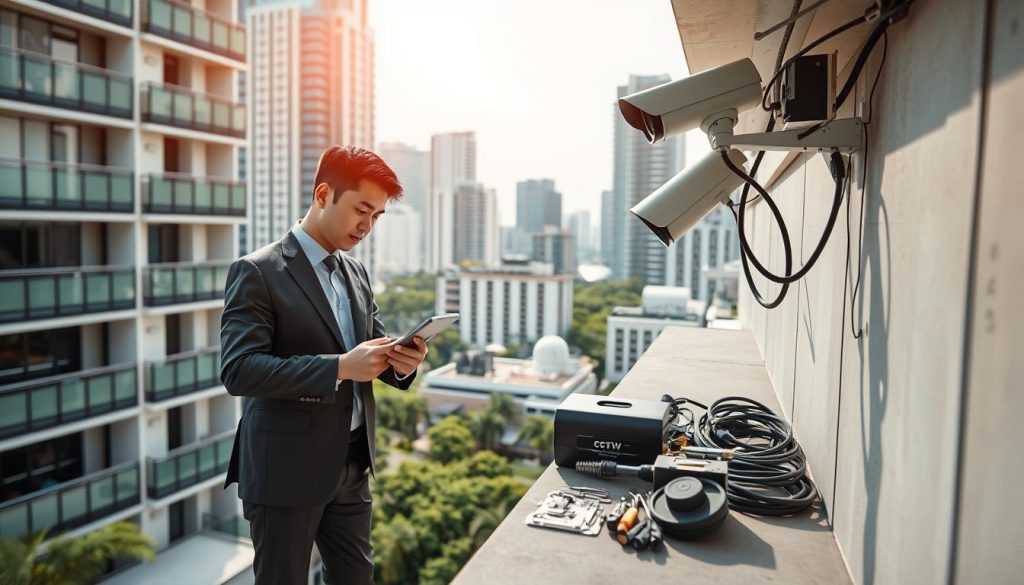
Security cameras have become increasingly popular among Singapore residents and business owners. Many people want to protect their properties with surveillance systems.
Understanding the legal requirements for camera installation is crucial. Regulations differ between residential and commercial properties. They also vary based on camera placement and type.
This comprehensive guide covers everything you need to know about surveillance system regulations. It addresses both HDB flats and private residences. Business owners will find specific information about compliance requirements.
Recent regulatory changes affect how cameras can be installed. Privacy concerns and neighbor relations are important considerations. Proper placement helps avoid disputes while maintaining security.
For professional installation services, check our guide on CCTV licensing requirements. This ensures you work with qualified providers following Singapore’s regulations.
Key Takeaways
- Singapore has specific regulations governing surveillance camera installation
- Requirements differ between residential and commercial properties
- HDB flats and private residences have distinct rules for camera placement
- Businesses must comply with PDPA regulations for commercial surveillance
- Proper camera placement helps maintain privacy and avoid neighbor disputes
- Professional installers must hold proper licensing under Singapore law
- Recent regulatory changes may affect your installation plans
Do We Need Permit to Install CCTV in Singapore? The Direct Answer
Singapore’s approach to surveillance systems balances security needs with privacy protection. The answer depends on several factors including location and property type.
Property owners must understand the distinction between indoor and outdoor monitoring. This knowledge helps ensure compliance with local laws.
Indoor vs. Outdoor Installation Rules
Indoor surveillance typically faces fewer restrictions. Cameras placed inside private residences generally don’t require formal approval.
Outdoor installations present different considerations. Monitoring public areas or common spaces usually requires official permission.
Recent policy updates have simplified certain procedures. HDB residents now enjoy streamlined processes for corridor-facing devices.
Key Governing Bodies and Regulations
Multiple authorities oversee surveillance systems in Singapore. Each plays a distinct role in the regulatory framework.
- Urban Redevelopment Authority (URA): Manages aesthetic and planning aspects of exterior installations
- Housing & Development Board (HDB): Governs regulations for public housing residents
- Personal Data Protection Commission (PDPC): Ensures compliance with data protection standards
Business operations face additional requirements under the Personal Data Protection Act. Commercial establishments must follow strict guidelines regardless of camera placement.
“Proper compliance ensures both security and privacy are maintained effectively.”
Understanding these distinctions helps avoid potential penalties. Non-compliance can result in fines reaching $5,000 under Singapore laws.
Property type significantly influences approval requirements. HDB flats, condominiums, and landed properties each have specific regulations.
This guidance helps determine specific permit needs based on individual circumstances. Always verify current requirements before proceeding with any installation.
Understanding Singapore’s CCTV Legal Framework
The legal parameters governing surveillance camera usage in Singapore center around two primary legislative pillars. These laws create a balanced approach to security and privacy concerns.
Property owners must navigate this dual regulatory environment carefully. Understanding both acts ensures proper system implementation.
The Role of the Personal Data Protection Act (PDPA)
The PDPA primarily regulates organizations and business entities. It governs how they collect, use, and disclose personal information.
This protection act establishes clear obligations for commercial surveillance. Businesses must follow strict data protection standards when monitoring areas.
Key requirements include obtaining consent and providing proper notification. Companies must also ensure they have reasonable purposes for data collection.
The act applies differently to various areas within business premises. Publicly accessible spaces face stricter regulations than restricted zones.
The Community Disputes Resolution Act (CDRA)
The CDRA addresses neighbor relations and property enjoyment issues. It prevents surveillance that interferes with others’ peaceful living.
This legislation defines neighbors as anyone within the same building. It also includes residents living within 100 meters of your property.
The Community Disputes Resolution Tribunal handles related complaints. They can order camera removal, adjustments, or compensation up to $20,000.
Proper compliance with both acts ensures lawful surveillance operation. Understanding these laws helps maintain good community relations while protecting security interests.
The framework balances security needs with personal data protection rights. It requires proportional surveillance measures appropriate to each situation.
CCTV Installation Rules for Homeowners and Residences
Homeowners face different compliance requirements depending on their housing type and camera placement. Each residential category follows specific regulatory frameworks.
Understanding these distinctions helps ensure lawful surveillance implementation. Proper adherence prevents potential disputes with neighbors or authorities.
Guidelines for HDB Flats and Common Corridors
HDB residents benefit from simplified regulations introduced in May 2023. Flat owners no longer need approval for corridor-facing cameras installed from within their units.
Despite this relaxation, strict privacy protections remain. Cameras must not point directly at neighbors’ doors or windows.
Common corridors and exterior spaces require different consideration. These areas fall under Town Council jurisdiction, needing formal approval for installations.
Rules for Condominiums and Private Apartments
Condominium residents must consult their Management Corporation Strata Title rules. These regulations vary significantly between different developments.
MCST guidelines typically specify approval requirements and installation conditions. They often outline permitted duration for surveillance systems.
Residents should review their development’s specific bylaws before proceeding. This prevents potential violations of community regulations.
Installing CCTV on Landed Property
Landed property owners enjoy the most installation freedom. They can typically place cameras anywhere within their compound without restrictions.
This flexibility comes with responsibility. All installations must respect the Community Disputes Resolution Act requirements.
Proper camera placement focuses on your own entrance areas. This approach maintains security while avoiding neighbor conflicts.
Homeowners should anticipate potential concerns from nearby residents. Being prepared to adjust installations helps maintain positive community relations.
“Understanding property-specific rules ensures effective security without regulatory violations.”
These guidelines help homeowners implement surveillance systems appropriately. Following them prevents disputes while maintaining property protection.
Navigating the Town Council Approval Process
Singapore’s municipal framework establishes clear protocols for exterior surveillance installations. HDB residents must follow specific steps when monitoring common areas outside their flats.
The authorization pathway begins with documented security concerns. This structured approach ensures legitimate needs while protecting community privacy.
Step 1: Filing a Necessary Police Report
Residents must first report incidents justifying surveillance needs. This documentation demonstrates specific security concerns rather than general precautions.
The police report serves as essential supporting evidence. It validates your application with official incident records.
Step 2: Submitting a Formal Request to Your Town Council
Step two involves emailing your specific Town Council office. Include the police report as an attachment with your formal request.
Different Town Councils may have slight variations in their submission requirements. Always verify specific procedures with your local office.
Step 3: Understanding Temporary Permits and Renewals
Successful applicants receive temporary permits valid for up to six months. This reflects the time-limited nature of security approvals.
The approval process typically takes one to two weeks. Notification usually arrives electronically once decisions are reached.
After permit expiration, residents must completely remove cameras or submit fresh applications. Failure to remove equipment violates Town Council by-laws.
“Proper documentation and timely renewals prevent compliance issues and maintain community harmony.”
Non-compliance can result in fines reaching $5,000. Understanding this structured approach helps navigate bureaucracy efficiently.
Following these requirements ensures compliance with HDB regulations while addressing legitimate security needs.
Smart Doorbells, Peephole Cameras, and Audio Recording
Singapore residents now have multiple options beyond conventional security cameras. These modern devices offer enhanced features while presenting different regulatory considerations.
Smart doorbells and peephole cameras provide video and audio capabilities. They serve as popular alternatives to traditional surveillance systems.
HDB’s Stance on Less Intrusive Devices
The Housing Board generally views these devices as less intrusive than standard cameras. This perspective leads to more flexible regulations for homeowners.
Installation inside private units typically doesn’t require approval. This applies to both indoor cameras and devices mounted on doors.
Peephole cameras installed directly on doors are considered part of the private unit. They don’t need special authorization from authorities.
Despite their less intrusive nature, these devices must respect neighbor privacy. They should avoid capturing private spaces beyond your property.
When Town Council Approval Is Still Required
Mounting devices in common areas still requires formal approval. This includes exterior walls and shared spaces outside your unit.
Specific Town Councils like Ang Mo Kio have clear requirements. They mandate approval for both traditional cameras and smart doorbells in public areas.
Audio recording introduces additional legal considerations. Singapore laws regulate audio surveillance differently than video monitoring.
Residents should remain mindful that neighbors can file complaints. Devices perceived as excessively intrusive may lead to disputes.
“Understanding device distinctions helps homeowners choose appropriate security technology that balances effectiveness with compliance.”
These guidelines help residents implement modern security solutions properly. For more about choosing the right security technology, consult our comprehensive guide.
Proper placement and consideration prevent potential conflicts. They ensure your surveillance setup remains both effective and lawful.
Critical Privacy Laws and Avoiding Neighbor Disputes
Maintaining good community relations while securing your property requires careful consideration of privacy regulations. Singapore’s legal framework emphasizes balancing security needs with respect for personal boundaries.
Understanding these regulations helps prevent conflicts while ensuring your surveillance system remains effective. Proper implementation addresses both security and privacy concerns appropriately.
Respecting Your Neighbor’s Enjoyment of Their Property
The Community Disputes Resolution Act establishes clear boundaries for residential surveillance. This legislation protects residents’ right to peaceful enjoyment of their homes.
Cameras must focus primarily on your own unit’s entrance areas. Avoid monitoring neighboring doors, windows, or private spaces beyond your property line.
Even legally installed systems can create discomfort if they appear intrusive. Proactive communication with neighbors often prevents misunderstandings before they escalate.
Proper Camera Placement and Angle Guidelines
Strategic positioning minimizes privacy concerns while maintaining security effectiveness. Angle adjustments help avoid capturing adjacent properties unnecessarily.
Focus surveillance on areas directly relevant to your security needs. Common spaces and neighboring properties should remain outside the camera’s field of view.
Clear signage promotes transparency about surveillance activities. Notices should indicate camera locations and contact information for privacy inquiries.
Potential Penalties Under the CDRA
The Community Disputes Resolution Tribunal handles formal complaints regarding surveillance systems. This body can order various remedies to address privacy violations.
Possible penalties include compensation awards reaching $20,000. The tribunal may also mandate camera removal or installation adjustments.
Neighbors have multiple complaint avenues including HDB, Town Council, or direct CDRA procedures. Understanding these potential consequences helps ensure compliant surveillance practices.
“Proper camera placement and respectful implementation maintain security while preserving community harmony and privacy rights.”
These guidelines help residents implement effective security measures without violating privacy protections. Following them ensures your surveillance system remains both lawful and community-friendly.
Business CCTV Installation: PDPA Compliance Essentials
Business surveillance in Singapore operates under a specialized legal regime that differs significantly from residential monitoring rules. Commercial establishments must navigate the Personal Data Protection Act’s comprehensive framework.
This legislation establishes clear obligations for organizations collecting visual data. Understanding these requirements ensures both security effectiveness and legal compliance.
Consent, Notification, and Signage Requirements
The PDPA mandates proper consent before collecting any personal data through surveillance. Clear signage at entrances typically fulfills this obligation through implied consent.
Notification requirements are satisfied by visible indicators of monitoring activities. Signs should specify the surveillance’s purpose and contact information.
Proper placement ensures adequate public awareness. This transparency maintains trust while meeting legal standards under the data protection act.
The “Reasonable Purposes” Obligation for Surveillance
Businesses must demonstrate legitimate needs for their surveillance scope. The monitoring intensity should match specific security requirements.
Excessive coverage beyond necessary areas violates PDPA principles. Camera placement should focus on vulnerable zones rather than general monitoring.
This proportionality requirement protects individual privacy rights. It ensures surveillance serves genuine business needs rather than indiscriminate observation.
Handling Footage Access and Deletion Requests
Individuals retain rights to access footage containing their personal data. Organizations must respond within reasonable timeframes to legitimate requests.
Businesses may charge appropriate fees for access provision. This particularly applies when editing is needed to protect others’ privacy.
Data retention policies must align with original collection purposes. Footage should be deleted once the security need is fulfilled.
Organizations can retain material if still required for legal or business purposes. This exception balances individual rights with legitimate organizational needs.
“Effective protection of stored footage prevents unauthorized access while maintaining PDPA compliance.”
Implementing proper security measures safeguards the cctv system‘s data integrity. This comprehensive approach ensures full compliance with Singapore’s data protection act.
The Mandatory Licensing and Registration Procedure
Singapore maintains strict oversight of surveillance system implementation through comprehensive licensing frameworks. These measures ensure professional standards and regulatory compliance across all installations.
The Private Security Industry Act establishes clear mandates for service providers. This legislation protects consumers while maintaining industry quality standards.
Documents Required for a Successful Application
Property owners must prepare specific documentation for surveillance system registration. These materials demonstrate legitimate installation purposes and compliance readiness.
Required documents typically include:
- Valid identification proof for the property owner or tenant
- Documentation establishing property ownership or tenancy rights
- Detailed system specifications and technical information
- For businesses: PDPA compliance documentation and purpose statements
Application complexity determines additional documentation needs. Complex commercial setups often require more extensive supporting materials.
Who Can Legally Install Your CCTV System
The law explicitly restricts surveillance installation to licensed professionals. Only Security Service Providers holding valid licenses can perform these services.
Homeowners cannot legally install cameras themselves without proper licensing. This requirement ensures technical competence and regulatory knowledge.
Professional installers must demonstrate qualifications through official licensing. Their credentials validate understanding of Singapore’s surveillance regulations.
Working with licensed professionals guarantees compliance with technical standards. It also ensures proper implementation of legal requirements.
Timeline and Process for Official Approval
Approval timelines vary significantly based on application type and complexity. Simple residential applications may process within days.
Complex commercial installations can require several weeks for full approval. Complete documentation submission accelerates the review process.
Approval duration differs by property category:
- HDB approvals typically grant temporary permission for up to six months
- Landed properties enjoy more flexible registration requirements
- Condominium installations follow MCST-specific timelines and conditions
Business applications face additional review stages for PDPA compliance. These ensure legitimate surveillance purposes and proper data handling protocols.
“Proper licensing ensures surveillance systems meet both technical standards and legal requirements, providing peace of mind for property owners.”
The registration process validates installer qualifications and system compliance. Following these procedures guarantees lawful and effective security implementation.
Ensuring Your Security Setup Is Lawful and Effective
A properly implemented surveillance system offers protection while respecting legal boundaries. Regular reviews of camera placement maintain ongoing adherence to privacy regulations.
Businesses should establish clear retention policies for cctv footage. Proper documentation of approvals provides protection if disputes arise.
Understanding penalty structures highlights compliance importance. Fines reach $5,000 for residential violations and $10,000 for business breaches.
Professional install cctv services ensure technical compliance. They implement regulatory requirements correctly from the start.
Staying informed about changing surveillance laws is crucial. Effective security balances capability with respectful implementation.
Periodic system audits identify potential privacy issues early. They help avoid formal complaints about your cctv footage collection.
Maintaining proper compliance measures creates peace of mind. Your system protects property without creating legal vulnerability.
You may need approval for certain monitoring situations. Always verify current requirements before adjusting your install cctv setup.