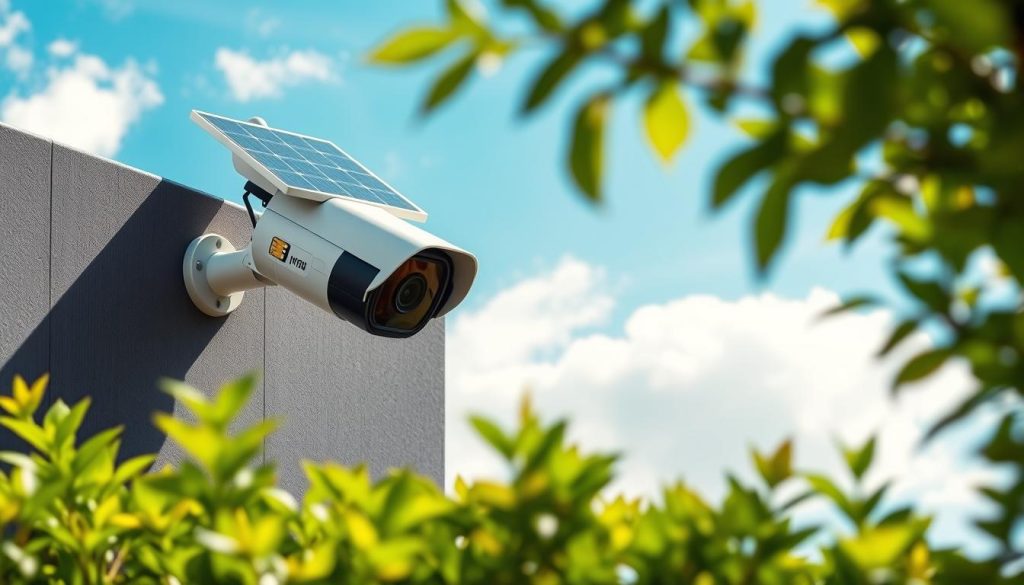
Keeping an eye on your property just got easier. A new type of surveillance system combines two key technologies for total independence.
It uses the sun’s energy to run and a cellular network to send data. This means no wires for power and no need for a Wi-Fi connection.
In Singapore, these units are gaining traction. People want reliable protection that also saves on energy costs. The tropical climate provides plenty of sunlight to keep them charged.
The main benefit is freedom from the electrical grid. You can place a unit anywhere, from a garden shed to a remote worksite. This flexibility solves many common monitoring challenges.
Real-time alerts and live video feeds are possible over 4G LTE. This strong connectivity ensures you are always informed, day or night.
This guide will help you understand the essential features. We will cover benefits, top brands, setup tips, and maintenance. Our goal is to help you find the right solution for your specific needs.
Key Takeaways
- These surveillance systems operate completely off-grid using solar panels and cellular data.
- They are a popular, energy-efficient choice for property monitoring in Singapore.
- Key advantages include installation flexibility and lower long-term operating costs.
- 4G LTE connectivity provides reliable, real-time remote viewing and alerts.
- This guide is designed to help homeowners and business owners make a smart purchase.
- Understanding your specific surveillance needs is the first step to choosing the right system.
Introduction to Off-Grid Surveillance Solutions
Imagine a monitoring system that works anywhere, completely free from the constraints of power outlets and internet routers. This is the promise of off-grid surveillance.
Off-grid surveillance refers to a security monitoring setup that operates independently. It does not rely on the main electrical grid or wired internet connections for its core functions.
In Singapore and similar urban environments, certain locations present unique challenges. Remote construction sites, vast agricultural land, and areas with unreliable power make traditional setups impractical.
Conventional wired CCTV systems struggle here. They involve high installation costs for trenching and wiring. They are also vulnerable to outages, cutting off your monitoring when you need it most.
The solution integrates two key technologies. First, a solar panel harvests solar power to provide a renewable energy source. This ensures continuous operation without drawing electricity from the grid.
Second, cellular connectivity handles data transmission. A SIM card inside the unit uses mobile networks to send video. This bypasses the need for a local Wi-Fi signal entirely.
These solutions are perfect for real-world applications. They monitor farmlands for trespassers. They secure temporary festival sites. They watch over highways and forests where running cables is uneconomical.
This approach provides a practical and cost-effective answer. It enables reliable security cameras to be deployed in previously impossible areas.
Adopting this technology is a strategic move. It builds a resilient and flexible surveillance infrastructure. This infrastructure can adapt to various terrains and needs. For a closer look at a leading example of this technology, explore our detailed review of a solar security camera with SIM card.
Why Choose a Solar-Powered Security Camera with SIM Card?
For homeowners and business operators alike, achieving constant vigilance without complex infrastructure is a top priority. This technology offers distinct advantages that address common concerns about reliability, expense, and placement.
Three core benefits stand out. They provide true energy autonomy, function flawlessly in isolated areas, and offer significant long-term savings.
Energy Independence and Environmental Benefits
These surveillance units harness renewable solar power directly. This drastically cuts reliance on grid electricity.
Your monthly power bills see a noticeable reduction. More importantly, you actively lower your property’s carbon footprint.
The system creates a self-sustaining cycle. A photovoltaic solar panel charges an integrated battery during the day.
This stored energy keeps the device running through the night and during cloudy periods. Leading brands like Hikvision design systems that can operate for up to seven days without direct sunlight.
Models from companies like Arlo take this further. Some offer an incredible twelve months of battery life on a single charge, supplemented by solar power.
This makes solar-powered security a genuinely green solution. It’s a practical step towards more sustainable property monitoring.
Ideal for Remote and Off-Grid Locations
The combination of solar and cellular connectivity is a game-changer for difficult locations. It completely bypasses the need for nearby electrical outlets and Wi-Fi routers.
Running wiring to a remote site is often impractical or prohibitively expensive. This solution eliminates that entire challenge.
Think about securing a rural farmland from trespassers. Or monitoring equipment at a temporary construction site.
Even a holiday home that sits empty for long periods can be watched effectively. The device works anywhere with adequate sunlight and cellular reception.
Deployment is about choosing the spot with the best view, not the closest power source. This flexibility is perhaps its greatest strength for many use cases in Singapore.
Cost-Effective Operation and Installation
The financial benefits are compelling and work on two fronts: installation and ongoing operation.
First, setup is streamlined. There’s no need for expensive trenching to lay power cables or data lines.
This can save hundreds, if not thousands, in initial labor costs. Most units are designed for straightforward mounting.
Second, your operational expense drops to near zero. After the initial purchase, you only pay for the cellular data plan.
Compare this to a traditional wired camera system. You would have continuous electricity charges and potential maintenance on buried cables.
The total cost of ownership often favors this modern approach. You gain a resilient system while avoiding recurring grid energy costs.
For users in Singapore seeking reliable, economical, and environmentally conscious security cameras, these benefits make a strong case.
Key Benefits of Solar-Powered SIM Card Cameras
Moving beyond the basic concept, these innovative devices offer a suite of practical benefits that directly impact daily operations. They transform how we think about property protection. The core advantages fall into three clear categories.
Each one addresses a major concern for users in Singapore. You gain constant vigilance, lower expenses, and ultimate installation freedom.
Uninterrupted 24/7 Monitoring
Reliable surveillance means never missing a moment. Advanced power management is the key. A high-capacity battery stores solar power harvested during the day.
This reserve ensures the unit runs all night and through poor weather. You get non-stop monitoring without worrying about blackouts.
Many models are engineered for extreme resilience. Some can function for a week or more without direct sunlight. This technical spec provides real peace of mind.
Your live feed and alerts remain active around the clock. The solution delivers true 24/7 security for any asset.
Reduced Electricity Costs and Carbon Footprint
This technology directly cuts operational expenses. By using renewable energy, it eliminates reliance on grid electricity for power.
Your monthly utility bills see an immediate reduction. There are no ongoing costs for the energy needed to run the camera.
The environmental benefits are equally significant. You are actively lowering your property’s carbon footprint.
Choosing a clean energy source for security is both an economic and ethical decision for eco-conscious users.
It’s a sustainable solution that aligns with green initiatives popular in Singapore. You achieve robust protection while supporting environmental goals.
Easy and Flexible Deployment
The plug-and-play design revolutionizes installation. There are no wires for power or data to connect. This wireless nature slashes setup time and costs.
You can install it yourself in virtually any location. Ideal areas include spots where professional wiring is too expensive or impossible.
Need to change your monitoring focus? Simply reposition the entire unit. This flexibility is perfect for temporary sites or evolving security needs.
Modern kits integrate the panel, camera, and battery into one streamlined package. This integrated design makes the system lightweight and portable.
You gain unparalleled freedom to place cameras exactly where they are most effective. It’s the ultimate solution for challenging locations.
Essential Features to Look for in a Solar Security Camera
A smart purchase decision starts with evaluating performance under Singapore’s climate. The right features ensure your system works reliably through sun and rain.
Focus on components that handle energy, clarity, weather, and alerts. These elements define the unit’s real-world performance.
Battery Life and Solar Panel Efficiency
Continuous operation depends on a robust energy system. Look for a high-capacity battery, often 10,000mAh or more.
This stores enough power to run for several days without direct sunlight. Some models promise a week or longer on a single charge.
The solar panel must recharge this battery efficiently. Panel wattage, like 5W or 10W, indicates its charging speed.
Match the panel size and battery capacity to your local conditions. Singapore’s ample sun supports year-round performance with a properly sized setup.
Video Resolution and Image Quality
Clarity is non-negotiable for identifying details. Resolution determines how sharp your video feed will be.
1080p Full HD is a good minimum. For clearer details like faces or license plates, consider 2K, 4MP, or 5MP resolution.
Video quality at night is equally critical. Infrared night vision provides black-and-white images in total darkness.
Advanced color night vision uses supplemental light for detailed, full-color footage after dark. This enhances 24-hour surveillance quality.
Weather Resistance and Durability
Outdoor cameras face tropical downpours and high humidity. An IP rating certifies their protection level.
Seek an IP66 or IP67 rating. This means the housing is dust-tight and can withstand heavy rain and temporary immersion.
The physical design must also be tough. Metal housings and toughened glass lenses resist impacts and corrosion.
This durability ensures long-term reliability in challenging outdoor areas. Your investment remains protected from the elements.
Motion Detection and Alert Systems
Smart alerts save you from reviewing hours of empty footage. The sensor technology behind motion detection matters.
Passive Infrared (PIR) sensors detect body heat, reducing false alarms from swaying plants. Pixel-based analysis watches for changes in the image.
Look for customizable sensitivity and detection zones. You can focus on key locations like gates or pathways.
Instant push notifications to your smartphone enable a real-time response. This connectivity is vital for active security.
AI-powered person or vehicle detection is a premium feature. It intelligently filters out alerts triggered by animals or foliage, sending only relevant warnings.
Combined with reliable storage options, these systems provide a complete monitoring solution. They deliver peace of mind without constant manual review.
Understanding 4G LTE Connectivity for Remote Monitoring
The backbone of any truly remote surveillance system is its ability to communicate from anywhere. This is where 4G LTE technology becomes essential. It provides the high-speed data link needed for real-time oversight.
This connectivity uses mobile networks, just like your smartphone. It ensures your monitoring feed remains active in areas without a Wi-Fi signal. You gain a reliable, independent connection for your surveillance needs.
How 4G SIM Cards Enable Live Streaming
A physical SIM card inserted into the unit grants it network access. This tiny chip authenticates the device on a carrier’s 4G LTE network. Once connected, it can transmit data.
The camera captures video and sends it as data packets over the air. These packets travel to a cloud storage service or directly to your mobile app. This process enables instant live viewing from your phone.
This method offers clear advantages over Wi-Fi dependency. A local internet outage won’t interrupt your feed. The system maintains its connectivity as long as there is cellular coverage.
It’s the perfect solution for off-grid locations. Construction sites, rural properties, and temporary installations all benefit. You get a stable live stream without any wired internet connection.
Network Compatibility in Singapore
In Singapore, three major telecom providers dominate the market. They are Singtel, StarHub, and M1. Most modern surveillance units are designed to work with all of them.
Compatibility depends on the supported 4G LTE frequency bands. Fortunately, leading brands ensure their devices match the bands used locally. This provides broad network support right out of the box.
Before finalizing your purchase, check the signal strength at your intended site. You can use a smartphone from each carrier to test bars of service. Strong signal ensures optimal video quality and reliable alerts.
For the most demanding use cases, Singtel often boasts the most extensive coverage map. However, StarHub and M1 also offer excellent service across the island. Your choice may come down to existing plan preferences or promotional bundles.
Data Plans and Cost Considerations
Ongoing costs are primarily for the cellular data plan. Consumption varies based on video resolution and recording mode. Standard definition streaming uses less data than high-definition feeds.
A key cost-saving feature is motion detection. Instead of streaming 24/7, the unit only records and transmits when activity is sensed. This can reduce monthly data use by over 80%.
You have two main SIM options in Singapore: prepaid and postpaid. Prepaid cards offer pay-as-you-go flexibility with no contract. Postpaid plans provide a set data allowance each month, often at a lower cost per gigabyte.
For typical residential monitoring with motion-activated recording, a plan with 5GB to 10GB per month is often sufficient. Heavy users with constant streaming may need 50GB or more.
Some manufacturers simplify this by partnering with carriers. They offer tailored data plans that activate seamlessly with their security cameras. This removes the guesswork for users.
Budget for this recurring expense. While the initial device might include a free trial SIM card, sustainable operation requires a paid plan. Selecting the right balance of data and cost is crucial for long-term satisfaction.
Top Brands for Solar-Powered Security Cameras in Singapore
Navigating the market for independent surveillance systems can be overwhelming. Several established manufacturers lead the field in Singapore. Each brand offers distinct strengths in reliability, clarity, and ease of use.
Focusing on proven players with local track records simplifies your choice. Their products are tested in our tropical climate. This ensures consistent performance and support.
We compare three key categories of providers. You will find options for professional-grade needs, high-resolution demands, and user-friendly setups. Your priority determines the best fit.
Hikvision: Reliability and Advanced Features
Hikvision is a global leader known for robust, professional security cameras. Their all-in-one kits are engineered for demanding applications. The design prioritizes durability and smart functionality.
Integrated systems include a high-efficiency solar panel and a large-capacity battery. This ensures uninterrupted operation. The units are built to withstand harsh outdoor conditions.
Advanced features like AcuSense set them apart. This technology uses AI to distinguish between humans, vehicles, and false triggers. It sends precise alerts, reducing notification fatigue.
Another powerful tool is Automatic Number Plate Recognition (ANPR). It is ideal for gated communities or parking areas. This professional-grade solution suits commercial sites or large residential properties.
For users needing top-tier analytics and reliability, Hikvision delivers. Their systems form a resilient surveillance backbone.
Reolink: High Resolution and Long Battery Life
Reolink focuses on delivering exceptional image quality to consumers. Their cameras often feature 2K or 4K UHD video resolution. This clarity is perfect for identifying fine details at a distance.
Battery longevity is a major selling point. Models like the Argus 4 Pro boast impressive specs. They can run for up to six months on a single charge when paired with a solar accessory.
This minimizes maintenance and provides peace of mind. Homeowners appreciate the blend of sharp footage and low upkeep. The wireless design allows for flexible placement around a property.
Their app provides easy access to live feeds and recorded clips. Storage options include local SD cards or cloud backups. Reolink strikes a great balance for residential monitoring.
For homeowners who prioritize crystal-clear footage and minimal battery anxiety, Reolink’s offerings are compelling.
Arlo and Lorex: User-Friendly Options
Arlo and Lorex excel in creating approachable ecosystems. They are ideal for users who value simplicity and seamless integration.
Arlo’s cameras are known for their sleek, modern aesthetics. A key strength is ultra-long battery life. The Essential XL model can last up to twelve months on a single charge.
Their system connects effortlessly with other smart home devices. The mobile app is intuitive, making setup and daily use straightforward. This focus on user experience is a major draw.
Lorex builds its reputation on providing reliable, value-packed systems. Their kits are often cost-effective and include everything needed for installation. The connectivity and app configuration are designed for non-technical users.
Both brands offer optional subscription services for enhanced data storage and advanced alerts. They remove complexity from the equation.
Choose Arlo for design and ecosystem integration. Opt for Lorex for straightforward, reliable security at a competitive price.
Your final decision should align with your primary need. Select Hikvision for advanced professional features. Choose Reolink for top-tier resolution and battery performance. Pick Arlo or Lorex for maximum user-friendliness and ecosystem appeal.
How to Install Your Solar-Powered Security Camera
Proper placement and configuration are the cornerstones of effective, autonomous property protection. A correct setup ensures your unit performs reliably from day one. This guide breaks down the DIY installation into three clear phases.
You will learn to scout the perfect spot, mount hardware securely, and configure the smart software. Following these steps maximizes your system‘s efficiency and longevity.
Selecting the Optimal Location
Scouting the right site is your most critical task. Consider four key factors: sunlight, view, obstructions, and signal.
First, the solar panel needs direct, unfiltered sunlight for several hours daily. Use a smartphone app like Sun Surveyor to check the sun’s path. Avoid spots shaded by trees or buildings, especially in the afternoon.
Second, position the camera for an unobstructed field of view. Ideal areas cover entry points, driveways, or valuable assets. A height of 8-10 feet often provides a broad, useful angle.
Third, check for potential blockages. Ensure no new foliage or structures will grow into the frame. Also, keep the lens away from direct glare from sunrise or sunset.
Finally, verify 4G LTE signal strength. Use your phone on different carrier networks at the exact locations. Strong signal bars ensure smooth live streaming and instant alerts.
This planning prevents future headaches. A well-chosen spot is the foundation of a trouble-free solution.
Mounting the Camera and Solar Panel
The physical installation is straightforward with the right tools. Most kits include mounting brackets, screws, and wall anchors.
Begin by assembling the bracket according to the manual. Secure it to a stable surface like a wall, fence post, or eave. Ensure it is level and firmly attached to withstand wind.
Attach the surveillance unit to the bracket. Tighten all connections to prevent shaking, which can blur footage.
Now, position the solar panel. For Singapore’s latitude, an angle between 10 to 15 degrees facing south is typically ideal for maximum year-round exposure. Many brackets allow for tilt adjustment.
Secure the panel firmly. Run its cable neatly to the main unit, using clips to prevent tripping hazards or damage. The design eliminates complex wiring for power.
Keep the panel surface clean and free from shade. Dust, leaves, or bird droppings can drastically reduce charging efficiency. A quick wipe every few months maintains peak power harvest.
Configuring Connectivity and Mobile App
The final step brings your security cameras to life. This involves hardware prep and software setup.
First, insert the SIM card and a microSD memory card (if using local storage) into their slots. Power on the device using its battery or the connected panel.
Next, download the brand’s official mobile app from the App Store or Google Play. Create an account or log in.
Follow the in-app instructions to add your new device. This usually involves scanning a QR code on the unit or its packaging. The app will guide you through connecting it to your cellular data network.
A common tip: Ensure the SIM card is properly activated with a data plan before insertion. If registration fails, restart the device or try re-seating the sim.
Once connected, dive into the app settings. Essential configurations include:
- Motion Detection Zones: Draw areas on the live feed to tell the camera where to watch.
- Alert Schedules: Set times for notifications, like only during night hours.
- Sensitivity Levels: Adjust to avoid false alarms from small animals or swaying plants.
- Storage Settings: Choose to save clips to the cloud or the local SD card.
Test the connectivity by viewing the live feed from a different internet connection. Verify that motion triggers send a push notification to your phone.
With these steps complete, your autonomous monitoring system is active. You have achieved a professional-grade installation without the need for expert wiring or internet cables.
Maintaining Your Solar Security Camera System
To ensure your investment continues to protect your property for years, a simple maintenance routine is essential. Proactive care prevents small issues from becoming big problems.
It keeps your surveillance operating at peak performance. A well-maintained unit delivers reliable monitoring and peace of mind.
Follow these guidelines to preserve your system‘s health. They cover physical upkeep, component management, and quick problem-solving.
Regular Cleaning and Inspection
Dust, pollen, and bird droppings are the main enemies of efficiency. They block sunlight from reaching the photovoltaic panel.
Clean the surface every two to three months. Use a soft, dry microfiber cloth. For stubborn dirt, dampen the cloth slightly with water.
This simple act can boost charging efficiency by up to 30%. Your battery stays fuller, ensuring constant power.
Also, wipe the camera lens gently. A clean lens is vital for clear video quality day and night.
During cleaning, inspect the physical setup. Check mounts for tightness and signs of rust.
Look at the housing for cracks or water ingress. Ensure any cables are secure and undamaged. This visual check takes minutes but catches wear early.
Battery and Software Updates
The rechargeable battery is the heart of the system. Even with excellent care, it has a finite lifespan.
Most units need a replacement every two to three years. Monitor its health through the mobile app. If runtime drops sharply, plan for a new one.
Dispose of old batteries properly at e-waste collection points. Never throw them in regular trash.
Software updates are equally critical. Manufacturers release firmware to fix bugs and add features.
Always install available updates. They often contain important security patches that protect your data and connectivity.
These updates can enhance storage management and motion detection accuracy. Enable automatic updates in the app if the option exists. This keeps your solution smart and secure.
Troubleshooting Common Issues
Even reliable tech can have occasional hiccups. Knowing how to respond saves time and frustration.
If the device goes offline, first check the solar panel and battery. Ensure the panel is clean and getting light. Verify the battery has charge via the app.
Poor video quality often has a simple fix. Clean the lens first. Then, check your cellular signal strength in the app.
Weak signal can cause pixelation. You may need to adjust the unit’s position slightly.
Excessive false motion alerts are annoying. Use the app to adjust sensitivity levels and redraw detection zones. Focus on key areas like walkways.
For SIM card or data errors, try these steps:
- Restart the device.
- Remove and re-insert the SIM.
- Confirm your mobile internet plan is active and has data.
Most apps have diagnostic tools. Use them to test connectivity and power status.
If problems persist, contact the manufacturer’s technical support. They provide expert guidance for your specific model.
A consistent maintenance habit is the best solution. It ensures your autonomous security cameras deliver uninterrupted service for their full lifespan.
Applications and Use Cases in Singapore
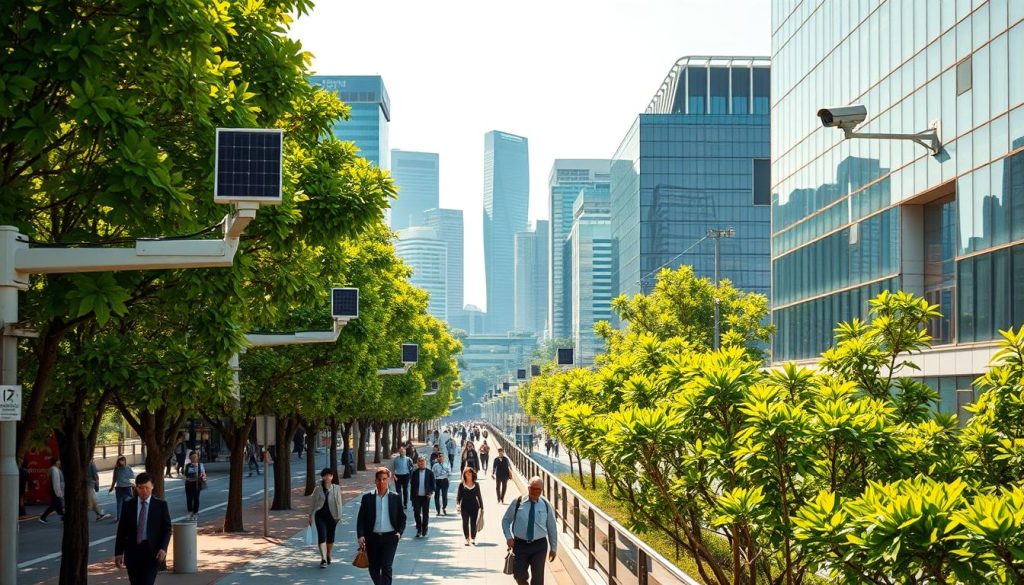
In Singapore’s diverse landscape, independent surveillance systems are proving invaluable across multiple sectors. Their unique blend of autonomy and connectivity solves real-world protection challenges.
These units thrive where traditional setups fail. They deliver reliable oversight without grid power or local networks. Let’s explore three primary applications.
Residential Properties and Home Security
Landed houses and bungalows benefit greatly from this technology. Perimeter security is enhanced without complex wiring.
Homeowners can monitor gates, driveways, and gardens easily. The system remains active during power outages, a key advantage.
Even HDB corridors and common areas can be watched. This deters package theft and unauthorized entry. Remote childcare monitoring is another practical use.
Families with holiday homes find it perfect. The camera operates continuously, sending alerts to their phones. It provides peace of mind while the property is empty.
Commercial Sites and Construction Areas
Temporary job sites lack permanent electrical infrastructure. This makes them prime targets for theft and vandalism.
Movable surveillance deters such incidents effectively. Expensive machinery and materials are protected around the clock.
Brands like Hikvision design products for these harsh environments. Their rugged cameras withstand dust, rain, and impact.
The setup is quick and requires no trenching for cables. Managers can reposition units as the project evolves. This flexibility is a major cost saver.
Agricultural Lands and Remote Facilities
Singapore’s rural fringes, like farms in Lim Chu Kang, utilize this solution. It monitors for trespassers and checks on livestock.
Isolated infrastructure also benefits. Water treatment plants and telecommunications towers need oversight. These locations often have no internet access.
The environmental advantage is notable. Systems have a small physical footprint and use clean energy. This aligns with green land management practices.
Motion detection triggers recordings only when needed. It conserves battery life and data usage. Farmers receive instant alerts on their devices.
For remote facilities, reliability is non-negotiable. A self-sufficient system ensures continuous monitoring without manual intervention.
Each application demonstrates the core benefits. Autonomous power and cellular connectivity directly address site-specific challenges.
Whether securing a home, a worksite, or a farm, this technology offers a tailored security cameras solution. It empowers users to protect their assets intelligently.
How to Choose the Best Camera for Your Needs
To secure the best value and performance, you must systematically evaluate your environment, threats, and resources. This process moves beyond brand names to match a device’s core capabilities with your specific situation.
A thoughtful selection prevents overspending on unnecessary features. It also avoids the frustration of an underperforming unit. Focus on your security needs first, then find the solution that fits.
Assessing Your Security Requirements
Begin with a self-audit of your property. Define the primary goal. Is it to deter trespassers or to capture clear evidence for authorities?
Your answer dictates the necessary video quality and storage duration. Evidence collection demands higher resolution and longer clip retention.
Next, identify every area that needs oversight. Map out entry points, blind spots, and valuable assets. This determines how many units you require and their ideal locations.
Consider the lighting in these areas. For low-light locations, prioritize models with superior night vision capabilities. This foundational step ensures your chosen security cameras match the real threat profile.
Comparing Features and Budget
With your needs clear, compare specifications against your budget. Create a checklist for side-by-side evaluation.
Key specs include panel wattage, battery capacity, video resolution, field of view, and IP weatherproof rating. Also, evaluate smart detection features like person or vehicle alerts.
Balance is crucial. You might invest in a larger battery for a remote site but compromise on the highest resolution. A robust weatherproof design is often non-negotiable in Singapore’s climate.
Remember to factor in ongoing costs. These include the cellular data plan for the sim card and potential cloud storage fees. The total cost of ownership matters more than the sticker price.
Reading Reviews and Expert Recommendations
Technical sheets don’t reveal everything. Real-world performance is key. Seek feedback from users in similar environments.
Look for Singapore-specific reviews on local tech forums and retailer websites. Pay close attention to comments about long-term reliability in heat and heavy rain.
Professional security installer blogs offer invaluable insights. They highlight which models withstand constant outdoor use and have stable connectivity.
This research gauges real-world quality and uncovers potential issues. It helps you avoid a solution that looks good on paper but fails in practice.
Synthesize your findings into a shortlist. Your final decision should blend your assessed needs, budget, and trusted feedback.
For a detailed look at a model that excels in independent connectivity, consider the SIM card solar security camera. It embodies the features and reliability many users seek.
This framework leads to a confident purchase. You select a system designed for your property‘s unique challenges.
Empowering Your Security with Solar Technology
The journey to resilient property oversight culminates in a smart, self-sufficient choice. This technology delivers core benefits: true energy independence, lower costs, and ultimate installation freedom.
It transforms difficult locations into easily monitored zones. You gain reliable, remote surveillance without complex infrastructure.
View your purchase as a complete protection solution. It adapts to your lifestyle and specific needs. This approach represents the future of intelligent, sustainable living.
It makes robust monitoring practical and accessible for everyone. You are now equipped to make a decisive investment in modern, resilient security.