
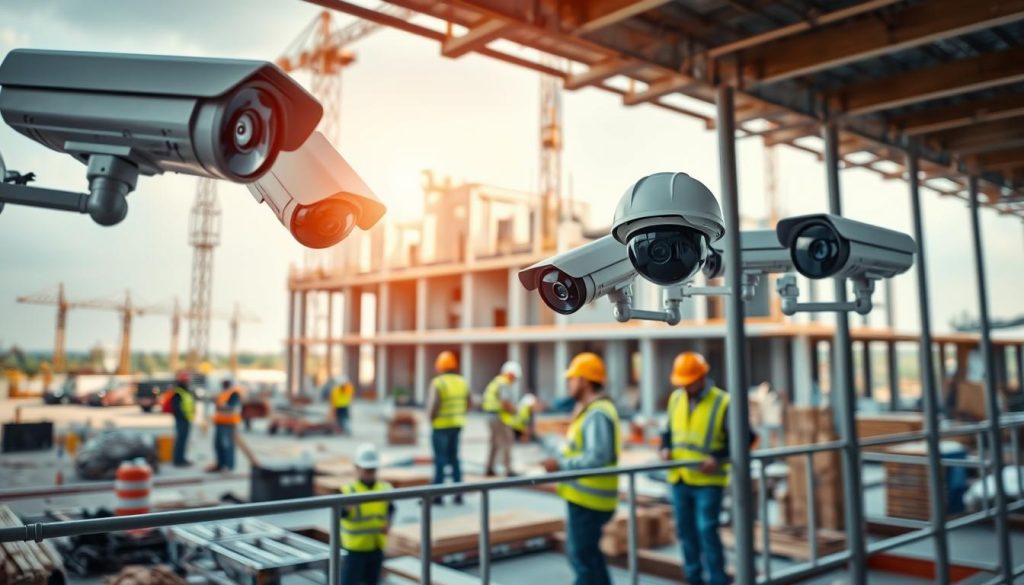
Managing a modern worksite requires proactive measures for asset and personnel safety. Robust surveillance is no longer a luxury but a fundamental component of effective site management. This guide is your starting point for understanding the critical role of visual monitoring in providing that essential layer of protection.
These unique environments present distinct challenges. They often lack permanent infrastructure and are highly vulnerable to theft and vandalism. Protecting valuable equipment and materials is a top priority for any project lead.
For project managers and safety officers in Singapore, navigating this landscape is crucial. Understanding the available technology and local compliance standards, like the Video Surveillance System (VSS), is the first step toward a secure project.
This comprehensive buyer’s guide will walk you through evaluating modern monitoring solutions. We provide a clear framework to help you select a system that delivers peace of mind and a strong return on investment.
Key Takeaways
- Visual monitoring is a fundamental tool for modern worksite management and asset protection.
- Temporary sites face unique risks like theft due to their open and changing nature.
- Local regulations, such as Singapore’s VSS, must be considered for compliant system setup.
- The right surveillance solution can prevent financial losses and enhance operational efficiency.
- This guide provides a step-by-step framework for evaluating features, vendors, and costs.
- Investing in the correct system offers robust security and a clear return on investment.
- For specialized setups, exploring professional construction CCTV systems is recommended.
Why Construction Site Security Demands a Modern Approach
Outdated monitoring methods crumble under the unique pressures of today’s dynamic project environments. Fixed, wired systems are relics in a world where perimeters shift weekly.
These locations are inherently vulnerable. They often operate without reliable power or internet connections. Their open and changing nature is a magnet for criminal activity.
The financial drain from stolen equipment and materials is staggering, with industry estimates ranging from $300 million to $1 billion lost annually.
Recovery rates for these assets are dismal, typically falling below 25%. This makes prevention the only economically sound strategy.
Traditional video surveillance setups fail here. They are costly to install and nearly impossible to relocate efficiently. Every time a crane moves or a new foundation is poured, a static system becomes obsolete.
A contemporary strategy embraces flexibility. It leverages wireless, portable units that deploy in hours, not days. These systems move with the project’s phases, providing constant vigilance.
This modern mindset looks beyond just guarding tools. It is integral for overall site safety and operational oversight. Supervisors gain real-time visibility into all areas, helping to prevent accidents and ensure protocol compliance.
The new standard is defined by smart technology. Solutions like mobile surveillance, solar-powered units, and AI-driven analytics offer proactive alerts. They detect unusual motion or unauthorized entry instantly.
Adopting these advanced tools is a necessity, not an option. It directly mitigates risk, controls operational costs, and safeguards your team. For any project lead, this shift is fundamental to successful management.
It empowers you to maintain a secure perimeter. You can monitor activities in real-time, no matter how harsh the jobsite conditions become. This is the proactive protection modern projects require.
Key Drivers for Investing in Temporary Security Solutions
The rationale for implementing a robust visual monitoring setup extends far beyond simple theft prevention. Industry reports highlight annual losses between $300 million and $1 billion, with asset recovery rates often below 25%. This stark reality makes a proactive stance essential.
Investments are driven by a dual need for asset protection and enhanced safety. A modern system addresses both core challenges effectively.
- Direct financial safeguarding of high-value materials and equipment.
- Deterrence against acts that cause project delays.
- Real-time operational oversight for better management.
- Support for workplace safety investigations and compliance.
Combating Theft and Vandalism on Vulnerable Sites
The primary financial threat is the theft of tools and materials. These items are often left in open, changing areas overnight, making them easy targets.
Visible surveillance acts as a powerful deterrent. It signals that the location is watched, discouraging unauthorized entry.
Vandalism can be just as costly. Malicious damage leads to expensive repairs and schedule interruptions. A monitored system helps prevent these acts and provides crucial video evidence if they occur.
This layer of protection is vital for any project’s bottom line. It secures your investment and keeps timelines on track.
Enhancing Worker Safety and Operational Oversight
Modern solutions play a critical role in promoting safe work practices. They allow for constant monitoring of compliance with safety gear and procedures.
Real-time oversight gives managers eyes on the entire project. They can spot potential hazards and address them quickly. This proactive approach helps prevent accidents before they happen.
Following an incident, recorded footage is invaluable. It provides clear evidence for investigations to determine root causes. This supports continuous improvement in Workplace Safety and Health (WSH) performance.
Advanced systems with analytics offer even greater benefits. They can send alerts for safety violations, like a worker entering a restricted zone.
This operational visibility improves accountability and workflow management. It also documents progress and daily activities.
Ultimately, a strong monitoring system is a strategic investment. It can reduce insurance costs, minimize costly downtime, and protect a company’s reputation for safety and reliability.
Understanding Singapore’s Mandatory Video Surveillance System (VSS) Requirements
A new legal framework now governs visual monitoring on major worksites across Singapore, making compliance a top priority. The Ministry of Manpower’s Video Surveillance System mandate introduces specific rules for high-value projects.
This regulation aims to enhance safety oversight and provide clear evidence for incident investigations. For main contractors, understanding these rules is essential for lawful operation.
When is a VSS Legally Required on Your Site?
The rule is straightforward. Effective 1 June 2024, any worksite with a contract value of S$5 million or more must have a compliant VSS.
There is no grace period after this date. The legal duty falls on the main contractor, identified as the occupier of the construction site.
This responsibility includes the full installation and ongoing management of the system. Non-compliance can result in significant penalties.
Mandatory Camera Specifications and Coverage Areas
The regulation sets clear technical standards. Every camera must record color images at a minimum of HD 1080p resolution.
A recording rate of at least 12 frames per second is required. If work occurs at night, units must have night vision capability.
Recorded video must include non-removable stamps for date, time, and device ID. Footage must be exportable in common formats like *.mp4 for review.
Coverage is targeted, not total. Cameras must be positioned to monitor specific high-risk areas.
- Locations where work at height exceeds two meters.
- Zones for scaffold erection, dismantling, and excavation.
- Areas involving lifting operations or industrial truck use.
- Danger zones with vehicular traffic and loading bays.
- Confined spaces, but only if safe to install a device.
The goal is a clear line of sight to these critical operations. Full site coverage is not mandated.
Data Storage, Privacy, and PDPA Compliance
Managing recorded data is a critical part of the law. All video surveillance footage must be stored securely for a minimum of 30 days.
If a reportable incident occurs, this retention period extends to 180 days. This ensures evidence is available for thorough investigation.
Compliance with Singapore’s Personal Data Protection Act (PDPA) is mandatory. This requires thoughtful policies.
CCTV must only be deployed in areas with legitimate safety or security concerns. Private spaces like restrooms are strictly off-limits.
Organizations must control access to stored footage and define who can view it. Data should only be kept for as long as necessary.
Implementing these safeguards protects your project and respects individual privacy. It turns your monitoring system into a compliant, trusted tool.
Exploring Types of Temporary Construction Security Cameras and Systems
Gone are the days of static, wired installations; today’s portable systems offer tailored solutions for every phase. The modern market provides a diverse range of hardware designed for the transient and rugged nature of active work zones.
These specialized solutions are built for environments lacking permanent power and data lines. They eliminate the need for complex, fixed infrastructure that can’t adapt.
At the heart of this approach are mobile surveillance units. These are standalone packages that combine visual monitoring, power, and connectivity into one portable system.
Primary categories include security trailers, tower-mounted setups, all-in-one enclosures, and compact kits. A provider like Milesight, for instance, offers four distinct units to match different needs.
Security trailers act as a highly visible, mobile command post. They often feature multiple high-resolution cameras and integrated deterrents like sirens and strobe lights.
This visible presence is a powerful psychological tool against unauthorized entry. It signals constant watchfulness across the entire area.
Tower systems provide elevated vantage points for perimeter guarding. They are ideal for covering large, open sites with panoramic views.
“The right hardware choice is a force multiplier, extending your oversight without extending your fixed costs.”
Many incorporate motion-sensing technology like PIR detection. This focuses alerts on genuine human activity, reducing false alarms.
All-in-one enclosure kits are compact, rugged boxes housing several cameras. They are perfect for securing specific zones like material storage or main entrances.
Their design is for focused, multi-angle surveillance of high-value or high-traffic spots. They deploy quickly without multiple separate installations.
Standalone all-in-one kits represent the pinnacle of flexibility. These often solar-powered units can be placed almost anywhere on the jobsite.
They are ideal for remote corners or areas where power is scarce. Their design supports rapid relocation as work progresses.
Understanding each type’s strength is the first step. You must match the system to your project’s size, layout, and specific risk profile.
These solutions are engineered for rapid deployment and redeployment. Your visual monitoring can move seamlessly with each project phase, providing continuous safety and oversight without costly reinstallation.
Mobile Surveillance Units: All-in-One Security for Dynamic Sites
Dynamic worksites demand security solutions that can move and adapt as quickly as the work itself. This is where mobile surveillance units excel. They are engineered as complete, self-contained packages.
These surveillance units operate independently of fixed infrastructure. They combine visual monitoring, power, and connectivity into one portable system.
Deployment is rapid, often within hours of arrival. This agility is vital for projects with shifting phases and layouts.
You can choose from several hardware types. Each is designed for specific roles in jobsite security.
Understanding these options lets you build a robust visual shield. Your protection strategy becomes as flexible as your project plan.
Security Trailers for High-Visibility Deterrence
A security trailer acts as a movable command post. Its prominent presence sends a clear message of constant watchfulness.
These units often feature multiple AI-based surveillance cameras. Integrated lighting and sirens add an active layer of deterrence.
They are ideal for large, open construction sites. A central hub can oversee vast areas like main work zones and storage yards.
The trailer can be repositioned as the project evolves. This maintains optimal oversight without costly reinstallation.
It provides a powerful psychological barrier against unauthorized entry. The visible station makes intruders think twice.
Tower-Mounted Systems for Perimeter Guarding
Tower systems offer elevated, 360-degree coverage. They are perfect for establishing a virtual perimeter.
Position them at boundaries, gates, or laydown areas. The high vantage point eliminates blind spots.
Many incorporate Passive Infrared (PIR) sensors. This technology distinguishes human movement from environmental noise.
AI analytics further reduce false alerts. You receive notifications only for genuine threats.
This setup is excellent for monitoring access points. It ensures nothing enters or leaves without your knowledge.
Towers provide persistent monitoring for the project’s outer edges. They guard the first line of defense.
All-in-One Enclosure Kits for Flexible Deployment
For focused, multi-angle coverage, consider an all-in-one enclosure. This kit packages several security cameras within a single rugged housing.
Installation is plug-and-play. It simplifies setup without complex wiring.
Mount it on walls, poles, or existing structures. The design adapts to the site‘s evolving layout.
These enclosures are perfect for securing specific zones. Think entry points, equipment parking, or material storage.
They deliver wide-angle mobile video for a targeted area. Deployment is swift and requires minimal labor.
For ultimate flexibility, standalone all-in-one kits exist. These often solar-powered units can be placed almost anywhere.
They are ideal for remote corners where power is scarce. Your mobile security coverage becomes truly comprehensive.
Each type of mobile surveillance unit offers unique advantages. You can mix and match systems for complete site security.
Trailers offer central command. Towers guard the perimeter. Enclosures secure hot spots.
This modular approach lets you tailor your solutions to the project’s exact needs. Your investment delivers adaptable, powerful oversight for any construction site.
Critical Features to Look for in a Temporary Camera System
To achieve reliable oversight, your chosen solution must excel in three critical areas: connectivity, intelligence, and durability. The right features transform a simple recorder into a resilient partner for your project.
These specifications determine how well the system performs in harsh, off-grid environments. They are the difference between reactive recording and proactive protection.
Wireless Connectivity: 4G/5G and Solar Power Capabilities
Reliable wireless connectivity is non-negotiable for modern jobsite security. Most active areas lack fixed internet infrastructure.
Cellular networks like 4G or 5G enable real-time mobile video surveillance. Managers can view live feeds and access recorded video from anywhere.
Advanced technology like H.265+ compression and event-based streaming is crucial. It slashes data usage and associated costs significantly.
For consistent power, seek systems with integrated solar panels and high-capacity battery packs. This combination ensures continuous operation in off-grid locations.
It eliminates dependence on noisy generators or costly temporary electrical lines. Smart low-power designs further extend runtime.
Features like camera sleep mode and timed image transfer conserve energy. This allows for longer deployment between charges or maintenance visits.
On-Device AI Analytics for Proactive Alerts
The most significant advancement in surveillance is on-device artificial intelligence. This technology processes video at the edge, right inside the camera.
It turns each unit into an intelligent guard. The system can perform instant detection of specific events without sending all footage to the cloud.
Common smart analytics include identifying unauthorized intrusion or vehicle presence. They can also monitor worker safety by checking for proper personal protective equipment (PPE).
“On-camera AI shifts the paradigm from passive recording to active threat recognition, enabling intervention before loss occurs.”
When a predefined event is spotted, the system triggers instant alerts. Notifications are sent directly to a manager’s phone or email.
This enables a swift response before a minor incident escalates. The analytics are also excellent at reducing false alerts.
By distinguishing human motion from environmental movement, you only get notified for genuine threats. This smart detection saves time and increases trust in the system.
Rugged Design and Environmental Durability
The physical build of your security cameras must match the toughness of the jobsite. A fragile system will fail under typical conditions.
Always check the IP (Ingress Protection) and IK (Impact Protection) ratings. Look for ratings like IP67 and IK10 for maximum resistance.
These ratings certify the unit can withstand dust, water jets, and forceful impacts. This protection is vital against both the elements and potential vandalism.
The system must operate reliably in extreme temperatures and high humidity. Wide operational tolerances are a mark of a quality product designed for field use.
Features like digital image stabilization are also important. They ensure clear mobile video even if the mounting point vibrates from nearby machinery.
Surge protection for power and data lines is another critical specification. It guards against damage from electrical fluctuations common on active sites.
Choosing a system with these rugged features future-proofs your investment. It enhances responsiveness and drastically minimizes maintenance needs throughout the entire project lifecycle.
Your construction site security becomes a dependable, always-on shield.
Powering Your Security: Off-Grid and Low-Power Solutions
In the absence of permanent electrical infrastructure, securing a dynamic worksite requires a focus on off-grid and low-power technology. A consistent energy supply is the non-negotiable backbone for any visual monitoring setup.
Without it, your entire surveillance strategy fails. This is especially true for remote areas and active jobsite locations.
Modern solutions primarily use solar panels paired with high-capacity battery banks. This combination creates a sustainable, autonomous power source.
It liberates your mobile surveillance units from the grid. You gain true placement flexibility across the entire construction site.
“Autonomous power isn’t just about convenience; it’s what enables persistent, uninterrupted oversight where it’s needed most.”
Advanced low-power designs drastically extend operational time. Features like true-color night vision minimize energy-hungry infrared LED use.
Event-based recording and smart detection also conserve power. The system only activates fully when needed, preserving the battery.
For a reliable setup, consider these key points:
- Calculate your power budget. Account for camera count, recording frequency, and wireless data transmission intervals.
- Invest in high-quality components. Robust solar panels and deep-cycle batteries ensure operation through multiple cloudy days.
- Utilize smart management features. Look for systems with scheduled operation or sleep modes during inactive periods.
This approach eliminates the cost and hassle of running temporary cables. It also removes the need for noisy, fuel-dependent generators.
Your project gains uninterrupted surveillance with minimal site disruption. This reliability is crucial for both asset safety and personnel safety.
Systems like a 4G Solar-powered Camera Kit embody this principle. They are wireless, all-in-one units with embedded AI for efficient operation.
Investing in robust off-grid power does more than ensure continuity. It aligns with sustainable practices by reducing the project’s carbon footprint.
Your visual monitoring becomes a resilient, always-on guardian. It adapts to the environment without compromising on video quality or coverage.
Ensuring Comprehensive Coverage and Camera Placement
A camera‘s location determines its value, making thoughtful positioning a critical step in system design. Effective protection is not about covering every square inch. It is about strategically placing units to monitor all critical and high-risk areas.
This approach aligns with regulations like Singapore’s VSS. The mandate requires recording specific locations, such as work at height zones. Your goal is to maximize a clear line of sight for these mandatory coverage points.
Start by mapping the construction site layout. Identify zones defined by law and site-specific risks. These often include lifting operation areas, material storage yards, and main entrances.
This map becomes your visual monitoring blueprint. It guides where to focus your surveillance resources for maximum impact.
Placement should always prioritize an unobstructed view. Consider both daytime operations and nighttime lighting. You need usable video footage around the clock.
Utilize a mix of device types for optimal coverage. Wide-angle or panoramic surveillance cameras provide broad area overviews. PTZ or zoom models allow detailed monitoring of specific points of interest.
“Strategic placement transforms individual cameras into a cohesive security network, eliminating vulnerabilities a single unit might miss.”
Elevation is a key factor. Mounting units on towers, trailers, or tall structures reduces blind spots. It gives a commanding view over stacked materials and machinery.
This elevated perspective is crucial for robust jobsite security. It helps in detection of unauthorized access or unsafe motion.
Always consider the sun’s daily path. Avoid positioning that causes glare, which can wash out crucial footage. Also, ensure devices are protected from direct exposure to dust, rain, and potential impacts.
A successful installation is not a set-and-forget task. The construction site is always changing. You must regularly review camera angles as the project evolves.
Adjust placements during different phases to maintain optimal oversight of active work zones. This adaptive approach is essential.
Proper planning and smart placement deliver two major benefits. First, your system meets all compliance requirements for video surveillance. Second, it provides the evidentiary-quality footage needed for thorough safety and theft investigations.
For a detailed guide on deploying these systems, explore our resource on building site surveillance camera strategies. This ensures your entire site security plan is executed with precision.
Remote Monitoring and Management: Accessing Your Footage
Instant visual access transforms how managers interact with their sites. It turns smartphones into command centers.
The core advantage of modern systems is remote oversight. You can watch your location 24/7 from any internet-connected device.
This includes smartphones, tablets, or computers. Authorized personnel gain live feeds for virtual site walks.
They check on crew activities in real-time. They verify that safety protocols are followed properly.
This capability provides immense peace of mind. You are never truly away from your project.
Modern platforms offer powerful viewing tools. You get 180° or 360° panoramas for site-wide views.
For fine detail, 42× PTZ cameras zoom in on specific areas. This combination ensures comprehensive visual coverage.
A robust management platform lets you control these units remotely. Key functions are all accessible from your dashboard.
- Control PTZ cameras to pan, tilt, and zoom.
- Review recorded video footage from any date.
- Configure motion detection zones and alerts.
- Receive instant notifications for triggered events.
This is invaluable for managers overseeing multiple construction sites. They maintain oversight without being physically present.
It saves significant time and reduces travel costs. Your monitoring becomes efficient and scalable.
“Remote access turns every manager’s phone into a mobile command post, collapsing distance and delay from the oversight equation.”
Features like time-lapse video compilation are powerful. They document project progress from start to finish.
This creates compelling client updates. It also helps resolve potential disputes with clear visual evidence.
Secure access is fundamental. Cloud-based platforms or VPN connections protect your streams.
They prevent unauthorized interception of your video surveillance data. Your operational intelligence stays confidential.
The ability to check your jobsite at any moment is a major benefit. This is especially true after hours or on weekends.
It delivers that crucial sense of peace of mind. You know your assets and site security are always watched.
Effective remote monitoring changes the game. It shifts from passive recording to active management.
This enhances productivity, accountability, and response times. Your mobile security strategy becomes a dynamic force.
You gain real-time views and historical records. This powerful combination safeguards your investment completely.
Data Management: Storage, Security, and Video Analytics
Effective data governance transforms raw video feeds into a strategic asset for project management and legal defense. It encompasses how footage is stored, secured, and utilized.
This discipline is critical for both operational effectiveness and regulatory compliance. A strong framework turns recorded images into reliable evidence.
Storage solutions vary to match different needs. Options include on-device SD cards and built-in NVRs in mobile units.
Off-site cloud servers offer another layer. Each choice involves trade-offs in cost, reliability, and accessibility.
Local storage is often faster and more independent. Cloud-based systems provide easier remote retrieval and backup.
Compliance with regulations like Singapore’s VSS sets clear rules. Footage must be kept for a minimum of 30 days from recording.
If a reportable incident occurs, this period extends to 180 days. Your system must have safeguards to prevent accidental deletion or overwriting.
“Proper data retention is not just a legal checkbox; it’s the foundation for any credible investigation or audit.”
Data security is paramount in this process. Ensure your setup offers encryption for data both in transit and at rest.
Strong user authentication and role-based access controls are essential. They prevent unauthorized viewing or tampering with sensitive recordings.
This protects the integrity of your visual evidence. It also aligns with privacy standards expected on any modern jobsite.
Video analytics software elevates raw footage into actionable intelligence. It automatically scans feeds for specific patterns or events.
This technology can count people or vehicles entering a zone. It flags anomalies like loitering or unauthorized entry after hours.
These smart detection capabilities generate real-time alerts. Managers receive instant notifications on their devices.
Advanced analytics also power safety applications. They can identify near-miss incidents or monitor for congestion in hazardous areas.
Systems can ensure protocols like social distancing are followed. This proactive monitoring helps prevent accidents before they happen.
Establishing clear data policies is a final crucial step. Define who can access footage and for what legitimate purposes.
Create procedures for exporting evidence for official investigations. This ensures a clear chain of custody if footage is needed in court.
A well-designed data strategy ensures your security investment pays extra dividends. It yields valuable insights beyond simple recording.
Your surveillance system becomes a tool for smarter, safer, and more efficient site operations. This comprehensive approach turns data into a true guardian for your project.
Selecting a Vendor: Questions to Ask and What to Evaluate
A vendor selection process separates a mere purchase from a strategic investment in site oversight. The right provider becomes an extension of your management team.
They ensure your visual monitoring setup performs reliably from day one. This choice impacts your project’s safety and operational efficiency directly.
Look for suppliers with proven experience in your specific industry. Their knowledge of dynamic construction site challenges is invaluable.
Evaluate their product portfolio thoroughly. It must include the types of mobile surveillance units your project requires.
Do they offer rugged, all-in-one trailers, towers, and enclosure kits? The right technology must match your site’s unique layout and risk profile.
Inquire about their support and service offerings. Comprehensive packages include professional setup assistance and staff training.
Clear warranty terms and local technical support are essential. You need a provider who responds quickly if an issue arises.
Always ask for case studies or references. Verify the system’s performance on similar projects in Singapore.
Real-world evidence confirms reliability in local conditions. It shows how the solution handles humidity, dust, and off-grid infrastructure.
Discuss system compatibility with your existing tools. Can their platform integrate with project management or safety reporting software?
This connectivity streamlines workflows. It turns surveillance data into actionable operational intelligence.
“A true partner provides the expertise to design and maintain an effective security ecosystem for your project’s entire duration.”
Regulatory understanding is non-negotiable. The vendor must demonstrate clear knowledge of Singapore’s VSS rules.
Their solutions should be demonstrably compliant with all technical and legal mandates. This protects your project from compliance risks.
Assess the scalability of their offering. Can you easily add more units as your site expands?
A scalable system allows you to roll out mobile security to other areas or future construction sites. This protects your long-term investment.
Remember, the Ministry of Manpower does not endorse any specific provider. Your company must perform due diligence.
Choose a vendor that meets all your operational and regulatory needs independently.
Key questions to ask during your evaluation:
- What is your direct experience with temporary deployments for major worksites?
- Can you provide a detailed plan for installation, training, and ongoing support?
- May we speak to a current client with a similar project scope in Singapore?
- How does your system ensure full compliance with VSS data storage and coverage rules?
- What is the process for adding cameras or integrating new software features later?
A reliable vendor acts as a strategic partner. They deliver more than just hardware.
They provide the expertise to implement and sustain a robust oversight ecosystem. This partnership is fundamental for lasting site security and safety.
Cost Considerations and ROI for Temporary Security
Understanding the true cost and return of a surveillance investment requires looking beyond the initial price tag. A smart financial plan accounts for both direct expenses and the value of risks prevented.
The total price of a visual monitoring setup includes several parts. You have upfront hardware purchase or rental fees. Installation, ongoing cellular data plans, and maintenance add to the cost.
Potential software subscriptions for management platforms are another factor. Viewing this as an operational expense, not just a capital outlay, is key.
While the initial investment may seem significant, compare it to potential loss. A single major theft incident can cost hundreds of thousands of dollars.
This one event could far exceed the price of a robust system. Protecting high-value assets makes the economics clear.
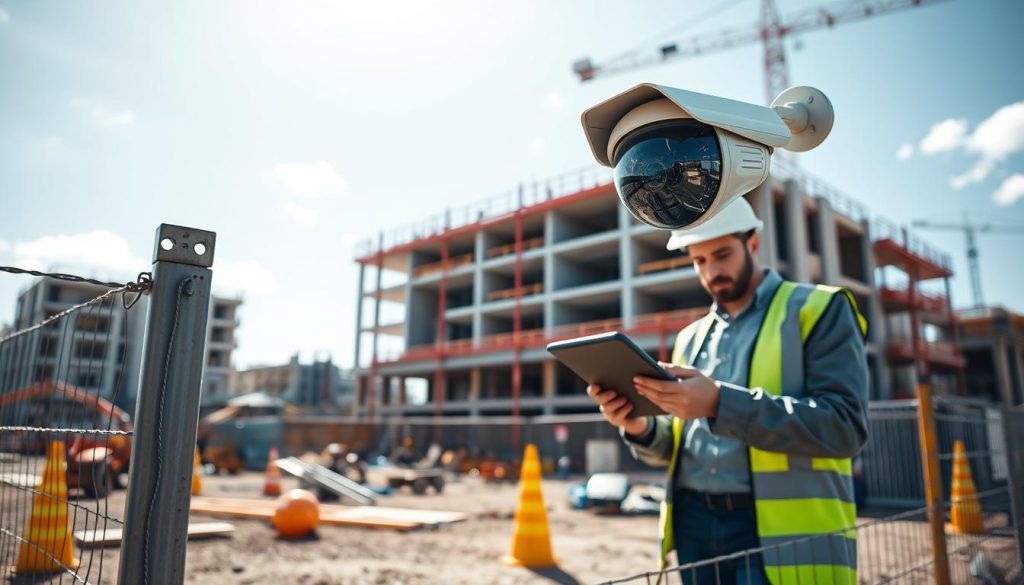
Return on Investment (ROI) flows from multiple channels. Direct theft prevention is the most obvious benefit.
Reduced insurance premiums often follow proven risk mitigation. Minimized project delays from vandalism or loss keep timelines intact.
Improved worker productivity is another gain. Teams operate more efficiently under visible oversight.
Operational efficiencies from remote monitoring boost profitability. Real-time mobile video access allows for better resource allocation.
Managers make faster decisions with live insights. Progress documentation via video aids in client updates and dispute resolution.
In Singapore, eligible SMEs have a valuable tool to offset costs. The Productivity Solutions Grant (PSG) provides funding support.
It covers pre-scoped Video Surveillance System packages with artificial intelligence. This grant improves affordability for advanced solutions.
For short-term projects, consider rental or leasing options. These lower capital expenditure upfront.
They provide access to the latest technology without a long-term commitment. This flexibility is ideal for dynamic sites.
Do not overlook the “soft” ROI from a good system. An enhanced safety culture develops with constant monitoring.
Reduced accident rates and a stronger compliance record are valuable. The peace of mind for management and stakeholders is significant.
“A thorough cost-benefit analysis almost always justifies the expenditure for sites of significant value, projecting potential losses without protection against the investment in a robust system.”
Factor in power and infrastructure savings. Systems with solar panels and efficient battery packs cut ongoing energy costs.
They eliminate the need for expensive temporary infrastructure. This further improves the financial picture.
Smart detection features save management time. They focus attention only on real alerts in critical areas.
Ultimately, investing in construction site security is a strategic move. The surveillance system pays for itself by safeguarding your entire operation.
It delivers tangible savings and intangible peace of mind. This makes it a wise choice for any valuable worksite.
Implementing Your Chosen Security Solution for Maximum Impact
Turning your chosen surveillance system into a powerful asset requires careful execution from the start. A detailed plan maps all camera placements, power sources, and network coverage before equipment arrives.
Coordinate the setup with your project timeline. Ensure the system is operational before high-value materials are delivered. This proactive step is crucial for early site security.
Work closely with your vendor’s team during installation. They ensure each unit is positioned correctly and fully tested. Solutions like Milesight use compact hardware for fast deployment and easy relocation.
Train your personnel on how to access live feeds and review recordings. Establish clear protocols for responding to alerts. This empowers your team for day-to-day peace of mind.
Schedule regular health checks for battery levels and data usage. As the site layout evolves, proactively redeploy units to maintain optimal coverage.
A well-executed implementation transforms your monitoring setup. It becomes a dynamic, integral part of project operations that actively safeguards people and assets.