
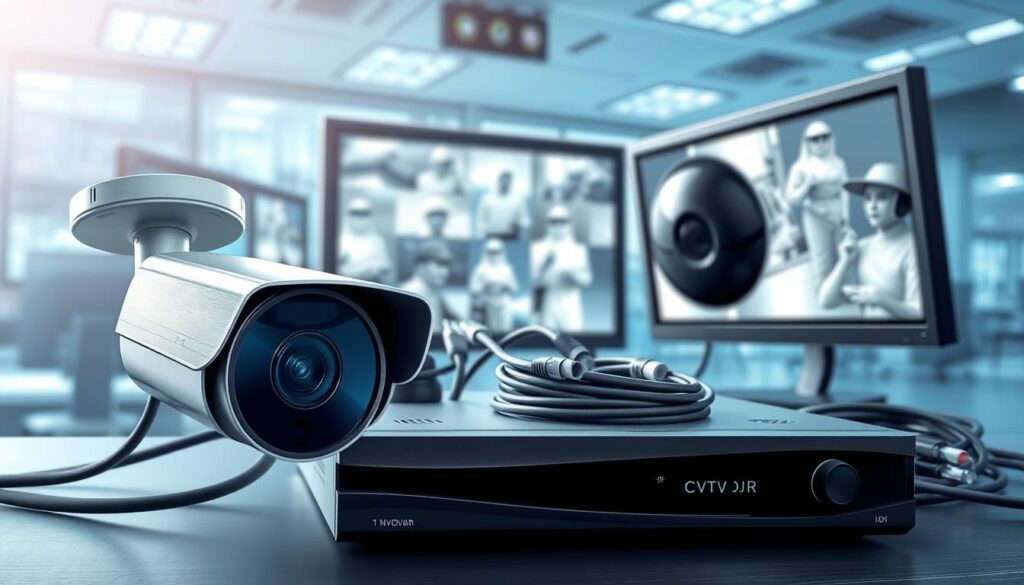
In today’s world, understanding a CCTV system is crucial for ensuring safety in both residential and commercial properties. CCTV, or Closed Circuit Television, is a surveillance method where video signals are transmitted privately to specific monitors. This privacy is vital, especially in a bustling city like Singapore, where security concerns are on the rise.
Being familiar with the essential components empowers property owners and business managers to make informed decisions when setting up or upgrading their surveillance systems. Singapore’s unique urban landscape, which includes HDB flats, condominiums, and commercial spaces, presents diverse security needs that demand tailored solutions.
Each component plays an interdependent role, meaning that a weakness in one area can affect the entire system’s effectiveness. This guide will break down crucial elements, including cameras, monitoring stations, and storage solutions. With modern technology evolving rapidly, knowing these parts leads to better security outcomes and long-term cost savings.
Key Takeaways
- CCTV provides private video surveillance, essential for security in Singapore.
- Understanding system components helps in making informed decisions.
- Singapore’s diverse properties require customized CCTV solutions.
- Weakness in one component can compromise overall system effectiveness.
- Modern technology enhances the capabilities of CCTV systems.
Understanding the Role of CCTV Components in Effective Surveillance
Effective surveillance hinges on a thorough grasp of CCTV systems and their components. These systems serve as a critical line of defense for both homes and businesses. They provide a robust solution for monitoring and recording activities in designated areas. This is essential for deterring criminal activity and ensuring safety.
Overview of CCTV System Purpose and Benefits
CCTV systems play a vital role in safeguarding properties against security threats. Their primary purposes include:
- Deterring criminal activity.
- Capturing evidence during incidents.
- Enabling real-time monitoring of premises.
- Providing peace of mind for property owners.
The effectiveness of these systems relies heavily on the quality and configuration of each component. From cameras to storage devices, every element must work harmoniously. A failure in any single component can create critical gaps in security coverage.
Importance of Each Component for Security Success
Each component of a CCTV system plays a unique role in ensuring security success. For instance, high-quality cameras are essential for capturing clear footage. Similarly, reliable storage solutions are crucial for retaining recorded video. Proper maintenance, including cleaning lenses and checking cables, ensures that systems operate at peak performance.
The Growing Need for CCTV in Singapore
In Singapore, the demand for CCTV systems is on the rise. Factors contributing to this growth include:
- Increasing urbanization and population density.
- Rising concerns about package theft and break-ins.
- Regulatory requirements for certain commercial establishments.
- Advancements in technology, such as IP-based systems with analytics.
Businesses across Singapore, from retail shops to warehouses, rely on CCTV not just for security but also for operational monitoring. Understanding the role of each component helps stakeholders avoid common pitfalls. This includes under-specifying storage or neglecting maintenance schedules that are vital in Singapore’s humid climate.
For more information on maintaining these systems, check out our guide on CCTV maintenance charges in Singapore.
What are the 7 components of CCTV? An Essential Breakdown
Knowing the key elements of a CCTV system is vital for effective surveillance. A well-structured CCTV system consists of seven core components that work together to ensure security and monitoring. Understanding these elements will empower you to make informed decisions about your surveillance needs.
The Seven Core Elements Behind Every CCTV System
The primary components include:
- Cameras: The eyes of the system, available in two main types—IP and analog. They come in various configurations such as bullet, dome, C-mount, and PTZ, catering to different environments and budgets.
- Monitoring Stations: These are command centers where operators use software-equipped monitors to view live feeds and recorded footage. Modern systems allow access through computers or smartphones, enhancing flexibility.
- Video Recording Systems: These systems, including DVRs for analog setups and NVRs for IP configurations, process incoming video signals and store them for later retrieval.
- Supporting Accessories: Essential cables, connectors, and routers create a functional system. RG59 Siamese coaxial cables are commonly used for commercial installations, while Ethernet cables serve IP cameras.
- Video Recording Storage Devices: High-performance storage solutions are necessary for recording and retaining video data. Surveillance-grade hard drives are designed for continuous operation, unlike standard drives.
- Power Supply: This component powers the entire system. Options include individual transformers for small setups or multi-camera power supply boxes with surge protection for larger installations.
- Video Management Software: This integrated software consolidates video feeds from IP cameras, enabling features like motion detection and remote access, transforming raw footage into actionable insights.
Key Functions and Interactions Among Components
Each component interacts seamlessly to create a cohesive surveillance system. Cameras capture footage, while cables transmit the signal to recording systems. Storage devices retain the footage, and monitoring stations display the feeds. Finally, video management software ties everything together, allowing for comprehensive management of the entire system.
Exploring CCTV Cameras and Monitoring Stations
CCTV technology is evolving, making it essential to explore the various types of cameras and their roles in effective surveillance. Understanding these elements helps ensure comprehensive security coverage, especially in urban environments like Singapore.
Types of Cameras: IP vs Analog Explained
When considering cameras, it’s important to contrast IP and analog options. IP cameras transmit digital video over Ethernet networks, often achieving resolutions of 1080p, 4MP, or even 4K. They support advanced features such as motion detection and analytics, making them suitable for modern surveillance needs.
On the other hand, analog cameras send signals over coaxial cables at lower resolutions. They remain a cost-effective choice for basic coverage, especially in smaller retail shops and older residential buildings in Singapore. Their reliability and affordability make them a practical option for many users.
IP cameras also support Power over Ethernet, allowing a single cable to deliver both data and power. This feature simplifies installation and reduces cabling clutter, particularly in tight spaces like HDB corridors or office ceilings. In contrast, analog cameras can be easier to integrate into existing systems, making them appealing for budget-conscious upgrades.
Camera Configurations: Dome, Bullet, and PTZ
Camera configurations further enhance surveillance capabilities. Dome cameras are discreet and often used indoors, featuring vandal-resistant housings ideal for retail stores and residential common areas. Their aesthetics are crucial in settings where security and appearance matter.
Bullet cameras, known for their visibility, act as effective deterrents. They have extended ranges and weatherproof housings rated IP66 or IP67, making them perfect for outdoor perimeters and entrances that face Singapore’s intense weather conditions.
Lastly, PTZ cameras offer motorized pan, tilt, and zoom capabilities, allowing operators to track subjects across wide areas. This feature is invaluable for large commercial spaces and public venues, where a single camera can cover extensive areas that would otherwise require multiple fixed units.
Designing Effective Monitoring Stations for Real-Time Surveillance
Monitoring stations are crucial for reviewing camera feeds. A well-designed station positions monitors at ergonomic heights with adequate screen size and resolution. This setup allows operators to view multiple feeds simultaneously without fatigue during long shifts.
Modern monitoring extends beyond traditional control rooms. With mobile apps and web browsers, business owners and homeowners in Singapore can check live feeds and receive notifications for motion events while on the go. This flexibility has become a standard expectation, with most reputable CCTV brands offering secure encrypted connections to protect video streams from unauthorized access.
Remote Access and Flexibility for Modern Monitoring
Remote access enhances the effectiveness of monitoring stations. Users can now easily view live footage and historical recordings from anywhere, providing peace of mind. As technology advances, the integration of these features into CCTV systems continues to evolve, offering enhanced capabilities for users.
Video Recording Systems and Supporting Accessories
Video recording systems are the backbone of any effective CCTV installation, ensuring that every moment is captured and stored for review. These systems, including Digital Video Recorders (DVRs) and Network Video Recorders (NVRs), play a crucial role in managing and securing footage.
DVRs process video at the recorder level. Analog cameras send raw video signals over coaxial cables to the DVR, which then digitizes and compresses the footage. This makes DVRs ideal for traditional analog setups still common in older Singapore buildings with existing coaxial wiring.
In contrast, NVRs work exclusively with IP cameras. They receive already-digitized video streams over a network, enabling higher resolutions and easier scalability. NVRs also support advanced features like intelligent video analytics, facial recognition, and license plate recognition, which are increasingly demanded by businesses in Singapore.
Modern NVRs often include Power over Ethernet ports built directly into the unit. This eliminates the need for separate PoE switches, simplifying installation for small to medium-sized deployments in offices and retail outlets.
DVRs vs NVRs: Understanding Video Recording Technologies
Both DVRs and NVRs offer features such as motion detection, remote viewing, and playback functionality. However, the choice between them depends on your specific needs and the existing infrastructure.
Choosing the Right Cables and Connectors for Reliable Setup
When it comes to cables, RG59 Siamese coaxial cable is the most common option for commercial CCTV systems. This cable combines a video coaxial line and a power line in a single jacket, streamlining installation. This is especially beneficial when retrofitting older Singapore shophouses or commercial units with limited conduit space.
For IP camera installations, Cat5e or Cat6 Ethernet cables are standard. Cat6 cables offer better shielding and higher bandwidth, making them suitable for 4K camera streams over longer distances. Properly crimped and weather-sealed connections, such as BNC connectors for analog systems and RJ45 connectors for IP systems, prevent signal degradation and corrosion in Singapore’s humid environment.
Selecting Networking Equipment: Routers and Wireless Considerations
Wireless CCTV cameras rely on robust Wi-Fi routers with sufficient range to penetrate walls and floors typical in Singapore’s concrete construction. Dual-band routers operating on both 2.4GHz and 5GHz frequencies provide flexibility to balance range and speed.
Conducting a wireless site survey before committing to a fully wireless system is advisable. Interference from neighboring networks in dense HDB blocks or condominium complexes can degrade video quality and cause dropped frames. While wireless systems offer installation convenience, wired connections remain more reliable for critical surveillance areas where uninterrupted recording is non-negotiable.
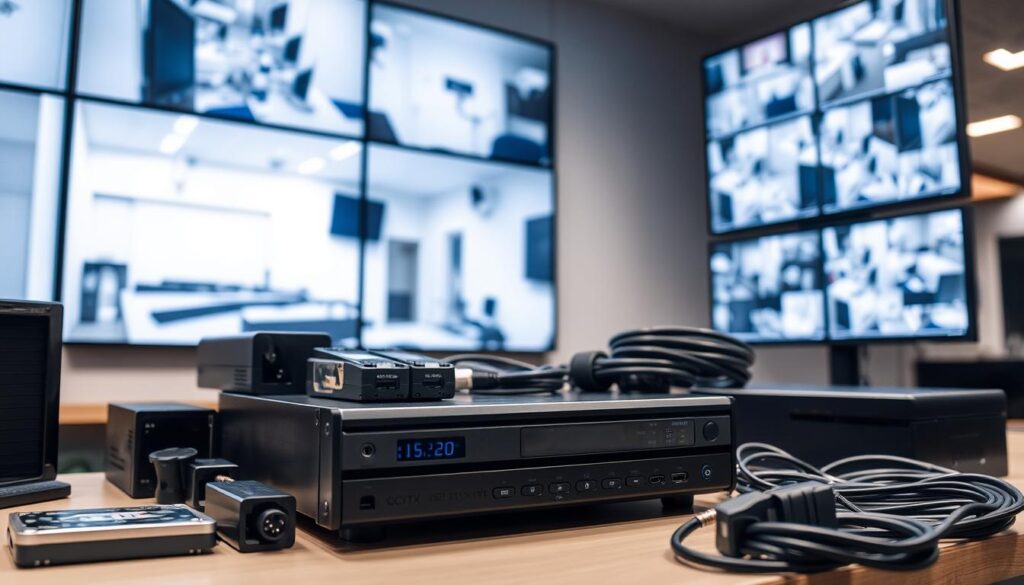
Storage and Power Supply: Core Foundations for CCTV Performance
Storage and power supply are fundamental to the performance of any CCTV system. These components ensure that recorded footage is safely stored and that cameras operate reliably. Understanding their significance can greatly enhance the effectiveness of your surveillance setup.
High-Performance Storage Solutions for Reliable Video Data
Storage devices, such as hard disk drives (HDDs) or solid-state drives (SSDs), are crucial for retaining recorded video footage. Unlike standard hard drives, surveillance-grade drives are specifically engineered for continuous operation. For instance, drives like Western Digital Purple or Seagate SkyHawk are optimized for 24/7 write operations and can handle multiple video streams simultaneously.
Storage capacity planning is essential. Calculate the total bitrate from all cameras multiplied by the desired retention period. For example, a system with eight 4MP cameras recording at 15 frames per second might require 8TB to 12TB for 30 days of continuous recording. This requirement is common for businesses in Singapore that comply with regulatory or insurance mandates.
While solid-state drives offer faster read/write speeds and better shock resistance, their higher cost per terabyte makes HDDs the more economical choice for bulk storage in most installations.
Data Protection Strategies: Backups, Redundancy, and Encryption
Data protection is vital to ensure footage remains accessible and secure. Implementing RAID configurations can mirror or stripe data across multiple drives, preventing loss in case of a single drive failure. Many NVRs support RAID 1 or RAID 5 for this purpose.
Regular backups to external drives or cloud storage are also essential, especially for critical footage that may need to be retained for legal or compliance reasons. Additionally, encryption at rest protects stored video from unauthorized access, even if drives are physically stolen.
Power Supply Essentials: Types, Organization, and AC/DC Choices
A stable power supply is necessary for CCTV cameras to function effectively. Centralized power supply boxes distribute electricity to multiple cameras through individually fused channels, providing surge protection. This organization simplifies troubleshooting by isolating faults without affecting the entire system.
Most residential and small commercial cameras use 12VDC power. However, 24VAC is preferable for larger facilities, as it can travel longer distances with less voltage drop. This is especially important in multi-story buildings common in Singapore’s industrial areas.
Uninterruptible power supplies (UPS) are critical in Singapore, where sudden thunderstorms can cause brief outages. A UPS ensures that cameras and recorders continue to operate for 30 to 60 minutes during outages, maintaining security coverage.
Finally, proper cable management using trays or conduits is essential. This prevents tangling, reduces trip hazards, and maintains a professional appearance that complies with Singapore’s building and fire safety codes.
Enhancing Surveillance with Video Management Software and Integration
An intelligent video management platform is key to maximizing the performance of surveillance setups. This software consolidates video from various cameras, allowing users to view live feeds, search recorded footage, and manage user permissions from a single interface. Such integration simplifies operations and enhances security management.
Modern systems support analytics capabilities, including motion detection and people counting, which filter routine activity. This reduces false alarms and enables faster responses to genuine security events. Additionally, compliance with regulations, such as the Personal Data Protection Act in Singapore, is streamlined through audit logs that track footage access.
Remote monitoring through VMS can significantly lower security staffing costs, offering a cost-effective solution for businesses. Regular software updates ensure that the system remains secure and efficient. Ultimately, while each component plays a vital role, it is the video management software that harmonizes them into a cohesive security solution.