
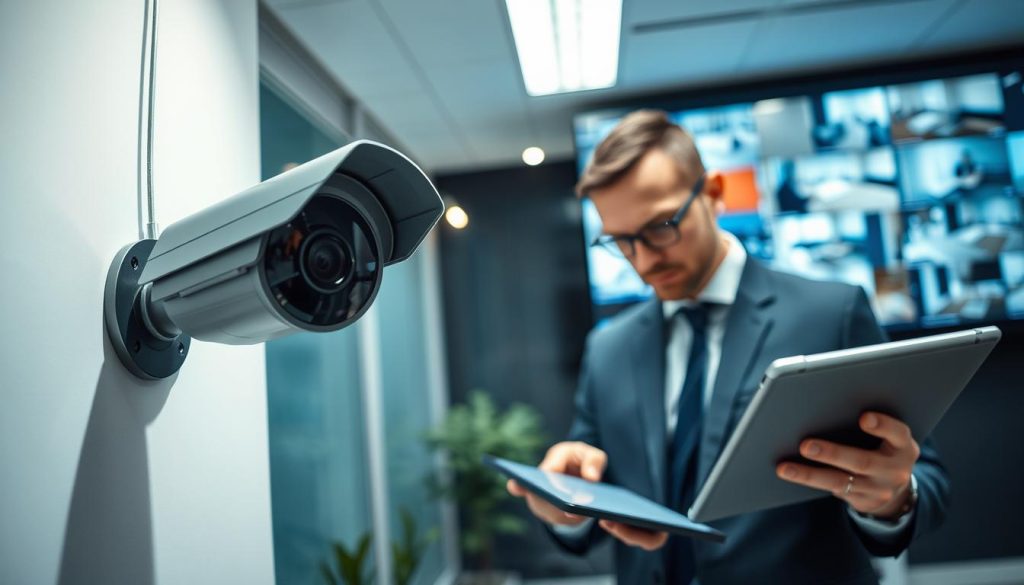
For homeowners and business owners in Singapore, surveillance systems provide essential protection. These devices act as both a deterrent and a recording tool. Disconnecting them creates immediate security gaps.
The consequences of powering down monitoring equipment vary significantly. Different types of surveillance systems react in unique ways. Understanding your specific setup is crucial for assessing the real impact.
An offline security camera creates a dangerous blind spot. This neutralizes a key layer of your property’s defense strategy. You lose real-time visibility and historical footage during critical moments.
This article explores the technical and practical outcomes. We break down risks like compromised live feeds and missed alerts. Knowing these details helps you maintain effective protection for your Singapore property.
Key Takeaways
- Disconnecting surveillance equipment creates immediate security vulnerabilities.
- The specific impact depends entirely on your camera system’s type and features.
- You lose both live monitoring capability and recorded footage during the downtime.
- An offline device forms a blind spot that criminals could potentially exploit.
- Modern systems often send alerts when cameras lose power or connection.
- Proper maintenance prevents unintended disconnections that compromise safety.
- Understanding your system helps you respond correctly if a camera goes offline.
Understanding the Core Question: It Depends on Your Camera
The result of disconnecting a surveillance device hinges on one fundamental element: its power source. This single factor determines whether the unit continues to function or shuts down completely.
Surveillance technology is not monolithic. Different designs incorporate varying levels of power autonomy. This creates a spectrum of possible outcomes when you remove the main power supply.
The Critical Role of Power in Surveillance
Electricity is the absolute lifeline for any continuous monitoring operation. Without a constant power feed, most electronic security components cease all activity.
Wired systems draw their operational energy directly from the main electrical grid. The network video recorder acts as the central brain for the entire system. Each camera acts as a peripheral device, requiring a live data link.
Two primary power architectures dominate the market. Standard DC-powered cameras use a dedicated power adapter. Power over Ethernet systems deliver both power and data through a single ethernet cable. Both designs rely completely on external power sources.
In these configurations, losing the main power connection causes an immediate shutdown. The device loses all internal functionality. This includes recording, motion detection, and network access. The camera effectively becomes a blind, inactive object.
Why the Answer Isn’t a Simple Yes or No
However, the market also offers a different class of monitoring cameras. These units are specifically designed to operate independently from the main power grid.
Battery-powered cameras contain an internal energy cell. This allows the device to continue its core functions when disconnected. These units do not simply stop working without power.
These modern cameras without a permanent wire can keep recording. They maintain network connectivity for remote viewing. Their onboard sensors stay active. This fundamental design difference explains why a universal answer is impossible.
The presence or absence of a backup battery is another key variable. Some wired units have a small internal capacitor. This provides a few minutes of continued operation.
Others lack any backup reserve. The answer to our core question flows directly from these technical specifications.
Camera-Specific Breakdown: What Happens When You Disconnect Power
Not all surveillance equipment responds identically to a loss of electrical supply. The outcome depends entirely on the internal design and power architecture of each unit.
Understanding these differences is crucial for property owners in Singapore. It helps assess real vulnerabilities in your monitoring setup.
Wi-Fi & DC-Powered Cameras: Instant Shutdown
Standard Wi-Fi cameras rely on direct current from a wall adapter. These units demand constant power for every function.
Disconnecting the adapter causes an immediate termination. The live feed vanishes instantly. Motion detection and recording cease completely.
Network communication drops as the Wi-Fi radio turns off. The device becomes a blind, inactive object on your wall.
Previously saved footage remains accessible, however. Videos stored on a local SD card or cloud service stay intact. This archived material can still be reviewed for past events.
PoE (Power over Ethernet) Cameras: Network and Power Loss
Power over Ethernet technology delivers both electricity and data through one cable. This elegant design has a critical vulnerability.
Severing the ethernet cable creates a dual failure. The camera loses its electrical source and its data network simultaneously.
The unit becomes completely inert. It cannot record new video or send alerts. Remote access through the system interface is impossible.
These security cameras cannot function during general blackouts. Unless the network switch and recorder have backup power, the entire system fails.
Footage stored on the network video recorder remains safe. This historical data is protected from the disconnection event.
Battery-Powered & Solar Cameras: The Temporary Lifeline
Modern battery-powered cameras offer a different response. These cameras without permanent wires contain internal energy cells.
Disconnecting mains power does not make them stop working. They continue full surveillance operations on battery reserve.
Live viewing, motion alerts, and video recording all persist. The operational duration depends on battery capacity and activity levels.
Models like the Reolink Argus 3 Pro can last for days on a single charge. Solar panels provide automatic recharging for uninterrupted operation.
This design creates a resilient security camera solution. It maintains protection during power outages or accidental disconnections.
Knowing your specific camera type is the essential first step. It reveals your actual exposure when power connections are interrupted.
The Immediate Technical Consequences of an Unplugged Camera
Beyond the simple act of disconnection lies a cascade of digital failures that cripple your property’s monitoring. When power is removed, the camera does not just go dark. It undergoes a complete and immediate shutdown of its core operational functions.
This technical breakdown happens in a specific, detrimental sequence. Each failed function compounds the risk to your Singapore home or business. Understanding this sequence is key to grasping the full vulnerability.
Loss of Live Monitoring and Remote Access
The first and most obvious impact is the instant blackout of the live video feed. Your portal to real-time visibility vanishes. The app or computer interface displays a connection error or a frozen image.
This loss of live access is severe. You cannot perform a visual check of your property. Verifying a potential alarm becomes impossible without that live view.
Your response to any situation is significantly delayed. The security camera transitions from an active sentinel to a blind object. Real-time surveillance is the first casualty of a disconnection.
Interruption of Recording and Potential Footage Gaps
Simultaneously, the recording function halts abruptly. No new video data is saved to the storage device or cloud service. This creates a critical footage gap in your security timeline.
Events occurring during the downtime are completely missing. This missing evidence can be catastrophic for reviewing incidents. Identifying perpetrators or providing proof to authorities relies on continuous recording.
The gap may also cover moments just before the camera unplugged. This can obscure the cause of the disconnection itself. For comprehensive surveillance, uninterrupted recording is non-negotiable.
Silenced Alerts and Notification Failure
A critical and often overlooked failure is the silencing of the alert system. Without power, the device cannot process sensor data or communicate.
Configured alerts for motion detection simply do not trigger. No push notifications, SMS, or emails are sent. This creates a dangerous silence during a potential security event.
You remain completely unaware of intrusions or other incidents. Modern security cameras are designed to warn you, but an unplugged unit is incapacitated. This notification failure compounds the risk, leaving you without any proactive warning.
The overall technical result is clear. The unit offers zero proactive security value. It becomes a blind, deaf, and mute component on your wall until power is restored.
Compromised Security: The Primary Risks You Face
The moment a camera goes offline, your property’s defense shifts from proactive protection to reactive vulnerability. Technical failures translate directly into tangible threats. Understanding these risks is essential for maintaining effective security in Singapore.
An inactive monitoring device creates more than just a recording gap. It fundamentally weakens your entire protective strategy. Each risk compounds the others, creating a dangerous security vacuum.
Increased Vulnerability to Burglary and Intrusion
Functioning cameras serve as a powerful psychological deterrent. Studies consistently show properties with visible surveillance experience fewer break-in attempts. Criminals actively seek targets with weaker defenses.
An offline security camera signals that a primary layer of protection is down. This makes your home or business appear more vulnerable. The statistical safety advantage provided by active monitoring disappears completely.
In Singapore’s dense urban environment, this vulnerability is particularly concerning. Neighboring properties may have robust systems, making yours the obvious weak point. Burglars often case locations specifically looking for inactive security cameras.
Opportunities for Tampering and Intentional Disabling
An already disconnected unit becomes an easy target for manipulation. Intruders may physically damage, steal, or reposition the camera. This ensures it remains offline during their activities.
The act of tampering itself leaves no digital evidence. Without power, the device cannot record the perpetrator’s actions. This creates a perfect crime scenario where the security breach destroys proof of itself.
Some criminals carry tools specifically for disabling surveillance equipment. A visibly unplugged or accessible unit invites this interference. Proper installation and protection of power sources are crucial countermeasures.
Creating Blind Spots in Your Property’s Defense
Beyond physical coverage gaps, disconnection creates temporal blind spots. These are periods when your monitoring coverage drops to zero. Criminals can exploit these windows with precision timing.
Sophisticated intruders may observe camera activity patterns. They wait for maintenance periods or predictable outages. A single camera unplugged can provide the opportunity they need.
Your entire system‘s integrity relies on every component functioning. Like a chain, it’s only as strong as its weakest link. An offline unit represents that critical failure point.
For Singapore property owners, even brief lapses carry serious consequences. The high value of urban real estate makes comprehensive protection non-negotiable. Regular checks prevent these dangerous blind spots from forming.
Beyond Security: Legal and Insurance Implications
The financial and legal fallout from a disconnected surveillance system can be as significant as the security breach itself. Many property owners focus solely on physical protection gaps. They overlook the contractual and regulatory consequences that follow.
How Unplugged Cameras Can Weaken Insurance Claims
Insurance providers often include specific clauses in their policies. These require policyholders to maintain reasonable security measures. A functional monitoring system typically qualifies as such a measure.
When you file a claim for theft or vandalism, evidence becomes crucial. Adjusters may request proof that your security devices were operational at the time of the incident. A non-functional camera raises immediate red flags.
It could be interpreted as negligence on your part. This interpretation can severely weaken your claim’s validity. Insurance companies might argue you failed to uphold your duty of care.
The absence of footage creates another major problem. Without video data, proving the value of stolen items becomes challenging. Demonstrating the extent of property damage is equally difficult.
This evidentiary gap often leads to reduced compensation. In some cases, it results in complete claim denial. Maintaining working security cameras is therefore a financial safeguard.
Legal Repercussions of Unauthorized Tampering in Singapore
Tampering with a security camera you do not own carries serious legal weight. This action is considered a criminal offense in most jurisdictions. Singapore has clear statutes addressing such interference.
Unauthorized disconnection or disabling of surveillance equipment violates several laws. These may include vandalism statutes and trespassing regulations. Specific provisions against interfering with security apparatus also apply.
The penalties can range from substantial fines to more severe consequences. The context determines the exact charges. Tampering in a multi-tenant building or shared workplace compounds the offense.
It demonstrates clear intent to circumvent established security protocols. Perpetrators face not only criminal charges but also potential civil liability. Victims can sue for damages resulting from the compromised surveillance.
Always seek explicit permission before interacting with any monitoring devices. The owner or relevant authorities must authorize your actions. This simple step prevents accidental legal violations.
Remember, the ramifications extend beyond immediate safety concerns. They enter the realms of financial liability and strict legal compliance. Protecting your system protects your legal and financial standing too.
Common Scenarios That Lead to Unplugged Cameras
From a tripped breaker to a cut cable, the reasons for camera failure vary widely in intent. Identifying the cause is crucial for a correct response. It separates a simple technical glitch from a deliberate security breach.
This breakdown explores the typical events that render a monitoring device inactive. Knowing these scenarios helps Singapore property owners diagnose issues quickly. It also highlights where to strengthen your defenses.
Accidental Causes: Power Outages and Cable Faults
Many disconnections occur without any malicious intent. General power failures are a primary culprit. During a blackout, all wired security cameras lose their power source instantly.
Tripped circuit breakers can have the same localized effect. A faulty power adapter or transformer can also fail silently. These components wear out over time, especially in Singapore’s humid climate.
Physical damage to cables is another common issue. Weather, rodents, or simple wear and tear can compromise wiring. An ethernet cable chewed by pests severs both data and power for PoE systems.
While outages affect all wired devices, mitigation is possible. Battery backups or Uninterruptible Power Supply (UPS) systems provide a critical buffer. They keep your security online until mains electricity returns.
Intentional Actions: From Maintenance to Malicious Disabling
People also disconnect cameras on purpose. Legitimate reasons include professional maintenance, renovation work, or system reconfiguration. For these tasks, proper procedure matters.
“Always use the official deactivation method in the camera’s app or control panel before physically unplugging it. This prevents software errors and ensures a clean restart.”
Simply pulling the plug can confuse the network video recorder. It may log the event as a fault rather than planned downtime. Following the correct steps maintains system stability.
Malicious disabling is a deliberate criminal tactic. Intruders seek to eliminate surveillance before acting. They may cut PoE cables, unplug power adapters, or even remove the entire device.
Some sophisticated operators use signal jammers or target the main electrical panel. This makes backup power solutions and tamper alerts essential. Understanding these threats allows for better planning.
Recognizing the scenario behind an offline camera is the first diagnostic step. It informs whether you need an electrician or should contact the police. This knowledge directly supports the preventive measures discussed next.
Ripple Effects: How One Unplugged Camera Disturbs Your Entire System
The disruption of a single monitoring unit can trigger unexpected consequences throughout your entire security infrastructure. Modern protection networks function as integrated ecosystems rather than collections of isolated devices.
Each component communicates with central recorders and monitoring software. When one link fails, the entire chain’s reliability suffers. This creates vulnerabilities that extend far beyond the immediate blind spot.
Network Malfunctions and System Instability
Contemporary surveillance systems are deeply interconnected. A disconnected camera, especially on Power over Ethernet networks, creates communication breakdowns.
The network switch or video recorder logs persistent errors. These communication timeouts can affect other connected devices. System-wide instability becomes a real possibility.
This manifests in several frustrating ways for Singapore property owners:
- Laggy live feeds from functioning cameras
- Delayed motion alerts and notifications
- Software glitches within monitoring applications
- Intermittent loss of remote access capabilities
The network interprets the missing device as a fault condition. It may allocate resources trying to re-establish connection. This drains performance from your entire protection setup.
Professional systems often include health monitoring features. These tools alert you to individual component failures immediately. Without such alerts, the problem can persist unnoticed.
False Sense of Security Among Residents
A partially functional system creates dangerous psychological complacency. Residents glance at monitoring apps and see most cameras active. They assume comprehensive coverage remains intact.
This false confidence is particularly risky. The offline unit might cover a critical entry point or vulnerable area. People continue their routines believing protection is complete.
The delay in discovering the problem compounds the risk. Valuable response time is lost while reliance on broken security persists. This over-reliance on compromised systems represents a significant threat.
Regular status checks become essential preventive measures. Monitoring should focus on component health, not just video footage. Proactive management ensures no single point of failure goes undetected.
Singapore homeowners should verify their system’s integrity regularly. Look for status indicators showing all cameras online. Confirm that alerts would notify you of any disconnection immediately.
An unplugged camera degrades more than local visibility. It undermines trust in your entire security infrastructure. Maintaining that trust requires vigilance toward every component’s operational status.
Proactive Guide: Best Practices to Prevent and Mitigate Risks
A resilient security strategy anticipates potential failures before they compromise your property’s safety. Reactive measures after a monitoring gap occurs are far less effective. This guide outlines three actionable steps to fortify your surveillance setup.
Implementing these practices reduces vulnerability significantly. They address both accidental and intentional causes of downtime. Your Singapore home or business gains stronger, more reliable protection.
Step 1: Secure and Protect Your Camera’s Power Source
The electrical supply is the most critical point of failure. Begin by physically securing all cables and connections. Use protective metal or PVC conduit to shield wiring from damage.
Place power outlets and adapters out of easy reach. Install locking outdoor electrical boxes for exterior devices. Tamper-proof mounts make intentional disconnection much more difficult.
Consider adding an Uninterruptible Power Supply for critical components. A UPS provides temporary backup during short outages. This keeps your network video recorder and key cameras online.
For wireless models, ensure batteries are charged and in good condition. Solar panels offer excellent continuous power for suitable locations. These steps create a robust first line of defense.
Step 2: Implement a Multi-Camera Strategy for Redundancy
Strategic redundancy is a core principle of resilient surveillance design. Install multiple security cameras with overlapping fields of view. This ensures no single point creates a total blind spot.
If one unit is disabled, adjacent devices continue monitoring the area. This approach directly mitigates the risk of coverage loss. It transforms a potential vulnerability into a manageable contingency.
Evaluate your property’s layout for critical zones. Entry points, valuables storage, and blind corners need extra attention. Overlapping coverage from different angles provides comprehensive visibility.
Modern systems allow seamless integration of multiple camera types. Mix wired and wireless models for maximum flexibility. This layered approach strengthens your entire protective network.
Step 3: Establish a Routine Inspection and Maintenance Schedule
Consistent upkeep prevents small issues from becoming major failures. Create a monthly checklist for visual inspections. Examine all security camera housings, cables, and connections for damage.
Test each power outlet with a simple device. Verify remote access through your monitoring app remains functional. Confirm that motion alerts and notifications are working correctly.
Regularly update device firmware for stability and security patches. Manufacturers release improvements that address known vulnerabilities. These updates often enhance performance and reliability.
Review saved recordings periodically to identify past disconnection events. Check system access logs for any suspicious activity patterns. This forensic approach helps you detect attempted unplugging security breaches.
Document all maintenance activities in a simple log. Note dates, findings, and corrective actions taken. This record helps track system health over time and informs future upgrades.
Prevention is always more effective than reacting to a breach. A disciplined maintenance routine ensures your systems deliver continuous protection. It provides genuine peace of mind for Singapore property owners.
Choosing the Right Security Solution for Resilient Coverage
Effective coverage begins with a strategic evaluation of monitoring options tailored to Singapore’s unique urban landscape. The ideal system balances reliability, installation complexity, and resistance to disruption. This selection process moves beyond basic features to prioritize continuous operation.
Property owners must consider several critical factors during evaluation. These include building layout, entry point vulnerabilities, and local environmental conditions. A thoughtful approach ensures your investment delivers genuine protection.
Evaluating Your Needs: Wired, Wireless, or Hybrid Systems?
Three primary architectures dominate modern surveillance solutions. Each offers distinct advantages for different Singapore properties. Understanding their core differences is essential for informed decision-making.
Wired systems, including Power over Ethernet configurations, provide exceptional stability. They deliver both electricity and data through a single cable. This simplicity makes them less vulnerable to interference.
PoE cameras like the Reolink Duo 3 offer wide viewing angles and consistent performance. Their main weakness remains dependency on mains electricity. A general blackout can disable the entire network without proper backup.
Wireless Wi-Fi cameras offer superior installation flexibility. They eliminate the need for extensive cable runs through walls. This makes them ideal for rental properties or temporary monitoring setups.
Their critical vulnerability is constant power dependency. Standard Wi-Fi models require a nearby electrical outlet. Units with built-in batteries, like the Reolink Atlas PT Ultra, solve this problem effectively.
Hybrid systems combine the best elements of both approaches. They use wired connections for critical fixed positions. Wireless units cover areas where running cables proves impractical.
This layered strategy creates built-in redundancy. If one component fails, others maintain partial coverage. It represents the most resilient approach for comprehensive property protection.
Key Features for Uninterrupted Surveillance: Battery Backups and Cloud Storage
Specific technological features directly combat the risk of monitoring gaps. These elements ensure your security camera continues operating during disruptions. They transform vulnerable equipment into resilient sentinels.
Built-in rechargeable batteries provide the most obvious protection. They maintain full functionality during power outages or accidental disconnections. Solar panel compatibility extends this autonomy indefinitely.
Dual power inputs offer another smart solution. These devices can draw electricity from both a wired connection and a battery. The system automatically switches between sources as needed.
Cloud storage represents a crucial safeguard for recorded footage. Local storage devices can be stolen or damaged during intrusions. Remote cloud servers preserve data even if hardware is compromised.

Advanced motion detection with pet immunity reduces false alerts. This ensures notifications remain relevant and actionable. High-resolution sensors and night vision capabilities maintain visibility in all conditions.
Offline notification alerts immediately inform you when a camera loses connection. This allows for rapid response to potential tampering. Mobile app integration provides convenient remote access and settings management.
Professional-grade CCTV solutions often include centralized monitoring services. These services provide human verification of alerts and faster emergency response. They add a valuable layer of oversight beyond automated systems.
The Value of Professional Consultation in Singapore
Expert guidance simplifies the complex selection process for property owners. Local security providers understand Singapore’s specific regulatory environment. They ensure installations comply with all relevant privacy and building codes.
Reputable companies like ED Viston or Wen Hong conduct thorough site surveys. They identify architectural vulnerabilities and optimal camera placements. This professional assessment prevents coverage gaps from the initial design phase.
“A professional installer doesn’t just mount cameras. They design an integrated security ecosystem with built-in redundancy for critical areas.”
These experts handle the technical complexities of network configuration and power management. They properly secure all cables and connections against tampering. This physical hardening deters intentional disabling attempts.
Ongoing support agreements provide peace of mind for homeowners. Technicians perform regular maintenance checks and system updates. They respond quickly to technical issues before they become security vulnerabilities.
Professional solutions often include warranty protection and equipment guarantees. This financial safeguard protects your investment over the long term. It ensures your surveillance infrastructure remains effective and current.
The right security choice depends on honest assessment of your specific needs. Consider both current requirements and future expansion possibilities. A resilient system today provides protection for tomorrow’s uncertainties.
Ensuring Continuous Protection for Your Home and Peace of Mind
Continuous operational readiness transforms security cameras from passive devices into active protective barriers. An offline unit creates more than a technical gap—it represents a critical vulnerability in your property’s defense.
The impact varies by equipment type, but the universal outcome is reduced capability. You face immediate loss of live monitoring, recording, and alert functions. This increases risks like burglary and complicates insurance matters.
Proactive measures are essential for reliable surveillance. Secure all power sources and implement camera redundancy. Regular maintenance checks prevent unexpected failures before they occur.
Audit your current system to identify single points of failure. Consider upgrading to resilient solutions with battery backup for uninterrupted operation. For personalized assessment, consult with local security experts at Wen Hong to explore the latest CCTV technologies.
Active management ensures your monitoring network delivers genuine safety and peace of mind. Protect what matters most with consistent, reliable coverage.