
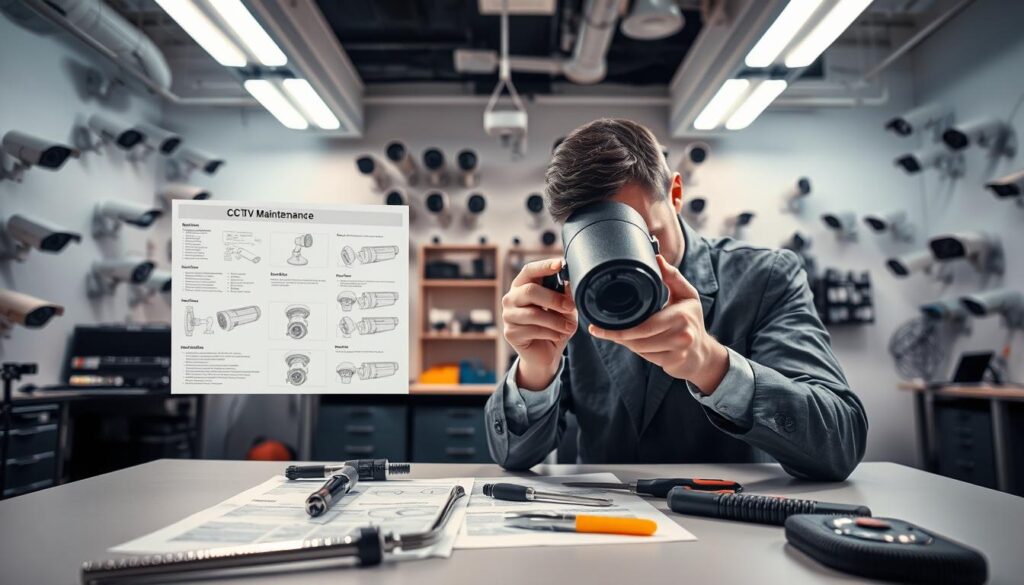
In Singapore’s humid climate, CCTV systems encounter unique challenges. These conditions can diminish the effectiveness of surveillance cameras. Regular upkeep is crucial, as it can reduce equipment failures by up to 30%. This guide will delve into the various maintenance approaches that are essential for reliable security.
Understanding these methods is vital for property owners and business managers. It empowers them to protect their investments and ensure operational efficiency. We will explore three primary maintenance categories: preventive, corrective, and predictive.
With the right knowledge, readers can make informed decisions about their CCTV system care. This guide offers actionable steps for implementing each maintenance type. Additionally, it includes practical checklists and schedules tailored to Singapore’s environmental conditions.
By investing in systematic maintenance routines, businesses can enhance their security measures and safeguard their assets effectively.
Key Takeaways
- Regular upkeep is essential for reliable surveillance performance.
- Humidity and rainfall in Singapore create specific challenges for CCTV systems.
- Understanding different maintenance approaches helps protect investments.
- Well-maintained systems experience up to 30% fewer breakdowns.
- This guide provides actionable steps for effective CCTV care.
- Proactive maintenance routines are crucial for long-term security.
Understanding the Importance of Regular CCTV Maintenance
Maintaining CCTV systems in Singapore is essential for ensuring reliable surveillance. Regular upkeep not only keeps cameras operational but also enhances their performance. Well-maintained cameras provide clearer footage, which is crucial for effective security monitoring and incident review.
When routine maintenance is overlooked, security risks can escalate. Broken or malfunctioning cameras may leave critical areas unmonitored, creating vulnerabilities that criminals can exploit. Regular inspections help identify potential issues before they become serious threats, allowing for timely repairs.
Additionally, consistent maintenance extends the lifespan of your CCTV equipment. By addressing minor problems early, you can avoid costly replacements down the line. Experts recommend conducting regular checks at least once a year, with more frequent inspections in harsher environments.
Structured maintenance schedules have been shown to reduce unexpected breakdowns and lower overall ownership costs. By making sure all components function correctly, you can catch small issues before they escalate into larger problems.
Finally, well-maintained systems produce reliable footage that is crucial for legal compliance. This ensures that the evidence captured can be used effectively in court proceedings.
What are the types of maintenance of CCTV? An Overview
Effective care of CCTV systems involves three distinct maintenance strategies. Each strategy plays a crucial role in ensuring the reliability and longevity of your surveillance systems. Understanding these approaches can significantly enhance the security of your property.
Preventive Maintenance: Proactive Care
Preventive maintenance focuses on scheduled inspections and cleaning routines. This proactive approach helps catch potential problems early, making systems more reliable. Regular checks ensure that all components, including cameras and wiring, function optimally. By addressing issues before they escalate, businesses can reduce downtime and enhance overall security.
Corrective Maintenance: Addressing Problems as They Arise
Corrective maintenance comes into play when equipment malfunctions occur. This reactive process involves diagnosing and repairing issues as they arise. While it ensures quick repairs, it may lead to some downtime. Quick response times are essential to minimize disruptions and maintain security effectiveness.
Predictive Maintenance: Using Data to Prevent Failures
Predictive maintenance utilizes advanced technology and data analytics to forecast potential failures. By monitoring system performance, businesses can anticipate when equipment might fail. This strategy combines the benefits of preventive care with detailed analysis, ultimately reducing long-term expenses. It allows for a more efficient allocation of resources, ensuring systems remain operational.
In Singapore, businesses can tailor their CCTV maintenance approach based on system size, environmental conditions, and security requirements. By understanding these maintenance strategies, companies can achieve reduced downtime, extended equipment life, and improved security effectiveness.
In-Depth Look at Preventive Maintenance for CCTV Systems
To ensure CCTV systems function at their best, regular maintenance is crucial, especially in Singapore. Preventive care involves consistent inspections and cleaning to identify potential issues early. This proactive approach helps maintain optimal performance and security coverage.
Regular Inspections and Cleaning Procedures
Regular checks are essential for the efficiency of a CCTV system. During inspections, make sure to:
- Check camera positioning and verify image clarity.
- Test infrared capabilities to ensure night vision performance.
- Inspect seals and wiring to prevent potential failures.
Cleaning camera lenses every two months significantly boosts image quality. Use microfiber cloths and appropriate solutions to avoid damaging sensitive optical surfaces. Additionally, regular cleaning of camera housings prevents dust accumulation and moisture infiltration.
Benefits of Early Problem Detection
Identifying problems early can lead to substantial benefits. Early detection results in:
- Reduced repair costs.
- Minimized system downtime.
- Maintained security coverage during critical periods.
In Singapore’s humid climate, addressing minor issues promptly is vital to combat moisture-related damage.
Setting Up a Preventive Maintenance Routine
Establishing a preventive maintenance routine is key to consistent monitoring. A good schedule should include:
- Weekly visual checks.
- Monthly cleanings.
- Quarterly comprehensive inspections.
During the rainy season, increase checks to prevent water damage. Make sure all seals and weatherproofing elements remain intact to protect internal components from humidity. Consistent preventive care leads to improved CCTV system reliability and the ability to capture clear footage when incidents occur.
Effective Corrective Maintenance Techniques
Addressing issues in CCTV systems promptly is crucial for maintaining security. Corrective maintenance focuses on fixing problems after they occur. This includes situations where equipment breaks down or does not function properly. Common issues can range from broken camera lenses to faulty wiring or outdated software.
Quick action is essential to prevent further complications. Delaying repairs can lead to increased costs and vulnerabilities. For instance, minor issues like loose connections can escalate into major system failures. This can require expensive component replacements and leave properties unprotected.
To ensure effective corrective maintenance, consider the following:
- Identifying and Diagnosing Issues Quickly: Systematic troubleshooting is vital. Check camera feeds, power supplies, and network connections to pinpoint problems swiftly.
- Recognizing Symptoms: Look for signs that indicate the need for repairs. Symptoms include flickering images, complete signal loss, or error messages on recording equipment.
- Cost Implications: Delayed repairs can be costly. Addressing minor issues quickly helps avoid larger system failures that require expensive fixes.
- Security Vulnerabilities: Postponed maintenance can leave properties exposed to theft or vandalism. Quick action is essential to maintain security.
- Working with Skilled Technicians: Employing experienced technicians ensures efficient diagnosis and repairs. They utilize proper tools and genuine replacement parts.
- Emergency Response Services: Many professional service providers in Singapore offer urgent repair services. This minimizes downtime and quickly restores surveillance coverage.
- Documenting Maintenance Activities: Keeping records of corrective maintenance helps track recurring issues. This can identify equipment that may need replacement.
In conclusion, effective corrective maintenance is vital for overall security system reliability. Even well-maintained equipment occasionally requires reactive repairs. By addressing issues swiftly, businesses can protect their assets and ensure continuous surveillance.
Implementing Predictive Maintenance Strategies
In the realm of surveillance technology, predictive maintenance emerges as a game-changer. This approach utilizes advanced technology and data analytics to forecast when equipment might fail. By anticipating issues, businesses can avoid sudden downtime that could jeopardize security.
Predictive maintenance focuses on monitoring equipment performance trends and identifying anomalies. This proactive method helps detect potential failures before they escalate. For instance, temperature readings, power consumption patterns, and signal quality metrics are all vital data points collected from modern surveillance systems.
Utilizing Data Analytics for Equipment Monitoring
Data analytics plays a crucial role in enhancing the effectiveness of CCTV systems. By analyzing performance data, companies can gain insights into their equipment’s health. This allows for timely interventions that ensure optimal performance and security.
Condition-Based Maintenance to Optimize Resources
Condition-based maintenance optimizes resource allocation by scheduling maintenance only when needed. This means interventions occur based on real-time data, rather than on fixed intervals. Such a strategy reduces unnecessary costs and ensures that resources are used efficiently.
Reducing Downtime with Advanced Predictive Tools
Advanced predictive tools, such as network monitoring software and automated alert systems, significantly reduce unexpected downtime. These tools enable businesses to stay ahead of potential issues, ensuring that surveillance systems remain operational during critical periods.
Moreover, the cost benefits of predictive maintenance are notable. Companies can expect reduced emergency repair expenses and extended equipment lifespan through timely interventions. In Singapore, businesses with large-scale CCTV deployments particularly benefit from these strategies, preventing coverage gaps that could compromise security.
Ultimately, implementing predictive maintenance not only enhances the reliability of CCTV systems but also contributes to improved security outcomes. By ensuring cameras remain operational without unexpected failures, businesses can protect their assets effectively.
Building a Comprehensive CCTV Maintenance Checklist
Creating a thorough checklist for CCTV maintenance is vital for optimal security performance. A well-structured checklist helps ensure that all essential components are regularly inspected. This proactive approach is key to keeping security systems in top shape.
Key components to inspect include:
- Camera Functionality and Clarity: Regularly check camera lenses for clarity. Ensure no dust, dirt, or moisture has accumulated, as this can degrade image quality.
- Wiring Integrity and Connections: Inspect wiring for signs of corrosion, loose fittings, or physical damage. These issues can cause signal loss and impact system reliability.
- Storage Capacity Management: Monitor storage to ensure there is sufficient space for video footage retention. This is crucial for meeting operational requirements and legal standards.
- Weatherproofing for Outdoor Units: Check seals and protective casings to prevent moisture damage. This is especially important in Singapore’s humid climate.
- Power Supply and Backup Systems: Verify that power supplies are functioning correctly and that battery backups are operational to prevent downtime.
Documentation is equally important. Keeping records of maintenance activities helps track system performance and spot recurring issues. A log of inspections and repairs can identify patterns and ensure nothing is overlooked.
Organized documentation enables faster problem resolution and improved system reliability. Regular checks against a standardized checklist ensure consistency across different technicians and maintenance sessions. It’s essential to make sure all checklist items are completed thoroughly, with sign-offs and dates recorded for accountability purposes.
Common Issues Encountered During CCTV Maintenance
CCTV systems face a range of challenges that can compromise their effectiveness. Understanding these common issues is vital for maintaining security and ensuring optimal performance. Let’s explore some frequent problems encountered during maintenance.
Camera Lens Problems and How to Prevent Them
Camera lenses often suffer from dirt accumulation, moisture fogging, and physical misalignment. These issues can significantly affect image clarity and quality. Regular cleaning schedules are essential to prevent dirt and moisture from obstructing the view.
To mitigate lens problems:
- Establish a routine cleaning plan, ensuring lenses are wiped down regularly.
- Install proper housing to protect cameras from environmental elements.
- Utilize weatherproof enclosures, especially in Singapore’s humid climate.
Wiring and Connection Challenges
Wiring issues can lead to significant problems, including corroded connectors, rodent damage, and loose terminations. These challenges can cause intermittent signal loss, affecting the reliability of your CCTV system.
Addressing wiring problems involves:
- Regularly inspecting connectors for signs of corrosion.
- Securing cables to prevent rodent damage.
- Ensuring all connections are tight and secure.
Storage Capacity and Network Connectivity Concerns
Storage capacity issues can manifest when there is insufficient space to retain important footage. This can lead to overwritten recordings and missed events. In Singapore, 83% of CCTV failures were attributed to neglecting routine maintenance.
Network connectivity is also crucial, particularly for IP-based systems. Common concerns include bandwidth limitations and IP address conflicts. These can disrupt communication between cameras and recording equipment, resulting in lost footage.
By recognizing these common issues, maintenance teams can diagnose and resolve problems more efficiently during routine inspections. As the saying goes, “An ounce of prevention is worth a pound of cure.” Proactive maintenance can significantly reduce the risk of system failures that leave properties vulnerable during critical security events.
Developing a Practical CCTV Maintenance Schedule
Establishing a structured maintenance schedule is crucial for maximizing the performance of CCTV systems. A well-planned approach ensures that your surveillance equipment remains operational and effective. Regular checks can significantly reduce the likelihood of unexpected failures, thereby enhancing security.
Implementing a practical maintenance routine involves various tasks categorized by frequency. These tasks range from daily visual inspections to comprehensive annual service checks. Here’s a breakdown of what to include in your maintenance schedule:
Daily and Weekly Maintenance Tasks
Daily maintenance tasks are essential for immediate identification of issues. They should include:
- Quick visual checks of camera feeds to ensure all units are operational.
- Reviewing system logs for any error messages that require immediate attention.
Weekly responsibilities should focus on:
- Verifying camera angles to cover all intended areas.
- Checking that recording functions operate correctly without interruptions.
Monthly and Quarterly Inspection Guidelines
Monthly inspections are vital for maintaining the integrity of your CCTV system. Key tasks include:
- Thorough cleaning of camera lenses to ensure clear image capture.
- Assessing cable integrity to prevent unexpected failures.
- Testing power supply systems to ensure reliability.
Quarterly maintenance procedures should involve:
- Comprehensive system reviews to assess hardware performance.
- Conducting diagnostics on software configurations to ensure everything is up to date.
Annual Professional Service Recommendations
Annual professional services are crucial for a complete system audit. These visits should include:
- Firmware updates to enhance system security and functionality.
- Expert assessments of equipment condition to identify potential issues.
In Singapore, a quarterly maintenance check is particularly advised for businesses. This can cut equipment failures by 75% and extend system life by 50%. Well-maintained systems experience 50% fewer problems than those that are neglected.
Creating a customized maintenance schedule that considers system size, environmental factors, and operational requirements is essential. Consistent adherence to this plan will protect your security investments and ensure reliable surveillance.
Choosing the Right Professional CCTV Maintenance Provider
Selecting a reliable CCTV maintenance provider is essential for the effective operation of security systems. A skilled professional can ensure that your surveillance equipment remains functional and efficient. This section will guide you through the key criteria for evaluating potential providers and tailoring maintenance plans to meet your specific needs.
When looking for a CCTV maintenance service, consider their experience and service quality. Look for providers with a solid track record in CCTV support services. They should have technical certifications and demonstrated expertise with various system types. Client testimonials and case studies can also help assess their service quality.
Evaluating Experience and Service Quality
To ensure you choose the right provider, evaluate their industry experience. Check for technical certifications that indicate proficiency in handling different CCTV systems. Additionally, seek out references from businesses with similar surveillance requirements. This will give you insight into their reliability and service quality.
Ensuring Compliance with Local Regulations in Singapore
In Singapore, compliance with local regulations is critical. Surveillance systems must meet specific standards for legal admissibility of footage. Ensure that your chosen provider is knowledgeable about these regulations. This will help you avoid potential legal issues down the line.
Customizing Maintenance Plans to Your Needs
Every CCTV system is unique, so it’s important that maintenance plans are tailored to your specific needs. Professional providers should consider factors such as camera count, system complexity, and environmental conditions. Budget constraints should also be taken into account when customizing your maintenance plan.
Establishing an ongoing relationship with your maintenance provider can yield significant benefits. They will understand the unique characteristics of your security system, which can lead to improved reliability. Additionally, professional service agreements often include emergency response provisions for urgent repairs outside scheduled maintenance windows.
By connecting with a professional maintenance service, you can enhance the reliability of your CCTV systems. This not only reduces the burden on your internal staff but also ensures that your surveillance equipment operates smoothly. Don’t hesitate to ask potential providers about their maintenance methodologies, reporting practices, and response times to find the best fit for your needs.
Best Practices for Effective CCTV System Maintenance
To achieve optimal performance, a well-maintained CCTV system is vital for security. Implementing best practices can enhance the longevity and effectiveness of your surveillance equipment. Regular attention to key areas ensures that your system remains reliable and efficient.
Regular Cleaning and Environmental Protection
Regular cleaning is essential for maintaining clear footage. Dust and debris can blur images, reducing the effectiveness of your cameras. Ensure that camera lenses, housings, and environmental enclosures are cleaned frequently. This helps maintain optimal image quality in all weather conditions.
Environmental protection measures are also crucial. Proper housing installation, sun shields, and moisture barriers are important for outdoor camera deployments. These features protect your equipment from harsh elements, ensuring that your cameras remain operational.
Firmware and Software Updates
Keeping your CCTV system’s software and firmware updated is critical. Manufacturer updates often improve system performance and security. Regular updates can fix bugs and provide access to new features that enhance surveillance capabilities. Staying current with software ensures your system operates at its best.
Monitoring and Record-Keeping for System Health
Monitoring practices play a vital role in tracking system health indicators. Keep an eye on signal strength, storage utilization, and power stability. This proactive approach allows for early identification of potential issues, preventing downtime.
Additionally, maintain comprehensive records of all maintenance activities. Documenting these activities creates a history for each component in the CCTV system. This information can help identify patterns and ensure nothing is overlooked during inspections.
Consistent system upkeep practices prevent gradual performance degradation. By committing to regular checks and maintenance, you can keep your system functioning at peak performance. This dedication leads to improved footage quality, extended equipment lifespan, and reduced total cost of ownership.
Benefits of Regular CCTV System Inspections
Regular inspections of CCTV systems provide numerous benefits that enhance security and efficiency. These checks ensure that surveillance equipment operates at peak performance, which is vital for protecting properties and assets.
Improved Security and Reduced Downtime
Routine evaluations directly improve security by confirming that all cameras function correctly. This ensures complete coverage of protected areas, minimizing blind spots. When issues are identified early, they can be addressed during planned maintenance, reducing unexpected outages.
Cost Savings through Early Issue Detection
Identifying problems early can lead to significant cost savings. Regular checks help avoid emergency repair charges and prevent the need for expensive equipment replacements. By maintaining a proactive approach, businesses can manage their budgets more effectively.
Ensuring Clear Footage for Legal Compliance
Clear footage from well-maintained cameras supports legal compliance. This is crucial for providing admissible evidence during investigations and court proceedings. Regular inspections ensure that image quality remains high, which is essential for legal matters.
In addition, regular CCTV inspections contribute to extended equipment lifespan. By catching minor problems before they cause permanent damage, businesses can enjoy peace of mind knowing their security system undergoes consistent professional evaluation.
Many businesses in Singapore have strengthened their security posture through disciplined inspection routines. Proactive care prevents the majority of common failures, ensuring that surveillance systems remain reliable and effective.
Understanding Different Types of CCTV Systems and Their Maintenance Needs
Each CCTV system has distinct characteristics that influence its upkeep. Recognizing these variations is crucial for developing effective maintenance strategies. Understanding the specific needs of different systems helps ensure optimal performance and longevity.
Wired CCTV Systems
Wired CCTV systems provide steady connections and high-quality video. However, they require regular inspection of coaxial or Ethernet cables for physical damage and connection integrity. Routine checks can prevent signal loss and ensure that all components function correctly.
Wireless CCTV Systems
Wireless CCTV systems are easier to install, making them a popular choice. Maintenance for these systems focuses on verifying signal strength and monitoring battery life. Regular checks are necessary to protect against wireless interference and potential cyber threats that could compromise security.
IP-based and Analog CCTV Systems
IP-based surveillance systems utilize digital technology for superior performance and clearer images. They require regular software and firmware updates to maintain security and functionality. In contrast, analog systems are simpler and have lower maintenance needs, but they still require monitoring of image quality and cable conditions.
Understanding the unique maintenance requirements of each system type is essential. Different systems require tailored approaches rather than one-size-fits-all solutions. This ensures that all equipment operates effectively and reduces the likelihood of issues arising.
Additionally, power supply considerations vary by system type. For instance, IP cameras often use Power over Ethernet (PoE), while analog installations may require separate power cables. By connecting these specific needs to maintenance planning, businesses can allocate resources more effectively.
Ultimately, a comprehensive understanding of each CCTV system’s requirements leads to more efficient maintenance and improved security outcomes.
Addressing Power Supply and Storage Management in CCTV Maintenance
Power supply and storage management are crucial elements in maintaining effective CCTV systems. In fact, power failures account for 72% of downtime incidents in surveillance setups. These failures often stem from loose or faulty connections, which can lead to significant surveillance gaps. Regular checks of power connections are essential to keep systems running smoothly and securely.
Preventing Power Failures and Ensuring Backup
Reliability in power supply is critical for uninterrupted CCTV operation. To mitigate power issues, consider the following preventive measures:
- Regular Inspection: Conduct frequent checks of all power connections to ensure they are secure and functioning properly.
- Uninterrupted Power Supply (UPS): Implement UPS systems to maintain functionality during electrical disruptions.
- Backup Battery Testing: Regularly test backup batteries to confirm they are operational and ready for use when needed.
Managing Storage Capacity for Video Footage
Storage management is equally important in maintaining a reliable CCTV system. Insufficient storage capacity can lead to loss of important footage, which can compromise security. Here are key strategies for effective storage management:
- Calculate Retention Periods: Determine how long you need to keep video footage based on legal and operational requirements.
- Ensure Sufficient Hard Drive Space: Regularly check that recording equipment has enough storage capacity for all video footage.
- Review Storage Utilization: Regularly assess how much storage is being used and adjust settings accordingly.
- Configuration of Overwrite Settings: Set up overwrite options to ensure that older footage is automatically deleted when storage is full.
- Plan for Capacity Expansion: Be proactive in planning for additional storage needs as your system grows.
Additionally, consider the relationship between video quality settings and storage consumption. Higher quality footage requires more storage space, so balance image clarity with practical limitations. By keeping an eye on storage utilization, you can ensure that recording functions remain operational and effective.
Ultimately, both power and storage management are vital for the overall reliability of your CCTV system. Ensuring that these elements function correctly will enhance the effectiveness of your surveillance efforts. For mission-critical applications, implementing redundant power and storage solutions is highly recommended.
Maintaining Network Connectivity for Optimal Surveillance
For optimal surveillance, maintaining network connectivity is vital in modern CCTV systems. Network connectivity problems can significantly impact IP-based CCTV systems. Issues can arise from network congestion, weak signals, or IP address conflicts. Regular maintenance includes checking camera power, verifying IP addresses, and conducting connectivity tests with laptops or smartphones.
Firmware updates and system reboots help maintain smooth operation. Wireless systems face additional challenges from interference and cyber threats, requiring security checks and signal strength monitoring. In Singapore, where many businesses use networked surveillance, maintaining stable connections is essential for continuous monitoring and footage recording.
Identifying and Resolving Network Issues
Common network connectivity issues affecting modern surveillance systems include:
- Bandwidth bottlenecks that slow down data transmission.
- IP conflicts that prevent cameras from connecting to the network.
- Router configuration problems that can disrupt communication.
To identify network problems, systematic approaches are essential. Use ping tests to check the responsiveness of devices, perform throughput analysis to gauge data flow, and verify camera connections to ensure everything is functioning properly.
Resolving connectivity issues may involve:
- Rebooting switches to refresh connections.
- Replacing damaged cables that hinder performance.
- Segmenting networks to isolate surveillance traffic for better management.
Securing Wireless Connections Against Interference
Securing wireless connections is crucial to prevent interference from other devices, physical obstacles, and potential jamming attempts. Regular monitoring of signal strength helps maintain reliable connections. Implementing encryption protocols and changing default passwords can enhance security against cyber threats.
Regular network performance monitoring is an integral part of comprehensive CCTV system maintenance routines. Stable network connectivity ensures uninterrupted footage transmission and remote access capabilities for security monitoring. This is particularly important for businesses with multiple camera locations.
Working with IT professionals can further bolster your network infrastructure, ensuring that it effectively supports security camera operations. By maintaining robust network connectivity, businesses can enhance the reliability of their surveillance systems, ensuring optimal performance and security.
How to Keep Your CCTV System Compliant with Legal Standards
To ensure compliance with legal standards, it’s crucial to maintain your CCTV system effectively. Following maintenance rules keeps surveillance systems legally compliant. Clear and reliable video is essential for court admissibility, protecting businesses from legal challenges.
In Singapore, surveillance systems must meet specific standards for footage to be admissible as evidence. Regular maintenance ensures video quality meets these requirements. Documentation of all maintenance activities creates accountability and proves that systems are properly cared for.
Businesses that maintain thorough records are better positioned to defend against liability claims and support legal proceedings. Below are key points to consider for maintaining compliance:
- Legal Requirements: Understand the legal requirements for surveillance footage in Singapore, including standards for image clarity, timestamp accuracy, and retention periods.
- Video Quality: Regular maintenance ensures video footage remains clear and reliable enough to serve as admissible evidence in legal proceedings.
- Documentation: Maintain documentation and audit trails that demonstrate consistent maintenance practices and system reliability over time.
- Privacy Regulations: Proper maintenance supports compliance with privacy regulations governing surveillance system operation and data protection.
- Consequences of Non-Compliance: Be aware of potential legal penalties and the inability to use footage for investigations or insurance claims.
- Regular Testing: Make sure all system components meet legal standards through regular testing and verification procedures.
- Organizational Accountability: Connect maintenance documentation to organizational accountability, showing how records protect businesses during audits or legal challenges.
- Professional Guidance: Work with professional maintenance providers who understand Singapore’s regulatory environment for security system operation.

Looking Ahead: Sustaining Your CCTV System’s Performance for Years to Come
To ensure your CCTV system remains effective, a commitment to ongoing maintenance is essential. Regular upkeep not only reduces equipment failures by up to 30% but also significantly extends the lifespan of your security cameras. Businesses that adhere to structured maintenance plans typically experience 50% fewer problems compared to those that neglect their systems.
By integrating preventive, corrective, and predictive approaches, you create a comprehensive strategy that adapts to evolving security needs. Ongoing professional service relationships provide continuity and a deep understanding of each unique installation. Regular performance monitoring prepares systems for future upgrades, ensuring they remain effective against emerging threats.
Implementing the maintenance schedules, checklists, and best practices detailed throughout this guide will yield immediate and lasting benefits. With disciplined upkeep, your surveillance systems will continue to be reliable security assets for years to come.