
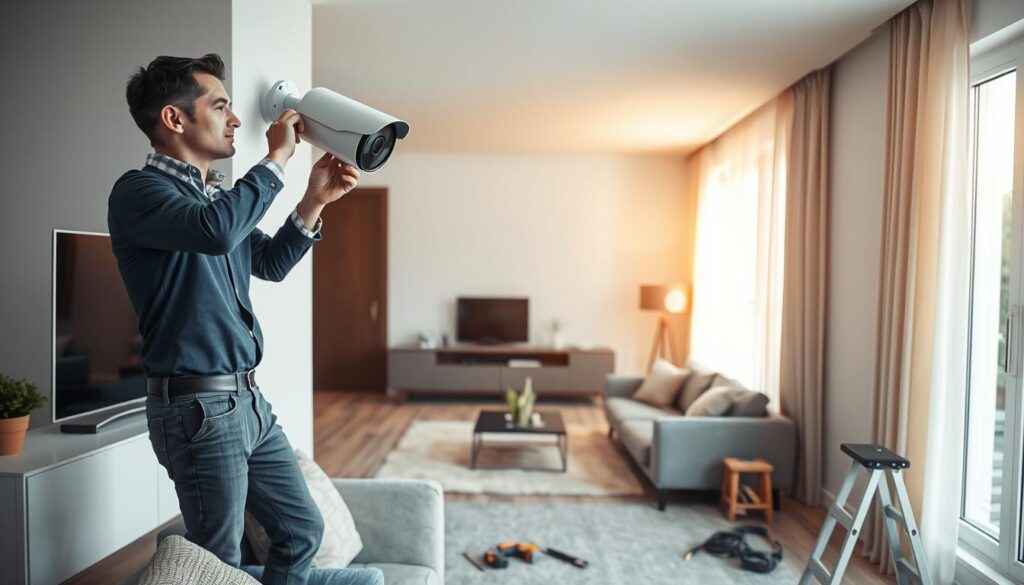
In recent years, the trend of using CCTV systems in residential properties has surged, particularly in Singapore. With over 60% of homes now employing some form of surveillance technology, many homeowners are left pondering the question of safety regarding indoor camera installation. Modern cameras offer enhanced security through real-time monitoring and high-definition footage, making them a popular choice for property protection.
While the benefits of indoor surveillance are clear, such as deterring theft and ensuring family safety, legitimate privacy concerns arise. Homeowners must navigate these issues carefully, balancing the need for security with respect for personal boundaries. This guide will explore the essentials of installing indoor CCTV systems, addressing both technical and ethical considerations.
We will also provide insights based on real case studies and expert recommendations, helping you achieve peace of mind through thoughtful planning and adherence to data protection principles. Key topics will include crime deterrence, remote monitoring, and specific installation rules for various types of homes.
Understanding the Need for CCTV Installation at Home in Singapore
In Singapore’s fast-paced urban environment, home security has become a significant concern. Residents are increasingly aware of the potential threats that can compromise their safety. This awareness is particularly important for dual-income families and those who travel frequently, leaving their homes unmonitored for long periods.
Installing CCTV systems addresses these vulnerabilities by providing constant oversight. When residents cannot be physically present, these cameras ensure that their properties remain secure. This sense of protection brings peace of mind to families, knowing they can monitor their homes remotely.
Singapore’s unique urban landscape presents specific challenges. High-density living in HDB flats means that shared corridors and close proximity between units create particular security dynamics. Understanding these dynamics is essential for effective surveillance.
- Home security has become a top concern for households across Singapore, driven by urban living realities.
- Installing CCTV systems addresses monitoring gaps created by long working hours and frequent travel.
- Knowing your living space is protected offers a psychological benefit of peace for the entire family.
- Common uses of indoor CCTV cameras include supervising children after school and monitoring elderly family members.
- Visible cameras act as a powerful crime deterrent, reducing burglary risks by up to 50% in residential areas.
- Indoor surveillance helps monitor activities around critical entry points like doors and windows.
- Modern CCTV cameras provide evidence collection capabilities, supporting police reports and insurance claims.
- Different property types, such as HDB flats and condominiums, have varying security requirements.
- Understanding your household’s specific security needs is the first step toward effective indoor monitoring.
For more information on installing CCTV in various property types, check out our CCTV installation guide.
Benefits and Practical Uses of Installing CCTV Indoors
Installing surveillance cameras in residential spaces yields a variety of practical uses and advantages. These systems not only enhance security but also provide peace of mind for homeowners.
Crime Deterrence and Evidence Collection
Visible cameras create a powerful deterrent effect against theft and criminal activities. Research shows that the presence of CCTV can reduce burglary risks by up to 50%. High-definition footage captured by modern CCTV cameras is crucial for police investigations and can streamline insurance claims in the event of a security incident.
Remote Monitoring for Family Safety
Remote monitoring capabilities have transformed home security. Over 80% of new CCTV cameras connect to mobile apps, allowing homeowners to perform real-time checks from any location. IoT-enabled devices can send instant alerts when unusual movement is detected, enabling immediate responses to potential security events.
Providing Peace of Mind and Emergency Support
Two-way audio features add convenience and control. Working parents can greet children arriving home from school or communicate with elderly family members throughout the day. Indoor cameras provide peace of mind for frequent travelers, allowing them to visually confirm their property is secure while abroad.
Additionally, cloud storage ensures that recorded footage remains safe and accessible, even if physical cameras are damaged or stolen during a break-in. Smart home integration allows CCTV systems to work alongside automated lighting and alarm systems, creating a comprehensive approach to property protection.
Continuous monitoring of activities in critical areas helps prevent emergencies. This feature provides immediate support in case of accidents, fires, or medical situations involving family members. The combination of crime deterrence, evidence collection, and remote monitoring delivers tangible safety benefits that justify the investment in quality indoor surveillance equipment.
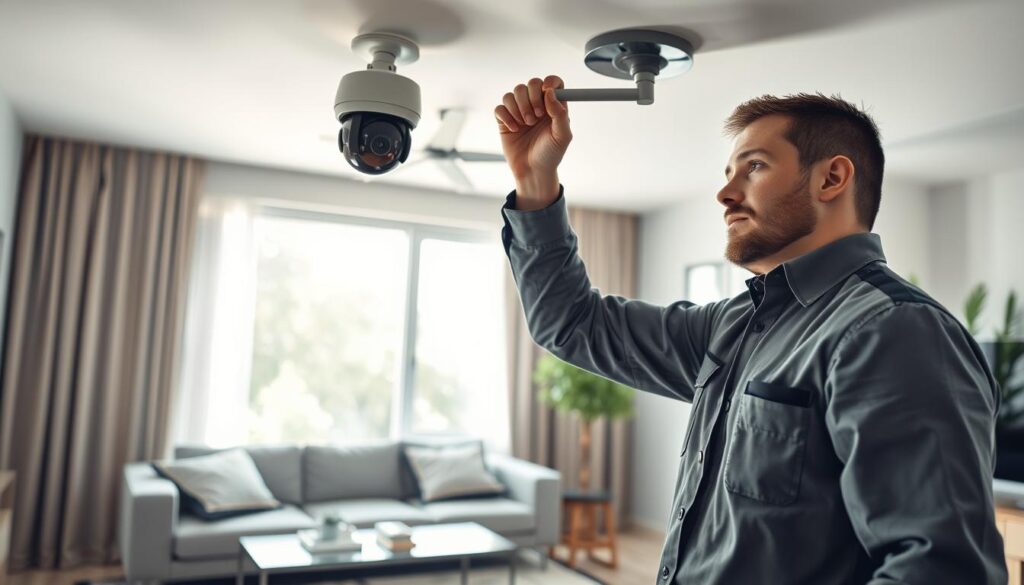
Technical and Ethical Considerations: Is it Safe to Install CCTV Inside House?
The integration of surveillance systems in homes raises important technical and ethical questions. Homeowners must carefully consider the types of cameras they choose and where to place them. Additionally, data security and privacy concerns cannot be overlooked.
Selecting Camera Types and Optimal Placement
Choosing the right cctv cameras is crucial for effective monitoring. Here are some options:
- Wireless Cameras: Easy to install and reposition, but may require robust security measures.
- Wired Systems: Generally more secure against hacking due to their closed-circuit design.
- Bullet Cameras: Ideal for outdoor use, providing long-range visibility.
- Dome Cameras: Versatile and suitable for indoor spaces, offering a discreet appearance.
- AI-Enabled Devices: Equipped with facial recognition capabilities for enhanced security.
Placement is equally important. Cameras should cover critical areas such as entry points while avoiding private spaces like bathrooms and bedrooms, where surveillance is prohibited under Singapore law.
Data Security: Protecting Against Hacking and Unauthorized Access
Wireless cameras and smart home integrations can create potential entry points for cyber attacks. These devices often connect to home networks with default passwords or outdated firmware, exposing live video feeds to unauthorized access. To enhance security:
- Use strong, unique passwords for all devices.
- Regularly update firmware to patch vulnerabilities.
- Consider encrypted cloud storage and enable two-factor authentication.
The 2025 Techcom case highlighted the serious consequences of poor data handling, resulting in a $5,000 fine after surveillance footage leaked via WhatsApp. Following industry recommendations, such as those from Western Digital, emphasizes the importance of professional installation to prevent technical vulnerabilities.
Respecting Privacy: Ethical Guidelines for Indoor Surveillance
Explicit consent is essential when monitoring any private areas. This includes bedrooms, helper quarters, or rented rooms. A notable case in 2022 involving StarHub revealed severe legal repercussions when a landlord installed hidden cameras in a tenant’s bedroom. Singapore law is clear: installing a camera in a bathroom or changing room constitutes voyeurism, with penalties including jail terms of up to three years.
To maintain ethical standards:
- Ensure all household members are aware of and consent to the surveillance.
- Communicate openly about the purpose and scope of indoor cameras.
- Use digital privacy masking tools to block out sensitive areas.
- Disable audio recording unless absolutely necessary and with proper consent.
- Establish clear data retention policies for deleting old footage.
By adhering to these guidelines, homeowners can enhance security while respecting privacy, fostering trust within the household.
Navigating Legal Requirements and Compliance in Singapore
Navigating the legal landscape surrounding CCTV use in Singapore is essential for homeowners. Understanding the laws helps ensure that surveillance systems enhance security without infringing on privacy rights.
The Personal Data Protection Act (PDPA) governs how personal data, including video footage from CCTV cameras, should be handled. Key principles include:
- Data Minimization: Only collect necessary footage.
- Purpose Limitation: Use footage solely for intended security purposes.
- Notification Obligations: Inform individuals when they are being recorded in common areas.
Homeowners must also implement reasonable security safeguards for stored recordings. Individuals have the right to request access to footage featuring themselves. Special attention is required for audio recording, as Section 21(3)(c) of the PDPA generally demands explicit consent for capturing conversations. Many homeowners choose to disable audio features to simplify compliance.
Community Disputes Resolution Act (CDRA) and Neighbor Privacy
The Community Disputes Resolution Act (CDRA) addresses conflicts that may arise between neighbors, particularly regarding surveillance. Cameras positioned improperly, pointing at neighboring properties, can lead to privacy invasions. Courts may award up to $20,000 in damages for such violations.
The Ang Mo Kio town council case serves as a precedent, highlighting the importance of masking neighbors’ data from recorded footage. This emphasizes the need for responsible placement of CCTV cameras to maintain community harmony.
Property-Specific Installation Rules
Installation rules vary based on property type:
- HDB Flats: Indoor cameras require no formal permission, but corridor placements need official approval via the HDB Surveillance Application Form.
- Condominiums: Regulations under Management Corporation Strata Title (MCST) bylaws often restrict device placement in shared areas, requiring board approval for exterior installations.
- Landed Properties: Owners enjoy greater installation freedom but must still respect neighbor privacy and avoid pointing cameras at adjacent properties.
Obtaining Permissions and Notifying Individuals
Obtaining necessary permissions and notifying individuals is crucial. Use clear signage to inform visitors and domestic helpers about surveillance. Verbal communication is also essential, ensuring everyone understands the purpose of the cctv system.
Documenting compliance efforts helps avoid potential disputes. By understanding and following these legal requirements, homeowners can create a cctv system that protects security interests while fostering community harmony.
Taking Responsible Steps for Secure and Compliant CCTV Installation
A thoughtful approach to indoor surveillance not only enhances security but also respects the privacy of all household members. By following a responsible, well-planned strategy, homeowners can enjoy the benefits of CCTV systems while adhering to privacy laws.
Here are key takeaways for effective installation:
- Conduct a purpose assessment for each camera.
- Map coverage zones to avoid private areas.
- Implement clear notification measures for all household members and visitors.
- Establish a data retention policy, commonly with a 30-day deletion schedule.
- Secure storage systems with strong passwords and two-factor authentication.
- Regularly review camera sightlines to respect neighbor privacy.
- Consider professional installation for optimal performance and compliance.
- Maintain open communication with family members about surveillance practices.
By prioritizing these steps, homeowners can achieve peace of mind, knowing their property is secure while fostering a sense of shared safety. Singapore’s legal framework supports responsible CCTV use, ensuring both security and compliance for years to come. For expert help, consider reaching out to professional installers.