
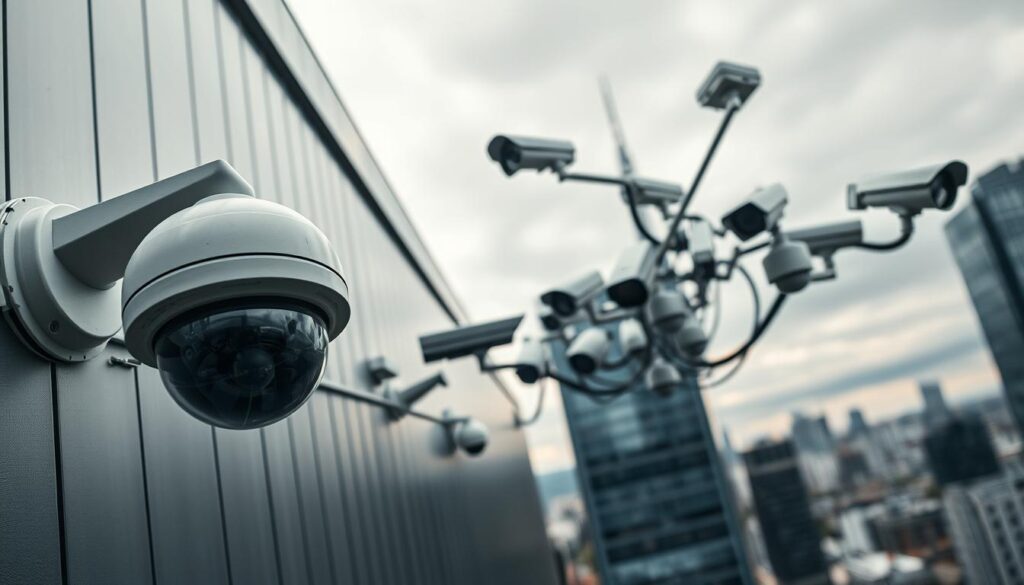
Finding the right balance in a surveillance system is vital for both homes and businesses. Having too few devices can create dangerous blind spots, while excessive monitoring may raise privacy concerns. In Singapore, where urban density is high, achieving this balance is even more crucial.
Recent updates to HDB corridor regulations in May 2023 have made thoughtful camera placement more important than ever. Property owners now face the challenge of ensuring adequate coverage without infringing on neighbor privacy. This is particularly significant for businesses, which experience burglary rates four times higher than residential properties.
Smart features, such as motion detection and wide-angle lenses, can often reduce the number of cameras needed while still providing effective protection. Legal compliance with Singapore’s Personal Data Protection Act (PDPA) is essential and must be considered from the start.
This guide aims to help you navigate the complexities of surveillance systems, covering property assessment, camera specifications, and placement strategies to achieve peace of mind.
Understanding Your Security Needs: Why the Number of Cameras Matters
A thorough assessment of your property layout is the first step in identifying security needs. In Singapore’s compact urban environment, every square meter counts. This evaluation ensures that you can effectively cover all necessary areas without creating dangerous blind spots.
Start by creating a simple sketch or map of your property. Mark all structural features, including exterior doors, ground-floor windows, garage entries, and perimeter gates. This visual representation serves as a foundation for planning your surveillance setup.
Assessing Your Property Layout and Size
When it comes to property dimensions, a practical formula suggests one camera per 20 feet for landed properties. Studio apartments, however, can often achieve full coverage with just a single well-placed unit monitoring the main living space. For multi-level homes, you typically need 3 to 4 cameras to effectively monitor staircases and separate floors.
Identifying High-Risk Areas and Entry Points
Understanding high-risk areas is crucial. Crime statistics show that 70% of break-ins target first-floor entry points, while 38% occur through off-street windows. Ground-level windows facing alleys, garages with direct home access, and backyard entry points obscured from street view should be prioritized for camera placement.
Residential vs. Commercial Security Priorities
Residential security focuses on personal safety and privacy. In contrast, commercial properties must balance asset protection, operational oversight, and public safety. For instance, shops in HDB neighborhoods need to monitor both sales floors and back offices, as well as secure stockrooms and loading docks.
Skipping the initial assessment phase can lead to an ineffective security system. This often results in costly blind spots that leave your property vulnerable, even with multiple cameras installed. Understanding the unique security needs of each property type lays the groundwork for decisions about camera count, placement, and technology selection.
How Many Security Cameras Is Too Much? Finding the Perfect Balance
Achieving optimal surveillance requires careful consideration of both security needs and privacy concerns. In urban environments like Singapore, this balance is especially critical. Having too few devices can leave dangerous blind spots, while excessive monitoring can raise significant privacy issues.
Under-surveillance occurs when too few cameras fail to cover essential entry points. This vulnerability can lead to break-ins and a lack of crucial footage when incidents occur. Conversely, over-surveillance can create neighbor disputes and potential legal violations under Singapore’s PDPA.
For instance, a boutique hotel demonstrated that just ten strategically placed cameras provided better security than a shopping mall’s 400-camera array. This case highlights the importance of intelligent positioning over sheer quantity.
Balancing coverage with privacy is vital in Singapore’s dense urban areas. Cameras can inadvertently capture neighboring properties, corridors, or public spaces. Therefore, it’s essential to respect boundaries by positioning cameras to only monitor your own property.
Additionally, utilizing dummy or decoy cameras can decrease break-in attempts by 47 percent. This strategy serves as a cost-effective deterrent when paired with real cameras at high-risk zones.
Smart features like wide-angle lenses, motion tracking, and AI analytics can also reduce the total number of cameras needed by 30 percent. These technologies help maintain comprehensive surveillance coverage without overwhelming the monitored spaces.
The ultimate goal is to achieve adequate protection without crossing into excessive monitoring. It’s crucial to ensure that family members, employees, or neighbors do not feel constantly watched or uncomfortable.
Finding the perfect balance requires an honest assessment of actual security needs versus perceived fears. This approach allows property owners to invest in quality over quantity, ultimately providing true peace of mind.
Calculating the Right Number of Cameras for Your Property Size
Determining the right number of cameras for your property is essential for effective surveillance. The number of devices needed can vary greatly depending on the type of property and its specific layout. Understanding these requirements can help you achieve optimal coverage without unnecessary monitoring.
Typical Camera Counts by Property Type in Singapore
In Singapore, different property types require varying camera counts. For HDB flats and condominiums, typically, only 1 to 2 cameras are needed. These should focus on the main entrance and living areas.
For small to medium-sized landed homes, a solid starting point is 3 to 4 cameras. These should cover each main entrance, the common living area, and any backyard or side alley access points.
Larger estates and mansions often need more extensive systems. Research from SwitchBot indicates that 10 to 20 cameras may be necessary to maintain complete perimeter visibility and cover multiple floors and outdoor spaces.
Using Property Dimensions and Crime Patterns to Determine Your Setup
A practical formula suggests one camera per 20 feet of space for landed properties. This can help property owners calculate baseline requirements based on their specific dimensions.
Commercial properties demand significantly more coverage. Small shopfronts may need 8 to 16 monitoring points, while larger warehouses or industrial sites might require 32 to 64 cameras.
Understanding crime patterns is crucial. Statistics show that 70 percent of break-ins target first-floor entry points. This emphasizes the need to cover ground-level windows and secluded access points.
Case Studies: From Apartments to Large Estates
Consider a case study of apartment living. A single peephole camera with a 180-degree view can effectively cover the main entrance. Meanwhile, a living room unit can monitor common spaces, achieving full coverage with minimal equipment.
In contrast, a landed property may require more sophisticated setups. This includes gate cameras with license plate recognition, living room coverage, kitchen back entrance monitoring, second-floor hallway surveillance, and yard protection.
Multi-level homes need cameras that monitor staircases and separate floors. This is essential to eliminate blind spots between levels where intruders could move undetected.
In conclusion, calculating the right number of cameras depends on property size, layout complexity, identified risk areas, and budget constraints. Strategic placement often reduces total equipment needs while maximizing security.
Indoor vs. Outdoor Cameras: Choosing the Best Setup for Singapore’s Climate
Selecting the right combination of indoor and outdoor cameras is crucial for effective surveillance in Singapore’s unique climate. Understanding the differences between these two types of devices can help ensure comprehensive coverage and protection for your property.
Features and Durability for Outdoor Cameras
Outdoor cameras must withstand Singapore’s tropical climate, which includes heavy rains, high humidity, and consistent heat. Here are some essential features to consider:
- IP66-rated housing: This rating ensures protection against dust and powerful water jets, especially during monsoon seasons.
- Night vision capability: Effective outdoor cameras need at least 8-meter night vision to cover driveways, gates, and perimeter walls in complete darkness.
- Color night vision: This feature provides clearer footage details within 15 meters, enhancing visibility during nighttime.
Optimal Indoor Camera Placement and Restrictions
For indoor cameras, proper placement is vital to maximize their effectiveness:
- Ceiling mounts: Position cameras at 2.4 meters for wide-angle coverage without obstruction.
- Shelf placements: Set cameras at 1.8 meters for monitoring retail displays, nurseries, or home offices.
- Legal restrictions: According to PDPA Section 26, cameras must not be placed in bathrooms and bedrooms to protect personal privacy.
Additionally, condo hallways and HDB corridors have regulations prohibiting camera placements that capture neighbor doors or windows. Careful consideration of camera angles and positioning is necessary.
Hybrid Security Setups for Comprehensive Coverage
Combining indoor and outdoor cameras can create a robust security system. For example, a setup with 4 outdoor units monitoring entry points and 3 indoor cameras covering main hallways and valuable storage areas can be very effective.
Moreover, motion-triggered recording in hybrid setups can reduce storage needs by 40 percent while ensuring comprehensive coverage of both exterior and interior spaces. Integrating these cameras with NVR systems allows property owners to check all feeds from a single interface on their smartphones.
In conclusion, choosing the right mix of indoor and outdoor cameras tailored to Singapore’s climate ensures long-term reliability and complete protection without unnecessary equipment redundancy.
Must-Know Camera Specifications That Affect Your Total Camera Count
Understanding the specifications of your cameras is crucial for maximizing their effectiveness. The right features can significantly impact the total number of units needed for adequate coverage. Here are some key specifications to consider:
Resolution and Field of View
Camera resolution directly influences how well you can identify faces and details. For instance, 2K resolution provides 56 percent better facial recognition than standard 1080p. This improvement can reduce the need for multiple overlapping units.
When selecting cameras, consider the following resolution guidelines:
- 4MP for general entry point monitoring.
- 8MP for critical areas that require license plate capture.
- 12MP for large commercial spaces needing fine detail recognition.
Additionally, the field of view matters. Wider 130-degree lenses cover 25 percent more area than traditional 90-degree models, allowing fewer cameras to monitor the same space effectively.
Night Vision Capabilities
Night vision capabilities are essential for effective surveillance in low-light conditions. Infrared technology can reach up to 30 meters for perimeter monitoring. In contrast, color night vision provides clearer video details within 15 meters, making it easier to identify faces or vehicles.
Advanced night vision features, such as built-in spotlights that activate on motion detection, serve dual purposes. They improve footage quality and deter potential intruders in darkness.
Advanced Features: Motion Detection and AI Analytics
AI-powered person detection is another crucial feature. It can reduce false alarms by 73 percent, allowing property owners to focus on genuine threats rather than irrelevant motion triggers.
When considering bandwidth and storage, note that 4K models require 16Mbps bandwidth, while 1080p units use just 4Mbps. Ten 4MP cameras typically require 6TB of monthly storage capacity.
Moreover, features like motion tracking and auto-zoom can follow activity across wide areas. This often replaces multiple static cameras, reducing the total equipment count needed for comprehensive coverage.
Investing in higher-quality cameras with superior specifications often proves more cost-effective than purchasing numerous lower-quality units that still leave blind spots. Understanding these technical specifications empowers property owners to make informed decisions that optimize their camera count while maximizing protection and minimizing unnecessary expenses.
Strategic Placement: Avoiding Blind Spots and Over-Surveillance
The careful positioning of security devices can significantly impact both coverage and privacy in residential and commercial spaces. To achieve the best results, employing a strategic approach is essential. This involves understanding the choke point strategy, which effectively covers 90 percent of access routes while using 35 percent fewer cameras.
Key Areas to Monitor for Maximum Protection
Every security system must focus on key areas to ensure comprehensive protection. Essential spots include:
- Primary doors: These are the main entry points that need constant monitoring.
- Ground-floor windows: Vulnerable to break-ins, these windows should not be overlooked.
- Main corridors and hallways: Monitoring these areas can deter unauthorized access.
- Stairwells: In multi-level properties, stairwells should be closely watched.
- Driveways and secluded exterior spots: These areas often go unnoticed but can be critical for security.
Ideal Mounting Heights and Angles
SwitchBot research confirms that mounting cameras at heights of 8 to 10 feet captures faces clearly while discouraging tampering. A downward tilt of 15 degrees can improve coverage by 60 percent compared to level installations. This angle helps eliminate blind spots in critical monitoring zones.
Positioning outdoor units opposite light sources is vital to avoid glare that can wash out footage. Additionally, using angle limiters between 12 to 25 degrees near property boundaries can help respect neighbor privacy.
Privacy-Conscious Installation Practices in Dense Urban Areas
In Singapore’s dense urban environment, privacy-conscious installation practices are essential. Maintain a clearance of 1.2 meters from neighboring windows to avoid intrusions into private spaces. Utilizing digital privacy masks can blur adjacent properties, further protecting privacy.
Correct angling of cameras can reduce false motion alerts by 40 percent, saving storage space and ensuring that security personnel or homeowners respond only to genuine threats. Testing each camera’s view after installation is crucial to verify there are no obstructions in the sightline.
In conclusion, strategic placement is the single most important factor in avoiding both dangerous blind spots and excessive over-surveillance. This careful planning ensures effective security while respecting the privacy of neighbors and family.
Legal Considerations in Singapore: Complying with PDPA and HDB Regulations
Navigating the legal landscape surrounding surveillance systems is essential for property owners. In Singapore, understanding the Personal Data Protection Act (PDPA) and HDB corridor regulations is crucial for ensuring compliance. These laws not only protect individual privacy but also outline the responsibilities of property owners regarding their surveillance setups.
Understanding PDPA Requirements for Surveillance
The PDPA establishes strict guidelines for the use of surveillance systems. Compliance is non-negotiable for both residential and commercial properties. Key requirements include:
- 30-day maximum footage retention: Under Section 24, recorded footage must be stored for no longer than 30 days.
- AES-256 encryption: All stored recordings must be encrypted to protect against unauthorized access.
- 72-hour breach reporting: Any data breaches must be reported within 72 hours to ensure swift action.
Updated HDB Corridor Camera Rules and Restrictions
Since May 2023, HDB residents face stricter limits on corridor cameras. Installations must meet three criteria:
- No audio recording in shared spaces.
- Cameras cannot capture neighbor doors or windows.
- Written approval is required for corridor-facing units.
A notable case in 2022 saw a resident fined $7,500 for overlooking these regulations. This emphasizes the importance of adhering to legal guidelines.
Penalties and How to Stay Compliant
Violating PDPA regulations can lead to severe penalties. For instance, audio recording without consent can incur fines of up to $5,000 per incident under Section 26. Businesses are also required to display visible CCTV notices within 3 meters of monitored zones, informing employees and visitors of surveillance.
To ensure compliance, property owners should:
- Conduct regular audits of camera angles and placement.
- Review footage storage practices.
- Maintain consent documentation for audio recording.
Understanding and following Singapore’s legal framework protects property owners from fines while ensuring their surveillance systems remain effective and legally defensible. Balancing security needs with legal requirements is key to achieving comprehensive protection without violating privacy laws.
Balancing Budget with Coverage: Getting the Most Value From Your System
Maximizing value from your surveillance system requires careful budgeting and strategic planning. Understanding the costs associated with different types of cameras is crucial for effective decision-making. A basic setup of four cameras typically ranges from $800 to $1,200, while comprehensive enterprise solutions can exceed $15,000 depending on features and quality.
Cost Considerations for Different Camera Types
When selecting cameras, consider the various types available:
- Basic models: Affordable and suitable for small properties.
- 360-degree PTZ models: These smart alternatives offer panoramic coverage, potentially reducing the total camera count by 30 percent.
- High-end systems: Designed for larger properties, these solutions provide extensive features but come with higher costs.
Costs can escalate quickly with each additional unit, making strategic placement essential for maximizing value within budget constraints. Smart placement using the choke point strategy and wide-angle lenses can cover 90 percent of access routes while using 35 percent fewer cameras.
Smart Placement to Reduce Equipment Needs
Effective placement is key to reducing the number of cameras required. By focusing on high-risk areas and using advanced camera features, property owners can achieve comprehensive coverage. This not only enhances security but also keeps costs manageable.
Maintenance and Long-Term Investment Planning
Investing in a reliable system can minimize ongoing maintenance while providing continuous protection. Higher-quality components may have larger upfront costs, but they often reduce long-term replacement and maintenance expenses. Additionally, a comprehensive surveillance system can lower insurance premiums and provide invaluable evidence during incidents, potentially saving thousands in losses over the system’s lifetime.
In conclusion, balancing budget with coverage requires viewing security cameras as a long-term investment in protection and peace of mind. Prioritizing quality and strategic planning ensures that property owners can achieve effective surveillance without overspending.
Smart Features and Technology: Reducing Camera Numbers While Enhancing Security
Innovative technology in surveillance systems can significantly enhance security while reducing the number of devices needed. By utilizing advanced features, property owners can achieve effective monitoring without compromising coverage.
Pan-Tilt-Zoom and Fisheye Cameras
Pan-Tilt-Zoom (PTZ) cameras offer remarkable flexibility. Operators can remotely control the direction and magnification of a single unit. This means one PTZ camera can monitor areas that would typically require multiple fixed devices.
On the other hand, fisheye lenses provide an extremely wide field of view, up to 360 degrees. They are perfect for covering large open areas, such as warehouses or parking lots, eliminating blind spots and dramatically reducing the total number of cameras needed for complete coverage.
Motion Tracking, Auto-Zoom, and AI Person Detection
Advanced features like motion tracking and auto-zoom are game-changers. These functions follow activity across wide areas, automatically adjusting to capture crucial details, such as faces or license plates, without requiring manual intervention.
Moreover, AI-powered person detection reduces false alarms by an impressive 73 percent. This technology distinguishes between genuine threats and irrelevant movements, such as passing cars or animals, ensuring focus remains on real security concerns.
Integration with Smart Home Systems and Alerts
Smart alert systems are another essential feature. They send instant notifications to your phone when unusual activity is detected. This enables rapid responses to potential security breaches from anywhere in the world.
Geo-fencing technology further enhances security. It automatically activates recording when you leave the property and deactivates when you return. This optimizes storage usage and ensures cameras are always recording when needed.
Integration with smart home systems allows for seamless management. Homeowners can check live feeds, control camera angles, and receive alerts through a single smartphone interface. This simplifies the security setup and enhances overall effectiveness.
Additionally, two-way audio features enable communication through cameras. This is useful for greeting visitors, instructing delivery personnel, or warning potential intruders that they are being monitored.
By combining these smart features with strategic placement, property owners can reduce the total camera count by 30 to 40 percent. This approach enhances overall security coverage and response capabilities.
Investing in smart technology transforms security cameras from passive recording devices into proactive protection systems. These advancements deliver superior security with fewer physical units, providing peace of mind for homeowners and businesses alike.
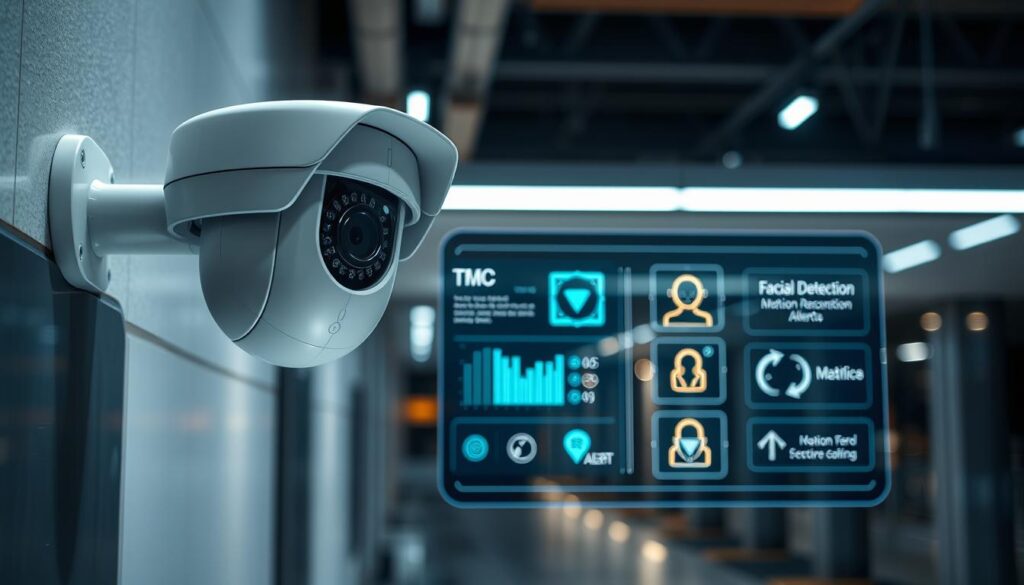
Planning Your Surveillance System for Long-Term Peace of Mind
To ensure lasting peace of mind, it’s essential to integrate multiple layers of security into your surveillance strategy. Individual devices offer limited protection when operating in isolation. A well-planned setup connects all components for comprehensive coverage.
The right number of cameras depends on property size, layout, identified risk areas, budget constraints, and legal requirements. No single solution fits every situation. Start by mapping all entry points and high-risk zones, then calculate baseline camera requirements.
Consider selecting appropriate indoor and outdoor models, planning strategic placement, and verifying legal compliance with Singapore’s regulations. Future-proof your investment by choosing Power over Ethernet (PoE) over WiFi for reliability.
Schedule quarterly lens cleaning and bi-annual firmware updates to maintain optimal performance. A professional security audit can identify weak spots and blind spots, ensuring money is spent effectively.
For personalized advice, contact ED Viston at +65 8313 4578 or Wen Hong at +65 60135960 for current deals on surveillance equipment. Ultimately, a well-planned security camera system protects loved ones, safeguards property, and provides the safety and peace of mind that every property owner deserves.