ED VISTON

CCTV inspection frequency

Optimal CCTV System Inspection Frequency Revealed

Ever thought about how often to check your CCTV system? Knowing the right time for inspections is key to keeping your security systems working well. Whether at home or in a business, regular checks protect your stuff and give you peace of mind. By knowing when to inspect, you can make your CCTV last longer and follow the rules. For the latest in CCTV solutions and services, contact ED Viston today at +65 8313 4578. Key Takeaways Experts say you should get at least two professional checks a year for your CCTV. How often you need to check depends on where your cameras are and what the maker says. For the best results, check your security cameras every month. Cameras outside need more checks because of the weather. Keeping up with maintenance can make your security cameras last longer. Regular checks can spot problems like dirty lenses, loose wires, and updates needed. The Importance of Regular CCTV System Inspections Keeping your CCTV system working well needs regular checks. These inspections help keep your system reliable and effective. By following a set schedule for inspections, you can avoid big problems and expensive fixes later. Benefits of Routine Inspections Regular checks offer many advantages. They help your CCTV system last longer and improve the quality of the images it captures. Technicians check important parts, like: Health of hard drives Storage capacity checks Testing recording capabilities Assessment of cables and connectors for wear or damage Also, inspections can find problems that might affect how well the system works. Dust and dirt on camera lenses can make images blurry. Fixing these issues quickly keeps your surveillance system running smoothly. Potential Risks of Neglecting Inspections Ignoring regular checks can cause serious problems. Poor video quality means your security system isn’t doing its job. Without upkeep, issues might not be caught, leading to security breaches. Regular updates to the system’s software and firmware are also key. They improve camera performance and fix security holes. Staying on top of maintenance helps avoid interruptions and keeps your video surveillance running smoothly. For top-notch monitoring solutions, reach out to ED Viston today at +65 8313 4578. Discover the latest CCTV options and get services that fit your needs. Understanding CCTV System Components A good CCTV system needs the right parts to work well. Knowing what each part does is key to keeping everything running smoothly. Regular checks and upkeep help ensure the system works as it should. Key Equipment in a CCTV Setup A CCTV system has several important parts that work together. The main ones are: Cameras: They record video. Recording Devices (DVR or NVR): These save the video for later. Storage Solutions: They keep the saved data ready for review. Monitors: Users use these to see live or recorded video. How Each Component Works Together For a CCTV system to be effective, its parts must work together well. Cameras record, and recording devices save the footage. Regular checks help spot any problems in the connections. It’s also important to check power sources and backup systems, like Uninterruptible Power Supplies (UPS). This ensures the system keeps working even when there’s a power cut. Checking camera lenses and cables regularly helps keep video quality high and catches any issues early. To learn more about keeping your CCTV system in top shape or to see the latest deals, call ED Viston today at +65 8313 4578. How Often Should the CCTV Surveillance System Be Inspected? It’s important to know how often to check a CCTV system. Experts say it should be done regularly to keep it working well. This is key, considering the many factors that can affect it. Recommended Inspection Frequencies by Experts Experts suggest checking your CCTV system at least twice a year. If cameras are always on, check them every fourth reset. Also, clean indoor cameras’ lenses every six months to keep images clear. Factors Influencing Inspection Frequency Several things can change how often you need to check your CCTV system. Key factors include: Environmental Conditions: Extreme weather can stress systems, so they might need more checks. Camera Placement: Outdoor cameras need protection from moisture. Operational Integrity: Make sure power and communication lines are working right. Security Risks: Businesses face more crime, so good surveillance is essential. By considering these points, you can create a good maintenance plan for your CCTV system. For more advice, call ED Viston at +65 8313 4578. They can help with your CCTV needs. Best Practices for CCTV System Inspections It’s important to follow best practices for CCTV system inspections. This ensures your system works well and lasts longer. A detailed checklist during routine checks helps spot problems early. This systematic approach makes managing your security system easier. Checklist for Effective Inspections For effective inspections, you need a detailed checklist. Here are some key things to check: Visual checks for physical damage or obstructions. Testing camera functionality, including video playback and motion detection. Inspecting cabling for integrity and secure connections. Regular cleaning of camera lenses to prevent image quality compromise. Ensuring the power supply is stable with surge protection in place. Keeping software and firmware updated for enhanced performance and security. Utilizing Technology for Maintenance Tracking Use technology to make inspections easier. Maintenance tracking software helps document activities and monitor compliance. This keeps your system reliable and up to date. Advanced tools help prevent failures and meet legal CCTV system standards. Regular checks can also save money on maintenance and lower insurance costs. For customized CCTV solutions and to learn more about tailored maintenance plans, contact ED Viston today at +65 8313 4578. Explore the latest CCTV offerings to ensure your security systems operate at their best. CCTV Maintenance Schedule: Key Considerations A good CCTV maintenance schedule is key to a top-notch security system. Tailoring a plan to your needs and environment helps catch problems early. Think about how many cameras you have, what kind they are, and where they’re used. Creating a Customized Maintenance Plan To make a CCTV maintenance

Optimal CCTV System Inspection Frequency Revealed Read More »
CCTV recording without Wi-Fi

CCTV Recording Without Wi-Fi Explained

Ever wondered if your security camera keeps recording when Wi-Fi is off? Many think a video surveillance system without internet is impossible. But, CCTV systems can work well even without Wi-Fi. Recording without Wi-Fi is not just possible; it’s key for continuous security. Using local storage like DVRs and microSD cards ensures cameras keep recording, no matter the internet status. This is very important in places like Singapore, where the right gear prevents data loss from network issues. Knowing how CCTV systems work without the internet helps property owners make smart security choices. For top-notch CCTV solutions without Wi-Fi, reach out to ED Viston at +65 8313 4578 to learn about the latest deals. Key Takeaways CCTV systems can function effectively without an internet connection, maintaining security recording. Local storage options like DVRs and microSD cards are key for offline surveillance. IP cameras can work without Wi-Fi by being wired to recording devices. Choosing the right equipment is vital in preventing data loss during network failures. Offline CCTV solutions can offer enhanced security against hacking risks. Understanding CCTV Systems Closed-circuit television (CCTV) systems are key in keeping homes and businesses safe. They have cameras, recording devices, monitors, and more. These parts work together to capture and store video, helping prevent crime and gather evidence. The tech behind CCTV has grown a lot. Now, cameras can work without the internet. This means they keep watching even when Wi-Fi is down. People like knowing their places are always watched over. Today’s systems have cool features like motion detection and local storage. These help save money on cloud storage. Setting up cameras right is important for good monitoring. If you want to know more about CCTV tech, call ED Viston. They can give you great advice and options. Dial +65 8313 4578 to boost your security with the latest CCTV systems. What is CCTV and How Does it Work? CCTV, or closed-circuit television, uses video cameras to send signals to specific monitors. It’s different from regular TV because it only lets authorized people see the footage. This makes it very secure. CCTV systems come in two main types: analog and digital. Analog systems record in lower quality, about 0.4 megapixels. They need tape changes often because they can’t hold much footage. On the other hand, digital systems, like those from Axis Communication in 1996, can record up to 10 megapixels. This means much clearer video. Most CCTV systems use DVRs or NVRs to store footage. This way, the video can be looked at again if needed. Knowing how CCTV works helps people choose the best equipment for their needs. Video surveillance is key for safety, and understanding CCTV is important. To find out more about CCTV solutions and offers, call ED Viston at +65 8313 4578. Types of CCTV Cameras There are many types of CCTV cameras to fit different security needs. It’s important to know the differences to choose the best one. Here are some common types of CCTV cameras. Analog Cameras Analog cameras are the old-school type of surveillance. They send video through coaxial cables to DVRs. They’re cheaper but have lower image quality than newer cameras. Even so, they’re popular because they’re affordable and easy to find. Many people choose them for their simplicity and cost. IP Cameras IP cameras are a big step up in quality and features. They send video over the internet, giving better resolution and more features. You can watch them from anywhere, making them great for advanced security. HD-over-Coax Cameras HD-over-Coax cameras are a middle ground between old and new. They use coaxial cables to send high-definition video. This makes them a good choice for upgrading without rewiring. Choosing the right CCTV camera is key to your security. For advice that fits your needs, call ED Viston at +65 8313 4578. They offer the latest CCTV solutions and deals. Does CCTV Record When Wi-Fi is Off? Yes, CCTV systems can record even without Wi-Fi. They use local storage like DVRs or NVRs. This means they keep recording, no matter the internet connection. Modern systems, like Uniview, offer top-notch footage, even in low light. They store recordings on hard drives. Some cameras also have a microSD card slot for extra backup. This ensures footage is safe, even if the main system fails. Cloud-based systems, like Nest and Wyze, need the internet to work. They might stop recording in areas with weak signals. Also, uploading footage can cause delays, making it hard to access when needed. Choosing the right system is key. Cloud systems offer easy access but cost money. Uniview and similar systems record locally, providing steady surveillance. They meet the needs of those who value uninterrupted recording. For the latest CCTV solutions, contact ED Viston today at +65 8313 4578. Explore options and cutting-edge tech that handle connectivity issues. Alternative Recording Methods for CCTV Looking into different ways to record CCTV footage offers many solutions. These methods focus on storing data locally. This way, surveillance can keep going without needing the internet. Local Storage with DVR/NVR Digital Video Recorders (DVRs) and Network Video Recorders (NVRs) are key for CCTV. DVRs are great for analog systems, while NVRs work well with IP setups. Both make it easy to get and watch video when needed. Using NVR systems includes a few important parts: Component Description Cameras Capture real-time video and images for monitoring. NVR Receives and stores video data from the connected cameras. Monitor Displays live footage and recordings, facilitating easy access. Utilizing MicroSD Cards Many CCTV systems today use microSD cards for storing video. This method is good for places without internet. Cameras like the Reolink E1 Pro can hold up to 256GB on a microSD card. This shows how local storage is a reliable choice. It lets devices keep recording even without the internet. Check out solar-powered CCTV for more energy savings. For custom CCTV solutions, call ED Viston at +65 8313 4578. See the latest options to boost your security. Security Cameras Without

CCTV Recording Without Wi-Fi Explained Read More »

CCTV power usage and electricity consumption

CCTV Power Usage: Is It High Electricity Consumption?

Have you ever thought about how much power your surveillance system uses? Many property owners don’t think about this, but it can really affect your energy bills. CCTV systems use less power than big appliances like refrigerators or heaters. But, they do add to your electricity costs. In this article, we’ll look at how different CCTV models and features use energy. Knowing this can help you save money on your energy bills while keeping your place safe. If you want the latest CCTV solutions and deals, call ED Viston today at +65 8313 4578. Key Takeaways Analog cameras consume 4-8 watts, while IP cameras use 5-10 watts per hour. PTZ cameras require about 12-15 watts per hour using PoE technology. Power management strategies can lead to significant energy savings. Sustainable options like solar power can effectively run CCTV systems. Choosing energy-efficient cameras can mitigate electricity costs. Understanding CCTV Power Usage CCTV power usage changes a lot based on the system’s type and features. Basic models use very little energy, from 2 to 12 watts. This makes them more efficient than many home appliances. For example, the Reolink RLC-810A PoE IP 4K HD security camera is known for its low power use. Advanced features in security cameras can increase CCTV electricity cost. Night vision and pan-tilt functions add 2 to 4 watts to the total use. Also, remember that Power over Ethernet (PoE) setups need extra power for switches or injectors. When looking at your surveillance system’s electricity use, think about the DVR or NVR systems. These use a lot more electricity than cameras alone. For example, Hikvision DVRs might use 40 watts, while Dahua DVRs can use up to 60 watts. Knowing these numbers helps predict CCTV electricity cost. To save energy, use reliable cameras and high-quality wiring and cables. Also, adjust settings for motion detection to save power. Solar-powered options like the Reolink Argus 3 Pro and Reolink Go Plus are great for cutting energy use while keeping your place safe. For more info on energy-saving security solutions, check out solar-powered CCTV systems. To find the best options for you, contact ED Viston today at +65 8313 4578. They can tell you about the latest CCTV solutions and offers. Does CCTV Consume a Lot of Electricity? It’s important to know how much energy security cameras use. This affects your electricity bill. The answer to “Does CCTV consume a lot of electricity?” depends on the model and its features. By looking at typical power use, we can understand how cameras compare to other appliances. Typical Power Consumption of Security Cameras Security cameras use different amounts of power. For example, the Reolink RLC-810A PoE IP 4K HD camera uses less than 12 watts. This makes it a good choice for watching over your place. Features like infrared and night vision add 2-4 watts to the power use. Using Power over Ethernet (PoE) adds energy needs for switches or injectors. But, PoE cameras are generally efficient. On the other hand, DVR and NVR systems can use a lot more energy. Some Hikvision models use 40 watts, and Dahua systems can use up to 60 watts. Comparative Analysis: CCTV vs. Other Household Appliances Security cameras are much more energy-efficient than most household appliances. For example, while a CCTV camera might use 12 to 60 watts, appliances like ovens and air conditioners use over 1000 watts. A 16-camera system might use about 48 watts, which is about 1.152 kWh per day. This shows why choosing reliable equipment and saving energy is key. It helps keep your electricity costs down. If you’re looking into CCTV technology, call ED Viston at +65 8313 4578. They can help you find solutions that meet your security and energy-saving needs. CCTV Energy Consumption Standards Knowing how much power CCTV devices use is key to saving on energy costs. Different models need different amounts of power, depending on their features. As technology gets better, so does the power needed for security cameras. Knowing this helps people make better choices. Power Ratings by Different Camera Models Security cameras use a lot of power, but some use less than others. Some models only use 12W. Cameras with night vision or that can move around might use 2-4 watts more. Cameras that use Power over Ethernet (PoE) might need a special switch, which can use a bit more power. Camera Model Power Consumption (W) Basic Security Camera Less than 12W Night Vision Camera 14-16W Pan-Tilt Camera 14-16W Hikvision DVR 40W Dahua DVR 60W Impact of Features on Energy Consumption Features in CCTV systems really affect how much power they use. More advanced features mean more power needed. Solar-powered models, like the Reolink Argus 3 Pro, are a green option that uses much less power. Using good wires, reliable cameras, and adjusting settings can also help save energy. CCTV systems usually use 12 to 24 volts, which means they use about 4 to 6 watts a day. For personalized advice on CCTV solutions and deals, call ED Viston at +65 8313 4578 today. Factors Influencing CCTV Electricity Costs The cost of running CCTV systems can change a lot. Knowing what affects these costs is key. This includes the types of cameras and the use of DVR or NVR systems. Each camera type uses different amounts of power, which affects the total cost. Types of Security Cameras and Their Consumption CCTV cameras use between 5 to 15 watts per hour. This means they use about 150 to 450 kilowatt-hours (kWh) each month. Cameras with higher resolution need more power. Wired cameras usually use less energy because they have a steady power supply. But, wireless cameras might use more power because their energy needs change. Weather can also affect how much energy they use, making it important to choose the right camera for the job. Continuous Monitoring with DVR/NVR Systems DVR systems can increase electricity costs a lot. For example, Hikvision DVRs might use 40 to 60 watts. Recording continuously and at high speeds also

CCTV Power Usage: Is It High Electricity Consumption? Read More »

4G CCTV camera solar

4G CCTV Camera Solar Solutions in Singapore

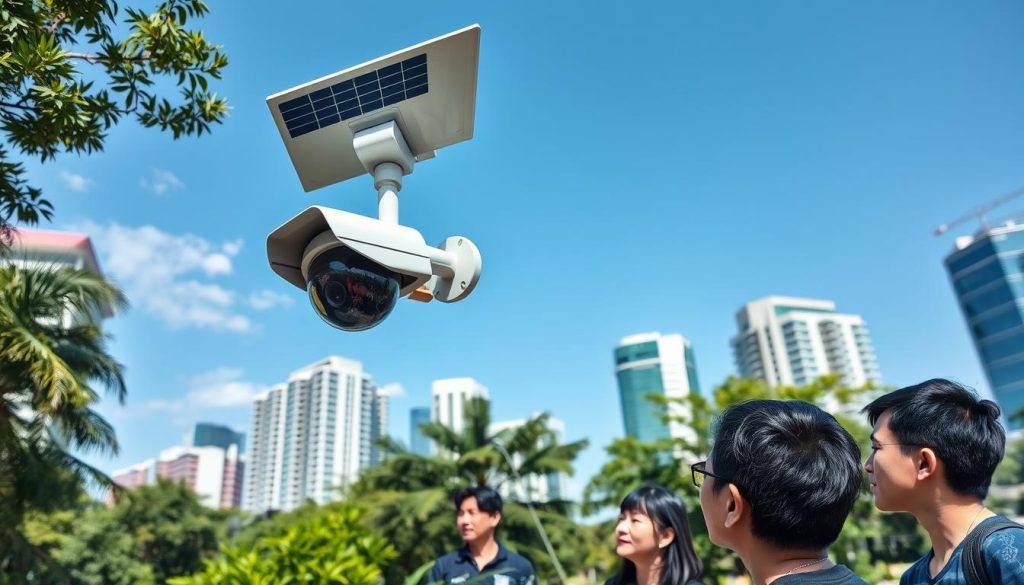
In recent years, solar-powered 4G CCTV cameras have changed the game for surveillance in Singapore. They use the sun’s energy to offer reliable monitoring for homes and businesses. This move towards solar power is also good for the planet. These systems cut down energy costs by up to 75% for outdoor use. This fits well with Singapore’s goal to use more renewable energy and be greener. The best 4G surveillance systems are tough and work well even without constant power. More people are choosing these systems for their homes and businesses. This shows a big move towards using energy in a way that’s better for the planet. To see the latest in CCTV tech, contact ED Viston at +65 8313 4578. Key Takeaways 4G CCTV camera solar solutions are vital for affordable and efficient outdoor security. These cameras can function up to 7 days without direct sunlight, increasing reliability. High-definition video quality and weather-proof capabilities make them ideal for Singapore’s environment. The adoption of solar-powered security technology reflects a significant trend towards greener practices. Integration of advanced functions, including ANPR and motion detection, enhances overall security effectiveness. Introduction to Solar Powered Security Solutions In Singapore, more people want solar powered security solutions. This is because homes and businesses are getting greener. These systems use solar power, so they don’t need the usual electricity. They work well in places far from power sources. This makes them reliable. Solar powered security systems, like outdoor wireless solar cameras, are eco-friendly. They turn sunlight into electricity, which is stored in batteries. This means they keep watching even when it’s cloudy or dark. These devices use advanced solar tech to work better. They also save money because they don’t need outside power. You can watch them from anywhere thanks to 4G connectivity. This mix of convenience and green living is attracting more people. As tech gets better, solar security will keep growing. It’s a big step towards a greener Singapore. Understanding 4G Connectivity for Enhanced Surveillance The introduction of 4G connectivity has changed the surveillance game. It lets users watch high-definition video feeds from anywhere. This is super useful in Singapore’s busy cities where internet can be spotty. Wireless solar powered CCTV cameras are great for places without power. They have a built-in SIM card for cellular networks. This makes them easy to set up in areas without Wi-Fi. Wi-Fi cameras offer better video quality but need a stable network. 4G solar CCTV cameras, on the other hand, keep monitoring going without breaks. They work right away, no matter the Wi-Fi. This makes them perfect for keeping an eye on homes, farms, and construction sites. Choosing between 4G and Wi-Fi cameras depends on your needs. Think about where you’ll install it, video quality, cost, and how easy it is to set up. 4G cameras need a data plan, which can cost more than Wi-Fi. But Wi-Fi might need extenders for weak signals. 4G solar CCTV cameras are top for remote areas with little infrastructure. They work without traditional power, keeping watch in isolated spots. They’re used in many fields: farming, wildlife, industrial sites, and traffic. Camera Type Power Source Video Quality Installation Flexibility Cost Considerations 4G Solar CCTV Solar Powered Moderate High Cellular data plan required Wi-Fi Camera AC Power High Limited (dependency on network) No data plan, possible need for extenders In conclusion, 4G connectivity is a big deal for surveillance. It offers flexibility and reliable service. The need for good security keeps driving new ideas, making places safer in many ways. Benefits of Using a Solar Powered 4G Security Camera Solar powered 4G security cameras have many benefits. They save a lot on electricity bills, up to 75%. This makes security systems more affordable and eco-friendly. Using solar power is great for the environment. It cuts down on carbon emissions from traditional systems. This supports global efforts to fight climate change. High resolution solar cameras offer clear images. For example, the Reolink Go has 1080p resolution for great live streaming day and night. They also have motion detection to reduce false alarms. These cameras work well for a long time. They can run for over a week without sunlight. This is perfect for places where wired cameras can’t work. In summary, solar powered security cameras are reliable and efficient. They are a smart choice for modern security needs in Singapore and worldwide. What is a Solar Powered Security Camera? A solar powered security camera uses solar panels to capture energy from the sun. This energy is stored in batteries that can be recharged. This means the camera can work without needing electricity from the grid. These cameras are made for outdoor use. They can handle tough weather while keeping an eye on your property. The solar powered security camera definition includes these devices designed for the outdoors. These cameras connect wirelessly using SIM cards. This lets users check on their homes over cellular networks like 3G, 4G, or 5G. The wired solar powered CCTV options are becoming less common. This is because wireless systems are easier to set up and don’t need complicated wiring. Using solar power for surveillance has many benefits. For example, a 4G solar security camera can save about $4,800 compared to traditional setups. These cameras also offer high-quality video and motion detection, keeping owners updated on what’s happening. These cameras help save money on energy and support green practices. They often come with features like PIR sensors to cut down on false alarms. This makes solar security cameras a reliable and easy-to-use choice for surveillance. Solar Energy’s Importance in Singapore Solar energy is key to sustainable living in Singapore. The country gets over 2,500 hours of sunshine a year. This makes it ideal for using solar power. Using solar energy cuts down on carbon emissions. It also helps save money on energy costs. Switching to solar for security systems like CCTV can save up to 75% on energy costs. These systems cost about 50% less to install than

4G CCTV Camera Solar Solutions in Singapore Read More »

360 solar security camera

360 Solar Security Camera: Protect Your Home 24/7

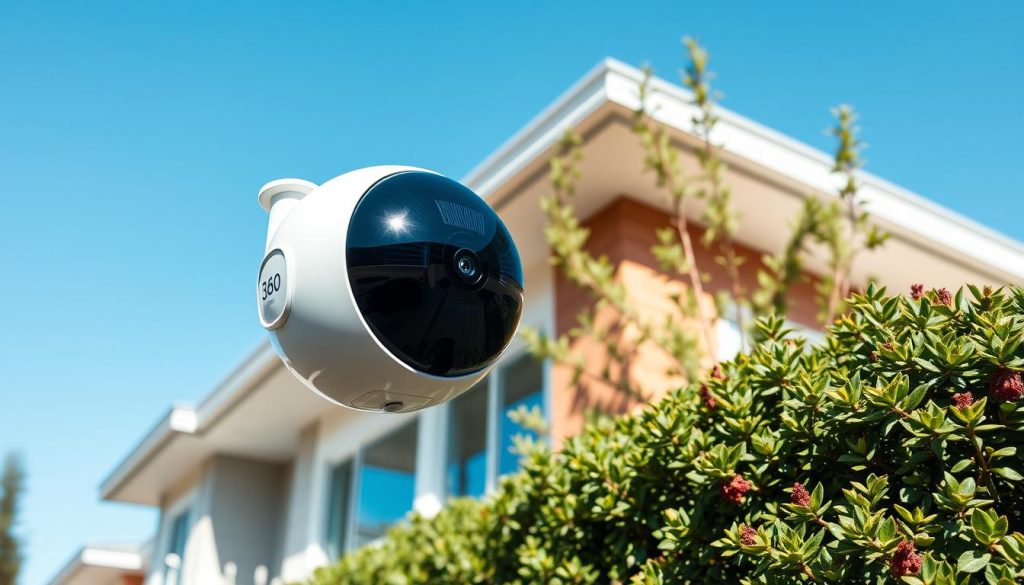
The 360 solar security camera is changing how we keep our homes safe. These devices use the sun’s power to watch over our homes day and night. This is great for those worried about safety, like in busy cities like Singapore. By using solar power, these cameras help the environment too. They let us keep an eye on our homes while being kind to the planet. This means we can feel safe and help the Earth at the same time. These cameras come at different prices. Knowing what they offer can help you choose the right one. Let’s explore how these cameras meet today’s security needs. Key Takeaways The 360 solar security camera offers 24/7 surveillance without relying on traditional power sources. Eco-conscious choice that helps in reducing carbon footprints while ensuring safety. Average battery lifespan ranges from 1 to 3 years, with some models operating up to 7 days without sunlight. Solar cameras can support monitoring capabilities for multiple devices from a single app. High-resolution video quality improves the effectiveness of surveillance, enhances peace of mind. Introduction to Solar Security Cameras Solar security cameras are changing how we watch over our homes and businesses. They use sunlight to work, not electricity. This makes them popular in sunny places like Singapore. Outdoor solar cameras are easy to set up and don’t need wires. This makes them a great choice for keeping places safe. Understanding the Technology Behind Solar Cameras Solar cameras use smart tech like AI to spot people accurately. They can work for days without sunlight, thanks to strong batteries. This is great for places far from power lines. The Rise of Wireless Security Solutions Wireless security is becoming more common. Solar cameras don’t need wires, making them easy to install. This saves money and makes them flexible to place anywhere. These cameras can move and cover a lot of ground. They’re key for keeping homes and businesses safe. Their tech makes them a must-have for security. What is a 360 Solar Security Camera? A 360 solar security camera is a high-tech device for watching over large areas. It can turn 360 degrees, covering more ground than regular cameras. This makes it a cost-effective way to keep an eye on things without losing quality. This camera runs on solar power, thanks to built-in panels and batteries. It works all day, every day, without needing a plug. It can even show images in 2K HD, making everything clear as day. Smart lighting integration for enhanced visibility. AI tracking for dynamic movement detection. Digital pan and tilt adjustments for improved viewing angles. Prices vary, but you can find something for every budget. Basic ones start at $30, while top-of-the-line models can cost up to $500. They also have batteries that keep them running all the time. These cameras work well indoors and outdoors, even in bad weather. They’re rated IP66 for water and dust resistance. This makes them a top pick for keeping places safe and secure. Benefits of Using a 360 Solar Security Camera Adding a 360 solar security camera to your home has many benefits. It’s good for the planet and your wallet. Eco-friendly surveillance is becoming more popular, and it’s cheaper for homeowners. Eco-Friendly Surveillance Solar security cameras use the sun’s power, not electricity. This cuts down on carbon emissions. It’s a green choice for those who care about the environment. Even in places with little sunlight, these cameras work well. They help reduce pollution from home security. Plus, they keep your home safe. Cost Savings on Energy Bills Switching to solar security can save you money on energy. These systems use the sun’s power, so you don’t pay for electricity. This means lower bills every month. Buying solar security cameras is a smart investment. They save money upfront and need less maintenance. In Singapore, with lots of sunlight, they work even better. Specification 40W Solar Panel 50W Solar Panel 60W Solar Panel Charged in Optimal Sunlight 7.5 hours 8 hours 6 hours Power During Rainy Days Up to 15 hours Up to 20 hours Up to 20 hours Battery Capacity 15Ah 20Ah 20Ah Homeowners can pick the right solar panel size for their needs and budget. This makes solar security cameras more popular. They make homes safer, cheaper, and better for the planet. How a 360 Solar Security Camera Works A 360 solar security camera uses solar power for reliable surveillance. It has solar panels that turn sunlight into energy. This energy is stored in a battery, allowing it to work for days without sunlight. Solar Power and Battery Life The power of solar energy is key for these cameras. Each charge lets the battery keep working, depending on the environment and how it’s used. This low cost, around $10 AUD a month, makes solar cameras great for homes everywhere. Night Vision Capabilities These cameras have advanced night vision thanks to infrared technology. They can see clearly even in the dark. This means homes are protected day and night, giving homeowners peace of mind. Choosing the Best 360 Solar Security Camera Choosing the right solar CCTV camera means looking at key features. Important things like image quality, battery life, and build matter a lot. Knowing these helps you pick a reliable security camera for your home. Essential Features to Consider Image Resolution: Choose cameras with at least 1080p for sharp images. Battery Performance: A longer battery means less downtime for monitoring. Field of View: Find models with 360° view for full coverage. Storage Options: Free SD card storage is essential, with cloud as a bonus. Weather Resistance: Make sure it’s tough for all-weather use. Comparing Different Models Comparing models shows their differences in performance and reliability. For example, the SolarSecure360 Pro™ camera has a 4.4-star rating from 311 reviews. It offers 24/7 coverage and a 30-day money-back guarantee. Always check reviews and expert opinions to see what each model offers. Feature SolarSecure360 Pro™ Model B Model C Rating 4.4/5 4.0/5 4.2/5 Price $149.99 AUD $179.99 AUD

360 Solar Security Camera: Protect Your Home 24/7 Read More »

business CCTV installation

Expert Business CCTV Installation Services in Singapore

Protecting your business is key in today’s world. Our team in Singapore offers top-notch CCTV installation services. We design security solutions for your office, shop, or property. With over 13 years of experience, our experts ensure your safety and peace of mind. We use the latest technology and quality equipment. This helps us meet the specific needs of businesses. Our goal is to boost your security and surveillance. Key Takeaways Over 13 years of experience in providing security solutions for Singapore businesses. Starting price for CCTV installation packages begins at S$550. Provision of 24/7 monitoring and advanced security features. Free on-site assessments to create customized installation plans. A one-year hardware support guarantee for peace of mind post-installation. Effective crime deterrence through the visible presence of CCTV cameras. Remote access functionality allows for monitoring from anywhere at any time. Understanding the Importance of Business CCTV Installation CCTV systems do more than just watch. They greatly improve business security. They help stop theft and vandalism, making places safer for everyone. Enhancing Security and Surveillance CCTV systems are key for watching out for crime. Studies show that places with cameras see up to 60% less crime. This is because cameras make it harder for criminals to act without being seen. Businesses with good CCTV systems see a 40% drop in employee theft. This shows how important CCTV is for keeping things safe. Monitoring Employee and Customer Safety CCTV cameras also make people feel safer at work. A big 85% of employees feel more secure when there are cameras around. This makes them happier and more productive. Also, CCTV helps keep an eye on both employees and customers. It helps solve problems quickly. In fact, 70% of companies use CCTV to fix workplace issues fast. Statistic Impact CCTV can deter up to 60% of criminal activity Increased safety in monitored areas 40% reduction in employee theft incidents Less loss of inventory and resources 85% of employees feel safer with CCTV Boost in employee morale and productivity 70% of companies resolve disputes using CCTV Improved conflict resolution processes Why Choose Professional CCTV Installation Services? Choosing professional CCTV installation services brings many benefits. Experts ensure cameras are placed and work best. This makes a business more secure and helps keep employees accountable. Expert Assessment and Tailored Solutions Professional CCTV installation means getting a detailed security plan. Companies like Wen Hong Engineering and Prowler International create custom plans. They consider each facility’s layout and risks for the best camera placement. Quality Equipment and Advanced Technology Using top-notch surveillance equipment with the latest tech is key. Features like night vision and remote monitoring catch more suspicious activity. A good CCTV system makes responding to incidents better and helps solve cases faster, keeping everyone safer. Business CCTV Installation: Our Complete Process Setting up a good security system needs careful planning. We know every business is different. So, our detailed process fits your needs perfectly. Free On-Site Assessment We start with a free check of your place. This helps us figure out what security you need. It’s key to spotting weak spots and making a plan just for you. Customized Installation Plan After checking your place, we make a plan just for you. We pick the best cameras and setup to fit your business. You get clear video and a strong recorder to keep your footage safe. Professional Training and Support After we set everything up, we teach you how to use it. Our team shows you how to manage the system. We also offer help anytime you need it. Plus, you can watch your place from anywhere with our app. Camera System Number of Cameras Hard Disk Size Resolution 4 Camera System 4 3 Terabyte 4 Megapixel 8 Camera System 8 6 Terabyte 4 Megapixel 16 Camera System 16 12 Terabyte 4 Megapixel Begin your path to better security today. See how our business CCTV installation services can change your business. Benefits of Installing CCTV for Your Business Installing a CCTV system offers many benefits for your business. It improves security and efficiency. Knowing these benefits shows how important they are for preventing crime and keeping your business safe. Crime Deterrence and Evidence Collection Visible CCTV cameras scare off thieves and vandals. Businesses with these systems see a 30-40% drop in crime. In fact, a good CCTV system can stop up to 70% of crimes. It also helps gather evidence, which is key in 75% of criminal cases. Having recorded evidence helps solve disputes in 80% of cases. This makes resolving conflicts easier. Remote Monitoring and Access Modern CCTV systems let you watch your business from anywhere. This has led to a 35% increase in demand for such systems. It boosts security and keeps you calm, even when you’re not there. Places with CCTV see a 30% drop in vandalism. This makes the area safer for everyone. Peace of Mind for Business Owners Business owners feel better knowing their place is always watched. 67% of customers feel safer in places with CCTV. This shows how CCTV helps create a secure environment. Using CCTV can also lower insurance costs by up to 20%. This saves money. Plus, employees work better when they know they’re being watched. This is a big win for business owners. Types of Commercial Security Camera Solutions Businesses today have many options for security cameras. Knowing the difference between indoor and outdoor cameras is key. Each type has its own benefits, helping to improve surveillance. Indoor vs. Outdoor Cameras Indoor cameras watch over areas inside a business. They are great for places like reception and stock rooms. These cameras have features like clear photos and motion detection to catch important moments. Outdoor CCTV solutions are made to handle the weather. They work well in the dark thanks to night vision. Placing them right can scare off intruders and keep your business safe. Advanced Features for Effective Surveillance Today’s security systems have cool features. These include: Night vision technology for dark places High-definition resolution for clear photos

Expert Business CCTV Installation Services in Singapore Read More »

off grid surveillance camera solutions in Singapore

Off Grid Surveillance Camera Solutions in Singapore

In Singapore, the need for top-notch security solutions keeps growing. This is true for places that need constant watch. Off grid surveillance cameras are key to keeping areas safe, like remote spots. They use solar power and wireless tech, making them easy to set up without needing wires. Big events in Singapore draw over 300,000 fans, making security a top priority. The use of 200 cameras, with over 25% running on their own, shows off grid tech’s power. Solar energy and advanced monitoring systems keep the watch going smoothly in busy cities. As cities grow, adding off grid surveillance to security plans is vital. These systems use the latest tech and green energy. They promise a bright future for keeping places safe. Key Takeaways Off grid surveillance cameras provide reliable security without reliance on traditional power sources. Solar-powered systems can operate for extended periods without sunlight, ensuring continuous surveillance. Deployment of autonomous cameras is critical for high-traffic events and distant areas. Modern CCTV solutions boost monitoring, including live feed access from afar. Adding solar tech makes security systems more eco-friendly in urban settings. Understanding Off Grid Surveillance Cameras Off grid surveillance cameras are great for security in remote or temporary spots. They don’t need electricity, making them easy to set up anywhere. In Singapore, the need for outdoor cameras has grown. Now, we have cameras that use battery or solar power and send video over cellular networks. What is an Off Grid Surveillance Camera? An off grid camera works where there’s no electricity. They use battery powered surveillance cameras or solar power. This makes them perfect for rural areas or short-term security needs. They’re good for the environment and easy to set up. How Off Grid Cameras Work Off grid cameras get power from batteries and solar panels. This means they work all the time, even without electricity. They use 4G LTE to send video to monitoring stations. Knowing how much power they use helps pick the right camera for your needs. Camera Model Type Power Source Key Features Price Range Reolink Argus 2E Battery Powered Battery/Solar 1080 HD, 120° viewing angle, two-way audio $100 – $500 ieGeek 4G LTE ZY-G1 4G LTE Battery Night vision, smart motion detection $400 – $1,500 Benefits of Off Grid Surveillance Systems Off grid surveillance systems have many benefits, mainly in places like Singapore. They don’t need traditional power, making them great for areas where power is hard to get. This tech lets you set up security in many places, giving you peace of mind. Independence from Traditional Power Sources One big plus of off grid cameras is they work without regular power. This is perfect for places far from cities, like farms or construction sites. They use solar power, so they keep working without needing someone to turn them on. Flexibility in Installation Locations Off grid systems can be set up in many places. They fit well in different settings, like watching over outdoor events or big areas of land. Their ability to work on their own makes them great for places that were hard to secure before. Feature Benefit Independence from Power Grids Ensures operation in remote areas without electricity access. Solar-Powered Systems Recharges automatically, minimizing manual upkeep. Flexible Installation Can be deployed in various terrains and locations for customized security solutions. Real-Time Remote Monitoring Enables swift response to security events through stable 4G connectivity. In summary, off grid surveillance systems are special because they can provide security in many places. They don’t need regular power and can be set up in different ways. This makes them a great choice for people in Singapore looking for effective monitoring solutions. Choosing the Right Off Grid Surveillance Camera Choosing the right off-grid surveillance camera is important. In Singapore’s hot and rainy weather, it must be weatherproof. It should also have features like night vision and remote monitoring. Factors to Consider: Weather Resistance and Functionality An outdoor security camera needs to be very durable. Look for models with an IP rating of at least IP65. This means they can handle dust and rain well. Functionality is key. For example, a solar powered camera works without needing electricity. This is great during power outages, keeping your place monitored. Types of Cameras Available There are many types of off-grid surveillance cameras. Wireless security cameras are popular because they’re easy to set up. They often have cloud storage and alert you when they detect motion. Solar powered cameras use the sun’s energy. This makes them cost-effective and eco-friendly. Prices for off-grid security cameras vary. You can find basic ones for under $100. More advanced models, like those with 4G connectivity, cost between $400 and $1,500. For a complete system, consider the Reolink RLK8-800B4, which includes several cameras and storage. Solar-Powered Surveillance Solutions In Singapore, solar-powered surveillance systems are a great way to boost security and save energy. The city’s sunny weather makes solar tech work well, saving money and improving energy use. Advantages of Solar-Powered Cameras in Singapore Solar cameras in Singapore offer many benefits. They can cut energy costs by up to 75%, which is good for both homes and businesses. With lots of sunlight, these cameras work well and can run for 48-72 hours without sunlight, thanks to batteries. Using solar cameras also helps the environment, cutting carbon emissions by up to 40%. Many families feel safer after getting these systems. Plus, they’re easy to install, taking less than a day and needing little wiring. Integrating Solar Technology with Surveillance Systems Using solar tech with surveillance cameras makes them more efficient and less dependent on traditional power. These systems can do smart things like read license plates and detect radar, making them a solid security choice. These solar kits can be set up in many ways, from watching highways to protecting farms. The demand for these cameras is growing fast, making them a smart, green choice for security. To see more about solar cameras, visit this link. Feature Details Energy Cost Reduction Up to 75%

Off Grid Surveillance Camera Solutions in Singapore Read More »

Do security cameras degrade over time

Do Security Cameras Degrade Over Time? Insights

Ever thought your security cameras might be losing their power, making your place less safe? It’s key to know if security cameras get worse over time. Knowing how long they last and how to keep them working is vital for strong surveillance. Keeping them in good shape helps prevent damage and keeps your place safe. As tech gets better, using advanced solutions like IP CCTV can make your security better. With AI and cloud tech changing video watching, ignoring upkeep can leave you with old systems. Staying ahead with maintenance and updates is important. This way, you can stop problems and keep your cameras working well. To learn more about keeping your cameras safe and finding the right CCTV in Singapore, call ED Viston at +65 8313 4578. Find the top CCTV options made just for you! Key Takeaways Security cameras have a limited life span due to many factors. Environmental conditions can make camera parts wear out faster. Regular upkeep is key to keeping cameras working at their best. AI is changing how we analyze video, making surveillance better. Cloud tech makes security systems more reliable and flexible. Understanding Security Camera Lifespan The lifespan of a security camera depends on many things. These include the camera’s type, quality, and where it’s used. Knowing how long a camera should last helps people choose the right one for their needs. On average, security cameras can last from 5 to 10 years. But, some top-quality ones might work for up to 25 years if taken care of well. Common Lifespan Expectations Different security cameras have different lifespans: Analog cameras usually last 5-10 years because they’re simple and have fewer parts. IP cameras often last 3-5 years because their electrical parts are more delicate. NVR and DVR devices can last 5-10 years, depending on how well they’re cared for and the environment. Commercial-grade cameras can last 5-10 years, and trail cameras might last 3-5 years, depending on their quality. Factors Influencing Camera Lifespan Several things can affect how long a camera lasts: Being exposed to extreme weather or high humidity can make a camera wear out faster. Cameras that run all the time might wear out quicker than those used less often. Cleaning and protecting your camera from harsh weather can make it last longer. Using the right technology, like firmware updates, and settings can also help a camera last longer. The materials and how well a camera is built are key to its lifespan. Knowing these factors can help you get the most out of your camera. For the latest CCTV solutions, call ED Viston today at +65 8313 4578. Do Security Cameras Degrade Over Time? It’s important to know how long security cameras last and how well they work. Many things can make security cameras wear out faster. Signs of wear can tell you if your cameras are losing quality or working right. Visible Signs of Deterioration There are clear signs that your security cameras might not be working as well as they used to. A big sign is when the pictures become blurry or unclear. This can happen because of fog inside dome cameras, which means you might need a new dome.Another problem is when cameras keep losing connection. This can happen because older cables get worn out. It’s a good idea to check your cables and connections often, as they might last longer than the cameras themselves, even indoors. Impact of Environmental Conditions The weather can really affect how long your security cameras last. Cameras outside face extreme weather, which can make them wear out faster. Moisture, dust, and changing temperatures can damage the inside parts of the cameras. Keeping the lenses clean and protecting the cameras from the weather can help them last longer. Running cameras all the time can also make them degrade faster in harsh weather. Knowing how the weather affects your cameras is key to keeping them working well. If you want to make your security system last longer and work better, call ED Viston today. You can reach them at +65 8313 4578 to learn about the newest CCTV solutions and deals. Surveillance Camera Deterioration Factors It’s important to know what makes surveillance cameras wear out. The quality of materials and the type of technology used are key. These factors affect how long a camera lasts and how well it works. Quality of Materials Used The materials used in cameras greatly impact their lifespan. Cameras made with top-notch parts can handle tough weather better. They have casings that resist extreme conditions and lenses that stay flexible. On the other hand, cameras made with cheap parts often struggle. They might get blurry images or work poorly in different lights. Type of Surveillance Technology The technology behind a camera also plays a big role. IP cameras, known for their clear digital images, don’t last as long as analog cameras. They usually last 3-5 years. Analog cameras, with their simpler design, can last 5-10 years. Modern tech offers better features, but older tech might not keep up. Keeping up with new security tech is key to protecting your investment. Type of Camera Expected Lifespan Quality Indicators Analog Cameras 5-10 Years Durable, fewer moving parts IP Cameras 3-5 Years Digital video, sensitive components High Dynamic Range Cameras Varies Optimal performance in various lighting NVR/DVR Devices 5-10 Years Depend on maintenance Choosing quality and advanced tech is worth it in the long run. For better security in Singapore, contact ED Viston. Call them at +65 8313 4578 to see their latest CCTV options. Make sure your system stays top-notch. Monitoring System Wear and Tear Security cameras need regular checks to keep them working well. Over time, they can start to show signs of wear. It’s important to follow maintenance tips to keep them in top shape. Conditions Leading to Wear Several things can cause security cameras to wear out. These include: Environmental stressors like extreme weather can affect how they work. Physical damage from vandalism can cause problems.

Do Security Cameras Degrade Over Time? Insights Read More »

Optimal CCTV replacement Singapore

Optimal Timing to Replace Your CCTV in Singapore

Ever thought if your CCTV system is enough to protect your place? As Singapore gets safer, surveillance systems play a big role. It’s key to know when to update your gear for top security. With almost a million CCTV cameras in Singapore, it’s time to ask, when should I replace my CCTV? Regular checks keep your CCTV working well and follow Singapore’s strict laws. This ensures your safety and privacy. Upgrading on time boosts safety and shows you care about security. The life of your CCTV system is important. Knowing when to replace it is critical. Modern tech offers better images and reliability, vital for crime investigations. For top-notch vandal-proof CCTV, check out Wenhong’s offerings. Don’t wait until it’s too late! For the latest CCTV solutions and deals, call ED Viston today at +65 8313 4578. Key Takeaways Regularly assess your CCTV systems to ensure optimal performance. Recognizing when to replace your CCTV can prevent security vulnerabilities. Stay informed about local regulations regarding CCTV installations. Upgrading to modern systems improves image quality and reliability. Understanding the lifespan of various CCTV models aids in planning replacements. Understanding the Importance of CCTV Systems CCTV systems are vital in today’s world. They help keep communities safe by preventing crime and aiding police in solving cases. They also give people a sense of security, whether at home or at work. The Role of CCTV in Enhancing Security CCTV systems are key in boosting security. They scare off criminals by showing they are being watched. The footage also helps police keep an eye on places and solve crimes. They protect not just property but also people. This makes the environment safer for everyone. Statistics on CCTV Usage in Singapore Singapore has a lot of CCTV cameras, almost one million. Studies show that more cameras lead to fewer crimes, like theft. About 80% of CCTV footage helps police, showing the need for good quality cameras. Switching to 4K ultra-HD cameras can make footage much clearer. This helps police solve cases better. Upgrading to cloud-based CCTV systems is a good idea. They offer endless storage and are safer from theft or damage. For more information on the best CCTV options, call ED Viston at +65 8313 4578. Signs for Replacing CCTV Systems It’s important to watch for signs of wear and inefficiency in your CCTV system. This ensures your security stays top-notch. Look out for certain indicators that show it’s time for an upgrade or a full replacement. Decreased Image Quality One key sign is if your CCTV footage looks grainy or fuzzy. This means your system might be old or have technical problems. Today’s security cameras can show much clearer images, with resolutions like 1080p or even 4K Ultra HD. Upgrading can make your surveillance better. It helps you see details more clearly, which is important for identifying people or events. Lagging Functionality and Reliability Another big issue is if your CCTV system is slow or unreliable. If it takes a long time to start up or you can’t see live feeds, it’s a problem. Issues like this can make your security weak. It’s best to get help from a professional to fix these problems. Fixing them quickly is key to keeping your system working well and keeping you safe. For more information on the latest CCTV solutions, call ED Viston at +65 8313 4578. Keeping your surveillance tech up-to-date is important for your peace of mind and security. CCTV Lifespan: What You Need to Know Knowing how long CCTV systems last is key to good security. In Singapore, these systems usually last 4 to 7 years. Knowing the average lifespan helps pick the right system for your needs and budget. Average Lifespan of Different CCTV Models Different CCTV models last for varying times. Cheaper models might only last 3 to 5 years. But, top-quality systems can work well for up to 10 years. Here’s a look at different camera types and how long they last: CCTV Camera Type Average Lifespan Dome Cameras 4-6 years Bullet Cameras 5-7 years C-Mount Cameras 5-8 years PTZ Cameras 6-10 years High-Definition Cameras 5-10 years Factors Affecting CCTV Lifespan Many things can affect how long CCTV systems last. Weather and humidity are big factors. Also, new tech makes users want to upgrade for better features like motion detection and facial recognition. Quality of components: Better materials mean longer life. Installation practices: A pro install ensures cameras are set up right. Regular maintenance: Regular checks and yearly service spot problems early. Storage solutions: Switching to digital or cloud storage boosts performance. Proper care and regular checks can make CCTV systems last longer. For advice on choosing the best CCTV for you, call ED Viston at +65 8313 4578. They offer the latest tech and solutions. When should I replace my CCTV? Keeping your surveillance system up to date is key for security. It’s important to know when to upgrade for the best results. By monitoring technological advancements in CCTV, you can get better security features. Monitoring Technological Advancements Technology changes fast, so staying updated is vital. New CCTV systems have features older ones don’t. Upgrading keeps your security strong and effective. For specific needs, check out Wen Hong for warehouse solutions. Recognizing Malfunctions and Performance Issues Recognizing malfunctions CCTV is critical for a reliable system. Look out for issues like frequent disconnections or recording problems. These signs mean it’s time for a new system. Don’t ignore these problems, as they can weaken your security. Your surveillance system is a vital safety tool. If you’re not sure when should I replace my CCTV?, get expert advice. Call ED Viston at +65 8313 4578 for the latest in CCTV solutions and offers. CCTV Replacement Indicators Knowing when to replace your CCTV system is key for keeping your place safe and running smoothly. There are a few signs that tell you it’s time for a new one. These include when repairs happen often and when your system can’t work with new tech. Frequent

Optimal Timing to Replace Your CCTV in Singapore Read More »

cctv for retail

Enhance Retail Security with CCTV for Retail

CCTV for retail is key in today’s fast-changing retail world. It helps keep stores safe and protects valuable items. Stores worldwide lose about $46 billion each year to theft and damage. In Singapore, property crimes made up 65% of all crimes in the first half of 2023. This shows how important strong security is. CCTV systems help make shopping safer for customers and provide proof when needed. With over 1 million CCTV cameras in Singapore and 78% of stores using them, using modern surveillance is essential. It boosts security and makes stores run better in a competitive market. Key Takeaways CCTV systems significantly deter theft, reducing incidents by up to 50%. Over 75% of CCTV systems in Singapore enable remote monitoring. Effective surveillance can yield a 30% reduction in shrinkage for retailers. Maintaining CCTV systems can lead to 20% fewer technical failures. Nearly 90% of customers feel safer in stores equipped with visible CCTV. The Importance of CCTV in Retail Security CCTV systems are key in keeping retail stores safe from theft, vandalism, and other crimes. With more people walking in and out, stores are easy targets. Cameras can stop thieves in their tracks, cutting down theft by up to 50%. These systems also help catch the bad guys. They provide clear footage that helps identify culprits and support insurance claims. This way, stores can protect themselves from costly damages and malicious acts. CCTV also makes customers and employees feel safer. Stores with cameras see more people coming in, which means more sales. Cameras with night vision ensure everything is watched, day and night. Stores with CCTV pay less for insurance. They might save 10-20% on premiums. So, CCTV is not just for security; it’s a smart investment for the future. Benefits of Implementing CCTV for Retail Using CCTV in retail stores brings many benefits. It boosts security and makes operations more efficient. Video surveillance is a strong tool against theft. Studies show it can cut crime rates by a lot. Theft Deterrence Through Camera Presence Just having CCTV can stop a lot of theft. Up to 70% of would-be thieves give up when they see cameras. Stores with CCTV see a 25% drop in theft. Employee theft is a big problem, but CCTV can reduce it by 30%. High-definition cameras around the store also make employees more accountable. This makes the store safer for everyone. Real-time Monitoring Capabilities Understanding Retail Surveillance Systems Retail surveillance systems are key to keeping businesses safe. Knowing about components of CCTV and types of retail cameras is vital. A good system has cameras, recorders, and monitoring tools to fight theft and security threats. Components of a Retail CCTV System The components of CCTV are essential for a system to work well: Cameras: They capture video in real-time. High-definition cameras give clear images. Recording Devices: DVRs or NVRs save footage for later use. Monitoring Interfaces: These allow for live monitoring and quick action. Networking Equipment: Routers and switches connect all parts smoothly. Types of Cameras for Retail Applications Choosing the right types of retail cameras is key for security. Here are some common ones: Dome Cameras: They’re hidden in ceilings and have a wide view, great for small spaces. Bullet Cameras: Made for outdoor use, they see far and are perfect for parking lots and entrances. PTZ (Pan-Tilt-Zoom) Cameras: They cover big areas and can zoom in, good for busy places like supermarkets. Turret Cameras: Like dome cameras but can be installed at different angles, helping to deter theft. Using these types of retail cameras in a smart system can cut crime a lot. In Singapore, 78% of stores use surveillance. It helps catch thieves, keeps employees safe, and boosts security. When setting up a system, think about your budget, the quality of gear, and local laws. For more info, check this link. Enhancing Employee Safety and Accountability CCTV systems are key in keeping retail employees safe and making staff accountable. Just having these cameras can stop theft and bad behavior. Studies show that 75% of retail workers feel safer with these systems, making the workplace more secure for all. Shoplifting is a big problem in retail, causing nearly 43% of losses. CCTV helps a lot in fighting this. Stores with these systems see theft drop by 30% to 60%. This makes the workplace safer, where employees don’t have to worry as much. CCTV footage helps prove who did what, making it easier to catch and punish shoplifters. About 70% of retailers say this is key. Also, having these cameras makes employees more responsible, as they know they’re being watched. These systems also let managers watch over things from afar. They can spot problems right away, cutting down on how long it takes to respond to emergencies. This means they can act fast, keeping everyone safer. Using CCTV also makes businesses run better. Cameras can watch over big areas, helping managers keep an eye on everything. Plus, looking at old footage helps train staff and check how well they’re doing, making safety better over time. Feature Impact CCTV Deter Theft Reduces shoplifting incidents by up to 50% Employee Belief in Safety 75% believe CCTV increases workplace safety Improvement in Accountability 25% increase in employee accountability Emergency Response Time Reduction of 15-20% in response times Use in Prosecution 70% cite evidence from CCTV as critical Putting in retail camera systems really helps make the workplace better. It keeps employees safe and makes sure everyone is doing their job right. These cameras protect more than just things; they help make the whole place run smoother and more professionally. Operational Efficiency with CCTV for Retail CCTV systems do more than watch over stores. They help improve how businesses run by giving insights that guide big decisions. Stores use them to see how customers move and shop, helping place products better and talk to customers more effectively. This way, they can run their operations better. Data-Driven Insights for Business Decisions Video analytics helps stores understand how people move

Enhance Retail Security with CCTV for Retail Read More »