Does it mean someone is watching if the camera is red? A Guide
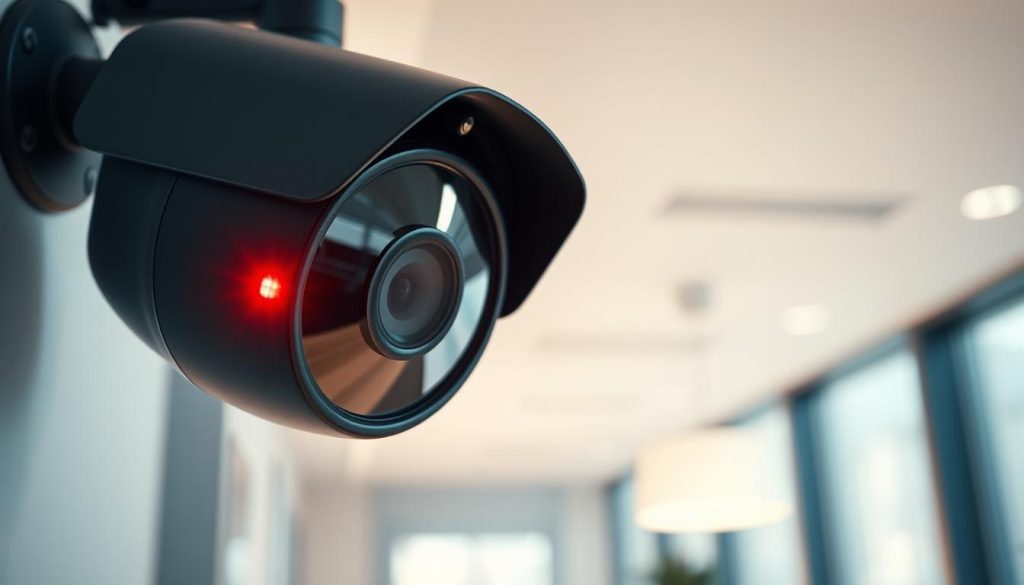
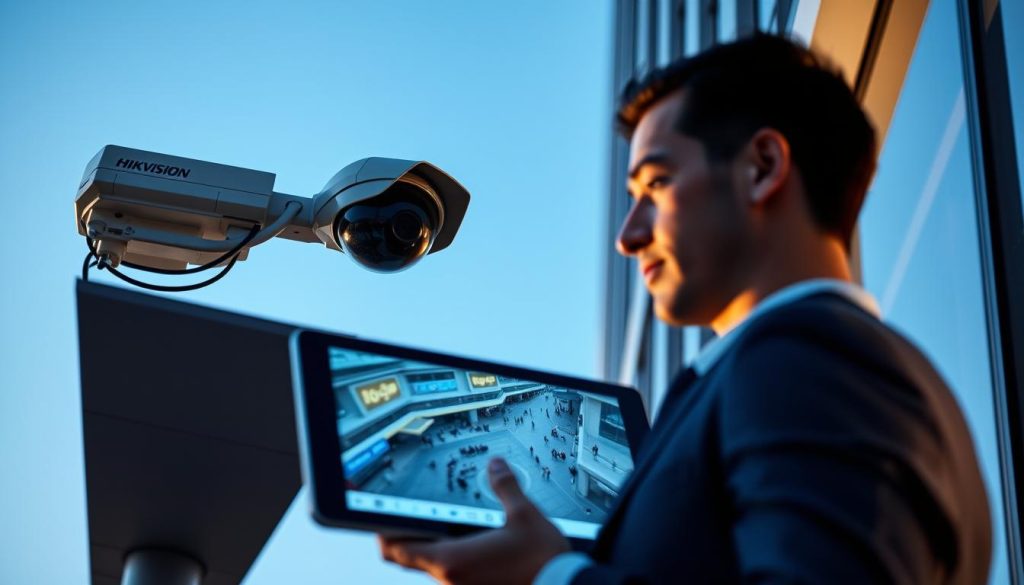
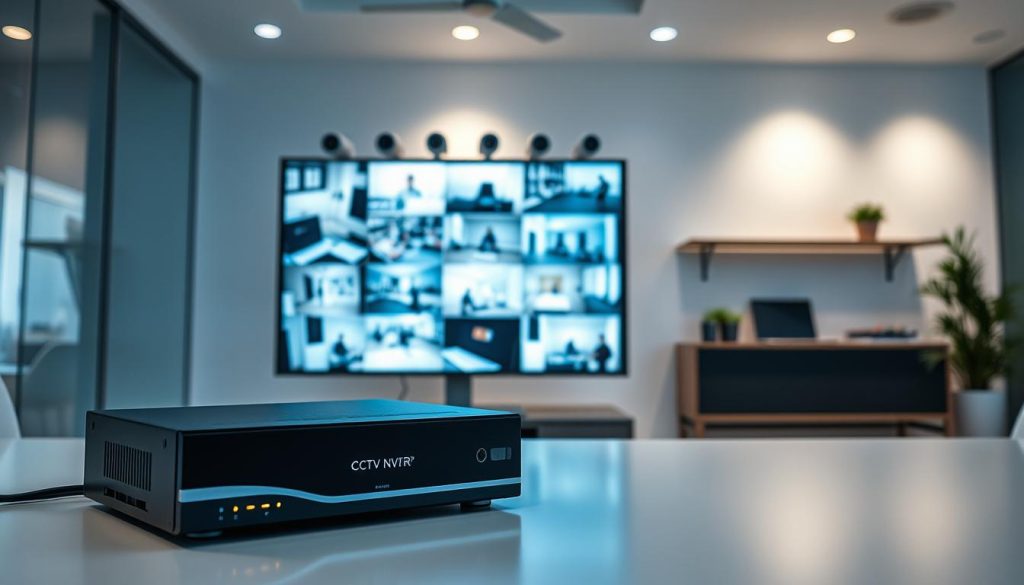
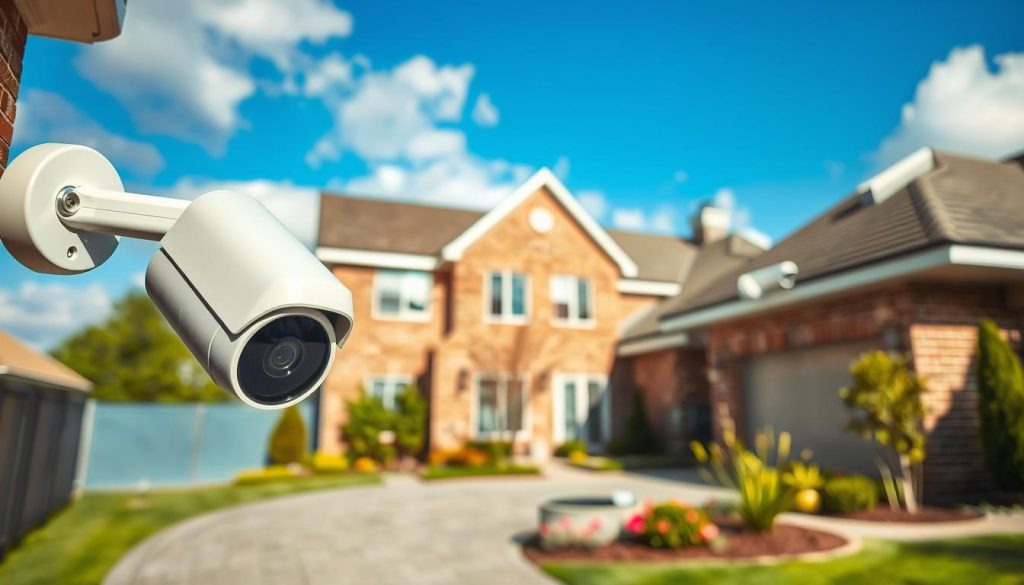
Have you ever noticed a small red light on a security device? This visible indicator often sparks curiosity and concern. Many people wonder about its true meaning in our surveillance-heavy world. Understanding these signals is crucial for privacy awareness. This guide explores what different status lights really mean. We’ll cover technical functions and legal considerations in places like Singapore. You’ll learn to distinguish between various types of surveillance systems. We provide factual information to help you interpret camera behavior correctly. This knowledge empowers you in monitored environments. Key Takeaways A red light typically indicates active recording or camera operation Not all illuminated cameras involve live human monitoring Different colors and blinking patterns convey specific status information Fake security cameras often mimic real indicator lights Context and camera type determine the actual meaning of lights Legal regulations govern surveillance practices in many areas Understanding these signals enhances personal security awareness Understanding Camera Status Lights and Indicators Visual indicators bridge the gap between technical functions and human understanding. These small lights provide immediate information about camera operations without complex interfaces. Modern security systems use these signals to communicate various states. From recording activity to system errors, each light pattern tells a specific story. The Purpose of Visual Indicators in Surveillance Systems Status lights serve as communication tools between devices and people. They inform users about operational conditions instantly. These visible indicators enhance transparency in monitored spaces. They allow everyone to understand when recording occurs. In Singapore, regulations often require clear indicator visibility. This balances security needs with public comfort. Advanced systems now include diagnostic features through light patterns. This helps technicians identify issues quickly. Common Light Colors and Their General Meanings Different colors convey distinct messages about camera status. Understanding these signals helps interpret device behavior. Red lights typically indicate active recording or night vision operation. Steady red often means continuous recording. Green usually confirms power without ongoing recording. This shows the device is on standby. Blue signals frequently indicate data transfer activities. Blinking patterns suggest network communication. Amber or yellow lights often warn about system issues. These might indicate storage problems or connection errors. Infrared cameras use red illumination for night vision functionality. This activates automatically in low-light conditions. Pattern variations add another layer of information. Steady lights suggest constant operation while blinking indicates alerts. This knowledge helps distinguish functional units from decoys. Fake cameras often have inconsistent light behaviors. How a Red Light Functions in Different Camera Systems Security cameras communicate through visual signals that reveal their operational status. These indicators vary across different surveillance technologies and brands. Understanding these variations helps interpret camera behavior accurately. Each system has unique ways of showing its current state. Standard Functions of a Steady Red Light A steady red light typically means the device is powered and recording. This visible indicator confirms active surveillance operation. Many security systems use this signal for continuous monitoring status. It shows the camera working and capturing video footage. Infrared cameras display red illumination during night vision operation. This allows clear recording in low-light conditions. Some models use steady red lights to indicate infrared mode activation. This differs from recording status in certain security cameras. Differences Between Blinking and Solid Red Indicators Blinking red lights often signal motion detection alerts in smart systems. These patterns indicate triggered events rather than constant recording. Some devices use blinking for system updates or error notifications. This helps users identify technical issues requiring attention. Authentic cameras usually maintain steady lights during operation. Fake security cameras might use irregular blinking to mimic activity. Traffic enforcement cameras in Singapore employ specific light patterns. Steady red often means active enforcement while blinking indicates maintenance. Manufacturer guidelines provide the exact meaning for each model. Always check documentation for precise interpretation of light signals. Does it Mean Someone is Watching if the Camera is Red? Public perception frequently misinterprets what operational lights on recording devices actually signify. Many assume a glowing indicator always means immediate human observation. This common belief requires careful examination across different surveillance contexts. Research shows only 35% of illuminated security systems involve live monitoring. Most function through automated protocols rather than constant human oversight. Understanding this distinction helps clarify what various light patterns truly represent. Automated Recording vs. Live Viewing Scenarios Modern security cameras typically operate through automated recording systems. These devices capture footage based on motion detection or scheduled timelines. The stored video remains available for later review when needed. Live viewing scenarios involve real-time monitoring by security personnel. This approach remains less common due to resource requirements. High-security areas like banks or government facilities often use this method. Singapore’s public surveillance network primarily relies on automated protocols. Red lights typically indicate recording activity rather than live monitoring. This efficient approach manages resources effectively while maintaining security coverage. Automated systems record based on triggers like motion or schedules Live monitoring requires dedicated personnel watching feeds continuously Most residential and commercial cameras use automated features Sensitive locations more likely feature real-time observation Context determines the likelihood of active human monitoring How Manufacturer Variations Change the Meaning Different brands implement status indicators according to their unique specifications. No universal standard governs what various light colors signify across all models. This variation creates confusion among observers. Bosch security units typically use steady red illumination to indicate active recording. Hikvision models might display similar lights for infrared night vision operation. Axis cameras often employ red signals for recording status confirmation. Dahua systems could use identical appearing lights for system errors or maintenance needs. These manufacturer-specific behaviors emphasize why technical documentation matters. Consulting product specifications provides accurate interpretation guidance. This knowledge helps individuals assess their surveillance environment realistically. Recognizing brand-specific patterns reduces unnecessary privacy concerns. It also highlights why visible indicators alone cannot determine monitoring activity. Advanced surveillance systems can record without any visible signs of operation. Light indicators represent just one aspect of complex security technology. Understanding these differences empowers people in monitored spaces. It separates factual information from common misconceptions about surveillance practices. This
Does it mean someone is watching if the camera is red? A Guide Read More »