What Type of CCTV Camera is Best for Home? Buyer’s Guide
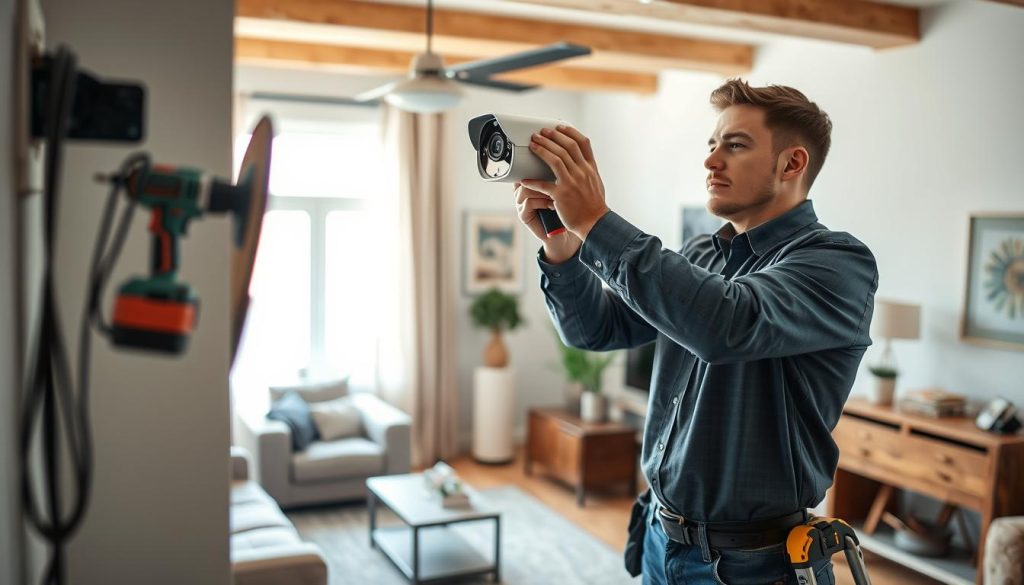
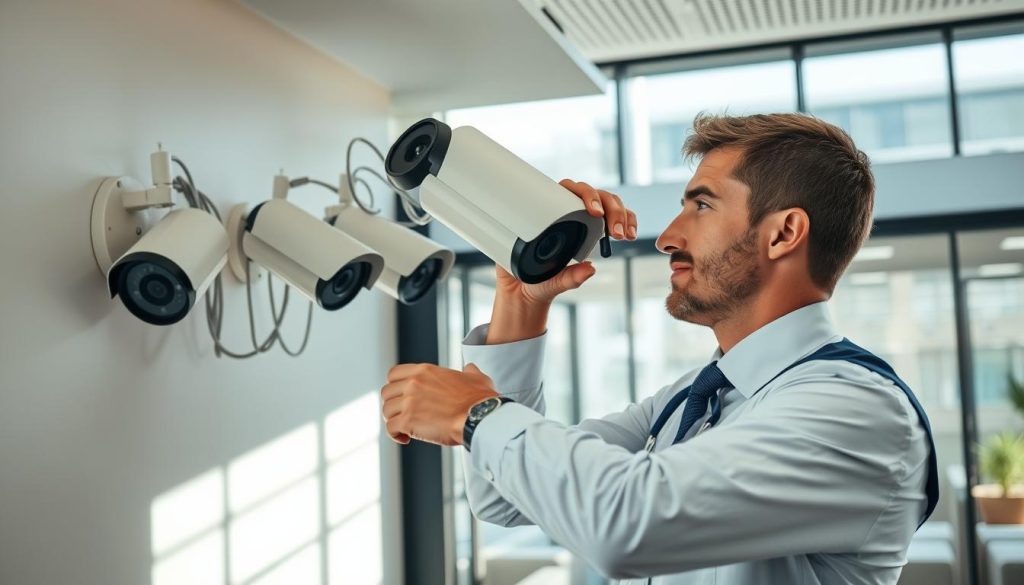
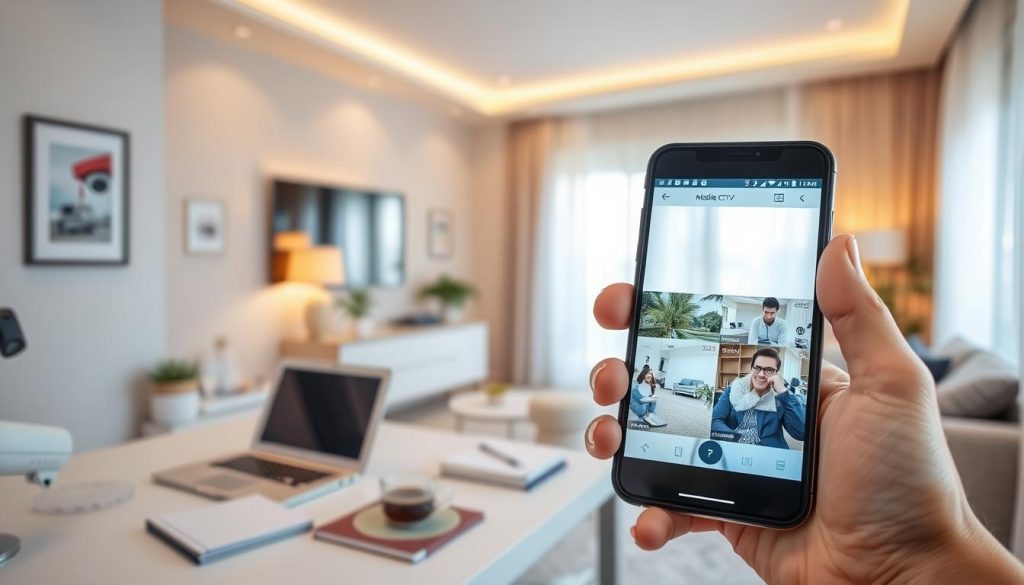
Choosing the right home security camera requires careful consideration of your specific needs. This comprehensive guide helps Singapore residents make informed decisions about their security setup. We cover everything from basic features to advanced AI capabilities. Our recommendations consider Singapore’s unique environment, including HDB regulations and tropical climate factors. This guide is based on extensive testing of over 100 security products. We’ve conducted real-world simulations to provide practical, reliable advice for your home protection needs. Key Takeaways Selecting security cameras depends on individual home layout and specific requirements Singapore-specific factors like HDB rules and weather conditions affect camera choice The guide covers both budget-friendly options and premium security systems Advanced features like night vision and motion detection enhance protection Proper installation and monitoring apps contribute to effective home security Storage options and alert systems vary across different camera models Real-world testing ensures practical recommendations for Singapore homes Understanding Home Security Camera Basics Modern surveillance technology has evolved far beyond simple recording devices. Today’s intelligent systems offer comprehensive protection with smart features that adapt to your lifestyle. What Modern Security Cameras Can Do Contemporary security cameras provide more than basic video capture. They deliver high-definition footage with crystal clear details. Many models include night vision capabilities for round-the-clock monitoring. These devices connect directly to your smartphone through dedicated apps. You receive instant alerts when movement is detected. Remote viewing lets you check your property from anywhere in the world. Advanced models feature two-way audio communication. You can speak directly through the camera using your mobile device. This functionality helps deter potential intruders effectively. Beyond Basic Surveillance: AI Features Artificial intelligence transforms ordinary cameras into smart security systems. Modern units can distinguish between people, pets, and vehicles. This intelligent detection significantly reduces false alarms. Facial recognition technology identifies familiar faces automatically. Systems like Nest Cam learn to recognize family members and frequent visitors. You receive customized alerts based on recognized individuals. Package detection features notify you of delivered items. This helps prevent porch piracy and theft of valuable deliveries. You’ll know immediately when important packages arrive. Motion zone customization allows focused monitoring of specific areas. You can designate particular zones for enhanced detection sensitivity. This feature is perfect for monitoring entry points or valuable items. Sound detection capabilities alert you to unusual noises. Breaking glass or alarm triggers prompt immediate notifications. Systems like SimpliSafe provide intrusion alerts for comprehensive protection. These advanced features work together seamlessly. They create a robust security network that adapts to your needs. The integration of AI technology makes modern cameras incredibly effective for home protection. Key Factors to Consider Before Buying Selecting the right protection setup requires careful evaluation of multiple elements. Every residence has unique characteristics that influence security decisions. Your living space layout and personal requirements should guide your choices. Consider both immediate needs and future expansion possibilities. Your Home’s Specific Security Needs Begin by evaluating your property’s physical characteristics. The size and design directly impact your security approach. Count all entry points that need monitoring. Doors, windows, and garage access require attention. Outdoor spaces like gardens or driveways may need coverage too. Indoor areas deserve equal consideration. High-traffic zones and valuable item storage spots benefit from surveillance. Bedrooms and children’s play areas might need special monitoring. Essential features enhance protection effectiveness. Night vision capability ensures clear viewing after dark. Motion detection triggers immediate alerts for suspicious activity. Two-way audio enables communication through your devices. This feature helps deter intruders and speak with delivery personnel. Budget Considerations: Initial vs Ongoing Costs Financial planning involves both startup and recurring expenses. Understanding the complete cost picture prevents surprises later. Initial investment covers hardware and setup. Budget-friendly options like Wyze start around $30 per unit. Premium systems from providers like ADT require higher upfront commitment. Installation fees vary based on complexity. Professional setup ensures proper placement and functionality. DIY installation saves money but requires technical confidence. Ongoing expenses maintain system operation. Cloud storage subscriptions preserve recorded footage. Services like Ring charge approximately $4.99 monthly for basic plans. Professional monitoring provides continuous protection. Companies like SimpliSafe offer plans starting at $21.99 per month. This service ensures immediate response to security incidents. Compare total ownership costs between brands. The Wyze Cam v3 costs $59.99 with complimentary cloud storage. Ring systems require monthly subscriptions for full functionality. Scalability matters for future expansion. Choose systems that accommodate additional cameras easily. Integrated systems grow with your changing security needs. Hidden costs can impact your budget. Additional sensors or specialized mounts might be necessary. Consider these potential extras during planning. Balance initial investment with long-term value. Quality systems offer reliability and reduced maintenance needs. Professional security assessments help determine optimal solutions. Wired vs Wireless Camera Systems Your surveillance setup’s foundation depends on choosing between wired and wireless configurations. Each approach offers distinct advantages for different living situations. Hardwired systems provide unmatched reliability through physical connections. Brands like Lorex deliver consistent performance without Wi-Fi dependency. Pros and Cons of Wired Installation Wired security cameras maintain constant power and data transmission. They avoid wireless interference and signal dropouts completely. Professional installation ensures optimal placement and cable management. This service adds to initial costs but guarantees proper setup. Drilling through walls and routing cables requires permanent modifications. Renters might find this approach less suitable for temporary homes. These systems continue operating during internet outages. Local storage options preserve footage without cloud dependencies. Wired installations offer peace of mind through uninterrupted operation. They’re ideal for permanent residential security solutions. Flexibility of Wireless Options Wireless cameras provide exceptional placement freedom and easy relocation. Arlo’s magnetic mounts enable quick positioning adjustments. Battery-powered options like Blink last up to two years. Solar alternatives like Baseus Security S2 offer sustainable operation. Wi-Fi dependency means signal strength affects performance. Weak connections may cause delayed alerts or video gaps. These systems install quickly without drilling or cables. DIY enthusiasts appreciate the straightforward setup process. “Wireless systems adapt to changing security needs effortlessly. Their modular nature supports gradual expansion.” Choose wired systems for permanent,
What Type of CCTV Camera is Best for Home? Buyer’s Guide Read More »