
ED VISTON

Blog

CCTV surveillance rules in Singapore

What are the rules for CCTV in Singapore? Explained

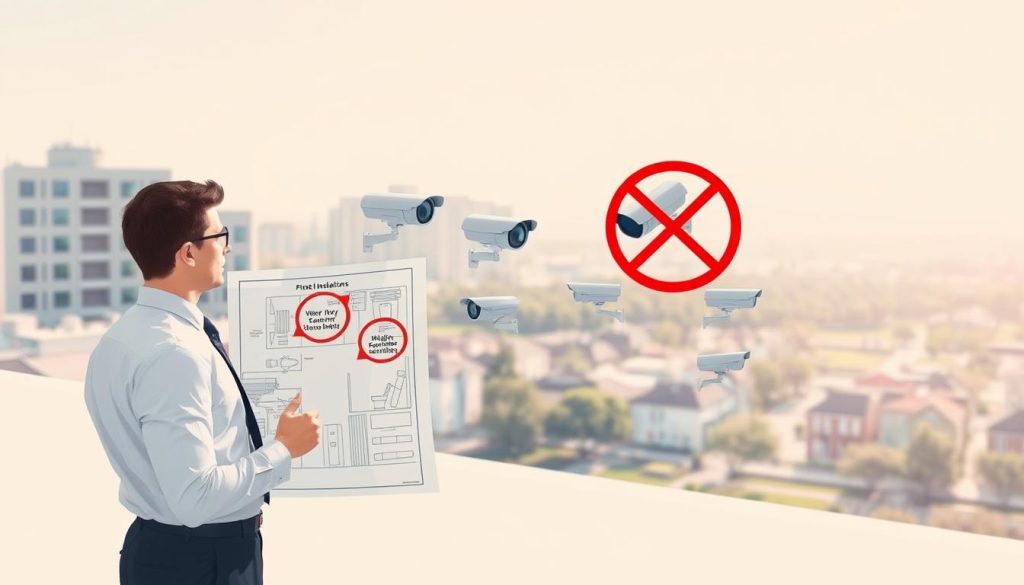
Singapore has developed clear guidelines for surveillance systems that balance security needs with privacy protection. These regulations apply to both residential and commercial properties across the island nation. Recent changes have simplified installation processes for residents. Since May 2023, HDB approval is no longer required for cameras facing common areas. This makes home security more accessible to everyone. Over 500,000 surveillance devices currently operate throughout Singapore. An impressive 93% of retail stores use monitoring systems for protection. This demonstrates the widespread adoption of security technology. This guide covers everything you need to know about compliance. We’ll explore the Personal Data Protection Act (PDPA) and its implications. Both HDB and private property regulations will be explained in detail. Key Takeaways Singapore maintains clear guidelines balancing security and privacy HDB approval is no longer needed for CCTV installation since May 2023 Over half a million surveillance devices operate across the island 93% of retail stores utilize monitoring systems The Personal Data Protection Act (PDPA) governs CCTV usage Regulations apply to both residential and commercial properties Compliance is essential to avoid potential penalties Understanding Singapore’s CCTV Regulatory Landscape Singapore’s surveillance framework operates under a sophisticated legal structure that prioritizes both security and privacy. The Personal Data Protection Act serves as the cornerstone of this system, establishing clear boundaries for camera usage. This comprehensive legislation classifies video footage containing identifiable information as protected personal data. Faces, license plates, and other distinguishing features fall under this category according to PDPA Section 4.34. The data protection act applies equally to residential and commercial surveillance systems. Whether monitoring a retail store or a HDB corridor, the same fundamental principles govern operations. Singapore’s approach to surveillance regulations has evolved significantly over time. Technological advancements prompted updates to ensure the framework remains relevant and effective. “The PDPA establishes a balance between organizational needs to collect personal data and individuals’ rights to protect their personal data.” Compared to regional neighbors, Singapore maintains stricter enforcement of its surveillance laws. The city-state’s robust legal system ensures consistent application across all sectors. Courts routinely accept CCTV evidence in legal proceedings when collected compliantly. This demonstrates the framework’s reliability in supporting justice system requirements. Basic data protection principles mandate that operators must: Obtain consent before collecting personal information Use footage only for legitimate purposes Implement reasonable security safeguards Limit retention to necessary timeframes This foundation sets the stage for more detailed examination of specific compliance requirements. Understanding these core concepts proves essential for proper implementation. What Are the Core Rules for CCTV in Singapore? Singapore’s surveillance regulations create a practical framework that respects both security needs and individual rights. The system distinguishes between residential and commercial applications while maintaining consistent data protection principles. The Personal Data Protection Act Framework The PDPA establishes fundamental requirements for all surveillance operations. Video footage containing identifiable individuals qualifies as protected personal data under this legislation. Key provisions directly affecting CCTV systems include: Consent requirements before collecting identifiable information Purpose limitation for footage usage Reasonable security safeguards implementation Time-bound retention policies Commercial establishments face stricter compliance standards than residential users. Financial institutions typically maintain footage for 30 days, while retailers follow similar protocols. The act applies equally to all sectors but recognizes different operational needs. Proper data protection measures become essential when you install cctv cameras for business purposes. Organizations must appoint data protection officers and implement comprehensive security protocols. HDB’s Evolving Policies for Residents Singapore’s public housing authority has significantly simplified installation procedures. Since May 2023, residents no longer need approval for corridor-facing cctv cameras unless directly pointing at neighbors’ doors. The updated policy reflects HDB’s adaptive approach to modern security needs. This change acknowledges residents’ legitimate safety concerns while maintaining community harmony. Important exceptions to the approval-free policy include: Cameras directed at adjacent units’ entryways Devices capturing interior spaces of neighboring homes Systems monitoring common areas beyond immediate corridors Temporary security setups require different handling. Residents must file police reports for short-term installations, which cannot exceed six months duration. These arrangements address specific security concerns without permanent infrastructure changes. The Housing Board recommends a 21-day retention period for residential footage. This timeframe balances investigative needs with privacy considerations. It allows sufficient time for incident review while limiting unnecessary data storage. HDB’s evolving policies demonstrate how Singapore adapts regulations to technological advancements. The framework continues prioritizing both security effectiveness and resident privacy protection. Step-by-Step Guide to Installing CCTV in HDB Flats HDB residents enjoy simplified procedures for enhancing home security through surveillance systems. The updated framework makes protection more accessible while maintaining essential privacy safeguards. Begin your security upgrade with proper planning. Assess your property’s layout and identify key monitoring points. Consider both security coverage and neighbor considerations before purchasing equipment. Approved Locations and Placement Guidelines Homeowners can now install cctv cameras facing corridors without prior approval. This applies to devices mounted directly outside your unit’s entrance. The 45-degree placement rule ensures building safety. Cameras must not protrude dangerously into walkways. This prevents “killer litter” hazards while maintaining clear passage through common areas. Technical specifications require weather-resistant housing for outdoor units. Mounting brackets should support cameras securely without damaging building surfaces. Wireless systems often provide easier installation than wired alternatives. Optimal placement achieves maximum coverage while respecting boundaries. Position cameras to monitor your immediate vicinity without capturing adjacent units. Test sightlines before finalizing installation. Strict Prohibitions: Protecting Neighbor Privacy Certain areas remain completely off-limits for surveillance devices. Building facades and exterior walls cannot host cameras without special approval. Angles capturing private balconies violate privacy protections. Never position devices where they might view neighboring interiors. This includes windows and doorways of adjacent units. “Residents must ensure their security measures don’t compromise others’ right to privacy within their own homes.” Common walkways require careful consideration. While corridor monitoring is permitted, cameras cannot obstruct passageways. Maintain clear width for residents including those with mobility aids. Town Council approval becomes necessary for external mounting points. Submit detailed plans showing camera angles and coverage areas. Approval typically requires demonstrating no neighbor privacy

What are the rules for CCTV in Singapore? Explained Read More »
camera maintenance

Camera Servicing: How do you service a camera?

Your photography gear represents a significant investment in your creative passion. Proper maintenance ensures your equipment performs at its best for years to come. Regular care protects image quality and extends your gear’s lifespan. This guide explores both professional servicing and safe home maintenance practices. We’ll help you identify when your equipment needs expert attention versus routine cleaning. You’ll learn what happens during professional camera service from inspection to calibration. Discover essential tools and techniques for effective equipment care. We’ll also share best practices for storage and handling to maintain reliability. Key Takeaways Regular maintenance preserves image quality and extends equipment life Professional servicing involves thorough inspection and calibration Some maintenance tasks can be safely performed at home Recognizing when to seek professional help prevents damage Proper storage and handling are crucial for long-term reliability Having the right tools makes maintenance more effective Establishing a maintenance routine saves time and money Why Regular Camera Servicing is Essential for Your Gear Your photography equipment represents precision engineering at its finest. These complex instruments require consistent attention to maintain their capabilities. Professional maintenance ensures your investment continues delivering exceptional results. Preserving Image Quality and Performance Regular maintenance directly impacts your final images. Dust accumulation on sensors creates visible spots in photographs. These imperfections become especially noticeable against bright backgrounds. Calibration keeps autofocus systems responsive and accurate. This prevents missed shots during crucial moments. Color accuracy and sharpness remain consistent over time. Professional photographers understand this necessity deeply. Their business depends on reliable equipment performance. Consistent quality separates amateur work from professional results. Extending the Lifespan of Your Equipment Preventative care identifies potential issues early. Small problems get addressed before causing permanent damage. This approach saves significant repair costs later. Well-maintained gear retains higher resale value. Buyers recognize equipment that received proper care. Your investment maintains its worth longer. Regular servicing extends operational lifespan dramatically. Components wear less when properly maintained. You delay expensive replacements significantly. Establishing a maintenance routine proves cost-effective. It protects against unexpected equipment failures. Your photography sessions proceed without interruptions. When to Get Your Camera Serviced: Key Indicators Recognizing the right time for professional attention keeps your equipment performing optimally. Different shooting habits and environments demand varying maintenance schedules. Understanding these patterns prevents minor issues from becoming major problems. Regular assessment ensures your gear remains reliable when you need it most. Annual Service Recommendations for Different Users Professional photographers shooting multiple times weekly should consider servicing every six months. Heavy usage accelerates wear on mechanical components. Recreational photographers typically follow an annual schedule unless performance issues emerge. Casual use creates less stress on internal mechanisms. Travel photographers require more frequent attention, especially after dusty or humid environments. Harsh elements accelerate the need for professional cleaning. Outdoor shooters exposed to weather extremes benefit from biannual checkups. Environmental factors significantly impact equipment longevity. Signs Your Camera Needs Immediate Attention Dark spots appearing in images against bright backgrounds indicate sensor dust accumulation. These imperfections require professional cleaning to maintain image quality. Autofocus problems signal urgent need for technician assessment. Slow response or complete failure affects shooting accuracy. Shutter errors and strange operational noises suggest internal component issues. These symptoms often precede complete system failure. Physical damage from drops or moisture exposure demands prompt professional evaluation. Immediate assessment prevents further complications. Unresponsive buttons or erratic dial behavior indicate internal connection problems. Electrical issues may cause rapid battery drain without increased usage. Weather-exposed equipment requires prompt servicing after rain or extreme temperatures. Environmental damage can progress quickly without intervention. What Happens During a Professional Camera Service Professional maintenance transforms your photographic equipment. Certified technicians follow precise procedures to restore optimal performance. This comprehensive approach addresses both visible and internal components. Every professional service begins with detailed assessment. Technicians examine external surfaces and internal mechanisms. They identify issues that might affect image quality or equipment longevity. Standard Cleaning and Inspection Procedures Technicians perform meticulous sensor cleaning using specialized tools. They remove dust particles without damaging sensitive surfaces. This process ensures spot-free images and consistent performance. The camera body receives thorough external cleaning. Dirt and residue get removed from buttons, dials, and LCD surfaces. This maintains both functionality and appearance. Mirror and viewfinder assemblies undergo careful cleaning. Technicians ensure clear viewing and accurate composition framing. These components require gentle handling and appropriate solutions. Focusing systems get calibrated and tested across all points. This guarantees precise autofocus performance in various conditions. Proper calibration prevents missed focus in critical shots. Lens mounts get cleaned and inspected for damage. Wear or debris can affect lens communication and stability. Technicians verify secure connections and proper alignment. Advanced Services for Comprehensive Maintenance Advanced maintenance includes detailed hardware assessment. Moving parts like shutter mechanisms get inspected for wear. Technicians evaluate overall mechanical condition and smooth operation. Firmware updates ensure optimal performance and new features. Technicians install latest versions from manufacturers. This keeps your equipment current with technological advancements. Battery health assessment checks power delivery reliability. Terminal cleaning maintains consistent electrical connections. This prevents unexpected power failures during important sessions. Shutter count evaluation predicts potential replacement needs. High counts indicate approaching mechanical lifespan limits. This information helps plan future maintenance schedules. Pixel mapping identifies and compensates for sensor imperfections. Dead or stuck pixels get mapped out during image processing. This maintains image quality across various shooting conditions. Weather sealing tests verify protection integrity on resistant models. Technicians check seals against moisture and dust infiltration. This ensures reliability in challenging environmental conditions. Comprehensive performance tests validate exposure accuracy and color reproduction. Technicians verify overall camera functionality meets manufacturer specifications. Final testing confirms all systems operate correctly. How do you service a camera? Professional vs. Home Care Understanding what tasks require expert handling versus what you can safely manage yourself is crucial for equipment longevity. This balance protects your investment while maintaining optimal performance. Professional technicians possess specialized tools and training for complex procedures. Home care focuses on preventive measures and basic cleaning routines. Tasks Best Left to Certified Technicians Sensor cleaning demands professional

Camera Servicing: How do you service a camera? Read More »

camera lifespan

What is the Average Life of a Camera? Tips & Facts

Understanding camera longevity helps photographers make smart investment decisions. Many factors determine how long your gear will perform reliably. Most cameras serve users between three and ten years. Basic models typically last three to five years. Premium devices often exceed five years with proper maintenance. Build quality significantly impacts durability. Environmental conditions and handling routines also play crucial roles. Some Nikon DSLRs continue functioning after fifteen years of use. Technological advancements sometimes make cameras feel outdated before physical failure occurs. Regular care extends both functional life and image quality performance. Key Takeaways Camera lifespan ranges from 3-10 years based on model and usage Premium models typically outlast basic cameras by several years Build quality and environmental factors greatly affect durability Proper maintenance can significantly extend functional life Technological relevance may diminish before physical failure occurs Regular care preserves image quality and overall performance Understanding lifespan helps make informed purchasing decisions Understanding the Average Camera Lifespan Brand reputation plays a crucial role in determining photographic gear longevity. Different manufacturers build equipment with varying durability standards and support programs. Defining the Typical Range Consumer-grade models typically serve users for three to five years. Professional equipment often exceeds five years with proper maintenance. Premium devices can function reliably for a decade or more. Build quality and usage patterns create this significant difference. How Brand and Model Influence Longevity Certain manufacturers establish renowned reputations for durability. Canon and Nikon lead in reliability assessments among professional photographers. Shutter count ratings provide concrete longevity indicators: Canon DSLRs: 100,000-300,000 actuations Nikon DSLRs: 150,000-250,000 operations Sony mirrorless: Approximately 200,000 cycles Fujifilm X-Series: Around 150,000 shots High-end brands offer exceptional repair support programs. Leica maintains repair services for cameras dating to 1954. Hasselblad provides repairs for up to ten years depending on parts availability. These commitments demonstrate manufacturer confidence in product longevity. Environmental factors affect equipment performance, especially in tropical climates. However, brand reliability remains the primary determinant of service life. Researching brand reputation and shutter ratings helps photographers make informed decisions. This knowledge ensures your investment matches both creative needs and durability expectations. Key Factors That Determine How Long a Camera Lasts Multiple critical elements work together to define photographic equipment durability. Construction standards and environmental conditions significantly impact operational longevity. Understanding these factors helps photographers make informed decisions about their gear. Build Quality and Manufacturing Standards Premium cameras feature robust metal constructions and comprehensive weather-sealing. These devices withstand heavy professional usage and challenging shooting environments. Entry-level models often utilize plastic components with less protection. Brands like Nikon and Canon maintain strict durability standards. Their professional DSLRs consistently demonstrate exceptional resilience. Weather-sealed bodies prevent moisture and dust infiltration that causes internal damage. Metal alloy frames provide structural integrity that plastic cannot match. This construction difference explains why premium models often last years longer than basic cameras. Investment in quality manufacturing pays dividends through extended service life. Environmental Exposure and Handling Humidity represents a significant threat to electronic components. Moisture can lead to mold growth and electrical issues over time. Dust accumulation affects sensor performance and image quality. Extreme temperatures cause expansion and contraction of internal parts. This thermal stress accelerates wear on delicate mechanisms. Professional photographers shooting in deserts or tropical climates need extra protective measures. Proper handling practices dramatically extend equipment life. Always use neck straps to prevent accidental drops. Exercise care during lens changes to avoid dust entering the body. Storage conditions play a crucial role in preservation. Keep cameras in cool, dry environments with protective cases. Regular maintenance like cleaning and firmware updates counteracts environmental impacts. Assess your shooting habits and environments before purchasing. Choose cameras with appropriate build quality and protection features. The combination of high manufacturing standards and careful handling maximizes your equipment’s operational lifespan. What is the Average Life of a Camera? It Depends on the Type Not all photographic tools offer the same service life – type determines durability. Each category features unique construction methods and component technologies. These differences create distinct lifespan expectations across various photographic systems. DSLR and Mirrorless Camera Durability DSLR cameras boast exceptional mechanical robustness. Their shutter mechanisms often withstand 50,000-350,000 actuations. This translates to 5-10 years of reliable performance for most photographers. Mirrorless models match this durability through advanced engineering. Electronic shutter systems reduce mechanical wear. Both systems handle professional demands excellently when you service a camera regularly. The Nikon D5000 demonstrates this remarkable endurance. Many units continue functioning after fifteen years of active use. Proper maintenance preserves both mechanical and electronic components. Point-and-Shoot Camera Limitations Compact cameras face inherent design constraints. Their smaller bodies utilize more plastic components. Fixed lenses and integrated flashes limit repair options. Most point-and-shoot devices serve users 3-7 years. They work well for casual photography but struggle with heavy usage. Environmental factors like humidity and dust affect them more severely. These cameras represent excellent entry-level options. However, professionals should consider more durable systems for demanding work. The Remarkable Longevity of Film Cameras Analog photographic equipment often outlasts digital counterparts. Mechanical components withstand decades of use without electronic failures. Many 20th-century models remain fully operational today. Film bodies lack digital sensors that degrade over time. Their simplicity creates incredible resilience against technological obsolescence. Proper storage prevents lubricant deterioration and mechanical issues. Brands like Leica support remarkable repair programs. They service models dating to the 1950s using original replacement parts. This commitment ensures generations of continued use. Understanding these differences helps photographers make informed choices. Match your equipment selection to both creative needs and longevity expectations. The right choice ensures years of satisfying photographic experiences. How Your Usage Patterns Directly Impact Camera Lifespan Your photography habits create the biggest difference in equipment longevity. How often you shoot and where you work determines wear patterns. Smart photographers match their gear to actual shooting requirements. Casual Photography vs. Professional Demands Weekend photographers typically capture a few hundred photos yearly. This gentle usage allows cameras to function reliably for up to ten years. Minimal mechanical stress preserves shutter mechanisms and internal components. Professional shooters face

What is the Average Life of a Camera? Tips & Facts Read More »

camera maintenance tips

How to do maintenance on camera Expert Tips

Your photography equipment represents a significant investment in your creative passion. Regular care ensures your gear performs at its best for years to come. Dust accumulation on lenses and sensors directly impacts image quality. These particles can cause spots, reduce sharpness, and lead to frustrating malfunctions. Proper upkeep prevents these issues while maintaining optimal performance. Following expert guidance makes the process straightforward and highly effective. Consistent care means your equipment will reliably capture stunning images. This protection preserves both your investment and your photographic results. Key Takeaways Regular maintenance extends your camera’s lifespan significantly Dust on lenses and sensors directly reduces image quality Proper care prevents equipment malfunctions and performance issues Well-maintained gear consistently produces high-quality photographs Expert tips make camera upkeep manageable and effective Protecting your equipment investment ensures long-term reliability Why Regular Camera Maintenance is Essential Your photography gear deserves consistent attention to perform at its peak. Proper upkeep protects your investment while ensuring reliable results. Neglecting your equipment leads to avoidable problems. Dust, humidity, and everyday wear accumulate over time. Singapore’s tropical climate presents unique challenges. High humidity can cause internal damage if left unchecked. Extending Your Equipment’s Lifespan Routine care significantly reduces wear and tear on your camera gear. This practice prevents minor issues from becoming major repairs. Simple actions make a big difference. Regular cleaning stops dust from settling into delicate mechanisms. You save money by avoiding professional repairs. Well-maintained equipment rarely needs replacement parts. Consistent maintenance protects against long-term damage. This is especially important in humid environments. Improving Image Quality and Performance Clean lenses and sensors directly impact your photos. Dust particles on these surfaces create dark spots in images. Sharpness and color accuracy improve with proper care. Your camera performs better when all components function correctly. Regular checks include firmware updates and system diagnostics. These steps optimize your gear’s capabilities. Your photography results reflect your equipment’s condition. Superior image quality comes from well-maintained camera gear. Investing time in upkeep pays dividends in photographic excellence. Your camera will reliably capture those special moments. Understanding Your Camera’s Key Components Knowing your equipment’s core elements transforms how you approach upkeep. This knowledge helps you address specific needs rather than applying generic solutions. Each component serves a unique purpose in image creation. Understanding these roles makes maintenance more effective and purposeful. The Lens: Your Window to Great Photos Your camera lens focuses light onto the sensor with precision. Even minor scratches or dirt significantly reduce image quality. Dust particles on the glass surface create visible artifacts in your photos. Regular cleaning prevents these issues from affecting your work. Many photographers use protective filters for added security. These accessories shield the front element from potential damage. Proper care maintains optical clarity and sharpness. Your images remain crisp and vibrant through consistent attention. The Sensor: Heart of Your Camera The image sensor captures light information to create digital files. This sensitive component requires careful handling. Dust accumulation on the sensor appears as dark spots in images. These artifacts become especially noticeable at small apertures. Canon sensors, like other brands, benefit from professional cleaning services. Attempting DIY cleaning risks permanent damage to this delicate part. Regular inspection helps identify contamination early. Addressing issues promptly preserves image quality and sensor health. Camera Body and External Controls The physical body houses all internal components securely. Its condition affects both protection and handling comfort. Buttons, dials, and ports require occasional cleaning for reliable operation. Singapore’s humidity can cause corrosion in metal contacts. Regular inspection identifies wear before it becomes problematic. This proactive approach extends your equipment’s lifespan. Keeping external surfaces clean prevents internal contamination. A well-maintained camera feels responsive and reliable during use. Essential Tools for Effective Camera Cleaning Having the right equipment makes all the difference in keeping your photography gear pristine. Proper tools prevent damage while ensuring thorough cleaning results. Must-Have Professional Cleaning Tools A rocket blower removes loose particles without contact. This prevents scratches during the initial cleaning phase. Microfiber cloths gently wipe surfaces without leaving residue. They’re essential for lens cleaning and body maintenance. Sensor cleaning swabs address internal dust accumulation. These specialized tools require careful handling for best results. Pre-moistened wipes like Zeiss brand offer convenience and effectiveness. They’re affordable solutions for maintaining optical clarity. Everyday Items That Work Surprisingly Well Soft paintbrushes effectively remove exterior dust from camera bodies. Their fine bristles reach into crevices without causing damage. Makeup brushes provide gentle cleaning for delicate surfaces. These household items offer surprising utility for gear maintenance. Store your tools in sealed bags to keep them dust-free. This simple practice ensures your equipment stays ready for use. These accessible solutions make regular upkeep manageable. They help maintain your equipment’s performance between professional cleanings. Step-by-Step Guide: How to do Maintenance on Camera? Following a systematic approach ensures thorough cleaning without risking your equipment. This method protects your investment while maintaining peak performance. Pre-Cleaning Preparation and Safety Measures Begin by powering down your device completely. Remove batteries and memory cards to prevent electrical issues. Choose a clean, well-lit workspace with minimal airflow. This prevents new dust from settling during the process. Gather all necessary tools before starting. Having everything within reach makes the workflow smoother. Always handle your gear with clean, dry hands. This prevents transferring oils or moisture to sensitive components. Cleaning Your Camera Body and External Parts Start with a rocket blower to remove loose particles. Hold the camera upside down while blowing to let gravity help. Inspect the body for any visible debris or residue. Pay special attention to buttons, dials, and crevices. Use a soft brush for stubborn dust in hard-to-reach areas. Gentle strokes prevent scratching the surface. Dampen a microfiber cloth slightly for sticky residues. Avoid getting moisture near electronic ports or openings. Wipe the body in one direction using light pressure. This technique gathers dust effectively without spreading it. Allow all surfaces to air dry completely before reassembling. Never store equipment while damp. Regular checks help identify potential issues early. This proactive approach extends

How to do maintenance on camera Expert Tips Read More »

CCTV maintenance

What is CCTV maintenance? Expert Guide for Singapore Businesses

Keeping your surveillance equipment running smoothly requires ongoing attention. This process involves regular inspections, cleaning, and software updates. In Singapore’s security landscape, camera density is exceptionally high. With over 109,000 cameras across the island, reliability becomes absolutely critical for business protection. Proper upkeep prevents unexpected system failures that create security gaps. It also ensures crystal clear video quality for monitoring and evidence purposes. Regular maintenance extends your security system’s lifespan significantly. Proactive care reduces long-term costs compared to emergency repairs. Professional services in Singapore offer customized plans for different business environments. These comprehensive packages cover both hardware and software components. Key Takeaways Regular upkeep prevents security system failures and maintains optimal performance Singapore’s high camera density makes reliable surveillance particularly important Proper maintenance preserves video quality essential for evidence collection Proactive care reduces long-term costs compared to reactive repairs Customized maintenance plans are available for Singapore business environments Both hardware and software components require regular attention Well-maintained systems enhance security and support business operations What is CCTV Maintenance? A Foundational Overview A comprehensive upkeep program transforms security infrastructure from reactive to preventive. This structured approach combines physical inspections, performance testing, and software management to ensure continuous operational readiness. Defining System Upkeep Surveillance equipment preservation involves regular evaluation and preventative tasks. These procedures maintain optimal functionality across all monitoring components. Professional services include thorough examination of cameras, cables, and recording devices. Storage systems and connectivity elements also receive scheduled attention. This methodology addresses both immediate concerns and long-term operational health. It represents a strategic investment rather than an optional expense. Studies indicate that 87% of security breaches result from inadequate system preservation Core Objectives of a Maintenance Regimen The primary goals of a well-designed upkeep strategy include: Maximizing reliability through proactive intervention and scheduled care Preventing costly failures that could compromise security coverage Ensuring regulatory compliance with Singapore’s security standards Preserving data integrity for legal and evidentiary requirements Extending equipment lifespan through proper care and cleaning Regular lens cleaning every three months prevents image obstruction from environmental factors. Dust accumulation and debris can significantly impact monitoring quality. These objectives directly support business goals like insurance premium reduction. They also enhance safety perceptions among staff and customers. Task frequency varies from daily visual checks to annual professional audits. The schedule depends on system usage and environmental conditions. High-traffic environments require more frequent attention to ensure consistent performance. Critical security areas demand particularly rigorous inspection routines. Understanding these fundamental principles helps organizations develop effective preservation strategies. Proper implementation ensures surveillance systems remain reliable and effective over time. The Critical Importance of CCTV Maintenance for Security Proactive surveillance system care delivers substantial benefits beyond basic functionality. This strategic approach protects your investment while ensuring continuous operational readiness. Organizations that prioritize equipment preservation experience fewer disruptions. They also maintain superior monitoring capabilities throughout their facilities. Preventing Costly System Failures and Downtime Regular equipment checks identify potential issues before they escalate. Early detection of wiring faults or power supply problems prevents major breakdowns. Security gaps during downtime create vulnerability windows. These periods can result in theft, vandalism, or unauthorized access incidents. Reactive repairs typically cost 30% more than scheduled service visits. Emergency call-outs also involve longer resolution times and business disruption. Studies show maintained surveillance systems experience 15% fewer connectivity issues. They also demonstrate extended operational lifespans and better overall performance. Ensuring Legal Compliance and Data Integrity Singapore regulations mandate properly functioning security systems for public spaces. Non-compliance can result in significant penalties and legal complications. Data retention standards require accessible, timestamped footage for evidentiary purposes. Well-maintained recording equipment ensures compliance with these requirements. Clear video quality is essential for investigations and insurance claims. Blurry or missing footage can undermine security incidents resolution. Storage system failures can cause irreversible data loss. Regular inspections prevent these catastrophic scenarios that compromise audit trails. Software updates protect against cyber threats that target outdated firmware. These security patches maintain system integrity against evolving digital risks. Businesses with maintained surveillance systems report 40% fewer security-related incidents annually Compliance enhances public trust, particularly in retail and hospitality sectors. Customers feel safer in environments with reliable security monitoring. Proactive maintenance supports business continuity during critical events. It prevents disruptions that could impact operations and revenue. Investing in regular service visits safeguards against financial and reputational damage. This approach demonstrates commitment to security and operational excellence. CCTV’s Pivotal Role in Singapore’s Security Landscape Singapore’s urban environment features one of the world’s most sophisticated surveillance networks. This infrastructure plays a crucial role in protecting businesses and public spaces across the island nation. The city-state maintains an impressive density of monitoring equipment. With over 109,000 operational units, there’s approximately one camera for every thirteen residents. Adoption Statistics and Crime Deterrence This extensive network creates a powerful psychological deterrent against criminal activity. Visible surveillance equipment significantly reduces offenses like shoplifting and vandalism. Studies demonstrate up to 20% reduction in criminal incidents where cameras are properly maintained. The presence of functioning monitoring systems makes potential offenders think twice. Law enforcement agencies rely heavily on clear video evidence for investigations. Well-maintained recording systems provide crucial support for solving cases. “Areas with visible, well-maintained surveillance systems experience significantly lower crime rates than those without adequate coverage” Business Benefits: From Theft Prevention to Customer Confidence Commercial establishments gain multiple advantages from reliable monitoring systems. Insurance providers often offer premium discounts for businesses with proven security measures. Customers feel safer in environments with visible surveillance coverage. This enhanced perception of safety improves brand reputation and customer loyalty. Remote access capabilities allow business owners to monitor operations in real-time. This convenience adds another layer of operational control and peace of mind. Maintained systems ensure these benefits continue without interruption. Regular equipment checks prevent unexpected failures that could compromise security. Many businesses leverage their security infrastructure as a marketing advantage. Promoting safety measures can differentiate establishments in competitive markets. Singapore’s surveillance network represents a critical component of urban safety strategy. This integrated approach delivers both security and economic benefits throughout the community. Essential

What is CCTV maintenance? Expert Guide for Singapore Businesses Read More »

CCTV security system installation

Understanding What does a CCTV service include?

Strong security systems are essential for modern protection in Singapore. Many people think these solutions just involve camera setup, but they offer much more comprehensive coverage. Professional surveillance packages include expert installation, ongoing maintenance, and advanced monitoring capabilities. These integrated systems provide complete peace of mind through 24/7 protection. Businesses benefit from customized solutions that address their specific security needs. With new regulations requiring video surveillance from May 2024, understanding these services becomes crucial. Regular upkeep extends system life while reducing long-term management costs. Established providers like ED Viston bring over 25 years of experience and excellent customer ratings to ensure quality service. Key Takeaways CCTV services extend far beyond simple camera installation Professional systems provide comprehensive security coverage Regular maintenance ensures long-term system reliability Custom solutions address specific business security needs Integrated surveillance offers significant cost savings over time New regulations make understanding CCTV services essential Expert providers deliver peace of mind through quality service Introduction to Modern CCTV Security Singapore’s urban landscape demands advanced protection measures that go beyond traditional approaches. The city-state faces unique security challenges that require sophisticated solutions. Recent studies reveal impressive results. New surveillance installations reduced car park crime by 37%. This demonstrates the powerful impact of proper security implementation. The Critical Role of Surveillance in Singapore Sixty percent of Singapore residents consider surveillance systems essential for safety. This high percentage reflects the community’s awareness of modern security needs. Urban environments benefit greatly from visible monitoring presence. These systems deter criminal activity while providing valuable evidence when incidents occur. Businesses particularly gain from comprehensive coverage. Retail stores, offices, and industrial facilities all require tailored protection approaches. Beyond the Camera: The Full Spectrum of Service Modern security solutions encompass much more than simple recording devices. Today’s integrated approach includes analytics, immediate response capabilities, and ongoing management. Professional installation ensures optimal camera placement and image quality. Technicians assess each location’s specific requirements for complete coverage. Regular maintenance prevents system failures and extends equipment lifespan. Scheduled upkeep reduces long-term management costs while maintaining peak performance. Continuous monitoring provides real-time threat detection. This immediate response capability offers significant peace of mind for property owners. These comprehensive services represent the evolution from basic cameras to complete security ecosystems. They address both prevention and response needs effectively. What Is CCTV? Defining the Technology Closed-circuit television represents a specialized visual monitoring approach. Unlike broadcast television, these systems transmit signals to specific monitors. This creates a private viewing network for security purposes. Modern surveillance solutions capture and record visual information. They provide continuous monitoring of designated areas. These installations have become fundamental to comprehensive protection strategies. The Origin and Evolution of Closed-Circuit Television German scientists first implemented this technology in 1942. They monitored V-2 rocket launches during World War II. The system provided remote observation capabilities for dangerous operations. Atomic bomb testing programs later adopted similar monitoring methods. These early applications demonstrated the technology’s potential for high-risk environments. The transition to civilian use began during the 1960s. Analog systems dominated the market for decades. These used coaxial cables to transmit signals to dedicated monitors. Recording required bulky tape systems with limited storage capacity. Digital revolution transformed surveillance capabilities. Network systems emerged with internet connectivity. High-definition cameras replaced grainy analog counterparts. Modern installations leverage cloud storage and artificial intelligence. These advancements enable sophisticated features like motion detection and facial recognition. The evolution continues toward smarter, more integrated solutions. CCTV’s Pivotal Role in a Modern Security Ecosystem Visual monitoring systems form the backbone of contemporary protection strategies. They provide constant vigilance over protected premises. This continuous oversight deters potential criminal activity. Crime prevention represents a primary benefit of proper implementation. Visible cameras discourage theft, vandalism, and unauthorized access. Studies show monitored areas experience significantly reduced incident rates. Evidence collection capabilities prove invaluable when incidents occur. High-quality footage assists law enforcement investigations. Courts accept video recordings as compelling evidence. Business operations benefit through multiple applications: Inventory management and loss prevention Employee safety monitoring Customer behavior analysis Operational efficiency improvements Large facility management becomes more efficient with comprehensive visual coverage. Security personnel monitor multiple areas simultaneously. This reduces staffing requirements while maintaining protection standards. Modern systems adapt to specific organizational requirements. Retail environments need different features than industrial facilities. Custom configurations address unique security challenges. Data management capabilities have expanded significantly. Advanced systems organize and store footage efficiently. Authorized personnel can access historical recordings quickly. Cost reduction represents another significant advantage. Properly implemented surveillance can lower security expenses by over 60% annually. This makes advanced protection accessible to various organizations. Emergency response capabilities save lives in critical situations. Monitoring centers can dispatch assistance immediately when threats are detected. This rapid response potential provides invaluable peace of mind. Integration with other security components creates comprehensive protection networks. Access control, alarm systems, and monitoring services work together seamlessly. This holistic approach ensures complete coverage. How a CCTV System Works: The Core Components Modern surveillance relies on interconnected components working in harmony. These elements capture, store, and display visual information for comprehensive protection. Approximately 60-70% of installations include both cameras and recording devices. This combination forms the foundation of reliable monitoring solutions. Cameras: The Eyes of Your System Capture devices serve as the primary information gatherers in any setup. They convert visual scenes into electronic signals for processing and storage. Different camera types address specific monitoring needs. Dome models offer discreet coverage for indoor spaces. Bullet varieties provide long-range outdoor observation. Analog versions remain popular in about 40% of current installations. These traditional devices deliver reliable performance at lower costs. Proper placement ensures optimal coverage and image quality. Strategic positioning eliminates blind spots while maximizing visible areas. Recorders: DVRs and NVRs for Data Storage Recording equipment preserves captured footage for later review. These devices transform temporary signals into permanent visual records. Digital Video Recorders handle analog camera inputs effectively. They process and compress signals before storage. Nearly 70% of setups utilize DVR technology. Network Video Recorders work with internet protocol cameras. They manage digital data streams from modern

Understanding What does a CCTV service include? Read More »

CCTV camera maintenance guide

How often should you clean CCTV cameras? Maintenance Guide

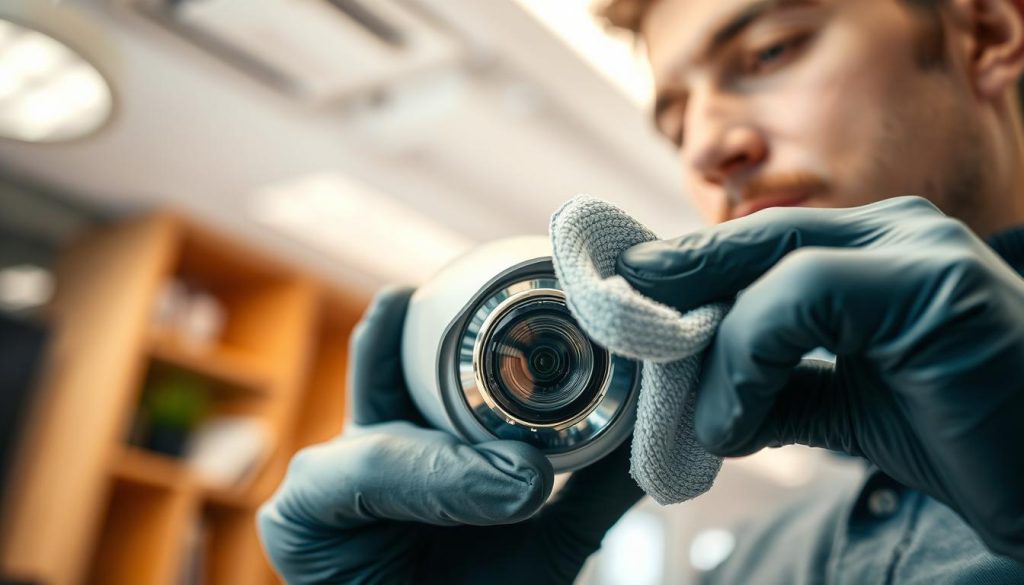
Keeping your security system in top shape is crucial for clear footage. Regular maintenance ensures your CCTV cameras work properly. This is especially true in places like Singapore with high humidity and pollution. Dirty or poorly maintained cameras can lead to blurry images. This creates security risks. A good cleaning schedule prevents these problems. Environmental factors greatly affect how much upkeep your system needs. This guide offers practical advice. It covers everything from basic care to professional services. Following these tips will extend your equipment’s life. It improves video quality and prevents expensive repairs. Proper maintenance is not optional—it’s essential for reliable surveillance. Key Takeaways Regular maintenance keeps your CCTV system working effectively. Environmental conditions like humidity impact cleaning frequency. Clear footage is vital for proper security monitoring. A good maintenance schedule prevents equipment failure. Proper care extends the lifespan of your security cameras. This guide provides actionable steps for all maintenance levels. Understanding the Critical Importance of CCTV Camera Maintenance Effective surveillance depends on crystal-clear footage. Your security systems require consistent attention to perform at their best. Without proper care, even the most advanced equipment can fail when you need it most. Regular maintenance prevents unexpected failures. It ensures your investment continues to protect what matters most. This proactive approach saves time, money, and provides peace of mind. Why Regular Maintenance Matters for Security Systems Routine checks keep your surveillance equipment operating optimally. Dust accumulation on lenses dramatically reduces image quality. In humid environments like Singapore, moisture can cause foggy lenses and electrical issues. Basic maintenance tasks include: Cleaning lenses with appropriate materials Inspecting wiring for damage or wear Verifying recording functionality and storage Testing motion detection settings Checking housing seals for weather protection These simple actions maintain evidential-grade footage quality. They align with standards from organizations like the Bureau of Indian Standards. Proper maintenance ensures your system captures crucial details when needed. The Consequences of Neglecting Camera Upkeep Ignoring regular care leads to significant problems. Blurry images make identification impossible. Weak night vision fails during critical darkness hours. Missed incidents become security breaches. Corroded cables cause system failures. Motion detection errors create false alarms or missed events. These issues compromise entire security systems. They reduce equipment lifespan and increase long-term costs. Unusable footage can even lead to legal complications. Regular maintenance isn’t just about cleaning—it’s about comprehensive system checks. This approach ensures continuous protection and optimal performance. Understanding these factors helps create effective maintenance schedules. Key Factors That Determine Your Cleaning Frequency Several key variables dictate the optimal maintenance frequency for security monitoring devices. Understanding these elements helps create an effective care plan that prevents both over-maintenance and neglect. Environmental Conditions and Their Impact Local climate and pollution levels significantly affect surveillance equipment upkeep needs. High humidity environments like Singapore accelerate lens fogging and internal corrosion. Coastal regions face additional challenges from salt air. This corrosive element damages sensitive components faster than typical urban pollution. Dust accumulation presents another major concern. Industrial zones and construction sites generate particulate matter that coats lenses quickly. This creates blurry footage that compromises security effectiveness. Extreme weather conditions demand more frequent checks. Heavy rainfall can test housing seals while intense UV exposure degrades external materials over time. Pest activity also influences maintenance schedules. Spider webs particularly impact infrared night vision capabilities. Insect nests around housings can obstruct views completely. Camera Type and Installation Location Considerations Modern digital surveillance systems typically require more attention than analog counterparts. Their complex sensors and processors need regular calibration for optimal performance. Outdoor installations face harsher conditions than indoor units. Exposure to elements means monthly inspections instead of quarterly checks for many locations. Placement within high-traffic areas accelerates dirt accumulation. Entry points and industrial sites gather grime faster than controlled environments. Urban centers with heavy pollution need additional lens cleaning. Smoke and exhaust residues create film that reduces image clarity progressively. Each installation demands individual assessment. A customized approach ensures proper protection without unnecessary maintenance costs. Evaluating these factors prevents premature system failure. It maintains evidential-grade footage quality for reliable security monitoring. Recommended Cleaning Schedule for Optimal Performance Establishing a consistent maintenance routine ensures your surveillance equipment delivers reliable results. Different environments demand varying attention levels for peak operation. Regular upkeep prevents image degradation and system failures. A structured approach maximizes your security investment. Standard Maintenance Intervals for Most Installations Standard indoor or low-traffic locations typically require attention every three to six months. This timeframe maintains clear footage without excessive maintenance. Basic care during these sessions includes: Lens cleaning with appropriate microfiber cloths Housing inspection for dust accumulation Connection point verification for stability Recording functionality testing These quarterly checks suit office environments and residential complexes. They balance performance with practical time investment. High-Traffic and Harsh Environment Requirements Busy retail spaces and industrial sites need monthly attention. Heavy foot traffic and airborne particles accelerate dirt buildup. Coastal regions with salt air demand even more frequent care. The corrosive nature of marine environments can damage components quickly. Industrial facilities often follow ministry guidelines recommending monthly checks. This prevents downtime and maintains evidential-grade footage quality. Professional servicing twice yearly benefits complex systems. Experts address internal dust and sensor calibration issues. Maintaining a detailed log tracks environmental changes and service dates. This documentation helps adjust schedules based on actual performance indicators. Tailoring your approach to specific conditions prevents security gaps. It extends equipment lifespan while ensuring continuous protection. How often should you clean CCTV cameras? Determining the ideal maintenance interval for surveillance equipment requires careful consideration of multiple variables. Professional recommendations provide excellent starting points, but your specific situation dictates the final schedule. Expert Recommendations for Different Scenarios Security professionals generally suggest inspecting surveillance equipment every three to six months for standard installations. This timeframe works well for residential properties and controlled indoor environments. High-traffic commercial locations demand more frequent attention. Retail stores and industrial facilities often benefit from monthly checks. These environments accumulate dust and debris rapidly. Coastal properties face unique challenges due to salt air exposure. Quarterly inspections

How often should you clean CCTV cameras? Maintenance Guide Read More »

CCTV camera installation guidelines

Where are CCTV cameras not allowed? A Guide

Security systems have become increasingly popular in Singapore homes and businesses. Many people install surveillance equipment to protect their property and ensure safety. However, strict regulations govern where you can place these devices. Singapore’s laws prioritize privacy protection alongside security needs. The Personal Data Protection Act (PDPA) sets clear guidelines for video surveillance. Property owners must understand these rules to avoid legal issues. Different property types have varying requirements. HDB flats, condominiums, and landed homes each have specific considerations. Recent updates to policies have changed some installation rules. For example, HDB now permits certain corridor-facing cameras without prior approval. This guide helps you navigate Singapore’s complex surveillance landscape. Knowing restricted areas prevents disputes with neighbors and ensures compliance. Key Takeaways Singapore has specific laws governing CCTV installation to balance security and privacy The Personal Data Protection Act (PDPA) is the main legislation regulating surveillance Different property types (HDB, condos, landed) have unique installation requirements Recent policy changes have simplified some installation processes Improper camera placement can lead to legal penalties and neighbor disputes Understanding CCTV licensing requirements is crucial for compliance Always consider both security needs and privacy rights when installing cameras Understanding Singapore’s CCTV Regulations and Privacy Laws Singapore’s approach to surveillance technology creates a careful equilibrium between personal safety and individual rights. The legal framework ensures that security measures don’t compromise fundamental privacy protections. Recent policy updates have simplified installation processes for residents. Homeowners now enjoy more flexibility while maintaining respect for neighbors’ personal space. The Balance Between Security and Privacy Modern surveillance systems offer excellent protection for properties. However, they must respect individuals’ right to privacy in their daily lives. The law recognizes that security needs vary across different environments. Residential areas require different considerations than commercial spaces. Transparency remains crucial when deploying monitoring equipment. Property owners should inform neighbors about any surveillance systems. This open communication prevents misunderstandings and maintains community harmony. It demonstrates respect for others’ personal boundaries. Key Governing Legislation: PDPA and CDRA The Personal Data Protection Act (PDPA) sets clear guidelines for organizations. Businesses must follow strict rules when collecting visual information. Key PDPA requirements include: Obtaining consent before gathering personal data Using surveillance for reasonable purposes only Providing clear notification about camera usage Securing all collected footage appropriately The Community Disputes Resolution Act (CDRA) addresses residential concerns. It defines neighbors as people within 100 meters of your home. This legislation protects residents’ enjoyment of their property. It prevents surveillance from creating uncomfortable living situations. Recent changes allow HDB flat owners to install corridor-facing cameras without prior approval. They must still follow specific placement guidelines and consider neighbors’ privacy. Non-compliance can result in significant penalties. CDRA violations may lead to fines up to $20,000, while PDPA breaches carry even stricter consequences for businesses. Different property types have additional rules beyond these main laws. Understanding these variations ensures proper compliance with all regulations. Navigating CCTV Rules in Common and Shared Areas Shared residential spaces require special attention when deploying surveillance equipment. Property owners must navigate complex regulations governing these communal zones. Understanding the distinction between private and common property is crucial. Different rules apply based on property type and specific location. HDB Corridors and Common Property HDB residents face specific regulations for surveillance outside their units. All areas beyond your front door qualify as common property under Town Council management. You must obtain formal approval before installing any devices in these shared spaces. The approval process typically involves filing a police report and submitting a formal request. Most Town Councils process these requests within 1-2 weeks. They grant temporary approvals valid for up to six months. Recent policy changes offer some flexibility for corridor-facing units. Cameras installed from within your flat no longer need prior approval. However, these devices must never point directly at neighbors’ doors or windows. This protects individual privacy while maintaining security benefits. Placement restrictions prevent potential safety hazards. Authorities prohibit installations where equipment could become dangerous if dislodged. Non-compliance carries serious consequences. Unapproved installations may result in $5,000 fines and mandatory removal orders. Condominium Common Areas and MCST Rules Condominium residents follow different guidelines set by their Management Corporation Strata Title (MCST). Each development establishes its own specific by-laws. You must review your condominium’s governing documents before installation. Many MCSTs require prior approval for external camera placement. Common areas like lobbies, stairwells, and corridors have varying considerations. Each space presents unique privacy and access concerns. Open communication with neighbors remains essential for community harmony. Discussing surveillance plans addresses potential concerns before installation. Always determine whether an area qualifies as common property before proceeding. This distinction affects all approval requirements and installation guidelines. Proper compliance ensures your security measures respect everyone’s rights. Following established protocols prevents disputes and legal issues. Where are CCTV Cameras Not Allowed? The Absolute Restrictions Singapore maintains strict boundaries for surveillance equipment placement. Certain locations remain completely off-limits regardless of property type or ownership. These restrictions protect fundamental privacy rights and prevent potential criminal activity. Understanding these absolute prohibitions is essential for legal compliance. Private Residences: Bedrooms and Bathrooms Bedrooms represent the ultimate sanctuary of personal privacy. Installing surveillance devices here violates basic human dignity and trust. Family members deserve complete privacy in sleeping quarters. Monitoring these spaces creates discomfort and damages household relationships. Bathrooms and toilets maintain the highest privacy expectations. Any recording in these areas constitutes a severe breach of personal boundaries. Even within your own home, placing cameras in others’ private rooms without consent violates norms. This applies to all residential properties across Singapore. Commercial and Public Spaces: Changing Rooms and Toilets Commercial establishments face even stricter surveillance limitations. Changing rooms and fitting areas must remain completely free from monitoring. Customers expect absolute privacy when trying on clothing. Any recording in these spaces violates both ethical standards and legal requirements. Public toilets and restrooms maintain similar protection levels. These facilities serve essential private functions that demand complete privacy. Business owners must understand these non-negotiable restrictions. Violations can lead to criminal charges including voyeurism

Where are CCTV cameras not allowed? A Guide Read More »

camera jammer device

Learn What is a camera jammer? with Our Step-by-Step Guide

In today’s surveillance-heavy world, privacy protection has become a major concern. Many people seek ways to guard their personal space from unwanted monitoring. This guide explores technology designed to address these privacy issues effectively. These devices work by disrupting the signals that security systems rely on. They target specific frequencies to prevent video recording. This technology offers a way to reclaim control over your personal environment. Our comprehensive guide will walk you through every aspect of this privacy technology. We cover how these devices function, their practical applications, and important legal considerations. Singapore residents will find particular relevance regarding local regulations. Understanding the balance between privacy rights and legal responsibilities is crucial. This exploration provides factual information about signal disruption technology and its implications for modern security concerns. Key Takeaways Privacy protection devices disrupt surveillance system signals They target specific frequencies to prevent video recording Legal considerations vary by location, including Singapore Technology balances privacy rights with security needs Understanding both technical and legal aspects is essential These devices have applications in both personal and professional settings Proper usage requires knowledge of local regulations and limitations Understanding the Core Concept: What is a Camera Jammer? Signal disruption devices represent a technological response to pervasive video monitoring. These specialized tools address growing concerns about unauthorized visual data collection in both public and private spaces. Definition and Primary Function These privacy protection devices are engineered to interrupt surveillance system operations. Their core purpose involves blocking transmission between recording equipment and monitoring stations. Portable models offer convenient personal security solutions. Handheld versions provide flexibility for various privacy protection scenarios. The technology works by emitting targeted interference on specific bandwidths. This effectively prevents security cameras from capturing and transmitting visual information. Types of Signals Effectively Blocked Modern devices can disrupt multiple communication frequencies simultaneously. They target the most common wireless transmission bands used by surveillance equipment. The primary affected signals include: WiFi networks operating at 2.4 GHz and 5 GHz frequencies GSM mobile communications for cellular transmission GPS positioning signals for location tracking VHF/UHF bands used in various wireless systems This comprehensive signal blocking capability ensures robust privacy protection. The technology prevents data transmission to security systems effectively. Frequency targeting remains crucial for successful operation. Different surveillance equipment utilizes specific bandwidths for optimal performance. How Camera Jammers Work: The Technology Behind the Disruption Advanced interference technology forms the foundation of modern visual privacy solutions. These systems employ sophisticated methods to disrupt surveillance equipment functionality. The core mechanism involves creating targeted electronic countermeasures. This approach prevents unauthorized visual data collection effectively. The Principle of Signal Interference Electronic disruption devices operate by emitting powerful interference signals. These signals overwhelm the frequencies used by monitoring systems. Microwave pulses serve as the primary disruption method in many units. This technology affects various surveillance equipment types simultaneously. Effectiveness depends significantly on output power and target system technology. Higher power units can disrupt equipment at greater distances. The impact ranges from temporary signal degradation to complete system shutdown. This variability allows for customized privacy protection levels. Targeting Specific Camera Frequencies Different surveillance systems operate on distinct frequency bands. Modern disruption technology can target these specific ranges precisely. Wireless security cameras typically use 2.4GHz or 5GHz frequencies. Advanced units can block both bands simultaneously for comprehensive protection. The relationship between device power and operational range is crucial. Higher output enables broader coverage areas for privacy security. Technical specifications determine effectiveness against various monitoring systems. These include frequency range, output power, and modulation techniques. Interference technology creates signal-saturated environments that prevent proper camera operation. This approach ensures reliable privacy protection in sensitive areas. The Legal Landscape: Camera Jammer Regulations in Singapore Singapore maintains one of the world’s strictest regulatory environments for signal disruption technology. The nation’s approach balances individual privacy needs with robust public safety measures. This careful equilibrium ensures critical communications remain uninterrupted while addressing legitimate privacy concerns. IMDA Regulations and National Laws The Infocomm Media Development Authority (IMDA) serves as the primary regulatory body overseeing telecommunications equipment. Their mandate includes enforcing strict compliance with national communication laws. Singapore’s Telecommunications Act specifically prohibits unauthorized signal interference devices. This legislation forms the foundation for all related enforcement actions. Key regulatory provisions include: Complete ban on unauthorized importation of signal disruption equipment Strict licensing requirements for any legitimate usage cases Comprehensive testing and certification processes for approved devices Regular compliance audits for organizations with special access privileges The regulatory framework aims to prevent disruption of essential services. This includes emergency response systems and public safety networks. Potential Penalties for Illegal Use Violations of Singapore’s signal disruption laws carry severe consequences. Enforcement mechanisms include substantial financial penalties and potential criminal charges. First-time offenders may face fines exceeding $10,000 Singapore dollars. Repeat violations or cases involving serious security breaches can result in imprisonment. Legal consequences extend beyond individual users to include: Business entities permitting unauthorized device usage Importers and distributors of non-compliant equipment Property owners allowing illegal operations on their premises Any parties facilitating access to prohibited technology Enforcement actions prioritize protecting critical infrastructure from interference. This approach safeguards essential communication systems against potential problems. The legal rationale emphasizes preventing misuse by criminals while maintaining individual privacy rights. Singapore’s balanced approach serves as a model for other nations addressing similar monitoring challenges. Common Applications: Where and Why Camera Jammers Are Used Modern privacy technology serves diverse needs across personal and professional environments. These tools address specific security challenges in various settings. Both individuals and organizations utilize signal disruption for protection. Each application scenario requires careful consideration of legal and ethical boundaries. Protecting Personal Privacy in Sensitive Areas Individuals seek privacy solutions for vulnerable spaces. Hotels and changing rooms often raise legitimate concerns about unauthorized monitoring. These devices prevent unwanted recording in personal spaces. They offer temporary protection during sensitive moments. Key personal applications include: Securing hotel rooms against hidden recording equipment Protecting privacy in public restrooms and changing facilities Preventing unauthorized home surveillance by neighbors Safeguarding personal conversations in rented accommodations The technology helps

Learn What is a camera jammer? with Our Step-by-Step Guide Read More »

CCTV camera rain protection

How do I stop my CCTV camera from raining? Tips

Outdoor security cameras face constant threats from weather conditions in Singapore’s tropical climate. Heavy rainfall creates significant risks for surveillance equipment. Proper protection ensures your security system remains operational during storms. Water exposure causes multiple problems for these devices. Short circuits can disable cameras entirely. Corrosion gradually damages internal components over time. Moisture buildup leads to condensation inside the housing. This affects video quality and camera performance. Outdoor installations also face vandalism risks beyond weather damage. Lightning strikes during thunderstorms create power surges. These electrical spikes can destroy sensitive camera electronics. Understanding IP ratings helps select weather-resistant equipment. Proper installation techniques minimize water exposure risks. Regular maintenance preserves camera functionality in extreme conditions. These practices ensure long-term reliability for your security investment. Key Takeaways Singapore’s heavy rainfall requires special protection for outdoor cameras Water damage causes short circuits, corrosion, and condensation issues Outdoor security systems face greater risks than indoor installations Lightning strikes can create power surges that damage camera components IP ratings indicate a camera’s resistance to weather conditions Proper installation and maintenance prevent moisture-related problems Weather-resistant equipment ensures reliable surveillance performance Understanding How Water Affects CCTV Cameras Liquid intrusion poses serious operational challenges for monitoring devices installed in unprotected areas. Multiple failure mechanisms can compromise surveillance effectiveness when moisture penetrates the equipment. Common Vulnerabilities in Outdoor CCTV Systems Outdoor surveillance equipment faces several entry points for moisture penetration. Poor sealing around housing joints allows water to seep into sensitive areas. Cable entry points represent another critical vulnerability zone. Electrical components suffer immediate damage when liquid contacts live circuits. Short circuits can disable the entire surveillance system instantly. Even minor moisture exposure initiates corrosion processes on metal parts. Temperature differentials create ideal conditions for internal condensation. Warm, humid air meets cooler camera surfaces inside the housing. This leads to fogging that obscures the lens and affects video quality. Different camera types show varying vulnerability levels. Dome cameras often suffer from water pooling on surfaces. Bullet-style designs may experience more issues with seal integrity. Why Singapore’s Climate Poses Extra Risks Singapore’s tropical environment creates particularly challenging conditions for outdoor equipment. The consistent high humidity levels accelerate corrosion processes. Frequent heavy rainfall tests the limits of weatherproof housing. Statistics show condensation affects nearly 50% of certain camera brands in rainy regions. The combination of heat and moisture creates perfect conditions for internal fogging. Temperature fluctuations throughout the day exacerbate these issues. Real-world examples demonstrate these climate challenges clearly. During intense rain events, poorly sealed units fail completely. Inadequate waterproof housing leads to immediate electrical damage. Beyond rainfall, Singapore’s humidity presents ongoing threats. Moisture gradually penetrates even apparently sealed systems. This creates long-term reliability issues for surveillance investments. The tropical climate compounds water damage risks significantly. Regular maintenance becomes essential for sustained performance. Understanding these mechanisms helps implement effective protection strategies. How do I stop my CCTV camera from raining? Start with the Right Hardware Selecting appropriate equipment forms the foundation of effective weather protection. The right hardware choices eliminate many moisture-related problems before they occur. This approach saves maintenance time and ensures consistent surveillance performance. Decoding IP Ratings: What IP65 and IP67 Really Mean IP ratings provide a standardized measurement of environmental protection. The first digit indicates solid particle protection. The second digit represents liquid ingress protection levels. IP65 offers complete dust protection and resistance to low-pressure water jets. This rating suits areas with occasional spray exposure. It protects against rainfall from any direction. IP67 provides total dust protection and temporary immersion capability. These units withstand submersion up to one meter for thirty minutes. This rating handles accidental flooding or extreme weather conditions. Higher ratings like IP68 offer continuous underwater operation. These specialized units suit marine environments or permanent submersion applications. Most security installations find IP66 or IP67 sufficient. Choosing a Camera with Adequate Weather Resistance Singapore’s climate demands robust environmental protection for surveillance equipment. IP66 represents the minimum recommendation for reliable outdoor operation. This rating handles heavy rain and dust exposure effectively. Construction materials significantly impact long-term durability. Stainless steel housings resist corrosion in humid conditions. Polycarbonate enclosures provide excellent impact resistance and weatherproofing. Additional features enhance weather protection beyond basic IP ratings. Anti-fog coatings prevent internal condensation on lenses. Drainage paths channel away accumulated moisture from housing units. Reinforced seals around joints and cable entries provide extra security. These features create multiple barriers against water penetration. They maintain protection even as primary seals age. Several brands excel in tropical climate performance. Axis Communications and Hikvision offer models with IP67 ratings. These units handle Singapore’s humidity and rainfall effectively. Proper hardware selection reduces maintenance requirements significantly. Weather-resistant equipment maintains clear video quality during storms. This investment ensures reliable security system operation for years. Always verify IP ratings through independent testing documentation. Reputable manufacturers provide certification details upon request. This verification ensures you receive the protection level you expect. Strategic Installation to Keep Water Out Strategic positioning forms the critical first defense against water intrusion in surveillance systems. Proper placement techniques create natural protection barriers that complement weather-resistant hardware. These methods significantly reduce maintenance needs while ensuring consistent performance. Installation under architectural features provides excellent shelter from elements. Eaves, soffits, and roof overhangs create protected zones while maintaining visibility. These locations shield equipment from direct rainfall and reduce exposure to wind-driven moisture. Optimal Placement Under Eaves and Covered Areas Architectural features offer natural protection for outdoor security equipment. Soffits provide excellent coverage while maintaining broad viewing angles. Porch ceilings and garage entrances create sheltered environments with good surveillance coverage. Avoid positioning near potential water sources. Gutters may overflow during heavy rain, directing water toward equipment. Sprinkler systems can force moisture into seemingly protected areas. Height placement requires careful consideration. Position units high enough to avoid ground splash-back during storms. Maintain accessibility for routine maintenance and cleaning operations. Proper Angling and Mounting to Prevent Water Pooling Angling techniques prevent moisture accumulation on critical surfaces. Downward positioning allows water to run off housing rather than pool. This simple adjustment prevents many common

How do I stop my CCTV camera from raining? Tips Read More »