ED VISTON

Blog

CCTV camera rain protection

How to Stop CCTV Camera from Picking Up Rain

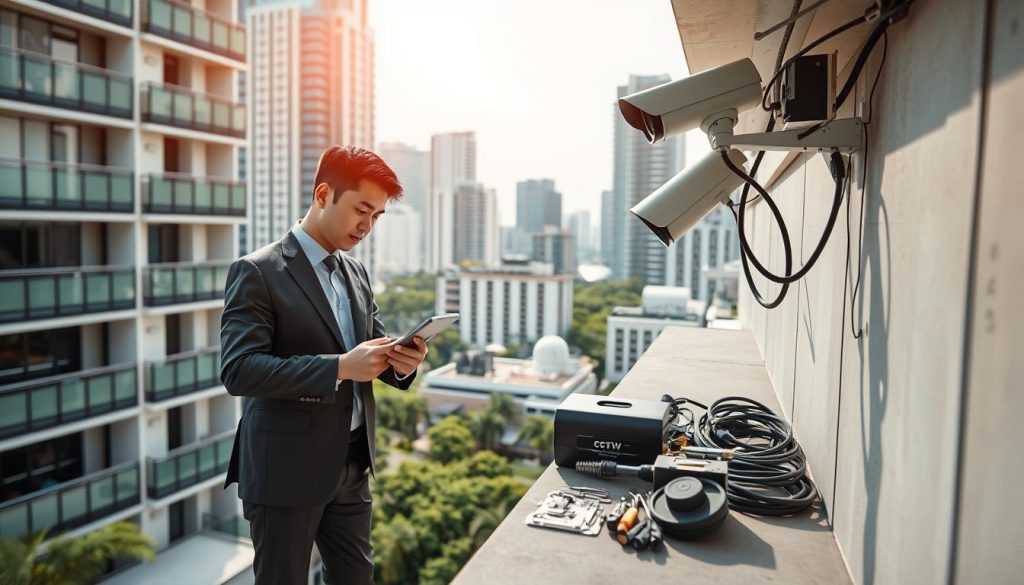
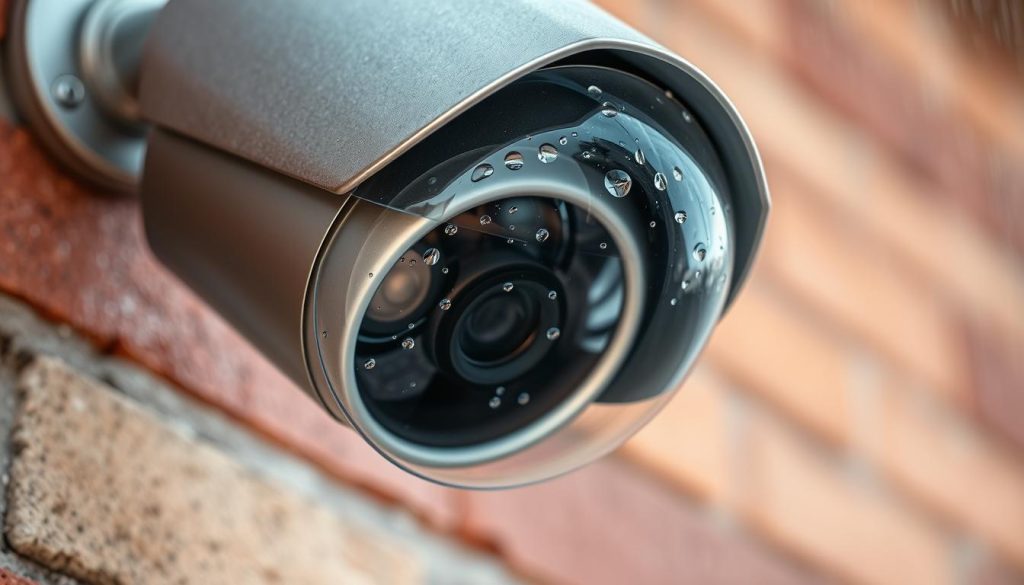
Singapore’s tropical climate brings frequent heavy rainfall that can severely impact surveillance equipment. Water and moisture interfere with camera lenses, causing blurred images and false motion alerts. Maintaining clear footage during adverse weather conditions is crucial for security. Proper protection prevents system damage and ensures reliable performance when you need it most. This guide provides practical solutions for homeowners and businesses. Implementing these measures saves money on maintenance and preserves image quality. Key Takeaways Heavy rain significantly affects CCTV camera performance and image quality Moisture protection is essential for maintaining security system reliability Proper weather protection reduces false alarms and maintenance costs Clear footage during adverse conditions ensures continuous security monitoring Practical solutions exist for both residential and commercial camera systems Implementing protection measures extends the lifespan of your equipment Singapore’s climate requires specific considerations for surveillance maintenance Why Rain Wreaks Havoc on Your CCTV Footage Rainfall creates significant challenges for surveillance systems. Understanding these issues helps implement effective protection measures. Water interference causes multiple operational problems. These range from false alerts to permanent equipment damage. How Motion Detection Gets Tricked by Weather Modern security cameras use frame comparison technology. This system analyzes pixel changes between consecutive images. Raindrops create constant movement patterns across the lens. The camera interprets these water movements as potential security threats. This results in numerous false alarms during storms. Each droplet triggers the motion detection system unnecessarily. The Impact of Water Droplets on Image Clarity Water droplets act as tiny lenses on camera surfaces. They refract and distort incoming light in unpredictable ways. This optical interference creates blurred or obscured footage. Critical details become unrecognizable during rainfall events. Infrared night vision suffers particularly badly. Water reflects IR light, reducing visibility during nocturnal downpours. Long-Term Risks of Moisture and Corrosion Persistent moisture exposure leads to internal corrosion. Electronic components gradually deteriorate when water penetrates housings. This degradation reduces overall system lifespan significantly. Repair costs accumulate over time without proper protection. Singapore’s humid climate accelerates these damaging processes. Regular maintenance becomes essential for reliable operation. Professional installation services can address these challenges effectively. Expert CCTV solutions ensure optimal performance despite weather conditions. Understanding IP Ratings: Your First Line of Defense The IP rating system provides a standardized measurement for electronic equipment protection. This international classification determines how well devices withstand environmental elements. Proper IP certification ensures your surveillance equipment maintains performance during adverse weather. Selecting cameras with appropriate ratings prevents water damage and maintains image quality. Decoding the IP Code: What IP66 and IP67 Really Mean IP ratings consist of two digits following the “IP” prefix. The first digit indicates solid particle protection, ranging from 0 (no protection) to 6 (complete dust tightness). The second digit represents liquid ingress protection on a 0-9 scale. Higher numbers correspond to better water resistance capabilities. IP66 certification means complete dust protection and resistance against powerful water jets. Cameras with this rating handle heavy rain and direct water exposure effectively. IP67 rated equipment offers temporary immersion protection up to 1 meter depth. These devices survive accidental submersion while maintaining functionality. Choosing the Right Weatherproof Camera for Heavy Rain Singapore’s tropical climate demands specific IP rating considerations. The frequent heavy rainfall requires robust water protection for outdoor cameras. For most outdoor installations, IP66 or higher provides adequate protection against monsoon conditions. This rating ensures cameras continue working well during intense downpours. Consider these factors when selecting weather-resistant cameras: Verify independent testing certifications for claimed IP ratings Check manufacturer specifications for tropical climate performance Ensure proper sealing around mounting brackets and cable entries Consider additional protective housings for extreme weather conditions Higher IP-rated cameras typically last longer in harsh environments. The initial investment often outweighs frequent maintenance costs from water damage. Regular verification of IP rating claims ensures your security system remains reliable. Proper weather protection maintains surveillance quality regardless of bad weather conditions. Strategic Camera Placement to Avoid Direct Rainfall Location selection plays a crucial role in maintaining surveillance clarity during adverse weather conditions. Smart positioning creates natural barriers against precipitation while preserving monitoring effectiveness. Proper placement significantly reduces maintenance needs and extends equipment lifespan. This approach offers cost-effective protection without additional hardware investments. Utilizing Eaves, Awnings, and Building Structures Existing architecture provides excellent natural shelter for surveillance equipment. Positioning under overhangs creates automatic rain protection without compromising coverage. Eaves offer particularly effective coverage in Singapore’s frequent downpours. These structures deflect water away from lens surfaces while maintaining clear sightlines. Consider these architectural features for optimal placement: Building corners with overlapping roof lines Balcony overhangs and terrace coverings Window ledges with sufficient depth Porch roofs and carport ceilings This approach keeps cameras dry while maintaining full operational capability. Natural shelters provide consistent protection during extended rainfall periods. Finding the Optimal Angle to Minimize Rain Exposure Camera orientation dramatically affects water accumulation on lens surfaces. Angling downward between 15-30 degrees prevents droplet buildup. This positioning utilizes gravity for natural water runoff. Droplets slide off rather than collecting on critical optical components. The physics of raindrop impact favors slightly downward angles. Water moves away from the lens instead of obstructing the view. Measurement tools like angle finders ensure precise positioning. Even small adjustments make significant differences in weather performance. Why You Should Avoid Pointing Cameras at the Sky Upward-facing positions create multiple operational challenges during storms. Skyward orientation exposes lenses to direct rainfall impact. This positioning also increases lightning strike risks during electrical storms. Elevated angles may attract electrical discharges to sensitive equipment. Lens flare becomes problematic when pointing toward precipitation sources. Light refraction through raindrops creates glare and image distortion. Security coverage remains effective with properly angled placement. Strategic positioning maintains surveillance areas while avoiding weather complications. Thoughtful placement makes sure your system keeps working well despite challenging conditions. The right angles and places provide reliable protection for your investment. Installing Protective Housings and Rain Covers Physical barriers provide essential protection against environmental elements. Proper enclosures shield equipment from direct exposure to harsh weather conditions. These solutions maintain optimal performance during heavy

How to Stop CCTV Camera from Picking Up Rain Read More »
CCTV camera maintenance

Do CCTV cameras need maintenance? Essential Care Tips

Your surveillance equipment forms the backbone of your security strategy. Like any critical system, it requires consistent attention to remain effective. Regular upkeep ensures your cameras capture clear footage when you need it most. This becomes especially important in Singapore’s humid urban environment. Neglecting proper care can lead to system failures and security gaps. Dust accumulation, weather exposure, and technical glitches can compromise performance. Maintenance isn’t just about cleaning lenses. It involves system checks, software updates, and verifying recording quality. This proactive approach prevents costly repairs and extends equipment lifespan. Following local regulations often requires documented maintenance records. Proper care ensures compliance while protecting your security investment. Key Takeaways Regular maintenance keeps surveillance systems reliable and effective Singapore’s climate demands specific attention to camera upkeep Proper care prevents security vulnerabilities and system failures Maintenance extends equipment lifespan and protects your investment Both indoor and outdoor cameras have different care requirements Consistent upkeep ensures compliance with local regulations Maintenance includes physical cleaning, software updates, and system checks Why Regular CCTV Maintenance Is Non-Negotiable for Security Maintaining consistent operational readiness is fundamental for any security installation. A well-maintained surveillance setup provides uninterrupted protection and peace of mind. This becomes particularly crucial in Singapore’s demanding security landscape. Proactive care prevents minor issues from escalating into major system failures. Early detection of potential problems saves significant resources and maintains security integrity. Regular checks identify vulnerabilities before they compromise your protection measures. Preventing Costly System Failures and Repairs Routine inspections catch developing issues long before they cause complete breakdowns. Small problems like loose connections or lens smudges can escalate into expensive repairs if ignored. Addressing these early prevents the need for emergency service calls. The financial impact of neglect far exceeds the cost of consistent upkeep. Emergency repairs often cost three to five times more than scheduled maintenance. System downtime during critical moments can result in substantial security breaches. Proper care extends equipment lifespan significantly. Well-maintained security systems typically last 30-50% longer than neglected installations. This represents substantial long-term savings on replacement costs. Ensuring Compliance with Singapore Security Regulations Singapore’s security regulations mandate specific operational standards for surveillance equipment. The Police Licensing and Regulatory Department requires documented maintenance records for commercial installations. Non-compliance can result in significant penalties and license revocation. Regular system checks ensure footage meets evidential quality standards. Singapore courts require clear, uninterrupted video evidence for legal proceedings. Poorly maintained equipment often produces unusable footage that fails to meet these requirements. Commercial establishments face particular scrutiny under Singapore’s security framework. Shopping malls, banks, and government facilities must demonstrate ongoing system reliability. Maintenance schedules provide the necessary documentation for regulatory compliance. Maintaining Optimal Surveillance Performance Consistent upkeep ensures cameras deliver clear, usable footage when needed most. Dust accumulation, weather exposure, and technical glitches degrade image quality over time. Regular cleaning and calibration maintain sharp, detailed video capture. Systematic checks prevent blind spots and coverage gaps from developing. Camera alignment shifts gradually due to environmental factors and vibration. Scheduled adjustments ensure complete area coverage without surveillance holes. Software updates address security vulnerabilities and improve functionality. Manufacturers regularly release patches for known issues and performance enhancements. Keeping systems current protects against cyber threats and optimizes operation. Equipment reliability directly impacts overall security effectiveness. A single camera failure can create critical visibility gaps during security incidents. Consistent maintenance ensures all components function optimally when needed. Understanding the Different Types of CCTV Maintenance Security surveillance requires different maintenance approaches for optimal performance. Each method serves specific purposes in keeping your protection systems reliable. Choosing the right strategy depends on your security needs and environment. Three primary maintenance categories exist for surveillance equipment. Preventative care focuses on proactive measures. Corrective actions address existing problems. Predictive approaches use data analytics for smart upkeep. Preventative Maintenance: Proactive System Care This approach involves regular inspections and component replacements. Technicians perform scheduled checks to identify potential issues early. They clean lenses, test connections, and verify recording quality. Preventative care extends equipment lifespan significantly. It prevents unexpected system failures that compromise security. This method is typically the most cost-effective maintenance strategy. Regular software updates form part of preventative care. These keep your surveillance technology current with security patches. System performance remains optimal through consistent preventative measures. Corrective Maintenance: Addressing Existing Issues This reactive approach fixes problems after they occur. Technicians address malfunctions, damage, or performance degradation. Repairs restore normal operation following system failures. Corrective maintenance often involves higher costs than preventative care. Emergency service calls and replacement parts increase expenses. Security risks emerge during system downtime. This method should complement rather than replace preventative strategies. While necessary for unexpected failures, it shouldn’t be the primary approach. Integrated maintenance plans minimize corrective needs. Predictive Maintenance: Data-Driven Upkeep Approach This advanced method uses performance metrics and analytics. System data helps anticipate maintenance needs before failures occur. Technicians analyze trends to schedule proactive care. Predictive approaches leverage modern surveillance technology capabilities. They monitor equipment health through continuous data collection. This allows for precisely timed maintenance interventions. Data-driven upkeep optimizes resource allocation and cost efficiency. It reduces unnecessary inspections while preventing major failures. This approach represents the future of security system care. Each maintenance type suits different security scenarios and environments. Comprehensive surveillance care often integrates all three approaches. Proper selection ensures optimal system reliability and performance. Do CCTV Cameras Need Maintenance? The Definitive Answer Surveillance technology represents a critical investment in protection and peace of mind. Proper upkeep ensures this investment continues delivering value over time. Industry experts unanimously agree that consistent care is non-negotiable. Security professionals emphasize that regular attention prevents most common system failures. “Proactive maintenance transforms surveillance from reactive monitoring to proactive protection. It’s the difference between having eyes that see and eyes that watch.” How Maintenance Extends Camera Lifespan and Performance Regular cleaning prevents dust accumulation on lenses and sensors. This simple action maintains crystal-clear image capture quality. Systematic checks identify minor issues before they become major problems. Early detection saves significant repair costs and prevents security gaps. Software updates keep your

Do CCTV cameras need maintenance? Essential Care Tips Read More »

CCTV maintenance cost factors

How much is CCTV maintenance? A Comprehensive Guide

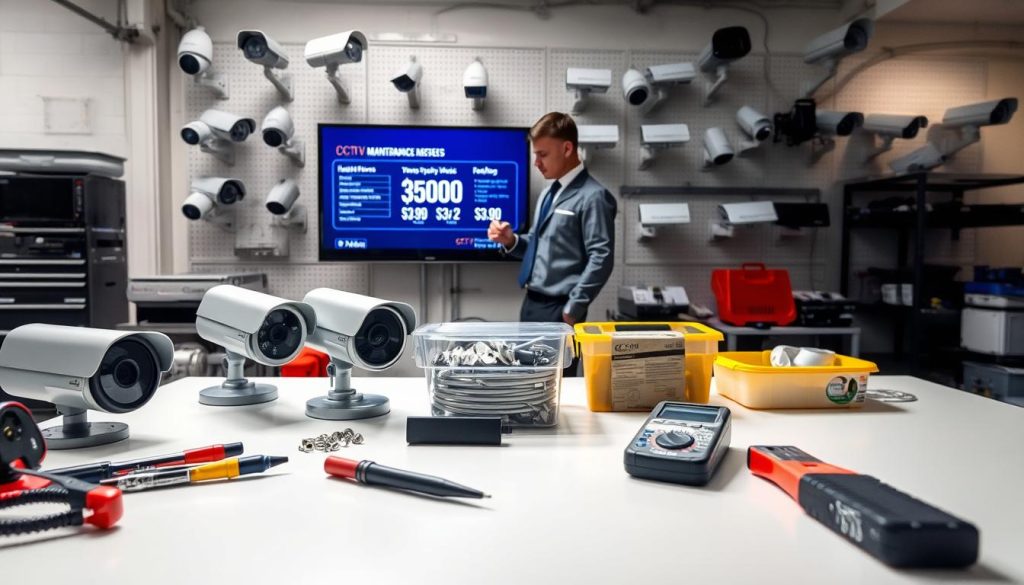
Keeping your surveillance equipment running smoothly requires regular attention. This comprehensive guide explores the investment needed for proper system care in Singapore. Annual upkeep for these security setups typically ranges from SGD 300 to SGD 2,500. This variation depends on several important factors we’ll explore. Consistent professional service dramatically improves performance and equipment lifespan. Studies show proper care can reduce failures by 30% and extend system life by 50%. Technicians perform crucial tasks during maintenance visits. These include connection verification, software updates, and thorough hardware inspections. Both homeowners and business operators benefit from understanding these expenses. Preventive care proves far more cost-effective than emergency repairs that often increase overall costs significantly. This guide will help you make informed decisions about your security investment. We’ll break down the various elements that influence final pricing for different property types. Key Takeaways Annual surveillance system upkeep in Singapore ranges from SGD 300 to SGD 2,500 Professional maintenance every 6-12 months is recommended for optimal performance Regular service can reduce equipment failures by up to 30% Proper maintenance extends system lifespan by up to 50% Emergency repairs typically cost significantly more than preventive care Common maintenance tasks include software updates and connection checks Final costs depend on system complexity and number of cameras Why CCTV Maintenance is a Non-Negotiable for Security Your surveillance setup represents a critical investment in property protection. Proper upkeep transforms this investment into reliable security that stands the test of time. Routine professional attention prevents unexpected equipment failures. Studies demonstrate that consistent service reduces malfunction rates by 30%. This proactive approach dramatically extends your equipment’s operational life. Well-maintained security systems can last 50% longer than neglected setups. Regular checks identify vulnerabilities before they become problems. Technicians spot issues that could compromise your entire security framework. “Preventive maintenance isn’t an expense—it’s insurance against catastrophic system failure.” System reliability directly impacts continuous monitoring capabilities. Downtime creates security gaps that leave properties exposed to risks. Emergency repairs typically cost significantly more than scheduled service. Reactive fixes often involve rushed labor and premium part pricing. Evidence quality depends on properly functioning recording equipment. Maintenance ensures video footage meets legal standards when needed. Modern threats evolve constantly, requiring updated security measures. Technical updates keep your protection effective against new challenges. Comprehensive property security demands this non-optional commitment. The cost of neglect far exceeds the investment in professional care. Breaking Down the Components of a CCTV System The effectiveness of any security monitoring solution depends on the proper integration of its core components and supporting infrastructure. Each element plays a crucial role in delivering reliable protection for your property. Core Hardware: Cameras, Recorders, and Monitors Modern surveillance setups feature different camera types designed for specific applications. Dome cameras offer discreet indoor monitoring with wide viewing angles. Bullet cameras provide weather-resistant outdoor coverage with longer range capabilities. IP cameras enable remote viewing and advanced features through network connectivity. These digital devices often include enhanced video quality and analytics capabilities. Recording equipment forms the backbone of any security system. Digital Video Recorders (DVR) handle analog camera feeds, while Network Video Recorders (NVR) manage digital IP camera streams. Both devices store captured footage for later review. Monitor configurations vary based on surveillance needs. Single displays work for basic setups, while multi-screen arrangements suit complex security operations. Video Management Software (VMS) provides centralized control over the entire system. Supporting Infrastructure: Power, Connectivity, and Storage Power systems ensure continuous operation of all security components. Uninterruptible Power Supplies (UPS) protect against outages, while Power over Ethernet (PoE) technology simplifies installation by delivering both power and data through single cables. Connectivity solutions form the nervous system of modern surveillance networks. Ethernet cables, wireless bridges, and fiber optic connections transfer video data between components. Proper networking ensures smooth data flow and remote access capabilities. Storage requirements typically mandate keeping video footage for at least 90 days. Local storage options include hard drives within recorders and Network Attached Storage (NAS) devices. Cloud-based solutions offer additional backup and off-site protection. Mounting hardware and protective enclosures safeguard equipment from environmental factors and tampering. Proper installation of these physical components ensures long-term reliability and performance. Component quality directly impacts long-term system performance and maintenance needs. Higher-grade equipment typically requires less frequent service while delivering better video quality and reliability. The complexity of your security setup influences ongoing care requirements. More cameras and advanced features generally mean more comprehensive maintenance checks are needed to keep everything functioning properly. How much is CCTV maintenance? The Singapore Cost Breakdown Understanding surveillance system upkeep expenses helps property owners budget effectively. Singapore offers various service levels to match different security needs. Professional technicians typically charge between SGD 100 and SGD 300 per site visit. This range depends on your equipment’s complexity and the number of cameras. Understanding the Average Cost Range Per Visit and Annually Annual surveillance care packages start at SGD 300 for basic coverage. Comprehensive plans can reach SGD 1,500 for advanced protection. Basic annual packages (SGD 300-SGD 600) include essential services. These cover routine inspections and necessary cleaning procedures. Premium packages (SGD 600-SGD 1,500) offer enhanced protection. They include emergency repairs and advanced monitoring capabilities. Some companies provide up to 25 annual visits under comprehensive plans. More visits mean better system performance and fewer unexpected issues. What Your Maintenance Fee Actually Covers Regular service ensures your security investment remains effective. Technicians perform multiple crucial tasks during each visit. Camera lens cleaning for clear video quality Functionality testing of all components Software updates for optimal performance Connection checks throughout the system Storage device verification and maintenance Legal compliance reviews add SGD 250 to SGD 600 to total costs. These ensure your surveillance setup meets Singapore regulations. Remote monitoring and 24/7 technical support come with comprehensive plans. This proactive approach prevents major repair expenses. Proper care protects your initial installation investment. Well-maintained systems last longer and require fewer replacements. “Quality maintenance transforms security equipment from an expense into a long-term asset.” The right service plan matches your property’s specific monitoring needs.

How much is CCTV maintenance? A Comprehensive Guide Read More »

CCTV installation career path

What Qualifications Do I Need to Be a CCTV Installer?

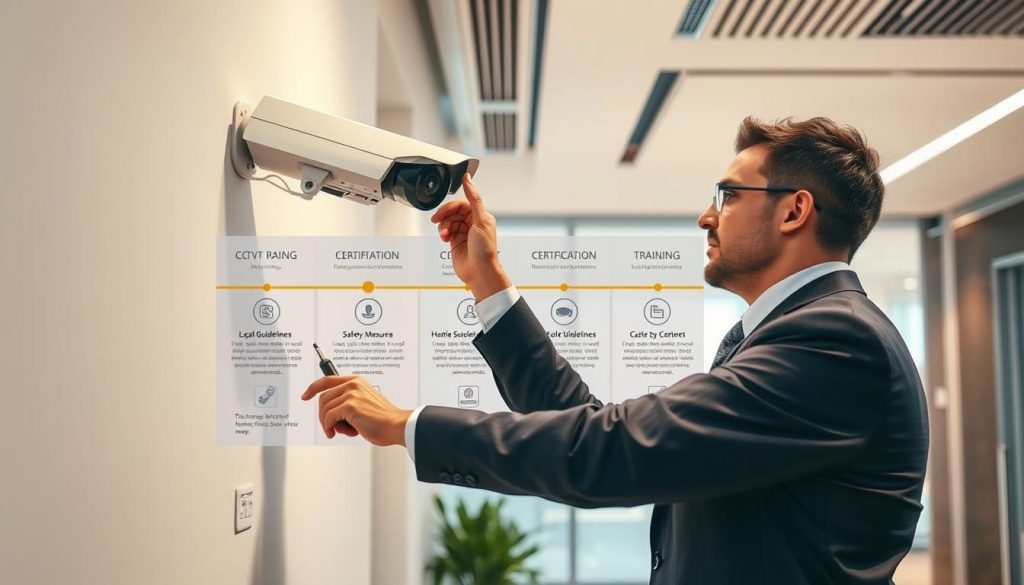
Starting a career in security technology requires specific educational foundations. Most professionals begin with a high school diploma or equivalent qualification. This basic education provides the essential groundwork for technical training. Many successful CCTV specialists pursue degrees in electrical engineering or information technology. These programs teach crucial electronics and communication system knowledge. This technical understanding becomes vital for proper security system installation. The security industry in Singapore maintains high standards for professionals. CCTV installation represents a growing field with excellent opportunities. Combining formal education with practical experience creates a strong career path. Key Takeaways A high school diploma serves as the basic educational requirement Electrical engineering degrees provide valuable technical knowledge Information technology programs teach essential communication systems Electronic systems understanding is crucial for installation work Singapore’s security market offers growing career opportunities Professional standards require both education and practical experience Security technology careers combine technical skills with hands-on work Understanding the CCTV Installer’s Role and Responsibilities Professional CCTV installers handle complex security solutions from start to finish. They transform client needs into functional surveillance systems. Their work blends technical expertise with practical problem-solving skills. These specialists must master both hardware installation and software configuration. Every project begins with careful assessment of security requirements. The final result must provide reliable monitoring and protection. Designing and Implementing Surveillance Systems Camera placement represents a critical skill for security professionals. Installers analyze physical spaces to identify optimal viewing angles. They ensure complete coverage while avoiding blind spots. Legal compliance forms another essential aspect of system design. Singapore’s privacy regulations demand careful attention to camera positioning. Installers must understand surveillance boundaries under local laws. Technical implementation involves configuring recording equipment and monitoring software. Proper wiring and network connections ensure smooth operation. System testing verifies all components work together seamlessly. Client Consultation and Post-Installation Support Initial client meetings determine security needs and budget considerations. Installers recommend appropriate systems based on property size and risk factors. They explain technical features in understandable terms. After installation, professionals train clients on system operation and basic troubleshooting. They provide documentation covering daily use and maintenance procedures. Ongoing support addresses technical issues that may arise later. The security field constantly evolves with new technologies and regulations. Successful installers stay updated through continuous learning and certification programs. This commitment ensures they deliver current and effective security solutions. Foundational Educational Requirements to Get Started Building a successful career in surveillance technology begins with meeting essential educational benchmarks. The security industry maintains specific standards for entry-level positions. These requirements ensure professionals possess the fundamental knowledge needed for quality work. A high school diploma or equivalent represents the minimum educational threshold. This basic qualification demonstrates foundational learning capabilities. It serves as the gateway to more specialized technical training programs. Vocational training in electronics, IT, or security systems provides excellent preparation. These specialized courses deliver practical skills and theoretical understanding. They create a strong foundation for handling complex surveillance equipment. Electrical and electronic engineering diplomas offer comprehensive technical education. Students gain essential knowledge about circuits, systems, and installation principles. This background proves invaluable when working with sophisticated security technology. Specialized programs focusing on electronic fire and security systems are particularly relevant. They address industry-specific requirements and current technologies. Graduates understand both installation techniques and system integration methods. Formal education establishes professional credibility with clients and employers. It demonstrates commitment to learning proper techniques and standards. This educational background often becomes prerequisite for advanced certifications. The right training provides the technical knowledge necessary for effective system design. Professionals learn to assess security needs and implement appropriate solutions. This education forms the basis for developing advanced installation skills. Educational pathways directly influence certification and licensing opportunities. Many advanced credentials require proof of completed relevant courses. Meeting these educational requirements opens doors to broader career advancement. Essential Technical Skills for Effective CCTV Installation Modern security professionals must develop multiple technical skill sets. These competencies ensure reliable system performance and client satisfaction. The right technical skills separate average installers from exceptional ones. Security specialists require diverse capabilities beyond basic installation. They must understand both traditional and digital technologies. This knowledge ensures proper system integration and troubleshooting. Networking Principles and IP Configuration Today’s surveillance systems heavily rely on digital connectivity. Installers need solid networking understanding for IP-based cameras. They configure routers, switches, and network storage devices. IP addressing and subnetting knowledge proves essential for system integration. Professionals set up remote access and mobile monitoring capabilities. Proper network configuration prevents bandwidth issues and ensures smooth operation. Network security measures protect surveillance systems from cyber threats. Installers implement firewalls and secure access protocols. These precautions safeguard client data and system integrity. Electrical Wiring and Power Management Electrical expertise forms the foundation of physical installation. Professionals handle power supplies, cables, and connection points. They ensure safe and compliant electrical work. Power over Ethernet (PoE) technology simplifies modern installations. This approach combines data and power through single cables. Installers must understand PoE standards and limitations. Backup power systems maintain surveillance during outages. Professionals install uninterruptible power supplies and battery backups. These systems ensure continuous security coverage. Camera selection knowledge impacts system effectiveness. Different environments require specific camera types and features. Professionals match technology to client needs and budget constraints. Recording system configuration demands technical understanding. Installers set up digital video recorders and network video recorders. They optimize storage capacity and recording quality. Troubleshooting abilities resolve technical issues quickly. Professionals diagnose problems with cameras, connections, and software. Rapid problem-solving minimizes system downtime. Technology evolution requires continuous skill development. New camera technologies and software updates emerge regularly. Staying current ensures installers deliver modern, effective solutions. The Critical Importance of Hands-On Trade Experience Developing true expertise in surveillance technology installation comes through repeated practical application. Classroom knowledge provides the foundation, but real mastery emerges on the job site. This hands-on experience transforms theoretical concepts into working solutions. Security professionals learn most effectively through direct engagement with equipment and systems. Working with actual cameras, cables, and control units builds essential practical skills. This tactile learning creates muscle

What Qualifications Do I Need to Be a CCTV Installer? Read More »

CCTV installation Singapore guide

“Do We Need Permit to Install CCTV in Singapore? Guide”

Security cameras have become increasingly popular among Singapore residents and business owners. Many people want to protect their properties with surveillance systems. Understanding the legal requirements for camera installation is crucial. Regulations differ between residential and commercial properties. They also vary based on camera placement and type. This comprehensive guide covers everything you need to know about surveillance system regulations. It addresses both HDB flats and private residences. Business owners will find specific information about compliance requirements. Recent regulatory changes affect how cameras can be installed. Privacy concerns and neighbor relations are important considerations. Proper placement helps avoid disputes while maintaining security. For professional installation services, check our guide on CCTV licensing requirements. This ensures you work with qualified providers following Singapore’s regulations. Key Takeaways Singapore has specific regulations governing surveillance camera installation Requirements differ between residential and commercial properties HDB flats and private residences have distinct rules for camera placement Businesses must comply with PDPA regulations for commercial surveillance Proper camera placement helps maintain privacy and avoid neighbor disputes Professional installers must hold proper licensing under Singapore law Recent regulatory changes may affect your installation plans Do We Need Permit to Install CCTV in Singapore? The Direct Answer Singapore’s approach to surveillance systems balances security needs with privacy protection. The answer depends on several factors including location and property type. Property owners must understand the distinction between indoor and outdoor monitoring. This knowledge helps ensure compliance with local laws. Indoor vs. Outdoor Installation Rules Indoor surveillance typically faces fewer restrictions. Cameras placed inside private residences generally don’t require formal approval. Outdoor installations present different considerations. Monitoring public areas or common spaces usually requires official permission. Recent policy updates have simplified certain procedures. HDB residents now enjoy streamlined processes for corridor-facing devices. Key Governing Bodies and Regulations Multiple authorities oversee surveillance systems in Singapore. Each plays a distinct role in the regulatory framework. Urban Redevelopment Authority (URA): Manages aesthetic and planning aspects of exterior installations Housing & Development Board (HDB): Governs regulations for public housing residents Personal Data Protection Commission (PDPC): Ensures compliance with data protection standards Business operations face additional requirements under the Personal Data Protection Act. Commercial establishments must follow strict guidelines regardless of camera placement. “Proper compliance ensures both security and privacy are maintained effectively.” Understanding these distinctions helps avoid potential penalties. Non-compliance can result in fines reaching $5,000 under Singapore laws. Property type significantly influences approval requirements. HDB flats, condominiums, and landed properties each have specific regulations. This guidance helps determine specific permit needs based on individual circumstances. Always verify current requirements before proceeding with any installation. Understanding Singapore’s CCTV Legal Framework The legal parameters governing surveillance camera usage in Singapore center around two primary legislative pillars. These laws create a balanced approach to security and privacy concerns. Property owners must navigate this dual regulatory environment carefully. Understanding both acts ensures proper system implementation. The Role of the Personal Data Protection Act (PDPA) The PDPA primarily regulates organizations and business entities. It governs how they collect, use, and disclose personal information. This protection act establishes clear obligations for commercial surveillance. Businesses must follow strict data protection standards when monitoring areas. Key requirements include obtaining consent and providing proper notification. Companies must also ensure they have reasonable purposes for data collection. The act applies differently to various areas within business premises. Publicly accessible spaces face stricter regulations than restricted zones. The Community Disputes Resolution Act (CDRA) The CDRA addresses neighbor relations and property enjoyment issues. It prevents surveillance that interferes with others’ peaceful living. This legislation defines neighbors as anyone within the same building. It also includes residents living within 100 meters of your property. The Community Disputes Resolution Tribunal handles related complaints. They can order camera removal, adjustments, or compensation up to $20,000. Proper compliance with both acts ensures lawful surveillance operation. Understanding these laws helps maintain good community relations while protecting security interests. The framework balances security needs with personal data protection rights. It requires proportional surveillance measures appropriate to each situation. CCTV Installation Rules for Homeowners and Residences Homeowners face different compliance requirements depending on their housing type and camera placement. Each residential category follows specific regulatory frameworks. Understanding these distinctions helps ensure lawful surveillance implementation. Proper adherence prevents potential disputes with neighbors or authorities. Guidelines for HDB Flats and Common Corridors HDB residents benefit from simplified regulations introduced in May 2023. Flat owners no longer need approval for corridor-facing cameras installed from within their units. Despite this relaxation, strict privacy protections remain. Cameras must not point directly at neighbors’ doors or windows. Common corridors and exterior spaces require different consideration. These areas fall under Town Council jurisdiction, needing formal approval for installations. Rules for Condominiums and Private Apartments Condominium residents must consult their Management Corporation Strata Title rules. These regulations vary significantly between different developments. MCST guidelines typically specify approval requirements and installation conditions. They often outline permitted duration for surveillance systems. Residents should review their development’s specific bylaws before proceeding. This prevents potential violations of community regulations. Installing CCTV on Landed Property Landed property owners enjoy the most installation freedom. They can typically place cameras anywhere within their compound without restrictions. This flexibility comes with responsibility. All installations must respect the Community Disputes Resolution Act requirements. Proper camera placement focuses on your own entrance areas. This approach maintains security while avoiding neighbor conflicts. Homeowners should anticipate potential concerns from nearby residents. Being prepared to adjust installations helps maintain positive community relations. “Understanding property-specific rules ensures effective security without regulatory violations.” These guidelines help homeowners implement surveillance systems appropriately. Following them prevents disputes while maintaining property protection. Navigating the Town Council Approval Process Singapore’s municipal framework establishes clear protocols for exterior surveillance installations. HDB residents must follow specific steps when monitoring common areas outside their flats. The authorization pathway begins with documented security concerns. This structured approach ensures legitimate needs while protecting community privacy. Step 1: Filing a Necessary Police Report Residents must first report incidents justifying surveillance needs. This documentation demonstrates

“Do We Need Permit to Install CCTV in Singapore? Guide” Read More »

Can I get CCTV footage from 2 years ago? Steps to Retrieve

Many people wonder about accessing surveillance recordings from the distant past. Retrieving old CCTV footage presents significant challenges due to standard storage limitations. Most security systems automatically delete recordings after 14-90 days. Home systems typically keep data for about 30 days. Businesses might retain footage for 30-90 days, while banks sometimes store it for six months or longer. Successful data recovery depends on several factors. Storage technology, system maintenance, and retention policies all impact availability. Understanding your specific system’s capabilities is crucial for any recovery attempt. This guide explores practical methods for retrieving historical surveillance material. We’ll cover checking backups, using specialized software, and professional recovery services. We’ll also address Singapore’s legal framework under the Personal Data Protection Act (PDPA). Key Takeaways Most systems automatically delete recordings within 14-90 days Recovery possibility depends on storage type and maintenance Professional data recovery services might help retrieve deleted footage Legal compliance with PDPA is essential in Singapore Regular backups improve future retrieval chances System settings determine actual retention periods Immediate action increases recovery success rates Understanding the Core Challenge of Retrieving Old CCTV Footage Surveillance systems face inherent limitations when preserving recorded material over extended periods. The fundamental architecture of most security setups creates natural barriers against long-term data preservation. The Fundamental Principle of CCTV Storage Cycles Modern surveillance equipment operates on a loop recording methodology. This approach continuously overwrites the oldest files when storage reaches capacity. The system maintains a constant recording cycle without manual intervention. Storage capacity directly determines how long recordings remain accessible. Larger drives can retain more days of surveillance material. Smaller storage units might only keep a few weeks of historical data. Recording quality settings dramatically impact storage consumption. Higher frame rates and resolutions create larger files. A camera recording at 30 fps consumes storage twice as fast as one at 15 fps. Why Time Is the Biggest Factor in Footage Recovery Time remains the most critical element in successful data recovery attempts. The probability of retrieving usable material decreases exponentially with each passing day. After several months, the chances become extremely limited. Automatic overwriting causes over 75% of all surveillance data loss incidents. This process happens silently in the background. Most users remain unaware until they need specific historical recordings. Two-year-old material presents particular technological challenges. The storage cycle has likely completed numerous overwrite sequences. Each cycle reduces the possibility of recovering the original files. Understanding your specific system’s storage patterns proves essential for recovery planning. Different manufacturers implement varying overwrite algorithms. Some systems prioritize continuous recording while others use motion-activated storage conservation. Key Factors That Determine CCTV Footage Availability Multiple configuration settings and hardware factors determine how long security footage remains available. Understanding these elements helps assess recovery possibilities for historical recordings. Storage Capacity and Overwrite Settings Storage space directly controls retention duration for surveillance systems. A setup generating 250GB daily fills storage quickly without adequate capacity. Overwrite settings manage how systems use available space when full. These configurations can extend or shorten retention periods based on user requirements. Most security systems employ circular recording patterns. This method automatically deletes the oldest files when storage reaches capacity limits. System Maintenance and Hardware Health Regular maintenance significantly impacts footage preservation quality. System checks and firmware updates prevent many storage issues before they occur. Hardware malfunctions cause approximately 15% of all data loss incidents. Reliable storage devices are essential for maintaining historical recordings. Corrupted storage units account for about 7% of footage loss situations. Monitoring device health helps ensure important material remains accessible. Proactive capacity upgrades improve chances of keeping critical evidence. Regular space monitoring prevents unexpected deletion of valuable recordings. Can I Get CCTV footage from 2 Years Ago? The Real Answer Retrieving surveillance recordings from such distant timeframes presents substantial obstacles. Standard security systems simply aren’t designed for long-term archival storage. The straightforward answer is typically no for most conventional setups. Most residential and commercial systems automatically purge recordings well before reaching such extended periods. Typical Retention Periods for Home Systems Home surveillance setups usually maintain recordings for approximately 30 days. This standard duration balances storage costs with practical security needs. Several factors influence residential retention capabilities: Storage device capacity and type Recording quality settings and resolution Number of cameras in the system Motion activation versus continuous recording Basic home systems often use circular recording patterns. This method continuously overwrites the oldest files when storage reaches capacity. Standard Retention Policies for Business Systems Commercial security installations generally maintain recordings for 30-90 days. This extended period addresses higher security requirements and potential investigation needs. Industry-specific regulations significantly impact retention durations. Financial institutions like banks often preserve surveillance material for at least six months. Some maintain recordings for even longer periods due to compliance requirements. “The growing surveillance market, expected to reach $130 billion, reflects increasing deployment but doesn’t change fundamental retention limitations.” Specialized configurations can sometimes extend retention beyond standard periods. Enterprise-grade systems with expanded storage arrays might preserve material for several months. However, even these advanced setups rarely maintain complete recordings for multiple years. Certain exceptions exist where longer retention becomes possible. Systems with archival capabilities or cloud storage integration might preserve selected clips. Regular backups to external media also improve chances of keeping critical evidence. The global expansion of surveillance systems increases footage management challenges. More cameras mean more data requiring storage solutions. This growth highlights the importance of understanding your specific system’s capabilities. For comprehensive guidance on retrieval possibilities, visit our detailed resource on historical surveillance recovery methods. Common Reasons Why CCTV Footage Gets Deleted or Lost Surveillance systems experience various data loss scenarios that affect historical recording availability. Understanding these common reasons helps users prevent future evidence loss and improve recovery planning. Multiple factors contribute to surveillance material becoming inaccessible over time. System design, human interaction, and environmental conditions all play significant roles in footage preservation. Automatic Overwriting to Free Up Storage Space Automatic overwriting represents the primary mechanism for storage management in security systems. This process accounts for over 75%

Can I get CCTV footage from 2 years ago? Steps to Retrieve Read More »

commercial solar security camera

4g Outdoor Camera Solar Buying Guide for Commercial Use

Welcome to your complete guide for choosing the right security system for your business. This buying guide focuses on modern surveillance solutions that meet commercial needs in Singapore. Solar-powered security systems offer a sustainable and cost-effective option. They reduce operational costs and provide installation flexibility without relying on traditional power sources. Wireless monitoring is becoming essential in Singapore due to infrastructure and environmental factors. With over 2,500 hours of annual sunlight, solar energy is a reliable power choice here. This guide will help you understand key features, performance specs, and setup strategies. We’ll explore how these systems support surveillance in various weather conditions and areas. Key Takeaways Solar-powered security offers sustainable and flexible monitoring for businesses. Wireless systems reduce installation and operational costs effectively. Singapore’s climate supports reliable solar energy use for surveillance. Key features like weather resistance and high resolution impact performance. This guide covers technical details and practical implementation tips. Understanding the 4G Solar Security Camera for Business Modern business protection requires innovative approaches that combine reliability with operational efficiency. These advanced systems represent a significant leap forward in surveillance technology. How Solar Power and 4G Create a Wire-Free Solution Solar panels capture sunlight and convert it into electrical energy. This powers the internal batteries that keep the system running continuously. The technology ensures operation both day and night without interruption. 4G LTE connectivity provides reliable data transmission without Wi-Fi dependency. This is crucial for remote commercial locations where traditional internet infrastructure may be unavailable. The cellular network ensures stable performance in various outdoor settings. The wire-free nature eliminates electrical wiring needs. This reduces installation complexity and associated costs significantly. Businesses can achieve up to 75% energy savings compared to traditional wired alternatives. The Growing Adoption in Singapore’s Commercial Sector Singapore’s commercial landscape shows increasing interest in sustainable security solutions. Over 70% of businesses express security concerns while seeking environmentally conscious options. The annual sunlight of over 2,500 hours makes solar energy particularly viable here. Market growth is driven by both environmental awareness and operational efficiency needs. Companies appreciate the minimal maintenance requirements of integrated systems. These combine solar panels, batteries, and surveillance into cohesive units. The autonomous nature of these solutions provides uninterrupted coverage. Battery technology supports up to seven days of operation without direct sunlight. This ensures consistent property protection regardless of weather conditions. Key Advantages of a Commercial 4G Outdoor Camera Solar System Modern enterprises are discovering unprecedented benefits through innovative wireless monitoring solutions. These advanced systems deliver exceptional value across multiple operational areas while supporting sustainable business practices. Businesses can achieve comprehensive property protection without traditional infrastructure limitations. The integration of renewable energy and cellular connectivity creates a robust security framework. Significant Reduction in Operational Energy Costs Solar-powered surveillance dramatically lowers electricity consumption. Companies report up to 75% savings compared to conventional wired systems. The LS-4GS50 model features a massive 30,000mAh battery capacity. This ensures continuous operation even during extended periods without direct sunlight. Elimination of grid dependency translates to substantial long-term savings. Maintenance requirements are significantly reduced, contributing to lower operational expenses. Unmatched Installation Flexibility for Remote Locations These systems excel in areas lacking electrical infrastructure or internet connectivity. Installation costs are approximately 50% lower than traditional wired alternatives. Businesses can deploy security solutions in previously inaccessible locations. The wire-free nature allows for rapid setup and easy relocation as needs evolve. Remote monitoring becomes feasible through cellular data transmission. This capability is particularly valuable for construction sites, agricultural properties, and distributed commercial facilities. Enhanced Sustainability and Corporate Responsibility Environmental benefits represent a compelling advantage for modern businesses. Each system reduces carbon emissions by approximately 2,000 pounds annually. The extended lifespan exceeding 10 years demonstrates remarkable durability. This outperforms traditional alternatives that typically last 3-5 years. Singapore’s green initiatives align perfectly with these sustainable solutions. Companies adopting this technology strengthen their corporate social responsibility profile while ensuring reliable property protection. Operational reliability remains consistent across extreme weather conditions. Systems maintain performance from -20°C to 60°C, ensuring year-round surveillance capabilities. Critical Technical Features to Evaluate Choosing the right surveillance solution requires careful assessment of technical specifications. These elements determine how well your system performs in real-world conditions. Each feature contributes to overall reliability and effectiveness. Understanding these details helps businesses make informed decisions. Camera Resolution and Image Quality for Identification Image clarity is crucial for proper identification. Resolution options range from 4MP to 4K for commercial needs. Higher resolution captures finer details for evidence collection. This becomes critical when reviewing footage for security incidents. Frame rate and compression technology affect video smoothness. These factors determine how well moving objects appear in recordings. Battery Life and Solar Panel Efficiency Energy management systems optimize consumption during limited sunlight. Premium models feature smart power management technology. Battery capacity directly impacts operational duration. The LS-4GS50 model offers 30,000mAh for extended performance. Solar panel efficiency affects charging times significantly. A 60W panel achieves full charge in approximately six hours. This provides about twenty hours of continuous operation. Hikvision devices can operate up to seven days without direct sunlight. Weatherproof and Durability Ratings (IP67/IP66) Environmental protection ensures reliable performance in various conditions. IP67 and IP66 ratings indicate strong weather resistance. These ratings are essential for Singapore’s tropical climate. They protect against heavy rainfall and high humidity. Durability features include anti-corrosion coatings and impact resistance. Temperature tolerance ranges support operation from -20°C to 60°C. Night vision capability extends visibility to 150 meters. This enables clear monitoring during complete darkness. Technical specifications should match your specific commercial requirements. Proper evaluation ensures optimal surveillance performance. How 4G Connectivity Enables Remote Commercial Monitoring Commercial property protection enters a new era with instant remote accessibility. Cellular networks transform how businesses oversee their operations from any location. Modern surveillance systems leverage advanced cellular technology for comprehensive oversight. This approach eliminates traditional limitations of wired infrastructure. Real-Time Alerts and Live Feed Access Anywhere Immediate notifications reach security personnel through mobile applications. Motion detection triggers instant alerts for rapid response coordination. Live streaming capability maintains constant visual connection

4g Outdoor Camera Solar Buying Guide for Commercial Use Read More »

construction site security

Expert Jobsite Camera Rentals for Construction Monitoring

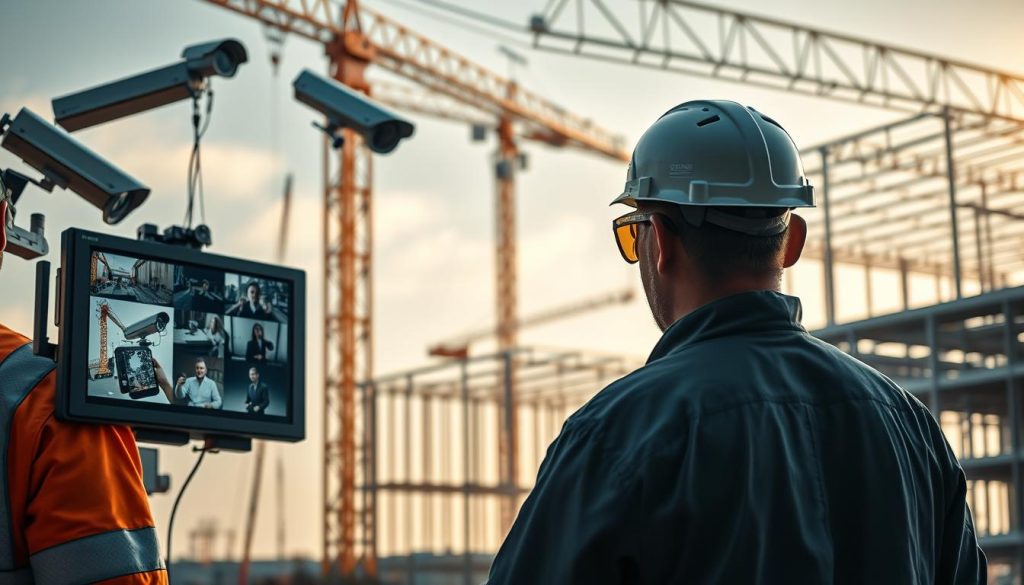
Construction site security is a critical concern in Singapore. Theft, vandalism, and unauthorized access pose serious financial risks. These threats can delay projects and increase costs significantly. Renting surveillance systems offers a smart solution. This approach provides advanced technology without large upfront investments. It ensures your project stays protected with modern tools. These systems feature high-definition video and remote access. Real-time alerts help prevent issues before they escalate. Solar-powered options work well in various site conditions. Singapore’s unique environment demands tailored security measures. Flexible rental services adapt to different project needs. They integrate seamlessly with existing protection strategies. Key Takeaways Construction sites face significant security risks including theft and vandalism Renting surveillance equipment provides cost-effective protection solutions Modern systems offer remote monitoring and real-time alert capabilities Tailored solutions address Singapore’s specific climate and regulatory requirements Rental services include professional installation and support services Advanced features like AI analytics enhance crime prevention effectiveness Flexible agreements accommodate projects of varying sizes and durations The Critical Need for Robust Construction Site Security in Singapore Singapore’s construction industry faces a severe security crisis that demands immediate attention. The financial impact of theft and vandalism reaches staggering proportions, with losses exceeding $1 billion annually. This massive drain on resources affects projects of all sizes across the nation. Weekly security incidents plague 21% of construction sites, creating constant operational challenges. The recovery rate for stolen equipment remains alarmingly low at just 25%. These statistics highlight the urgent need for comprehensive protection measures. The Billion-Dollar Problem: Theft and Vandalism Criminals specifically target high-value equipment and materials on construction sites. Copper wiring and heavy machinery represent prime targets due to material shortages and active resale markets. Heavy equipment theft has increased by 10% yearly since 1996. Material theft has reached epidemic proportions in Singapore’s construction sector. Residential construction projects alone suffer $4 billion in annual losses. These criminal activities directly impact project viability and profitability. Insider threats represent a particularly concerning aspect of site security. Current estimates indicate that 30-85% of thefts involve internal personnel. This reality underscores the need for surveillance systems that monitor both external and internal risks. Impact on Project Timelines, Budgets, and Liability Security breaches create devastating operational consequences beyond immediate losses. Projects typically experience 2-3 week delays following major security incidents. These delays trigger increased costs and significant liability risks. Insurance premiums often rise dramatically after security breaches. Contractual penalties for missed deadlines further compound financial losses. Reputational damage can affect future project opportunities and client relationships. Singapore’s regulatory environment now mandates enhanced security measures. The Ministry of Manpower requires video surveillance implementation by 2024. Compliance reduces liability while significantly enhancing overall site safety. Modern surveillance solutions provide crucial evidence for insurance claims and legal disputes. This evidence accelerates claim resolutions and dispute settlements. The proactive nature of these security measures transforms how projects manage risk. Singapore’s tropical climate demands weather-resistant security solutions. The urban environment requires adaptable monitoring tools that function effectively in diverse conditions. These factors make robust security an operational necessity rather than an optional expense. Investment in comprehensive security measures directly protects assets and ensures project success. The financial and operational benefits far outweigh the costs of implementation. Every construction project in Singapore must prioritize this critical aspect of operations. Why Renting Security Cameras is the Smarter Choice for Your Project Forward-thinking project managers are discovering the strategic advantages of temporary surveillance deployments. This approach transforms security from a capital expense into an operational solution that adapts to changing project requirements. Significant Cost Savings vs. Outright Purchase Renting surveillance equipment delivers remarkable financial benefits. Construction teams save up to 88% compared to hiring security personnel. They achieve 87% savings versus purchasing equipment outright. Consider the mini excavator example. Renting this equipment saves S$39,700 compared to buying. Daily rental rates start at just S$15 per security camera with no upfront investment. This approach eliminates maintenance costs and storage concerns. It frees up budget for other critical project needs. Solar-powered units reduce energy costs by 100% while deploying in just 15 minutes. Singapore offers tax incentives under IRAS deductions for security technology expenses. BCA-approved vendor plans further enhance cost-effectiveness. These financial advantages make renting the optimal solution. Unmatched Flexibility for Temporary and Evolving Sites Construction projects constantly evolve throughout their lifecycle. Rental agreements provide exceptional scalability to match these changes. Teams can adjust security coverage as site perimeters expand. Quick deployment is guaranteed within 4 hours. Easy relocation capabilities support changing project phases. This flexibility is ideal for Singapore’s dynamic construction environment. Rental plans include volume discounts for over 50 units. Off-peak promotions cater to specific project timelines. Short-term and long-term rates accommodate various construction cycles. Access to latest technology comes without upgrade burdens. Advanced features remain current without obsolescence concerns. This ensures projects always have cutting-edge security tools. Solar-powered options excel in Singapore’s climate. They provide eco-friendly operation with significant fuel savings. These units perform perfectly on off-grid sites. Renting offers maximum protection with minimal commitment. It aligns perfectly with the changing nature of construction projects. This approach delivers comprehensive security while maintaining financial flexibility. Exploring Your Options: Types of Jobsite Camera Rentals Singapore’s construction sector requires diverse surveillance options to match evolving project needs. Different security challenges demand specialized equipment solutions. Understanding available technologies helps project managers select optimal protection. Mobile Solar-Powered Surveillance Trailers These autonomous units operate completely independently. They require no external power or internet connections. LTE connectivity ensures constant monitoring capability. The 20-foot height creates a powerful visual deterrent. Anti-theft anchoring and GPS tracking provide additional security layers. Vibration dampening ensures stability in various conditions. Solar-powered operation makes them eco-friendly solutions. They deploy within minutes and offer 72-hour battery backup. These features make them ideal for remote construction sites. Rapid-Deployment Pole Cameras Pole cameras offer exceptional flexibility for temporary monitoring needs. They can be installed quickly without complex setup requirements. These units work independently or complement trailer systems. Advanced features include PTZ functionality and 1080p HD video quality. Infrared night vision covers distances up to

Expert Jobsite Camera Rentals for Construction Monitoring Read More »

Ring outdoor security camera solar installation

Ring Outdoor Security Camera Solar Buyer’s Guide

Protecting your property has never been more important for Singapore homeowners. Studies show properties with monitoring systems are 300% less likely to experience break-ins. This comprehensive guide explores solar-powered protection solutions specifically designed for Singapore’s climate. We’ll help you make an informed choice for your property’s needs. The tropical environment offers abundant sunlight, making solar options particularly effective. These systems provide continuous monitoring while significantly reducing energy costs. We’ll examine key features, installation requirements, and performance metrics. Our analysis includes cost savings potential and long-term value comparisons. Key Takeaways Solar-powered systems offer significant energy savings in sunny climates High-definition video quality ensures clear monitoring footage Real-time alerts provide immediate notification of activity Singapore’s climate is ideal for solar-powered security solutions Proper maintenance ensures optimal performance year-round Comparing options helps find the best fit for your specific needs Understanding the Ring Outdoor Security Camera Solar Modern home protection has evolved with innovative technology that harnesses natural energy. These advanced systems offer reliable monitoring without constant power concerns. Photovoltaic panels capture sunlight and convert it into electrical energy. This process eliminates dependency on traditional power sources. The system maintains operation even during limited sunlight periods. Key components work together seamlessly for optimal performance. High-definition imaging, motion detection, and solar charging create a complete protection package. Each element contributes to the system’s overall effectiveness. “Solar-powered protection represents the future of sustainable home monitoring solutions.” These devices withstand various weather conditions while maintaining functionality. Their design prioritizes durability and consistent performance. Homeowners appreciate the straightforward interfaces that require minimal technical knowledge. The architecture supports easy integration with existing setups. Expansion possibilities allow for customized security configurations. Understanding these mechanics helps make informed decisions about property protection. Singapore’s climate offers ideal conditions for solar-powered solutions. The technology provides continuous monitoring while reducing energy consumption. This approach combines sustainability with reliable home security features. Why Solar-Powered Security is a Smart Choice for Singapore Singapore’s unique geographical advantages make solar-powered protection an exceptionally wise investment for property owners. The island’s position near the equator creates ideal conditions for harnessing natural energy. This strategic location offers consistent solar exposure throughout the year. Homeowners can maximize this natural resource for their protection needs. Maximizing Singapore’s Abundant Sunlight The country receives average solar irradiance of 4.2 kWh/m² daily. This abundant sunlight makes photovoltaic technology particularly effective. Solar panels convert this energy into reliable power for monitoring systems. The tropical climate actually enhances panel efficiency rather than hindering it. High humidity levels up to 90% are well-tolerated by modern designs. This ensures consistent performance in Singapore’s unique weather conditions. Achieving Energy Independence and Cost Savings Solar-powered systems eliminate dependency on grid electricity. This provides true energy independence for homeowners. Substantial cost reductions of up to 75% on electricity bills are achievable. The initial investment pays off through long-term savings and minimal operational expenses. These systems can operate for seven days without direct sunlight. This ensures uninterrupted monitoring during extended cloudy periods. The technology aligns with Singapore’s sustainability goals while providing reliable protection. It represents a smart choice for modern homeowners seeking both security and efficiency. Core Benefits of a Solar-Powered Security System Homeowners in Singapore now have access to innovative protection that combines environmental responsibility with advanced monitoring capabilities. These modern solutions offer distinct advantages that traditional systems cannot match. The integration of renewable energy creates multiple benefits for property owners. These advantages span environmental, practical, and financial aspects of property monitoring. Enhanced Eco-Friendliness and Sustainability Modern protection systems significantly reduce carbon emissions by harnessing natural resources. This approach aligns with global sustainability efforts while providing effective monitoring. Photovoltaic technology converts sunlight into clean energy without harmful byproducts. This process creates a truly green monitoring solution for environmentally conscious homeowners. “Renewable energy integration represents the future of responsible property protection.” The environmental benefits extend beyond reduced emissions. These systems minimize resource consumption while maintaining optimal performance. Simplified Installation and Reduced Wiring The installation process becomes remarkably straightforward with wireless designs. Homeowners appreciate the minimal disruption to their property’s aesthetics. Reduced wiring requirements translate to lower setup costs and faster implementation. This simplicity allows for flexible placement options to maximize coverage effectiveness. No extensive electrical work required Minimal property modification needed Quick setup process saves time and money Flexible positioning for optimal sun exposure These practical advantages make solar-powered options particularly appealing for various property types. The ease of use begins with the straightforward installation process. Uninterrupted Operation and Reliability Independent power sources ensure continuous monitoring regardless of grid conditions. This reliability provides peace of mind during power outages or fluctuations. Advanced energy storage systems maintain operation through nighttime hours and cloudy periods. The technology delivers consistent performance in Singapore’s tropical climate. Weather-resistant designs with IPX5 certification withstand various conditions. This durability ensures long-term reliability for your eco-friendly monitoring needs. These systems represent a smart combination of environmental benefits and practical advantages. They offer reliable protection while reducing operational costs and environmental impact. In-Depth Look: Key Features of the Ring Spotlight Cam Solar Today’s advanced property monitoring solutions offer impressive technological capabilities that transform how homeowners protect their spaces. The Spotlight model represents a significant leap forward in smart home protection technology. This innovative device combines multiple advanced features into a single, weather-resistant unit. Each component works together to create a comprehensive monitoring system. High-Definition 1080p Video and Wide-Angle View The system captures stunning 1080p high-definition footage with exceptional clarity. This superior video quality ensures every detail remains visible and identifiable. A generous 140-degree viewing angle provides extensive coverage of outdoor areas. This wide perspective minimizes blind spots and maximizes visibility across your property. The advanced lens technology delivers sharp images even in challenging lighting conditions. Homeowners appreciate the consistent performance throughout different times of day. Advanced Infrared Night Vision Capabilities Infrared technology enables clear visibility in complete darkness up to 150 meters. This impressive range ensures comprehensive coverage during nighttime hours. The system automatically switches to night vision mode when daylight fades. This seamless transition maintains continuous monitoring without manual

Ring Outdoor Security Camera Solar Buyer’s Guide Read More »

solar powered security camera with monitor

Best Solar Powered Security Camera with Monitor Reviews

Home protection is a top priority for many Singapore residents. Over 70% prioritize keeping their property safe. Modern technology offers smart solutions that blend safety with sustainability. These innovative devices use natural energy from the sun. They eliminate electricity costs and support eco-friendly goals. Singapore’s sunny climate makes them especially effective here. Popular models like the Reolink Argus 3 Pro provide excellent performance. They offer clear video quality day and night. Their reliable functionality ensures constant monitoring. This guide explores top options for homeowners. We’ll review features, benefits, and installation tips. Our goal is to help you make an informed choice for your needs. Key Takeaways Solar-powered systems reduce electricity costs and support environmental sustainability Singapore’s abundant sunlight makes these devices particularly effective Modern models offer reliable performance with clear day and night video quality These solutions provide flexible placement options without wiring constraints Homeowners can achieve comprehensive property monitoring with solar technology Many systems include motion detection and mobile alert features Why Solar-Powered Security is Revolutionizing Home Protection in Singapore Singapore’s homeowners increasingly seek modern protection methods. They want reliable systems that match their values. These devices offer both safety and environmental benefits. The Growing Demand for Sustainable Security Solutions Over 70% of residents express concern about property safety. This drives interest in advanced protection options. People want effective tools that also reduce environmental impact. Modern systems use renewable energy sources. They eliminate dependency on traditional electricity. This approach saves money while protecting the planet. “Sustainable technology represents the future of home protection. It combines reliability with environmental responsibility.” These innovative products feature several advantages: Complete energy independence through solar panels Continuous operation even during power disruptions Significant reduction in monthly electricity expenses Minimal carbon footprint compared to conventional systems Aligning with Singapore’s Eco-Conscious and Tech-Savvy Landscape Singapore receives abundant sunlight throughout the year. The country averages over 2,500 sunny hours annually. This makes solar-powered devices exceptionally efficient here. The government actively promotes green initiatives. Many residents support sustainability efforts. These systems perfectly align with national environmental goals. Tech-savvy homeowners appreciate smart integration capabilities. Modern devices connect seamlessly with mobile applications. They provide real-time alerts and remote viewing options. Leading brands like Hikvision and Dahua offer robust solutions. Their products can operate for up to seven days without direct sunlight. This reliability ensures constant monitoring coverage. These systems have proven effective in various residential areas. They serve as visible deterrents against unauthorized activity. Their presence enhances overall neighborhood safety. Top Benefits of Choosing a Solar-Powered Security System Modern protection systems offer distinct advantages for property owners. These innovative solutions provide multiple practical benefits. They combine advanced technology with environmental consciousness. Significant Reduction in Energy Costs and Carbon Footprint These innovative devices dramatically lower electricity expenses. Homeowners can save up to 75% on energy bills. This represents substantial long-term financial benefits. The environmental impact is equally impressive. Systems operate completely emission-free. They contribute to a greener household footprint. Many models feature efficient energy management. They maximize every hour of available sunlight. This ensures optimal performance throughout the day. Unparalleled Installation Flexibility and Elimination of Wiring Hassles Placement options become virtually unlimited. You can position units anywhere with good sun exposure. There’s no need for complex electrical work. The average setup takes just 2.5 hours. This compares favorably to traditional wired alternatives. Homeowners appreciate the straightforward process. Mobile applications provide complete remote management. You can monitor footage from anywhere. Alerts keep you informed about property activity. Reliable Operation During Power Outages and in Remote Areas These systems maintain functionality during disruptions. Built-in batteries ensure continuous coverage. Some models operate for up to 12 months between charges. Remote locations benefit particularly well. Areas without electrical access gain full protection. This expands safety options for various properties. Advanced detection capabilities enhance reliability. Motion sensors trigger recording automatically. Night vision maintains clear video quality after dark. These advantages make modern protection systems smart investments. They deliver practical benefits while supporting sustainability goals. Homeowners gain peace of mind through innovative technology. Critical Features to Evaluate in Your Solar Security Camera Selecting the right surveillance device requires careful consideration of several key aspects. These elements determine overall performance and reliability. Understanding these factors helps homeowners make informed decisions. High-Resolution Video Quality and Night Vision Capabilities Video clarity remains paramount for effective monitoring. Modern devices offer resolutions ranging from 1080p to 4K. Higher resolution provides sharper details for identifying important activity. Night vision technology ensures continuous coverage after dark. Brands like Reolink and Arlo excel in this area. Their infrared systems deliver clear black-and-white footage in low-light conditions. Some advanced models feature color night vision. This technology uses ambient light to maintain color accuracy. It provides better identification capabilities during nighttime hours. Battery Life, Solar Charging Efficiency, and Weatherproof Ratings Battery performance directly impacts system reliability. Top-tier models can operate up to 12 months between charges. This longevity ensures consistent protection without frequent maintenance. Efficient solar panels maximize energy capture from available sunlight. They convert solar energy into electrical power for continuous operation. This process maintains battery levels even during cloudy days. Weather resistance is crucial for Singapore’s tropical climate. Look for IP65 or IP66 ratings that guarantee protection against rain and humidity. These ratings ensure durability in various weather conditions. Smart Detection: Motion, Person, Vehicle, and Package Alerts Advanced detection capabilities significantly enhance monitoring effectiveness. Modern systems differentiate between various types of movement. This reduces false alarms while highlighting important events. Person detection focuses on human shapes and movement patterns. Vehicle recognition identifies cars, motorcycles, and other vehicles. Package alerts notify homeowners about deliveries left at their doorstep. These smart features work through sophisticated algorithms. They analyze video footage in real-time to identify specific objects. This technology provides more relevant alerts and better overall security. How Solar-Powered Cameras with Monitors Work Understanding the technology behind these innovative devices helps homeowners appreciate their capabilities. The system combines renewable energy capture with modern surveillance technology. This creates a self-sustaining protection solution for any property. Harnessing Sunlight: The

Best Solar Powered Security Camera with Monitor Reviews Read More »