Can CCTV Cameras Record When Switched Off?
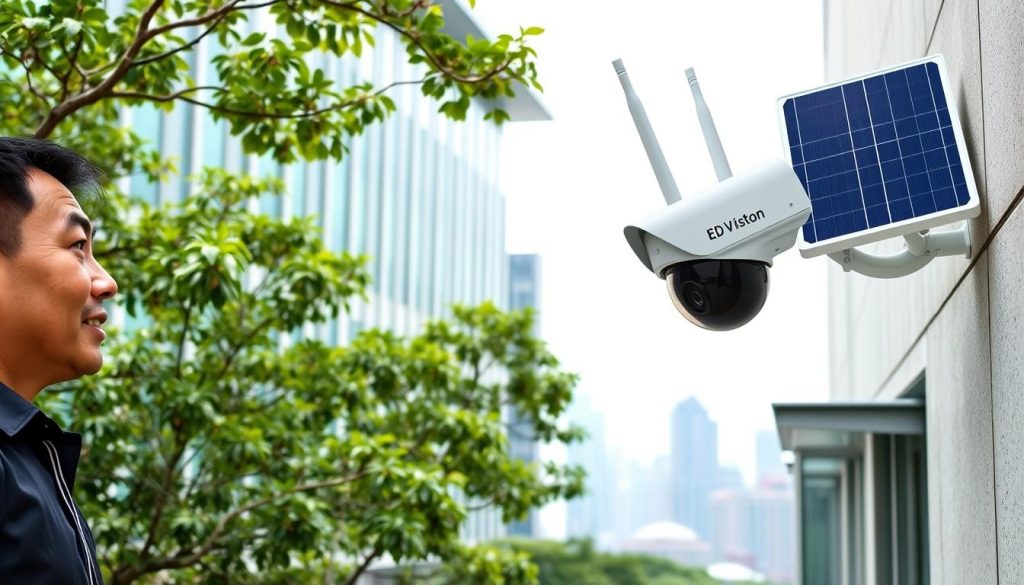
Ever wondered if CCTV cameras can record when they’re turned off? This question makes us think about how these systems work. They seem to operate even without a power source. Let’s look into how CCTV cameras record and clear up some myths about their use. Most CCTV cameras need power to record. When they’re off, they don’t capture any footage. To get the full picture, let’s dive into how these systems work and what people often believe about them. Key Takeaways The majority of real security cameras do not feature blinking red lights, unlike fake models. Traditional wireless security cameras often require cables for power supply. Modern security cameras can have standby modes that allow for some operation. Batteries can power cameras if unplugged, as long as they’re fully charged. Backup power solutions are key for keeping surveillance going during outages. A camera that’s physically turned off usually doesn’t record, unless it has a backup feature. It’s vital to follow the manufacturer’s instructions to understand how a camera works. If you want to learn more about the latest CCTV solutions and offers, contact ED Viston today at +65 8313 4578. Understanding CCTV Camera Basics CCTV camera basics cover Closed-circuit television technology and its key role in today’s surveillance systems. These cameras are used worldwide to boost security in homes and businesses. They combine lenses, sensors, and recording devices to meet various security needs. There are many types of monitoring device features for different places and needs: Dome CCTV Cameras: Great for indoor and outdoor use in places like shops, restaurants, and hotels. Bullet CCTV Cameras: Often used as a visible warning in manufacturing and property management. C-Mount CCTV Cameras: Have detachable lenses, good for monitoring utilities and logistics. PTZ Pan Tilt & Zoom Cameras: Allow remote viewing and cover big areas, perfect for retail. Day/Night CCTV Cameras: Work well in low light, great for outdoor areas with changing light. Infrared/Night Vision CCTV Cameras: Work best in complete darkness, ideal for banks and sensitive spots. Network/IP CCTV Cameras: Let you access footage online from anywhere, handy for business owners. Wireless CCTV Cameras: Easy to install and look discreet, good for places that care about looks. High Definition (HD) CCTV Cameras: Offer clear images, important for places where theft is a big worry. Statistics show the importance of CCTV surveillance. The British Security Industry Association found 4 to 5.8 million CCTV cameras in the UK by 2015. These cameras use about 4 to 6 watts of electricity daily, making them efficient. A 500 GB storage can hold about 18 days of video. Most CCTV systems don’t record sound, but some advanced ones do. This makes them even better at watching over places. Knowing these basics helps us see how important CCTV cameras are for keeping places safe. If you want to improve your security or explore new options, call ED Viston today at +65 8313 4578. They can tell you about the latest CCTV solutions and deals. How CCTV Cameras Operate in Different Modes CCTV cameras work in different modes to improve security and surveillance. It’s key to know these modes to fully understand how they work. Real-time monitoring is a main mode. It sends images to a central point over a closed network. This lets people watch their property live. The option for remote viewing makes it easy to check on places from anywhere. Recording modes are vital for keeping data safe. Continuous recording captures everything all the time. Motion-activated recording saves space by only recording when there’s movement. Each method affects how well the system works and how much data it needs. Most cameras need electricity to work right. Without it, even the best cameras stop working. Some cameras have backup batteries and storage to keep recording when there’s no power. But, these batteries only last so long. Places with backup power, like generators, keep CCTV cameras running. Important places, like hospitals, often use Uninterruptible Power Supplies (UPS) or generators too. Systems that need the internet to work often need special backup systems to keep going during power outages. Using the latest technology, like 4K UHD Continuous Recording, makes surveillance clearer and better. Features like infrared for night vision or status LED indicators help choose good surveillance. Always check the warranty when buying security gear to make sure it’s quality. In short, knowing how CCTV cameras operate in different modes is key to understanding their role in surveillance. If you want to boost your security, call ED Viston today at +65 8313 4578. They offer the latest CCTV solutions and deals. Power Requirements for CCTV Cameras Knowing the CCTV power requirements is key for top security camera performance. Various power sources are critical for closed-circuit television technology. They decide how and when cameras can capture footage. Old CCTV systems use standard electrical wiring. But, they might not work when power goes out, leaving gaps in surveillance. New systems with power over Ethernet (PoE) offer both power and data in one cable. This makes setup easier and more reliable. Battery backup solutions have changed how CCTV systems work. Cameras with battery backup keep recording even when power is out. For example, the Reolink Altas PT Ultra camera runs for 12 hours a day. It can last up to 8 days on one charge. This shows how important reliable power is. Power Source Type Operating Duration Cost Estimate Battery Backup CCTV 12 hours daily, up to 8 days on charge Varies UPS (Standalone) Continuous during outages About $30 UPS (Multiple channels) Continuous during outages Over $100 Solar-Powered Systems Up to 3 days without sunlight Varies Businesses and places often get hit by crime when power goes out. This makes it vital to have cameras that never stop working. Many cameras now have two power sources to keep recording even when power is lost. This helps keep places safe and deters crime. Connecting CCTV cameras to mobile devices can be a good backup when there’s no internet. Also, using solar batteries can
Can CCTV Cameras Record When Switched Off? Read More »