ED VISTON

Uncategorized

CCTV Footage Retention Period in Singapore

CCTV Footage Retention Period in Singapore

Ever thought about how long CCTV footage is kept in Singapore? It’s important for your privacy and security. Knowing the CCTV storage duration in Singapore is key, with the country boosting public surveillance. Over 90,000 police cameras are being updated, and more than 200,000 will be added by the mid-2030s. This increase in surveillance is aimed at improving public safety. But, it also brings up questions about data protection and following local laws. Both businesses and individuals need to understand how long they must keep footage. The Personal Data Protection Act (PDPA) requires proper consent and storage. This is important for those using surveillance systems. Want to know more about the factors affecting retention duration and CCTV guidelines? Keep reading to learn how to stay compliant and keep your property safe. For more help and the latest CCTV solutions, contact ED Viston today at +65 8313 4578. Key Takeaways The retention period for police camera footage is usually 31 days, with exceptions for ongoing investigations. New regulations mandate installation of Video Surveillance Systems (VSS) on larger construction sites. Over 90% of the public supports the use of police cameras for safety in Singapore. Obtaining consent is key under the PDPA before recording individuals through CCTV. CCTV systems can impact crime rates, but studies show mixed results. Understanding CCTV Footage Retention in Singapore CCTV footage retention is key for businesses in Singapore. The CCTV footage retention requirements Singapore say that places must keep surveillance footage for a certain time. This helps with both work needs and following the law, like the Personal Data Protection Act (PDPA). Starting June 1, 2024, big construction sites in Singapore must use Video Surveillance Systems (VSS). This is to make sites safer, as about £800 million worth of materials are stolen each year. It shows how important it is to follow rules about storing surveillance footage in construction. Construction sites will use CCTV that keeps clear images for 180 days. This helps spot safety risks quickly. Not following the VSS rules could cost up to $50,000. It’s very important for companies to know their CCTV rules. Having clear rules for keeping footage helps with legal cases. CCTV can also save money by cutting down on the need for guards. Plus, insurance might go down because of the lower risk of problems. Surveillance systems can do more than just watch. They can help with things like checking visitors and training staff. Companies in Singapore should really get to know the Singapore surveillance footage storage regulations to keep safe and follow the law. For more info on CCTV solutions and deals, call ED Viston today at +65 8313 4578. Data Protection Laws for CCTV Footage in Singapore The Personal Data Protection Act (PDPA) is key to Singapore data privacy laws for video surveillance. Companies using CCTV systems must follow strict rules about personal data. The guidelines were updated on 31 March 2022 to clarify how to handle CCTV footage. Before starting surveillance, companies must tell people about CCTV cameras. They need to say where the cameras are and why they are there. This is important for being open and following data protection laws for CCTV footage in Singapore. Recorded footage must also follow privacy laws, even in public areas. People can ask to see the footage, but access might be refused in some cases. This could happen if it might harm security or reveal business secrets. If many people want to see the same footage, they can ask together. Companies must delete footage when asked and give it in formats that meet certain standards. With the rise of drones, collecting personal data becomes more complex. Data Protection Officers play a bigger role in ensuring companies follow privacy laws. This shows a strong commitment to protecting personal data and meeting legal standards. For companies wanting to learn more about CCTV and compliance, getting expert advice is key. Contact ED Viston today at +65 8313 4578. They offer the latest CCTV solutions and services that fit your needs. How long is CCTV footage kept Singapore? The time CCTV footage is kept in Singapore changes based on several factors. These include the setting, the reason for watching, and the type of recording system. Knowing these helps people and businesses decide how long to keep CCTV footage. This ensures they follow the law and meet their needs. Factors Affecting Footage Retention Duration Several things affect how long CCTV footage is kept in Singapore: Type of Environment: Homes usually keep footage for at least two weeks. But, businesses must follow rules from the Media Development Authority. They need to keep footage for at least 30 days. Purpose of Surveillance: The reason for using CCTV affects how long footage is kept. Technical Specifications: The quality of the recordings also plays a role. It determines how long you can store the footage. Storage Capacity: What you use to store the footage matters. Options like DVR, NVR systems, SD cards, or cloud storage all impact how long you can keep it. Guidelines for Residential vs Commercial CCTV The right time to keep CCTV footage differs for homes and businesses: Type of Setting Recommended Retention Period Notes Residential At least 2 weeks Primarily for homeowner security and privacy. Small Businesses At least 2 weeks Usage mainly as a deterrent against theft. Commercial Minimum 30 days Compliance with regulatory standards. Large Corporations (e.g., Banking) 30 to 90 days, up to 6 months in some cases Extended retention for legal and security obligations. Businesses in Singapore need to have clear rules for keeping data. They should follow the Personal Data Protection Act (PDPA). It’s wise to talk to experts to figure out the best storage plan and make sure it’s legal. To learn more about CCTV solutions and offers, call ED Viston today at +65 8313 4578. CCTV Storage Solutions Available in Singapore In Singapore, many CCTV storage options meet various needs. They mix old and new tech. DVRs and NVRs are key for storing and getting footage.

CCTV Footage Retention Period in Singapore Read More »
solar charged security camera

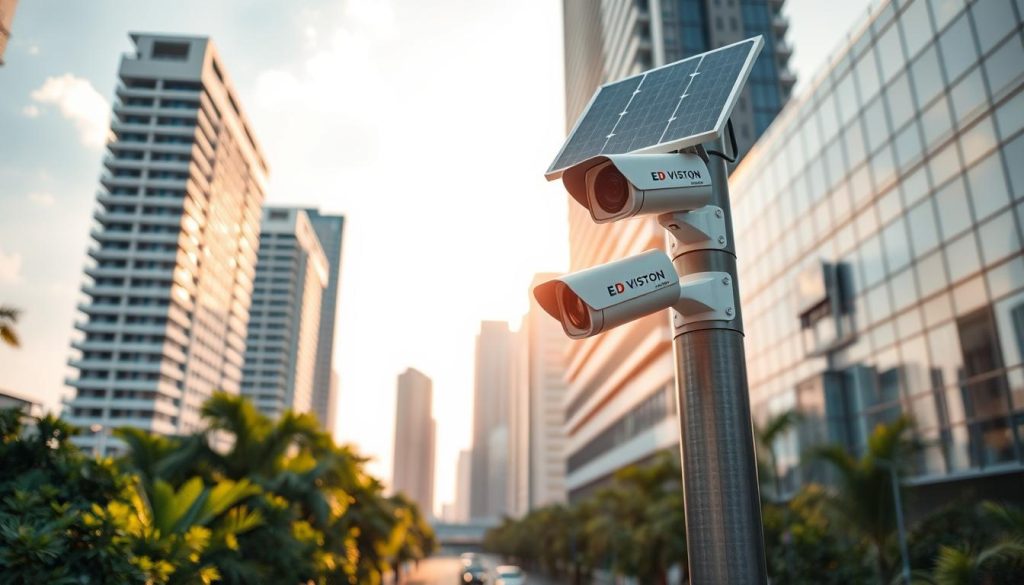
Solar Charged Security Cameras in Singapore

In Singapore’s sunny climate, solar charged security cameras are becoming more popular. They use solar power, which means less need for electricity. This makes them a great choice for those looking for green solutions. This article will explore how these cameras work and the top models on the market. We’ll cover everything from their operation to their features. Key Takeaways Solar charged security cameras offer a sustainable surveillance solution for homes and businesses. These devices can operate efficiently without wired electricity sources. Various models provide high-definition video and advanced motion detection capabilities. Solar powered security cameras can significantly lower energy costs, potentially up to 75%. Regular maintenance is key to keeping them working well for a long time. Outdoor solar security cameras are perfect for places like Singapore with lots of sunlight. Understanding Solar Charged Security Cameras Solar charged security cameras are changing how we watch over our places. They use solar panels to get power from the sun. This means they don’t need electricity from the grid. Some cameras, like the Eufy SoloCam S40, have solar panels built in. Others, like the Reolink Argus Pro 3, have solar panels you can attach. This makes them great for places where it’s hard to get to the grid. These cameras have batteries that can last for days, even without sunlight. For example, the Ring Stick Up Cam and Arlo Pro 4 Spotlight Camera work well in very cold or hot weather. Using the sun’s power, these cameras are better for the planet than old security systems. They can record in high detail and see in the dark. This makes them perfect for watching over the outside of your home. Here’s a table showing some top solar powered security cameras: Camera Model Resolution Battery Capacity Operating Temperature Internal Storage Eufy SoloCam S40 1080p High Capacity -4°F to 140°F 32GB Reolink Argus 3 Pro 2K 9600mAh -4°F to 140°F Cloud Storage Arlo Pro 4 Spotlight 2K HDR High Capacity -5°F to 120°F Local & Cloud Storage When picking a solar powered CCTV system, think about your area’s sunlight and weather. These cameras are made to last in all kinds of weather. They’re a solid choice for keeping an eye on your place for a long time. Why Choose Solar Powered Security Cameras? Solar powered security cameras have many benefits. They don’t need traditional electricity, which saves money on installation. Users love the benefits of solar powered security camera systems because they use solar panels to make their own power. These cameras work on clean energy and need little to no upkeep. They stay charged during the day, working well at night too. This is great for places without power. These systems can be installed almost anywhere with sunlight. They come with cool features like remote monitoring and mobile app access. This makes them a top choice for keeping places safe. Even though they might cost more upfront, they save money on bills and are better for the planet. Choosing solar powered security cameras is a smart, green way to improve security. Benefits of Using Outdoor Solar Security Cameras Outdoor solar security cameras have many benefits. They are energy-efficient, using solar power instead of electricity. This means no monthly bills for electricity. Setting them up is easy and fast. You don’t need to spend a lot on infrastructure. This saves time and money, making it simple for anyone to install. These cameras are also mobile. You can place them anywhere without worrying about wires. They work well even in areas with little to no electricity. They need little maintenance because there’s no wiring to damage. The solar panels work well even on cloudy days. This makes them good for the environment too. Using solar cameras can save you money in the long run. You won’t have to pay for electricity, and they cost less to maintain. They also help keep your property safe from crime. Overall, outdoor solar security cameras are a smart choice. They are good for the planet and save you money. They make your property safer and more secure. The Best Solar Security Camera Options in Singapore In Singapore, the solar security camera options are many and varied. Looking at different models can help find the best solar charged cameras for your needs. The Reolink Argus 4 Pro stands out with its 4K UHD resolution and up to six months of battery life. This shows how long and good solar-powered cameras can be. The Eufy SoloCam S340 is also a great pick. It has 3K resolution and lasts up to three months on battery. It’s a good deal at $549.99 for two. Here’s a detailed comparison of some of the best solar security camera options: Model Rating Resolution Battery Life Price Reolink Argus 4 Pro 9.4/10 4K UHD Up to 6 months N/A Eufy SoloCam S340 4.3/5 3K 3 months $549.99 (two-pack) Hikvision Solar Camera 9.4/10 1080p 7 days N/A Lorex Solar Camera 9.6/10 1080p Varies $80 (charger) Ring Spotlight Cam Pro 9.2/10 1080p 6-12 months $140 Each solar security camera has its own special features. They offer everything from high video quality to long battery life. They work well even without sunlight. With smart tech like motion detection and 4G, they’re great for keeping an eye on homes and businesses in Singapore. How a Solar Panel Security Camera Works It’s key to know how solar panel security cameras work to get the most out of them. These cameras turn sunlight into electricity through solar panels. They need 5 to 8 hours of sunlight a day to fully charge. This charge lets them work at night, using stored energy. This is how they keep your place safe even when it’s dark. These systems can keep charging even when it’s cloudy or light is not direct. They use big batteries that last 5 to 10 years with care. You might need to replace these batteries every 3 to 5 years, but it’s worth it for the camera’s long life. They can

Solar Charged Security Cameras in Singapore Read More »

camera maintenance guide

Camera Maintenance Necessity – Your Guide

Ever thought about what could ruin your photography dreams? It’s not just about the camera or lens you choose. How well you take care of it is key to your success. Keeping your camera in top shape is vital for its longevity, performance, and image quality. This guide offers essential tips and a detailed upkeep guide. It shows why and how to maintain your camera. Don’t let neglect damage your investment in this essential tool. Let’s explore why and how to keep your camera working well. Key Takeaways Regular maintenance extends the lifespan of expensive camera gear. Using the right cleaning tools is essential for your camera’s upkeep. Signs of neglect can lead to costly repairs or compromised image quality. Structured cleaning workflows are key to maintaining camera effectiveness. Professional cleaning services can be necessary for optimal camera performance. For more information on maintaining your equipment and to explore advanced solutions, contact ED Viston today at +65 8313 4578. Find out more about the latest CCTV solutions & offers. Understanding the Importance of Camera Maintenance Keeping your camera in top shape is key to great photos. Regular care helps your camera last longer. Without it, your photos might not be as good. By following the best practices for camera maintenance, you can make your photos clearer and your camera last longer. The role of regular maintenance in camera longevity It’s wise to service your camera every 1-2 years. This helps avoid expensive fixes. Cleaning your lens often is also important, like after using it a lot or when it’s dirty. Storing your camera right is also important. Keep it dry and use a case for your memory cards. These steps help prevent damage and keep your camera working well. Enhancing performance and image quality through care Cleaning your camera is just the start. Keeping your camera’s software up to date is also important. This makes your camera work better. Protective gear like UV filters and lens hoods also helps. They prevent scratches and damage. Taking care of every part of your camera is essential. For example, taking out the battery when not in use can help it last longer. This way, your camera is always ready to go. Taking good care of your camera ensures your photos are sharp and vibrant. For more help, call ED Viston at +65 8313 4578. They offer the latest in CCTV solutions and deals. Do Cameras Need Maintenance? Yes, cameras need regular maintenance to stay in top shape. Many wonder, do cameras need maintenance? The answer is a clear yes. Without it, your camera’s performance and lifespan can suffer greatly. What happens when you neglect maintenance? Both pros and hobbyists face big problems if they ignore camera care. Issues like poor image quality and broken parts can happen. These problems can also lead to expensive fixes. A camera that’s not maintained well will show signs of wear. This is true, even more so if you use it a lot or in harsh conditions. Travelers with cameras will find their gear wears out faster, needing more upkeep. Signs your camera needs attention Spotting early signs of trouble is key to avoiding bigger problems. Look out for: Inconsistent performance during use Dust or debris on the sensor Lower image quality that affects your work Constant error messages or breakdowns Regular checks on your camera can catch these issues early. By following good camera care, your gear will always be ready for you. If your camera has specific needs or shows concerning signs, reach out to ED Viston at +65 8313 4578. They can guide you on the latest CCTV solutions and offers. Essential Camera Maintenance Tips To keep your camera in great shape, following some key maintenance steps is important. Photographers can really benefit from a detailed camera maintenance checklist. This checklist helps you tailor maintenance to how often you use your camera and where you use it. Doing simple tasks can make your camera work better and last longer. Basic maintenance practices for all photographers Regular care is key to making your camera last longer. Here are some basic steps: Clean your lenses often with a microfiber cloth to get rid of smudges and dust. Look for moisture or dust inside the camera body, mainly when you switch lenses. If you’re a pro photographer, have your DSLR serviced at least once a year because you use it a lot. Keep your camera in a cool, dry spot, away from direct sunlight and extreme temperatures. Take out the batteries when you’re not using the camera for a long time to avoid leaks. Choosing the right cleaning tools Picking the right cleaning tools is very important for good maintenance. Here are some good choices: Microfiber cloths are perfect for cleaning lenses gently without scratching them. Rocket blowers are great for blowing away dust without touching the lens. Lens pens can help clean off smudges without harming the lens surfaces. UV filters can protect your lenses from scratches and dust. By following these essential camera maintenance tips, you can keep your gear safe and make sure it works its best. For more on camera solutions and the latest deals, call ED Viston today at +65 8313 4578. Cleaning Your Camera Properly Proper cleaning is key to keeping your camera in great shape. Regular care keeps your equipment working well and improves picture quality. A good camera upkeep guide helps your gear last longer and look better. Step-by-step guide to lens cleaning Begin by using a blower to remove big dust particles from your lens. This step helps avoid scratches. Then, use a microfiber cloth to wipe the lens gently, with light pressure. If smudges don’t go away, a bit of lens cleaning solution on the cloth can help. This way, you clean well without harming the lens coating. How to clean the camera sensor safely To clean the sensor, turn on your camera’s sensor cleaning mode. Use a sensor swab made for your camera and a special

Camera Maintenance Necessity – Your Guide Read More »

Optimal CCTV service frequency in Singapore

Optimal CCTV Service Frequency in Singapore

With security breaches on the rise, it’s key to ask: how often should CCTV be serviced? In Singapore, a 25% jump in thefts in 2023 highlights the need for regular checks. Keeping surveillance systems in top shape is essential for both businesses and homes. This piece explores the importance of regular CCTV upkeep. It shows how often these systems need professional care. With the right maintenance, your cameras can work better, preventing crimes and improving monitoring. For businesses, this means better security and more peace of mind. For the latest in CCTV solutions, reach out to ED Viston at +65 8313 4578 today. Key Takeaways Regular CCTV camera maintenance can be scheduled monthly, quarterly, or annually based on specific requirements. Maintenance tasks may involve checking IR LEDs, seals, gaskets, and moving parts. Factors influencing maintenance frequency include system complexity and environmental conditions. Degraded image quality and irregular camera operation are signs that CCTV maintenance is needed. Emergency maintenance services are available for urgent security concerns. CCTV technicians are certified and trained to address critical issues promptly. The Importance of Regular CCTV Servicing Keeping CCTV systems working right is key to today’s security plans. Regular checks are vital to keep surveillance systems running smoothly. They catch problems early, helping cameras and recorders last longer. Understanding the Role of CCTV in Security CCTV cameras watch over us 24/7, stopping crime and keeping employees honest. They help solve security issues with clear footage. Regular checks make sure they work best when needed. Impact of Improper Maintenance on Surveillance Effectiveness Ignoring maintenance can harm surveillance efforts. Issues like bad images or recording failures can happen. Planned maintenance keeps systems running, giving businesses peace of mind. For custom CCTV solutions and the latest deals, call ED Viston at +65 8313 4578. How Often Should CCTV Be Serviced? It’s important to know how often to service your CCTV system. Experts say to check it once a year with your CCTV vendor. This ensures both live and recorded data work well. The need for more frequent checks depends on the area and how much the cameras are used. If your area is busy or the weather is harsh, you might need to check your CCTV more often. This could be every six months or even every three months. Make sure to inspect the camera housing, connections, and protect against power surges. It’s also good to do a basic check every month. Maintenance tasks include: Checking how well the hardware and software work Updating firmware to fix security issues Testing camera lenses for focus and calibration Cleaning off dust and dirt from parts Checking motion sensors to avoid problems Outdoor cameras need more care because of dust and weather. Indoor cameras should be checked often to stop tampering. Getting help from a professional security company can help fix any issues quickly. For a maintenance plan that fits your needs, call ED Viston at +65 8313 4578. They can tell you more about CCTV solutions and offers. CCTV Maintenance Frequency: A General Overview Knowing the right CCTV maintenance frequency is key to a system’s reliability and function. Experts stress the need for regular inspections. Following common CCTV maintenance recommendations helps keep systems running smoothly and securely. The maintenance schedule must be adjusted based on the environment and operational needs. Common Recommendations from Industry Experts Experts suggest checking CCTV systems every six to twelve months. A proactive approach, like servicing units four times a year, can cut downtime by a lot. For example, businesses that did this saw a 30% drop in disruptions. Regular checks help spot problems early, like cable failures, which cause 45% of system failures. Factors Influencing Maintenance Frequency Several factors affecting CCTV servicing play a role in setting the best maintenance schedule: Environmental conditions: Dust, moisture, and temperature changes can harm camera performance, more so outdoors. Usage patterns: Cameras used a lot or in busy areas need more upkeep. Camera type: Indoor cameras need less service than outdoor ones, due to less environmental stress. Considering these factors ensures CCTV systems stay reliable and effective. Regular cleaning, inspections, and software updates help avoid failures. This keeps CCTV systems working well over time. For specific advice on your CCTV system and to find out about the latest solutions and offers, call ED Viston today at +65 8313 4578. Best Practices for CCTV System Maintenance Keeping a surveillance system in top shape is key. It helps it last longer and work better. A good CCTV maintenance checklist is essential. It helps you keep an eye on your system’s health. Regular tasks make upkeep easier. Checklist for Regular CCTV Inspections A detailed checklist makes maintenance smoother. It ensures every part of your CCTV system is checked often. Important parts include: Checking camera alignment for proper coverage Cleaning lenses to enhance image clarity Ensuring secure connections between components Verifying software updates to maintain functionality Inspecting camera housing for physical damage Reviewing power supply connections to prevent outages Monitoring recording functionality through regular playback of footage Common Maintenance Tasks to Implement Following a checklist is just the start. Regular tasks are also important. These include: Cleaning CCTV cameras at least once every three months Inspecting cable connectors regularly for any signs of wear or corrosion Checking power supplies to ensure steady operation Reviewing the surrounding environment for any obstructions affecting outdoor camera views Periodically assessing camera placement for optimal angles Using automated notifications for instant alerts on camera downtime Utilizing firmware updates that address vulnerabilities and improve performance Following these best practices keeps your CCTV system running smoothly. It ensures quality footage and effective surveillance. For more on CCTV solutions and offers, call ED Viston at +65 8313 4578. CCTV Service Intervals: What to Consider Knowing when to service your CCTV system is key. Different seasons and environments can affect how well your cameras work. Regular checks keep your system running smoothly and ready for any changes. Seasonal Considerations for CCTV Servicing Seasonal changes can impact your outdoor cameras. Heavy rains

Optimal CCTV Service Frequency in Singapore Read More »

CCTV maintenance services in Singapore

CCTV Maintenance Costs in Singapore – Overview

Do you know that the safety of your home or business depends on more than just installing a CCTV system? It also relies on the ongoing maintenance costs. In Singapore, the need for good security is growing. So are the costs for CCTV maintenance. While installing a system can cost a few hundred to over a thousand dollars, many forget to budget for maintenance. This part will explain what affects CCTV maintenance costs and why keeping your systems in top shape is key. It’s important to understand the ongoing cost of CCTV maintenance. Your property’s security depends on these systems working well. Many factors, like the type of cameras and recording devices, influence the maintenance price. Having a good maintenance plan can prevent unexpected costs. For custom solutions, reach out to ED Viston at +65 8313 4578 to explore your options and offers. Key Takeaways CCTV installation costs for HDB flats can range from hundreds to over a thousand dollars. Multiple cameras increase installation and maintenance expenses. Higher-resolution cameras often lead to larger files and greater storage needs. Additional costs may include warranties and special installation fees. Working with experienced installers ensures accurate cost evaluations. Recurring maintenance and monitoring fees are essential for long-term functionality. Understanding CCTV Maintenance in Singapore Knowing how to maintain CCTV systems is key to keeping them working well. Regular checks can make them last longer, improve video quality, and work better. In Singapore, it’s important for both homes and businesses to keep their security systems in top shape. A good maintenance plan includes cleaning camera lenses, checking cables, and updating software. Experts in security systems do this work. They use the latest tools to check your system deeply. By keeping up with maintenance, you can fix problems before they get worse. This saves money and keeps your system running smoothly. In Singapore, different cameras need different care to work right. Signs you need maintenance are poor video, cameras not working right, and lost connections. Spotting these issues early helps keep your security strong. Certified techs who know the latest in security can give you peace of mind. To find out how to keep your CCTV system in top shape, call ED Viston at +65 8313 4578. They have years of experience and can improve your security. Learn more about advanced security systems at Wenhong’s IP CCTV solutions. Factors Affecting CCTV Maintenance Costs Knowing the factors affecting CCTV maintenance costs is key for those investing in security systems in Singapore. Many elements play a role in the CCTV costs for upkeep and operation. The number of cameras affects maintenance costs. A simple system with a few cameras needs less care than a complex one. Cameras with advanced features like night vision cost more to maintain. Installation complexity also matters. Outdoor cameras need special mounts and weatherproofing, adding to costs. Labour costs vary based on the site’s location and structure. Recurring costs like storage solutions add up. Local storage is a one-time cost, but cloud storage has monthly or yearly fees. The choice between wired and wireless systems also affects costs. Wired systems might be cheaper upfront but need more maintenance over time. When looking at CCTV costs, consider vendor fees and warranties. Good service providers charge for regular maintenance or emergency repairs. Choosing a reliable vendor can extend your CCTV system’s life and effectiveness. In short, knowing these key factors helps property owners make smart choices. They can better plan their security investments. For more help and to see the latest CCTV solutions, contact ED Viston today at +65 8313 4578. How much is CCTV maintenance? Knowing the cost of CCTV maintenance helps businesses plan their security budgets. The price varies based on the system’s complexity and the services needed. Regular upkeep is key to keeping your security system running well and lasting longer. Here, we look at typical maintenance costs and what affects them. Typical Price Ranges for Maintenance Services Companies offer maintenance plans for an 8-camera system. The yearly cost ranges from S$500 to S$1,500. This depends on the services included. Full packages might include: Camera upgrade services Troubleshooting Technical support These services help avoid unexpected problems and keep your system running smoothly. The cost reflects the quality of the services, the technicians’ skills, and the equipment’s condition. Factors Influencing the Cost of Maintenance Several things can change the maintenance price: Service frequency: More frequent visits can lead to better deals. Technician skill level: More skilled technicians might charge more but offer better service. Specific maintenance needs: Complex systems need more detailed work, which can be more expensive. Regular maintenance is essential to avoid surveillance gaps and security risks. Companies like Astrol Security provide 24/7 emergency help, showing the importance of always having professional support ready. For more details on CCTV maintenance and current deals, call ED Viston at +65 8313 4578. CCTV Maintenance Services Available In Singapore, many CCTV maintenance services are available. They cater to different needs, keeping security systems working well. You can choose from routine checks to full service packages to boost your surveillance system’s performance. The CCTV Maintenance Plan Platinum is perfect for a 16-camera system. It comes with free 16 pieces of Choice brand 3MP IP POE Dome or Bullet cameras. Or, you can choose 16 pieces of Hikvision brand 2MP Analog Dome or Bullet cameras. These plans ensure your security system works reliably and efficiently. Service plans often extend warranties up to two years. They offer benefits like up to 25 site visits and equipment replacement. Technicians can fix issues in 3-7 working days, depending on the problem. This shows how important CCTV upkeep is for keeping your security effective. CCTV preventive maintenance is key for top performance and avoiding failures. Emergency repair services offer fast help for urgent problems, fixing them quickly. Maintenance packages might include extras like a 24″ monitor for $198.00 or Cat6 Lan Cable 305m for $98.00. Upgrades, like audio or IP POE from HIKVision, can be added, with a 10% price

CCTV Maintenance Costs in Singapore – Overview Read More »

neighbor security camera blocking

Block Neighbors Camera: Legal Options in Singapore

With more CCTV cameras around, many wonder how to block their neighbor’s camera legally in Singapore. Living in close quarters, like in HDB flats, raises privacy concerns. The rise in surveillance devices has sparked debates about personal space and privacy. Experts say CCTV demand has gone up by 20% to 25%. Town council by-laws now address unauthorized camera installations. While cameras boost safety, they also threaten privacy. For advice on CCTV issues, contact ED Viston at +65 8313 4578 for the latest solutions and offers. Key Takeaways The demand for CCTVs in Singapore’s residential areas has significantly increased recently. New regulations allow HDB residents to install corridor-facing cameras without prior approval. Complaints regarding CCTV usage have decreased, indicating improved neighborly disputes. Legal avenues exist for residents concerned about unauthorized surveillance. Smart surveillance options, like doorbell cameras, are increasingly accepted in HDB flats. Engaging with neighbors amicably is often the first step to resolving privacy concerns. Understanding CCTV Configuration in Singapore In Singapore, CCTV cameras are becoming more common. There are about one million cameras for surveillance. Homeowners in HDB flats are now thinking about installing them for security. HDB rules say you can put CCTV cameras in your home without asking first. But, there are rules to follow. Cameras can’t point at your neighbor’s windows or doors. There’s a rise in smart devices like video doorbells. They add security without breaking privacy rules. It’s important to know the latest HDB rules on cameras. Flat owners can now put cameras facing corridors without needing permission. Knowing all the rules about CCTV is key. If you want professional help, there are services in Singapore that can help. Experts who know HDB rules can help install cameras right. This is important for following the law. CCTV systems in Singapore help stop crime. Many people think they make homes safer. For more information on CCTV, call ED Viston at +65 8313 4578. Average cost for CCTV systems can be significant, including camera and installation fees. Residents can install cameras in their private areas without formal approvals. Maintaining up-to-date knowledge of camera regulations is vital. CCTV plays a significant role in legal processes, providing essential evidence. Aspect Details Permission for Installation No approval needed for private flats, approval required for common areas. Type of Devices Video doorbells and standard CCTV for monitoring. Legal Compliance Follow Personal Data Protection Act guidelines for CCTV usage. Legal Rights Regarding Surveillance in Singapore Surveillance in Singapore is a complex issue for residents. It’s important to know about Singapore privacy laws to stay within legal bounds. Homeowners can install security cameras for safety, but they must respect others’ privacy. Installing cameras without permission can upset neighbors or lead to legal trouble. This is why it’s key to follow the rules. More people are buying CCTV cameras, with sales of 150 to 200 cameras a month. This shows a growing concern for personal safety. But it also highlights the need to follow CCTV laws Singapore. It’s vital for residents to know the laws about surveillance. The Community Disputes Resolution Act warns of legal issues if surveillance crosses into neighbors’ space. Town councils can remove unauthorized cameras on common property, showing the importance of following the rules. If you’re thinking about getting a CCTV system, talk to experts. They can help you find a solution that’s both secure and legal. For more information, check out the latest CCTV solutions. Always think about others while keeping yourself safe. How do I block my neighbors camera? Many people look for ways to block their neighbor’s camera. It’s important to know the legal ways to do this. This ensures you follow the law and protect your privacy. There are several methods, from physical barriers to talking to your neighbor. Exploring Legal Boundaries Legal ways to block a camera include using physical barriers. You can plant tall trees or shrubs to block the view. Privacy fences or screens also work well to keep your space private. Even simple things like curtains can help. Before you block a camera, it’s smart to talk to a lawyer. They can help you understand local laws about surveillance and privacy. Some cameras have blind spots, which can help your privacy. Talking to the camera owner might solve the problem without trouble. Potential Consequences of Blocking Camera Views Blocking a neighbor’s view might seem easy, but there are risks. Avoid using things like infrared lights or camera jammers. These can get you in trouble with the law. Talking to your neighbor or using mediation can be better. This way, you avoid legal problems and keep peace. Remember, any illegal action can make things worse. If you need help or want to install your own outdoor camera, call ED Viston at +65 8313 4578. They can tell you about the latest CCTV solutions and offers. Recent Changes in HDB Regulations HDB regulations on CCTV installations in Singapore have seen big changes. Now, homeowners can put up CCTV cameras facing corridors without HDB’s okay first. This move is to boost security in homes. CCTV cameras are great at stopping bad stuff from happening. They help prove things in court, which is good for people living in homes. For example, CCTV has helped solve cases of theft and harassment before. The new rules also talk about keeping privacy in mind. Homeowners must make sure CCTV doesn’t spy on neighbors. Breaking these rules can lead to big fines or even jail time. It’s smart to get CCTV installed by pros who know about HDB flats. They can set up cameras just right, make sure they work well, and let you watch them from anywhere. This makes homes safer and easier to manage. The goal is to keep homes and families safe. As more people see how CCTV helps, following the new HDB rules is key. Want to know more about CCTV systems? Call ED Viston at +65 8313 4578. Following the rules while keeping safe is good for everyone in the community. Guidelines for

Block Neighbors Camera: Legal Options in Singapore Read More »

Can water destroy CCTV camera?

Can Water Destroy CCTV Camera? Risks & Protection

Is your CCTV system safe from the weather, or is it at risk of failure with just one rainstorm? The question of whether water can harm a CCTV camera is more important than many think. This is true, even more so in places like Singapore, where rain is a regular occurrence. Knowing the risks of water damage to CCTV cameras is key to keeping them working well and secure. This article will look at how water can impact camera performance. We’ll also share real-life examples of water damage and discuss important steps to protect your CCTV camera from water. Key Takeaways CCTV cameras outside are more likely to be vandalized than those indoors. In places like Singapore, heavy rain can cause serious water damage. Lightning can also harm CCTV systems by creating short circuits. Keeping your system updated and maintained is essential to avoid water damage. Outdoor cameras should have an IP67 or higher rating for good water protection. Moisture, like condensation, can also affect camera performance in extreme temperatures. If you want to protect your security system from water damage, contact ED Viston today. Call +65 8313 4578 to find out about the latest CCTV solutions and offers made just for you. Understanding CCTV Cameras and Their Vulnerabilities CCTV cameras are key in today’s security systems. They help watch over homes and businesses. Modern systems let owners check in from anywhere in the world. But, these cameras have weaknesses. They can get damaged by weather or water. They might also get hurt by physical attacks. It’s important to install them right to avoid these problems. Hacking is another big risk. Many CCTV systems can be hacked. Using a VPN when connecting to ARCs helps keep data safe. This stops hackers from getting in. Here are some common problems with CCTV cameras: They can get damaged by bad weather. They might get broken or tampered with. Things like insects or dust can block their view. They can be hacked, leading to stolen data. Knowing about these issues helps keep CCTV systems working well. New tech like 4K NVRs and high-def DVRs improve picture quality. But, they don’t fix all the problems. Regular checks and updates are needed to keep them safe and useful. Want to learn more about CCTV solutions? Call ED Viston at +65 8313 4578 today. The Impact of Water on CCTV Camera Performance Water can really mess with CCTV cameras. In places like Singapore, heavy rain can make images blurry. This is because of poor sealing, which leads to condensation. Condensation is a big problem, often caused by temperature changes. This happens a lot in late summer and autumn. Putting cameras in the wrong spots can make things worse. Even waterproof cameras can get foggy if not installed right. It’s key to follow the installation rules, even for indoor cameras used outside. https://www.youtube.com/watch?v=2NSrnr5n4nc Using silica gel or desiccants can help get rid of moisture. Adding heaters or blowers with silica gel stops condensation. Choosing a reliable brand with good customer service is important. They can offer solutions to keep your system working well. It’s vital to pick the right spot for your camera. Places like soffits, porches, and garage entrances are good. They keep your camera away from harsh weather. Regular checks and maintenance will help keep your camera working well. To find out more about CCTV solutions and deals, call ED Viston today at +65 8313 4578. Can Water Destroy CCTV Camera? Water is a big threat to CCTV cameras. It can damage these important systems. Knowing how water harms them shows why we need to protect them well. The Mechanisms of Water Damage Water damage in CCTV cameras usually comes from short circuits and corrosion. Water in electrical parts can cause short circuits, making the camera stop working. Also, moisture can corrode parts, making the camera fail. Condensation is a big problem, too. It happens when warm, moist air meets cool camera surfaces. Cameras without good seals face these issues more often. Real-Life Examples of Water Damage to CCTV Many CCTV cameras have been damaged by water. Cameras in rainy areas often get condensation. This is true for up to 5 out of 10 cameras from some brands. Brands like Dahua and Reolink know about these problems. They give tips on how to avoid moisture damage. A case where cameras didn’t work well in the rain shows the need for waterproof housing and the right installation. Example of CCTV Damage Cause Preventive Measure Condensation inside camera Dramatic temperature changes Use cameras with higher IP ratings (e.g., IP66) Corrosion of components Extended exposure to rainfall Seal cameras in waterproof boxes Short circuit Water intrusion Install heaters or blowers Knowing how water can harm CCTV cameras is key. It shows why we should buy good products and install them right. For more on CCTV solutions and deals, call ED Viston at +65 8313 4578. Effects of Water on CCTV Camera Functionality The water effects on CCTV functionality can really mess with security cameras. One big problem is when the camera doesn’t record video right because of moisture. This can cause big CCTV operational risks, as important footage might get lost when it matters most. Water damage can also make the camera’s image quality go down. Moisture on the lens can make the view blurry and unclear. This can make it hard to keep an eye on things, leaving places open to crimes like vandalism and burglary. Businesses, which face property crimes four times more than homes, can’t afford to lose security. In the worst cases, water can even make the camera stop working. Water can cause short circuits that lead to static electricity, making the camera useless. Make sure to do regular checks on CCTV systems, and do them before big weather changes to avoid these problems. It’s also important to think about where CCTV cameras are placed. Cold weather can freeze parts of the camera, while too much heat can make it overheat. Using weatherproof

Can Water Destroy CCTV Camera? Risks & Protection Read More »

CCTV camera repair guide

CCTV Camera Repair Guide – Can It Be Fixed?

Ever thought, “Is CCTV camera repairable?” CCTV cameras are key to our security systems. They often face problems that seem too big to fix. Many people are scared to try and fix them, fearing it could make things worse. This guide will look into if CCTV cameras can be fixed. We’ll cover common issues, how to troubleshoot, and when to call a pro. Before you give up or call for help, let’s see if you can fix your CCTV camera yourself! Key Takeaways Assess your CCTV camera problems before opting for repairs. Common issues include power supply failures, networking glitches, and camera lens problems. Many minor issues can be resolved with simple DIY fixes. Understanding repair costs can help you make informed decisions. Regular maintenance can prolong the lifespan of your CCTV system. If your CCTV camera is giving you trouble, don’t worry. Call ED Viston today at +65 8313 4578. Learn about the latest CCTV solutions and offers! Introduction to CCTV Camera Repair Knowing how to fix CCTV cameras is key for good security. These cameras watch over our homes and businesses. But, they can face many problems, from simple wear to complex tech issues. Regular checks can stop big repairs and keep things running smoothly. It’s important to keep them in good shape. When fixing CCTV cameras, it’s good to know the usual problems. Issues like lost video, connection problems, or broken parts are common. Knowing these can help fix things faster. It’s not just about fixing things when they break. Taking care of them before problems start can make them last longer. This keeps them working well. If you’re having trouble with your CCTV system, getting help from experts is a good idea. They can solve big problems quickly. For more help or to find new CCTV solutions, call ED Viston at +65 8313 4578. They can help improve your security. Understanding Common CCTV Camera Issues CCTV cameras are key to keeping us safe and secure. Knowing the common problems they face helps us fix them quickly. Issues like unclear images or broken video feeds are common. Let’s look at some of these problems. Power Supply Failures Power issues are a big problem for CCTV systems. Bad power cords and weak batteries can cause them to stop working. To fix this, check that all connections are tight. If it doesn’t work, getting help from a CCTV expert is a good idea. Networking Glitches Network problems can mess up CCTV systems, even more so with Wi-Fi cameras. If your network goes down, your video feeds will too. Make sure your router is in the right spot and fix any network issues. This will make your surveillance better. Camera Lens Problems Problems with the camera lens can make images blurry. Dust, fingerprints, or the lens being off can cause this. Clean the lens and make sure it’s right. If it’s not working, getting help from a pro can fix it. If you’re having trouble with your CCTV system, get expert help. Call ED Viston at +65 8313 4578. They offer the latest CCTV solutions and services just for you. Is CCTV Camera Repairable? When we ask, Is CCTV camera repairable?, it’s key for keeping surveillance systems working well. Many common problems with CCTV cameras have easy fixes. Issues like power problems or dirty lenses can often be fixed without a pro. Modern IP cameras are becoming more common in security. They offer better video quality and live monitoring. These systems need less upkeep than older analog cameras. For example, Ethernet cables are better for longer distances and cost less than RG59 Siamese cables. Deciding to fix or replace a camera depends on a business’s security needs. For those needing real-time monitoring, new tech might be better. Modern systems have features that help prevent emergencies by improving monitoring. For complex problems, you might need a pro to fix your CCTV camera. Experts can figure out the best solution. It’s important to consider your budget and the current tech you have. So, knowing the problem well is key to deciding if is CCTV camera repairable?. Being proactive with maintenance can make your surveillance systems last longer. To find out more about the latest solutions and offers, call ED Viston today at +65 8313 4578. Diagnosing CCTV Camera Problems Knowing how to find problems with your CCTV camera is key for it to work well. Many things can go wrong, like power or network issues. By following the right steps, you can fix problems quickly and save money. Checking Power and Connections First, check the power and connections. A steady power supply is needed for your camera to work right. Look for: Loose or damaged wires Secure connections to power outlets Proper voltage levels, preventing power surges or shortages If you find any problems, it’s best to call a CCTV camera technician. Fixing these issues early can stop bigger problems later. Network Connectivity Troubleshooting Then, check the network connection. It’s important for your camera’s performance. Here’s what to do: Check the IP address settings to ensure they align with your network. Perform a network speed test to identify any slowdowns. Inspect router and modem connections for proper functionality. If you’re having trouble, contact ED Viston today at +65 8313 4578. Learn about the latest CCTV solutions and offers. Simple DIY Fixes for CCTV Cameras Fixing common CCTV camera issues is easy with DIY methods. Knowing how to repair these problems saves time and money. Here are two simple ways to improve your CCTV system’s performance. Cleaning the Camera Lens Regular maintenance boosts your CCTV footage’s clarity. A dirty lens causes image distortion. Cleaning it can greatly improve your surveillance. Use a soft microfiber cloth and a bit of lens cleaner. Gently wipe the lens. Make sure to remove all dust and fingerprints. Clean lenses lead to better surveillance. They also reduce the need for costly CCTV camera maintenance. Resetting the Camera Settings Resetting your camera can fix connectivity problems and software

CCTV Camera Repair Guide – Can It Be Fixed? Read More »

CCTV face recognition technology identifying individuals

CCTV Effectiveness: Can It Identify a Person?

Many wonder if CCTV cameras can really identify people or if they just make us feel safer. With billions of CCTV cameras around the world, they are key in stopping crimes and keeping us safe. In the UK, for example, over 4 million CCTV cameras have helped lower burglary rates. But, the ability to track people depends on the technology and who watches the cameras. This raises questions about privacy and the use of facial recognition technology. As employee theft in England and Wales grows, so does the debate over CCTV face recognition. Employers and law enforcement are weighing privacy against the benefits of facial recognition. It’s important to understand both the strengths and weaknesses of using CCTV to identify people. If you want to improve your security, knowing how CCTV works is key. For the latest in CCTV solutions and offers, call ED Viston at +65 8313 4578. Key Takeaways Over 4 million CCTV cameras are operational in the UK, helping to significantly reduce burglary rates. Employee theft remains a critical issue, with over 5,000 cases reported in England and Wales last year. The cost of CCTV installation varies significantly based on the number of cameras and system complexity. CCTV usage must adhere to legal guidelines to prevent privacy infringements on employees. The retention duration of CCTV footage varies based on legal obligations and industry norms. Proper legal and ethical oversight is essential to safeguard sensitive information captured by CCTV systems. Introduction to CCTV and Its Role in Security Closed-circuit television (CCTV) surveillance is key in Singapore’s security. With 109,072 cameras, there’s one for every 13 people. These cameras help prevent crime and provide evidence when needed. Security cameras make criminals think twice. Places with visible cameras have less crime. They also keep workplaces safe from theft, making them better for employees and assets. Thanks to new tech and lower costs, CCTV is everywhere. It’s used in homes and even bank vaults. Finding the right CCTV system is important for each place’s needs. Good CCTV systems need careful planning and skilled setup. Working with trusted installers is key. They must follow laws like GDPR to use CCTV legally. Police see CCTV as a great way to stop crime. They want high-quality cameras and clear evidence. CCTV is more than just watching; it’s a big help in keeping everyone safe. Want to boost your security? Call ED Viston at +65 8313 4578. They can tell you about the newest CCTV options and deals. Understanding CCTV Technology CCTV technology has changed the game in security, giving us a key tool for watching and keeping an eye on things. As security needs grow, so does the need for good solutions like digital surveillance systems. Knowing the difference between Analog vs Digital CCTV is key for keeping safe at work or home. Analog CCTV systems are old news, with lower image quality and less to offer than digital ones. Digital CCTV gives clearer images, helping spot people better. New tech like facial mapping lets us recognize faces from video. Digital systems do more than just show clearer pictures. They can also track how people walk, matching it to suspects. This advanced method boosts surveillance, helping solve crimes. The DORI standard helps us understand what CCTV cameras can do. It rates them for Detection, Observation, Recognition, and Identification. For example, a 4.0MP camera with a 6mm lens can spot someone from 12 meters away. This shows how important camera specs are for good monitoring. Big names like Hikvision and Dahua offer cool features like huge databases for facial images. These systems watch faces against lists, alerting for unknown ones. This makes security work better by keeping an eye on known faces. Want to learn more about CCTV? Call ED Viston today at +65 8313 4578. We’ll show you the latest in CCTV tech and how it can boost your security. The Evolution of Facial Recognition Technology Facial recognition technology has changed a lot over the years. It started with simple image matching and now uses advanced algorithms for real-time analysis. The 1980s saw a big leap with the introduction of Eigenfaces, which used principal component analysis. In the early 2000s, facial recognition became useful for law enforcement. The U.S. Department of Defense started the Face Recognition Technology (FERET) Program in 1993. This program aimed to standardize facial recognition algorithms. In the 2010s, advancements in facial recognition sped up thanks to machine learning and artificial intelligence. Facebook’s DeepFace AI system in 2014 reached 97% accuracy, close to human levels. But, a 2018 MIT study found bias in facial recognition systems. The 2020s brought more changes, with better computers and efforts to reduce bias. The National Institute of Standards and Technology (NIST) reported big improvements in facial recognition accuracy. Facial recognition technology is now used in healthcare and retail, not just for security. It helps in medical diagnostics and improving customer service. To keep up with biometric identification and safety solutions, contact ED Viston today at +65 8313 4578. Learn about the latest CCTV solutions and get exclusive offers! Can CCTV Identify a Person? CCTV systems’ ability to spot individuals is a hot topic. With tech getting better, knowing how well these systems work is key. This is true for security and law enforcement. Can CCTV really identify a person? It’s not just a simple yes or no. There are many factors that affect how well they can do this. Studies on Recognition Accuracy Studies show CCTV can recognize people, but not always well. High-tech cameras can take clear pictures. These can help spot things like faces, tattoos, or special clothes. In the right settings, they can get it right up to 64% of the time. But, when it’s just regular CCTV, it’s much worse. They only get it right about 29% of the time. This shows how important good lighting and tech are. Limits of Conventional CCTV Systems Older CCTV systems have big limits. Things like picture quality, blocks, and disguises make it hard

CCTV Effectiveness: Can It Identify a Person? Read More »

CCTV Licence in Singapore

CCTV Licence in Singapore: Do I Need One?

Ever thought about needing a CCTV licence for your home or business in Singapore? Many people use CCTV systems for security, but they worry about the law. We’ll look into if you really need a CCTV licence in Singapore. In Singapore, the law on CCTV Licence in Singapore is clear. Homeowners can use cameras inside their homes without a licence. But, HDB rules say no to cameras in common areas. Putting cameras outside without permission can cost up to $5,000. Installing CCTV systems needs careful planning. You should know the rules and get advice. Wondering if you need a CCTV Licence? It depends on your plans. For more info and the latest security tech, contact ED Viston today at +65 8313. Key Takeaways CCTV installation inside homes does not require a licence. HDB regulations prohibit CCTV cameras in common areas. Fines up to $5,000 can be incurred for unauthorized outdoor installations. Public area monitoring necessitates special permits. Always verify whether permission is needed before installation. Understanding CCTV and Its Importance CCTV systems are key to keeping people and places safe in Singapore. They are used everywhere, showing how important they are. With almost a million cameras, they help protect both people and property. Role of CCTV in Residential Security CCTV cameras give homeowners peace of mind. They help families watch over their kids and homes. They also scare off intruders and provide proof if something happens. In places like HDB flats, CCTV helps fight harassment and loan shark problems. Residents need permission to install them. Benefits of CCTV for Businesses Businesses get more than just security from CCTV. They help prevent theft and damage, making places safer for everyone. Laws guide how businesses use CCTV, keeping things secure and private. Installing CCTV is a smart move for homes and businesses. For more info on CCTV solutions, call ED Viston at +65 8313 4578. CCTV Licensing Laws in Singapore CCTV licensing laws in Singapore are key to using surveillance technology responsibly. It’s important for everyone to know these laws. Following these rules helps protect privacy and improve security for all. Overview of CCTV Surveillance Regulations In Singapore, CCTV camera rules differ by location. People living in HDB flats need permission for cameras in shared areas. But, cameras in private spaces usually don’t need a permit. Recently, rules for corridor cameras have been made easier. For businesses, CCTV for monitoring doesn’t need a permit. But, telling employees about cameras is a must. Cameras facing public or private areas need a permit to respect privacy. Who Regulates CCTV Installations? Several groups watch over CCTV rules. The Urban Redevelopment Authority (URA) and the Housing & Development Board (HDB) check if people follow the rules. They look at permit applications and handle rule-breaking. It’s important to learn about these rules. Breaking them can lead to fines or even jail time. People and businesses should talk to experts to keep up with CCTV rules. For the latest on CCTV solutions and deals, call ED Viston at +65 8313 4578 today. Do I Need a CCTV Licence? Figuring out if you need a CCTV licence in Singapore depends on certain situations requiring CCTV Licence. Homeowners can now install CCTV cameras in their homes without needing approval from the Housing & Development Board (HDB). But, it’s important to make sure these cameras don’t spy on your neighbors’ homes. Situations That Require a Licence Most homeowners don’t need a licence for CCTV in their flats. You can also use smart doorbells and viewers without needing approval. But, if you plan to offer CCTV installation services, you’ll need a Security Service Provider (SSP) licence. CCTV footage is also key in solving crimes, helping with investigations. Common Misconceptions Many people think wrongly about needing a licence for CCTV. They might believe installing a camera needs a licence or that they can watch public areas without limits. The truth is clear. You can put cameras on your property, but you must follow privacy rules. These cameras are meant to enhance security, not invade others’ privacy. For more details on CCTV solutions and deals, call ED Viston today at +65 8313 4578. CCTV License Requirements Knowing what you need for a CCTV license is key in Singapore. Both homeowners and businesses must understand the CCTV License requirements. This ensures monitoring is done right and privacy laws are followed. Eligibility Criteria for Obtaining a License To get a CCTV License, you must meet certain rules. You need a good reason for installing cameras, like improving security or watching public areas. It’s important to not spy on neighbors or break laws. Here are some key things you need: Valid identification to confirm identity. A detailed purpose statement outlining the intent behind the installation. Compliance with local safety regulations to avoid possible dangers. Key Documentation Needed When applying, you’ll need key documentation for CCTV License. You should have: Document Description Identification Proof of identity, like a National Registration Identity Card (NRIC) or passport. Purpose Statement A written statement explaining why you’re installing CCTV cameras. Compliance Confirmation Proof you follow privacy and safety rules, making sure you don’t break them. Police Report Needed for cameras outside homes, to show why you need them. Having all your documents ready makes applying easier. If you’re interested, call ED Viston today at +65 8313 4578. They can tell you more about CCTV solutions and deals. How to Obtain a CCTV License Getting a CCTV license in Singapore is a straightforward process. Knowing the CCTV License application process makes it easier. Follow these steps to ensure you meet all requirements and get your license. Step-by-Step Application Process To apply for a CCTV License, just follow these steps: First, check if you need a license based on your property and its use. Next, collect all needed documents like ID, proof of address, and a CCTV plan. Then, fill out the application forms at your local authority, like the HDB for homes. After that, send in your application and documents to the

CCTV Licence in Singapore: Do I Need One? Read More »