
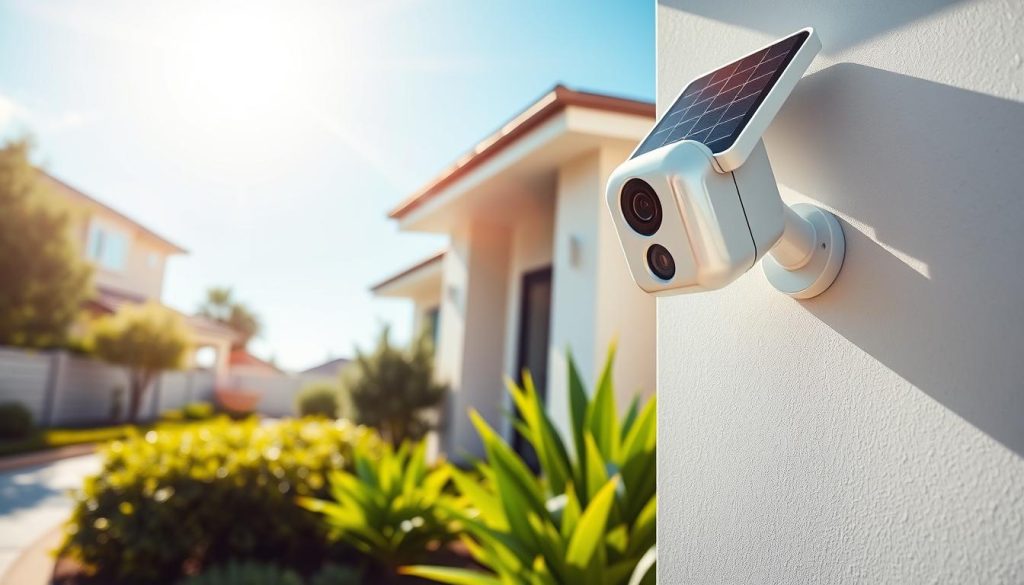
Keeping your property safe is a top priority for homeowners everywhere. In 2023, more people are choosing sustainable home security solutions that use renewable energy.
Editor’s Note: A solar-powered device is not just great for the environment, but also for your wallet. These systems are growing in popularity as folks look to reduce their carbon footprint and energy bills.
This guide provides a detailed look at the best wire-free options available. We explore models that offer reliable, hassle-free monitoring without the need for complicated wiring or frequent battery changes.
You will find reviews of top brands like ADT, Lorex, Ring, and Blink. We also cover key features to consider, such as video resolution, battery life, and smart home integration.
Our goal is to help homeowners in Singapore and similar tropical climates make a smart choice. The right equipment can withstand humidity and leverage ample sunlight for consistent performance.
Key Takeaways
- Sustainable, wire-free protection is a major trend for modern homes.
- Using a renewable energy source leads to significant cost savings over time.
- Top brands offer advanced features like high-definition video and motion alerts.
- Important factors include weather resistance, battery backup, and app connectivity.
- This roundup is based on thorough research to simplify your buying decision.
- Proper placement of the solar panel is crucial for optimal performance.
Harness the Sun: Why a Solar Powered Security Camera is a Smart Choice
Why settle for traditional, grid-dependent systems when a more autonomous and green solution exists? Modern surveillance technology now lets you tap into a free, abundant resource.
This approach offers a dual win. You actively reduce your household’s carbon emissions by cutting reliance on fossil-fuel electricity. At the same time, you lock in significant savings on monthly bills.
Sunlight is free. Once you install the equipment, your operating costs drop nearly to zero. The economic advantage becomes clear over the long term.
How does it work? A compact panel converts light into energy, feeding the device’s internal battery. This creates a continuous loop of charging. On cloudy days, the onboard reserve takes over, ensuring no downtime in monitoring.
This reliability means your property is watched around the clock. Such constant vigilance is a powerful deterrent to unwanted activity.
Placement becomes incredibly flexible. You are not limited to spots near an outlet. This is ideal for monitoring gates, sheds, or large garden areas where running wires is impractical.
Durability is built-in. High-quality solar panels and the units they power are designed to be weatherproof. They handle rain, heat, and humidity with ease.
The best part might be the low upkeep. It’s largely an “install it and forget it” system. You avoid the hassle of frequent battery swaps or remembering to recharge devices.
Today’s panels are highly efficient. They can generate useful power even in less-than-ideal light conditions, making them a practical choice for many climates.
For a place like Singapore, with ample sun year-round, this technology is exceptionally effective. The consistent sunlight guarantees optimal performance and life for your equipment.
Here are the core pros that make this a smart move:
- Eco-Friendly: Lowers your carbon footprint by using clean, renewable energy.
- Cost-Effective: Eliminates ongoing electricity costs for your surveillance.
- Uninterrupted Protection: Battery backup ensures recording never stops, day or night.
- Easy Installation: Go truly wireless; place your unit anywhere the sun shines.
- Minimal Maintenance: Once set up, the system requires very little attention.
Choosing a solar-powered option is a forward-thinking investment. It strengthens your home safety while committing to a more sustainable future.
What to Look for in the Best Solar Powered Outdoor Security Camera
Beyond just catching the sun, the best units excel in three core areas: sight, stamina, and smarts. Knowing what specs to prioritize helps you filter the market and find a perfect match for your property.
Camera Performance: Resolution, Field of View, and Night Vision
Video clarity is paramount. Aim for a minimum of 1080p resolution. Many modern cameras now offer stunning 4K detail.
This high resolution lets you identify faces and license plates clearly from a distance. It turns vague footage into usable evidence.
Next, consider the field view. A wider angle, like 130° to 180°, covers more ground. It minimizes blind spots around driveways or garden corners.
For round-the-clock security, night vision is non-negotiable. Standard infrared shows black-and-white images.
Advanced color night vision provides more detail in low light. It can help distinguish clothing colors or vehicle models after dark.
Power and Durability: Battery Life, Solar Panel Efficiency, and Weatherproofing
The solar panel is the heart of the system. Its efficiency determines how well your device stays charged.
Look for a panel that can generate useful power in a few hours of direct light. Some models work well even in partial sun, which is great for slightly shaded spots.
This directly extends the unit’s battery life. A robust internal battery acts as a backup for cloudy days or long nights.
Durability is key, especially in humid climates. Check the IP weatherproof rating. A good rating ensures protection against heavy rain and dust.
Also, verify the operating temperature range. For Singapore’s tropical weather, heat and humidity resistance are more critical than extreme cold tolerance.
Smart Features and Integration: Alerts, Storage, and Smart Home Compatibility
Modern devices are intelligent. AI-powered motion detection can tell the difference between a person, a pet, and a passing car.
This smart filtering drastically cuts down on false alerts. You only get notified for events that truly matter.
Think about your storage options. Cloud storage is convenient and often includes advanced features, but usually requires a monthly subscription.
Local storage on a microSD card keeps your data offline and avoids ongoing fees. It gives you full control over your recordings.
Finally, smart home compatibility adds convenience. Integration with platforms like Alexa or Google Assistant allows for voice commands and automated routines.
You can view live feeds on your TV or have lights turn on when motion is detected. The right blend of these features creates a system that’s not just watching, but working intelligently for you.
Our Top Picks: The 2023 Solar Security Camera Roundup
The year 2023 brings a wealth of innovative, sun-charged surveillance devices designed for modern homeowners. We’ve sifted through expert reviews, technical specifications, and real-user feedback to compile this list.
Our goal is to present a clear, curated view of the top-performing security systems and standalone models available now.
This roundup serves as your starting point. Each subsequent section will provide a deep dive into specific brands, detailing their pros, cons, and key specifications.
For those seeking a fully integrated, professional system, the combination of ADT with Google Nest stands out. It offers high-end monitoring and seamless smart home integration.
If your priority is exceptional image quality and robust equipment, Lorex is the go-to brand. Their solar panels and cameras are built for performance.
For the DIY enthusiast who values user-friendliness, Ring and Blink are widely adopted champions. The Ring Stick Up Cam Solar is often hailed as a trusted all-rounder.
The Blink Outdoor model, when paired with its dedicated solar panel, offers a truly wireless Amazon solution. Brands like Arlo and Google Nest also present strong options for tech-savvy installers.
Simplicity is key for some. SimpliSafe excels here, providing one of the easiest sun-powered setups on the market.
Beyond these major names, several models offer great value. The SEHMUA unit is a budget-friendly choice. eufy provides innovative kits, like the eufyCam Pro, and unique models such as the Solar Wall Light Cam with integrated floodlights.
Remember, the right choice depends on your specific needs. Do you want professional monitoring? Is do-it-yourself installation a must? How important is video storage?
As you read the detailed reviews ahead, compare each model’s strengths against your own checklist. For instance, ensuring your outdoor camera solar panel gets optimal light is crucial for any setup.
This best solar-powered security roundup is your guide to making a confident, informed decision for your property’s protection.
ADT with Google Nest: Best for Integrated Professional Security
For homeowners seeking a seamless blend of professional monitoring and smart home automation, the ADT and Google Nest partnership stands out. This collaboration merges ADT’s decades of experience with Google’s cutting-edge hardware.
The result is a robust security system designed for those who value both vigilance and convenience. It represents a top-tier choice in modern home security solutions.
Overview & Our Take
ADT provides 24/7 professional monitoring with video verification. It uses Google Nest cameras as its primary eyes on your property.
While ADT doesn’t sell sun-charging panels directly, the Nest devices are compatible with third-party options. The Wasserstein solar panel, available via the Google Store, is a popular add-on.
This setup allows for a truly wireless experience when configured correctly. The panel trickle-charges the camera‘s internal battery, promoting sustained operation.
User experience highlights deep integration. The system can trigger advanced automations based on who is at your front door.
For instance, it can allow recognized individuals to pass during an alarm event. This intelligence adds a layer of smart convenience to robust protection.
ADT with Nest is ideal for homeowners who want the reassurance of professional oversight. It suits those willing to commit to a long-term service agreement for a fully managed solution.
Pros and Cons
Every security solution has its strengths and trade-offs. Here is a balanced look at the key pros and cons.
Advantages:
- Industry-Leading Reliability: ADT’s professional monitoring network is one of the most trusted.
- Facial Recognition Alerts: Google Nest’s technology can identify familiar faces, sending tailored notifications.
- Excellent Weather Resistance: The hardware is built to withstand harsh elements, crucial for reliable performance.
- Deep Smart Home Integration: Works seamlessly with Google Assistant for voice control and automated routines.
- Inclusive Packages: Some plans include free Nest cameras, enhancing overall value.
Disadvantages:
- Long-Term Contract: Professional installation and monitoring typically require a multi-year agreement.
- Higher Monthly Fees: Ongoing costs are generally steeper than purely DIY security systems.
- Limited Hardware Selection: The ecosystem is restricted to Google Nest products, offering less variety.
- Climate Consideration: The compatible solar panel may not charge in below-freezing temperatures. This is less relevant for Singapore’s tropical climate.
Key Specifications
Understanding the technical specs helps gauge if this system fits your needs. Here are the vital details for the ADT and Google Nest setup.
Connectivity & Power: The cameras connect via Wi-Fi. They offer flexible power options, including wired connection or internal battery.
Field of View: A wide view of up to 135 degrees provides solid coverage of your yard or entryway.
Video Resolution: Footage is captured in crisp 1080p HD. This clarity is sufficient for identifying details in most scenarios.
Storage: Video history is primarily stored in the cloud. Accessing longer archives usually requires a subscription plan.
Smart Home Compatibility: Beyond Google Assistant, the system also works with Amazon Alexa. This allows for voice commands and creating routines across platforms.
In summary, ADT with Google Nest is the premium choice for a fully integrated, professionally monitored solution. It represents the pinnacle of solar-powered security for those prioritizing a hands-off, high-trust approach to security.
Lorex: Top-Tier Equipment with Robust Solar Options
If your security checklist starts with top-tier image quality and ends with complete control, Lorex deserves a close look. This brand specializes in high-performance hardware, offering a vast catalog of devices. You can find the perfect fit for gates, gardens, or driveways.
Their system is built around flexibility. Many cameras work with an optional, add-on solar panel. This creates a truly wire-free setup for optimal placement. For a broader look at sun-charged options, check out our previous reviews.
Overview & Our Take
Lorex focuses on delivering exceptional video. Their top models capture stunning 4K Ultra HD detail. This makes identifying faces or license plates from a distance remarkably clear.
Superior color night vision is another strength. It provides more useful details after dark than standard black-and-white infrared. You get crisp footage around the clock.
The brand’s solar panels are built to last. They are weatherproof and operate in extreme temperatures. This robustness ensures a reliable power source in Singapore’s humid climate.
Lorex is ideal for tech-savvy users who want premium equipment. It’s perfect for those who prefer managing their own security without monthly fees.
Pros and Cons
Every product has trade-offs. Here’s a balanced look at Lorex’s strengths and weaknesses.
Pros:
- Exceptional Image Quality: Leading 4K resolution and advanced night vision provide crystal-clear evidence.
- Versatile Setup Options: Cameras support Wi-Fi, Ethernet, or PoE. Power can be wired, battery, or from a solar panel.
- Free Local Storage: Recordings save to a hard drive with no subscription required, giving you full data control.
- Strong Build Quality: Equipment is designed to withstand harsh weather, offering long-term durability.
Cons:
- Overwhelming Choices: The extensive model range can be confusing for beginners.
- No Professional Monitoring: The system lacks 24/7 professional monitoring services for camera feeds.
- Occasional False Alerts: Some users report motion detection triggering for non-threats like shadows.
- Complexity for Some Models: Hardwired installations can be more involved, though wireless solar options simplify this.
Key Specifications
Understanding the technical details helps you make an informed decision. Here are the key specs for Lorex’s sun-charged setups.
Connectivity: Lorex offers great flexibility. Their devices support Wi-Fi, Ethernet, and Power over Ethernet (PoE). This lets you choose the best network connection for your home.
Power Sources: You can hardwire a camera, use its internal battery, or employ PoE. For battery models, a dedicated solar panel (sold separately) provides continuous charging.
Field of View: An impressive 180-degree view is available on some models. This wide angle significantly reduces blind spots around your property.
Video Resolution: Lorex leads with up to 4K Ultra HD video. This is the highest consumer-grade resolution available, capturing immense detail.
The ability to store footage locally without a fee is a major advantage for cost-conscious homeowners.
Storage: The highlight is free local storage via an internal or external drive. Optional cloud backup is available for an extra layer of security.
Smart Home Compatibility: Lorex works with Alexa and Google Home. This allows for basic voice commands and integration into your smart home routines.
In summary, Lorex is the go-to choice for users who refuse to compromise on video quality and want hardware they can trust for years.
Ring and Blink: User-Friendly Champions of Solar Power
When it comes to balancing capability with convenience, Ring and Blink offer compelling solutions for modern homeowners. These brands have mastered the art of do-it-yourself protection.
Their devices are designed for straightforward setup and daily use. This focus makes them favorites for people who want effective monitoring without complexity.
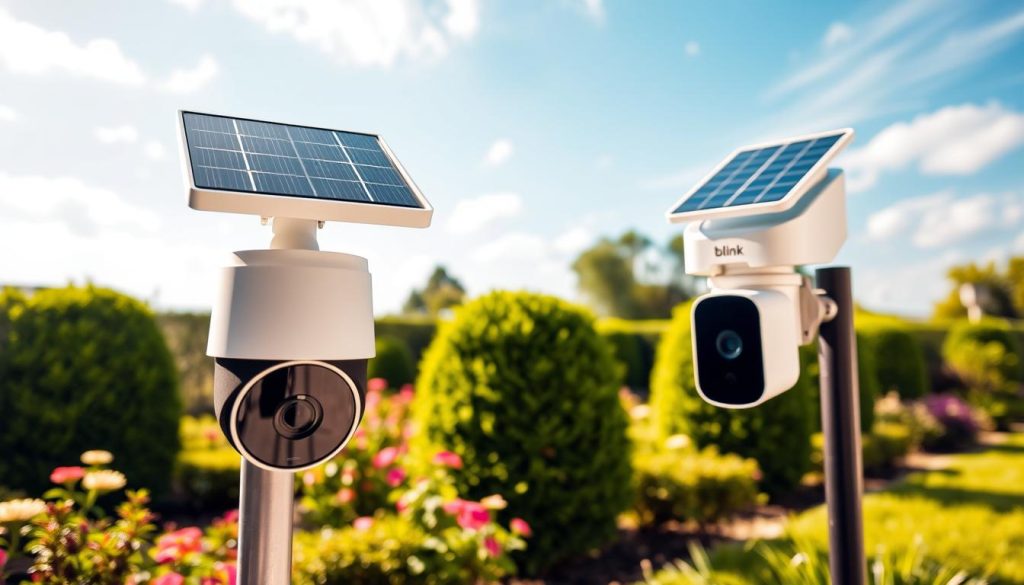
Both ecosystems are app-centric. You manage everything from your smartphone. This includes live viewing, motion alerts, and video history.
For a place like Singapore, where DIY solutions are popular, their approach is a perfect fit. The consistent tropical sun ensures their solar panels work at peak efficiency.
Ring Stick Up Cam Solar: The Trusted All-Rounder
The Ring Stick Up Cam Solar is a versatile, wire-free device. You can mount it on a wall, fence, or even a tree. Its design is built for flexibility.
Installation is famously simple. The intuitive Ring app guides you through each step. Most users have it up and running in under thirty minutes.
Performance is reliable. It delivers sharp 1080p HD video. Newer models even offer stunning 4K detail for the clearest view.
Features include precise motion detection and two-way talk. You can hear and speak to anyone at your front door from anywhere.
For continuous power, you add an attachable solar panel. The standard model needs a few hours of direct light.
Ring’s Super Solar Panel is more efficient. It works well with just partial sun. This is great for spots with some shade.
This camera can work alone or as part of a full Ring Alarm system. This scalability is a major pro for growing your home security setup.
“The Ring app makes checking on my property feel effortless. It’s become a daily part of my routine,” shares a frequent user.
However, some cons exist. Premium models carry a higher price tag. There have also been past discussions about data privacy practices.
Blink Outdoor + Solar Panel: Amazon’s Wireless Solution
The Blink Outdoor package is Amazon’s answer to affordable, wire-free monitoring. The solar panel is integrated directly into the mounting bracket.
This creates a neat, all-in-one unit. It’s a truly wireless solution from a trusted brand.
The power system is clever. The panel keeps the device charged. Two AA lithium batteries inside act as a dependable backup.
This dual-source design aims for uninterrupted operation. It’s a good example of efficient battery power management.
Setup is also very easy install. The Blink app is clean and user-friendly. You’ll be receiving motion alerts quickly.
A key point to remember is placement. The unit must be attached to its dedicated solar mount. You need a spot with both a clear view and good sunlight.
This can limit some options compared to systems with a separate, flexible panel. It’s a trade-off for simplicity and cost.
Users report the system is reliable for basic monitoring. Some note occasional lags in notification delivery. This is a known con for the budget-focused line.
Choosing Between Two Great Options
So, which brand is right for you? The choice often comes down to features versus simplicity.
Ring provides a more extensive ecosystem. It offers more advanced smart home integrations and a wider range of security cameras.
Blink focuses on core functionality at a lower cost. It’s the straightforward pick for essential coverage.
Both work seamlessly with Alexa for voice commands. You can view live feeds on an Echo Show or trigger routines.
In Singapore’s climate, both solar-powered security cameras are highly effective. The ample sunlight keeps their cameras charged consistently.
In summary, the Ring Stick Up Cam Solar is the trusted all-rounder for those wanting a full-featured system. The Blink Outdoor + Solar Panel is Amazon’s wireless solution for straightforward, affordable peace of mind.
Installation and Optimization for Maximum Performance
A successful setup hinges on two factors: optimal sun capture for the panel and a clear view for the lens. Getting this right transforms a good device into a great one. It ensures consistent operation and reliable monitoring for your property.
This phase is about more than just following a manual. It’s strategic placement and understanding how your local environment affects the equipment. A little planning upfront prevents common headaches later.
Finding the Perfect Spot: Sun Exposure and Camera Angle
Your solar panel needs light to create power. Most require a few hours of direct sunlight daily. Some efficient models can work with partial sun.
Positioning is everything. In the Northern Hemisphere, aim for a south-facing placement. This catches the most light throughout the day.
Use adjustable mounts to angle the panel towards the sun’s path. This small tweak can significantly boost charging efficiency.
Balance is key. You must also consider the camera‘s field of view. Ensure its lens covers the desired area without trees or walls blocking it.
Test your chosen location for a few days. Use the device’s app to monitor the battery level and charging rate. This real-world data confirms if the spot works.
If the battery life drains quickly, the panel might not get enough light. Moving it just a foot can sometimes make all the difference.
Weatherproofing and Maintenance in Tropical Climates
Singapore’s tropical climate brings high humidity, frequent rain, and intense heat. Your equipment must withstand these things.
Choose cameras with high IP ratings, like IP65 or IP66. This guarantees protection against heavy rain and dust.
Periodic maintenance is simple but vital. Clean the surface of your solar panels every few months. Remove dust, pollen, or bird droppings that reduce efficiency.
Avoid a common mistake. Do not bring units indoors for charging if they’ve been outside in the humid air. Condensation can fog the lens, blurring your view.
Check mounting hardware periodically, especially in coastal areas. Salt air can accelerate corrosion. Tighten any loose screws to keep your setup secure.
Avoiding Common Pitfalls (Based on Real User Experiences)
Learn from others to smooth your own journey. User reports highlight several important cons to watch for.
Solar panels can sometimes give false battery readings in the app. Don’t rely solely on the indicator. Monitor if the device stays online through the night.
Charging efficiency drops in cooler temperatures. Some panels become inefficient below 5-6°C. This is less of a concern in Singapore but is a key point for shaded spots.
“My unit’s schedule said it was asleep, but the motion sensor kept waking it up, draining the battery,” shared a Reolink user. This highlights how automatic features consume power.
Motion-activated cameras will still wake up to check schedules. Placing them in high-traffic areas can drain the battery faster. Consider this during positioning.
For busy areas or units with extra features like spotlights, use a higher-wattage solar panel. A 6W panel often performs better than a standard 3W one.
Always read the manufacturer’s guidelines for temperature ranges. This ensures the camera is compatible with local conditions. It’s a simple step that extends the life of your security system.
Following these tips addresses the major pros of a sun-powered setup: autonomy and low upkeep. It turns potential frustrations into a seamless, reliable layer of security for your home.
Evaluating Cost and Long-Term Value
Before purchasing, a savvy homeowner calculates not just the device cost, but the total ownership expense over several years. This financial perspective is crucial for solar-powered security cameras.
You need to see the full picture. It includes the initial outlay and any recurring fees over the equipment’s life.
The first cost is the unit itself. Most quality models range from $100 to $200. Cheaper options exist but may compromise on features.
An optional solar panel is often a separate purchase. These typically cost under $100, with many between $50 and $80. Don’t forget mounting brackets or other accessories.
Next, consider ongoing costs. Many brands use cloud storage for video history. This requires a monthly subscription.
Plans can range from $3 to $10 per month for each device. These fees add up significantly over time. Exploring storage options is key.
Some systems offer free local recording to a memory card or hard drive. This choice eliminates a recurring bill.
How does this compare to traditional units? The upfront price might be similar. The big difference is in operational costs.
Sun-charged models eliminate electricity costs to power them. They also drastically reduce how often you replace the battery. This is a major long-term saving.
Different brands offer distinct value. ADT’s security system has higher monthly fees. This cost includes professional monitoring services.
Lorex often has a higher initial price tag. Its pros include free local storage, avoiding subscriptions. The cons are the lack of professional oversight.
You must think in terms of total cost of ownership. Look at a 2 to 5-year window. Add up the equipment, all subscriptions, and any maintenance.
“In our sunny climate, the panel paid for itself in under a year by eliminating battery purchases and extra power bills,” noted a homeowner from a tropical region.
In places like Singapore, the panels pay for themselves quickly. The ample sunlight ensures continuous operation without extra electricity costs.
Look for package deals. Brands often offer bundles for multi-unit setups. These bundles can reduce the per-device cost.
Weigh features against price. A more expensive security camera with 4K video may offer better value. It could provide crucial evidence that a cheaper model misses.
Investing in a reputable brand adds long-term value. You often get better reliability, customer support, and warranty coverage. This protects your investment.
Choosing a sun-charged surveillance device is a cost-effective long-term investment for home security. The right choice balances upfront cost with years of reliable, low-upkeep protection for your home.
Choosing the Right Solar Security System for Your Home
Your journey to enhanced safety culminates in choosing a system that aligns with your lifestyle and property. Consider if you need professional monitoring or a DIY setup. Think about your layout and local tropical climate.
Match your technical comfort level with user-friendly or advanced options. Ensure new devices work with your existing smart home ecosystem. Balance your budget against must-have features like local storage or a wide view.
Plan for the future by selecting scalable security solutions. The environmental and economic pros of a sun-charged device are clear. It offers reliable protection with minimal upkeep.
Revisit the detailed reviews to weigh the specific cons and strengths of each brand. With the right choice, you gain robust, sustainable peace of mind for your home and family.