How do I stop my CCTV camera from raining in Singapore
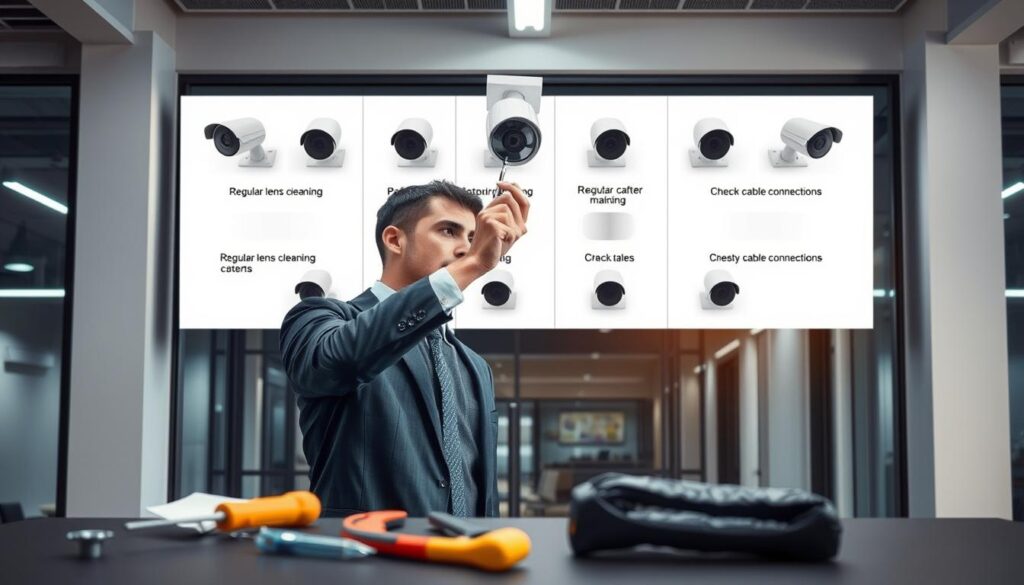
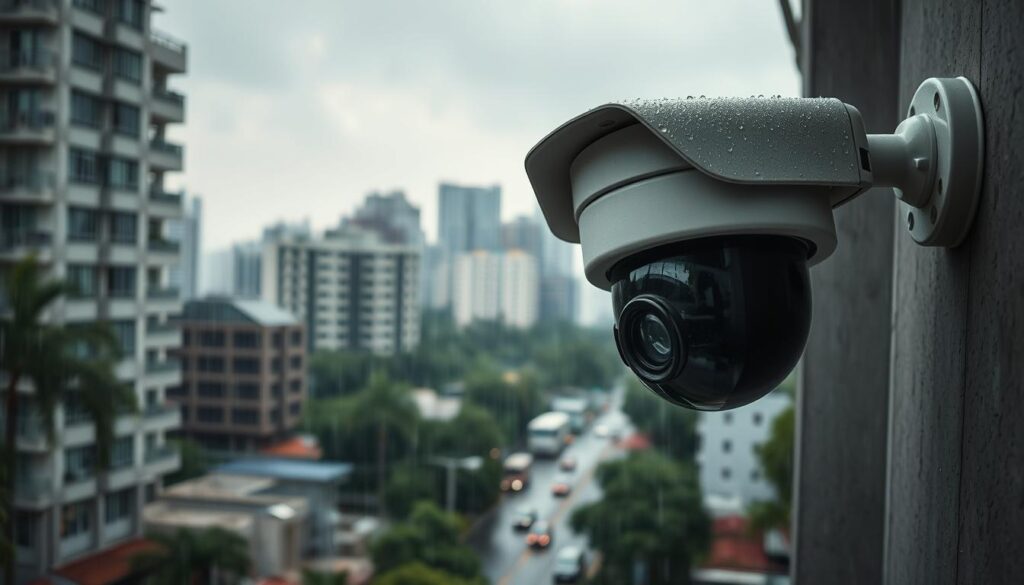
In Singapore’s tropical climate, rain poses a significant challenge for outdoor surveillance systems. The frequent downpours can lead to false motion alerts, causing frustration for users. Security cameras, such as the VIGI C340HPWSM and Tapo C200, often send out unnecessary notifications triggered by raindrops. This issue can escalate during nighttime when infrared sensors are activated, making it even harder to distinguish between genuine movement and rain interference. Moreover, exposure to moisture can lead to severe water damage, affecting the overall performance and image quality of your security system. It’s essential to address these issues to maintain reliable surveillance during Singapore’s rainy seasons. This guide will provide you with effective solutions to mitigate rain interference and protect your CCTV setup. From adjusting camera sensitivity settings to exploring protective housing options, you’ll discover practical tips to ensure your security cameras operate effectively, even in challenging weather conditions. Key Takeaways Frequent rain in Singapore can trigger false alerts in outdoor surveillance systems. Water exposure may cause significant damage to security cameras. Adjusting camera settings can help reduce unnecessary notifications. Protective housing options can enhance the durability of CCTV cameras. Understanding motion detection technology is crucial for effective surveillance. Understanding CCTV Motion Detection and Rain Interference The tropical rains of Singapore can significantly disrupt outdoor security camera operations. Understanding how motion detection works in CCTV cameras is crucial for addressing these challenges. How Motion Detection Works in CCTV Cameras CCTV motion detection technology operates by continuously analyzing sequential video frames. It identifies pixel-level changes that indicate movement within the camera’s field of view. When the system detects a significant difference between consecutive frames, it interprets this as motion and triggers an alert or recording. This fundamental mechanism is essential for automated surveillance monitoring. However, even small movements, like raindrops or insects, can cause these changes. This means that a small movement can sometimes trigger false alarms, complicating the security monitoring process. Why Rain Triggers False Motion Alerts Rain presents a particular challenge for CCTV systems. Each falling raindrop creates a distinct visual change as it passes through the camera’s view. This mimics the pixel variations typically associated with genuine movement. During a downpour, the sheer volume of raindrops means the camera processes hundreds of motion events per minute. This overwhelms the system with false alerts, making it nearly impossible to identify real security threats. Impact of Infrared Sensors on Rain Detection Infrared sensors significantly amplify the rain detection problem at night. The IR illumination reflects off water droplets, making them appear brighter and more prominent in the camera’s night vision mode. The reflective properties of water cause IR light to bounce back toward the camera lens. This creates bright spots that the motion detection algorithm interprets as moving objects within the surveillance area. This nighttime rain interference is particularly problematic for security. The hours of darkness are when surveillance is most critical, yet the system becomes least reliable during wet weather conditions. Understanding the pixel-change detection mechanism helps users appreciate why simply lowering sensitivity can reduce false alerts. This adjustment does not completely disable the camera’s ability to detect genuine intruders. Modern cameras with advanced image processing capabilities are beginning to incorporate algorithms that can distinguish between the random pattern of raindrops and the more deliberate movement of people or vehicles. Common Issues Caused by Rain on CCTV Performance Rainfall in Singapore can severely impact the functionality of outdoor surveillance systems. The effects range from immediate image quality issues to long-term hardware damage, making it essential to understand these challenges. Video Blur and Image Quality Deterioration One of the most noticeable effects of rain on CCTV cameras is video blur. Water droplets on the lens distort captured footage, leading to a significant reduction in clarity. Rain-streaked lenses can create hazy images that obscure crucial details, such as facial features or license plate numbers. This deterioration in image quality can render surveillance footage nearly useless for identification purposes. Users may find it challenging to rely on their security systems when rain compromises the clarity of the video. False Motion Alerts and Unnecessary Notifications Another major issue is the generation of false motion alerts triggered by rain. During a storm, cameras can send out hundreds of unnecessary notifications, desensitizing users to alerts. This flood of alerts can cause users to overlook genuine security events. Moreover, the constant barrage of rain-induced notifications drains mobile device batteries and consumes storage space with irrelevant recordings. The frustration from these alerts may lead users to disable them entirely, further jeopardizing their security. Long-Term Effects of Moisture on Camera Lifespan Moisture exposure can have serious long-term effects on CCTV cameras. Condensation damage occurs when humid air penetrates camera housings, leading to corrosion of internal components. Over time, this can result in gradual degradation of the camera’s electronics. Fogging lenses are another common problem, especially in humid environments. When temperature differentials create condensation inside the camera housing, it obscures the lens and impairs visibility. Additionally, repeated rain exposure can degrade rubber seals and gaskets, allowing water to penetrate and cause internal damage. The cumulative effect of moisture can lead to a significant reduction in the operational lifespan of outdoor cameras, representing a financial loss for users. In summary, addressing these issues is critical for maintaining effective surveillance in Singapore’s rainy climate. Protecting your CCTV setup from rain interference will ensure reliable performance and longevity. For more information on how to safeguard your CCTV system from rain, visit this guide. How do I stop my CCTV camera from raining? The rainy season in Singapore presents unique obstacles for CCTV camera performance. To effectively minimize rain interference, a multi-layered approach is essential. This includes making adjustments to settings, strategic camera placement, and utilizing protective equipment. Start by lowering the motion detection sensitivity. This quick fix reduces the camera’s response to minor environmental changes, like falling raindrops, while still allowing it to detect larger moving objects. Adjusting the tilt angle of the camera can also be beneficial. By pointing it slightly downward, raindrops will
How do I stop my CCTV camera from raining in Singapore Read More »