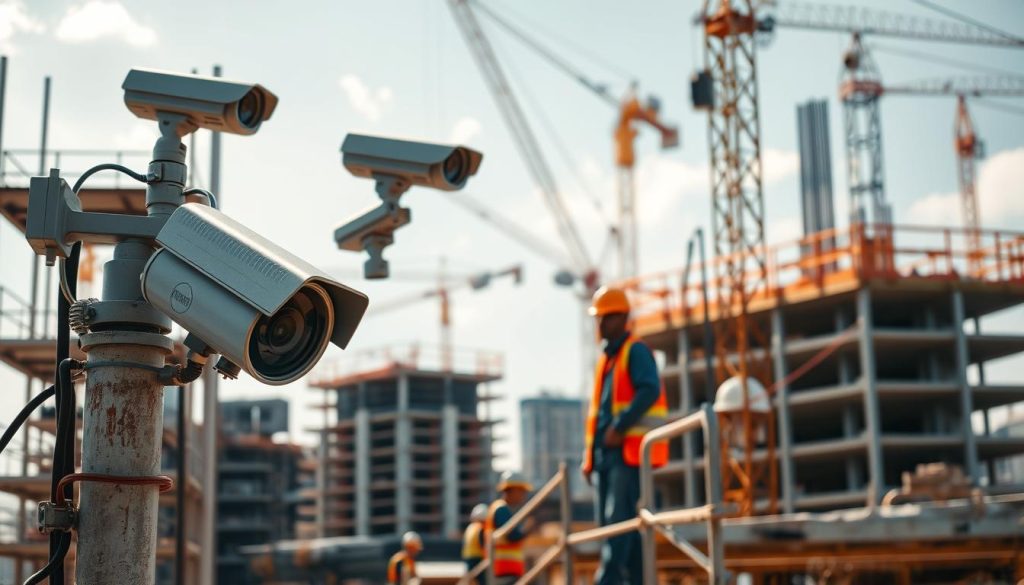
Protect Your Construction Site with Top-Rated Mobile Security Cameras
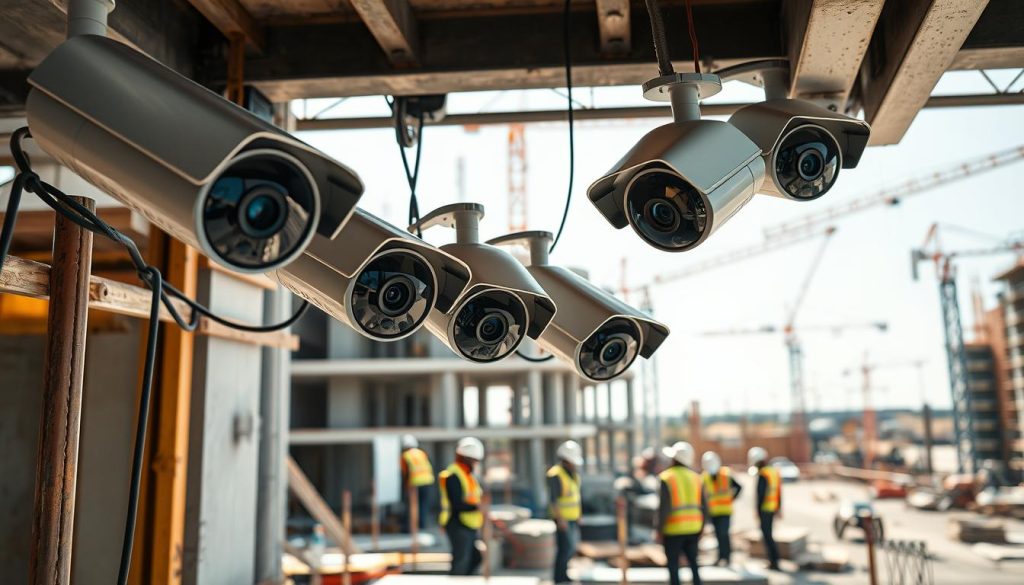
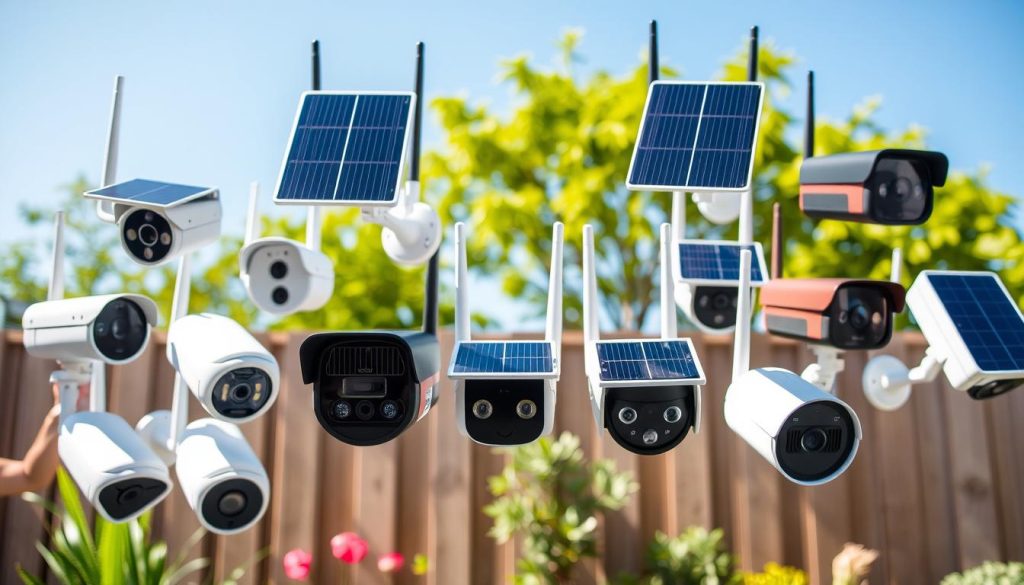
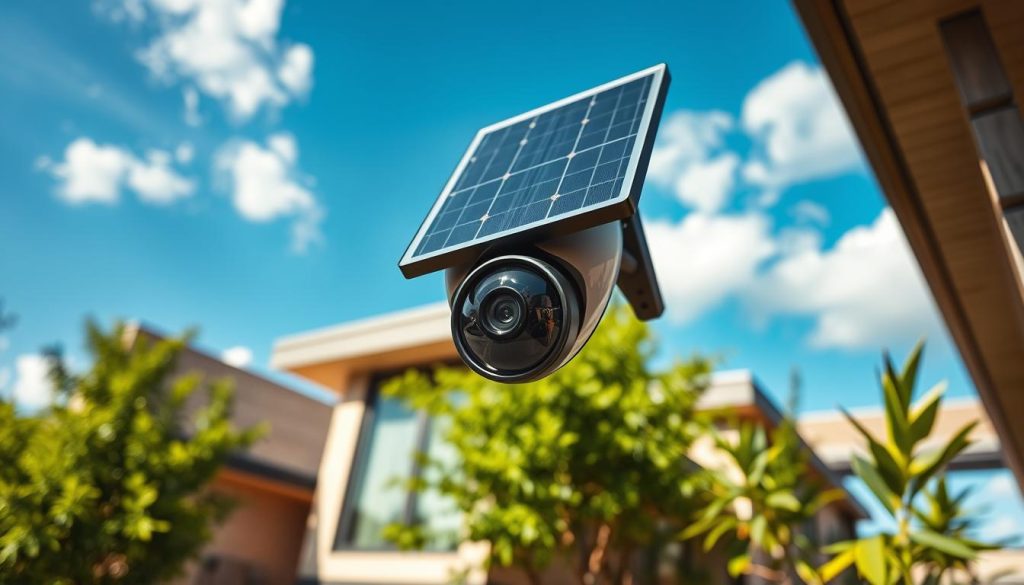
Construction projects face unique risks. Theft, vandalism, and safety incidents can cause major delays and financial loss. A robust, portable monitoring system is no longer a luxury—it’s a necessity for modern jobsite security. These locations are dynamic. They often lack fixed power and internet connections. This makes traditional video surveillance setups inadequate and expensive to install. Portable surveillance units offer a flexible solution. They can be deployed quickly and move with the project’s phases. This provides eyes on valuable assets and worker activities 24/7. This guide is designed for project managers, owners, and safety professionals. It helps you select the best system for your specific needs and budget. The financial stakes are enormous. Industry reports estimate annual losses from theft between $300 million and $1 billion. Recovery rates for stolen equipment and materials are notoriously low. Regulations are also evolving. In Singapore, for example, the Ministry of Manpower (MOM) mandates Vehicular Surveillance Systems (VSS) for projects above a $5 million contract value. Proactive compliance is key. Investing in a modern surveillance strategy is a smart business decision. It protects your assets, enhances worker safety, and creates valuable project documentation. Key Takeaways Construction sites are high-risk environments vulnerable to theft, vandalism, and safety issues. Traditional security systems often fail because sites lack permanent power and internet infrastructure. Portable, all-in-one surveillance units provide a flexible and deployable monitoring solution. Equipment theft costs the industry hundreds of millions annually, with very low recovery rates. Regulatory requirements, like Singapore’s MOM VSS mandate, are making advanced surveillance essential. A robust system is a strategic investment that protects assets, promotes safety, and aids in documentation. Choosing the right system requires understanding your site’s specific needs and challenges. Why Mobile Security Cameras Are a Must for Modern Construction Sites Protecting a dynamic work area requires solutions that are as adaptable as the environment itself. Fixed installations simply cannot keep pace with the changing phases of a major project. These locations are defined by sprawling, open layouts. High-value machinery and materials are often left in the open. There is typically no permanent power or data infrastructure in place. This combination creates a significant vulnerability. It attracts opportunistic theft and can hinder rapid response to safety incidents. A visible monitoring presence is a powerful deterrent. When potential intruders see a professional surveillance unit, they are far less likely to attempt unauthorized entry. This psychological effect alone can prevent most incidents before they occur. It protects your assets without constant human patrols. The biggest technical hurdle is the lack of utilities. Modern portable units solve this elegantly. They integrate solar panels, high-capacity batteries, and cellular data modems. This allows for true off-grid operation. Your system stays active day and night, regardless of the project’s stage. For managers overseeing multiple locations, remote access is transformative. Live feeds and recorded footage are available from a smartphone or office computer. You gain real-time visibility into gate traffic, material storage yards, and fuel tank levels without being physically present. – a common requirement cited by site supervisors This capability also directly supports Workplace Safety and Health (WSH) compliance. Video evidence is crucial for investigating accidents. It also helps deter unsafe behaviors by workers. Think of the practical applications. Monitoring access points controls who enters the property. Watching fuel storage prevents costly siphoning. Observing high-risk work zones promotes safer practices. Finally, consider the financial argument. The upfront cost of a robust surveillance system is a fraction of the loss from a single stolen excavator or generator. It also pales in comparison to the expense of project delays or regulatory fines for non-compliance. This investment isn’t an expense; it’s a strategic safeguard for your entire operation. Defining Your Needs: Key Questions Before You Buy Jumping straight to product features can lead to overspending on capabilities you don’t need. A successful monitoring strategy starts with a clear self-assessment of your operation’s unique challenges. Answering a few fundamental questions will point you toward the right system. This ensures your investment directly addresses your biggest vulnerabilities. What Are Your Primary Surveillance Objectives? Start by pinpointing exactly what you need to protect. Common goals include perimeter access control, securing high-value assets, and supporting safety compliance. For instance, a Texas-based firm with numerous active locations had clear aims. They needed to watch entrance gates and gasoline storage tanks around the clock. Their key requirement was evidentiary-quality footage. They prioritized the ability to identify individual faces and read vehicle license plates. This focus on detail dictated their need for high-resolution video surveillance. They also preferred historical review over constant live streaming to manage resources. How Many Sites Need Coverage and How Often Do You Move? The scale and dynamism of your operations are critical. A company managing 8 to 15 active projects simultaneously faces different challenges than one with a single, fixed location. Frequent relocation of equipment between project phases demands true portability. Systems must be easy to deploy, retrieve, and redeploy without extensive re-wiring. Your answer here decides between highly mobile, all-in-one kits and more semi-permanent tower solutions. It also impacts how you manage and view feeds from multiple locations at once. What is Your Realistic Budget for Hardware and Data? Cost considerations extend far beyond the initial purchase price. You must account for both upfront hardware and ongoing operational expenses. The largest recurring cost is often cellular data plans for remote video surveillance. There’s a direct trade-off between wanting 24/7 live feeds and the practicality of data usage. Event-based recording or scheduled video uploads can drastically reduce monthly fees. This is a smart strategy when historical review, as used by the Texas company, meets your needs. Allocate a significant portion of your budget for image quality. Blurry footage is useless for identifying thieves or investigating an incident. Clear evidence requires superior camera resolution and optics. Finally, audit your site’s infrastructure. Many areas lack grid power and fixed-line internet. Your system must account for this. We have no internet connection at our locations, but we are open to using cellular
Protect Your Construction Site with Top-Rated Mobile Security Cameras Read More »