ED VISTON

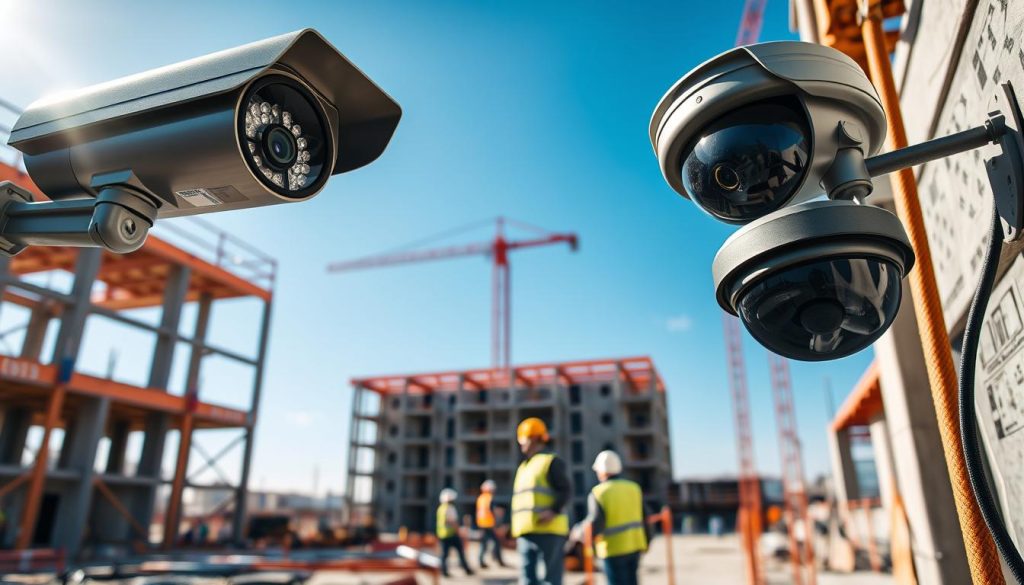
construction site security camera system

Buyer’s Guide: Site Cameras for Construction

Managing a modern project zone is a high-stakes endeavor. You must track activity, personnel, and valuable assets. The pressure to control costs and ensure safety is immense. In Singapore’s fast-paced building industry, the threat is real. Theft incidents have risen by 25%. Annual losses can approach $500,000 per location. This makes robust security not just an option, but a necessity. This guide is your essential resource. It cuts through the complexity of choosing a surveillance system. We help project managers and security professionals make an informed investment. The goal is to enhance protection, safety, and operational oversight. Key Takeaways Modern project zones are complex environments with high-value assets and moving parts. Theft and vandalism are escalating problems, with significant financial impacts. A specialized video monitoring system is a critical tool for loss prevention and safety. This guide is designed for decision-makers in Singapore’s building sector. It will help you navigate features, local regulations, and strategic planning. The right investment protects your equipment and improves overall site management. Why Construction Site Security is a Critical Investment A project’s budget can be silently eroded by the persistent threats of theft and vandalism. These are not rare events but common, costly realities. Viewing a security system as a mere expense is a mistake. It is a foundational investment in your project’s financial health and successful completion. The High Cost of Theft and Vandalism on Projects The financial impact is staggering. Industry studies show theft and vandalism can consume up to 25% of a project’s total budget. This drains resources directly from the bottom line. Approximately 80% of building firms report experiencing theft. On locations without robust protection, theft incidence rates can approach 60%. The scale is national, with annual losses estimated between $300 million and $1 billion. Visible video surveillance acts as a powerful first line of defense. The mere presence of a system discourages most opportunistic criminals. It signals that assets are watched and risks are high for would-be thieves. Beyond Security: Enhancing Safety and Operational Oversight The benefits of a modern monitoring solution extend far beyond stopping theft. It becomes a core tool for promoting safety and improving management. Managers can observe compliance with safety protocols in real-time. They can identify hazardous conditions or unsafe practices before they lead to incidents. This proactive oversight helps protect workers and reduces liability. Live and recorded footage provides unparalleled operational insight. Supervisors can verify work progress, manage personnel deployment, and coordinate the use of expensive equipment from anywhere. This remote capability boosts overall project efficiency. Therefore, a comprehensive secure your building site surveillance system is a multi-faceted investment. It mitigates financial loss, enhances on-ground safety, and delivers the operational clarity needed to run a tight, profitable project. Essential Features in Modern Site Cameras Construction To build a reliable protective shield, you must prioritize several non-negotiable equipment features. The right technical specifications transform a simple recorder into a powerful management and security asset. These capabilities directly determine the system’s performance in critical situations. High-Definition Video Resolution for Clear Evidence Grainy, unclear footage is useless for identification. High-definition video is the absolute baseline for any professional surveillance setup. A minimum of 1080p resolution is required. This clarity turns video into usable evidence. It allows you to discern facial details, read vehicle license plates, and identify equipment serial numbers. This level of detail is crucial for investigations and insurance claims. Advanced Night Vision Capabilities for 24/7 Monitoring Threats don’t disappear after sunset. A project zone is most vulnerable during unlit, non-working hours. Infrared technology powers modern night vision. It provides clear monitoring capabilities in total darkness. This ensures your security coverage is continuous, offering true around-the-clock protection for assets and perimeter. The Role of AI Analytics and Motion Detection Basic systems record everything, creating a flood of irrelevant data. Intelligent analytics change the game. Smart software can increase genuine threat detection by up to 40%. It dramatically cuts down false alarms from passing wildlife or shifting shadows. “The intelligence filters noise from signal, letting managers focus on real events.” These features distinguish between workers, vehicles, and unknown intruders. They then send specific, targeted alerts to a supervisor’s phone or dashboard. Durability for the Demanding Jobsite Environment Standard hardware will fail under harsh conditions. Dust, torrential rain, and physical tampering are daily realities. Your surveillance technology must be engineered to survive. Look for two key durability standards: Weatherproofing: A high IP rating (like IP66 or IP67) guarantees protection against dust and water jets. Vandal Resistance: An IK10 rating means the enclosure can withstand direct impacts, deterring sabotage. A modern, effective solution combines four pillars: visual clarity, continuous coverage, intelligent analytics, and rugged physical design. This combination safeguards your investment and delivers peace of mind. Understanding Singapore’s Video Surveillance Regulations Effective June 1, 2024, a significant regulatory shift will redefine how major building projects in Singapore must implement surveillance. Navigating this new landscape is a critical component of legal and responsible project management. It involves adhering to a dual framework of specific technical mandates and overarching privacy laws. For managers, understanding these rules is not optional. Compliance protects your firm from penalties and builds a foundation of trust. This section details the two key pillars: the Mandatory Video Surveillance System and the Personal Data Protection Act. Mandatory Video Surveillance System (VSS) Requirements for 2024 The Ministry of Manpower has mandated a standardized video surveillance system for all projects valued at SGD $5 million and above. This VSS is designed to enhance safety oversight and provide reliable evidence. The requirements are precise and non-negotiable. Your system must meet the following technical and operational standards: Coverage: Continuous monitoring of designated high-risk areas, such as material storage zones and perimeter access points. Video Quality: A minimum resolution of HD 1080p with a frame rate of at least 12 frames per second for clear identification. Data Retention: Secure recording storage for a minimum of 30 days. This period extends to 180 days for footage related to reportable workplace safety incidents. Footage Export:

Buyer’s Guide: Site Cameras for Construction Read More »
construction site security system

Find the Right Construction Surveillance Camera for Your Needs

Building projects are dynamic environments filled with high-value materials and equipment. Protecting these assets requires a robust approach to site security. The correct visual monitoring system is a cornerstone of this protection. The financial and operational stakes are incredibly high. Incidents of theft and vandalism can lead to severe project delays and losses. Studies show that a visible security presence can deter a significant number of criminal attempts. Modern solutions offer far more than just recording. High-definition video not only provides evidence but also helps reduce theft-related costs. Furthermore, remote monitoring capabilities can boost operational efficiency dramatically, giving managers real-time visibility from anywhere. In Singapore, new regulations add another layer of importance. Starting June 2024, projects exceeding a $5 million value will have specific video monitoring requirements. Compliance is no longer optional for major developments. This guide is designed to help you navigate the options. We’ll break down the features, types, and key considerations—like project scale and budget—that influence the best choice for your unique challenges. Investing in a tailored security solution is a proactive step. It safeguards your assets, ensures smoother management, and contributes directly to overall project success. Key Takeaways Choosing the appropriate visual monitoring system is critical for addressing the unique risks of a busy project site. Effective security measures can dramatically reduce incidents of theft and vandalism, protecting your bottom line. Remote monitoring technology offers significant gains in operational efficiency and management visibility. Compliance with upcoming Singapore regulations for large projects is a major factor in system selection. The right system is an investment that enhances overall site safety, management, and project success. Key selection factors include project size, specific security needs, and budget constraints. Modern systems offer advanced capabilities like high-definition recording and analytics for smarter security. The Critical Role of Surveillance in Modern Construction Sites The modern job site demands more than just locks and fences; it requires intelligent oversight that protects assets and enhances operational flow. This visual monitoring technology transforms site security from a reactive measure into a powerful, proactive shield. Its role is multifaceted. Beyond deterring criminal activity, these systems provide crucial visibility into worker safety and daily workflows. Managers gain a clear window into operations, enabling better on-the-ground management. The impact on crime is measurable and significant. Statistics show that visible monitoring can lead to a 50% drop in theft and a 70% reduction in vandalism. For locations that are inherently vulnerable, this level of protection is invaluable. Financial benefits are equally compelling. Implementing a comprehensive system can reduce the need for on-site security personnel by a substantial margin. Some reports indicate potential savings of up to 80%. Furthermore, demonstrable security measures can often lead to lower insurance premiums. Today’s advanced solutions don’t operate in isolation. They integrate seamlessly with other technologies like access control and alarm systems. This creates a unified defense network that is greater than the sum of its parts. For large or dispersed projects, this technology gives supervisors eyes on multiple areas at once. The recorded video also serves as indisputable evidence for any incident investigation, streamlining insurance claims and legal processes. There’s a strong psychological effect, too. The presence of monitoring fosters a culture of accountability among personnel. It also acts as a clear deterrent to unauthorized individuals considering entry. Ultimately, these capabilities connect directly to project efficiency. By identifying logistical bottlenecks and optimizing resource allocation, intelligent monitoring supports smoother operations and timely completion. It is a critical tool for modern project success. Assessing the Risks: Theft and Vandalism Statistics in Singapore Project managers must confront hard numbers: crime on job sites is not a rare occurrence but a frequent and expensive reality. The data paints a stark picture of the risks facing the building industry. A deep understanding of these statistics is essential for effective protection and management. Recent Trends in Construction Site Crime Incidents of theft have surged by 25% across Singapore in recent years. This trend highlights a growing challenge for project teams. High-value materials and tools are the most common targets. Criminals often exploit perimeter weaknesses during off-hours. Nearly 80% of all building firms report experiencing at least one major theft event. This makes asset loss a near-universal problem. Targeted Assets: Copper wiring, power tools, and bulk materials like lumber and steel. Common Methods: Unauthorized entry through fences, coordinated operations by groups, and quick removal of goods. Vulnerability Factors: Isolated locations, limited lighting, and a lack of visible deterrence significantly increase risks. Acts of vandalism also contribute to major losses. Deliberate damage to equipment and structures sets back timelines. These criminal activities often occur together, compounding the financial damage. Financial Impact on Projects The direct costs are staggering. Individual site losses can approach $500,000 annually. For some developments, theft and vandalism can consume up to 25% of the total project budget. Industry-wide, the annual toll is estimated between $300 million and $1 billion. This massive drain affects profitability and competitiveness. Beyond replacement costs, projects face severe indirect consequences: Project Delays: Stolen materials must be reordered, halting work and extending schedules. Increased Insurance Premiums: Frequent claims lead to higher policy costs for the entire firm. Legal and Liability Issues: Without good security, injury-related legal claims can rise by 20%. Reputational Harm: Clients lose trust in firms that cannot secure their own sites. Consider a real-world scenario: A major downtown project faced repeated overnight theft. The delays and replacement costs added months to the completion date. The client’s confidence was severely damaged. These numbers underscore the necessity of robust visual monitoring. Implementing a modern security system is a powerful risk mitigation strategy. Effective solutions have been shown to cut theft rates by up to 90% and reduce vandalism by 70%. Singapore’s upcoming regulatory requirements for large projects are a direct response to these prevalent issues. The law is aligning with the need for better site oversight. Looking ahead, criminal tactics will evolve. However, technology adapts in turn. Future systems will leverage smarter detection and real-time alerts to stay ahead of these challenges.

Find the Right Construction Surveillance Camera for Your Needs Read More »

construction site security camera system

Buyer’s Guide: Jobsite Surveillance Cameras for Improved Site Safety

Keeping a construction site secure in Singapore is a major challenge. Theft and vandalism are rising problems. Recent data shows a 25% increase in theft incidents. Average losses can near $500,000 per site each year. This guide is a vital resource for project managers and safety officers. It helps you invest in effective solutions. New rules are coming. Starting June 2024, projects over $5 million will need a mandatory Video Surveillance System (VSS). A modern security system does more than watch a location. It deters crime and improves operational efficiency. It also ensures you meet regulatory standards. Advanced technology like AI analytics can spot threats and send real-time alerts. We will cover essential features and types of systems. You will learn installation best practices. Most importantly, you will know how to select the right tools for your specific project needs. The right choice protects your assets, personnel, and timeline. Key Takeaways Construction site theft in Singapore has increased by 25%, with losses averaging nearly $500,000 annually. New regulations will require a Video Surveillance System (VSS) for large projects starting in June 2024. Modern security systems act as both a crime deterrent and a project management tool. Key benefits include improved operational efficiency, better site oversight, and regulatory compliance. This guide will help you understand different system features, types, and selection criteria. Choosing the right solution is a strategic investment in asset and personnel protection. Technology like AI analytics provides real-time alerts for potential security threats. Why Jobsite Security is a Critical Investment for Singapore Construction In Singapore’s bustling construction industry, security is no longer an optional expense but a fundamental pillar of project success. The stakes are incredibly high. With a 25% surge in theft incidents, the average annual loss per location can approach half a million dollars. These are not just numbers on a report. They represent direct hits to profitability and timeline integrity. A robust protection strategy is, therefore, a direct investment in your project’s financial health. The Rising Cost of Theft and Vandalism on Local Sites Construction properties are prime targets. Statistics show they are 400% more likely to experience theft compared to other commercial properties. The reasons are clear: multiple access points, expansive layouts, and the high value of assets left in the open. Losses go far beyond stolen tools and materials. Project delays from replacing equipment can cascade. Insurance premiums often rise after claims. The total financial impact cripples budgets. Visible monitoring tools are a powerful deterrent. Studies indicate they can reduce crime rates by up to 65% in these environments. This simple presence stops most criminal activity before it starts. One industry report noted, “A visible security presence is the most cost-effective method of loss prevention for high-value, transient sites.” Beyond Security: Surveillance as a Project Management Tool Modern video systems offer a dual benefit. They provide crucial data for daily operations and management. This transforms them from a cost center into a value driver. Managers gain real-time oversight of worker productivity and material deliveries. They can verify safety protocol compliance from their office. Immediate response to incidents minimizes damage and costly downtime. Remote access to live feeds is a game-changer. It allows supervisors to oversee multiple projects at once. This improves operational efficiency and accountability across the board. Recorded footage serves as vital evidence. It protects the company in disputes, insurance claims, and safety investigations. This layer of documentation is indispensable for liability protection. Ultimately, this investment safeguards more than assets. It protects a firm’s reputation and maintains client trust. It ensures projects finish on schedule and within budget. A comprehensive protection system is a core component of strategic risk management for any builder in Singapore. Current Trends Shaping Construction Site Surveillance in 2024 This year, cutting-edge trends are redefining the standards for effective site oversight and threat prevention. The technology protecting your assets and personnel is smarter and more connected than ever. Modern solutions go far beyond simple recording. They offer high-definition video, superior night vision, and advanced analytics. These features transform passive observation into an active management tool. Staying ahead of these developments is crucial for project leaders. It ensures your investment remains effective and compliant for years to come. The Shift to AI-Powered Analytics and Real-Time Alerts Artificial intelligence is revolutionizing how we monitor work locations. AI-powered analytics automatically scan video feeds for unusual activity. This includes unauthorized entry after hours or potential safety hazards like fallen materials. The system sends instant notifications to managers’ phones. This proactive approach is a game-changer. Studies show AI boosts incident detection by up to 40% compared to older, manual methods. The advantages are clear. AI drastically reduces false alarms from wind or animals. It can efficiently analyze vast amounts of footage that a human team would miss. This allows for faster response times to genuine threats. It turns a reactive security measure into a powerful, predictive asset. Integration of Mobile and Remote Monitoring Solutions Constant, remote access is now a baseline expectation. Managers need to view live footage on smartphones or tablets from any location. This capability provides unparalleled oversight. It enables verification of deliveries, worker productivity, and safety compliance in real time. Connectivity is key, especially for remote or temporary sites. LTE and 4G networks ensure continuous coverage where traditional Wi-Fi fails. This guarantees the system stays online, providing protection even in off-grid areas. Companies using these remote tools report up to 60% better operational efficiency. These systems don’t work in isolation. They integrate with other smart site technologies for a unified view. Drones offer aerial surveillance of large or difficult-to-access areas. IoT sensors can monitor environmental conditions like temperature or hazardous gases. Data often flows into a centralized command center. This creates a single pane of glass for managing all site operations. Storage has also moved to the cloud. Cloud-based video storage is scalable, secure, and easily accessible. It simplifies compliance with regulations requiring data preservation. Authorized personnel can retrieve crucial footage from anywhere. Hardware continues to advance. Thermal imaging

Buyer’s Guide: Jobsite Surveillance Cameras for Improved Site Safety Read More »

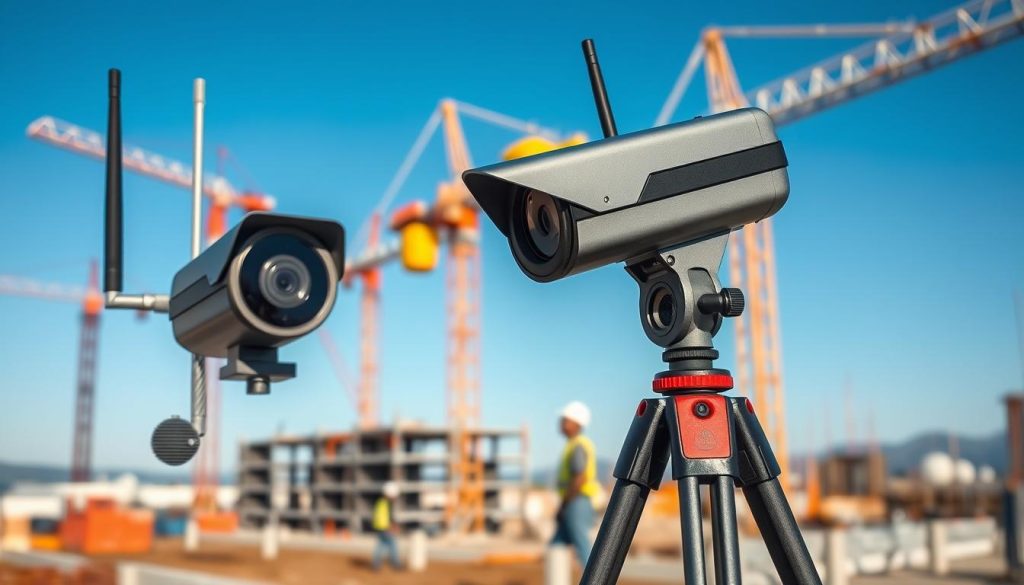
wireless construction site camera system

Wireless Construction Cameras: A Comprehensive Buyer’s Guide

Managing a project in Singapore demands smart tools for safety and efficiency. Choosing the right surveillance technology is a major decision for any professional. This comprehensive buyer’s guide is crafted for project managers, site supervisors, and security teams. Modern surveillance delivers much more than simple theft prevention. It is a cornerstone of proactive project management. These systems provide real-time video monitoring and enhance overall operational control. We will break down the essential advantages of choosing a modern system. Key benefits include unmatched flexibility, easy scalability, and rapid deployment. A detailed analysis of technical features like resolution, night vision, and durability will follow. Given Singapore’s regulatory landscape, we thoroughly explain the Ministry of Manpower’s (MOM) Video Surveillance System (VSS) mandate. This rule is effective June 2024. The guide also addresses local challenges like tropical climate resilience and optimal network connectivity. You will gain a practical, step-by-step checklist to assess your specific needs. Our goal is to empower you to make a future-proof investment. This investment will enhance safety, ensure compliance, and improve project efficiency. Key Takeaways This guide is designed for construction project managers and security professionals in Singapore. Modern surveillance is an indispensable tool for project management, going beyond basic theft deterrence. Wireless systems offer critical advantages in flexibility, scalability, and speed of deployment. Key technical features to evaluate include resolution, night vision, durability ratings, and power options. Compliance with Singapore’s MOM VSS mandate, effective June 2024, is a crucial consideration. The guide addresses Singapore-specific factors like tropical weather and network choices (4G/5G vs. Wi-Fi). Introduction: Why Construction Site Monitoring is Non-Negotiable The dynamic nature of contemporary project zones creates a complex web of operational and safety challenges. These are high-value environments where financial stakes and human safety are paramount. Constant movement defines these locations. Personnel, heavy machinery, and valuable materials are always in flux. This activity inherently increases vulnerability. Effective oversight is now a fundamental pillar of responsible management. It is not an optional extra. A robust visual management system provides the clarity needed to navigate daily complexities. The High-Stakes Environment of Modern Construction Modern construction sites are ecosystems of immense pressure. Tight deadlines and large budgets demand flawless execution. Any disruption can lead to significant financial loss. These areas are attractive targets for theft and vandalism. Without proper oversight, controlling access and asset movement becomes incredibly difficult. The sheer volume of activity makes manual supervision insufficient. Furthermore, ensuring worker safety is a legal and moral imperative. Verifying that safe work practices are followed across all sites is a constant challenge. Proactive monitoring is a critical tool for risk mitigation. From Security to Productivity: The Multifaceted Role of Cameras Surveillance technology has evolved far beyond its traditional role. Today’s systems are powerful management tools. They provide a continuous record of on-ground realities. Video evidence is invaluable for resolving disputes. It can clarify the sequence of events during an incident or delay. This protects all parties and supports accurate reporting. These systems also drive productivity. Managers can observe workflow and vehicle traffic in real time. This allows for quick adjustments to avoid costly stoppages. They deter unsafe behavior and unauthorized access. The presence of a monitoring device promotes accountability. Recorded footage serves as excellent material for safety training and process audits. Implementing a professional visual management system, like the professional surveillance solutions tailored for such environments, is a strategic decision. It safeguards security, enhances safety, and protects your project’s bottom line. In today’s landscape, this level of oversight is truly non-negotiable. The Wireless Advantage: Transforming Site Security and Management The evolution from traditional wired setups to modern wireless systems represents a fundamental upgrade for operational oversight. This shift unlocks new levels of efficiency and control for project leaders. Modern wireless technology moves beyond simple video capture. It creates an agile, intelligent management layer. This layer adapts to the unique demands of any project environment. Eliminating the Hassles of Wired Installation Traditional wired installation is a major logistical challenge. It involves extensive trenching, conduit running, and disruptive labor. This process is often impractical in active, changing environments. Wireless systems remove this entire burden. There is no need to run cables across difficult terrain. This eliminates significant cost and safety risks associated with physical wiring. Professionals gain the freedom to place monitoring units anywhere. Hard-to-reach or temporary zones become easy to secure. The result is a safer, cleaner, and far less intrusive setup process. Flexibility and Scalability for Evolving Projects A project’s layout is never static. Phases change, and new risk areas emerge. A rigid surveillance system can quickly become obsolete. Wireless solutions offer inherent adaptability. Units can be relocated in minutes as needs shift. Expanding coverage is as simple as adding a new device to the network. This flexibility directly protects your investment. Security measures evolve with the project’s lifecycle. It allows for dynamic resource allocation, leading to substantial long-term savings. An easy-to-deploy system facilitates more than just theft prevention. It becomes a tool for managing vehicle flow and worker productivity, radically boosting on-ground efficiency. Rapid Deployment for Immediate Coverage Speed is critical. Fast-moving projects cannot afford security delays. Wireless deployment happens in hours or days, not weeks. This provides immediate visual oversight from day one. Critical areas are monitored without waiting for infrastructure work. It ensures protection during the most vulnerable early phases. Cellular network options (4G/5G) guarantee connectivity anywhere. Even remote “greenfield” locations without internet can have full remote access. Managers get real-time visibility regardless of location. This rapid coverage is a strategic advantage. It secures assets and personnel without slowing down the project timeline. It transforms security from a delayed afterthought into an integrated, proactive function. Key Features to Look for in Construction Site Cameras Wireless Beyond the convenience of cable-free setup, the critical differentiators are found in a device’s imaging, resilience, and intelligence. Not all visual monitoring units are created equal. The right specifications turn raw footage into powerful, actionable intelligence for your team. This section breaks down the essential capabilities you must evaluate. Your choice

Wireless Construction Cameras: A Comprehensive Buyer’s Guide Read More »

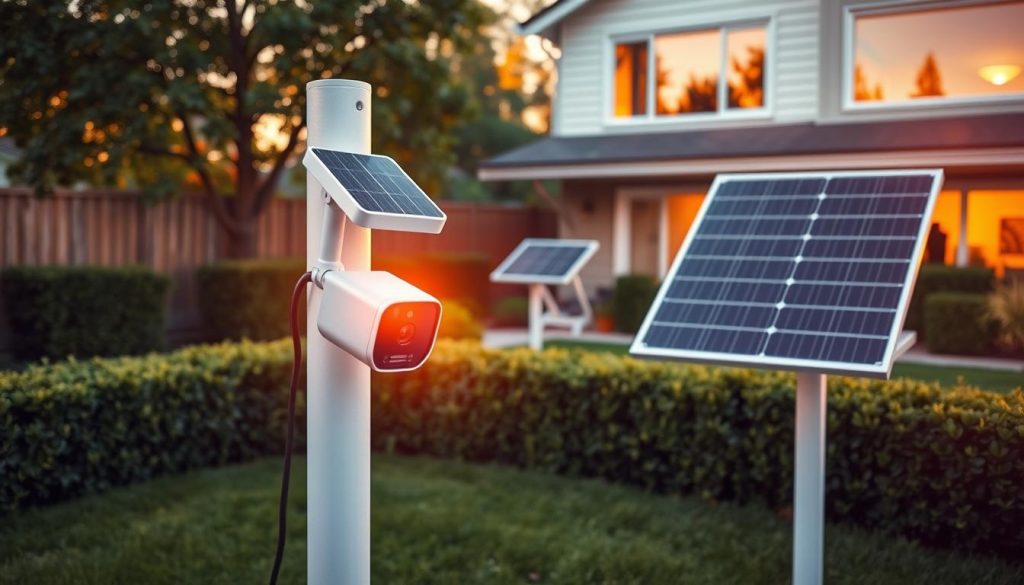
solar powered wifi security camera

Illuminating Options: Solar-Powered WiFi Security Cameras

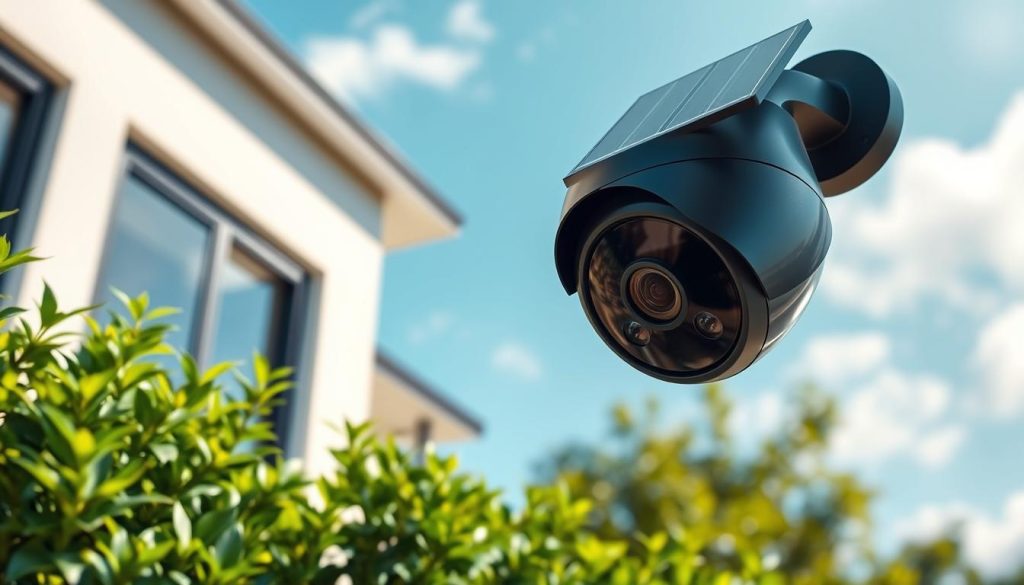
Keeping your property safe is getting a green upgrade. Modern systems now combine sustainable energy with wireless convenience. This creates a powerful solution for homes and businesses across Singapore. These devices use photovoltaic panels to turn sunlight into electricity. This energy powers the unit and allows for wireless data transmission. You get a security system that runs independently of the grid. Operational efficiency is a major key advantage. With good sunlight, they can function for up to 300 days on a single charge. For Singapore’s occasional cloudy weather, a built-in backup battery ensures continuous, uninterrupted operation. This technology is perfectly suited to the local environment. The country’s high average sunlight and urban density make it an ideal match. It offers a practical answer to the growing demand for eco-friendly and cost-effective protection. This article serves as your complete guide. We will explore the benefits, break down essential features, and compare top models. Our goal is to provide factual insights to help you make a smart choice for your needs. Key Takeaways Modern security solutions harness sunlight for sustainable, off-grid power. Wireless connectivity removes the need for complex and expensive wiring. High efficiency allows for months of operation and includes backup power for low-light conditions. The technology is exceptionally well-suited for Singapore’s sunny climate. Do-it-yourself installation is common, significantly reducing upfront costs. Advanced features like 2K video resolution and motion-activated recording are now standard. Consumer interest is rising due to a focus on environmental and economic benefits. Why a Solar Powered WiFi Security Camera is Ideal for Singapore The city-state’s landscape and regulations align seamlessly with innovative monitoring solutions. This makes it a standout location for adopting specific home technology. Local conditions provide a natural advantage. The combination of consistent weather and dense urban living creates unique needs. Harnessing Singapore’s Abundant Sunlight for 24/7 Security Singapore enjoys a tropical climate with intense rays year-round. The country averages 5.5 hours of daily sunshine. Annual solar irradiance reaches about 1,800 kWh/m². This provides a reliable and plentiful energy source. Modern photovoltaic panels are highly efficient. Advanced units with 6W panels can meet system demands, even when consumption is higher. This ensures the device operates continuously without grid power interruptions. A built-in battery stores excess energy for night use or cloudy days. Overcoming Urban Challenges: Wireless Freedom and Easy Installation Most residents live in HDB flats or condominiums. These spaces often have strict rules against drilling and extensive wiring. A wireless design eliminates the need for complex cabling. This addresses a major installation hurdle in urban areas. Building codes and HDB guidelines actively support wireless systems. This regulatory environment makes setup straightforward and compliant. Homeowners appreciate the flexibility. They can place the unit in the optimal spot for both coverage and sun exposure. Concrete financial benefits exist. A case study of landed properties showed 60% cost savings over three years. Savings come from lower electrical bills and reduced installation fees. Government incentives for eco-friendly devices further improve affordability. The convenience for residents is significant. Do-it-yourself setup is common, allowing for quick deployment. If security needs change, relocation is simple. This adaptability is crucial in a dynamic urban setting. In summary, this technology is a tailored solution. It fits Singapore’s unique geographic and infrastructural landscape perfectly. Key Benefits of Choosing Solar-Powered Outdoor Security Beyond simple surveillance, modern outdoor protection systems deliver a powerful trio of financial, environmental, and operational advantages. These benefits make them a compelling choice for homeowners seeking comprehensive solutions. Understanding these advantages helps you make an informed decision. Each aspect contributes to long-term value and performance. Significant Long-Term Cost and Energy Savings The initial investment for a quality unit starts around $135.80. This competitive price point makes advanced protection accessible. Operating costs remain remarkably low. These devices typically reduce monthly energy use by about 10% compared to traditional wired models. Independence from the grid shields you from electricity price hikes. Your monitoring system maintains operation during power outages, ensuring continuous coverage. Annual upkeep is minimal, averaging just $15. This contrasts sharply with the $75 often needed for maintaining wired alternatives. Simple maintenance like regular panel cleaning can boost efficiency by 25%. Many companion apps let you track these savings in your user account. Eco-Friendly Surveillance and Reduced Carbon Footprint Each photovoltaic-powered device can reduce CO₂ emissions by approximately 2.1kg monthly. This directly supports Singapore’s national sustainability objectives. Leading brands comply with the NEA’s stringent energy efficiency standards. This certification guarantees responsible power consumption. The environmental commitment extends through the entire product lifecycle. Companies like Eufy and Ring operate recycling programs for retired equipment. These initiatives ensure proper material recovery. They prevent electronic waste from ending up in landfills. Enhanced Reliability with Advanced Battery and Weatherproof Design Engineered for Singapore’s climate, these units feature robust construction. Materials like glass-reinforced polycarbonate and aluminum alloy provide exceptional durability. They carry IP67 waterproof ratings, surviving intense tropical downpours. Some models even meet military-grade MIL-STD-810G standards for shock and vibration resistance. The heart of the system is its advanced battery technology. Lithium-ion cells, ideal for humid conditions, offer over 500 full charge cycles. Superior options like LiFePO4 batteries ensure reliable performance for years. This technology handles heat better and maintains capacity longer. Premium manufacturers back this reliability with extensive 5-year warranties. This coverage provides genuine peace of mind for the long haul. For those exploring robust options, consider solar wireless security cameras for outdoor that embody these reliability features. Together, these benefits create a monitoring solution that is secure, economical, and environmentally responsible. They represent a smart investment for today’s conscious homeowner. Essential Features to Look for in Your Solar Camera Not all environmentally-friendly monitoring devices perform equally; key attributes determine their effectiveness. When evaluating options for your Singapore home, focus on these fundamental characteristics. They ensure your investment delivers clear footage, smart alerts, and year-round durability. High-Resolution Video and Intelligent Night Vision Video clarity is paramount for identification. Opt for 2K or 4K resolution over standard 1080p. The higher detail is crucial for recognizing faces

Illuminating Options: Solar-Powered WiFi Security Cameras Read More »

warehouse security cameras

Secure Your Warehouse: Top warehouse security cameras for 2023

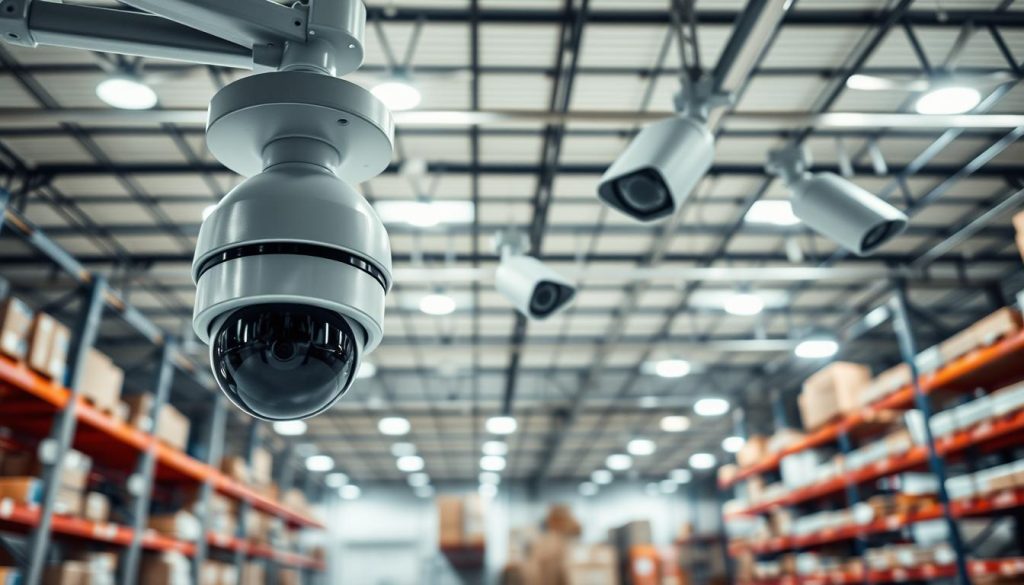
Protecting your commercial storage and distribution space is more critical than ever. Recent data shows a troubling rise in incidents, with theft increasing by 40% and physical attacks on businesses up by 28%. These large facilities, averaging over 15,000 square feet in the U.S., present unique challenges. Standard monitoring equipment often falls short in such vast, complex environments. This buyer’s guide is designed to help managers and teams navigate these challenges. We provide factual, data-driven insights to empower informed decisions for your operational safety. The value of inventory and the need for operational efficiency are key drivers for investing in advanced surveillance. A comprehensive solution does more than deter crime. It enhances safety compliance and provides crucial oversight for daily activities. Modern technology, including AI analytics and cloud-based management, is transforming how we monitor these areas. In the following sections, we will cover everything from equipment types and technical features to integration strategies. Our goal is to give you a holistic understanding for 2023. Key Takeaways Theft and safety-related incidents at commercial facilities have seen a significant rise recently. Large, complex spaces require specialized surveillance solutions beyond basic equipment. This guide aims to help you select a tailored system that fits your specific operational needs. Modern technology, like AI and cloud software, is revolutionizing monitoring and management. A robust system protects valuable inventory and can improve overall operational efficiency. Effective implementation involves careful planning and integration with existing operations. Investing in the right solution provides both crime deterrence and enhanced safety oversight. Why Warehouse Security Demands a Specialized Approach A standard retail monitoring setup fails completely when applied to the vast, dynamic spaces of a logistics hub. These facilities are high-value targets, packed with goods that attract both external and internal threats. The scale of loss is staggering. Cargo thefts alone cost U.S. businesses between $15 and $30 billion every year. In the last quarter of 2023, nearly one-third of all reported thefts happened within storage and distribution centers. This financial hemorrhage underscores the urgent need for proactive, robust measures. Beyond theft, the work environment itself presents unique health and safety risks. Employees navigate spaces with heavy machinery, falling objects, and chemical hazards. An accident here can have severe human and financial consequences. The physical layout adds another layer of complexity. Expansive floors, high ceilings, and long aisles create blind spots. Multiple loading docks and entry points further complicate traditional monitoring. Relying on manual observation across such a large area is simply impractical. It creates gaps in oversight that can be exploited. This is why technological solutions are non-negotiable. Modern surveillance systems provide the continuous, wide-area visibility that human guards cannot. Effective protection must also integrate seamlessly with daily operations. It cannot hinder logistics, inventory control, or employee safety protocols. A specialized approach weaves these threads together. Furthermore, the equipment itself must be tough. These systems are built to withstand dust, vibration, and temperature swings common in industrial environments. A tailored strategy allows for precise coverage of critical zones. This includes monitoring loading bays, storage racks, perimeter fences, and workstations. The conclusion is clear. A generic, one-size-fits-all solution is insufficient for these complex operations. Success requires a customized plan with specific camera placements and advanced features designed for the challenge. How Warehouse Security Camera Systems Operate The operation of a modern surveillance ecosystem hinges on a clear data pathway from capture to review. Grasping this flow is essential for selecting equipment that meets your facility’s specific demands. It transforms raw visual information into actionable insights for protection and oversight. The Core Components: From Lens to Monitor Every robust monitoring setup functions through a coordinated network. The fundamental workflow begins with image capture. Surveillance devices record live scenes across your property. This visual data is then transmitted to a central processing unit. The key parts of any arrangement include: Image Capture Units: These are the various types of devices installed on-site. They range from fixed units to those with pan-tilt-zoom capabilities. Video Recorders: Known as NVRs (Network Video Recorders) or DVRs (Digital Video Recorders). They process and store the incoming streams. Monitoring Devices: On-site screens in a control room or remote access via mobile apps and cloud portals. Management Software (VMS): This platform organizes stored footage. It allows for search, playback, and analysis of recorded events. Recording can happen in two primary modes. Continuous recording captures everything, ensuring a complete historical log. Event-triggered recording activates based on specific cues. These include detected motion or sound, which saves storage space. Analog vs. Digital: Understanding the Data Pipeline The method of data transmission defines a system’s capabilities. The two main types are analog and digital (IP) setups. Analog systems use coaxial cables to send video signals. They are known for stable performance with less network interference. However, they typically offer lower image resolution. Upgrading an existing analog installation can be cost-effective. Digital (IP) systems transmit data over Ethernet cables. They integrate easily with existing computer networks and other smart devices. These setups deliver superior image clarity, often in 4K. Yet, they require robust cybersecurity measures to prevent unauthorized access. The data pipeline is the journey a video signal takes. It travels from the capture unit via cable or network infrastructure to central storage. Recorders play a vital role here. They convert raw signals into viewable formats and manage storage durations based on your settings. Modern monitoring solutions offer flexible oversight. On-site security rooms provide immediate, localized viewing. Remote cloud-based access enables real-time checks from anywhere. This is crucial for managers overseeing multiple locations. Many contemporary installations blend both technologies. Encoders allow older analog units to connect to new digital networks. This hybrid approach protects previous investments while adding modern features. Understanding how your protection system operates is not just technical. It directly informs planning for future expansion and maintenance. It also ensures seamless integration with other operational layers, like access control and inventory software. Confronting Unique Warehouse Security Threats Effective protection for industrial storage spaces must address two distinct categories of risk:

Secure Your Warehouse: Top warehouse security cameras for 2023 Read More »

wire-free solar security camera setup

Find the Perfect 4G Solar Security Camera for Your Home

Keeping your home safe in Singapore just got easier. Imagine a wire-free solution that works anywhere on your property. This guide introduces a powerful type of home security device. It combines solar energy and cellular networks for total independence. You gain complete freedom from electrical outlets and Wi-Fi. The system uses a solar panel for power and cellular data for video transmission. Leading brands like Hikvision, Reolink, and LS VISION create these robust setups. They are built for challenging spots where running cables is tough. For Singaporean homeowners, this means overcoming wiring limits. It’s ideal for gardens, outbuildings, or remote areas. The tropical weather is no problem for a well-designed model. We will break down critical features like panel efficiency, video quality, and smart detection. This buyer’s guide translates technical specs into practical advice. Our goal is simple: to help you choose a system that offers reliable property protection and peace of mind. Explore comprehensive 4G solar security camera solutions to start your journey. Key Takeaways These devices provide a completely self-sufficient, wire-free monitoring solution. They are perfect for locations without easy access to power outlets or internet cables. Solar power keeps the battery charged, offering continuous operation. Cellular data ensures a stable connection for live viewing and alerts, without Wi-Fi. Key features to compare include video resolution, night vision capability, and motion detection. Cloud storage options provide a secure way to save and review recorded events. Choosing the right model balances performance, durability, and value for your specific needs. Introduction to 4G Solar-Powered Security Forget about tangled wires and Wi-Fi dead zones. A new generation of monitoring tools is here. This technology merges two independent systems into one standalone surveillance solution. You gain total freedom from fixed infrastructure. It’s a revolutionary step for property protection in any location. What is a 4G Solar Security Camera? Think of it as a self-contained sentry. This device combines photovoltaic panels for energy and a cellular modem for communication. It operates completely on its own. The first core component is the solar panel system. It captures sunlight to charge an internal, high-capacity battery. This provides the necessary power for continuous operation. The second vital part is the 4G LTE modem. It uses a standard SIM card, just like a smartphone. This modem handles all data transmission, sending video footage over the mobile network. As Reolink explains, these units function like a mobile phone. They require a data plan instead of a Wi-Fi password. Leading brands like Hikvision refine this concept further. Their philosophy focuses on integrated design. They consolidate the panel, battery, and lens into one streamlined body. This makes deployment fast and simple. How This Technology Solves Traditional Security Challenges Old-fashioned wired CCTV presents major hurdles. Installing it requires extensive cabling for electricity and internet access. This process is often costly and invasive to your property. The new approach elegantly solves this. It addresses the “last mile” problem in monitoring. Now, watching over a remote shed, a front gate, or a temporary construction site is straightforward. These are spots where traditional infrastructure is absent. Once mounted, the unit works autonomously. It manages its own energy and connection. You receive real-time alerts and live video streams directly on your phone. There’s no need to run cables or configure a router. The system is truly plug-and-play. This marks a significant shift. It makes professional-grade surveillance accessible and incredibly flexible. Your property layout no longer limits your options for reliable protection. Why a 4G Solar Camera is Ideal for Singaporean Properties Singapore’s unique property landscape presents specific challenges for home monitoring. Many houses have older layouts with limited power outlets. New extensions or garden areas often sit far from the main router. This section explores how a modern surveillance solution tackles these local issues head-on. It delivers reliable protection without the hassle of major renovations. Overcoming the Lack of Power and Internet Wiring Running cables for electricity and internet can be expensive and disruptive. Traditional setups require an electrician and network technician. This is not always practical or possible. A solar-powered unit with cellular connectivity changes the game. It draws energy from the sun and sends footage via mobile network. You bypass the need for outlet access and Wi-Fi signal entirely. This eliminates costly wiring projects. It also makes your security system highly scalable. You can add more units anywhere on your property without infrastructure limits. Perfect for Remote Locations and Temporary Setups Think about spots that are hard to reach with cables. A standalone garage or a remote garden shed are perfect examples. A construction site during home renovation is another. Brands like Hikvision and Reolink design their products for such remote locations. They list use cases like farmlands, festivals, and off-grid areas. The principle applies directly to Singapore. These cameras offer great value for temporary events. You might host a large festive gathering at home. A temporary setup provides extra monitoring for the day. It’s a plug-and-play approach. You mount the device, and it starts working. There’s no permanent installation required. Resilience in Singapore’s Tropical Climate The local weather is a major factor for any outdoor equipment. Intense sun, heavy rain, and high humidity are constant. Your monitoring tool must withstand these conditions. Look for models with high IP ratings. IP66 or IP67 certification is a key feature. It ensures resistance against dust and water jets. Hikvision notes anti-corrosion materials and IP67 ratings in their design. This guarantees sturdy performance despite the elements. The internal battery and solar panel are built to handle temperature swings. This resilience makes the system a dependable long-term investment. It won’t fail during a monsoon or a heatwave. For homeowners in Singapore, this technology isn’t just an alternative. It is often the most practical and robust primary security solution. It meets specific local needs for convenience, flexibility, and durability. Key Features to Look for in the Best 4G Solar Security Camera The performance of a wire-free sentry hinges on several interconnected technical specifications. A truly reliable unit

Find the Perfect 4G Solar Security Camera for Your Home Read More »

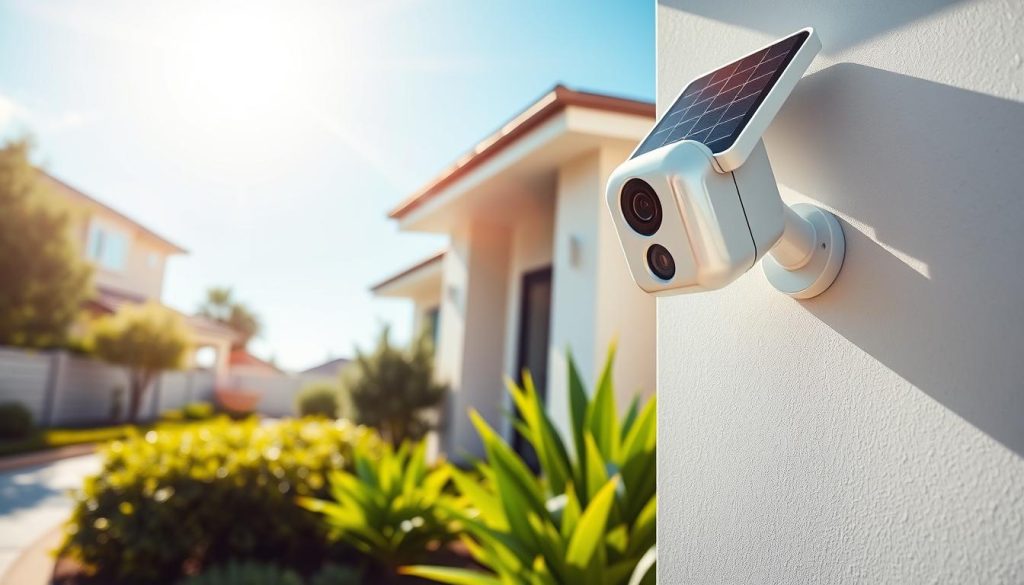
solar powered outdoor security camera

Best Solar Powered Outdoor Security Cameras in 2023

Keeping your property safe is a top priority for homeowners everywhere. In 2023, more people are choosing sustainable home security solutions that use renewable energy. Editor’s Note: A solar-powered device is not just great for the environment, but also for your wallet. These systems are growing in popularity as folks look to reduce their carbon footprint and energy bills. This guide provides a detailed look at the best wire-free options available. We explore models that offer reliable, hassle-free monitoring without the need for complicated wiring or frequent battery changes. You will find reviews of top brands like ADT, Lorex, Ring, and Blink. We also cover key features to consider, such as video resolution, battery life, and smart home integration. Our goal is to help homeowners in Singapore and similar tropical climates make a smart choice. The right equipment can withstand humidity and leverage ample sunlight for consistent performance. Key Takeaways Sustainable, wire-free protection is a major trend for modern homes. Using a renewable energy source leads to significant cost savings over time. Top brands offer advanced features like high-definition video and motion alerts. Important factors include weather resistance, battery backup, and app connectivity. This roundup is based on thorough research to simplify your buying decision. Proper placement of the solar panel is crucial for optimal performance. Harness the Sun: Why a Solar Powered Security Camera is a Smart Choice Why settle for traditional, grid-dependent systems when a more autonomous and green solution exists? Modern surveillance technology now lets you tap into a free, abundant resource. This approach offers a dual win. You actively reduce your household’s carbon emissions by cutting reliance on fossil-fuel electricity. At the same time, you lock in significant savings on monthly bills. Sunlight is free. Once you install the equipment, your operating costs drop nearly to zero. The economic advantage becomes clear over the long term. How does it work? A compact panel converts light into energy, feeding the device’s internal battery. This creates a continuous loop of charging. On cloudy days, the onboard reserve takes over, ensuring no downtime in monitoring. This reliability means your property is watched around the clock. Such constant vigilance is a powerful deterrent to unwanted activity. Placement becomes incredibly flexible. You are not limited to spots near an outlet. This is ideal for monitoring gates, sheds, or large garden areas where running wires is impractical. Durability is built-in. High-quality solar panels and the units they power are designed to be weatherproof. They handle rain, heat, and humidity with ease. The best part might be the low upkeep. It’s largely an “install it and forget it” system. You avoid the hassle of frequent battery swaps or remembering to recharge devices. Today’s panels are highly efficient. They can generate useful power even in less-than-ideal light conditions, making them a practical choice for many climates. For a place like Singapore, with ample sun year-round, this technology is exceptionally effective. The consistent sunlight guarantees optimal performance and life for your equipment. Here are the core pros that make this a smart move: Eco-Friendly: Lowers your carbon footprint by using clean, renewable energy. Cost-Effective: Eliminates ongoing electricity costs for your surveillance. Uninterrupted Protection: Battery backup ensures recording never stops, day or night. Easy Installation: Go truly wireless; place your unit anywhere the sun shines. Minimal Maintenance: Once set up, the system requires very little attention. Choosing a solar-powered option is a forward-thinking investment. It strengthens your home safety while committing to a more sustainable future. What to Look for in the Best Solar Powered Outdoor Security Camera Beyond just catching the sun, the best units excel in three core areas: sight, stamina, and smarts. Knowing what specs to prioritize helps you filter the market and find a perfect match for your property. Camera Performance: Resolution, Field of View, and Night Vision Video clarity is paramount. Aim for a minimum of 1080p resolution. Many modern cameras now offer stunning 4K detail. This high resolution lets you identify faces and license plates clearly from a distance. It turns vague footage into usable evidence. Next, consider the field view. A wider angle, like 130° to 180°, covers more ground. It minimizes blind spots around driveways or garden corners. For round-the-clock security, night vision is non-negotiable. Standard infrared shows black-and-white images. Advanced color night vision provides more detail in low light. It can help distinguish clothing colors or vehicle models after dark. Power and Durability: Battery Life, Solar Panel Efficiency, and Weatherproofing The solar panel is the heart of the system. Its efficiency determines how well your device stays charged. Look for a panel that can generate useful power in a few hours of direct light. Some models work well even in partial sun, which is great for slightly shaded spots. This directly extends the unit’s battery life. A robust internal battery acts as a backup for cloudy days or long nights. Durability is key, especially in humid climates. Check the IP weatherproof rating. A good rating ensures protection against heavy rain and dust. Also, verify the operating temperature range. For Singapore’s tropical weather, heat and humidity resistance are more critical than extreme cold tolerance. Smart Features and Integration: Alerts, Storage, and Smart Home Compatibility Modern devices are intelligent. AI-powered motion detection can tell the difference between a person, a pet, and a passing car. This smart filtering drastically cuts down on false alerts. You only get notified for events that truly matter. Think about your storage options. Cloud storage is convenient and often includes advanced features, but usually requires a monthly subscription. Local storage on a microSD card keeps your data offline and avoids ongoing fees. It gives you full control over your recordings. Finally, smart home compatibility adds convenience. Integration with platforms like Alexa or Google Assistant allows for voice commands and automated routines. You can view live feeds on your TV or have lights turn on when motion is detected. The right blend of these features creates a system that’s not just watching, but working

Best Solar Powered Outdoor Security Cameras in 2023 Read More »

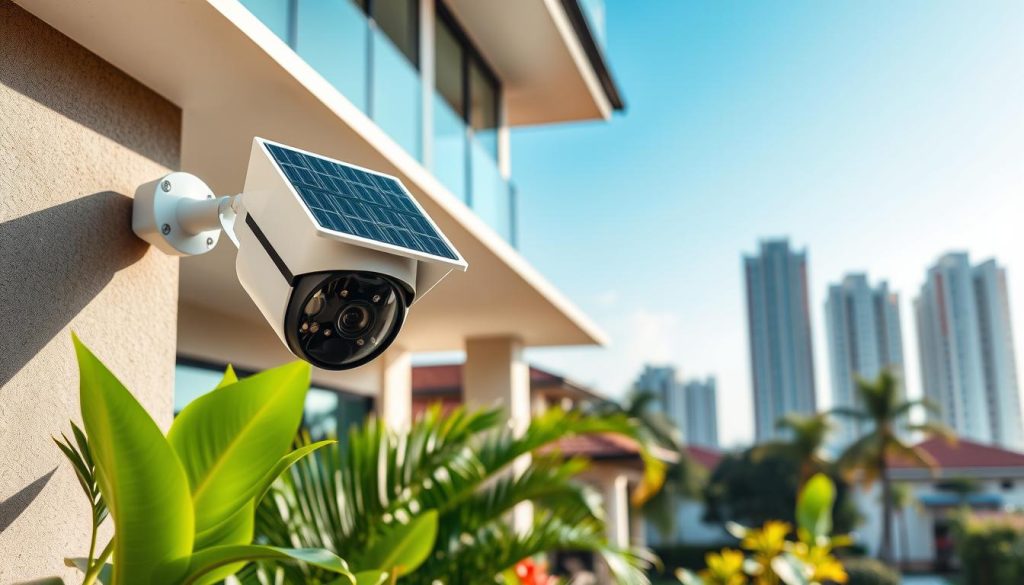
solar cellular security camera

Buyer’s Guide: Solar Cellular Security Cameras in Singapore

Keeping your home safe just got smarter. Modern wireless surveillance devices offer a cutting-edge solution for property protection in Singapore. This guide provides a comprehensive overview to help you make an informed purchase. These innovative units are growing in popularity. Their design frees them from traditional power outlets and fixed internet lines. This independence makes them incredibly versatile for various locations. They are especially relevant for local homes like HDB flats, condominiums, and landed properties. Running wires in these spaces can be challenging or even prohibited. Singapore’s tropical climate also creates unique considerations for devices using the sun’s energy. Our guide will cover key benefits, essential features, cost factors, and top brands available here. It is designed for property owners seeking reliable, maintenance-free monitoring. We aim to demystify the technology and provide a clear checklist. Think of this as your first step toward enhanced peace of mind. A well-chosen system is a smart investment in safeguarding what matters most. Key Takeaways This guide explains a modern wireless solution for keeping your Singapore property safe. These devices are popular because they don’t need standard power or internet wiring. They are a practical choice for HDBs, condos, and landed homes where installation can be difficult. Singapore’s weather impacts how well solar-powered equipment performs. The article will break down benefits, features, costs, and popular brands for you. It is written to help you choose a reliable, low-maintenance surveillance system. The final goal is to give you a clear checklist for making a confident purchase. Why Singapore Homes Need Solar Cellular Security Cameras In a city where space is limited and connectivity can be spotty, a robust surveillance solution becomes essential. Modern wireless units offer a distinct answer to local property protection needs. They are designed to tackle the specific hurdles faced by residents here. High-density living creates unique vulnerabilities. Incidents like porch piracy or disturbances in common areas are concerns. A reliable system helps deter such activities and provides evidence if needed. Overcoming Singapore’s Unique Security Challenges Many local residences have strict rules about modifications. HDB flats and rented apartments often prohibit drilling or running cables. Historic conservation houses also pose installation difficulties. Traditional wired setups are not practical in these situations. They require access to electrical outlets and Ethernet ports. This limits where you can place a unit for optimal coverage. Truly wireless design changes the game. It eliminates the need for permanent wiring altogether. You gain the freedom to install a device almost anywhere on your premises. The Advantage of Being Truly Wireless Being free from cords is a major benefit. You don’t have to rely on your home’s Wi-Fi network strength. This is crucial for spots like car parks, garden sheds, or balconies where router signals weaken. Cellular connectivity ensures constant operation. Even during a home internet outage, your surveillance remains active. It uses a mobile network, similar to your smartphone, for sending alerts and video. Industry sources note such technology is ideal for remote properties, construction sites, and temporary events where traditional connectivity is unavailable. Adapted from Reolink This translates well to local scenarios. Think of monitoring a vacation home, a construction project, or a remote storage unit. Community gardens or festival sites can also benefit from this flexible setup. The solar panel and integrated battery address weather concerns. During monsoon rains or a power outage, the system stays on. This provides uninterrupted security when you need it most. Remote monitoring from your phone is a key feature. You can check live feeds or review recordings from anywhere. This offers immense peace of mind while you’re at work or traveling. Without physical cables, the camera is less vulnerable. It’s harder for someone to tamper with or accidentally disconnect. This enhances overall reliability for your property. For Singaporeans seeking flexible, reliable, and hassle-free protection, these units are a necessity. They match the needs of modern living and local events. The right model delivers performance without complex installation. How a Solar Cellular Security Camera Works At its core, the system operates on a continuous loop of energy harvesting, storage, and intelligent data transmission. This elegant process is what makes it a standalone guardian for your property. You don’t need to be an engineer to appreciate its clever design. It seamlessly blends renewable energy with modern mobile connectivity. The Power Trio: Solar Panel, Battery, and Camera Three main components form the heart of the unit. The solar panel acts as the primary energy harvester. It transforms solar power into electricity throughout the day. This energy is then used to charge a high-capacity, rechargeable battery. The battery serves as the system’s energy bank. It stores enough power to run the camera day and night. Advanced models feature smart power management. They adjust recording modes to optimize battery life based on activity levels. Some brands, like Hikvision, offer integrated kits where these parts work as one. Others have a modular design for flexible placement. Real-world performance is impressive. Certain units can operate for up to a week without direct sunlight, relying solely on their stored charge. Staying Connected: The Role of the SIM Card This is where the “cellular” functionality comes alive. A standard SIM card is inserted into a slot on the device. Just like your smartphone, it uses this card to connect to local mobile networks. This provides the essential link for all data transmission. A cellular camera uses a SIM card to connect to 4G LTE or 5G network, sending live video streams and alerts. Adapted from Reolink This connection is completely independent of your home Wi-Fi. It ensures constant access and monitoring, even if your internet goes down. The camera captures and compresses video footage. This data is then sent securely over the cellular network. It travels directly to your phone for live viewing or to a cloud service for recording. This process happens in near real-time. A key reliability feature is its immunity to grid failures. Since it doesn’t draw power from an outlet, it remains fully operational

Buyer’s Guide: Solar Cellular Security Cameras in Singapore Read More »

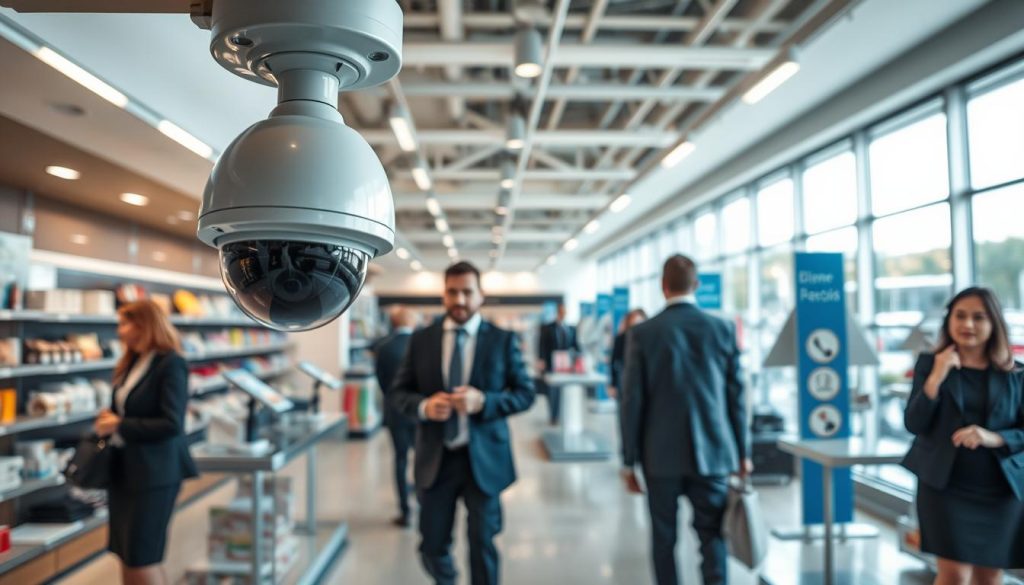
retail store surveillance system

The Best Security Cameras for Retail Stores

Navigating the world of modern surveillance can be complex. This definitive resource is designed for shop owners and managers in Singapore looking ahead to 2025. We break down the technical details into clear, actionable advice. A robust visual monitoring system is crucial for any shop. It protects your inventory and ensures staff safety. It also provides insights into daily operations and customer behavior. Choosing the right setup is a strategic investment. It prevents financial loss from theft and helps manage liability risks. This guide covers essential features, system integration, and smart functionality. Our goal is to empower you with knowledge. You will learn to select a reliable solution that fits your store’s specific layout and traffic patterns. Make a confident purchase decision to protect your assets around the clock. Key Takeaways This guide simplifies technical specs to help you choose the right visual monitoring system without prior expertise. Modern surveillance is a strategic investment that protects assets, enhances safety, and improves store operations. Key factors include your store’s physical layout, product value, and customer flow patterns. The right system deters crime, monitors interactions, and provides crucial evidence if needed. Integration capabilities with other business systems can boost overall efficiency. By the end, you’ll be equipped to consult with vendors or make a purchase with full confidence. Why Security Cameras Are Essential for Retail Stores in Singapore For shop owners across Singapore, implementing a surveillance solution addresses critical vulnerabilities that many small and midsize enterprises face. These establishments often hold valuable stock and cash. They also present multiple points of entry that criminals may exploit. A visual system is a cornerstone of modern risk management. It shifts your approach from reactive to proactive. In a dense urban environment with high customer flow, this continuous oversight is non-negotiable for operational control. Deterring Theft and Reducing Shoplifting Visible units act as a powerful psychological barrier. The mere sight of them makes most people think twice before committing an act of dishonesty. This applies to both potential shoplifters and staff. Shoplifting causes a significant part of inventory loss. A well-positioned system captures clear video of any incident. This evidence can lead to apprehensions and discourages repeat offenders from targeting your location. Security cameras act as both a deterrent for crime and also help authorities bring criminals to justice. This dual function is vital. It prevents loss and supports law enforcement. The result is a safer environment for everyone inside your shop. Monitoring Customer Service and Employee Activity These tools offer invaluable insights beyond theft prevention. Managers can review recordings to assess service quality. They see how staff interact with shoppers during busy periods. This review process helps identify training opportunities. Teams can learn from positive examples and correct mistakes. Observing daily operations also ensures procedures are followed correctly. It helps resolve workplace disputes fairly. Accusations about incidents or timekeeping can be checked against the recorded timeline. This creates a transparent and accountable work culture. Providing Evidence for Legal and Insurance Purposes High-resolution video provides indisputable proof when needed. If a crime occurs, footage gives police a clear lead. It increases the chance of identifying those responsible and recovering items. For insurance claims, documented evidence is crucial. It supports cases involving vandalism, burglary, or customer accidents like slips. A solid video record streamlines the claims process and helps prevent fraudulent activities. Modern setups allow remote viewing via smartphone apps. Owners gain peace of mind, checking on their business anytime. Integrating visual monitoring with alarms creates a layered defense for your assets. Ultimately, this technology transforms how you protect your enterprise. It enables you to stop losses before they happen and makes smart oversight a core part of your daily strategy. Key Factors to Consider Before Purchasing Retail Security Cameras A successful purchase hinges on understanding how different features align with your shop’s unique needs. Technical specs directly impact the system’s effectiveness. You must evaluate several core specifications. This ensures you get reliable protection without overspending. Camera Resolution: 1080p, 2K, 4K, and Beyond Image clarity starts with resolution. It defines the detail level in your recorded video. Common standards are 1080p Full HD (2MP), 2K, and 4K Ultra HD (8MP). Higher megapixel counts capture finer details. This allows for facial recognition and license plate reading at greater distances. A 4K unit is ideal for monitoring high-traffic entrances. A stockroom might only need a 1080p model. Matching the resolution to the scene prevents buying over-engineered gear. Field of View and Coverage Area for Optimal Surveillance The field of view (FoV) dictates how much a single device can see. A wide-angle lens covers a larger area. This can reduce the number of units needed. However, it may distort images at the edges. Varifocal lenses allow for precise adjustment. You can zoom in on specific spots like cash registers. Planning your coverage involves mapping your floor plan. Identify all entry points and blind spots. Effective coverage ensures no activity goes unrecorded. This is a cornerstone of a robust camera system. Durability: Weatherproof and Vandal-Resistant Designs Build quality is non-negotiable for reliable operation. This is critical for indoor outdoor placement. An IP67 rating guarantees resistance to dust and temporary water immersion. It’s essential for Singapore’s humid climate. For accessible locations, look for an IK10 vandal-resistance rating. This means the housing can withstand heavy impacts. Such durable construction ensures continuous protection. Your investment remains safe from environmental and physical damage. Power Source: PoE, Wired, or Wireless Options How your equipment receives power affects installation and reliability. You have several options. Power over Ethernet (PoE) is a popular choice. It sends data and power through one cable, simplifying setup. Traditional wired options offer maximum stability. They provide uninterrupted video feeds without Wi-Fi interference. Wireless models grant installation flexibility. Yet, they depend on battery life or a consistent wireless signal. For a retail setting, hardwired connections are often recommended. They ensure critical, continuous recording for your business. Understanding Different Types of Security Cameras for Retail Not all surveillance units are created equal.

The Best Security Cameras for Retail Stores Read More »